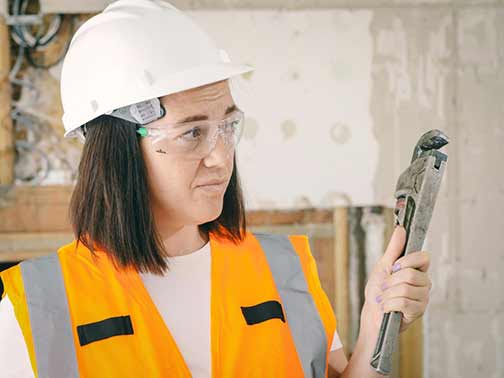
A plumbing emergency can strike at any hour. A burst pipe, clogged drain, or leaking faucet may happen without warning. Small issues can escalate into major water damage before a plumber even arrives. Every homeowner should prepare before problems occur. Emergency plumbing kits allow you to act quickly. As a matter of fact, having the right tools on hand can prevent thousands in repair costs. Confidence is important. New homeowners often feel unprepared when problems arise. A stocked kit removes stress and helps you respond immediately. In short, preparation is protection.
The First 10 Minutes Matter in Plumbing Emergencies
When water begins leaking, time is your biggest enemy. A single burst pipe can release gallons within minutes. Besides, water spreads quickly into floors, drywall, and furniture. Quick response reduces damage and lowers cleanup costs. Even small leaks can weaken structures or create mold growth if left unchecked. Similarly, clogged drains can cause backups that ruin bathrooms and kitchens.
A running toilet may waste hundreds of gallons daily. In contrast, a homeowner with the right kit can stop it in minutes. Hence, fast action is not just helpful—it is critical. Of course, emergency plumbing kits are not a replacement for professional help. Nevertheless, they give you the tools to protect your home until the plumber arrives.
The Essential Tools Every Emergency Plumbing Kit Should Contain
Every reliable kit begins with tools. An adjustable wrench is one of the most useful items you can own. It allows you to tighten loose and noisy pipe fittings and valves quickly. A pipe wrench handles bigger connections where more grip is needed. Keeping both wrenches ensures flexibility for different jobs. Also, plungers are important. You should keep both a cup plunger and a flange plunger. The first works on sinks, whereas the second fits toilets better.
A multi-bit screwdriver is another versatile tool you can use during home renovations. Plumbing fixtures often require different screw heads. A single screwdriver with changeable tips saves time and space. Do not forget a utility knife for cutting tape, tubing, or packaging. A measuring tape helps you size replacement parts correctly. A strong flashlight with spare batteries is essential. Many plumbing problems occur in dark spaces under sinks or in basements.
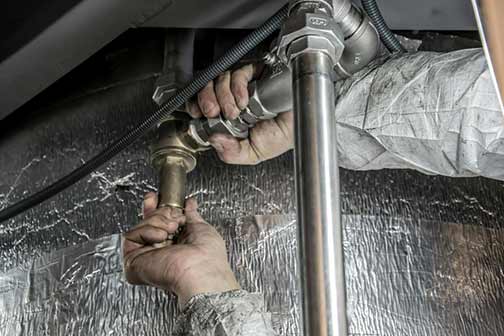
How to Organize and Store Emergency Plumbing Kits
Having tools and supplies is only useful if you can find them fast.
- A sturdy waterproof box or toolbox is best. Store everything neatly so items are accessible.
- Label tools and supplies. During stressful moments, quick identification saves time. Focus on location. Keep the kit near the main shut-off valve. This ensures fast access when seconds matter.
- Create a checklist to restock supplies. Used tape, missing washers, or dead batteries can ruin your preparation. Similarly, review your kit twice a year. Replace worn tools and refresh items as needed.
- Consider a small printed guide inside the kit. Simple steps for shutting water off or applying tape may help in emergencies. The organization turns a pile of tools into a lifesaving kit.
If you are moving or renovating, your kit should move with you. Add it to your checklist so it is never forgotten in the shuffle. Store it separately from other tools to avoid misplacement during packing. This way, you can still handle emergencies even if your home is under construction. By keeping your plumbing kit accessible and your moving checklist close, you stay organized and on track, ready to respond at any moment.
Plumbing Repair Supplies That Save the Day
Tools are only half the solution.
- Supplies seal leaks and stop water in its tracks.
- Plumber’s tape, or Teflon tape, is one of the most important. It creates a watertight seal on threaded fittings.
- Pipe repair clamps offer quick fixes for damaged pipes. As a matter of fact, they are lifesavers when a plumber cannot come right away.
- Similarly, epoxy putty is excellent for sealing small cracks or pinhole leaks. It hardens fast and holds until a permanent repair is made.
- Rubber washers and O-rings are often overlooked. They fix many dripping faucet problems instantly. Keeping extras in your kit is smart.
- In addition, pay attention to hose clamps and spare pipe fittings. These small items stabilize joints or temporary connections.
- Towels and rags are just as important. They soak up water, protect flooring, and help you keep areas dry.
The right supplies stop small issues from becoming disasters. Of course, they do not replace long-term repairs, but they buy you valuable time.
Safety Gear Homeowners Often Forget
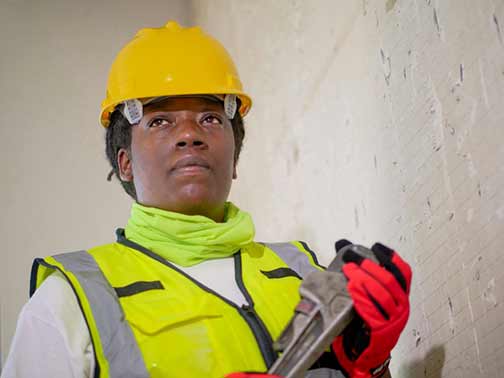
Plumbing emergencies can be messy and dangerous. Protective gloves should be part of every kit. They protect your hands from cuts, chemicals, and contaminated water.
Safety glasses are just as important. Water pressure or broken materials can send debris flying. Tightening a pipe may cause a sudden spray directly to the face. Glasses prevent injury.
A non-slip kneeling pad or small mat adds comfort and safety. Many plumbing jobs require working on hard, wet floors. Besides, the pad helps keep you steady when handling tools.
Extra Items That Turn Kits Into Lifesavers
Certain extras can make a major difference. A sturdy bucket is essential. It catches leaks and reduces water spreading across floors. A wet/dry vacuum helps remove standing water fast. In contrast, towels alone cannot handle large spills effectively. As a matter of fact, this tool can prevent mold growth after leaks.
Zip ties and duct tape provide temporary stabilization. They secure loose pipes, hoses, or fittings until proper repairs are made. Another key point is including a drain snake or auger. These tools clear stubborn clogs that plungers cannot fix. Lastly, keep spare shut-off valve handles. Sometimes valves break when forced shut. Having a backup prevents loss of control during emergencies like heavy rain and flooding. In short, these extras elevate a good kit into a complete solution.
When to Use Your Kit and When to Call a Professional
Your kit is powerful, but it has limits. Small leaks, clogged drains, or dripping faucets are often safe for homeowners to manage. Broken pipes, major sewage backups, or gas line issues require immediate professional help. Trying to handle these yourself may cause greater damage. Also consider safety. If water is near electrical outlets or wiring, call a plumber and an electrician immediately.
Using your kit while waiting still helps. For example, applying epoxy putty can slow leaks until a plumber repairs the pipe. Besides, shutting water off and containing spills prevents worsening damage.
Summary
Plumbing emergencies will happen eventually. Preparation makes the difference between minor inconvenience and expensive disaster. Every homeowner should create emergency plumbing kits before problems strike. In short, a kit offers peace of mind. You will know you can control leaks, clogs, and small failures until help arrives. As a matter of fact, building one today protects your home tomorrow. With this in mind, take action now. Gather your tools, supplies, and safety gear. Store them where you can reach them quickly. Besides, the cost of a kit is small compared to repairs. A few hours of preparation may save thousands later. Hence, do not wait until water is flooding your home. Assemble your kit now and stay ready.