Designing a sustainable home goes beyond using recycled materials or installing solar panels. One of the most overlooked yet essential areas for sustainability lies in plumbing. Choosing eco-friendly plumbing fixtures can significantly reduce water consumption, energy usage, and environmental impact. But beyond that, these fixtures can blend seamlessly with modern home aesthetics, proving that style and sustainability can go hand in hand.
If you’re currently building or remodeling your home with eco-consciousness in mind, selecting the right plumbing fixtures is a great place to start. Let’s explore how to make those decisions confidently and carefully, ensuring every drop counts for your home and the planet.
Why Eco-Friendly Plumbing Fixtures Matter
Eco-friendly plumbing fixtures aren’t just a trend; they’re necessary in the face of global water scarcity and climate change. Traditional fixtures often waste water through inefficient design, potential leaks, or excessive flow rates. When you opt for sustainable alternatives, you reduce your water footprint without compromising performance or comfort.
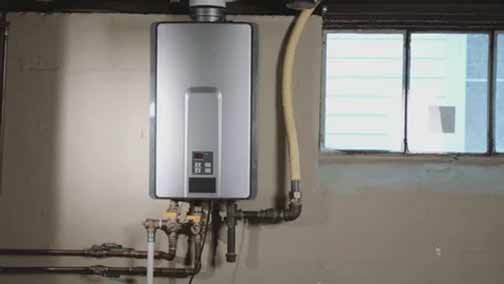
These fixtures also tend to use less energy. For example, efficient water heaters and low-flow showerheads help reduce the energy needed to heat water. That means lower utility bills and fewer carbon emissions—both are wins for a greener lifestyle.
Understanding WaterSense Certification
One of the easiest ways to identify eco-friendly plumbing fixtures is to look for the WaterSense label. This EPA-sponsored certification ensures that products meet strict efficiency and performance standards. WaterSense fixtures use at least 20% less water than standard models without sacrificing quality.
This label applies to faucets, toilets, showerheads, and irrigation systems. Choosing WaterSense-certified options helps guarantee that you’re making a sustainable and responsible purchase.
Choosing Low-Flow Showerheads Without Losing Comfort
Many people hesitate to switch to low-flow showerheads because they fear a weak, unsatisfying shower. But modern technology has come a long way. Today’s low-flow designs use air infusion or pressure-compensating flow regulators to maintain a powerful, luxurious stream.
You can choose from various styles, from rain showerheads to handheld models designed with water efficiency in mind. Reducing your flow rate from 2.5 to 1.75 gallons per minute can save thousands of gallons annually for an average household.
High-Efficiency Toilets That Don’t Skimp on Performance
Toilets are among the biggest water consumers in any home. Standard models can use up to 7 gallons per flush, while newer high-efficiency toilets (HETs) use as little as 1.28 gallons. That’s a major improvement without any compromise in flushing power.
Dual-flush toilets take it a step further by offering two flush options—one for liquid waste and another for solid waste—giving you more control over water usage. These innovations have changed the way we think about toilet design and function.
Eco-Friendly Faucets for Kitchens and Bathrooms
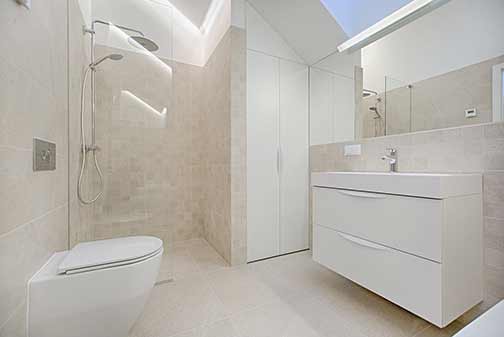
Faucets are often used mindlessly throughout the day, which makes them a key focus for water savings. Aerators mix air into the water stream and are simple additions that reduce flow while maintaining pressure.
Many eco-friendly faucets come equipped with ceramic disc valves, which are more durable and less prone to leaking. Choosing faucets with built-in temperature controls can also unnecessarily reduce the energy required to heat water.
Smart Technology Integration for Greater Efficiency
Smart plumbing fixtures are the future of sustainable living. Technology makes tracking and managing water use easier, from touchless faucets to app-connected water monitors. Some systems can detect leaks quickly, helping you avoid waste and costly damage.
Motion-sensor faucets, in particular, are popular in modern sustainable homes. They reduce the risk of accidentally leaving the water running, which is especially useful in busy households with children.
Material Matters: Eco-Conscious Choices for Fixture Finishes
When choosing plumbing fixtures, pay attention to what they’re made of. Recycled metals like stainless steel or brass are durable, non-toxic, and environmentally friendly. Avoid fixtures with finishes containing harmful chemicals or that are prone to wear and tear, as these will need replacing more often.
Powder-coated finishes and PVD (physical vapor deposition) coatings are popular sustainable options because they’re long-lasting and low-emission during manufacturing. These finishes also resist corrosion and require fewer chemical cleaners, another win for the environment.
Design Harmony with Sustainable Fixtures
Sustainability doesn’t mean sacrificing style. Today’s eco-friendly fixtures come in a wide range of modern, sleek, and traditional designs. Whether your home leans toward minimalist, rustic, or contemporary, a sustainable fixture matches your aesthetic.
Designers now consider not only form and function but also environmental impact. Many manufacturers offer customizable options, allowing you to match your interior while sticking to your green values.
Eco-Friendly Living Beyond Plumbing: Sustainable Relocation Tips
If you aim for a more sustainable lifestyle, it’s important to think beyond what’s inside your home—including how you handle a local move. Even a short-distance relocation can produce a surprising amount of waste and emissions. The environmental impact of fuel consumption to plastic packing supplies adds up quickly. But with some forethought, you can make your move eco-friendly without sacrificing convenience.
Start by looking for local moving companies that prioritize sustainability—such as those using electric or biodiesel-powered vehicles or those that offset their carbon emissions. Instead of buying new boxes and plastic wrap, opt for reusable containers or packing materials made from recycled or biodegradable content. These small shifts can significantly reduce landfill waste.
Decluttering before your move also plays a big role. Donating, recycling, or responsibly disposing of items you no longer need will reduce the number of trips required and lighten your overall physical and environmental load.
Of course, planning a green move comes with its challenges. Finding eco-conscious movers may take some extra research, and sustainable materials can be harder to source or slightly more expensive. But the long-term benefits to the planet—and your peace of mind—can make the effort well worth it.
The Role of Professional Installers in Eco-Friendly Upgrades
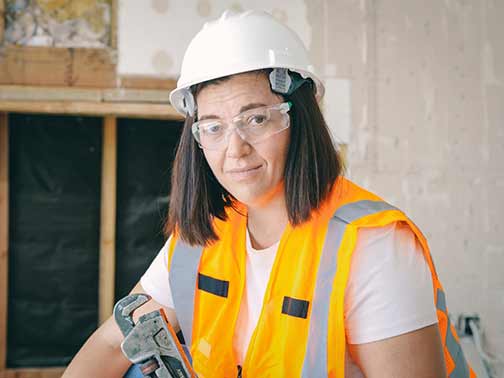
Installing eco-friendly fixtures isn’t just about picking the right products—it also depends on proper installation. A licensed plumber specializing in sustainable systems can ensure everything is set up correctly for maximum efficiency and minimal waste.
Pros can advise on compatible fixtures and help troubleshoot existing plumbing issues that might quietly undermine your sustainability efforts. Sometimes, small leaks or inefficient layouts can negate the benefits of your eco-conscious upgrades.
Greywater Systems and Rainwater Harvesting
If you’re truly committed to sustainable living, incorporating a greywater system or rainwater harvesting setup can take your plumbing to the next level. Greywater systems reuse water from sinks, showers, and laundry for irrigation or toilet flushing.
Rainwater harvesting systems collect and store water from your roof to be used around your property. Both options significantly reduce your demand for municipal water supplies and lessen your environmental footprint.
Maintenance Tips to Keep Your Fixtures Running Efficiently
Once you’ve chosen your fixtures, properly maintaining them ensures they keep operating efficiently for years. Check for leaks regularly, clean aerators to prevent buildup, and descale showerheads as needed.
Avoid using harsh chemical cleaners that can damage internal components and contribute to water pollution. Instead, opt for natural or biodegradable cleaning agents that are safe for your fixtures and the environment.
Every Drop Counts in a Sustainable Home
Choosing eco-friendly plumbing fixtures is a small step with a big impact. From conserving water and energy to complementing your home’s aesthetic, these choices contribute to a more sustainable lifestyle. And with today’s advanced designs and technologies, going green no longer means compromising comfort or style.
Whether building your dream home from scratch or upgrading a few key elements, integrating sustainable plumbing into your design is a powerful way to align your values with your living space. So, next time you turn on the tap or flush the toilet, you’ll know you’re making a positive difference—one drop at a time.