Category Archives: basement flooding

Will a Sump Pump Prevent My Basement From Flooding?

Will a Sump Pump Prevent My Basement From Flooding

If you’re a homeowner concerned about protecting your basement from water damage, this article is for you. We will explore the benefits and limitations of sump pumps and provide valuable insights to help you make an informed decision.

Understanding Basement Flooding

Basement flooding is a common issue that can cause significant damage to your property and valuables. It occurs when water accumulates in your basement due to various reasons such as heavy rain, melting snow, or poor drainage. The consequences of a flooded basement can be devastating, leading to structural damage, mold growth, and the loss of personal belongings.

Preventing basement flooding requires a proactive approach, and one effective solution is the installation of a sump pump. A sump pump is a device designed to remove water from the sump pit and prevent it from reaching dangerous levels. But how does it work, and can it truly prevent basement flooding? Let’s find out!

The Role of a Sump Pump

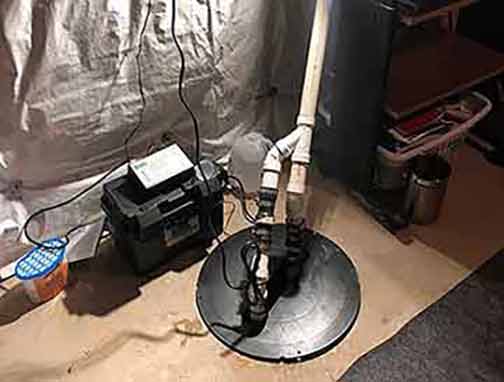
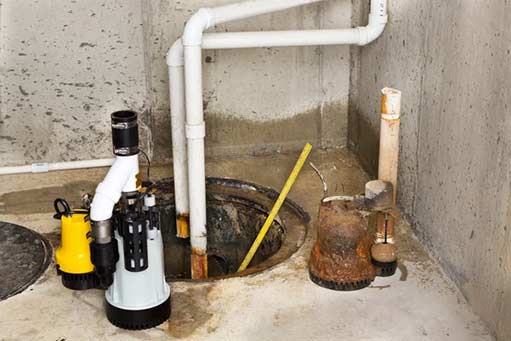
A sump pump is installed in a sump pit, which is typically located in the lowest part of your basement. Its primary function is to collect water that enters the pit through drains or natural water migration. Once the water level rises to a specific predetermined point, the sump pump activates and removes the water by pumping it away from your home, usually through a discharge pipe that leads outside.

This continuous removal of water ensures that the sump pit remains at a safe level and helps prevent flooding in your basement. However, it’s important to note that a sump pump is not a guarantee against basement flooding, as its effectiveness depends on several factors.

The Effectiveness of a Sump Pump

While a sump pump can significantly reduce the risk of basement flooding, it is not foolproof. It is essential to understand its limitations and consider other preventive measures to maximize protection. Here are some key factors to keep in mind:

Power Outages

A sump pump relies on electricity to operate, and during severe storms or heavy rainfall, power outages are not uncommon. In such situations, your sump pump may become temporarily useless, leaving your basement vulnerable to flooding. To address this concern, consider installing a backup battery powered sump pump or a generator, to ensure uninterrupted operation.

Pump Failure

Like any mechanical device, a sump pump can experience malfunctions or failures. Regular maintenance and inspection are crucial to ensure its proper functioning. Sump pumps should be tested periodically, and the sump pit should be kept clean of debris that could obstruct the pump’s operation. Additionally, having a professional plumber assess and service or repair your sump pump can help identify any potential issues and address them promptly.

Pump Size and Capacity

The size and capacity of your sump pump should be appropriate for your specific needs and the size of your basement. A pump that is too small may struggle to keep up with heavy water inflow, leading to inadequate protection. It is advisable to consult with a professional to determine the right size and capacity for your pump based on factors such as average rainfall, drainage system, and basement layout.

Maintenance and upkeep

A sump pump requires regular maintenance to ensure its longevity and effectiveness. It is essential to clean the sump pump and the sump pit, remove any debris, and test its operation at least once a year. Additionally, check the discharge pipe for any obstructions and make sure it directs water away from your home’s foundation. Following these maintenance practices will help keep your pump in optimal condition.

a worker performing exterior waterproofing on a home.

Implementing additional strategies can provide extra protection and peace of mind.

Complementary Measures to Prevent Basement Flooding

While a sump pump is a valuable tool in preventing basement flooding, it should not be relied upon as the sole preventive measure. Implementing additional strategies can provide extra protection and peace of mind. Here are a few complementary measures to consider:

Proper Grading and Landscaping

Ensure that the ground surrounding your home slopes away from the foundation to prevent water from pooling near the basement walls. Proper grading, in combination with appropriately designed landscaping features such as swales or French drains, can help redirect water away from your home.

Downspout Extensions

Extend your downspouts away from your home’s foundation to prevent excessive water from accumulating near the basement walls. Consider using downspout extensions or splash blocks to direct the water at least six feet away from the house.

Exterior Waterproofing

Consider applying waterproof coatings or sealants to the exterior walls of your basement. These products can create a barrier against moisture and can be particularly beneficial if your basement is prone to water infiltration.

Interior or Exterior Drainage Systems

If your basement experiences chronic water issues, installing an interior or outdoor drainage system can be an effective solution. These systems involve the installation of French drains and a sump pump to collect and redirect water away from the basement.

Regular Inspections

Regularly inspect your basement for any signs of water damage, leakage, or cracks in the walls or floor. Identifying and addressing these issues promptly can help prevent more significant problems in the future.

Summing it Up

A sump pump is undoubtedly a valuable tool in preventing basement flooding. However, it is essential to understand its limitations and implement additional preventive measures for maximum protection. Regular maintenance, proper sizing, and considering complementary strategies will significantly enhance the effectiveness of your sump pump.

Remember, prevention is always better than dealing with the aftermath of a flooded basement. By taking a proactive approach and investing in the right tools and preventive measures, you can safeguard your basement and protect your home from the devastating effects of water damage.

We hope this article has provided you with valuable insights into the effectiveness of sump pumps in preventing basement flooding. Stay safe and dry!
Flood Control Solutions for Midwest Flooding

Flood Control Solutions for Midwest Flooding

The Impact of Midwest Flooding on Homeowners

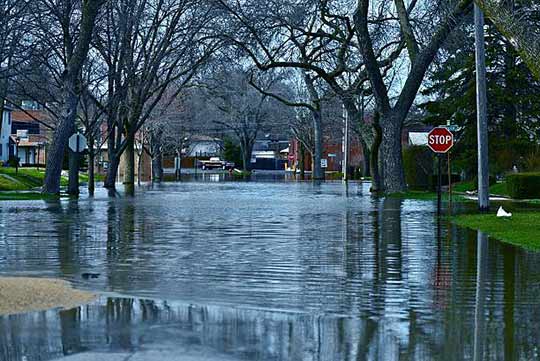
Flooding is a recurring and devastating natural disaster that affects many regions across the world. One such area that has been severely impacted by flooding is the Midwest, where heavy rainfall and overflowing rivers have caused extensive damage to homes and communities. As a homeowner in the Midwest, it is crucial to be aware of the flooding risks, prepare adequately, and understand the flood control solutions available to mitigate the impact of future flooding events.

Understanding the Causes of Midwest Flooding

The Midwest region is particularly prone to flooding due to various factors. The primary cause of flooding in the Midwest is intense rainfall, which can lead to rivers and streams exceeding their capacity. Additionally, the flat topography of the region and the presence of expansive areas of impermeable surfaces such as concrete and asphalt exacerbate the issue by preventing proper drainage.

Another factor that contributes to the severity of Midwest flooding is the region’s intricate network of rivers and tributaries. When one river overflows, it can cause a domino effect as the excess water flows into other water bodies, overwhelming their capacity and causing widespread flooding.

The Consequences of Flooding for Homeowners

Midwest flooding can have severe consequences for homeowners, both in terms of property damage and personal safety. Floodwaters can infiltrate homes, leading to structural damage, electrical hazards, and the growth of mold and mildew. Possessions and valuables can be destroyed, adding additional financial burdens to already overwhelmed homeowners.

Furthermore, exposure to floodwaters can pose health risks, as it may contain contaminants, pollutants, and harmful bacteria. Homeowners who are not adequately prepared and protected when faced with a flood risk may experience physical injuries or even loss of life.

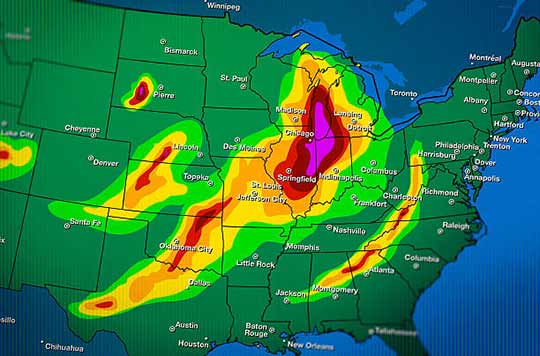
a weather forecast showing heavy rainfall in midwest.

Monitor local weather forecasts and stay updated on flood warnings and alerts

Preparing for Midwest Flooding

As a homeowner in the Midwest, it is essential to be proactive and take the necessary measures to prepare for potential flooding. Here are some key steps you can take:

Stay Informed:

Monitor local weather forecasts and stay updated on flood warnings and alerts. Sign up for emergency alerts and make sure you have multiple sources of information, such as weather apps, radios, and community notifications.

Create an Emergency Kit:

Prepare an emergency kit that includes essential supplies such as non-perishable food, water, first-aid supplies, batteries, flashlights, and a battery-powered radio. Store the kit in a readily accessible location.

Develop a Family Emergency Plan:

Discuss and develop a detailed family emergency plan that outlines evacuation routes, rendezvous points, and communication methods. Ensure every family member understands their role and knows what to do in the event of a flood.

Secure Important Documents:

Make digital copies of vital documents such as insurance policies, identification cards, and property deeds. Store these copies securely in cloud storage or on a portable device that you can take with you if you need to evacuate.

Evaluate Home Vulnerabilities:

Conduct a thorough assessment of your home’s vulnerabilities to flooding. Identify areas that may be at risk, such as basements, windows, and doors. Consider installing flood-resistant materials and sealants and elevate vital utilities and appliances, such as electrical panels and HVAC systems.

installation of a sump pump in a midwest basement.

Installing a sump pump in your basement or crawl space can be an effective measure to prevent water from accumulating and seeping into your home.

Flood Control Solutions for Homeowners

While it is not possible to eliminate the risk of flooding entirely, there are several flood control solutions available to homeowners in the Midwest that can help mitigate the impact of flooding. Here are some effective measures:

Sump Pumps:

Having a sump pump installed or crawl space can be an effective measure to prevent water from accumulating and seeping into your home. A sump pump automatically detects rising water levels and pumps it away from your home’s foundation.

Flood Barriers:

Flood barriers, such as sandbags or inflatable barriers, can be deployed around your property to divert floodwaters away from vulnerable areas. These barriers act as temporary shields against rising water levels and can provide valuable time for evacuation or other flood control efforts.

Flood Insurance:

Investing in comprehensive flood insurance is crucial for homeowners in flood-prone regions. Standard homeowners’ insurance policies typically do not cover flood damage, so having flood insurance can provide financial protection in the event of a flood.

Drainage Systems:

Ensure your property has a proper drainage system in place that effectively directs water away from your home. This may involve installing French drains onto your property, redirecting downspouts, or grading your yard to promote proper water flow.

Elevating Living Areas:

If you are building or remodeling your home, consider elevating the living areas to reduce the risk of flooding. Raising the foundation or installing stilts can help safeguard your home against potential floodwaters.

In Conclusion

Flooding in the Midwest is a significant concern for homeowners, given the region’s susceptibility to heavy rainfall and overflowing rivers. By understanding the causes and consequences of Midwest flooding and implementing appropriate flood control solutions, homeowners can minimize the impact of flooding on their properties and ensure the safety of their families. Preparedness, vigilance, and proactive measures are key in mitigating the risks associated with Midwest flooding.

error: Content is protected !!