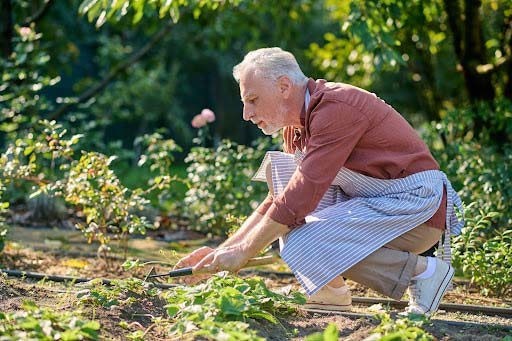
Retirees exploring a home that supports gardening, small-scale farming, or other homesteading hobbies usually start with one idea: freedom. Freedom to grow food, enjoy the land, and settle into a lifestyle with fewer interruptions. But finding the right property takes more than daydreaming — it requires clarity about the land, the home’s infrastructure, and how those choices shape your daily rhythms.
Quick Snapshot
Retirees choosing a homestead-friendly home should prioritize land size, water access, zoning rules, and long-term maintenance needs. A property that matches physical ability, climate, and lifestyle goals will make homesteading both enjoyable and sustainable.
Where Land Meets Lifestyle: Finding a Property That Fits You
For retirees, the best homestead starts with daily rhythm, not acreage. Think about how much time you want to spend outside, what level of physical effort feels comfortable, and how close you need to be to stores or healthcare.
Prioritize properties that support easy movement: short distances between house and garden, gentle slopes, and layouts that reduce bending or hauling. When the environment matches your energy and routines, homesteading becomes enjoyable rather than demanding.
Comparing Property Types
| Property Type | Best For | Pros | Watch-Outs |
| Small rural lot (0.5–2 acres) | Gardeners, light livestock | Manageable upkeep; close to town | Limited expansion |
| Mid-size acreage (3–10 acres) | Mixed gardening + hobby farming | Privacy; flexibility | More fencing, tools, and energy systems needed |
| Large acreage (10+ acres) | Retirees wanting small-scale farming or forestry | Abundant space; high autonomy | High labor intensity; costly equipment |
| Suburban edge homes | Gardeners who want convenience | Utilities + stores nearby | Stricter zoning; noise |
Soil, Water & Sunlight: The Hidden Trio
Healthy soil reduces long-term effort, making gardening easier on aging joints and energy levels. Look for loamy or sandy-loam soils and avoid steep slopes that erode easily. Next, examine water — wells, rainwater collection rules, irrigation rights, and seasonal flow patterns. Reliable water is non-negotiable.
Sun exposure matters as well. A south-facing garden area can offset so-so soil and expand your growing possibilities. Don’t be afraid to bring a compass or use a phone app during your property tour.
When Your Hobby Turns Into a Business
Some retirees naturally evolve from hobby gardeners into small-scale producers — selling eggs, jams, seedlings, or handmade goods. When that shift happens, a bit of business knowledge goes a long way. This may help you understand leadership, operations, and project coordination can transform a hobby into a sustainable micro-business. Earning a business management degree strengthens those skills, and online programs make it easier to balance hands-on work with coursework.
What to Review Before Making an Offer
- Water security – Well condition, flow rate, irrigation access.
- Zoning & livestock rules – Confirm what’s allowed (chickens, goats, structures).
- Sunlight exposure – Overhead trees, orientation, and seasonal shade patterns.
- Soil quality – Drainage, organic matter, potential for raised beds.
- Mobility-friendly layout – Distance from garden to home; slope of land.
- Maintenance load – Fencing needs, mowing area, orchard pruning, roof height.
- Neighbor distance & noise – Both proximity and privacy matter for homesteading.
- Energy systems – Solar potential, backup power, wood-burning safety.
- Outbuilding condition – Barns, sheds, greenhouses, and workshop stability.
- Access to services – Healthcare, grocery stores, farm-supply shops.
Habits That Make Retiree Homesteading Easier
- Start small: Expand beds or add animals only when comfortable.
- Use ergonomics: Raised beds, wheeled carts, and adaptive tools reduce strain.
- Schedule rest days: Consistency beats intensity.
- Get community support: Garden clubs and co-ops lighten costs and effort.
- Keep an emergency plan: Weather, health, and seasonal shifts require backup strategies.
Local Regulations & Lifestyle Fit
Counties vary widely in how they treat home-based agriculture, accessory structures, and water use. Some areas embrace small homesteads; others restrict fencing, livestock, or roadside sales. Always read the county code. Make sure it aligns with your vision — or you may inherit limitations you didn’t expect.
Lifestyle fit matters just as much. Rural quiet may feel wonderful in the morning but isolating at night. Likewise, semi-rural areas might mix peaceful surroundings with more traffic or noise. Walk or drive around at different times of day to sense the local rhythm.
Common Questions Retirees Ask When Homesteading
Is homesteading realistic with reduced mobility?
Yes — with smart design. Raised beds, drip irrigation, and consolidated garden areas reduce daily strain.
Do I need farming experience to start?
Not at all. Many retirees start with small gardens, then expand as confidence grows.
Is it expensive to maintain acreage?
It depends on size and infrastructure. Small properties are usually manageable; larger ones may require equipment or hired help.
Can homesteading save money?
Often it does, especially with vegetables, herbs, and eggs. But initial setup costs (soil, fencing, tools) should be budgeted.
Closing Thoughts
Choosing a homestead-friendly home in retirement isn’t about finding the “perfect” property — it’s about matching land, lifestyle, and long-term comfort. With careful evaluation and a flexible plan, retirees can build a home environment that supports creativity, sustainability, and calm daily routines. The right homestead enhances not just your hobbies, but your overall quality of life.