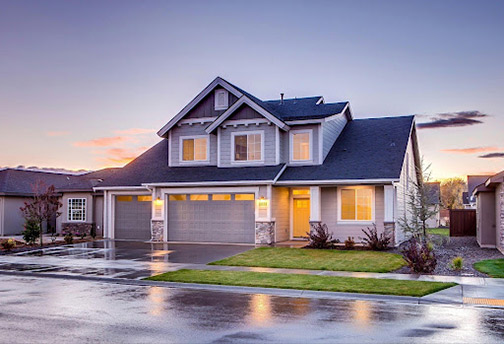
Real estate investors love the BRRRR method — Buy, Rehab, Rent, Refinance, Repeat — because it’s both a strategy and a flywheel for financial growth. Done right, it builds long-term wealth with minimal upfront capital after the initial cycle. Done wrong, it becomes a cash-draining trap. Let’s explore the essentials that separate successful investors from those who burn out after the first “R.”
TL;DR
BRRRR is not a get-rich-quick system — it’s a disciplined wealth-building formula.
- Buy right: Value is made on the buy.
- Rehab smart: Focus on ROI-driven improvements.
- Rent well: Screen tenants and optimize occupancy.
- Refinance wisely: Don’t overleverage.
- Repeat strategically: Scale only after systems are in place.
Also — protect your investments legally (form an LLC), maintain your properties, and never underestimate the importance of finding a reputable company for critical repairs like plumbing.
The BRRRR Method Breakdown
| Phase | Core Focus | Key Question | Typical Pitfall | Success Tip |
| Buy | Acquisition | Is this below market value? | Overpaying | Analyze multiple comps before closing. |
| Rehab | Renovation | Will this boost ARV? | Over-renovating | Stick to cosmetic & safety upgrades. |
| Rent | Tenanting | Will it cash flow? | Rushing to fill units | Pre-screen rigorously. |
| Refinance | Leverage | Does the equity justify it? | Refinancing too early | Wait until stabilized income. |
| Repeat | Scaling | Can I manage the next one? | Growing too fast | Build a process before scaling. |
The BRRRR How-To Checklist
1. Research the market — Use sites like Realtor.com or Redfin to spot underpriced homes.
2. Budget realistically — Factor in not just the purchase price but also holding costs, closing fees, and rehab overruns.
3. Vet contractors — Always get three quotes and check references on Angi.
4. Rehab with purpose — Focus on upgrades that increase rentability or appraisal value.
5. Rent for reliability — Consider property management software such as Avail to automate tenant screening and payments.
6. Refinance strategically — Build equity first. Don’t refinance until your property stabilizes.
7. Repeat — only when ready — Use tools like BiggerPockets to model returns and scale methodically.
Plumbing Repairs: The Silent Wealth Preserver
While most investors focus on roofs, paint, and flooring, plumbing issues can devastate cash flow if ignored. Leaks, clogs, and outdated pipes often lead to property damage and angry tenants — both of which cost you time and money.
When tackling repairs or system updates, prioritize finding a reputable company with proven experience in residential investment properties. A trusted contractor doesn’t just fix problems; they preserve your ROI by preventing future disasters.
The Case for Legal Protection
As your BRRRR portfolio grows, forming an LLC provides structure, liability protection, and tax advantages. It separates your personal assets from your rental operations and signals credibility to lenders. Setting up an LLC through ZenBusiness can save you significant time and cost compared to hiring an attorney, letting you stay focused on scaling instead of paperwork.
Pro Tips & Hidden Truths (Bulleted List Edition)
- Don’t fall in love with the property; fall in love with the numbers.
- “Forced appreciation” beats “market appreciation.”
- Cash-out refinances can feel good but erode long-term returns if misused.
- Always build an emergency fund — 3–6 months of rent per unit.
- Track everything with Stessa or QuickBooks.
- Never skip an inspection.
- Protect your credit — lenders love discipline, not drama.
FAQ — Investor Concerns, Answered
Q1: How much money do I need to start with BRRRR?
A: It varies by market, but expect 20–25% down for your first deal plus rehab costs.
Q2: Is BRRRR still profitable with higher interest rates?
A: Yes, if you buy at deep discounts. Rising rents often offset higher financing costs.
Q3: Should I manage my properties myself?
A: Only if you enjoy it and live nearby. Otherwise, use management platforms like Buildium or hire a property manager.
Q4: How long should I wait before refinancing?
A: Typically six to twelve months, once rental income stabilizes and you’ve improved the property’s value.
Q5: What’s the biggest rookie mistake?
A: Misjudging rehab budgets — always pad estimates by 15–20%.
Glossary
- ARV (After Repair Value): The property’s appraised value after renovation.
- Cash-Out Refinance: Pulling equity from a property by taking a new loan.
- Cap Rate: A property’s net operating income divided by its purchase price.
- Equity Cushion: The margin between your property’s value and debt.
- Turnkey Property: A home already rehabbed and rented out to tenants.
Product Spotlight: Home Depot Pro Xtra for Real Estate Investors
When managing multiple rehabs under the BRRRR model, even small savings add up. Home Depot Pro Xtra for Pros lets investors track project spending, earn volume discounts, and get paint or tool rewards automatically. It’s especially useful when running simultaneous renovations or working with multiple contractors across markets.
The BRRRR method is a rhythm — not a race. Start small, document every step, and learn from each cycle. As long as you treat real estate investing like a business, maintain quality properties, and make decisions grounded in math (not emotion), your “Repeat” will lead to compounding returns and long-term financial freedom.