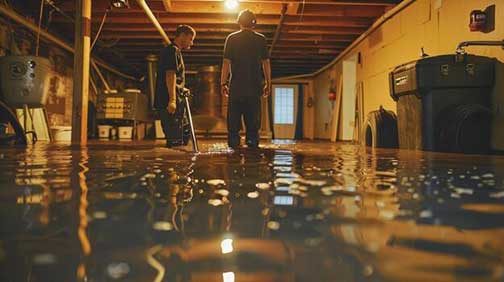
Like most homes in other Chicago neighborhoods, Humboldt Park houses are highly susceptible to basement flooding and sewer backups. Homeowners here live under the constant threat that these plumbing disasters will happen in their homes, making rental services by Property Management Connection an important consideration.
But why are Humboldt Park homes so vulnerable to these problems? There is no single reason why this happens. Instead, there is an interplay of factors, some of which are natural, infrastructural, or due to the misuse of the plumbing system.
Why basement flooding and sewer backups happen in Humboldt Park homes
- Low elevation
The first problem is the area’s geography. Humboldt Park, like most areas in Chicago’s Northwest Side, sits on a very low elevation. Because groundwater is close to the surface, it limits the amount of rainwater the soil can absorb whenever it rains.
- Heavy rain
Heavy rainfall makes Humboldt Park and the surrounding areas naturally susceptible to flooding. When heavy rains meet the area’s low elevation, the result is a very high risk of basement flooding and sewer backups in homes.
- Outdated sewer systems
Much of the city’s sewer system is outdated, with many areas still relying on a combined system that carries sewage and stormwater in one network. Heavy rainfall can overflow these systems, forcing stormwater to overflow into private sewer lines and cause a sewer backup in homes.
- Clogged and blocked sewer lines
Clogs and blockages in public and residential sewer lines increase the risk of basement flooding and sewer backups in Humboldt Park homes. These problems may be due to misuse of the sewer line by a home’s occupants, tree root invasion of the line, and aging/broken pipes.
Preventing basement flooding and sewer backups in your Humboldt Park home
- Regrade your yard
Water will pool around your home and invariably find its way into your basement if the ground around your house is improperly graded. To ensure that rainwater flows away from the base of the building, the ground should slope toward the street, with a drop of 1 inch per foot for the first 5-10 feet. If there are low spots around your house, fill them up. Ensure gutters and downspouts are clean, in good condition, and releasing water in the designated location on your property.
- Seal cracks in the foundation
Small cracks in your foundation become openings through which water seeps into your basement. You can waterproof the basement to stop this problem. With exterior waterproofing, you apply a sealant or waterproof membrane to the outside of the foundation. You also have the option of waterproofing the foundation from the interior using masonry caulk and filler. If these options don’t work due to the severity of the flooding issue, you may want to try wet floodproofing.
- Install a basement sump pump and maintain it
A sump pump that is rightly sized for your home’s needs will keep your basement dry. But to work efficiently, it needs a system to catch wall/floor seepage and channel the water into the sump pit. The sump pump must be serviced on a schedule, and you should install a battery-powered backup sump pump system in case of power outages.
- Install a rain garden
A rain garden is a landscaped depression in your yard that can hold runoff. It is typically 4-8 inches deep, featuring a soil mix composed of sand and compost, along with an assortment of deep-rooted native plants. Rain gardens can hold water for 24-48 hours, letting it soak slowly into the ground. If properly designed, it will protect not your home but the city’s sewer system as well.
- Protect your sewer systems
The number one cause of clogs and blockages in public and private sewer systems is grease. Habitual dumping of fats, oils, and grease in your home’s drains predisposes your home to sewer backups. If that grease finds its way into the city sewer line, it will combine with grease from other homes and other debris in the sewer system to form fatbergs. Fatbergs are the leading manmade cause of flooding in municipal sewer lines.
- Regular sewer line inspection
Regular sewer camera inspections are one of your most effective sewer maintenance tools. They alert you to problems in your sewer system that increase the risk of backups in your home. These inspections do not require a lot of time to complete and are not expensive; however, the benefits of doing them every year are unquantifiable. For homes with aging sewer lines or a history of tree root intrusion into the sewer system, these inspections are a lifesaver.
- Scheduled professional drain cleaning
Professional drain cleaning techniques like sewer rodding and hydrojetting help to get rid of the built-up debris inside your sewer line. Buildup occurs as a natural outcome of the sewer line’s design and function: you can’t stop it. But you can prevent this buildup from interfering with the normal operation of your drainage system by clearing it out. A sewer line should be cleaned every 1-2 years, depending on its physical condition and how it is used.
Before implementing any of the above measures, you should have a licensed Humboldt Park plumber assess the level of your home’s vulnerability to advise you on the best way to use these solutions.