Author Archives: Chicago Plumbing Experts

How to Prevent Damage to your Septic System

How to Prevent Damage to your Septic System

Taking care of a septic system for a house could appear to be a horrible and smelly chore, but it’s relatively simple. Maintaining a healthy septic system at home requires being attentive to your actions inside your house. Furthermore, maintaining your septic system does not need a lot of technical know-how or money. In order to avoid surprises, it’s highly recommended to prevent damage to your septic system. Otherwise, your costs could be more than regular maintenance.

What is a septic system?

The septic system is essential if your property is not connected to a public water and sewer system since it processes all your home’s wastewater. This includes the wastewater from the bath, toilet, washer, and dryer.

A septic system’s tank is where wastewater goes to be treated and where particles are removed from the liquid. Furthermore, microorganisms decompose wastewater’s organic materials. Wastewater then flows via perforated pipes into the drain or septic field. In addition, you must harmlessly dispose of all wastewater in the environment. Improper management of wastewater can cause problems and poisoning of the soil.

How does your septic system work?

You must understand how a septic system works to manage and maintain the septic system correctly. Knowing your septic tank’s layout, kind, and function is the first step toward effective maintenance. There should be a record of the permission, and a plan of the tank’s layout and placement in your county or municipality since septic system installation is regulated by state law.

What is the main enemy of your septic system?

First, you should never flush items in the toilet or put them in the kitchen’s drain because they can damage the house’s septic system. Those everyday bad habits are just some major things that can go wrong. Additionally, there are other significant reasons for septic system troubles besides the presence of these non-organic items in your tank. Among them are:

  • Tree roots creep into the cracks of your septic tank and often happen to infiltrate your drainage field
  • Overflowing septic tanks from an excessive buildup of solid waste
  • Do not park or drive on the drain field
  • Dumping hazardous material, including chemicals, paints, grease, and automotive waste, into a septic tank

To prevent damage to your septic system, you should only throw a combination of urine, feces, and water into the toilet or pour it into the drain. In contrast, grey water (which contains chemicals) is collected from sources such as bathtubs, showers, sinks, and washing machines throughout the house. Additionally, you should separate the home’s septic system from the garbage disposal.

Person cleaning toilet bowl with the toilet brush and chemicals.

If you want to prevent damage to your septic system, don’t throw treat-proof things in the toilet.

How to do proper septic system maintenance?

Costly and time-consuming repairs for septic systems are unnecessary. There are just four parts to maintain:

  • Check and service the pump on a regular schedule
  • Make effective use of water
  • Be sure to take care of your drain field and keep it in good condition
  • Get rid of the garbage properly

Check and service the pump on a regular schedule

Homeowners should have a professional examination of the septic system every two to three years. The average household has its septic tank pumped out every 3-5 years. You must have a more frequent inspection schedule for most systems with pumps, electrical switches, or mechanical components. 

Family size, dimensions of the septic tank, and quantity of wastewater produced determine the septic tank pumping frequency

Make effective use of water

Seventy gallons per day per person is the average water usage in a single-family house. Even one toilet that constantly runs can waste up to 150 gallons of water daily. The septic tank receives all the water a home flushes down the drains. Households can reduce the amount of water going into the septic system by reducing their water use. Also, they can achieve better septic system performance and less malfunction via prudent water usage.

Kids washing hands together increases water usage efficiency to prevent damage to your septic system.

Reduce unnecessary waste of water by purchasing energy star appliances.

Use the washing machine less often but more frequently throughout the week. While it may save time, doing all the washing for the home in one day is bad for the septic system. Moreover, your septic tank needs more time for waste to process, which might lead to backup in your septic drain field.

For example, Energy Star-labeled machines save 30% more electricity and 55% less water than conventional washers. Appliances that have earned the Energy Star save a lot of money on utilities and water use in addition to the usual benefits.

Be sure to take care of your drain field and keep it in good condition

As mentioned above, the first step in drain field care is to monitor your water use and the food that enters your septic tank. Remember not to use the drain field as a parking lot. Furthermore, you should direct away water from gutters and sump pumps from the drain field. It’s best to keep vegetation away from the drain field since the roots of trees and bushes can wreak havoc on plumbing.

The state of your septic system can significantly impact your quality of life, especially if everyone in the neighborhood has their septic system. If there is an accident, the entire area may be affected. This is one of the reasons why people move, especially if they are paying a lease. If you fall into this category, experts can get you settled. For example, the suburbs of Florida cities can have a foul odor, particularly in dry weather, due to strong evaporation. Hiring moving experts can make your move smoother if you decide to change the environment and move interstate, especially from Florida to Chicago.

Get rid of the garbage properly

Anything disposed of in your home’s drains—toilet waste, rubbish, and all—will eventually go to the septic tank. What you flush down the toilet or kitchen sink can affect how efficiently your septic system functions. The microorganisms in your septic tank help refine wastewater from your house. It can destroy these organisms and damage your septic system by flushing toxic substances down the toilet. 

A dirty kitchen sink full of dishes.

Flushing toxic substances, you can destroy microorganisms in the septic tank that retreats wastewater from your home.

Change bad habits if you want to prevent damage to your septic system

On-site sewage treatment systems like septic tanks are designed to be secure and dependable. Problems with a septic system are unlikely, although they are conceivable if regular maintenance has been neglected.

Although your septic system will eventually wear out, you can maintain it in good condition and free of severe issues with little effort or expense. Taking a few additional measures and making a few easy choices about how you operate your house is all it takes to prevent damage to your septic system and longer life.

Tips for Keeping Your Restaurant Drains Clean

Tips for Keeping Your Restaurant Drains Clean

Restaurants face the challenge of managing their drain and sewer systems on a daily basis. Without proper maintenance and cleaning, these systems can become clogged, causing backups and other issues. Fortunately, there are several tips that restaurant owners can follow to keep restaurant drains clean and functioning properly.

Restaurant Drain Cleaning

Regularly cleaning the drain lines in a restaurant is one of the best ways to ensure that the system continues to work properly. Restaurants should invest in a quality drain cleaning tools, such as a snake, to ensure that all drain lines are cleaned as needed. In addition to regular cleaning, restaurants should also inspect their lines for any signs of damage or blockages, and take immediate steps to address any issues that are found that may indicate signs of a needed sewer line repair.

Restaurant Drain Maintenance

In addition to restaurants having their drains professionally cleaned out on the regular, restaurants should also follow a regular maintenance plan for their drains and sewers. This plan should include regularly testing the system for blockages and leaks, and conducting repairs or replacements as needed. Restaurants should also be sure to use the appropriate cleaning solutions, as some can damage the pipes or cause corrosion.

Commercial Grease Trap Cleaning

Grease traps are an essential part of any restaurant’s drainage system, and they must be cleaned regularly to prevent clogs and backups. Grease traps should be checked often for accumulation of grease, and cleaned out as needed. Professional grease trap cleaning services should be used on a regular basis to ensure that the traps are functioning properly.

In addition to regular cleaning, restaurants should also inspect their grease traps for any signs of damage or blockages, and take immediate steps to address any issues that are found.

Keeping restaurant drains clean and well-maintained is essential to the smooth functioning of any restaurant. By following these tips, restaurants can ensure that their drain and sewer systems remain in good condition and are able to handle the demands of daily use.

How to Extend the Life of your Sump Pump

How to Extend the Life of your Sump Pump

Wondering how to extend the life of your sump pump? Sump pumps are a lifesaver for homes where flooding is an ever-present threat. According to Howzer Management they relieve the homeowner of the need to constantly watch their home to protect it from flooding and water damage. That is because sump pumps do their work without requiring any form of action by the owner.

Yet despite this, it is not uncommon for homeowners to wake up in the middle of the night and find themselves standing in inches of floodwater in their basement due to sump pump failure. Incidents like this happen when a sump pump somehow malfunctions, but the owner is unaware of it until flooding occurs.

Even though they have a self-starting mechanism that allows them automatically detect water in the home’s basement and remove it, sump pumps still need to be cared for. The homeowner’s failure to recognize this fact often results in unpleasant surprises with a sump pump.

Sump pump failures are an entirely avoidable problem. The steps needed to keep the sump pump in your home operational do not take time or cost more money. Proper sump pump maintenance will save you money by prolonging the life of your sump pump.

How to extend the life of your sump pump

Correct installation of the sump pump

From the outset, the longevity and overall efficiency of your sump pump are predetermined by the expertise of the person who installed it. A sump pump system depends on a variety of factors to work properly. Some of the components of the system include a sump basin, discharge pipe with valves, vent systems and the pump itself. Errors in the installation of the individual components can impair the function of the sump pump and shorten its life.

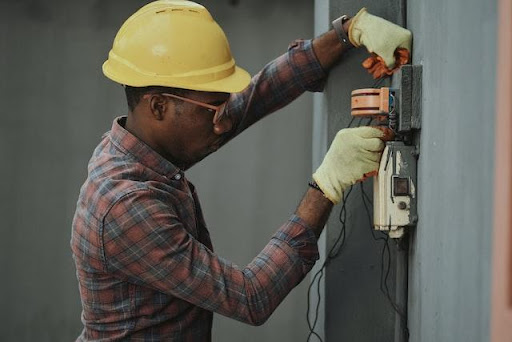
a plumber adjusting proper voltage.

Use the right working voltage

The sump pump is more likely to fail if the working voltage is unstable or outside its specified range. All sump pumps have a rated voltage with an allowance of plus or minus 10% of that working range. If a pump is connected to voltage outside the recommended range, it will not work optimally and may even burn. That is particularly important when using generators with a sump pump.

Cleaning the sump pump

Before it enters the sump pump system, floodwater often flows over bare soil, picking up so much debris. The result is that the water is loaded with sediments and other impurities when it finally reaches the sump basin. These materials are either deposited at the bottom of the sump basin or inside the sump pump itself. If you do not clean the basin and pump, this dirt will impede the sump pump’s function or even cause it to break down.

Make sure the pump is level

Another common reason for premature sump pump failure is when a pump is off-kilter. The first reason why this happens is when the sump pit is not level, perhaps because the basin was not constructed by an expert. The second reason is when the pump is moved out of place by its vibrations. If the sump pump doesn’t sit level, its float arm may not work as it should. Always maintain your sump pump level to keep the float arm from getting jammed.

Avoid overloading the sump pump

The capacity of a sump pump should be carefully matched to the volume of water that typically enters the basement. If the motor is forced to pump more water than it is designed to, especially during the wet season when floods are heavy and frequent, it can overwork and break down. If the flooding issues in a basement are severe, more than one pump may be needed.

a sump pump after having discharge line cleaned.

Clean the discharge lines

A sump pump is effective to the extent that its discharge lines are clear. If the discharge lines are clogged or frozen, the water coming from the sump pump will have nowhere to go. To protect your sump pump, it is vital to make sure rodents do not make their home inside the pipes. Remove any debris inside the discharge line. In winter, the pipes should not be allowed to freeze as it may cause a burst pipe emergency.

Test the pump

Testing a sump pump is very easy. All that’s needed is to pour so much water into the sump basin until the float rises and activates the pump. When doing this, watch the float to ensure its movement is unimpeded. Listen to the sound of the motor to see that it is working smoothly. Also, check the discharge valve to be sure there is no backflow.

Finally, to tie the above tips together, you need to inspect or replace your sump pump on a schedule. This simple step will let you catch budding problems before they become emergencies. If unsure how to inspect the sump pump, you may want to hire a local plumber.

How to Clean My French Drain?

How to Clean My French Drain

A French drain is an effective way to deal with flooding issues around the base of your home. By having a French drain system installed, you can help channel water away from the house’s foundation of the house to a safe location in the yard. Yet, because they are below ground, they don’t hurt the aesthetics of your property, points out B&R Management Company.

French drains are also appropriate for solving water issues in a below-ground space or wet basement. But whether the drain is inside or outside, the basic components of a French drain are a gravel bed, perforated plastic pipes and water-permeable fabric, all housed inside a covered trench.

Like most drains, French drains are susceptible to clogs and may need occasional cleaning. That is because the soil can penetrate the drain’s fabric and end up inside the perforated pipe. If the drain is not cleaned, it can lead to flooding in your basement as the drain backs up.

What is the proper way to clean a French drain? This post provides clear guidelines on what to do when cleaning your home’s French drain.

How to clean a French drain

What you will need

  • Electric drain snake (3/4 inch spring-wound cable, preferably)
  • Mini hydro jetter
  • Long garden hose
  • Tough leather gloves
  • Shovel

a hose.

You can rent an electric drain snake or hydro jet machine from a home improvement center. If you are unsure how long your French drain is, choose a drain snake machine with a 100-foot cable.

Next, locate the ground-level access point for the drain and open it. You may need to remove grass and soil from around the edges before you do this. If the drain is connected to a downspout, detach the downspout from the drain entrance. If you find some soil and other debris at the bottom of the basin after you open it, this is normal.

Test your French drain. You want to flood the French drain to see if there are any issues with it. A French drain can easily handle water from a garden hose without filling up. It will take hours before the drain starts to fill up because most of the water will drain through the pipe openings into the ground. If the drain fills up shortly after you start pumping water into it, you could have a blockage.

  • Leave the garden hose inside the French drain with the water turned on. The hose should go 3-4 feet into the line. You want to run the water the entire time you are using the drain snake. The hose will not interfere with the function of the snake.
  • Insert the drain snake cable into the opening of the French drain. Wear your gloves before you do this; the cable is made of solid steel and can grab a hold of your skin when it starts spinning. You may have difficulty pushing the cable in; keep trying until it starts going in freely.
  • Once the cable is inside the line, power on the drain snake machine. The spinning motion of the cable clears the debris inside the drain, including tree roots. Take firm hold of the spinning cable and keep pushing it into the line (this will require some effort).
  • Feed the cable into the drain until it reaches the end of the line. If the cable hits an obstruction or bends in the line, hold it back and let it turn until the obstruction is removed or it finds its way around the bend. Continue feeding the cable into the drain.
  • Retract the snake after it reaches the end of the line and repeat steps 4-6. Turn off the drain snake machine and move it out of the way. Get ready to insert the mini hydro jetter into the line. The front nozzle of the jetter produces a powerful stream of water that has enough force to cut tree roots.
  • The hydro jetter will not only wash out the debris dislodged by the snake, but it will also clean the gravel bed of your French drain. Unlike the drain snake cable, the jetter is self-propelling due to the set of jets on the back side of the nozzle. Guide the jetter into the drain and hold it steady as it makes its way through the drain.
  • Retract the jetter after it reaches the end of the line by pulling it backwards. Do not turn it off; the jet of water travelling in reverse will remove any remaining debris in the line. If you do not have a mini jetter or cannot rent one, send a powerful spray of water into the drain with your garden hose.

a groundhog peering inside a french drain.

Finally, how often should you clean your French drain? Once a year, before the rains come, is enough. Also, clean the drain every time you see any signs of trouble. Lastly, if you think cleaning your French drain yourself is too much work, please hire a professional hydro jet drain cleaning service to do it for you.

Can You Prevent Clogging of a Drain?

Can You Prevent Clogging of a Drain

Clogged drains are a common problem in modern plumbing systems. Mostly due to aging pipes or a general lack of plumbing maintenance, every year, thousands of American households find themselves dealing with plumbing issues caused by obstructions inside their drain lines. Clogged drains make up a significant part of all insurance claims related to water damage.

What causes a home’s drains to become clogged?

Keyrenter Broward explains there are two significant reasons; natural causes beyond the homeowner’s control and artificial causes from how you use the home’s drains.

The natural causes of clogged drains are less crucial because they account for a considerably small portion of drain issues in the house. These natural causes include:

  • Normal wear and tear on aging pipes: This is a common cause of clogs in old metal or clay drain pipes. The internal diameter of the pipes often becomes narrow as a result of rust or decay. When this happens, water finds it difficult to pass through the drains, increasing the rate of buildup inside the pipes.
  • Tree roots intrusion into drain lines: Tree roots may find their way into drainpipes via fractures in the piping or through weakened connections. Once inside the pipes, the roots can grow until they form a ball that partially or completely blocks the drain.
  • Earth movements: These are small shifts in the soil beneath a home. These slight movements can dislodge or damage a pipe because the proper slope of the drain is altered, making it more predisposed to build up.

But as already stated, natural causes of drain clogs are less critical than artificial ones because they are less frequent. The majority of drain clogs result from poor maintenance and improper use of the drains. Drain systems are designed to carry very specific types of waste. If the wrong items or materials are flushed into drains, they will clog.

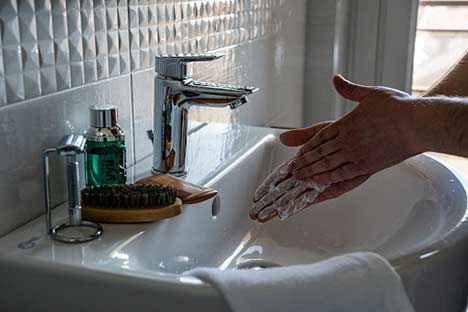
a woman washing her hands in a sink.

The majority of drain clogs result from poor maintenance and improper use of the drains.

Can you prevent drain clogs?

You can prevent the majority of drain clogs since most drain clogs are artificial. The key to keeping a home’s drain free of obstructions is to understand the everyday mistakes that cause this problem and avoid them. Below is a list of things that predispose the drains to clogs and how to avoid them.

Keep FOGS out of the drain

Fats, oils and grease (FOGs) are the number one enemy of drain pipes. Once inside the drain, these materials become congeal, sticking to the sides of pipes and trapping the debris inside wastewater until the pipes are clogged or blocked completely. Pour FOGs into a sealable container and dispose of them in the trash.

Avoid forbidden items

In addition to FOGs, food waste like starchy foods (rice or mashed potatoes), eggshells and coffee grinds should never be flushed into the drain. Starchy foods, for instance, will absorb water and swell to many times their normal size inside the drains. Eggshells and coffee grinds slow the water movement by settling at the bottom of the drainpipes.

Watch what you flush

A few items people dump into their toilets include wipes, paper towels, diapers, female hygiene products, dental floss, paint, or paint thinner. All these items increase the risk of clogs inside a drain system. It has no business inside the toilet if it is not human waste or toilet paper.

Install strainers over drain openings

As unlikely as it sounds, hair and soap scum will block the shower drain. It is not possible to keep your body from shedding hair inside the shower. Soap scum is also an unavoidable product of using soap. To keep soap scum and hair out of bathroom drains, install a mesh screen or a shower drain hair catcher over the drain opening.

Avoid chemical drain cleaners

Chemical drain cleaners are quick fixes that can result in bigger issues. Chemical drain cleaners can clear your drains because they contain strong corrosives. But these corrosives can weaken the drainpipes and make them more liable to leak. To prevent drain clogs, avoid chemical drain cleaners.

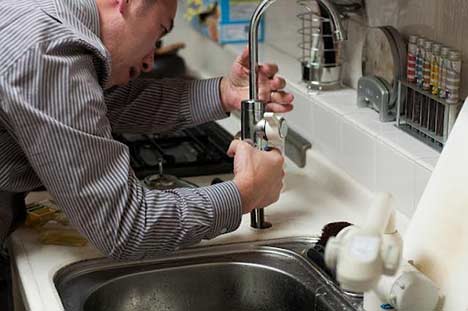
a man repairing a faucet

Most drain issues start as minor problems that produce telltale signs.

Tackle problems early

As the saying goes, “an ounce of prevention is worth a pound of cure.” This adage is completely true when dealing with drain systems. Most drain issues start as minor problems that produce telltale signs. These small issues become major problems when those signs are ignored. Prompt action to solve problems will prevent most drain clogs.

Finally, even after doing all of the above, it is still possible to have clogs inside the home’s drain system. That is because modern plumbing systems are extensive and complicated. Homeowners can’t keep an eye on everything going on with their home’s drain lines. But there is a simple way to get around this problem.

Annual camera inspections of your sewer lines should be a central part of the plumbing maintenance program for you to prevent clogs in the system. These inspections are vital for picking up problems at the early stages and solving them quickly and cheaply instead of waiting until they escalate into considerable costs. Only a professional plumber should perform these inspections.

Tips on Keeping Your Sewage Ejector Pump Running Smoothly

Tips on Keeping Your Sewage Ejector Pump Running Smoothly

In any home or commercial building, proper functioning of the sewage system is essential for maintaining hygiene and preventing unpleasant odors. A key component of this system is the sewage ejector pump, which is responsible for pumping waste from below-grade areas to an elevated sewer line. To ensure the smooth operation of your sewage ejector pump, it is important to follow some basic maintenance tips. In this article, we will discuss several strategies to help you keep your sewage ejector pump running smoothly.

Understanding Your Sewage Ejector Pump

Before we dive into the maintenance tips, it is crucial to have a basic understanding of how a sewage ejector pump works. A sewage ejector pump is typically installed in basements, crawl spaces, or other areas where the main sewer line is located at a higher elevation than the wastewater source. When wastewater flows into the pump basin, a float switch is activated, signaling the pump to start. The pump then macerates the solid waste and pumps it out through a discharge pipe connected to the sewer line.

Regular Inspection and Cleaning

One of the most important aspects of maintaining a sewage ejector pump is regular inspection and cleaning. It is recommended to inspect the pump and its components at least once every three months. Start by visually examining the pump and surrounding area for any signs of leakage, cracks, or damage. Make sure the pump is properly secured and the discharge pipe is tightly connected. If you notice any issues, contact a professional plumber for repairs.

In addition to visual inspection, it is essential to clean the pump and basin regularly to prevent clogs and blockages. Sediment, debris, and solid waste can accumulate over time and hinder the pump’s performance. To clean the pump, disconnect the power supply and remove the pump from the basin. Thoroughly clean the impeller, volute, and other components with a brush and mild detergent. Use a hose or bucket of water to flush out any remaining residue.

Check the Float Switch and Alarm System

The float switch and alarm system are crucial for the proper functioning of a sewage ejector pump. The float switch is responsible for activating the pump when the wastewater level reaches a certain point, while the alarm system alerts you in case of pump failure or high water levels. It is important to regularly test the float switch and alarm system to ensure they are working correctly.

Start by manually lifting the float switch to engage the pump. Listen for the sound of the pump starting and observe the wastewater being pumped out. If you don’t hear the pump or notice any issues, the float switch may need to be adjusted or replaced. Similarly, test the alarm system by triggering it manually to ensure it emits a loud and audible alert. If the alarm sounds weak or doesn’t activate at all, call a professional for inspection and repairs.

a person performing maintenance on their sewage ejector pump.

Clogged or obstructed ventilation pipes can cause pressure imbalances, leading to pump inefficiency and potential system failures.

Maintaining Proper Ventilation

Adequate ventilation is essential for the proper functioning of a sewage ejector pump. Clogged or obstructed ventilation pipes can cause pressure imbalances, leading to pump inefficiency and potential system failures. It is recommended to inspect the ventilation pipes annually and remove any obstructions, such as debris, bird nests, or vegetation.

Additionally, ensure that the vent pipes are properly sized and positioned to facilitate the free flow of air. Inadequate ventilation can result in the buildup of foul odors and harmful gases, posing health risks. If you encounter any issues with the ventilation system, it is advisable to contact a professional plumber to ensure proper remediation.

Be Mindful of What You Flush

The sewage ejector pump is designed to handle human waste, toilet paper, and water. It is crucial to be mindful of what you flush down the drain to prevent clogs and damage to the pump. Avoid flushing non-biodegradable items, such as wipes, diapers, sanitary products, or chemicals. These items can cause blockages and put undue stress on the pump.

Similarly, be cautious of the amount of grease and fat you pour down the drain. Grease and fat solidify when cooled and can adhere to the pump components, impeding their function. To prevent such issues, dispose of grease and fat in a separate container and properly dispose of it in the trash.

In Summary

Regular maintenance of your sewage ejector pump is crucial for its smooth operation and longevity. By following the tips mentioned in this article, you can ensure that your pump functions optimally and prevents any unpleasant sewage backups. Remember to inspect and clean the pump regularly, test the float switch and alarm system, maintain proper ventilation, and be mindful of what you flush down the drain. Additionally, contact a professional plumber for any ejector pump repairs or issues beyond your expertise. By taking proper care of your sewage ejector pump, you can avoid costly repairs and maintain a sanitary environment in your home or commercial building.

4 Signs It’s Time For a Septic Pumping

Signs It's Time for a Septic Pumping

Septic systems are an important part of any home or business. In order to keep your septic system functioning properly, it is important to stay up-to-date on regular septic tank maintenance, including septic pumping. Here are 4 signs that it might be time to pump your septic tank.

  • Foul Odors Around Your Property

If you notice a foul odor coming from your drains or outside your property, it is likely time to pump your septic tank. As the tank becomes full and waste is not properly broken down, it can start to create an unpleasant smell. If the smell persists, it is important to have your septic tank pumped asap.

  • Slow Draining or Backed-Up Plumbing Fixtures

Slow draining is another sign that your septic tank is full and needs to be pumped. If your drains are not draining as quickly as they used to, there is likely an issue with your septic tank. To ensure that your septic system continues to function properly, it is important to have your tank pumped as soon as possible.

  • Gurgling Sounds from Drains

Gurgling noises from your drains indicate that the septic tank is full and needs to be pumped. If you hear gurgling noises, it is important to contact a professional to pump out your septic tank as soon as possible.

  • Lush and Green Patches of Grass

If you notice that the ground around your septic tank is soggy or wet, it is a sign that the tank is full and needs to be pumped. This is especially true if the ground is wet and you have not experienced any recent rain or snow. If the ground around your septic tank is soggy, it is important to contact a professional to have your septic tank pumped.

The Importance of Regular Septic Pumping

Regular septic pumping is not only essential for addressing the signs mentioned above but also for preventing more severe problems in the long run. By keeping up with proper maintenance and scheduling regular septic pumpings, you can:

  • Extend the lifespan of your septic system: Regular pumping prevents the build-up of solid waste and sludge, which can cause irreversible damage to your septic tank. By maintaining a clean and functioning tank, you can prolong the lifespan of your entire septic system.
  • Prevent costly repairs: Neglecting septic pumping can lead to more extensive problems, such as clogged drain fields, damaged pipes, or even septic system failure. These repairs can be costly and disruptive to your daily life. By investing in regular septic pumpings, you can avoid these expenses and keep your septic system in optimal condition.
  • Maintain a healthy environment: A malfunctioning septic system can contaminate the groundwater and soil with harmful bacteria and pathogens. This not only poses a risk to your health but also to the environment. Regular septic pumpings help prevent contamination, ensuring the safety of both your household and the surrounding ecosystem.
  • Comply with regulations: Depending on your location, there may be specific regulations and guidelines regarding septic system maintenance. Regular septic pumping is often a requirement to comply with these regulations. By staying up-to-date with your septic maintenance, you can avoid potential fines and penalties.

By staying up-to-date on regular septic tank maintenance, including septic pumping, you can ensure that your septic system continues to function properly. If you notice any of the 4 signs mentioned above, it is important to contact a professional to have your septic tank pumped as soon as possible.

Common Questions About Hydro Jetting in Chicago

Common Questions About Hydro Jetting in Chicago

In recent years, hydro jetting has become an increasingly popular method for clearing clogs and blockages in plumbing systems. This powerful technique uses high-pressure water to remove debris, scale, and roots from pipes, ensuring optimal flow and preventing future plumbing issues. If you live in Chicago and are considering hydro jetting for your plumbing needs, you may have some questions. Below we address common questions about hydro jetting in Chicago and provide you with the information you need to make an informed decision.

What is Hydro Jetting?

Hydro jetting, also known as water jetting or sewer jetting, is a plumbing technique that utilizes high-pressure water to clean and clear obstructed pipes. A specialized nozzle is inserted into the plumbing system, and pressurized water is forcefully sprayed to remove scale, sludge, tree roots, and other debris that can cause clogs and backups.

How Does Hydro Jetting Work in Chicago?

In Chicago, hydro jetting works by leveraging the power of high-pressure water to thoroughly clean and clear plumbing pipes. Here’s how the process typically unfolds:

  1. Inspection: A professional Chicago plumber will first inspect your plumbing system using advanced camera technology to identify the location and extent of the blockage.
  2. Preparation: Once the blockage is identified, the plumber will prepare the equipment by attaching a specialized nozzle to a high-pressure water hose.
  3. Jetting: The plumber will insert the hydro jetting nozzle into the affected pipe and release a powerful stream of water. The high-pressure water will blast away any debris, scale, or roots, clearing the blockage and restoring optimal flow.
  4. Inspection and Cleanup: After the hydro jetting process is complete, the plumber will conduct a final inspection to ensure the blockage has been completely cleared. Any remaining debris will be flushed out of the system, leaving your pipes clean and free-flowing.

Is Hydro Jetting Suitable for All Plumbing Systems?

Hydro jetting is a versatile technique that can be used on a wide range of plumbing systems, including residential, commercial, and industrial. However, it is not suitable for all situations. Here are a few factors to consider:

  • Age and Condition of Pipes: Hydro jetting is typically safe for newer pipes made of durable materials such as PVC or copper. However, older pipes, especially those made of clay or fragile materials, may not withstand the high-pressure water and could be damaged. A professional plumber can assess the condition of your pipes and determine if hydro jetting is appropriate.
  • Severity of the Blockage: Hydro jetting is most effective for moderate to severe blockages caused by debris, scale, or tree roots. If the blockage is minor or caused by a foreign object, alternative methods may be more suitable.
  • Accessibility: In some cases, accessing the plumbing system may be challenging or impossible, making hydro jetting impractical. A plumber will need to assess the accessibility of your pipes before recommending hydro jetting as a solution.
a professional plumber cleaning out a sewer line by way of a hydro jetting.

Hydro jetting relies on the power of water, eliminating the need for harsh chemicals that can be harmful to the environment.

What are the Benefits of Hydro Jetting?

Hydro jetting offers several advantages over traditional methods of clearing clogs and blockages. Here are some of the key benefits:

  • Thorough Cleaning: Hydro jetting completely clears obstructions and removes accumulated debris, ensuring optimal flow and preventing future issues.
  • Non-Invasive: Unlike mechanical methods such as a sewer rodding service that may require digging or dismantling pipes, hydro jetting is a non-invasive technique that can be performed without damaging your plumbing system.
  • Environmentally Friendly: Hydro jetting relies on the power of water, eliminating the need for harsh chemicals that can be harmful to the environment.
  • Long-Lasting Results: With its powerful cleaning action, hydro jetting provides long-lasting results, minimizing the need for frequent plumbing maintenance.

Is Hydro Jetting Safe for Plumbing Pipes in Chicago?

Hydro jetting is generally safe for plumbing pipes, especially when performed by a professional plumber. However, there are a few considerations to keep in mind:

  • Professional Expertise: It is crucial to hire a licensed and experienced plumber who is knowledgeable in hydro jetting techniques. They will understand the appropriate pressure levels and ensure the procedure is safe for your specific plumbing system.
  • Pipe Material: As mentioned earlier, the material of your pipes can impact the suitability of hydro jetting. Discuss the composition of your plumbing system with the plumber to ensure compatibility.
  • Preventive Measures: To minimize the risk of damage, a professional plumber will take precautionary measures such as camera inspecting the sewer lines and adjusting the water pressure accordingly.

How Often Should Hydro Jetting be Done?

The frequency of hydro jetting depends on various factors, including the age of your plumbing system, the presence of trees or vegetation near your property, and your water usage habits. As a general guideline, it is recommended to schedule hydro jetting every 1-2 years to prevent major blockages and maintain the efficiency of your plumbing system.

Can Hydro Jetting Solve Persistent Plumbing Issues?

While hydro jetting is highly effective in clearing clogs and blockages, it may not solve all plumbing issues. Persistent problems such as collapsed pipes, extensive tree root intrusions, or corroded pipelines may require further inspection and potential repairs or replacements. A professional plumber can assess the underlying cause of the issue and recommend the most appropriate solution.

Hydro jetting is a powerful and effective method for clearing clogs and obstructions in plumbing systems. If you live in Chicago and are experiencing plumbing issues or want to maintain the efficiency of your pipes, hydro jetting may be the ideal solution. By understanding the process, benefits, and considerations associated with hydro jetting, you can make an informed decision and ensure the long-term health of your plumbing system. Remember to speak with a professional plumber who specializes in hydro jetting to assess your specific needs and provide expert advice.

Are you looking for hydro jetting service in the Chicago area? We can help! Contact us at 773-599-9181 or by form below!

Using a Sump Pump to Keep Your Basement Dry

Using a Sump Pump to Keep Your Basement Dry

Basements are typically the most neglected areas of the home. Unfortunately, if you don’t take proactive measures to mitigate moisture, your basement can become a breeding ground for mold, mildew, and other undesirable consequences. Installing a sump pump is one of the best ways to keep your basement dry and free from water damage.

Basement Moisture Control

Basement moisture control is a must for any home. Moisture can seep into your basement from the ground, from rain or snow, or from plumbing leaks. A sump pump can help prevent water from entering your basement and causing damage.

The sump pump works by collecting water and pumping it away from the foundation of your home. It is installed in a sump pit, which is a hole dug in the floor of the basement. The hole is filled with gravel and is designed to collect any water that may enter the basement.

Once the sump pit is filled with water, the sump pump will activate and begin pumping the water out of the basement and away from the foundation of your home. This will help keep your basement dry and free from water damage.

Basement Drainage

Basement drainage systems are also important for keeping your basement dry. The sump pump is connected to a drainage system that runs along the perimeter of your basement. The system collects water from the sump pump and drains it away from the foundation of your home.

The drainage system can also be connected to a dehumidifier, which helps remove any excess moisture from the air in your basement. This will help keep the air in your basement dry and free from mold, mildew, and other undesirable consequences.

Flood Prevention

The sump pump can also help protect your home from flooding. The pump is designed to automatically activate when the  pit is filled with water. This will help prevent flooding and help keep your basement and home safe from any kind of water damage.

In addition to a sump pump, there are other important steps you can take to prevent flooding in your home. Make sure your gutters and downspouts are regularly cleared and free of debris. Check the grade of your yard to make sure it slopes away from your home and doesn’t collect water. And make sure your home is equipped with a reliable backflow preventer to keep water from entering your home from the sewer.

Summing It Up

Using a sump pump is one of the best ways to keep your basement dry, period. It’s an important part of any home’s flood control system, and it can help protect your home from flooding and damage. Keep your basement dry and safe by having a sump pump professionally installed today!

Benefits of a Water Line Replacement in Chicago

Benefits of a Water Line Replacement in Chicago

Improving Water Quality

One of the major benefits of a water line replacement in Chicago is the significant improvement in water quality. Over time, old water lines can become corroded and deteriorate, resulting in a decrease in the quality of the water that flows into homes and businesses. By replacing the outdated water lines, residents and businesses can enjoy clean and safe water that is free from contaminants, rust, and other impurities.

Enhancing Water Pressure

Another advantage of a water line replacement is the enhancement of water pressure. Aging water lines often experience leaks and clogs, which can lead to a decrease in water pressure. This can be particularly frustrating for residents who rely on adequate water pressure for various household tasks such as showering, washing dishes, and doing laundry. By replacing the old lead water lines, water pressure can be restored to optimal levels, ensuring a steady flow of water.

Reducing Water Loss

Old and damaged water lines are prone to leaks and cracks, which result in significant water loss. This not only wastes valuable water resources but also leads to increased water bills for residents and businesses. By replacing the outdated water lines, the occurrence of leaks and cracks can be minimized, resulting in a more efficient water distribution system and reduced water loss. This is not only beneficial for the environment but also helps to lower water bills for consumers.

Preventing Costly Repairs

Proactively replacing water lines in Chicago can help prevent costly repairs in the future. As water lines age, they become more vulnerable to damage, such as leaks and bursts. These issues can result in significant property damage and require expensive repairs. By investing in a water line replacement, property owners can avoid the hassle and expense of dealing with emergency repairs caused by water line failures. This provides peace of mind and saves both time and money in the long run.

Ensuring Reliable Water Supply

An outdated water line system can lead to unexpected disruptions in the water supply. Whether it’s due to leaks, bursts, or other infrastructure issues, an unreliable water supply can cause inconvenience and frustration for residents and businesses. By replacing the aging water lines, the reliability of the water supply is greatly improved. This means residents and businesses can have confidence in a consistent and uninterrupted water supply for their daily needs.

Increasing Property Value

Investing in a water line replacement can also have a positive impact on property value. Potential homebuyers and tenants often prioritize the quality and reliability of utilities, including the water supply. By upgrading the water lines, property owners can attract buyers and tenants who value a well-maintained and efficient water system. This can lead to higher property values and increased demand for the property.

Supporting Sustainable Development

Replacing outdated water lines is not only beneficial for individual properties but also contributes to sustainable development on a larger scale. By reducing water loss, improving water quality, and enhancing water distribution efficiency, a water line replacement in Chicago supports sustainable water management practices. Conserving water resources and ensuring a reliable water supply for future generations is an important aspect of sustainable development.

In Conclusion

A water line replacement in Chicago offers numerous benefits, including improved water quality, enhanced water pressure, reduced water loss, prevention of costly repairs, reliable water supply, increased property value, and support for sustainable development. Property owners and residents who invest in this upgrade can enjoy clean and safe water, lower water bills, and peace of mind knowing that their water infrastructure is efficient and reliable. By prioritizing the replacement of outdated water lines, Chicago can maintain a modern and sustainable water distribution system for the benefit of its residents and the environment.