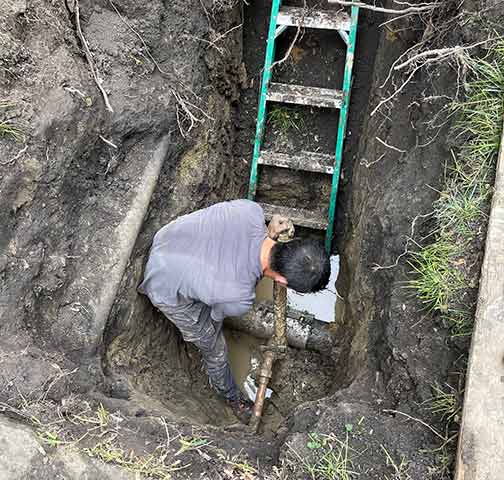
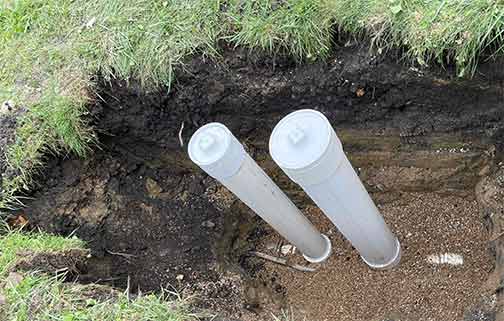
As a homeowner, it is important to understand the differences between your sewer line and water line, and how to maintain both of them properly. The sewer and water lines are two separate systems that run through the property and have different functions. This article will go over the differences between the two and provide tips on how to maintain each one to avoid costly repairs.
The Sewer Line
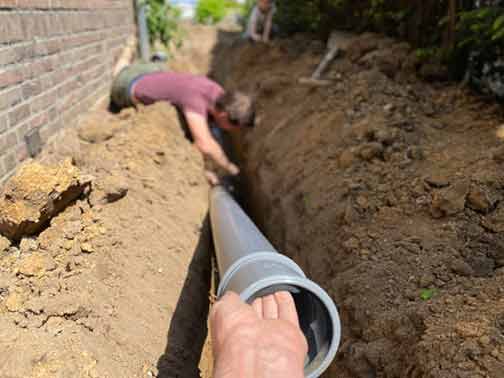
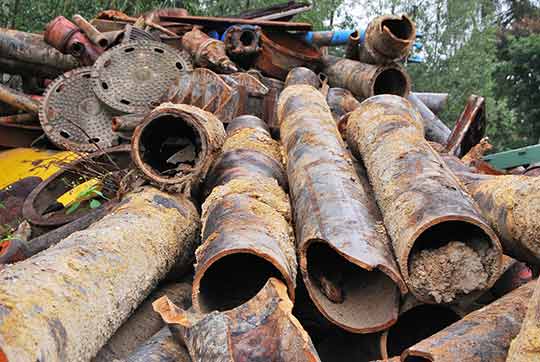
The sewer line is responsible for carrying the wastewater from your home to the municipal sewer system or septic tank. It connects all of the drains in your home, including the toilets, sinks, shower, and washing machine, to the main sewer line. The sewer line is typically made of cast iron, PVC or ABS plastic, or clay.
Symptoms of a Clogged Sewer Line
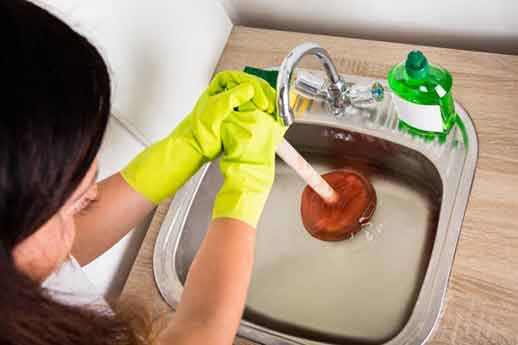
A clogged sewer line can cause serious problems in your home, including sewage backup, flooding, and foul odors. Detecting and cleaning out a clogged sewer line with a professional hydro jetting service early can help you avoid these problems. Look out for the following signs of a clogged sewer line:
Slow-draining sinks, showers, or tubs
Gurgling sounds coming from your toilet or drains
Sewage backup in your home or yard
Foul odors coming from your drains
Maintaining Your Sewer Line
Maintaining your sewer line is essential to keep it functioning correctly. Here are some tips to help you maintain your sewer line:
Be careful what you flush down the toilet or pour down the drains. Avoid flushing anything besides toilet paper and human waste down the toilet. In the kitchen, avoid pouring grease or oil down the sink.
Regularly clean your drains with hot water and a mixture of baking soda and vinegar. This will help prevent clogs from forming in the first place.
Avoid planting trees or shrubs too close to the sewer line. The roots of trees can grow into the sewer line and cause blockages. If you discover that roots are causing problems with your sewer line, contact a professional immediately.
Hire a professional plumber to camera inspect your sewer line regularly. An inspection can help you detect any potential problems early before they turn into expensive repairs.
The water line is responsible for carrying clean water into your home from the municipal water supply or a private well.
The Water Line
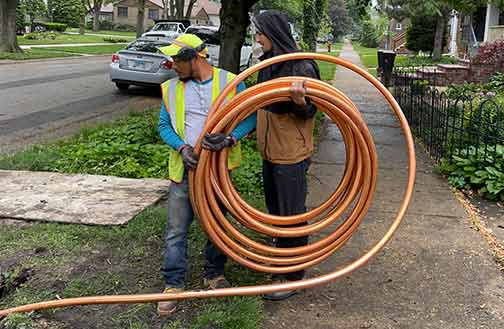
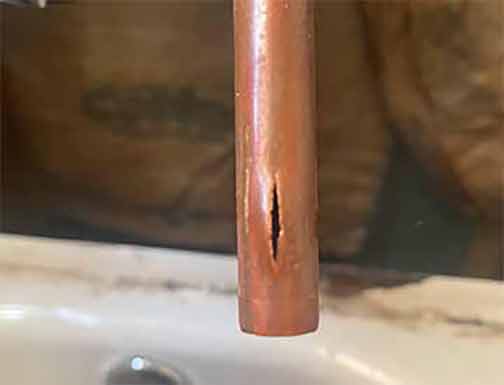
The water line is responsible for carrying clean water into your home from the municipal water supply or a private well. It connects to your water main and distributes water throughout your home to your faucets, showerhead, and appliances. The water line is typically made of copper or PVC pipe.
Symptoms of a Broken Water Line
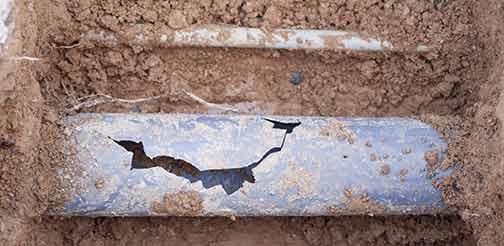
A broken water line can cause serious damage to your property and can be expensive to repair. Here are some signs that you may have a broken water line:
Maintaining your water line is essential to ensure that you have clean, safe water flowing into your home. Here are some tips to help you maintain your water line:
Avoid putting pressure on your water line. Do not park or drive heavy vehicles over the water line, as this can cause damage.
Avoid using drain cleaners or chemicals that can corrode or damage your pipes. Instead, use hot water and baking soda or a mixture of vinegar and baking soda to clean your drains and pipes.
Winterize your pipes to avoid freezing and bursting. Disconnect hoses from outdoor faucets and wrap exposed pipes with insulation.
Regularly inspect your water line for leaks or damage. If you notice any problems, contact a plumber to repair your main water line immediately.
Conclusion
Maintaining your sewer line and water line properly is essential to avoid costly repairs and damage to your property. By following the tips outlined in this article, you can prevent clogs, blockages, and leaks in your pipes and ensure that you have clean, safe water flowing into your home. Remember, if you notice any signs of problems with your sewer line or water line, contact your local plumber to address the issue immediately.
To stay on top of the industry, you must know about its future! So, look closely at the future of drain cleaning services in Chicago – a professional forecast.
The technological advancements
Technological advancements have revolutionized how plumbing expertstackle drain cleaning tasks, offering more efficient and effective solutions. With the emergence of advanced equipment, such as high-pressure hydro-jetting machines and motorized drain snakes, plumbers can now easily tackle even the toughest clogs. These tools utilize powerful water pressure or rotating blades to dislodge debris and restore proper water flow. Moreover, integrating robotics and artificial intelligence has further enhanced the precision and accuracy of drain-cleaning processes. Robots with specialized sensors can navigate through pipes, detect blockages, and perform repairs autonomously. These innovations save time and effort for plumbing experts and minimize disruption for homeowners. As technology continues to evolve, we can expect further improvements in the future of drain cleaning services!
The future of drain cleaning services includes eco-friendly solutions
In recent years, there has been a growing demand for eco-friendly solutions as more people recognize the importance of protecting the environment. One such solution gaining popularity is the use of bio-enzymatic cleaners. These cleaners contain natural enzymes and bacteria that break down organic matter, such as grease and hair, without harsh chemicals. By harnessing the power of nature, these cleaners effectively unclog drains while minimizing harm to the ecosystem. Additionally, drain cleaning companies are integrating sustainable practices into their operations. They prioritize recycling and responsible waste management, ensuring that harmful substances are disposed of properly. Some companies even offer eco-conscious alternatives, such as reusable drain filters, to prevent clogs from occurring in the first place. By embracing these eco-friendly practices, drain cleaning services will ensure a healthier environment where drains are being cared for without causing harm to the planet.
An enhanced customer experience
Enhancing the customer experience has become a top priority for professionals as they strive to provide exceptional service from start to finish. One way they achieve this is through the implementation of real-time monitoring systems. These systems allow customers to track the progress of their service request and receive updates on the technician’s arrival time. Additionally, many companies now offer user-friendly online platforms where customers can conveniently schedule appointments, make payments, and access service history. This streamlined process saves time and effort for customers, ensuring a hassle-free experience. Finally, drain cleaning companies prioritize effective communication, clearly explaining the problem and the steps taken to resolve it.
Preventive maintenance and long-term solutions
Preventive maintenance has emerged as a crucial strategy for addressing drain issues, sewer line problems, and other plumbing-related hiccups. Instead of waiting for blockages and backups, plumbing experts now advocate for proactive measures to prevent such issues. That includes regular inspections using advanced techniques like sewer cameras, which allow professionals to identify potential problems before they escalate. By detecting signs of deterioration, tree root intrusion, or other issues early on, plumbers can take necessary action to mitigate the risk of costly repairs or replacements down the line. Moreover, education plays a key role in this approach, as experts guide homeowners on proper drain care, such as avoiding flushing non-biodegradable items or pouring grease down drains.
Industry collaboration for effective solutions
Industry collaboration has become increasingly vital for developing effective solutions. Drain cleaning companies are now partnering with broader plumbing professionals to pool their expertise and resources. This collaboration allows for a comprehensive approach to tackling complex drainage issues, leveraging the knowledge and skills of both parties. Moreover, partnerships with municipal authorities are being forged to address large-scale drainage challenges. By working closely with local authorities, companies can gain access to critical information about the city’s drainage infrastructure and develop tailored solutions accordingly. Additionally, these collaborations facilitate sharing of best practices and knowledge among industry professionals, fostering a culture of continuous improvement. That allows drain cleaning companies, plumbing professionals, and municipal authorities to collectively tackle diverse challenges, leading to more effective and efficient solutions for residential and commercial customers in Chicago and beyond.
The impact of smart homes
The advent of smart homes has revolutionized the field of drain cleaning, offering numerous advantages. By incorporating smart home technologies, homeowners can address drain issues more autonomously than ever. As the experts from Best Cross Country Moverspointed out, this results in decreased emergency moves caused by drain problems! That is because smart homes enable residents to detect early signs of clogs or blockages through sensor-based devices, providing real-time alerts and notifications. In turn, homeowners can take preventive measures promptly, preventing minor issues from escalating into major emergencies.
Moreover, smart home automation facilitates regular drain maintenance by automating scheduled cleanings and self-cleaning mechanisms. That saves time and effort and ensures consistent drain upkeep for optimal performance.
Commercial and industrial sectors, such as restaurants and hospitals, can now access specialized hydro jetting services.
The emergence of specialized services
The drain cleaning industry has witnessed the emergence of specialized services tailored to meet the unique needs of different sectors. For example, commercial and industrial sectors, such as restaurants and hospitals, can now access professional hydro jetting service. These services are equipped with the knowledge and expertise to tackle the specific challenges that arise in large-scale drain systems. By understanding the complexities of these industries, specialized professionals can offer targeted solutions, including grease trap cleaning for restaurants or biohazard cleanup for healthcare facilities. These services go beyond standard residential drain cleaning, addressing the intricacies of commercial settings and ensuring compliance with industry regulations. So, the availability of specialized services ensures businesses can maintain their operations smoothly without worrying about drain-related disruptions.
Addressing old infrastructure challenges
Addressing old infrastructure challenges has become a pressing concern, especially in the context of commercial plumbing problems. Many cities, including Chicago, have aging drain infrastructure that poses unique challenges. Drain cleaning services are implementing innovative strategies to rehabilitate old drainage systems to overcome these challenges. That may involve techniques like pipe relining or trenchless repairs, which minimize the need for extensive excavation and disruption to commercial operations. By embracing these advanced methods, experts can effectively restore functionality to deteriorated pipes and mitigate the risk of recurring problems.
The role of data analytics
Data analytics plays a crucial role in revolutionizing how professionals approach their work. By harnessing the power of data, companies can analyze historical information. And then use it to identify patterns and optimize their service delivery. That enables them to make data-driven decisions, improving the efficiency and effectiveness of their operations. For example, by analyzing data on common types of blockages or recurring issues, drain cleaning services can develop preventive maintenance plans tailored to specific areas or properties. Additionally, data analytics allows for predictive maintenance, enabling professionals to act well ahead when a problem turns critical.
Enjoying the utmost quality of drain cleaning
With what we covered on the future of drain cleaning services in Chicago – a professional forecast, it should be obvious that the industry is advancing. So, the quality of such services will also, naturally, continue to increase!
When it comes to plumbing issues, they can arise at any time and with little notice. Whether it is a leaking faucet or a burst pipe repair emergency, time is of the essence when it comes to fixing the issue. In such times of panic, many homeowners may be tempted to hire an unlicensed plumber to come and fix the issue. But is it worth it? Here we will discuss the risks of hiring unlicensed plumbers for emergency repairs.
What is an Unlicensed Plumber?
An unlicensed plumber is an individual who is not certified to work as a plumber by the relevant local or state authority. These individuals operate without a license, which means that they have not undergone the necessary training required to be a professional plumber. They may be self-taught or may have worked as an apprentice under a licensed plumber, but they are not authorized to perform plumbing work.
The Risks of Hiring an Unlicensed Plumber
There are several risks associated with hiring an unlicensed plumber for your emergency repairs. These risks include:
Poor Quality of Work
Unlicensed plumbers may lack the necessary skills and knowledge to perform the repair work to a high standard. Plumbing work requires expertise, and without proper training, it is easy to make mistakes that can lead to more significant problems down the line.
Safety Risk
Working with plumbing systems is hazardous, and if not done correctly, it can be life-threatening. An unlicensed plumber may not be aware of the necessary safety protocols that need to be followed when working on plumbing systems. This can lead to accidents or even explosions, which can put the safety of your family and your home at risk.
Liability Risk
If an unlicensed plumber makes a mistake while working on your plumbing system, you will be liable for any damages that occur. If the plumber is not licensed, they will not have insurance, leaving you responsible for any costs associated with the damage. This can end up being a significant financial burden, especially if the damage is extensive.
Voiding of Warranties
Many plumbing systems come with warranties that state that only licensed plumbers can perform repairs. If you hire an unlicensed plumber to perform the repairs, you will likely void your warranty. This means that if there are future problems with your plumbing system, you will not be able to claim on your warranty.
Legal Implications
Hiring an unlicensed plumber is against the law in many jurisdictions. If you hire an unlicensed plumber and they cause any damage, you can be held responsible for breaking the law. This can lead to fines and legal implications that can be avoided by hiring a licensed plumber.
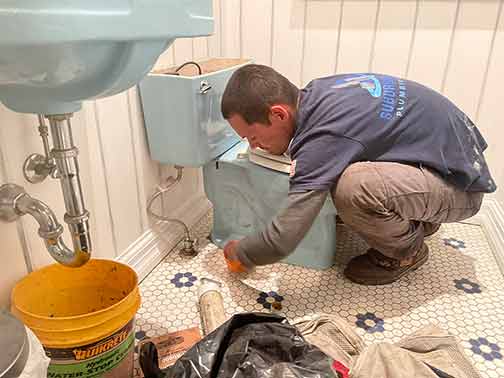
licensed plumber at work in a bathroom, plumbing repair service, assemble and install concept
Why Hire a Licensed Plumber?
When it comes to emergency plumbing repairs in your home, it is always best to hire a licensed plumber. A licensed emergency plumber has undergone the necessary training and certification to ensure that they have the necessary skills and expertise to perform the repair work to a high standard. Some of the benefits of hiring a licensed plumber include:
Quality Work
A licensed plumber is trained to handle any plumbing issue, no matter how complex it may be. They have the experience and expertise to diagnose problems correctly and provide reliable solutions that will fix the issue for good.
Safety
A licensed plumber knows how to work safely with plumbing systems. They are trained on safety protocols and have the appropriate tools and equipment to ensure that they can fix the issue safely.
Insurance
Licensed plumbers are required to have insurance, which means that if there is any damage to your property during the repairs, you will not be held liable for the cost. This provides peace of mind and ensures that you are protected in case of any accidents.
Compliance with the Law
Licensed plumbers are authorized to perform plumbing work and comply with all relevant laws and regulations. They are aware of the building codes and other legal requirements in your area and will ensure that they operate within the law.
In conclusion, though hiring unlicensed plumbers may seem like a cheaper and more convenient option, it is not worth the risk. The risks associated with hiring unlicensed plumbers are too high, and it is best to hire a licensed plumber for any plumbing issues, especially in an emergency situation. A licensed plumber will perform repairs to a high standard, ensure the safety of your family and home, and provide legal protection in case of any accidents.
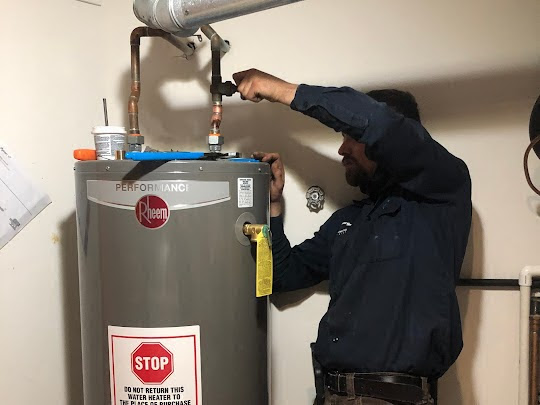
Installing a water heater tank is a common requirement for many households. The cost of installation varies from one location to another, and Chicago is not an exception. The location, size of the tank, and labor cost are some of the factors that can influence the installation cost. In this article, we will look at some of the factors that affect the cost of installing a water heater in Chicago and how much you can expect to pay.
Factors That Affect the Cost of Installing a Water Heater Tank
The Type and Size of the Water Heater Tank
The type and size of a water heater tank can significantly impact the installation cost. There are different types of water heater tanks that you can choose from, such as gas, electric, and tankless. Gas water heaters are cheaper to run but more expensive to install. On the other hand, electric water heaters are more expensive to run but cheaper to install. Tankless water heaters are more energy-efficient, but they are the most expensive type to install.
The size of the water heater tank also affects the installation cost. Larger tanks are more expensive to install compared to smaller tanks. The size of the water heater tank you choose will depend on your household’s size and hot water demand.
The Location of the Installation
The location of the installation also affects the cost of installing a water heater tank. If the installation is in an accessible area, it will be easier and less expensive to install. However, if the installation is in a hard-to-reach or confined space, it may require special tools and more labor, which will increase the installation cost.
The Labor Cost
The labor cost is another factor that affects the installation cost of a water heater tank. The cost of labor varies from one professional plumber to another. Some local plumbers offer a flat rate, while others charge an hourly rate. The hourly rate is typically higher than the flat rate. The labor cost will depend on the complexity of the installation and the amount of time the plumber spends on the installation.
The Cost of Installing a Water Heater Tank in Chicago
The cost of installing a water heater tank in Chicago will depend on the factors we have discussed above. On average, the cost of a water heater installation in Chicago ranges from $800 to $2000. This cost includes the cost of the water heater tank and the installation cost.
The size and type of the water heater tank you choose will significantly impact the installation cost. For instance, a 40-gallon electric water heater tank can cost between $500 to $700, while a gas water heater tank of the same size can cost between $1000 to $1200.
The labor cost will also vary depending on the complexity of the installation. The cost of labor alone for a water heater tank installation in Chicago ranges from $300 to $800.
Choosing the right size and type of water heater tank can significantly impact the installation cost.
Tips to Reduce the Cost of Installing a Water Heater Tank in Chicago
There are several ways to reduce the cost of installing a water heater tank in Chicago. Below are some tips:
Choose the Right Size and Type of Water Heater Tank
Choosing the right size and type of water heater tank can significantly impact the installation cost. It is essential to consider your household’s hot water demand and the type of energy source available in your area before choosing a water heater tank. For instance, if you have natural gas available in your area, it may be cheaper to install a gas water heater tank than an electric water heater tank.
Shop Around
Before hiring a professional plumber to install your water heater tank, it is essential to shop around and compare prices. You can get multiple quotes from different plumbers and compare them to find the best price. However, it is also essential to consider the plumber’s experience and qualifications.
Maintain Your Water Heater Tank
Maintaining your water heater tank can help reduce the cost of installation. Regular maintenance can help extend the life of your water heater tank and reduce the likelihood of breakdowns. Some maintenance tasks you can do include flushing the tank annually and checking the temperature and pressure relief valve.
Consider Financing Options
If you cannot afford to pay for the installation upfront, it may be possible to finance the installation cost. Many water heater manufacturers offer financing options that can help spread the cost of installation over a period of time. However, it is essential to read the terms and conditions carefully and ensure that you can afford the payments.
To Sum It Up
The cost of installing a water heater tank in Chicago can vary significantly depending on several factors, including the size and type of the water heater tank, the location of the installation, and the labor cost. On average, the cost of installation ranges from $800 to $2000. However, you can reduce the cost of installation by choosing the right size and type of the water heater tank, shopping around, maintaining your water heater tank, and considering financing options. It is essential to hire a qualified and experienced professional plumber to install your water heater tank to ensure that it is installed correctly and safely.
—
Interested in having a new water heater installed in Chicagoland? We offer free estimates and can be reached at 773-599-9181 or you can fill out the form below.
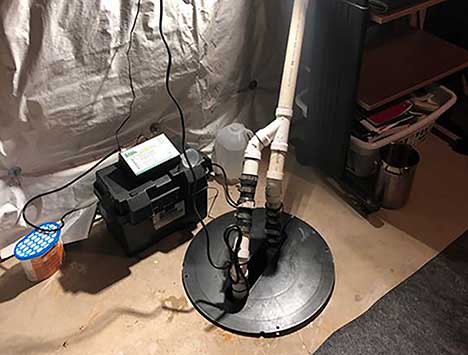
Sump pumps play an essential role in preventing flooding and water damage in Chicago homes. Whether your basement is prone to flooding or you want to take preventative measures, installing a sump pump is a smart investment. This guide will walk you through the steps of sump pump installation and maintenance to keep your home and belongings safe.
Types of Sump Pumps
Before installing a sump pump, it’s essential to understand the different types.
Submersible sump pump: This type of pump is installed inside the sump pit, making it quieter compared to pedestal pumps. These also last longer and require less maintenance.
Pedestal sump pump: This type of pump has a motor that is installed above the sump pit with the impeller at its base. This pump is usually suited for smaller sump pits and it is less expensive than submersibles.
Installing a sump pump can be done with the help of a professional or with a DIY approach. Here are the steps to take when installing a sump pump:
Step 1: Determine the sump pit size
The first step is to determine the size of the sump pit, which should be at least 18 inches in diameter and 24 inches deep.
Step 2: Choose the right location
The sump pump should be installed in the lowest area of the basement floor. After determining the location, remove any debris or dirt that may be in the way.
Step 3: Dig the sump pit
Dig the sump pit to fit the size of the pump. The pit should be located against the wall where the discharge pipe can be easily connected.
Step 4: Install the pump
Place the pump in the sump pit and connect it to the correct discharge pipe. Ensure that it is levelled and add gravel to the bottom of the pit to stabilize it if necessary.
Step 5: Install check valves and discharge pipes
Install the check valves and discharge pipes to prevent backflow of water. The check valves keep water from coming back into the pit while the discharge pipe directs water outside.
Step 6: Connect to a power source
Connect the sump pump to a power source. Ensure that the plug is not in contact with water.
Check the sump pit regularly for any debris that may be clogging the pump and remove it.
Maintaining a Sump Pump
Once installed, it’s important to maintain your sump pump to ensure it functions correctly.
Step 1: Regularly check and clean the sump pit
Check the sump pit regularly for any debris that may be clogging the pump and remove it.
Step 2: Test the pump regularly
Testing the pump every six months is essential to ensure that it still works correctly. To test it, fill the pit with water to activate the pump and ensure that it is running smoothly.
Step 3: Replace the battery backup every 2-3 years
If you have a battery backup sump pump, replace the battery every 2-3 years to ensure that it will work in case of a power outage.
Step 4: Call a professional for maintenance
While regular maintenance can be done on your own, hiring a licensed Chicago plumber is essential to ensure that the pump is working correctly. Make sure to schedule a professional evaluation every year to ensure that the system is functioning correctly and identify any potential problems.
In Conclusion
Installing and maintaining a sump pump is an essential investment for Chicago homeowners. By following the steps outlined above, you can ensure that your sump pump functions correctly, preventing costly damages caused by flooding and water damage. Remember to check and clean the sump pump regularly, test the pump, replace the battery backup and call a professional for maintenance. Keeping these steps in mind can save you the headache and expense of water damage repairs in the future.
If you own a home, you know how important it is to have a reliable emergency plumber. A plumbing emergency can occur at any time, and the last thing you want is to be caught off-guard with no one to call for help. When choosing an emergency plumber, there are certain things that you should do and certain things that you should avoid. Here we will go over the dos and don’ts of choosing an emergency plumber.
Do: Look for Plumbers with Proper Licenses and Insurance
One of the most important things to consider when choosing an emergency plumber is whether or not they are licensed and insured. A licensed plumber will have the necessary training and expertise to handle your emergency with precision and care. Insurance is also important, as it will protect you and your property if something goes wrong during the plumbing repair.
Don’t: Choose Plumbers Based on Price Alone
When you’re dealing with an emergency plumbing situation, it can be tempting to choose the plumber with the lowest price. However, the old saying “you get what you pay for” rings true here. Choosing a cheaper but inexperienced plumber can end up costing you more in the long run if their work is subpar or causes damage.
Do: Check for Experience and Reviews
Experience is crucial when choosing an emergency plumber. Look for plumbers who have been in the business for a while and have a good track record of handling emergency situations such as a burst pipe. Checking online reviews from past customers can also help you gauge the quality of their work and customer service.
An emergency can happen at any time, day or night. That’s why it’s important to choose a plumber with 24/7 availability.
Don’t: Settle for Plumbers with Limited Availability
An emergency can happen at any time, day or night. That’s why it’s important to choose a plumber with 24/7 availability. If a plumber has limited availability, it could mean that they won’t be able to help you when you need them the most. Always opt for a plumber who can provide emergency service whenever you need it.
Do: Ask About Guarantees and Warranties
You want to make sure that the plumbing repair is done correctly and will last for a long time. A reputable emergency plumber will offer guarantees and warranties for their work. This gives you peace of mind knowing that if something goes wrong after the repair, you’ll be covered.
Don’t: Hire Plumbers Who Use Substandard Materials
A quality plumber will use high-quality materials to ensure the longevity of the repair. If a plumber uses substandard materials, the repair may not last as long, and you may need to call for another repair soon after. Always ask the plumber about the materials they use and make sure they are top-quality.
Do: Consider Local Plumbers
When you’re dealing with an emergency, you want a plumber who can get to your house quickly. That’s why it’s important to consider local plumbers. Not only will they be able to get to your house faster, but they will also be more familiar with the area and any local plumbing issues.
Don’t: Ignore Red Flags
If a plumber doesn’t seem professional or trustworthy, it’s important to listen to your instincts. Red flags can include aggressive sales tactics, lack of professionalism in their communication or appearance, or poor ratings or reviews. Always opt for a plumber who makes you feel comfortable and has a good reputation.
In conclusion, choosing an emergency plumber requires careful consideration and research. Look for plumbers who have proper licenses and insurance, experience and positive reviews, 24/7 availability, guarantees and warranties, and a commitment to using top-quality materials. Avoid plumbers with limited availability, inexperienced plumbers with low prices, and those who use substandard materials or display red flags. With the right emergency plumber, you can be confident that your home’s plumbing needs will be expertly handled whenever a problem arises.
As a restaurant manager, you know that commercial grease traps are an essential part of your kitchen’s plumbing system. These traps help to prevent fats, oils, and grease (FOG) from getting into your pipes and causing blockages, backups, and other plumbing issues. However, many restaurant owners and managers don’t realize the importance of routine grease trap cleaning. In this expert guide, we’ll explore the science behind how grease traps work, why routine cleaning is crucial, and tips for scheduling and maintaining your commercial grease trap.
Understanding Grease Traps
Grease traps, also known as grease interceptors, are designed to trap and separate FOG from water. These traps are typically installed in the plumbing line between the kitchen sink or dishwasher and the sewer main. As water flows through the grease trap, the FOG separates from the water and floats to the top of the trap. Meanwhile, heavier solids settle to the bottom. The remaining “clean” water flows through an outlet pipe and into the sewer line.
Grease traps come in various sizes, ranging from small under-sink models to large outdoor tanks. The size of your restaurant, its level of activity, and the size of your kitchen’s equipment all factor into the size of the grease trap you need. The larger the trap, the more effective it will be at separating FOG from the water.
Why Routine Cleaning is Important
But even the most efficient grease trap needs regular maintenance to keep functioning correctly. Here’s why:
Preventing Blockages
Over time, the FOG that accumulates in your grease trap will form a thick layer that reduces the trap’s capacity to hold water. When this happens, FOG and other solids will begin to flow through the grease trap and into your plumbing pipes. If left unchecked, the built-up FOG can cause blockages, backups, and other plumbing issues that can be costly to repair.
Complying with Regulations
The Environmental Protection Agency (EPA) requires commercial kitchens to have properly sized and maintained grease traps. Failure to comply with these regulations can result in hefty fines and other legal consequences.
Protecting the Environment
When FOG and other kitchen waste enter the sewer system, they can clog sewage treatment plants and cause harm to aquatic life. Routine cleaning reduces the amount of FOG that enters the sewer line, protecting the environment and complying with EPA regulations.
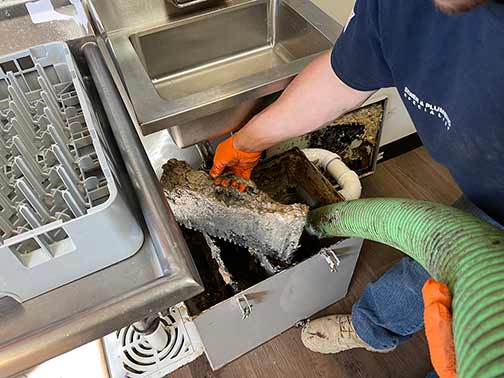
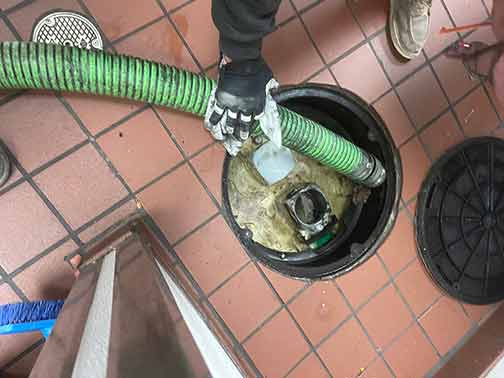
Some grease traps can be cleaned manually, while others require a grease trap pump-out service from a professional plumber.
Tips for Scheduling and Maintaining Your Grease Trap
Now that you understand why routine grease trap cleaning is essential let’s explore some tips for scheduling and maintaining your grease trap.
Determine How Often Your Grease Trap Needs Cleaning
The frequency of grease trap cleaning depends on the size of your restaurant and the volume of FOG your kitchen produces. As a rough guideline, most grease traps require cleaning every 30-90 days. But you may need cleanings more often if your restaurant is particularly busy or if you’re experiencing plumbing issues.
Choose the Right Cleaning Method
Some grease traps can be cleaned manually, while others require a professional grease trap cleaning service from a professional plumber. Some grease traps even come equipped with sensors that let you know when it’s time for a cleaning. Work with a licensed local plumber to determine the best cleaning method for your specific grease trap.
Train Your Staff on Proper Waste Disposal
The more FOG your kitchen puts down the drain, the more frequently your grease trap will need cleaning. Make sure your staff is trained on proper waste disposal techniques, such as scraping plates and pans before washing, using strainers to catch solids, and disposing of waste in trash bins instead of down the drain.
Don’t Neglect Other Plumbing Systems
While routine grease trap cleaning is essential, it’s also important to maintain other plumbing systems in your kitchen. This includes cleaning sink strainers, passing hot water through drains to dissolve any solids, and scheduling regular inspections to catch any potential problems before they become major headaches.
Conclusion
Routine commercial grease trap cleaning is crucial for preventing blockages, complying with regulations, protecting the environment, and maintaining a functional kitchen. It is best to work with a commercial plumbing specialist to determine the right cleaning frequency and method for your specific grease trap. Train your staff on proper waste disposal techniques, and don’t neglect other plumbing systems in your kitchen. With the right maintenance, your grease trap will continue to perform its essential function for years to come.
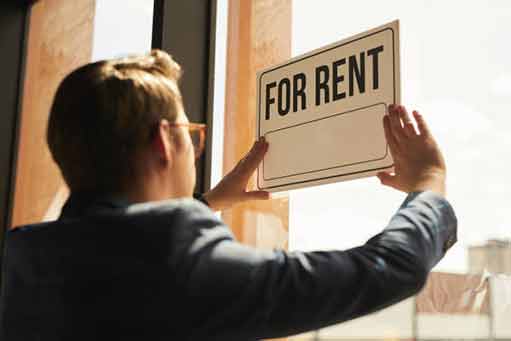
Plumbing issues can arise at any point in a rental property and being a landlord in Chicago, it is important to understand your plumbing responsibilities towards your tenants. If you are a landlord, you should be aware of the plumbing laws and regulations in Chicago. You must know what you are responsible for and what your tenants are responsible for. Below we will discuss the plumbing responsibilities as a landlord in Chicago.
Providing Safe and Potable Water
As a landlord in Chicago, you are responsible for providing safe and potable water to your tenants. This means that you should ensure that the water supply is connected to a safe and clean source. You must also maintain the water supply system to prevent contamination.
If there are any leaks or damages to the water supply system, it is your responsibility to fix them promptly. You should also ensure that the water pressure in the property is adequate for daily usage.
Proper Drainage System
Another important plumbing responsibility of a landlord in Chicago is to maintain a proper drainage system. This includes proper and clear drainage of wastewater from all plumbing fixtures in the property.
It is your responsibility to ensure that there are no blocked or clogged drains in which need cleaning, which can cause overflow and damage to the property. You must also ensure that the sewage system in the property is maintained and free of any blockages.
If there are any damages or leaks in the fixtures, it is your responsibility to repair or replace them promptly.
Maintaining Plumbing Fixtures
As a landlord in Chicago, you are responsible for maintaining the plumbing fixtures in the rental property. This includes sinks, faucets, toilets, showers, and tubs. You must ensure that these fixtures are in good working condition and free of leaks and damages.
If there are any damages or leaks in the fixtures, it is your responsibility to repair or replace them promptly. Regular maintenance and repair of plumbing fixtures can prevent costly damages and ensure tenant satisfaction.
Providing Proper Heating System
Chicago is known for its harsh winters, and as a landlord, you are responsible for providing proper heating in the rental property. You must ensure that the heating system in the property is functioning correctly. This includes regular maintenance and repair of the heating system.
You must also ensure that the heating source is safe and efficient, and the heating system is free of any leaks or damages.
Preventing Mold and Mildew Growth
Mold and mildew growth can be a serious health hazard, and as a landlord, you are responsible for preventing their growth in the rental property. This includes maintaining proper ventilation and preventing water accumulation in the property.
You should also ensure that any leaks or damages in the plumbing system are repaired promptly to prevent mold and mildew growth.
While landlords in Chicago have many plumbing responsibilities, tenants also have some responsibilities towards the plumbing system in the rental property.
Responsibilities of Tenants
While landlords in Chicago have many plumbing responsibilities, tenants also have some responsibilities towards the plumbing system in the rental property. Tenants are responsible for keeping the plumbing fixtures clean and in good working condition. This includes regular cleaning of sinks, toilets, and shower drains, and promptly reporting any leaks or damages to the landlord.
Tenants should also avoid flushing non-degradable items such as wipes and sanitary products down the toilet, which can cause blockages and damages to the plumbing system.
In Conclusion
In conclusion, being a landlord in Chicago comes with many plumbing responsibilities towards your tenants. You must ensure that the water supply system, drainage system, and plumbing fixtures in the property are in good working condition and free of any damages or leaks.
You must also provide a proper heating system and prevent mold and mildew growth in the property. Tenants also have some responsibilities towards the plumbing system, such as keeping fixtures clean and avoiding flushing non-degradable items down the toilet.
By fulfilling your plumbing responsibilities as a landlord in Chicago, you can prevent potential damages, ensure tenant satisfaction, and comply with the plumbing laws and regulations.
Plumbing emergencies can cause havoc in your home, leading to severe damage and expensive repairs if not addressed on time. Most people usually rely on DIY methods or seeking help from non-professionals to save on cost, but this often leads to more harm than good. In most cases, emergency plumbers are the best option when a plumbing disaster strikes. Here we explain why working with an emergency plumber in certain situations is paramount.
What is an Emergency Plumber?
Unlike regular plumbers who work during normal business hours, emergency plumbers are available 24 hours to handle urgent plumbing issues. They are trained and certified professionals who can diagnose and fix any plumbing problem within a short time frame. Emergency plumbers have the necessary tools and equipment to handle any emergency, no matter how complex.
Importance of Working with an Emergency Plumber in Certain Situations
Burst Pipes
Burst pipes are among the most common plumbing emergencies that require the services of an emergency plumber. Burst pipes can lead to severe property damage and should be dealt with urgently to prevent further damage. Emergency plumbers can detect the source of the leaking pipe and fix the problem in no time, thus saving you from significant loss.
Clogged Drains
Clogged drains are another plumbing emergency that requires professional assistance. Clogs usually occur due to the accumulation of debris, grease, and foreign objects. DIY methods may not be effective in removing the clog, and may even worsen the problem. Calling an emergency plumber guarantees that the clog will be removed, and your drain will be cleaned properly via hydro jetting or sewer rodding and fully functioning optimally in no time.
Gas Leaks
Gas leaks are a serious plumbing emergency that requires immediate attention. Gas leaks can cause a range of health problems, including headaches, dizziness, and nausea. Gas leaks also increase the risk of fire and can lead to an explosion if not addressed on time. Emergency plumbers are trained to detect gas leaks and fix them as quickly as possible.
Boiler Breakdown
A boiler breakdown is another plumbing emergency that can happen at any time. In winter, a broken boiler can cause the temperature in your home to drop, leading to discomfort and even health complications. Calling an emergency plumber ensures that the problem is diagnosed and fixed quickly, restoring warmth and comfort to your home.
Flooding
Flooding can happen due to various reasons, including broken pipes, heavy rains, and sewer backup. Flooding can lead to significant property damage, electrical hazards and pose a risk to your health. Emergency plumbers are trained in dealing with basement flooding and have the necessary equipment to remove water and repair the damage caused.
Emergency plumbers are trained and certified professionals who can tackle any plumbing emergency with expertise and skill.
Benefits of Working with an Emergency Plumber
Timely Response
Emergency plumbers respond promptly to plumbing emergencies, no matter the time of day or night. They understand the urgency of the situation and prioritize quick response to prevent further damage.
Professional Service
Emergency plumbers are trained and certified professionals who can tackle any plumbing emergency with expertise and skill.
Cost-Effective
Most people assume that working with an emergency plumber is costly, but this is not the case. Ignoring a plumbing emergency can lead to more damage, which can result in expensive repairs and replacements. Working with an emergency plumber will prevent this from happening, saving you money in the long run.
Peace of Mind
Plumbing emergencies can be stressful and overwhelming. Working with an emergency plumber guarantees that the problem will be fixed while you relax and wait for them to complete the job. This gives you peace of mind knowing that your plumbing system is in good working condition.
Permanent Solution
Emergency plumbers don’t just fix the immediate problem, but they also address the underlying cause to prevent future emergencies from happening. This ensures a permanent and long-lasting solution to your plumbing issues.
Conclusion
Working with an emergency plumber is crucial in certain situations to prevent further damage and ensure the safety of your home and family. Remember to engage the services of a reliable emergency plumber when a plumbing emergency arises. With prompt and professional assistance from an emergency plumber, you can be assured of a permanent and long-lasting solution to your plumbing problems.
Sewer line repair is not something that most homeowners think about until something goes wrong. When there’s an issue with your sewer line, it can be a headache, and most people would want to delay the repairs for as long as they can. After all, sewer line repairs can be expensive and time-consuming. However, delaying such repairs can cost a significant amount in the long run.
The Dangers of Delaying Sewer Line Repair
Delaying sewer line repair can cause a range of problems for your home and your neighborhood. Here are just a few of the dangers of delaying sewer line repair:
Sewage Blockage
When your sewer line is blocked, waste from your home cannot flow out to the city’s sewer system, which can lead to a backup of sewage into your home. This brings with it an unpleasant odor, health hazards, and other problems.
Foundation Damage
Sewer line issues, when left unattended, can lead to the ground around your home shifting, which can result in foundation damage, cracks, and structural issues. Foundation repairs can be time-consuming and costly, costing you thousands of dollars.
Water Damage
When your sewer line is blocked or broken, it can cause water leaks or even flooding. This water damage can quickly spread throughout your home, causing damage to walls, floors, and ceilings.
Dwindling Property Value
Delaying sewer line repairs can affect your home’s value. If you’re looking to sell your home, having sewer line issues can be a significant drawback to potential buyers.
Delaying sewer line repair can lead to more significant expenses down the line. But immediate repairs can reduce the costs of repairs, saving you money in the long run.
When to Get a Sewer Line Repair
If you experience any signs of sewer line issues, you should contact a professional plumber right away. Here are some signs to look for:
Foul Smell
One of the most common indications of a sewer line issue is the foul smell that comes from your home’s drains. This smell is a sign that there’s a blockage or break in the sewer line.
Slow Drainage
If water drains slowly from any of the sinks, showers, or tubs in your home, it could be a sign that your sewer line is clogged and needs hydro jetting service or is flat out broken.
Mold Growth
When your sewer line is leaking, it can cause mold to grow in your home. The mold growth can lead to health issues, including coughing and sore throats.
Presence of Pesky Insects
Another sign of a sewer line issue is the presence of pesky insects, including roaches, flies, or other pests. When insects start to gather around the areas near your sewer line, it could be a sign of a problem.
Benefits of Immediate Sewer Line Repair
Getting immediate sewer line repair has significant benefits, including:
Preventing Further Damage
Immediate sewer line repair can prevent further damage to your home and neighborhood. The longer you wait, the more damage your sewer line can cause, leading to more significant repairs and expenses.
Reducing Health Risks
Water damage, mold growth, and foul odors from sewer line issues can cause health problems, which immediate repair can resolve.
Saving Money
Delaying sewer line repair can lead to more significant expenses down the line. But immediate repairs can reduce the costs of repairs, saving you money in the long run.
Choose a professional plumber with a reputation for professionalism. They should be knowledgeable about the latest techniques for sewer line repairs.
Choose the Right Professional to Repair Your Sewer Line
When it comes to sewer line repairs, it’s essential to choose the right professional for the job. Here are the qualities to look for in a professional plumber:
Professionalism
Choose a professional plumber with a reputation for professionalism. They should be knowledgeable about the latest techniques for sewer line repairs.
License and Insurance
The right professional plumber should have the appropriate license and insurance for the job. Verify that they have the necessary licenses and insurance to undertake the repairs.
Experience
Experience is critical in the plumbing industry. Look for a professional plumber that has a significant amount of experience repairing and replacing sewer lines.
In Summary
Delaying sewer line repair can lead to significant expenses and damages in the long run. Be sure to invest in immediate repair to prevent further damage, health risks, and save money. Remember to choose the right professional plumber with the necessary experience, license, and insurance for the job.