Author Archives: Chicago Plumbing Experts

How To Identify a Leaking Water Line

How To Identify a Leaking Water Line

Of the different types of water leaks in your home, leaks involving the water line are usually the worst. Orca Realty says that is because water line leaks can do massive damage in a relatively short time.

Your home’s water line carries large volumes of water. The water often has a lot of pressure. Problems in this part of the plumbing can impair your quality of life and even endanger the structures of your home.

What is a water line?

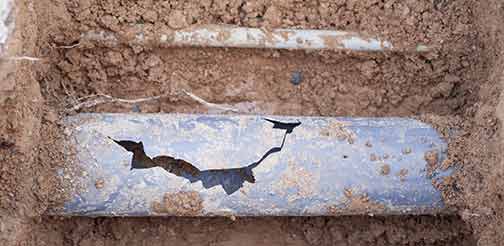
The water line, or main water line, is the pipe that connects to the city water supply and carries water from the street into your home. While the impact of leaks in water pipes located inside the house can often be limited to the part of the home where the pipe is located, this is not the case with the water line.

Water line leaks affect the entire building. Even if the water supply to the house is not interrupted, a water line leak can affect the quality and quantity of water coming into the home. It will cause the water bill to skyrocket or even impair the structural integrity of the building. What are the signs that you may have a broken water line?
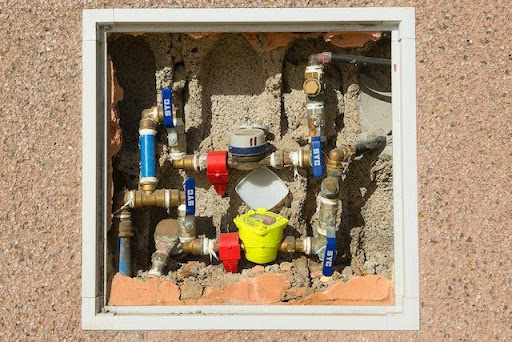
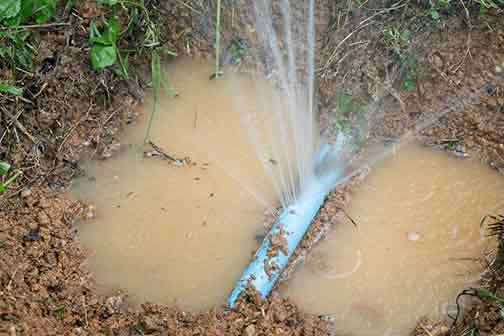
a water main system.

Signs of a leaking water line

  • Low water pressure: A noticeable change in water pressure across the entire home may signify a large leak in your water line.

  • Discolored water: If soil finds its way into the opening in the water line, it can cause the water entering your home to have a murky color.

  • Mounting water bills: If your water bill is going up, but there is no major change to the way you use water, you may have a water line leak.

  • Recurring clogs: Debris inside the water supply can cause frequent clogs in your drains, especially when the clogs happen to several drains in the home.

  • Smelly water: Impurities that enter the water through the crack in the water line can give it a bad odor.

  • Strange noises from pipes: A burst water line will make a bubbling or hissing sound. You may also hear the sound of dripping water.

  • Wet patches in your lawn: Because it runs underground, a broken water line can cause wet patches in your lawn.

  • Mold and mold-loving insects: You may have a water leak in your water line if you start seeing mold in your home or insects that love mold and water.

How to know if you have a leaking water line

If you notice some or all of the above signs in your home, you may be sure there is a water leak in your home. But the leak can be in your main water line or in one of the pipes inside the house. To determine the location of the leak, follow these steps.

How to know if your main water line is leaking

  • Turn off the main water valve in your home and make sure no water-utilizing appliance is running.

  • Look for your home’s main water shut-off valve and turn it off. It is the valve that controls the supply of water to the house. Turning it off ensures that no water enters your home.

  • Look for your home’s water meter; it is often located on the front curb of the home or somewhere on the basement.

  • Open the lid of the water meter box and remove the cover to access the water meter. Lift the flap on the face of the water meter to see the dials. You may need to wipe dust and debris off the face of the meter.

  • If the snowflake indicator on the water meter is moving, it means water is still flowing through the pipes, even though you are not using any water in your home. That shows you have a leak.

  • If you are not sure, take the water meter reading and wait a few hours. If the water meter reading changes while the water supply to your home is off, you have a leak in your main water line.
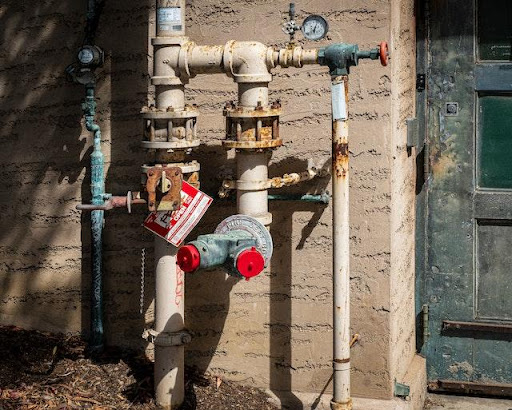
a home water shutoff valve.

How to know if a water pipe inside your home is leaking

If you do the above steps and there is no movement in the water meter, the leak is probably inside your home.

  • To determine if this is correct, open the main water shut-off valve.

  • Check to see if the snowflake dial on the water meter starts moving.

  • If it moves, go back and turn off the water shut-off valve.

  • If the snowflake indicator on the water meter stops moving, the leak is inside your home.

To identify the exact location of the water leak, regardless of whether the leak is in your main water line or inside your house, please contact a professional plumber. It is not a good idea to try to fix water leaks in the home by yourself, especially when those leaks are in the home’s water line.
Why Prompt Sewer Line Repairs are the Best Option

Why Prompt Sewer Line Repairs are the Best Option

Unless the sewer is backing up into their home, most homeowners don’t put sewer line repair at the top of their list of most-important restorations to do in the house. As long the sewer line is working – toilets are flushing and showers are draining – they often feel that sewer line care can be postponed.

Moreover, even when there are visible problems with the sewer line, such as slow drains, most homeowners feel that pouring quick-acting chemical drain-cleaners into the drain will easily solve the problem. As a result, California Realty Group says sewer lines only get attention when small problems degenerate into costly emergencies.

Some of the reasons homeowners neglect sewer line care are:

  • Sewer lines are not in a homeowner’s line of sight. They are underground, and there is often no way to inspect them to determine their physical condition. The only time homeowners know of sewer line problems is when they show up inside the home.

  • Secondly, homeowners assume that their sewer lines can take all abuse and still work. They typically don’t associate sewer lines with fragility. As a result, most homeowners underestimate problems with their home’s sewer lines.

  • Lastly, sewer lines are not pretty. It is easier to think about the nicer aspects of home care than what is happening with your home’s sewer lines. But the ugly job done by the sewer line makes it possible to have a comfortable home.

Sewer line care should be a major aspect of your home maintenance routine. Prompt sewer line repair should be viewed as a smart strategy to protect your biggest investment; your home.

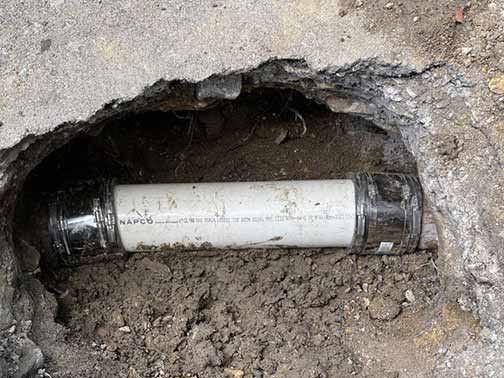
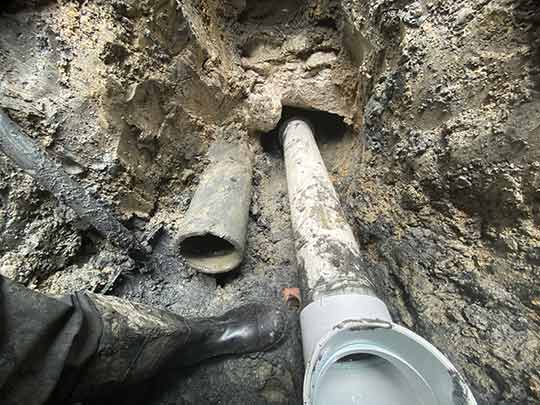
a sewer repair being performed.

Due to the interconnected nature of your home’s drains and sewer lines, small problems tend to compound and spread.

Why prompt sewer line repairs are important

Why should you fix problems with your home’s sewer lines swiftly?

To keep simple problems from progressing into major issues

Due to the interconnected nature of your home’s drains and sewer lines, small problems tend to compound and spread. Minor clogs in one part of the system can cause slow drains in other areas. These can eventually lead to major issues like a sewer backup. Furthermore, seemingly minor sewer issues often indicate a major problem in the sewer line. But you would not know this unless you deal with those minor issues.

Sewer problems can cause costly damage

A blocked sewer line can cause massive problems that will damage your home. If a sewer clog releases raw sewage into your home, you must fix the sewer problem with damage to your flooring and other parts of the building. To repair a damaged sewer line, you may also have to undertake expensive excavation in the yard or under your home’s foundations. But most of these issues can be prevented if you catch the problems early and solve them before they escalate into major issues.

Neglected sewer issues can hurt your property’s value

One of the least-known impacts of a damaged sewer is how this “small” problem can undermine the home’s foundation. A broken sewer can leak water into the base of the house to weaken the underlying structures of the building. This kind of problem is very easy to miss, especially if the homeowner does not make it a practice to have the sewer lines camera inspected every few years. Once foundation damage is initiated, it is only a matter of time before total foundation failure occurs. If the foundation of a home is faulty, upgrading the other aspects of the building will not improve its value.

a woman with a mask on.

Neglecting the home’s sewer line will defeat the entire purpose of isolating the sewer line.

Avoid unnecessary health and sanitary problems

One of the main reasons sewer lines are buried is so people do not come into contact with the unsanitary content in their home’s sewer line. Neglecting the home’s sewer line will defeat the entire purpose of isolating the sewer line. That is because a damaged sewer line can back up its contents into your home, bringing your family into direct contact with raw sewage. If this does not happen, the damaged sewer line can leak sewer gasses into the home or outdoor areas. It will pollute the air and impair people’s quality of life.

Cut down on home maintenance costs

When homeowners delay sewer repair and maintenance or find shortcuts around the problems, they do it to save costs. But the truth is you save money when you deal with your home’s sewer line issues promptly. That’s because you are more likely to catch problems early and keep them from worsening. Delaying to take action on sewer line issues is permitting problems to grow and escalate. The usual outcome of this approach is you end up spending more money.

Lastly, what is the best way to stay up to speed with the condition of your home’s sewer lines? Scheduled sewer line inspections are the best way to catch developing problems and maintain the sewer lines in a way that helps you to avoid future issues.

When is the City of Chicago Responsible for Sewer Line Repair?

When is the City of Chicago Responsible for Sewer Line Repair

The City of Chicago is responsible for managing and maintaining a vast network of sewer lines, which includes the main sewer lines and the lateral sewer lines that connect individual properties to the main sewer. Sewer line repair can be a significant expense for property owners, and it is important to understand when the city is responsible for these costs.

When Is the City Responsible for Sewer Line Repair?

The general rule is that property owners are responsible for repairing and maintaining the lateral sewer lines that connect their property to the main sewer. However, there are situations where the city may be responsible for sewer repair.

Main Sewer Line Issues

If there is a problem with the main sewer line, the city is responsible for the repair. Some signs that the main sewer line may be clogged or damaged include:

  • Multiple clogged drains or toilets in the building
  • Sewage backups or overflows
  • Sewage smells coming from the drains or yard

When these issues arise, the property owner should contact the Department of Water Management to report the problem and request a Chicago PDP inspection.

City Construction or Negligence

If the city is responsible for causing damage to a property’s sewer line during construction activities or due to negligence, the city is responsible for repair costs. Property owners should contact the city to report the issue and request an inspection.

Grease Blockages

If the blockage is caused by grease buildup in the sewer line, the city may be responsible for the repair. This is because the city is responsible for maintaining the main sewer line and ensuring it is clear of any obstructions.

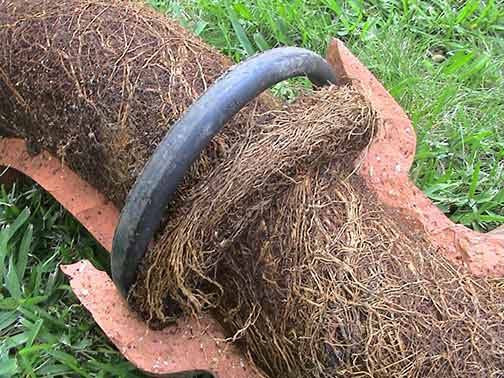
tree root intrusion causing sewer line problems.

If the blockage is caused by roots from a tree located on city property, the city is responsible for the repair.

Tree Root Intrusion

If the blockage is caused by roots from a tree located on city property, the city is responsible for the repair. Property owners should report the issue to the city and request an inspection.

When Is the Property Owner Responsible?

In most cases, property owners are responsible for the repair and maintenance of their lateral sewer lines, which connect their property to the main sewer line. Some situations where the property owner is responsible include:

Age and Deterioration

Over time, sewer lines can become damaged or deteriorated, requiring repair or a full sewer line replacement. This is a normal part of the aging process and property owners are responsible for the cost of repairs.

Foreign Objects

If the blockage is caused by a foreign object, such as a toy or piece of clothing, that has been flushed down a toilet or drain, the property owner is responsible for the cost of repairs.

Illegal Dumping or Vandalism

If the blockage is caused by illegal dumping or vandalism, the property owner is responsible for the cost of repairs.

Conclusion

Understanding when the city is responsible for sewer line repair can help property owners save money on costly repairs. If a sewer line issue arises, it is important to assess the cause of the problem and determine who is responsible for the repair costs. Property owners should contact the Department of Water Management to report any issues and request a private drain inspection to determine the cause of the problem.

Are you in need of sewer line repair in Chicago? We offer free estimates and can be reached at 773-599-9181 or you can fill out the form below.

Upgrading Your Sump Pump System: Tips and Cost-Effective Solutions

Upgrading Your Sump Pump System

As a homeowner, protecting your property from water damage is a top priority. A sump pump system is a crucial component for reducing the risk of basement flooding and water damage. However, as with any mechanical system, it may require upgrading over time to ensure optimal performance. In this article, we will discuss tips and cost-effective solutions for upgrading your sump pump system.

Signs That Your Sump Pump System Needs Upgrading

Before investing in upgrading your sump pump system, it is essential to determine whether it needs upgrading. Here are some of the most common signs that your sump pump system requires an upgrade:

  • The pump frequently turns on and off
  • The pump is making strange noises, such as grinding or rattling sounds
  • Leaking around the pump housing or cracks in the pump housing
  • The pump is over ten years old
  • Poor drainage or ineffective pumping

If you notice any of these signs, it is essential to upgrade your sump pump system to avoid property damage from basement flooding.

Types of Sump Pump Systems

There are two primary types of sump pump systems: pedestal and submersible.

Pedestal

A pedestal sump pump has a motor that sits above the water level and a hose that extends from the motor down into the sump basin. Pedestal sump pumps are generally less expensive to install but are louder and less efficient than submersible pumps. Pedestal sump pumps typically have shorter lifespans than submersible sump pumps.

Submersible

Submersible sump pumps sit below the water level in the sump basin. They are quieter and more efficient than pedestal sump pumps and have a longer lifespan. Submersible sump pumps are also more expensive than pedestal sump pumps.

Upgrading Your Sump Pump System: Tips and Cost-Effective Solutions

1. Replace the float switch

The float switch is responsible for turning the pump on and off as the water level rises and falls in the sump basin. Over time, the float switch can become damaged or worn, leading to sump pump failure. Replacing the float switch is a cost-effective solution to prolonging the lifespan of your sump pump system.

2. Upgrade to a submersible pump

If you have a pedestal pump, consider upgrading to a submersible pump. Submersible pumps are quieter, more efficient, and have a longer lifespan than pedestal pumps. Although submersible pumps are more expensive, they are a worthwhile investment to avoid potential property damage from a failing pedestal pump.

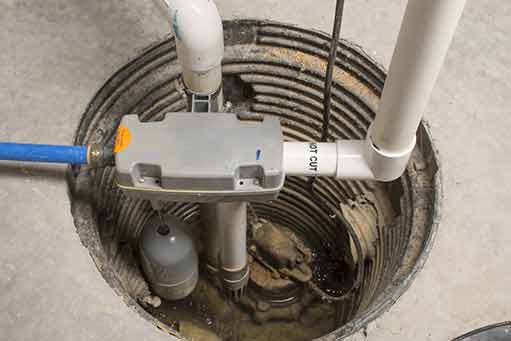
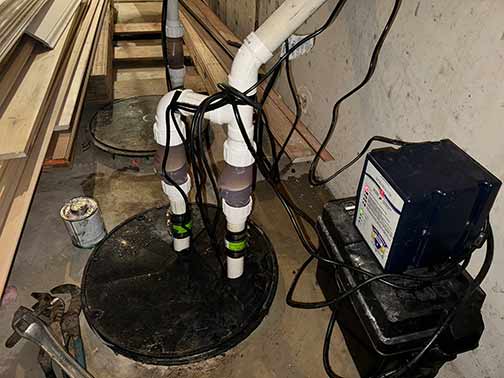
a fresh sump pump installation in chicago.

By adding a battery backup system to your sump pump will help ensure that it still functions during power outages.

3. Add a battery backup system

In the event of a power outage, your sump pump system will not function, leaving your property vulnerable to basement flooding. By installing a battery backup sump pump it will help ensure that it still functions during power outages. Battery backup systems are relatively inexpensive and easy to install.

4. Install a backup sump pump

Installing a backup sump pump is an additional layer of protection for your property against basement flooding. Backup sump pumps can be either battery-powered or water-powered. Although water-powered backup sump pumps are less expensive, they require a constant supply of water to function, making them less efficient. Battery-powered backup sump pumps are more expensive, but they have a higher pumping capacity and are more reliable.

5. Upgrade to a professional-grade sump pump

Investing in a professional grade sump pump will provide additional protection for your property against basement flooding. Professional-grade sump pumps are designed to handle high volumes of water and have a longer lifespan than standard sump pumps. Although they are more expensive, they are a worthwhile investment to avoid potential property damage from a failing sump pump.

Upgrading your sump pump system is essential for reducing the risk of property damage from basement flooding. Whether you decide to replace the float switch, upgrade to a submersible pump, add a battery backup system or install a backup sump pump, it is crucial to choose a cost-effective solution that will provide the best protection for your property. Regardless of the solution you choose, it is essential to ensure that your sump pump system is functioning optimally to safeguard against potential property damage.

How to Install a Backup Sump Pump

How to Install a Backup Sump Pump

Sump pumps are essential home equipment, particularly for homeowners in regions that experience heavy storms, or have high water tables. A backup sump pump is an excellent addition to a primary sump pump, helping keep water out of your basement, even when there are power outages or mechanical issues. In this article, we will discuss the steps to install a backup sump pump, including the critical considerations to make.

Step 1: Determine the Type of Backup Sump Pump You Need

Backup sump pumps come in two main types – battery-powered and water-powered sump pumps. Battery-powered sump pumps are the most popular type, as they are more reliable and have a longer lifespan. They typically use a deep cycle marine battery, which can last up to several days when the primary power source is compromised. Water-powered sump pumps, on the other hand, use municipal water pressure to activate the pump’s flow once a backup pump is triggered. They are less expensive than installing battery-powered sump pumps, but they are not as reliable.

Step 2: Gather the Required Tools and Equipment

Next, gather the necessary tools and equipment for the installation. These include a backup sump pump, a battery (if you choose a battery-powered sump pump), a battery box, PVC pipes, PVC cement, a check valve, a ball valve, wire nuts, and cables. Ensure that the cables are long enough to connect the backup sump pump to the battery and the primary sump pump.

Step 3: Choose the Location of the Backup Sump Pump

The backup sump pump should be installed in a location near the primary sump pump. It should also be in a higher position than the primary sump pump. The location should be dry and protected from floods or water damage.

Step 4: Disconnect the Primary Sump Pump

Before beginning the installation process, disconnect the primary sump pump from the power source. This step ensures that the pipes will not drain water while installing the backup sump pump.

Step 5: Install the Check Valve

A check valve is critical in preventing water from flowing back into the sump pit once it has been pumped out. Install the check valve above the primary sump pump. You can use a PVC cement to secure the valve.

Step 6: Connect the PVC Pipes

Connect PVC pipes from the check valve to the backup sump pump. Ensure you use PVC cement to secure the pipes to avoid water leakage.

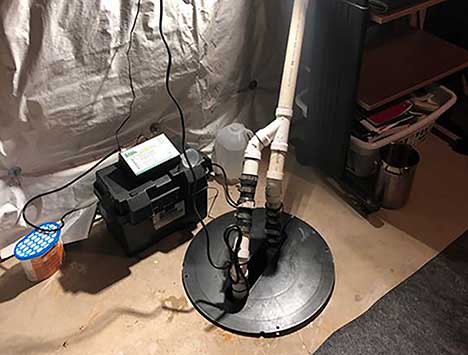
a newly installed sump pump with a battery backup.

For battery-powered backup sump pumps, connect the battery to the backup sump pump. Ensure that it’s fully charged before you switch it on. Also, ensure that the battery is installed in a battery box, and it’s secure on the floor.

Step 7: Install the Ball Valve

A ball valve controls the water flow from the backup sump pump. You can install the ball valve between the backup sump pump and the PVC pipes. Ensure that you use a PVC cement to secure the valve.

Step 8: Connect the Backup Sump Pump to the Battery

For battery-powered backup sump pumps, connect the battery to the backup sump pump. Ensure that it’s fully charged before you switch it on. Also, ensure that the battery is installed in a battery box, and it’s secure on the floor.

Step 9: Test the System

After completing the installation process, it’s essential to test the backup sump pump system. Switch on the primary sump pump, and then lift the float switch of the backup sump pump. Observe whether it pumps out water and that the valve controls the flow effectively.

Step 10: Reconnect the Power to the Primary Sump Pump

After testing and ensuring that the backup sump pump is working correctly, reconnect the power to the primary sump pump.

Installing a backup sump pump is a crucial step in ensuring that your home stays dry and protected from water damage. With the right tools, equipment, and installation guidelines, you can install your backup sump pump in without the need for a professional plumbers assistance. Remember to choose the right backup sump pump, disconnect the primary pump, choose a suitable location, install the check valve, connect the PVC pipes, install the ball valve, connect the backup sump pump to the battery, test the system, and reconnect the power to the primary sump pump.

Solving The Top 5 Commercial Plumbing Problems

Solving The Top 5 Commercial Plumbing Problems

Commercial plumbing is a critical component of any business establishment. It is essential to ensure that the plumbing system is in good condition to avoid inconveniences and costly breakdowns. As with any system, commercial plumbing is prone to various problems that can significantly affect business operations. Therefore, it is crucial to have a basic understanding of the top commercial plumbing problems and how to solve them to minimize potential losses and damages. This article will explore the top five commercial plumbing problems and how to prevent and fix them.

Clogged Drains

Clogged drains are a common commercial plumbing problem that can affect any business. This problem can be caused by various factors, such as grease, hair, soap scum, and food debris, among others. If not addressed in time, clogged drains can lead to wastewater backups and bad odor, which can significantly disrupt business operations and create an unwelcoming environment for customers and employees. To solve clogged drain problems, businesses can take several steps, such as:

  • Train employees on proper waste disposal practices to prevent clogging
  • Install drain strainers to trap debris
  • Use eco-friendly drain cleaning products to dissolve clogs
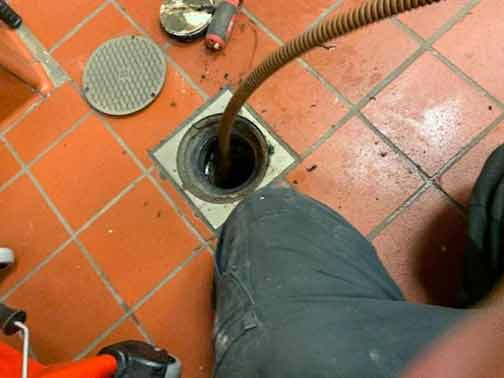
a commercial plumber performing a commercial drain cleaning.

If not addressed in time, clogged drains can lead to wastewater backups and bad odor, which can significantly disrupt business operations and create an unwelcoming environment for customers and employees.

Leaky Faucets and Toilets

Leaky faucets and toilets are another common commercial plumbing problem that can waste a significant amount of water and increase utility bills. Leaks can be caused by worn-out seals, damaged pipes, or faulty fixtures. If ignored, leaks can damage walls, floors, and other parts of the building, leading to costly repairs and renovations. To prevent and fix leaky faucets and toilets, businesses can take the following steps:

  • Regularly inspect faucets, toilets, and pipes for leaks
  • Replace worn-out seals and fixtures
  • Install water-efficient faucets and toilets to conserve water and reduce utility bills

Broken Water Heaters

A broken water heater can significantly disrupt business operations, especially in establishments that rely on hot water for their activities, such as restaurants, hotels, and hospitals. Common signs of a broken water heater include no hot water, slow heating, discolored water, and strange noises. The causes of broken water heaters can range from old age to faulty installation or maintenance. To prevent and repair broken water heaters, businesses can take the following measures:

  • Regularly inspect water heaters for signs of damage, wear, and tear
  • Replace old and outdated water heaters with new and energy-efficient models
  • Enroll in a maintenance plan with a professional plumber to perform regular inspections, cleaning, and repairs
  • Contact a professional plumber immediately if you notice any signs of a broken water heater
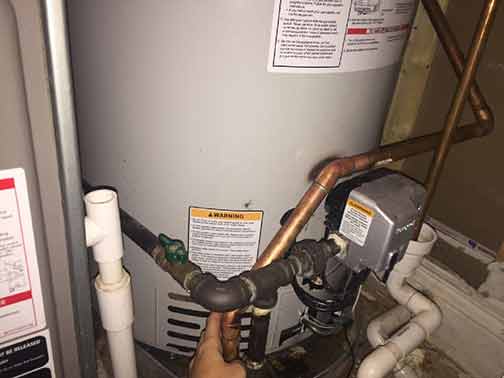
a commercial water heater repair.

Common signs of a broken water heater include no hot water, slow heating, discolored water, and strange noises.

Backflow Issues

Backflow occurs when contaminants, such as chemicals and bacteria, flow back into the main water supply. This can be caused by a sudden change in water pressure, damaged backflow preventers, or cross-connection between potable and non-potable water sources. Backflow issues can pose a health risk to customers, employees, and the community, leading to lawsuits, fines, and reputation damage. To prevent and fix backflow issues, businesses can take the following steps:

  • Install backflow preventers to ensure they are working correctly
  • Implement cross-connection control measures to prevent contaminated water from entering the main supply
  • Enroll in a backflow prevention program with a certified plumber to perform regular inspections, testing, and repairs
  • Contact a professional plumber immediately if you notice signs of backflow, such as discolored water or unusual odor

Burst Pipes

Burst pipes are a severe commercial plumbing problem that can cause extensive damage to your building, fixtures, and equipment. Burst pipes can be caused by various factors, such as freezing temperatures, high water pressure, corrosion, and poor maintenance. To prevent and fix burst pipe emergencies, businesses can take the following measures:

  • Insulate pipes in cold areas to prevent freezing and bursting
  • Regularly inspect pipes for signs of corrosion, leaks, and damage
  • Replace old and worn-out pipes with new and durable ones
  • Hire a professional plumber to perform routine maintenance and repairs

Summing It Up

Commercial plumbing problems can significantly affect business operations, reputation, and profitability. Therefore, it is essential to take preventive measures to minimize the risk of plumbing problems and have a professional plumber on standby to fix any issues that may arise. By following the tips highlighted in this article, businesses can save money, conserve water, and provide a safe and healthy environment for their customers and employees.

6 Common Types of Sewer Line Problems in Chicago

Types of Sewer Line Problems in Chicago

The sewer system is an essential part of any urban center or city, serving its people by disposing of waste and keeping the surroundings safe and healthy. Chicago, a bustling city in the United States, has a complex sewer network that helps keep the city moving. However, this network can also experience problems that endanger public health and the environment. Here we will explore the six common types of sewer line problems in Chicago that residents and businesses face, their causes, and recommended solutions.

Tree Roots

One of the most common sewer line problems in Chicago is the intrusion of tree roots. Trees can grow deep into the ground, sometimes penetrating sewer lines in their quest for water and nutrients. Once inside the sewer line, continuous growth and movement can cause significant damage. Over time, roots can form a blockage, leading to clogs that force wastewater back up into homes and businesses. The underground nature of sewer lines can make it challenging to detect root intrusion, although some clues include gurgling sounds from the toilet, slow drains, or foul smells.

To address this problem, Chicago residents should consider calling a professional plumber to examine areas of the property around the sewer line, look for signs of tree roots, and have your sewer line camera inspected for damage. Depending on the extent of damage, a plumber may recommend root removal, the installation of a barrier to deter growth or replacement of damaged pipes.

Clogs and Blockages

Clogs and blockages, whether caused by tree roots, grease, debris, or other material, are another common sewer line problem in Chicago. Clogs can cause backups, resulting in wastewater backing up into households and, in severe cases, causing catastrophic damage.

In many cases, clogs can be avoided by taking preventative measures. For example, regularly cleaning the drains helps prevent build-up and blockages. Avoid flushing items that do not break down quickly, such as cotton swabs, wipes, and sanitary pads. Cooking grease, fats, and oils should also be disposed of in the trash can and not down the drain.

When a clog or blockage occurs, a plumber should be called immediately. They will be able to locate the source of the blockage using specialized tools and equipment and remove it, restoring proper flow to the sewer system. By way of a hydro jetting service, plumbers can have you back up and running in no time.

a cracked sewer line.

Cracks and corrosion can occur due to physical stress, such as a heavy vehicle’s impact, soil movements, or shifting foundations.

Cracks and Corrosion

Sewer lines are underground and exposed to various environmental factors, such as soil, moisture, chemicals, and temperature fluctuations. As a result, they are vulnerable to cracks and corrosion.

Cracks and corrosion can occur due to physical stress, such as a heavy vehicle’s impact, soil movements, or shifting foundations. Corrosion can result from the buildup of acids in the sewer system or chemical reactions caused by wastewater and the sewer line materials. Over time, cracks and corrosion can lead to sewer line failure, creating an environmental and health hazard.

Addressing cracked or corroded sewer lines requires a team of professionals trained to locate the source of the problem and repair or replace damaged sewer lines. In some cases, trenchless methods may be used to repair the sewer line, reducing the impact on the surrounding environment and infrastructure.

Sagging or Collapsing Pipes

Sewer line pipes are generally made of plastic, cast iron, or concrete and are prone to sagging or collapsing. Sagging pipes occur when the ground under the sewer line softens or shifts, creating a dip in the pipe. Collapsed pipes, on the other hand, occur when the pipe is exposed to external pressure, such as heavy vehicles, soil weight, or changes in soil moisture.

Sagging or collapsing pipes can prevent wastewater from flowing correctly, leading to backups and environmental hazards. Fixing sagging or collapsing pipes requires digging out the affected pipe section and replacing it with a new one. This process can be invasive and costly, requiring extensive excavation, re-landscaping, and possibly street closures.

Bellied or Misaligned Pipes

Bellied or misaligned pipes occur when a section of the sewer line sinks or shifts from its intended slope or alignment. This can cause wastewater to pool in the affected area, creating a potential blockage, and a breeding ground for bacteria and other health hazards.

Bellied or misaligned pipes can be challenging to detect as they are often invisible from above ground. However, some clues that alert homeowners and businesses include foul odors, slow drains, backed-up wastewater, and wet spots in the lawn.

Fixing these sewer line problems requires excavation, identifying the affected area, assessing the extent of damage, and correcting the alignment. Depending on the level of damage, a partial or complete replacement may be required.

Off-Grade Pipes

Off-grade pipes are those that are not installed according to the manufacturer’s specifications or the plumbing code. These pipes can result in backup and leaks, reducing the sewer line’s overall capacity.

Determining whether an off-grade pipe is present requires a professional plumber to investigate the sewer line’s condition. If an off-grade pipe is detected, it must be replaced with a new one to ensure adequate sewer system function.

The sewer line system is a crucial aspect of public health and safety in Chicago. The six common types of sewer line problems can cause significant issues, which require prompt professional attention. Although some preventive measures, such as avoiding flushing of non-degradable materials and regular drain cleaning services, can help reduce the chance of sewer line problems occurring, it is essential to seek professional help when problems arise. Through adequate maintenance, sewer camera inspections, and timely repair or replacement, Chicago residents can ensure a safe and functioning sewer line system.

The Pros and Cons of Repairing Water Lines vs. Replacing Them: A Chicago Comparison

The Pros and Cons of Repairing Water Lines vs. Replacing Them

As a homeowner in Chicago, it’s not uncommon to experience issues with water lines. Over time, pipes can deteriorate due to old age, corrosion, or even tree roots causing damage. When faced with the need for a main water line repair, the decision to repair versus replace can be challenging. There are pros and cons to both options, and it ultimately comes down to what is best for your situation. Here is a side-by-side comparison of repairing vs. replacing water lines in Chicago.

Repairing Water Lines

Pros

  • Cost-effective – repairing a water line is generally cheaper than replacing it
  • Less disruptive – repair work can be finished quickly and doesn’t require extensive digging or excavation
  • Eco-friendly – repairing the existing pipes minimizes waste and is a more sustainable solution

Cons

  • Temporary fix – while repairing a water line can solve the immediate problem, it may not be a long-term solution
  • More vulnerable – repaired pipes can be more susceptible to future leaks or damage due to their age and wear and tear
  • Not always possible – in some instances, a water line may be too damaged and require replacement rather than repair

Replacing Water Lines

Pros

  • Better long-term solution – replacing water lines can provide a permanent solution to issues with deteriorating pipes
  • Improved functionality – new pipes can improve water pressure and flow, making your plumbing system more efficient
  • Increased home value – replacing water lines is a significant upgrade that can increase the value of your home

Cons

  • Expensive – replacing water lines can be costly, and the price can vary depending on the extent of the damage and the complexity of the job
  • Extensive work – replacing water lines may require excavation, which can be disruptive and time-consuming
  • Not always necessary – in some cases, repair work may be sufficient and replacing water lines may not be needed
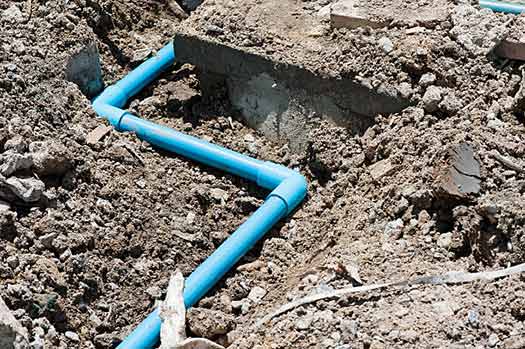
a water line replacement happening in chicago.

Repairing water lines can be a cost-effective and less disruptive solution, but it may not be a long term fix.

Factors to Consider

When deciding whether to repair or replace your main water line, there are several factors to consider. One important factor is the age of the pipes. If the pipes are relatively new and in good condition, repair work may be sufficient. However, if the pipes are old and corroded, replacement may be necessary. Additionally, the extent of the damage is also a key consideration. Minor leaks or cracks may be repaired, but if the pipes are severely damaged, replacement may be the only option.

Another factor to consider is the location of the pipes. If the pipes are located in a hard-to-reach or inaccessible area, repair work may be the more practical choice. However, if the pipes are in an easily accessible area, replacement may be easier to accomplish. Additionally, the cost of repair vs. replacement is another critical factor. Repair work is generally less expensive than replacement, but depending on the situation, the cost differential may be negligible.

Conclusion

In summary, whether to repair or replace water lines ultimately comes down to the individual situation and needs of the homeowner. Repairing water lines can be a cost-effective and less disruptive solution, but it may not be a long term fix. Replacing water lines can provide a permanent solution, but it can be costly and require extensive work. Homeowners should weigh the pros and cons of each option and speak with a local plumber in Chicago to determine the best course of action.

DIY Plumbing Hacks: Fixes for Common Sewer Backup Issues

Fixes for Common Sewer Backup Issues

As a homeowner, one of the most dreaded plumbing issues is a sewer backup. Not only is it unpleasant and unsanitary, but it can also cause significant damage to your home. Hiring a professional plumber to fix the issue can be expensive, but there are some DIY plumbing hacks that you can try to fix common sewer backup issues. Here are some tips on how to handle some of the most common sewer backup issues.

Identify the Cause of the Backup

The first step in fixing a sewer backup is to identify the cause. There could be a variety of reasons for the backup, including clogged pipes, tree roots, or damage to the sewer line. Some of the most common causes of sewer backups include:

  • Flushing non-degradable items down the toilet
  • Pouring grease and oil down the sink drain
  • Tree root intrusion
  • Old or corroded pipes
  • Heavy rainfall or flooding

If you know the cause of the backup, you can take steps to prevent it from happening again in the future. For example, you should avoid flushing non-degradable items down the toilet and dispose of grease and oil in the trash instead of pouring it down the sink drain.

a hydro-jetting service being performed.

If the clog is more severe, you may need to call in a hydro-jetting service to clear out the pipes.

Clean Out the Pipes

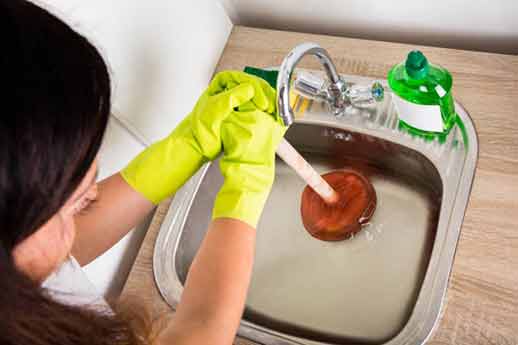
If you have a minor sewer backup, you may be able to clear it out using a plunger or a drain snake. A plunger can be effective in dislodging minor clogs in the toilet or sink drain. A drain snake, also known as an auger, can be used to clear out clogs deeper in the pipes. When using a drain snake, be sure to follow the manufacturer’s instructions carefully to avoid causing damage to the pipes.

If the clog is more severe, you may need to call in a hydro jetting service to clear out the pipes. A hydro-jetting machine is a high-pressure water jet that shoots water down the pipes to clear out any obstructions. This method is best left to the professionals, as it can be dangerous if not done correctly.

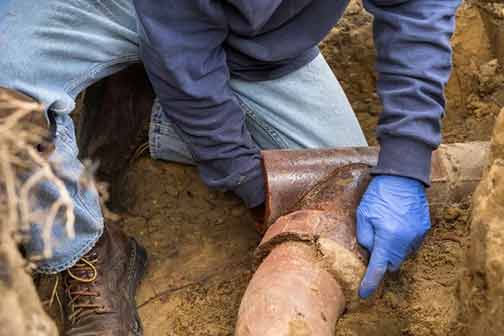
a man repairing a broken sewer pipe.

If the backup is caused by damaged pipes, such as those that have cracked or corroded, you will need to repair or replace them.

Repair or Replace Damaged Pipes

If the backup is caused by damaged pipes, such as those that have cracked or corroded, you will need to repair or replace them. This is a more involved process that requires the services of a local plumber. The plumber will need to assess the extent of the damage and determine the best course of action by way of inspecting your sewer line with a camera.

If the damage is minor, the plumber may be able to repair the sewer line using a patch or epoxy. For more extensive damage, the plumber may need to replace the damaged section of the sewer line entirely. This can be expensive, but it is necessary to prevent further damage to your home.

Prevent Future Backups

Once you have resolved the current sewer backup issue, it is important to take steps to prevent future backups. Here are some tips:

  • Have your pipes inspected regularly to check for damage or signs of wear and tear
  • Avoid flushing non-degradable items down the toilet
  • Dispose of grease and oil in the trash instead of pouring it down the drain
  • Plant trees away from the sewer line to avoid root intrusion
  • Install backwater valves to prevent sewage from flowing back into your home

By following these tips, you can reduce the risk of future sewer backups and ensure that your plumbing system is working efficiently.

Final Thoughts

Sewer backups can be a nightmare for homeowners, but there are DIY plumbing hacks that you can try before calling in the professionals. By identifying the cause of the backup, cleaning out the pipes, repairing or replacing damaged sewer pipes, and taking steps to prevent future backups, you can save yourself time and money and avoid the hassle of dealing with a messy and unpleasant issue.

The Importance of Vetting Emergency Plumbing Professionals Before Hiring Them

Vetting Emergency Plumbing Professionals

Imagine the scene: water is spurting out from under your sink, flooding your kitchen at an alarming rate. It’s a full-blown plumbing emergency! Your first instinct? Grab your phone, Google emergency plumber,  and dial the first number that pops up. But wait! Pause for a moment and consider the importance of vetting emergency plumbing professionals before hiring them. We’ve consulted Chicago plumbing experts, and here’s why this is a step you don’t want to skip!

Don’t Let Urgency Cloud Your Judgment: The Importance of Vetting Emergency Plumbing Professionals

Emergencies have a way of sweeping us off our feet, leading us to make rushed decisions under pressure. However, when it comes to choosing the best emergency plumbing services, simply dialing the first number in sight could be akin to jumping into deep waters without a safety float.

We have to remind ourselves that not all plumbers are equal and that the urgency of our situation should not compromise the need for quality service. So, let’s dive into why vetting emergency plumbing professionals before hiring them is crucial.

A person looking stressed while looking for an emergency plumber on her laptop.

In the throes of urgency, remember to take a breather and conduct swift but thorough research before hiring help.

#1 Certainty of Qualifications

The fundamental reason for vetting emergency plumbing professionals before hiring them centers around confidence in their qualifications. Plumbing is an intricate, delicate task comparable to a well-orchestrated ballet of man and machine. It’s a technical dance that requires a fine balance of knowledge and hands-on experience. Simply put, it’s not a job for the unskilled or untrained.

The stakes are high; your home’s integrity is on the line, and any wrong move could potentially spell disaster. Engaging a well-vetted, certified professional is the equivalent of securing front-row seats to a flawless performance. Their expertise and competence, forged through years of rigorous training and field experience, assure you of a job well done the first time around. Moreover, it promises that your home’s plumbing system remains robust and functional, warding off future complications.

#2 Bypassing Costly Mistakes

We’ve all heard different plumbing horror stories. A seemingly small leak quickly escalates into a flood, a wrong pipe fitting causes significant water damage, or an overlooked issue triggers a catastrophic plumbing failure. The reality is that when you hire a plumbing professional without conducting a thorough check, you run the risk of landing an amateur. And amateurism in plumbing is a surefire recipe for costly blunders.

Every move, decision, and strategy an expert plumber employs is guided by years of experience and an acute understanding of plumbing systems. Therefore, extensive experience is one of the first things to look for in a plumber. Their precise and efficient problem-solving ability can save you from impending damages and save money that would otherwise be spent on additional repairs or replacements.

#3 Safety Takes Center Stage

In the grand theatre of home maintenance, safety holds the spotlight. Plumbing isn’t just about dripping faucets and clogged drains. It involves potentially hazardous elements like gas lines, water heaters, and intricate pipe networks. Any mishandling can lead to serious accidents.

The folks at Helix Move VA, who deal with the safe relocation of homes and storage solutions, understand this principle well. They advise that when it comes to working with essential home services, safety isn’t a feature – it’s a requirement. In the context of plumbing, hiring a thoroughly vetted professional ensures adherence to all safety protocols and regulations, protecting you and your property from any potential harm.

#4 Accountability is Key

In service delivery, accountability isn’t optional; it’s expected. When you invest your time in vetting a professional plumber, you’re ensuring they are accountable for their work. The vetting process allows you to gather critical information about the plumber’s track record, reputation, and service guarantees

An accountable plumber is one who honors warranties, provides follow-up services, and is willing to correct any mistakes. It’s a critical customer service component that protects you from unprofessional or unsatisfactory work.

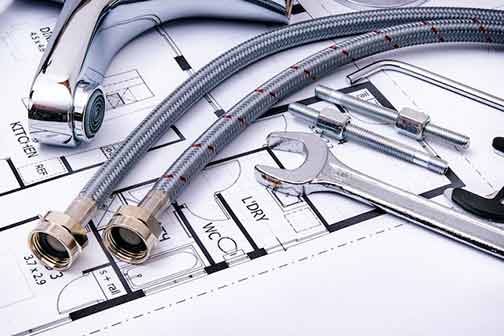
Plumbing tools and pipes on top of bathroom blueprints.

Accountability stands paramount, further emphasizing the significance of vetting emergency plumbing professionals

#5 Guarantee of Reliability and Trust

Imagine this: It’s the middle of the night. Suddenly, a pipe bursts, flooding your basement. You need help, fast. But who do you call? If you’ve done your homework and vetted a reliable professional, the answer is easy. You know they’ll pick up the phone, arrive promptly, and handle the emergency competently.

Reliability is about more than just being there; it’s about instilling a sense of trust. A well-vetted plumber grants you this comfort, allowing you to sleep easy, knowing that if a crisis strikes, they’ve got you covered.

#6 Offering Long-term Solutions

When it comes to your home’s plumbing system, band-aid solutions won’t cut it. You need interventions that address the root cause of the issue, not just its symptoms. A well-vetted plumber is like a skilled detective, adept at identifying and deciphering the clues to uncover the true nature of the problem.

Their goal isn’t just to stop the leak or unclog the drain but to provide comprehensive solutions that prevent future drain clog issues. Vetting emergency plumbing professionals is about securing your home’s future health and saving you stress, time, and money in the long run.

#7 An Investment in Your Home

Taking the time to vet a professional plumber is essentially investing in your home. Every maintenance task, every repair, and every upgrade contributes to the overall value of your property. By ensuring a high-quality repair job, you’re not only resolving immediate issues but also maintaining the structural integrity of your home. 

This diligence is crucial, especially if you plan on selling the property in the future. Potential buyers will appreciate the care and attention to detail, reflecting positively on the property’s market value. In essence, a well-vetted emergency plumber is a valuable partner in preserving and enhancing your most precious asset – your home.

Contractor explaining their plan to their customer.

A true professional not only fixes your pipes but also treats your home with the respect it truly deserves.

#8 Respect for Your Home

Your home is your sanctuary, your safe haven, the place where you create memories and live your life. It deserves nothing but the utmost respect. A well-vetted professional plumber is not just proficient at fixing your plumbing woes; they bring an ethos of respect to their work.

This respect translates to meticulous attention to detail, ensuring cleanliness and causing minimal disruption to your daily life. Vetting plumbing professionals is like interviewing candidates for a crucial role in a movie – you need someone who not only does the job but does it in a way that aligns with the script, in this case, the harmony and cleanliness of your home.

A Stitch in Time: Why Vetting Matters

We’ve been on quite a journey, haven’t we? The importance of vetting emergency plumbing professionals before hiring them is clear. It’s about more than just plugging leaks; it’s about safeguarding your home, ensuring quality service, and creating long-lasting solutions. Remember, a stitch in time saves nine! Therefore, research the does and don’ts of choosing an emergency plumber and make sure you don’t rush your decision. Your home will be thankful!