Author Archives: Chicago Plumbing Experts

Tankless Water Heaters: The Smart Upgrade You Didn’t Know You Needed

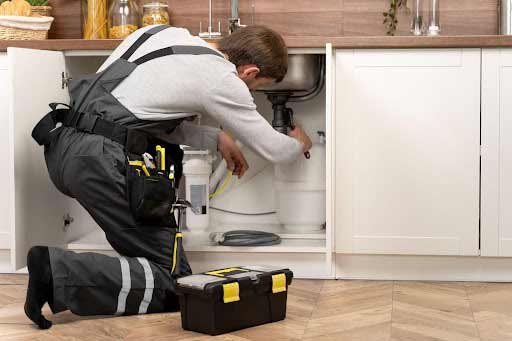
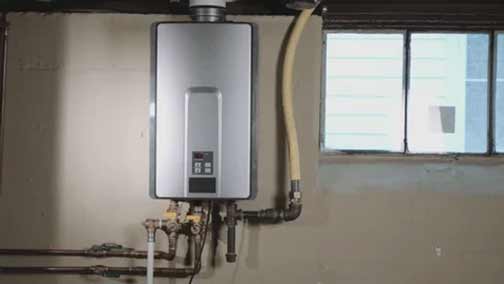
a tankless water heater installation

If you’ve ever run out of hot water mid-shower or watched your energy bills climb every winter, it might be time to rethink your water heating system. Tankless water heaters, also known as on-demand water heaters, are transforming the way homeowners approach hot water, offering efficiency, convenience, and long-term savings. Here’s why upgrading to a tankless system might be the smartest home improvement you’ve never considered.


What Is a Tankless Water Heater?

In contrast to traditional water heaters that store gallons of hot water in a tank, tankless water heaters heat water only when you need it. When you turn on the faucet, cold water flows through the device and is heated up immediately, providing you with an endless hot water supply.

This on-demand system does away with the need for storage tanks, conserves energy lost heating water round the clock 24/7, and allows residents to enjoy hot water at their beck and call 24/7 with no interruption—whether during rush periods.


Major Benefits of Tankless Water Heaters

1. Endless Hot Water

One of the biggest annoyances of conventional water heaters is to run out of hot water during a shower or when washing clothes. Tankless water heaters provide hot water as needed, so multiple family members can shower and appliances can run simultaneously without interruption.

2. Energy Efficiency and Lower Bills

Tankless water heaters are far more energy-efficient since they only heat water when required. According to the U.S. Department of Energy, the switch to a tankless system can save households as much as 30% in water heating costs. Over time, this savings can pay for the initial installation cost, so it is an affordable upgrade.

3. Compact, Space-Saving Design

Since they lack a heavy tank, tankless water heaters are lightweight and can be installed within small rooms, basements, garages, or even wall hooks. Due to this, they are ideal for small houses or apartments where there is little space.

4. Longer Lifespan

Traditional water heaters have a typical lifespan of 10–15 years, while tankless water heaters can last 20 years or more with proper maintenance. This longer lifespan translates into fewer replacement and wastage costs, which makes tankless water heaters a sound long-term investment.

5. Eco-Friendly Option

With reduced energy usage and reduced wastage of water, tankless water heaters are environmentally friendly. For individuals who are concerned about leaving minimal carbon footprints, switching to an on-demand system is the right way to go.


Types of Tankless Water Heaters

Electric Tankless Water Heaters

Electric models are compact, easier to install, and ideal for small to medium-sized families. They tend to have lower up-front costs but may require electrical upgrades in some homes.

Gas Tankless Water Heaters

Gas models (natural gas or propane) are powerful and efficient, and can supply hot water for larger households. Installation may be more complicated, but they have faster recovery times and can support higher water flow rates.


How to Choose the Right Tankless Water Heater

Selecting the right tankless water heater requires considering several factors:

Household Size: The larger the family, the greater flow rate is needed to provide instant hot water demand at the same time.

Hot Water Usage: Consider showers, washing clothes, washing dishes, and appliances utilizing hot water.

Fuel Type: Electric or gas based on home setup, energy cost, and desire.

Installation Requirements: Some models require venting or upgraded plumbing, so professional installation is a must.


Installation: Why Professional Help Matters

Installation matters to ensure your tankless water heater operates efficiently and safely. Professional, licensed plumbers can:

  • Correctly size your system for your home’s hot water needs.
  • Install safely, considering electrical, gas, and plumbing factors.
  • Optimize the system for energy efficiency.

Improper installation can lead to decreased efficiency, ongoing maintenance issues, or even damage to the unit. Investing in professional tankless water heater installation ensures your system performs at its best.


Maintenance Guidelines for Tankless Water Heaters

Tankless water heaters do not need maintenance but will require some care to ensure long-term performance:

Descale on Schedule: Mineral buildup from hard water may happen. Descale the system every year to avoid clogging.

Clean the Filter: Some models come with a water filter that will have to be cleaned every few months.

Check Venting: For gas models, keep venting clear for safe use.

Schedule Professional Checkups: A yearly checkup may detect problems early and prolong the lifespan of your system.


Common Misconceptions About Tankless Water Heaters

Myth 1: They Won’t Provide Hot Water to More Than One Fixture at a Time
Modern tankless water heaters come in whole-house systems that can supply hot water to multiple fixtures simultaneously.

Myth 2: They Are Too Expensive
While tankless units are more expensive to install than traditional heaters, energy efficiency, longer system life, and reduced maintenance make them more cost-effective in the long run.

Myth 3: They Are Hard to Use
Following installation, tankless water heaters operate just like their traditional counterparts—simply turn on the faucet for hot water.


FAQs About Tankless Water Heaters

Q: How long do tankless water heaters last?
A: With proper maintenance, tankless water heaters will last 20 years or more, while conventional tank-type units last for 10–15 years.

Q: Can I install a tankless water heater on my own?
A: Professional installation is strongly advised to ensure correct sizing, sufficient venting, and safe performance.

Q: Will a tankless water heater save me money?
A: Yes. Tankless models are more efficient, consuming up to 30% less power, which decreases your monthly cost in the long run.

Q: Are tankless water heaters environmentally friendly?
A: Yes. They save on energy waste and water waste, so they’re a more environmentally friendly choice.


Is a Tankless Water Heater Right for You?

If you’re tired of running out of hot water, want to reduce energy costs, or simply want a modern, space-saving solution, a tankless water heater is a smart upgrade. With endless hot water, increased efficiency, and a longer lifespan, it’s an investment that pays off year after year.

Going tankless is more than a convenience—it’s a home improvement that pays off over the long run, increases comfort, saves money, and is friendlier to the environment.
Emergency Plumbing Kits Every New Homeowner Should Own

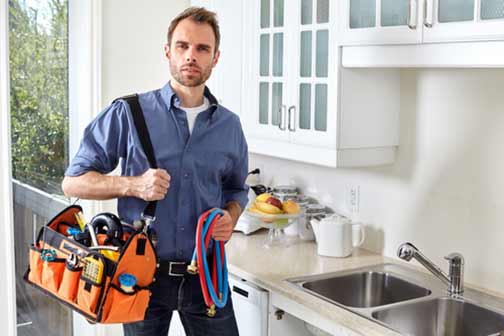
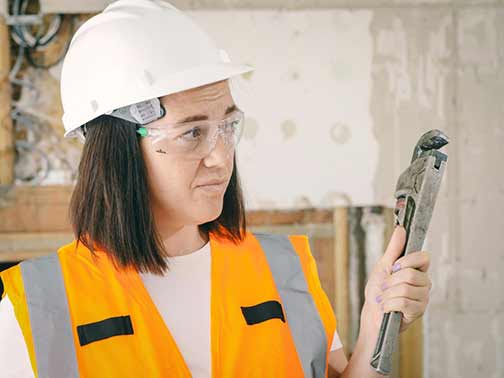
A plumber holding her plumber wrench

A plumbing emergency can strike at any hour. A burst pipe, clogged drain, or leaking faucet may happen without warning. Small issues can escalate into major water damage before a plumber even arrives. Every homeowner should prepare before problems occur. Emergency plumbing kits allow you to act quickly. As a matter of fact, having the right tools on hand can prevent thousands in repair costs. Confidence is important. New homeowners often feel unprepared when problems arise. A stocked kit removes stress and helps you respond immediately. In short, preparation is protection.

The First 10 Minutes Matter in Plumbing Emergencies

When water begins leaking, time is your biggest enemy. A single burst pipe can release gallons within minutes. Besides, water spreads quickly into floors, drywall, and furniture. Quick response reduces damage and lowers cleanup costs. Even small leaks can weaken structures or create mold growth if left unchecked. Similarly, clogged drains can cause backups that ruin bathrooms and kitchens.

A running toilet may waste hundreds of gallons daily. In contrast, a homeowner with the right kit can stop it in minutes. Hence, fast action is not just helpful—it is critical. Of course, emergency plumbing kits are not a replacement for professional help. Nevertheless, they give you the tools to protect your home until the plumber arrives.

The Essential Tools Every Emergency Plumbing Kit Should Contain

Every reliable kit begins with tools. An adjustable wrench is one of the most useful items you can own. It allows you to tighten loose and noisy pipe fittings and valves quickly. A pipe wrench handles bigger connections where more grip is needed. Keeping both wrenches ensures flexibility for different jobs. Also, plungers are important. You should keep both a cup plunger and a flange plunger. The first works on sinks, whereas the second fits toilets better.

A multi-bit screwdriver is another versatile tool you can use during home renovations. Plumbing fixtures often require different screw heads. A single screwdriver with changeable tips saves time and space. Do not forget a utility knife for cutting tape, tubing, or packaging. A measuring tape helps you size replacement parts correctly. A strong flashlight with spare batteries is essential. Many plumbing problems occur in dark spaces under sinks or in basements.

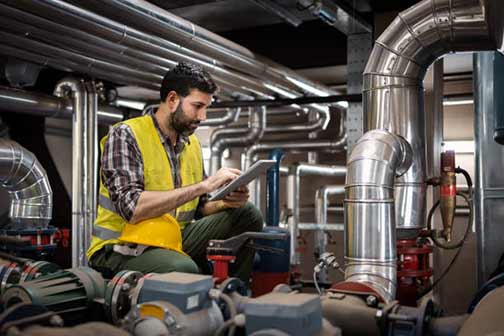
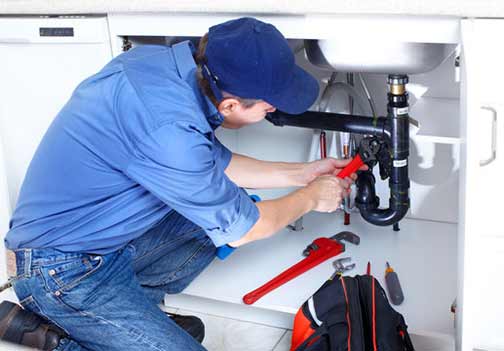
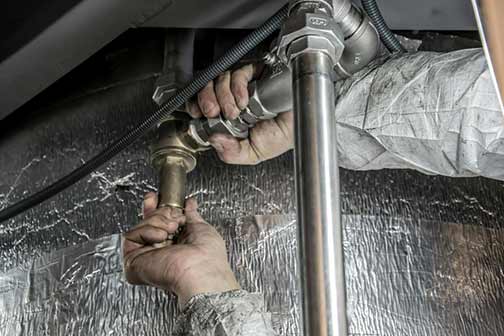
A plumber fixing silver pipes at a home
Every reliable kit begins with tools

How to Organize and Store Emergency Plumbing Kits

Having tools and supplies is only useful if you can find them fast.

  • A sturdy waterproof box or toolbox is best. Store everything neatly so items are accessible.
  • Label tools and supplies. During stressful moments, quick identification saves time. Focus on location. Keep the kit near the main shut-off valve. This ensures fast access when seconds matter.
  • Create a checklist to restock supplies. Used tape, missing washers, or dead batteries can ruin your preparation. Similarly, review your kit twice a year. Replace worn tools and refresh items as needed.
  • Consider a small printed guide inside the kit. Simple steps for shutting water off or applying tape may help in emergencies. The organization turns a pile of tools into a lifesaving kit.

If you are moving or renovating, your kit should move with you. Add it to your checklist so it is never forgotten in the shuffle. Store it separately from other tools to avoid misplacement during packing. This way, you can still handle emergencies even if your home is under construction. By keeping your plumbing kit accessible and your moving checklist close, you stay organized and on track, ready to respond at any moment.

Plumbing Repair Supplies That Save the Day

Tools are only half the solution.

  • Supplies seal leaks and stop water in its tracks.
  • Plumber’s tape, or Teflon tape, is one of the most important. It creates a watertight seal on threaded fittings.
  • Pipe repair clamps offer quick fixes for damaged pipes. As a matter of fact, they are lifesavers when a plumber cannot come right away.
  • Similarly, epoxy putty is excellent for sealing small cracks or pinhole leaks. It hardens fast and holds until a permanent repair is made.
  • Rubber washers and O-rings are often overlooked. They fix many dripping faucet problems instantly. Keeping extras in your kit is smart.
  • In addition, pay attention to hose clamps and spare pipe fittings. These small items stabilize joints or temporary connections.
  • Towels and rags are just as important. They soak up water, protect flooring, and help you keep areas dry.

The right supplies stop small issues from becoming disasters. Of course, they do not replace long-term repairs, but they buy you valuable time.

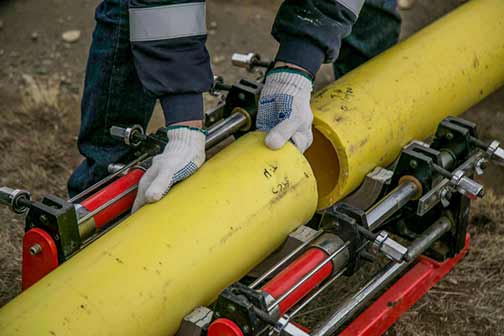
A man holding yellow pipes
Pipe repair clamps offer quick fixes for damaged pipes

Safety Gear Homeowners Often Forget

Plumbing emergencies can be messy and dangerous. Protective gloves should be part of every kit. They protect your hands from cuts, chemicals, and contaminated water.

Safety glasses are just as important. Water pressure or broken materials can send debris flying. Tightening a pipe may cause a sudden spray directly to the face. Glasses prevent injury.

A non-slip kneeling pad or small mat adds comfort and safety. Many plumbing jobs require working on hard, wet floors. Besides, the pad helps keep you steady when handling tools.

Extra Items That Turn Kits Into Lifesavers

Certain extras can make a major difference. A sturdy bucket is essential. It catches leaks and reduces water spreading across floors. A wet/dry vacuum helps remove standing water fast. In contrast, towels alone cannot handle large spills effectively. As a matter of fact, this tool can prevent mold growth after leaks.

Zip ties and duct tape provide temporary stabilization. They secure loose pipes, hoses, or fittings until proper repairs are made. Another key point is including a drain snake or auger. These tools clear stubborn clogs that plungers cannot fix. Lastly, keep spare shut-off valve handles. Sometimes valves break when forced shut. Having a backup prevents loss of control during emergencies like heavy rain and flooding. In short, these extras elevate a good kit into a complete solution.

When to Use Your Kit and When to Call a Professional

Your kit is powerful, but it has limits. Small leaks, clogged drains, or dripping faucets are often safe for homeowners to manage. Broken pipes, major sewage backups, or gas line issues require immediate professional help. Trying to handle these yourself may cause greater damage. Also consider safety. If water is near electrical outlets or wiring, call a plumber and an electrician immediately.

Using your kit while waiting still helps. For example, applying epoxy putty can slow leaks until a plumber repairs the pipe. Besides, shutting water off and containing spills prevents worsening damage.

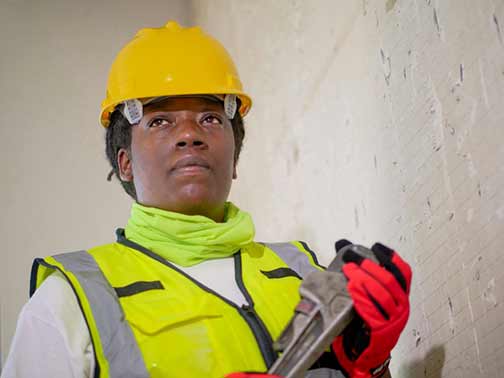
A woman in a uniform holding a plumber's wrench
Emergency plumbing kits help both homeowners and professionals handle leaks and clogs fast

Summary

Plumbing emergencies will happen eventually. Preparation makes the difference between minor inconvenience and expensive disaster. Every homeowner should create emergency plumbing kits before problems strike. In short, a kit offers peace of mind. You will know you can control leaks, clogs, and small failures until help arrives. As a matter of fact, building one today protects your home tomorrow. With this in mind, take action now. Gather your tools, supplies, and safety gear. Store them where you can reach them quickly. Besides, the cost of a kit is small compared to repairs. A few hours of preparation may save thousands later. Hence, do not wait until water is flooding your home. Assemble your kit now and stay ready.

6 Reasons Your Toilet Keeps Clogging in Lincoln Park, Chicago

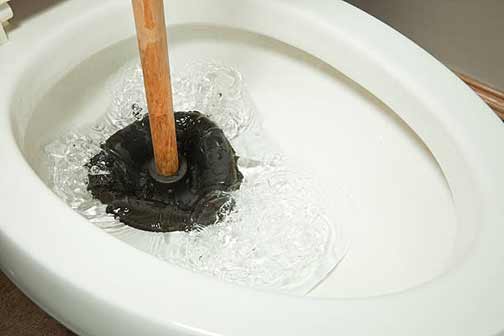
a clogged toilet in lincoln park chicago

Toilets are one of the most fascinating and beneficial inventions of modern life. As simple as they appear, they solve an age-old human problem: how to prevent contact between us and the unpleasant wastes our bodies constantly produce.

According to Keyrenter Miami West, our ancestors would marvel at the wonders of a modern toilet; to be able to sit on a toilet seat to do their business and simply walk away without looking back after flushing the contraption. But you and I don’t value our toilets as much because we take them for granted.

All of that stops the moment the toilet in your home stops working normally. Nothing brings home the value of a toilet more than when it stops flushing or becomes clogged. Only then do you know how much you rely on this simple plumbing fixture in your home.

In this post, we explore why your toilet clogs and what you can do to resolve the issue.

Why does your toilet keep clogging?

If your toilets clog frequently, the root causes of the problem may be found in one or more of the following issues:

  1. Flushing the wrong items

Your toilet will clog frequently if items are blocking the drainpipes. These can be things that we intentionally or accidentally flushed into the toilet. Most products labeled as flushable will clog your toilet, including wipes, paper towels, diapers, feminine hygiene products, dental floss, cat litter, Q-tips, latex condoms, etc. Even toilet paper can clog your toilet if there is too much of it. It is also possible that your kids have accidentally flushed a toy or small object into the toilet. You should be able to dislodge the items blocking the pipe if you snake the toilet.

  1. A blocked plumbing vent

A clogged plumbing vent can cause your toilet to clog because the vent helps to balance air pressure inside your home’s drainage system. However, if the vent is blocked by bird or insect nests, pine cones, leaves, twigs, and other kinds of debris, it cannot play this role effectively. Air that should escape through the vent will become trapped inside the pipes. These pockets of air will prevent water from entering the pipes when you flush your toilet. A common sign of blocked plumbing vents is gurgling each time you flush your toilet. You can get a professional plumber to inspect your vent and unclog it.

  1. Hard water buildup

Homeowners in areas with very hard water, such as Chicago, often experience toilet problems due to the buildup of hard water minerals in their toilets. Calcium and magnesium deposits slowly form inside the toilet, creating rough spots that trap debris or hard crusts that break off to block the pipe channels. This problem can be prevented by installing a whole-house water softener in your home. But this will not remove the existing buildup inside your drainpipes. To clear limescale and other mineral buildup in your pipes, the best option is to clean the pipes by rodding or hydro jetting.

  1. The flush jet/siphon jet is blocked

The flush jet is the small hole at the front of the toilet bowl. It helps the toilet empty completely by giving the contents of the bowl a push when you flush. This opening can become clogged with debris and limescale. If, in the bid to save water, you follow the advice to “keep it mellow if it is yellow and if it is brown send it down,” you may inadvertently be encouraging your toilet to clog. That is because the mineral buildup from urine can clog the flush jets in the toilet, reducing the volume of water available for flushing. To fix the problem, clean the toilet with a toilet bowl cleaner and let it sit instead of flushing right away.

  1. The flapper is damaged

The flapper inside your toilet tank may be damaged. This component tends to break down with age. When this starts to happen, the flapper will close too soon before sending down enough water to fully flush the toilet. If the toilet doesn’t have enough water to soften the waste inside the bowl and also empty the bowl, the toilet will clog frequently. The simple fix for this problem is to replace the flapper.

  1. The main sewer line is blocked

If your main sewer line is blocked, you will see the signs in your toilet. The most common signs of a blocked sewer line are multiple fixtures that drain slowly in your home and chronic clogs that keep returning after you solve them. If more than one drain is slow in your home, you may want to have your main sewer line inspected. This is typically done using a sewer camera inspection. After inspecting the sewer line, the plumber will need to clean it by using hydro jetting or sewer rodding to clear the debris inside the line.

Which of these problems is the root cause of your clogged toilet? If you’re unsure because you are having trouble checking the toilet, you may want to talk to a professional plumber in Lincoln Park.

Why You Should Schedule Yearly Commercial Plumbing Inspections in Chicago

a commercial plumber in chicago doing an inspection

Commercial building plumbing systems play a role in the operations and success of the businesses that occupy a commercial building. Although not a core part of the business’s day-to-day processes, these systems provide the needed support for seamless business operations.

Jackson Property Management notes that functional plumbing systems help to create a conducive environment for optimum productivity. They ensure an overall positive experience for customers and other people visiting your building. Working plumbing systems boost the aesthetics of your commercial building.

That is why when plumbing systems fail, they can inflict massive damage on your operations and profits, and also hurt the reputation of your business. Leaky pipes, slow-draining toilets, and sewage odors in your building may also draw unwanted attention from the authorities.

The challenge is, given that problems in a commercial plumbing system can happen without warning, how do you prevent them from derailing your business? The key is to find a way to detect these problems before they happen, or their impact becomes more pronounced.

The only way to do this is to inspect your commercial building’s plumbing systems on a schedule.

What is a commercial plumbing inspection?

A commercial plumbing inspection is a thorough assessment of the condition and function of the plumbing system in a commercial building. It is done to preserve the efficiency and safety of the system, as well as ensure its compliance with building codes. The inspection aims to detect leaks, corroded spots, clogs, and faulty, aging, or obsolete components in the plumbing.

A plumbing inspection can be done in response to problems in the building or on a schedule. Because it is done even when there are no known issues in the plumbing, scheduled inspections help you find and fix problems before they disrupt business activities in your building. Scheduled plumbing inspections let you manage your plumbing proactively instead of reactively.

During a commercial plumbing inspection, the following components will be evaluated:

  • Water/drainage pipes: Fresh water/wastewater pipes are checked for leaks, blockages, corrosion, etc.
  • Fixtures: Sinks, toilets, and showers are inspected for wear & tear and all forms of malfunction.
  • Appliances: Water heaters, boilers, and water-utilizing appliances are checked for efficiency and safety.
  • Sewer lines: The efficiency and health of the sewer line, as well as the accessibility of the cleanout, are evaluated.
  • Pumps and ventilation systems: All pumps, including sump pumps, and vent stacks are inspected.

Benefits of scheduled commercial plumbing inspections

Why should you inspect your commercial plumbing system on a schedule?

  1. Ensure operational continuity

Plumbing problems dampen staff morale and impair customer satisfaction by preventing access to the critical facilities in your building or making the experience of using those facilities less than satisfactory.

  1. Prevent water damage

Scheduled plumbing inspections let you uncover the hidden problems in the plumbing that are secretly damaging your building. Without a system for detecting them, leaks can go unnoticed for weeks or even months.

  1. Prolong the life of your plumbing

Scheduled inspections help you detect and solve those small problems that shorten the lifespan of your plumbing. By finding problems at their early stages, you keep those issues from damaging the system.

  1. Maximize plumbing efficiency

Plumbing systems that are inspected regularly have fewer problems. The plumbing maintenance plan enables you to stay ahead of issues in your plumbing, addressing them as soon as they arise.

  1. Promote health and safety

Regular plumbing inspections prevent health hazards in your building. The likelihood of water contamination, slips/falls due to leaks, and similar problems is greatly reduced, creating a safer environment for both staff and customers.

  1. Ensure compliance with regulations

Inspecting the plumbing on a schedule lets you keep tabs on every feature of the system. By identifying and replacing parts that no longer comply with building codes, you can easily keep your plumbing up-to-date.

  1. Enable future planning

It is easier to maintain your plumbing when you have a way to track the age and condition of the different components of the system. The plumbing inspection report provides all the information you need to plan future plumbing upgrades.

  1. Achieve significant cost savings

Scheduled plumbing inspections help you save money in many ways. Early detection and quick resolution of problems means your plumbing maintenance bills are lower.  Leak detection and prevention help to lower your water bill. And since the lifespan of the plumbing is prolonged, you can avoid premature replacement of plumbing components.

Finally, how often should you inspect your commercial plumbing systems? For most commercial buildings, an inspection frequency of once yearly is sufficient. But if there are high-traffic businesses in the building, you may have to have a commercial plumber inspect the plumbing system more frequently.

Older buildings, properties with complex plumbing systems, and commercial buildings with businesses in the food service and healthcare sectors need to have their plumbing inspected more often. You should inspect your plumbing more often if there are recurrent problems in the system.

What’s That Smell Coming From My Laundry Room?

smell coming from laundry room

Bad odors in your home can be merely annoying or a sign of bigger but undetected problems in your home. According to Los Angeles Property Management Group, bad smells in the house can come from several sources. One of the most common ones is bad odors in the laundry room. Where do laundry room odors come from?

The causes of bad odors in your laundry room range from mild to very serious. Here are the common sources of this problem:

  • Damp clothes left too long inside the washer
  • Forgotten laundry in the room
  • Mold and mildew inside the washing machine
  • Buildup of dirty water or soap scum inside the washer
  • A dried-out P-trap within a floor drain
  • A broken drainpipe

The first two causes are the easiest to deal with. Removing damp or forgotten clothes from the room or washing machine will resolve the issue. Depending on where the bad odors are coming from, here are some ways to address the other causes of unpleasant odors in your laundry room.

  1. Bad odors from your washing machine

The bad smells in your laundry room may be coming from the washing machine itself. This is a common problem with front-loaders, especially if the door is left closed between washes. The bad odors are a result of mold, mildew, and bacteria flourishing in the trapped moisture and soap scum inside the machine.

To fix this problem, do the following:

  • Infrequent hot washes encourage bad smells in your washer. Run the machine on its hottest, longest cycle once a month, using the “clean washer” or “tub clean” setting.
  • Run a cleaning cycle with 2 cups of vinegar added to the detergent dispenser or drum. You may also use ¼ to ½ cups of baking soda or bleach in the same way.
  • Clean the washing machine. Wipe the detergent dispenser and rubber door seal with a damp cloth to remove mold and stuck dirt.
  • Leave the door slightly open after every wash to allow the machine to dry out.
  1. Smelly washing machine drain

Detergent residue and tiny debris inside the drain hose and pipes can lead to biofilm in these areas of the plumbing. Partial clogs can cause slow drainage and also leave stagnant water inside the hose. This permits odor-causing bacteria to bloom inside the drain hose and pipes.

To solve the problem:

  • Disconnect the washer and remove the drain hose. Use a plumbing snake or a brush with stiff bristles to clear any gunk inside the pipe.
  • If the drain pump filter is accessible, remove it and clean it to remove lint and other small debris that may have built up inside.
  • Flush the drain by pouring a ½ cup of baking soda into the pipe, followed by a ½ cup of vinegar. Let the mix sit for 15 minutes before flushing the pipe with warm water.

To prevent future smells, install a mesh lint filter at the end of the drain hose and run a hot wash cycle on a schedule to clean and sanitize the machine.

  1. A dried-out P-trap

The bad odors could be coming from the floor drain in your laundry room. The P-trap inside the drain may have dried out, allowing sewer gases to enter your home from the sewer line. Fixing a dried-out P-trap is easy, assuming you can find the floor drain.

How to solve this problem:

  • Look for the floor drain; they are not always easy to spot. Sometimes it will be behind or underneath some other features of the room.
  • Once found, pour a 5-gallon bucket of water down the floor drain to remove any debris inside it and also recharge the P-trap. The smell should stop if this is the cause.
  • Also, ensure the washing machine drain hose is not pushed too far down the floor drain, or the hose will bypass the p-trap, allowing bad odors to enter your home.
  • There is an odd chance that your floor drain was installed without a P-trap. If this is true, the bad smells in your laundry room will continue until you install a P-trap in the drain.
  • There is also a chance that the washing machine is not using enough water to keep the P-trap full. This problem sometimes happens with high-efficiency washing machines. If this is the source of the issue, talk to your plumber about it.

Finally, other possible causes of bad odors in your laundry room include: a vent pipe that has stopped working because it is clogged with bird/insect nests, pine needles, leaves, or moss; a gas dryer leak (though highly unlikely, it is still a possibility); a break in nearby drainage pipes or even in your sewer line.

After you have checked all the potential causes of laundry room odors listed above and followed the steps to solve the problem, if the issue still persists, your next step should be to have a professional plumber perform a thorough inspection of your laundry room or even your entire plumbing system.

Why Is My Drain Smelling? Top Reasons and How to Fix Them

a person with a smelly drain

Knowing the Typical Causes of Drain Odors and How They Can Affect Your Home

Few problems in the home are as distracting and obnoxious as a bad smell coming from your drain. Such odors have the ability to fill your living space very quickly, making it uncomfortable and in some cases even uninhabitable. Apart from the smell, frequent drain smell can be an indication of underlying plumbing problems that, if left without solution, can become more complex issues related to safety and hygiene in your home. Knowing the primary causes of drain smell is essential not only to get rid of the smell itself but also to maintain a healthy living environment. Here we are going to cover the various reasons for drain odors, how they develop, what it does to your home, and efficient and effective means of eliminating them, so that your home remains a clean, fresh, and inviting space.

How Blockages and Buildup Lead to Stinky Drain Odors

One of the easiest and most common reasons for drain odors is buildup in your pipes. Over time, hair, soap buildup, grease, and food particles can form in the plumbing system. These items tend to trap other waste and bacteria and are a good place for microbes to grow. As organic matter is breaking down, it emits the bad smell which makes its way up through the drain when you notice it is there. Additionally, when such clogs restrict water flow, the water can sit still within the pipes and thus encourage even more growth of bacteria and enhance the stench. Regular cleaning and maintenance are necessary in preventing this build-up. Enzyme-based drain cleaners, which contain bacteria that break down organic waste, can be very effective. Physically pulling out garbage with tools like a drain snake or plunger is also capable of fixing standard water flow and eliminating odors. Habits like not pouring oil and fats down the drain and putting a cover on the drain to catch debris can go a long way to maintaining a home’s fresh scent.

How Poor Venting and Stuck Air Cause Drain Smells

Your house’s sewer plumbing system relies heavily on precise ventilation to function well. Vent pipes offer a means for sewer gases to vent outside, so sewer gases don’t accumulate within your home. When vent pipes are clogged, malfunctioning, or placed in improper settings, sewer gases—primarily methane and sulfur chemicals—can circulate backward into your house through the drains. This produces persistent, sometimes odorous smells that are most foul. Improper ventilation not only generates stenches but also health risks, as sewer gases consist of potentially toxic chemicals. Careful clearing of vent pipes of any blockages, such as leaves or trash, and careful installation of them is important. In some instances, cleaning or replacing vent caps will alleviate the issue. The installation of air admittance valves (AAVs) can also improve airflow and prevent gases from seeping into your home, providing a reliable and soundless solution to ventilation problems.

How Sewer Line Issues Bring Drain Odors

Serious problems in the master sewer line can lead to severe and long-term drain odors. Leaks, cracks, or blockage in the sewer pipe can make the waste and gases back up into the plumbing system in your home. Such issues often reveal themselves in other symptoms such as clogged sinks that drain slowly, gurgling sounds from pipes, or even toilet and drain sewage backups. Sewer line problems are typically more complex and require professional fixing. Discovery of these problems in advance will prevent costly repairs and extensive damage. Professional plumbers can inspect sewer lines with video cameras, diagnose the problem correctly, and perform necessary repairs or replacements. Sewer line maintenance through cleaning and inspection can prevent clogs and leaks, hence reducing probabilities of foul odor entering your household environment.

How Seal Failure and Dry Traps Make Smelly Drains

Traps on your drains are a vital component of your plumbing designed to retain water, creating a seal which prevents sewer gases from reaching your living space. Should a drain not be used for an extended period, the water contained in the trap may dry out, leaving an avenue for sewer gases to ventilate through. Furthermore, damaged or ill-sealed traps cannot retain odors. This is readily ignored because the smell will only occur if a drain is not utilized or after heavy rains that cause pressure changes in the pipes. To fix this, having water running down the drain every now and then may restore the water seal. In case the trap is broken or cracked, putting in a new one or plugging the leaks will guarantee there is a seal. Ensuring that each trap is in proper condition and operates optimally is an easy yet effective way of preventing stinky smells from entering your house.

How Organic Matter and Food Waste Help Produce Drain Odors

Kitchen sink drains are particularly susceptible to unpleasant odors caused by food particles, grease, and other organic materials. When fats and oils are rinsed down the drain, they solidify and stick to pipe walls. Fats and oils clog up the pipes and become nests for all kinds of debris and bacteria that further propagate in these conditions, causing the decomposition process. When decomposed, organic matter releases smelly gases that can escape through the drain. To prevent this from happening, do not pour coffee grounds, grease, or excess food waste down the drain. Installing a strainer on the drain to catch food fragments and disposing of it in the trash can significantly reduce organic buildup. Daily draining of the pipe with hot water, coupled with organic cleaners such as baking soda and vinegar, will dissolve settled fats and maintain your pipes odorless and free. Maintenance and proper use are what help avoid kitchen drain smells.

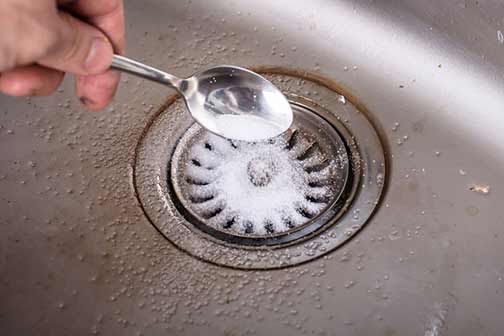
a person using baking soda for drain smell
Natural cleaners such as vinegar and baking soda can break down organic buildup and inhibit microbial growth.

How Mold, Mildew, and Bacteria Develop in Drains

The hot, moist environment of drains provides the ideal breeding ground for mold, mildew, and bacteria. Soap scum, hair, and food residue are just a few examples of organic materials that these microorganisms can utilize as nutrients. Unchecked, they emit a damp, musty smell that permeates your entire home. Moreover, mold and bacteria can have a negative impact on indoor air quality and lower health, especially in individuals with respiratory issues or allergic reactions. Vinegar, disinfectant cleaning, and baking soda can minimize microbial growth. Dry and well-ventilated drains also discourage mold growth. Drain covers and frequent cleaning also hinder the transmission of mold spores. Having the area around your drains clean and dry is integral to avoiding microbial development and smell.

How to Effectively Detect and Diagnose Odors in the Drain

Determining the reason behind odors in the drain requires close observation and, sometimes, professional analysis. Begin by paying attention to when precisely the odor appears—whether it’s constant or occasional—and whether it’s limited to a particular drain or is spread throughout your home. Observe any apparent indication of clogs, leaks, or water stagnation near the drain. If alone cleaning is ineffective, then a drain camera is also an option, where professionals can visually check the interior of your pipes for damage, blockages, or sediment accumulation. Professional testing is especially important in the event of continuous or pungent odors because it can spot underlying conditions that are beyond what the naked eye can see. A qualified plumber can perform proper inspections and recommend exact remedies, enabling the problem to be completely addressed and indoor air quality in your home restored.

Practical and Safe Remedies for Eliminating Drain Odors

Eliminating drain odors is a combination of regular maintenance, natural cleaning, and, if necessary, professional assistance. Regular hot water flushing on your drains can remove residues that cause odors. Natural cleaners such as vinegar and baking soda can also break down organic buildup and inhibit microbial growth. Tools like drain snakes and plungers mechanically remove minor clogs efficiently. For persistent odors, enzymatic cleaners or drain deodorants may be used to dissolve organic matter. Adequate venting by cleaning or replacing vent caps and capping leaks or cracks in the plumbing system are also essential steps. When DIY fails, professional plumbers can conduct a detailed inspection, repair broken pipes, and unclog sewer drains, bringing freshness and safety to your home environment.

Preventive Measures in Keeping Your Drains Fresh and Odor-Free

The best way of combating drain odors is proactive prevention. Making a routine of regular cleaning, for instance, flushing drains with hot water and natural cleansers, maintains clear and clean pipes. Avoid pouring fats, oils, coffee grounds, and large food particles down the drain. Use drain covers and clean them regularly to prevent the buildup of debris. Letting hot water run following the use of sink or dishwasher will wash residues away before they can accumulate. Installing vent caps and ensuring proper ventilation of your plumbing system will prevent gases from entering your home. Professional inspections on a regular basis will show any emerging issues, such as small leaks or clogged vents, before they can become more serious. By following these preventive measures, you can significantly reduce the risk of unpleasant drain odors and enjoy a fresher, healthier home.

When to Call a Professional Plumber for Persistent Drain Odors

While DIY measures and maintenance can remove most drain odors, some problems require the expertise of a professional plumber. If you have tried cleaning, venting, and minor repairs without success, or if you notice signs of sewer backups, ongoing gurgling sounds, or worsening sewage smells, it’s time to bring in the experts. Professional plumbers utilize specialized equipment such as sewer cameras, hydro-jetting service, and high-tech diagnostic equipment that can detect and solve intricate problems in an efficient manner. Solving these issues not only deodorizes your home immediately but also averts health risks related to bacterial growth and sewer gases. Professional service guarantees that the root of the problems is properly diagnosed and repaired, offering peace of mind and a healthier indoor environment.

Conclusion: Maintaining a Fresh and Odor-Free Home Environment

Drain odors can be a large cause of discomfort and frustration, yet being well aware of their causes and acting in advance, you can simply eliminate such unpleasant odors. Proper maintenance, careful use, proper venting, and periodic expert inspections are the most important components of an integrated approach to rendering your home a fresh-smelling one. Addressing issues early on prevents minor issues from escalating into costly fixes or health hazards. With regular monitoring of the health of your plumbing system and implementation of simple, effective solutions, you can enjoy a clean, hospitable, and odor-free home living space that enhances your comfort and well-being. A comfortable and healthy home living starts with a properly maintained drainage system.

Why Is My Water Bill So High? 5 Plumbing Problems Explained

a woman reading her high water bill

Making Sense of Why Your Water Bill Could be Substantially Too High

Receiving a water bill that is much greater than your average expenditure can be shocking and infuriating. Most home owners initially conclude that increased water charges or seasonal variations are to blame, but quite often the explanation may be in the house plumbing system. The plumbing issues are largely silent and insidious, quietly draining the water from your supply without obvious signs of damage or leaks. Knowing and recognizing the most common plumbing issues that lead to high water bills is essential to have a working home, conserve water, and avoid costly repairs down the road. Here we aim to talk thoroughly about the five most frequent plumbing problems that lead to high water bills, in a straightforward and friendly way with helpful tips to help you identify and solve these issues effectively.

Leaking Faucets and Toilets: The Silent Water Wasters

Leaky faucets and toilets are the most common and sneaky causes of mysteriously high water bills. Leaks are typically slow, subtle, and create little or no noticeable damage. Yet, over days, weeks, or even months, all of these little drips can add up to a true water waste, contributing to a significant increase in your home’s water consumption and, consequently, your bill. It might be only a few drops per minute dripping from a faucet, but when you calculate the amount in a month, it can lose hundreds of gallons of water. Similarly, an ever-running or periodically running toilet due to a leaky fill valve or flapper can consume lots of water without any visible symptom of malfunction.

Faucet and toilet leaks must be identified with a sharp eye. For faucets, look for constant dripping sounds or constant trickle even when the tap is shut off. For toilets, check for the sound of running water or simply do a dye test by dropping some food coloring into the tank and seeing if color shows in the bowl without flushing. Repairing these leaks early on not only saves water but also lowers your water bill greatly. Fixing faulty washers, flappers, or fill valves is typically an inexpensive and straightforward process that can prevent ongoing water loss. Regular inspection and maintenance are most important in catching these small problems early on before they become costly issues.

Burst Pipes and Concealed Leaks: Unexpected Water Losses

Burst pipes and concealed leaks are more serious plumbing problems that can cause sudden and sharp increases in water usage. These issues are usually concealed behind walls, beneath floors, or beneath the ground and as a result are difficult to detect without machinery or specialist scans. A pipe burst will release a lot of water in a very short time and cause water damage, mold, and an unexpected rise in your water bill. Hidden leaks may not be immediately noticeable but will sneakily drain your water supply by and by, inflating your bill without showing clear signs.

If you experience unexplained water spots on ceilings or walls, mold or mildew growth, or an unexpected increase in your water bill despite no modification in usage behavior, then it is time to look for hidden leaks. Professional plumbing inspections normally involve employing specialized tools such as moisture meters, sound-producing leak detectors, or thermal imaging cameras. Early detection and repair of burst pipes and hidden leaks are crucial to prevent structural damage and regulate your water bills. Their upkeep and prompt intervention in any strange signs can assist you in staying clear of costly future repairs and exorbitant water bills.

Faulty or Outdated Fixtures and Appliances

A majority of households use appliances and fixtures that, over time, become inefficient or get defective, leading to excessive water usage. Washing machines, dishwashers, and water heaters that are older are not as water-efficient as new ones, which are energy efficient. Additionally, fixtures like showerheads and faucets that are not water-efficient can contribute to a significant amount of unnecessary water wastage. Mineral buildup and wear-and-tear over time can also cause appliances to be less efficient and use more water than necessary.

New, water-efficient appliances and fixtures can be substituted for old ones, and this can have a tremendous impact on your water bill. Look for the EPA’s WaterSense label, indicating that they have passed strict water efficiency guidelines. Regular maintenance on appliances, such as cleaning filters and checking for leaks, guarantees they are operating at peak levels. Sometimes a minor change—a new showerhead, for instance, that swaps out an old inefficient one for a low-flow model—can reduce water usage substantially without any compromise in comfort or performance. Newer, water-efficient appliances not only save water but can also reduce energy bills, for a greener home overall.

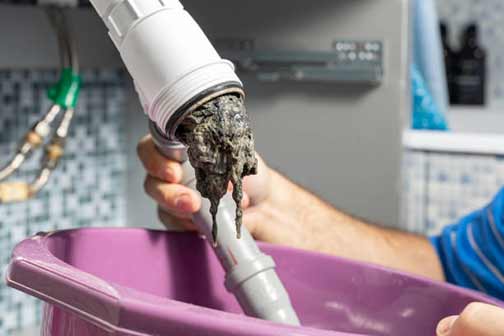
a clogged drain
Keeping your drainage system in good working order keeps water flowing freely through your household plumbing, reducing waste and helping to govern your water bill.

Faulty or Clogged Pipes and Drains

Faulty or clogged drains and pipes are common issues that can lead to backups, slow draining, and leaking water, all of which result in waste and higher bills. Clogs are caused by hair, grease, soap scum, or debris that has built up inside the pipes, blocking water flow. However, they may also be a sign of more serious conditions such as pipe corrosion, root invasion by surrounding trees, or pipe cracks. Faulty or outdated pipes, especially older cast iron or galvanized steel pipes, will tend to leak, crack, and corrode, silently draining water and inflating your bill.

Free and functioning drainage systems are necessary to prevent wasteful water. Periodic inspection of exposed drains and pipes, avoiding pouring grease or non-flushables down the drain, and scheduling professional pipe inspections are measures that can be taken to detect problems early. When repairs do become necessary, replacing worn-out or damaged pipes with new, durable materials like PVC or PEX will greatly improve efficiency and cut ongoing water loss. Keeping your drainage system in good working order keeps water flowing freely through your household plumbing, reducing waste and helping to govern your water bill.

The Importance of Frequent Plumbing Maintenance

Along with fixing single problems, periodic plumbing maintenance is a crucial step in preventing enormous water bills and maintaining your plumbing system efficient in the long term. Periodic checks, timely repairs, and preventive measures can help assure that small faults are identified before they turn into gigantic problems. A few easy steps such as leak testing, aerator and showerhead cleaning, and water pressure checks can be of great help in the context of water conservation.

Employing seasoned plumbers to conduct regular inspections guarantees that problems are discovered in their earlier stages, most often by employing advanced diagnostic tools. Adding water conservation habits—such as taking short showers, washing dishes and washing machines only when they are full, and fixing leaks immediately—can mean huge savings within months and years. A preventive plumbing maintenance strategy not only is cost-effective but also increases your plumbing system’s life span, making it efficient and reliable in the long term. Regular maintenance is an investment in your home’s longevity and your purse.

More Tips for Lowering Your Water Bill

Apart from solving certain plumbing problems, homeowners can take several water-saving practices that lead to lower bills. Replacing water-wasting fixtures like old showerheads, faucets, and toilets with water-efficient ones like low-flow showerheads, faucet aerators, and dual-flush toilets can save water without compromising comfort levels. Being conscious of the household water usage—e.g., switching off taps when brushing teeth, repairing leaks right away, and using dishwashers and washing machines only when loaded—can translate to significant amount of savings over time. Also, insulating the pipes and sealing any leak visible to the eye right away can avoid wastage and lower your monthly bills even more.

All in all, these small adjustments to your way of living, along with upkeep and repair when necessary, comprise an all-around approach to reducing your home’s water consumption. Not only will you be saving money, but it will also help save the environment by limiting unnecessary water use. Be vigilant and ahead of time in doing so, as the premise is to have your plumbing system up and functioning perfectly and effectively at all times.

Conclusion: Taking Action to Reduce Your Water Bill

Skyrocketing water bills are a source of ongoing frustration, but knowing the most prevalent plumbing problems that lead to wastage of water makes home owners proactive. From minor leaks in faucets and toilets to more severe problems like burst pipes and leaking appliances, every problem requires serious attention in order to prevent wastage and save dollars. Regular maintenance, immediate repairing, and installing water-saving devices are pragmatic measures of managing your home’s water consumption.

Keeping proactive and watchful allows you to identify and fix plumbing issues at an early point, making your home water-efficient and your bills manageable. Sometimes the solution is straightforward, but the payoff can be great—savings on your pocket, the conservation of precious resources, and peace of mind. If you’re unsure about how to address a plumbing issue, a professional plumber fixing and identifying problems can bring a timely resolution. Lastly, by accomplishing these things, your home will remain a cozy, environmentally-friendly, and inexpensive refuge for you and your family.

Temporary Water Solutions for Homes Under Renovation

Black Shower Head Switched on

Renovations can be exciting, but they often disrupt the basics of daily life. Losing access to water is one of the hardest challenges. Families suddenly find themselves without working taps, toilets, or showers.

This is where planning becomes essential. By preparing ahead, you can set up temporary water solutions for homes that keep life running smoothly. As a matter of fact, even simple measures can prevent frustration.

Blocked pipes, cut-offs, or limited supply do not need to stop your routines. With the right choices, you can cook, clean, and stay comfortable throughout the project.

Portable Water Tanks: A Reliable Backup

Portable tanks are a great option for households that need steady access during construction. They hold enough water for several days and work well for families of any size.

Another key point is that tanks are flexible. You can place them in a safe outdoor space or even in a garage. This makes it easy to refill them when needed.

Sizing the tank is important. A family of four may need a few hundred liters per week. Always consider drinking, cooking, cleaning, and bathing needs when planning.

Hygiene matters too. Tanks should always be covered with tight lids. This prevents insects, dust, or debris from entering. Besides, clean the inside before filling to keep the water fresh.

Portable tanks provide peace of mind, especially for projects lasting more than a few days. They are one of the simplest long-term solutions.

Temporary Water Lines: Quick Connections During Renovation

Temporary water lines are another practical choice. These flexible lines connect from an existing tap or main supply to the area under renovation. They are useful when kitchens or bathrooms still need water access. They are also easy to repair when things go south.

As an illustration, a plumber can run a line to a temporary kitchen sink. This lets you cook and clean without walking outside. Similarly, a bathroom can stay usable with a short-term connection.

Safety should always come first. Poorly fitted hoses can leak, and leaks may cause damage to the renovation work. Another key point is always to use quality fittings and connectors.

With this in mind, shut off the line whenever it is not in use. This simple step keeps water secure and avoids waste. Temporary lines are quick, effective, and perfect for medium projects.

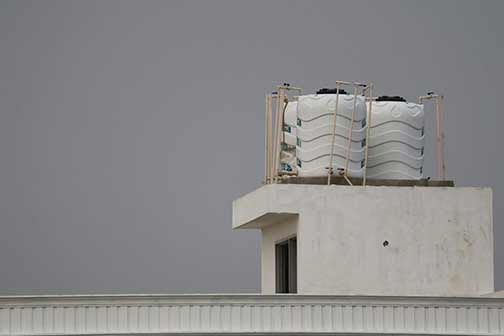
A white roof with two water tanks on top
Temporary water solutions for homes give comfort, safety, and peace of mind.

Smart Storage to Support Temporary Water Use

Storage often gets overlooked during renovation, but it makes a big difference. Clean containers, buckets, and shelving keep things accessible and safe. As a matter of fact, staying organized during renovation helps families manage water better. Portable storage boxes are useful for separating drinking supplies from cleaning tools. Contractors may bring their own supplies. In this case, portable storage for contractors keeps equipment in one place while avoiding clutter. Similarly, families can use compact shelving to hold bottled water, filters, and hoses.

Good storage pairs well with all water solutions for homes. Tanks, filters, and bottled supplies stay cleaner and easier to access. In short, proper storage keeps water safe, saves time, and reduces stress during construction.

Bottled Water and Delivery Services: Convenience First

Sometimes the easiest answer is also the best. Bottled water works well for short projects or when only drinking water is affected. You can buy small bottles for daily use or larger jugs for families.

Delivery services can make things even easier. Many companies bring bulk supplies directly to your door. As a matter of fact, this option saves time and avoids heavy lifting.

In contrast, bottled water can be expensive if used for everything. It is best for drinking and cooking, not for cleaning or bathing. Nevertheless, for families with kids or elderly members, bottled water offers safe and simple access.

Always store bottles in a cool, dry place. Do not keep them in direct sunlight, as heat can affect taste and safety. Bottled water is about convenience and peace of mind, especially for short disruptions.

Portable Filtration Units: Safe Drinking Water Anywhere

Portable filtration units are a smart way to keep water safe during renovations. They are handy when a water supply is available, but the quality is uncertain.

There are several types. Pitcher filters work well for small needs. Faucet filters attach directly to taps. Portable pump filters are great if you rely on outdoor or stored water.

Another key point is maintenance. Filters must be cleaned and replaced regularly. Skipping this step reduces their effectiveness. With this in mind, always follow the manufacturer’s instructions.

These units are especially useful for families with children or elderly members. Safe water is essential for health. Besides, filtration systems reduce waste by limiting bottled water use.

Portable filters are small, affordable, and provide a steady source of safe drinking water during construction projects.

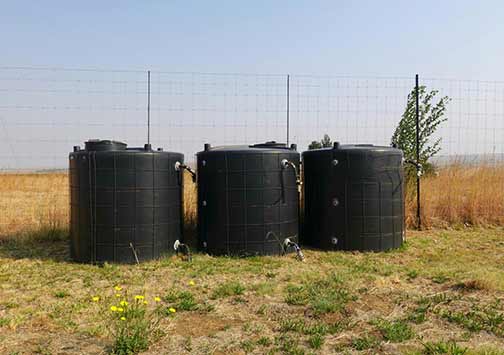
Outdoor Water Storage Tanks in an Arid Landscape
Portable tanks are a great option for households that need steady access during construction.

Outdoor Taps and Neighbors: Simple, Local Alternatives

Sometimes the best solutions are close by. Outdoor taps can serve as a temporary water source. Running a hose from an outside tap to a bucket or container works well for cleaning and simple tasks.

Another key point is that neighbors may be willing to help. Borrowing water from a trusted neighbor’s tap is a quick fix during short disruptions. Nevertheless, always ask politely and offer to cover costs.

You may need adapters, hoses, and connectors to make outdoor access more practical. As an illustration, a simple hose can supply water to a temporary sink.

In contrast, shared water sources must be used carefully. Hygiene and safety are important. Always keep containers clean and avoid cross-contamination. With this in mind, outdoor taps are a smart, low-cost backup.

Professional Services: Short-Term Rental Water Systems

For larger projects, professional water system rentals can make life easier. These services provide tanks, pumps, and filtration units designed for temporary use.

As a matter of fact, many companies handle setup, refills, and sanitation. This makes them reliable for long-term renovations or bigger households.

In contrast, rental systems may cost more than DIY methods. However, they save time and effort by handling the hard work for you. Another key point is that they ensure safety and compliance.

These services are best when water needs are high or when you cannot manage storage yourself. With this in mind, professional rentals are worth considering for smooth renovations.

Water-Saving Hacks During Renovation

Water may be harder to access during construction, so saving every drop matters. One simple trick is to reuse gray water. For example, leftover dishwater can be used to flush toilets.

Using basins and buckets also helps. They allow you to carry and reuse water for multiple purposes. Similarly, low-flow fixtures or temporary taps reduce waste.

Another key point is planning your routines—group tasks like cooking or cleaning to use water more efficiently. As a matter of fact, this reduces both effort and consumption.

Besides, small changes can make a big difference. Teach family members to conserve and reuse whenever possible. Water-saving habits not only help during renovations but also benefit daily life afterward.

Water Tanks among Trees
Tanks should always be covered with tight lids.

Summary: Temporary Water Solutions for Homes Under Renovation

Renovations are easier when you prepare for disruptions. Temporary water solutions for homes give comfort, safety, and peace of mind.

From portable tanks to bottled water, every option has its place. Some are best for short-term fixes, others for long-term needs. With this in mind, choose the method that matches your household size and project length.

As a matter of fact, early planning makes everything smoother. Families can cook, clean, and stay healthy even when pipes are offline.

In short, temporary disruption does not mean hardship. With smart choices, you can enjoy a stress-free renovation and keep life flowing as usual.

How Much Does a Chicago Plumber Usually Charge Per Hour?

How Much Does a Chicago Plumber Usually Charge Per Hour

Finding Out the Average Hourly Rates of Chicago Plumbers

When plumbing problems arise in Chicago, one question that homeowners and property managers need to know sooner rather than later is: How much will it cost to bring in a professional plumber? The rates for plumbing services in the city can vary greatly based on a multitude of variables, so it is really beneficial to have a solid notion of what to pay. Unlike some other service industries, plumbing rates are based on how complex the problem is, how experienced the plumber is, the specific location in Chicago, and the time at which the service will be required.

This article is meant to serve as a guide for Chicago residents, providing detailed insight into the average hourly rates that plumbers in the city charge, budgeting tips, how to choose reputable providers, and an understanding of additional costs one might have to pay. The aim is to ensure that all residents can get clear, accurate, and useful information so they can make the correct decisions should they have to handle plumbing issues within the city.

Factors Influencing Plumbing Service Charges in Chicago

Prior to diving into real hourly rates, it matters to be aware of the various factors influencing the price of plumbing services in Chicago. To start with, the nature of the plumbing problem has a significant influence. Minor repairs such as clearing a clogged drain or replacing a dripping faucet are generally less costly and can be completed quickly, whereas complex issues such as sewer line repair or extensive pipe replacement require specialized expertise, advanced equipment, and more time, all of which add to the expense. Rates are also affected by the experience and reputation of the plumber or plumbing company; more experienced, skilled plumbers with expert knowledge are more expensive but often deliver better quality and faster service.

The timing of the service is also an important factor—after-hours work, such as nights, weekends, or holidays, for instance, emergency work, usually commands a premium, perhaps 25% to 50% to the standard hourly rate. Geographic location in Chicago can also influence costs, with projects in more distant or less convenient locations potentially entailing additional travel or logistical costs. Finally, the scope of work—whether a minor repair or extensive installation—determines overall cost, with larger projects naturally requiring greater material and labor resources.

Average Hourly Plumbing Prices in Chicago

Ordinarily, on average, Chicago plumbers will charge anything from $75 to $150 per hour for standard plumbing work. This is a good benchmark for locals trying to obtain quotations and make financial plans. For minor jobs, for instance, fixing leaks, clearing clogged drains, or repairing a faucet, the hourly charge for labor will generally be at the lower end of the spectrum, at $75 to $100. These are usually simple tasks that can be done in an hour or two. More involved work, however—like replacing a water heater, redoing plumbing lines, or making extensive repairs to pipes—tend to cost more, usually in the range of $100 to $150 an hour.

It should be noted that these rates are averages and will fluctuate with the reputation of the plumber, the company involved, and the nature of the job. Some plumbers even have flat pricing for some of the most common services, which might be more economical for homeowners in the long run. Generally, knowing this hourly range assists residents in estimating the possible cost of different plumbing jobs and budgeting in advance.

Other Fees and Charges to Be Careful of

While hourly fees serve as the foundation for plumbing service costs, homeowners must be cognizant of additional charges that may add up to the overall amount. These added fees mostly include service call fees, which are set figures paid for having a plumber visit your home regardless of work completed. In Chicago, the charge for a service call will generally be between $50 and $100, and one must find out if this charge is tacked on as an additional total estimate or imposed separately. Travel charges may also be added, especially if the job location is in a more difficult-to-reach section of the city or suburban areas.

Travel time or mileage may be billed by the company at times, which adds to the overall bill. Further, materials and components are usually billed apart from labor, and fees can vary depending on the kind or standard of supplies needed. For example, top-of-the-line fixtures, specialty pipes, or advanced water purification equipment will naturally increase the price tag. Homeowners need to request itemized quotes beforehand which specify all potential charges so that they do not get surprised later when the invoice is presented.

a professional chicago plumber
Effectively budgeting plumbing services in Chicago means advance preparation and requesting a number of quotes from reputable local plumbers.

Cost Differentials Based on Types of Plumbing Jobs

The type and size of the plumbing job significantly influence the cost. Minor repairs, such as a clogged drain or a leaky faucet, usually cost less—usually under $200—especially if the work does not take longer than an hour. These are minor jobs that most plumbers should be able to complete very quickly, so they are relatively cheap. More involved projects, like the replacement of a sewer line, rerouting of plumbing lines, or new fixtures installation, are more expensive and can run several hundred dollars or more depending on the scope and materials involved.

Work conducted at nights, weekends, or holidays will generally have an added premium included. It’s standard for emergency calls to have an added 25% to 50% fee above the regular hourly rate, which accounts for the hassle and urgency involved. Realizing these differences allows residents to better plan financially for varying situations and budget for regular maintenance to avoid expensive emergencies.

How to Budget Plumbing Services in Chicago

Effectively budgeting plumbing services in Chicago means advance preparation and requesting a number of quotes from reputable local plumbers. Free estimates may be provided by most plumbers in Chicago, providing an opportunity to compare services and prices prior to an agreement being reached. It is advisable to ask for a detailed breakdown of all charges, including hourly rate, service call charge, travelling charge, and cost of parts and material. To undertake normal upkeep and minor repairs, budgeting $200 to $300 is mostly adequate to cover the majority of routine jobs.

For major or urgent repair jobs, it’s advisable to have a reserve of at least $500 or even more, as unplanned setbacks can readily send costs skyrocketing. Citizens must also consider having regular upkeep to prevent huge problems, which can end up costing less in the long run. Preparation and an awareness of average costs will save homeowners from financial discomfort when plumbing emergencies surface unexpectedly.

Guidelines for Finding Reliable and Affordable Chicago Plumbers

More is involved in choosing a reputable plumber than simple comparisons of hourly rates. Local residents can seek recommendations from friends, relatives, or neighbors who have had positive experiences with local plumbers. Online review websites such as Yelp, Google, and Angie’s List can also provide insight into a company’s reputation and level of service. Make sure that the plumber is covered and certified, meaning that they are trained and protected from potential damages or incidents.

When obtaining quotes, ask for their rate strategy, such as whether they offer flat fees for certain works or per hour, and whether there are any extras. Comparing multiple quotations and the quality of the customer service can assist in discovering the value for money. Remember, lowest price is not always the winner—responsive service and good workmanship are equally important for peace of mind and long-term satisfaction.

The Importance of Preventive Plumbing Service

Preventive plumbing service is a smart investment that reduces the likelihood of costly emergency repairs. Scheduling periodic inspections, drain service, and quick repairs can extend the lifespan of plumbing systems and prevent minor issues from turning into major disasters. Most Chicago plumbers offer maintenance packages at discounted rates, making preventive service affordable and accessible. The services usually encompass include leak tests, fixture tests, drain cleaning, and water pressure tests—all of which contribute to a healthy plumbing system.

With proactive plumbing health management, residents can save money in the long term, avoid unnecessary expenses, and maintain their housing units’ plumbing systems at optimal levels. Preventive maintenance also offers a chance to identify possible problems in their infancy, when they can be more easily and affordably corrected, thereby protecting the value of the property and the health of its occupants.

Conclusion: Making Informed Decisions About Plumbing Costs in Chicago

It is important to know the standard hourly rates of plumbers in Chicago and the different factors that can affect these rates to make informed choices when hiring a plumbing service. Though the average hourly rate is between $75 and $150, individual rates may differ based on the intricacy of the task, time of service, and other fees like service call fees and materials. Advance planning in obtaining multiple quotes, asking detailed questions, and prioritizing quality and reliability over bargain-basement price will ensure that plumbing issues are repaired efficiently and effectively.

Being well-informed enables homeowners not only to budget accordingly but also to ensure they receive optimum available service to provide for the safety and functionality of their home plumbing system. Lastly, an educated mindset allows Chicagoans to approach plumbing problems head-on, knowing that they’re making smart, budget-conscious choices that protect their homes and their peace of mind.

If you need a trusted plumber in Chicago that won’t break your bank, feel free to reach out to us today at 708-775-2566.

Plumbing Pitfalls That Can Delay Your Real Estate Closing — And How to Fix Them Fast

Plumbing Pitfalls That Can Delay Your Real Estate Closing

Plumbing Pitfalls That Can Delay Your Real Estate Closing — And How to Fix Them Fast

Selling a home can feel like a countdown clock—every day matters, and small surprises can trigger big delays. One of the most overlooked sources of closing complications? Plumbing problems that hide until inspection day. Even newer homes can have issues that aren’t visible until pressure is tested, drains are scoped, or code compliance comes into play. Whether you’re a seller, buyer, or agent trying to keep things on track, knowing these trouble areas ahead of time is your best defense. Here’s a breakdown of specific plumbing problems that can disrupt a deal—and what you can do about each one before the clock runs out.

Backflow Preventers and Water Safety

Backflow preventers are a common sticking point during home inspections, especially in older homes where they may be outdated or missing entirely. These devices stop contaminated water from re-entering your plumbing when pressure changes occur. Without them, inspectors may flag the system as unsafe, forcing last-minute repairs that stall closing. A properly working unit is especially critical for properties with irrigation or external supply lines. Understanding the function of backflow preventers can help sellers and inspectors quickly verify compliance. They keep water moving one way—protecting your clean supply from cross-connection risks.

Corroded Galvanized Pipes

Older homes with galvanized steel plumbing often suffer from corrosion that’s not obvious until water pressure dips or discoloration appears. Over time, rust narrows the interior of these pipes, making it difficult for water to flow and increasing the risk of leaks. Even if everything looks fine on the surface, an inspector may spot signs of internal wear that demand immediate replacement. Unfortunately, repiping isn’t a weekend fix—it requires permits, scheduling, and can halt the sale. Sellers can avoid this by having a pre-inspection plumber evaluate pipe health or replacing suspect sections ahead of listing. Buyers may still request a price adjustment, but the sale can move forward without sudden chaos.

Slow Drainage or Hidden Clogs

Slow drains may seem minor, but they often signal a deeper blockage or backup risk, especially if multiple fixtures are affected. In some cases, what feels like a routine clog is actually a sign of compromised sewer lines or venting problems. These red flags raise questions during inspection—especially if water backs up while testing multiple taps or toilets. Homeowners should address recurring drainage issues before listing the property. Having a plumber run a camera through the main line can rule out major problems. If roots or collapse are found, it’s better to handle them proactively than delay closing.

Water Heater Code Violations

Home inspectors pay close attention to water heaters—and code compliance has tightened in recent years. Common issues include missing drain pans, no expansion tank, improper venting, or outdated temperature relief valves. While the unit may function well, any code violation becomes a sticking point during the deal. Fortunately, these fixes are usually low-cost and fast to implement if caught early. Sellers should ask a licensed plumber to inspect the heater and verify current requirements. Getting ahead of these updates can prevent the buyer from using small violations as leverage or delay.

Sewer Line Blockages or Root Intrusion

Some of the most expensive plumbing surprises happen underground, where root intrusion and collapsed sewer lines lurk out of sight. These issues often don’t become obvious until a buyer requests a sewer scope—and once visible, they can derail everything. Small blockages can usually be cleared with hydro jetting, but larger structural problems may require excavation and replacement. If your property has mature trees near the sewer line or has had frequent backups, it’s smart to get it scoped early. That visibility can buy you time—and build trust with the buyer. Addressing the issue now is far better than fielding repair quotes mid-negotiation.

Leaky or Improperly Installed Shutoff Valves

Shutoff valves may seem unimportant until one leaks or fails entirely during an inspection. Buyers want confidence that water can be quickly shut off during an emergency, and faulty valves raise red flags. Some inspectors won’t operate these valves during a standard review, meaning a surprise leak might not appear until later in escrow. Sellers should test all visible shutoffs and replace corroded or stuck ones before listing. A plumber can easily swap them out if needed—and document the upgrade for the buyer. It’s a fast fix that removes one more possible delay.

Low Water Pressure from Pipe Buildup

If faucets sputter or showers feel weak, it might not be your fixtures—it could be years of buildup inside aging pipes. Minerals, rust, and sediment can constrict water flow dramatically without any visible signs. Inspectors may notice this when testing water pressure, triggering questions about plumbing system health. Before listing, test pressure at multiple points throughout the home. If readings are low, flushing the system or replacing narrowed pipe sections can restore flow quickly. Avoiding a flagged inspection here can shave weeks off your closing timeline.

Home inspections can go from routine to panicked if plumbing issues catch everyone off guard. Sellers who proactively address common problem areas—like outdated water heaters, old piping, or missing shutoff valves—are more likely to close without last-minute drama. The cost of preemptive fixes is almost always lower than price cuts or delayed timelines. Buyers also appreciate transparency and maintenance records, which can tip negotiations in your favor. Plumbing may not be glamorous, but it plays a starring role in any real estate transaction. Fix it before it floods your deal.

Discover why Chicago Plumbing Experts are the top choice for reliable and efficient plumbing solutions in the Chicagoland area. Visit us today to learn more about our comprehensive services and commitment to excellence!