Author Archives: Chicago Plumbing Experts

How Often Should Hydro Jetting Be Performed?

How Often Should Hydro Jetting Be Performed

The Importance of Regular Hydro Jetting

Hydro jetting is a highly effective method used to clear blocked drains and pipes. It involves using a high-pressure water jet to remove debris, grease, and other build-ups that can cause clogs and hinder the flow of water. By regularly having your drains hydro jetted professionally, you can ensure the smooth operation of your plumbing system and prevent costly repairs in the future. But how often should hydro jetting be performed? Below we will explore this question and provide some valuable insights.

The Factors to Consider

The frequency of hydro jetting depends on several factors, including the age of your plumbing system, the type of pipes you have, and the amount of usage your drains receive. Let’s take a closer look at each of these factors:

Age of your plumbing system

If your plumbing system is relatively new, it may not require hydro jetting as frequently as an older system. Newer pipes are less prone to build-ups and clogs, as they are often made from more durable materials that resist corrosion and scaling. However, it is still important to periodically inspect your pipes and perform a jetting to maintain their optimal condition.

Type of pipes

The material and type of pipes you have in your plumbing system can also influence the frequency of hydro jetting. For example, older properties often have galvanized iron pipes, which are more susceptible to rusting and corrosion. These pipes may require more frequent hydro jetting to remove scale and build-ups. On the other hand, if you have newer PVC or copper pipes, they are less likely to develop clogs and may require jetting less often.

Amount of drain usage

The frequency at which your drains are used also plays a role in determining how often hydro jetting should be performed. If you have a busy household with multiple occupants, your drains are likely to accumulate more debris and build-ups. This increased usage can lead to more frequent clogs and blockages, making regular hydro jetting necessary.
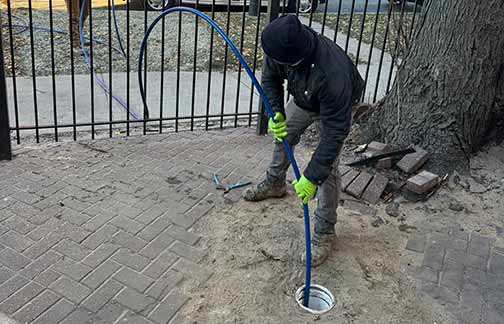
a professional plumber performing a hydro-jetting.

The frequency of hydro jetting depends on several factors, including the age of your plumbing system, the type of pipes you have, and the amount of usage your drains receive.

Schedule for Hydro Jetting

Based on the factors mentioned above, it is generally recommended to have your drains hydro jetted once every 1 to 2 years. This regular maintenance schedule can help prevent major clogs and maintain the efficiency of your plumbing system. However, it is important to note that some situations may require more frequent jetting. Here are a few scenarios where you may need to consider scheduling jetting sooner:

Recurring clogs

If you frequently experience clogs in your drains, even after attempting to clear them using conventional methods like sewer rodding service, it may be a sign that hydro jetting is needed. Recurring clogs could indicate a more significant blockage deeper within the pipes that requires the forceful cleaning power of hydro jetting.

Foul odors

If you notice foul odors coming from your drains, it could be a sign of organic matter or debris buildup. Hydro jetting can effectively remove these substances and eliminate the unpleasant odors associated with clogged drains.

Slow drainage

If you notice that water takes longer to drain from your sinks, showers, or tubs, it may indicate a partial blockage in the pipes. Regular jetting can help clear any obstructions and restore the normal flow of water.
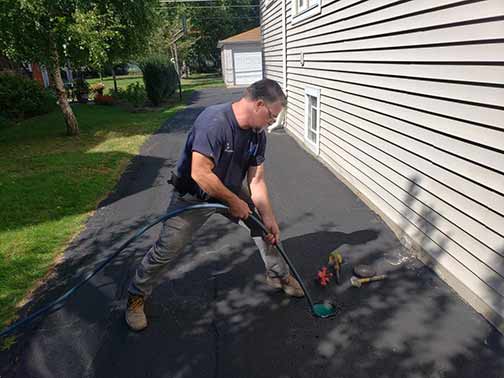
a professional hydro jetting service.

Hydro jetting effectively clears away any blockages and debris that restrict the flow of water in your plumbing system.

The Benefits of Regular Hydro Jetting

Now that we have discussed how often jetting should be performed, let’s explore the benefits it offers:

Efficient removal of blockages

Hydro jetting is an incredibly effective method for removing stubborn blockages. The high-pressure water jet can break apart clogs and flush away debris, ensuring your drains flow smoothly.

Prevention of future clogs

By regularly having your drains and sewer line jetted, you can proactively prevent future clogs from occurring. The powerful water jet not only removes existing build-ups but also clears away any potential obstructions, keeping your plumbing system running smoothly.

Extended lifespan of pipes

Regular maintenance, including hydro jetting, can help extend the lifespan of your pipes. By removing scale, debris, and corrosive substances, you can prevent damage and deterioration, saving you from expensive pipe repairs or replacements.

Improved water flow

Hydro jetting effectively clears away any blockages and debris that restrict the flow of water in your plumbing system. The result is improved water flow, allowing you to enjoy a satisfying shower or a fast-draining sink.

To Sum it Up

Hydro jetting is a valuable maintenance technique that keeps your drains and pipes in optimal condition. The frequency of jetting depends on various factors, including the age of your plumbing system, the type of pipes you have, and the amount of usage your drains receive. In general, it is recommended to perform a jetting once every 1 to 2 years, but certain situations may require more frequent cleaning. By scheduling regular hydro jetting, you can prevent major clogs, maintain efficient water flow, and extend the lifespan of your pipes. So, don’t wait until your drains become fully clogged – take proactive measures to keep your plumbing system running smoothly!
Buying a House in Chicago That Needs Sewer Line Repair

Buying a House in Chicago That Needs Sewer Line Repair

Purchasing a home can be an exciting and fulfilling experience, but it’s essential to be well-informed about potential issues that might arise. Here we will explore the steps involved in buying a house in Chicago with sewer line concerns, and provide you with valuable insights to ensure a smooth and successful purchase.

Understanding the Importance of Sewer Line Inspection

Before diving into the details of buying a house with sewer line repair needs, let’s first understand why sewer line inspection is crucial. The sewer system plays a vital role in the overall functioning of a home, carrying waste and wastewater away from the property. If there are issues with the sewer line, it can lead to significant problems such as blockages, leaks, or even a complete system failure.

By including a thorough sewer line camera inspection as part of the home buying process, you can identify any existing or potential issues and make an informed decision about the property.

The Home Inspection Process

When purchasing a house in Chicago, it is important to conduct a comprehensive home inspection. The home inspection typically covers various aspects of the property, including the structural components, electrical system, plumbing system, and more. However, the sewer line is a specific area that deserves extra attention.

During the home inspection, a qualified inspector will assess the condition of the sewer line. They may use advanced tools such as camera inspections to identify any blockages, cracks, or other issues within the sewer line. It’s important to hire a reputable and experienced inspector who specializes in sewer line assessments.

Assessing Repair Needs

If the inspection reveals that the house requires sewer line repair, don’t panic. Instead, consider it as an opportunity to negotiate the price and ensure that the necessary repairs are made before the sale is finalized. Here are some steps to follow:

Obtain Multiple Quotes

Reach out to professional plumbers that specialize in sewer line repair and request quotes for the required work. It’s a good idea to obtain multiple quotes to compare prices and services offered. This will help you negotiate a fair deal with the seller.

Speaking with Experts

Speaking with experts in the field is crucial when dealing with sewer line repairs. They can provide valuable insights into the extent of the damage and the estimated cost of repairs. Their expertise will help you make an informed decision.

Evaluate the Overall Cost

Consider not only the cost of the repair itself but also the potential impact on your budget and timeline. Assess whether the repair needs are minor or more extensive, as this will influence your negotiation strategy.

Negotiating with the Seller

Armed with multiple quotes and expert opinions, you can now negotiate with the seller. Use the information gathered to justify your requested price reduction and ensure that the necessary repairs are completed before the sale is finalized.

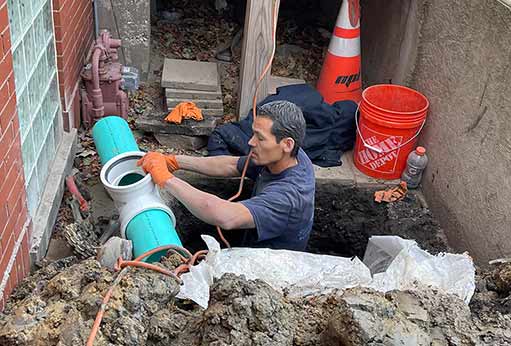
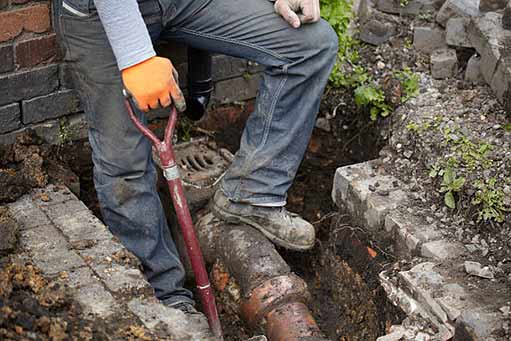
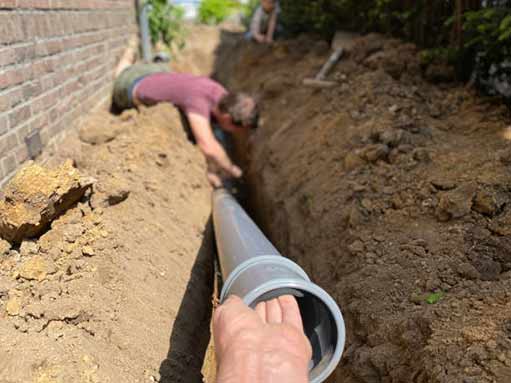
a professional plumber performing a sewer line repair in chicago.

Reach out to professional plumbers that specialize in sewer line repairs and request quotes for the required work.

Considerations for Financing

When buying a house that needs sewer line repair, it’s essential to consider the financial aspects. Here are a few factors to keep in mind:

Including Repair Costs in the Purchase Agreement

If the seller agrees to cover the cost of sewer line repairs, make sure to include this in the purchase agreement. This will protect you in case the repairs are not completed, or if any additional issues arise during the repair process.

Exploring Financing Options

If you are financing the purchase, inquire with your lender about the possibility of including repair costs in your mortgage. Some lenders offer renovation loans that can help finance both the purchase and necessary repairs.

Budgeting for Unexpected Costs

Even with a thorough inspection, there may be unforeseen issues that arise during the repair process. Budgeting for potential additional costs will ensure that you are prepared for any surprises that may come your way.

professional sewer line repair services in chicago.

By prioritizing a thorough sewer line camera inspection, assessing the repair needs, and working with qualified professionals, you can make an informed decision and ensure a smooth transaction.

Working with Qualified Professionals

When dealing with sewer line repair in the context of buying a house, it is essential to work with qualified professionals who specialize in this area. Here are a few points to consider:

Hire a Certified Home Inspector

Ensure that the home inspector you hire is certified and experienced in assessing sewer lines. They should use modern tools and techniques to provide accurate and detailed inspection reports.

Engage a Reputable Plumbing Company

When obtaining quotes for repair work, choose a reputable Chicago plumber with experience in sewer line repairs. Request references and check online reviews to ensure their reliability and quality of work.

Seek Advice from Real Estate Agents

Real estate agents are a valuable resource when navigating the home buying process. They can recommend trusted professionals who specialize in sewer line repairs and offer guidance throughout the negotiation and closing stages.

Buying a house in Chicago that needs sewer line repair may seem like a daunting task, but with the right approach and guidance, it can be a rewarding experience. By prioritizing a thorough sewer line camera inspection, assessing the repair needs, and working with qualified professionals, you can make an informed decision and ensure a smooth transaction. Remember, knowledge is power when it comes to buying a home, so take the time to educate yourself about sewer line repairs and don’t hesitate to seek expert advice.

Is the Chicago home you recently purchased or considering buying in need of a sewer line repair? Contact us below or call us at 773-599-9181!

The Average Cost of Repiping a Chicago Home

The Average Cost of Repiping a Chicago Home

When it comes to maintaining the plumbing in your Chicago home, there may come a time when repiping becomes necessary. Repiping involves replacing the old pipes in your home with new ones, ensuring that you have a reliable and efficient plumbing system. However, repiping can be a significant investment, and it’s essential to understand the average cost involved.

Understanding Repiping

Before delving into the average cost of repiping a Chicago home, it’s crucial to have a basic understanding of what repiping entails. Over time, pipes can deteriorate due to various factors, including age, corrosion, and mineral buildup. This deterioration can lead to leaks, decreased water pressure, and even water damage. Repiping involves replacing the existing pipes with new ones, ensuring a more reliable and efficient plumbing system for your home.

Factors Affecting Repiping Costs

The cost of repiping a Chicago home can vary depending on several factors. It’s essential to consider these factors when estimating the repiping expenses:

  • Size of the home: A larger home will typically require more materials and labor, resulting in a higher cost for repiping.
  • Type of materials: The type of pipes you choose for your repiping project will affect the overall cost. Options include copper, PEX, and PVC, each with its own advantages and price points.
  • Accessibility: If your existing pipes are difficult to access, it may increase the labor costs associated with repiping. Factors like the presence of drywall, flooring, or other obstacles can affect the overall cost.
  • Additional upgrades: During the repiping process, you may have the opportunity to consider additional upgrades, such as installing a water softener or upgrading fixtures. These upgrades can add to the overall cost.

Average Cost of Repiping

While the exact cost of repiping a Chicago home will vary depending on the factors mentioned above, it’s helpful to have a general idea of the average cost. On average, homeowners in Chicago can expect to spend between $5,000 and $10,000 for a complete repiping project.

Get Multiple Quotes

When considering repiping your home, it’s advisable to get multiple quotes from reputable plumbing companies in Chicago. This will give you a better understanding of the cost involved and allow you to compare the different options available to you. Keep in mind that the lowest quote may not always be the best choice, as quality should be prioritized to ensure a long-lasting repiping solution.

home repiping services cost in chicago.

Repiping is considered a significant home improvement project that can increase the value of your property.

Benefits of Repiping

While the cost of repiping may seem significant, there are several benefits to consider:

  • Improved water quality: Old pipes can contribute to water contamination issues. Repiping ensures cleaner, healthier water for you and your family.
  • Increased water pressure: Deteriorated pipes often lead to low water pressure. With new pipes, you can enjoy better water flow throughout your home.
  • Elimination of leaks: Repiping eliminates the risk of frequent leaks, reducing the chances of water damage and subsequent costly repairs.
  • Added value to your home: Repiping is considered a significant home improvement project that can increase the value of your property.

Choosing the Right Plumbing Company

When embarking on a repiping project, it is crucial to choose the right Chicago plumber to ensure a successful outcome. Consider the following factors when selecting a plumbing contractor:

  • Experience and expertise: Look for a plumber in Chicago with extensive experience in repiping projects. They should have a solid track record and a good reputation in the industry.
  • License and insurance: Ensure that the plumbing company you choose is licensed and insured. This protects both you and the contractor in case of any unforeseen incidents.
  • References and reviews: Ask for references from previous clients and read online reviews to get a sense of the plumbers quality of work and customer satisfaction.
  • Transparent pricing: A reputable plumber should provide you with a detailed and transparent breakdown of the costs involved in the repiping project.
  • Warranty: Inquire about any warranties offered by the company. A warranty gives you peace of mind knowing that you are protected in case of any issues with the repiping.

Repiping a Chicago home is a significant investment, but it is a worthwhile one considering the benefits and long-term value it provides. By understanding the average cost of repiping and considering the various factors that influence the price, you can make an informed decision and ensure a successful repiping project for your home.

Interested in having your home repiped in the greater Chicago area? Contact us at 773-599-9181 or by form below for a free estimate!

Need a Plumbing Inspection in Chicago? Trust Chicago Plumbing Experts Expertise

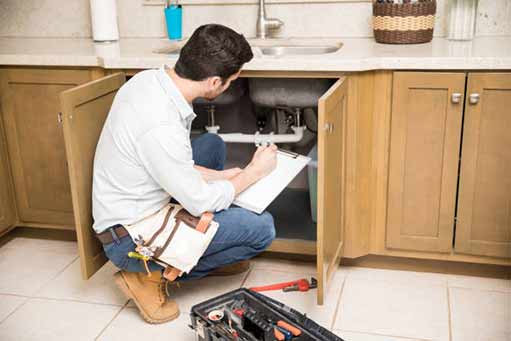
a plumbing performing a plumbing inspection in chicago.

Why You Should Trust Chicago Plumbing Experts for Your Plumbing Inspection

Are you in need of a plumbing inspection in Chicago? Look no further than Chicago Plumbing Experts. With our unparalleled expertise and commitment to customer satisfaction, we are the top choice for all your plumbing needs in the entire city.

Expertise You Can Rely On

When it comes to plumbing inspections, experience and knowledge are key. Chicago Plumbing Experts have been serving the Chicago area for over 25 years, earning a reputation for excellence along the way. Our team of Chicago plumbers has the expertise to thoroughly inspect your plumbing system, identifying any potential issues and providing effective solutions.

Whether you need a routine inspection or suspect a specific problem, Chicago Plumbing Experts will utilize our in-depth knowledge to ensure the job is done right. We stay up-to-date with the latest industry advancements and best practices, guaranteeing that your plumbing inspection will be thorough and accurate.

Comprehensive Inspections for Peace of Mind

When it comes to the integrity of your plumbing system, nothing is more important than a comprehensive inspection. Chicago Plumbing Experts understands this and goes above and beyond to provide detailed inspections that leave no stone unturned.

During your plumbing inspection, our skilled plumbers will assess all aspects of your plumbing system, including pipes, fixtures, drains, and water heaters. They will check for leaks, signs of corrosion, potential blockages in your sewer line, and any other issues that may affect the performance and safety of your plumbing system.

Chicago Plumbing Experts also understands the importance of clear communication. After completing the inspection, our plumbers will provide you with a detailed report, outlining any issues found and recommended solutions. They will take the time to answer any questions you may have and ensure you fully understand the state of your plumbing system.

Timely and Efficient Service

At Chicago Plumbing Experts, we understand that your time is valuable. That’s why we are committed to providing prompt and efficient service, ensuring minimal disruption to your daily routine.

When you schedule a plumbing inspection with Chicago Plumbing Experts, we will arrive at your property on time and fully equipped to perform the necessary inspections. Our plumbers work diligently to complete the inspection in a timely manner, without compromising on the quality of their work.

In the event that issues are discovered during the inspection, Chicago Plumbing Experts will work with you to develop a plan of action that suits your schedule and budget. We will prioritize any necessary repairs or maintenance, ensuring your plumbing system is functioning at its best as quickly as possible.

plumbing inspections in chicago.

If you’re in need of a plumbing inspection in the Chicago area, don’t settle for anything less than the best.

Customer Satisfaction is a Top Priority

Chicago Plumbing Experts prides ourselves on their commitment to customer satisfaction. We strive to exceed your expectations at every turn, delivering exceptional service and results.

From the moment you contact us to schedule your plumbing inspection until the completion of the job, you can expect friendly and professional service. The team at Chicago Plumbing Experts understands the importance of clear communication and will keep you informed throughout the entire process.

We also stand by the quality of our work. Chicago Plumbing Experts offers a satisfaction guarantee, ensuring that you are completely happy with the results of your plumbing inspection. If any issues arise after the inspection, we will promptly address them and make it right.

Contact Chicago Plumbing Experts Today

If you’re in need of a plumbing inspection in the Chicago area, don’t settle for anything less than the best. Trust the expertise of Chicago Plumbing Experts to provide a thorough and accurate inspection, along with exceptional customer service.

Contact Chicago Plumbing Experts today at 773-599-9181 or by form below to schedule your plumbing inspection and experience the difference their expertise can make.

Chicago’s Private Drain Program: A Smart Investment for Homeowners

private drain program in chicago.

Why Chicago’s Private Drain Program is a Smart Investment for Homeowners

Chicago Private Drain Program is one of the most important programs aimed at addressing the city’s old infrastructure and ensuring that effective management of stormwater is achieved. For homeowners, joining this program is not just about compliance but a very well-planned investment that promises significant returns. Through acquiring the mechanics and benefits of the Private Drain Program, homeowners can make informed decisions that enhance property value and contribute to the well-being of society at large. As metropolitan cities like Chicago continue to grow, robust infrastructure increasingly plays a vital role. The program is a preventive solution that keeps homes and neighborhoods safe from the adverse effects of poor drainage systems.

The Importance of a Functional Drainage System

Before we talk about the details of Chicago’s Private Drain Program, let us first understand why a well-working drainage system matters to homeowners. A drainage system is responsible for draining excessive water off your property, thereby averting any potential damage to your home foundation, basement, and landscaping. Without an effective drainage system, water may collect in your yard, causing soil erosion, mold, and even structural issues.

The city’s erratic weather conditions and periodic heavy rainfall make it especially prone to drainage issues. Homeowners, thus, have to ensure proper maintenance and upgrading of drainage systems to protect their investment as well as create a comfortable living space.

Understanding Chicago’s Private Drain Program’s Mechanics

The Private Drain Program in Chicago is designed to improve and keep in good condition private sewer lines connecting individual properties to the public sewer system. These lines, often neglected, play a very crucial role in preventing flooding and preserving the unimpeded flow of the city’s drainage system. The scheme enables homeowners to check and repair their own personal drains so that they are properly maintained and in the best possible condition. In this way, homeowners circumvent the risk of clogs and overflows that will result in extensive water damage. The process entails an in-depth assessment of the existing drainage system, identifying areas for repair and a plan for ongoing maintenance.

How Does the Program Work?

1. Evaluation: The first step in participating in the Private Drain Program is to have your drainage system evaluated by a professional engineer. This evaluation will help determine the condition of your drain and whether it requires repairs or upgrades.

2. Application: Once the evaluation is complete, you can submit an application to the City of Chicago’s Department of Water Management. The application will require information about your property, the current condition of your drain, and your contact details.

3. Funding: If your application is approved, the City of Chicago will provide financial assistance for the repair, upgrade, or replacement of your private drain. The amount of funding you receive will depend on various factors, such as the extent of the repairs needed and the availability of funds in the program.

4. Permitting and Construction: After securing the necessary funding, you will need to obtain any required permits and hire a licensed plumber in Chicago to perform the necessary repairs or upgrades. The City of Chicago will guide you through the permitting process and provide a list of approved contractors to choose from.

5. Repayment Options: While the Private Drain Program provides financial assistance, participants are required to repay a portion of the funding over a specified period. The repayment terms are designed to be affordable and flexible, taking into account the homeowner’s financial situation.

The Benefits of Participating

Participating in Chicago’s Private Drain Program offers several benefits:

1. Enhanced Property Value: By investing in your drainage system, you are enhancing the overall value of your property. Potential buyers are more likely to be attracted to a home with a well-maintained and functional drainage system, which can lead to a higher selling price.

2. Protection against Water Damage: A properly functioning drainage system protects your home from water-related damage. By addressing any drainage issues through the Private Drain Program, you can minimize the risk of basement flooding, foundation damage, and other costly repairs.

3. Contribution to Community: Participating in the Private Drain Program allows you to contribute to the long term well being of the community. By maintaining and improving drainage infrastructure, residents collectively create a resilient and sustainable environment.

4. Accessible Funding: The Private Drain Program provides accessible funding options that help homeowners overcome financial barriers to drainage system repairs and upgrades. The repayment terms are designed to be manageable, ensuring that homeowners can participate without undue burden.

Words of Encouragement

Investing in your home through Chicago’s Private Drain Program is not merely a financial decision; it is a commitment to the well being of your property and the community at large. By taking advantage of this program, you are proactively addressing potential drainage issues and ensuring the long-term value and livability of your home.

Whether you have recently experienced drainage problems or are simply looking to stay ahead of potential issues, the Private Drain Program offers a smart investment opportunity for homeowners in Chicago. Act now to protect your property and make a positive impact on your community. For more information and detailed application procedures, visit the City of Chicago’s Department of Water Management website.

To schedule your private drain inspection service in Chicago with us, please call us at 773-599-9181 and we can happily assist you.

Uncovering the Hidden Costs of a Leaking Outdoor Faucet on Your Summer Enjoyment

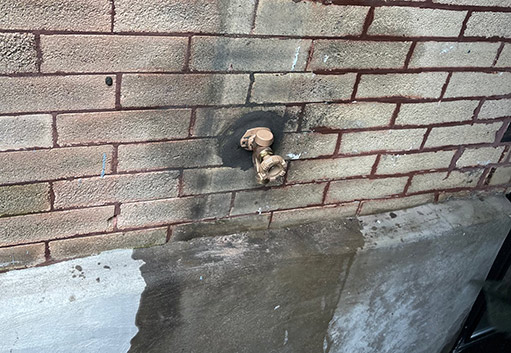
a leaking outdoor faucet that needs repair.

Summer is a time for relaxation and outdoor activities. Whether you enjoy gardening, hosting barbecues, or simply lounging in the sun, having a well-maintained outdoor space is essential for a pleasant summer experience. However, one often overlooked aspect of outdoor maintenance is the condition of your outdoor faucet. A leaking outdoor faucet may seem like a minor inconvenience, but it can actually have hidden costs that can impact your summer enjoyment. Here we will uncover these hidden costs and explore why it is essential to address a leaking outdoor faucet promptly.

The Importance of a Functioning Outdoor Faucet

Before we dive into the hidden costs of a leaking outdoor faucet, let us first understand why a functioning outdoor faucet is crucial. Many summer activities, such as watering plants, filling up kiddie pools, and washing outdoor furniture, rely on access to a water source. An outdoor faucet provides that convenience, allowing you to easily connect a hose or use a bucket to complete these tasks. Additionally, a well-maintained outdoor faucet ensures efficient water usage, preventing excess water waste. Therefore, it is vital to keep your outdoor faucet in proper working condition to fully enjoy your summer activities.

Hidden Costs of a Leaking Outdoor Faucet

Now that we recognize the significance of a functioning outdoor faucet, let us explore the hidden costs that can arise from a leaky faucet.

1. Increased Water Bills

A leaking outdoor faucet can lead to a significant increase in your water bills. Even a small drip can waste gallons of water over time. According to the Environmental Protection Agency (EPA), a single dripping faucet can waste up to 3,000 gallons of water per year. This wastage not only impacts the environment but also adds unnecessary expenses to your water bill. By promptly fixing a leaking outdoor faucet, you can avoid these additional costs and conserve water, promoting sustainability.

2. Damage to Landscaping

A leaking outdoor faucet can wreak havoc on your meticulously maintained landscaping. Constant exposure to water can result in overwatered plants, which may lead to root rot, mold growth, and disease. These issues can cause irreversible damage to your plants and flowers, ultimately diminishing the aesthetic appeal of your outdoor space. By rectifying a leaking outdoor faucet, you can protect your landscaping investment and ensure a vibrant and healthy garden.

3. Structural Damage

In addition to harming your landscaping, a leaking outdoor faucet can also cause structural damage to your home or other outdoor structures. Prolonged exposure to excess water can weaken the foundation of your house, leading to cracks and potential structural issues. Furthermore, water seeping into wood surfaces, such as decks or fences, can result in rotting, warping, or even collapse. Repairing these damages can be costly and time-consuming. Preventing a leaky outdoor faucet is a proactive measure to safeguard your property.

4. Mosquito Infestation

Stagnant water from a leaking outdoor faucet can create a breeding ground for mosquitoes. These pesky insects not only cause discomfort but also pose health risks by transmitting diseases such as West Nile virus and dengue fever. By promptly fixing a leaking outdoor faucet, you can eliminate stagnant water sources and reduce the likelihood of a mosquito infestation in your outdoor space.

5. Environmental Impact

Water is a precious resource, and wasting it has a detrimental impact on the environment. A leaking outdoor faucet contributes to water waste, putting a strain on local water supplies and ecosystems. By taking action to repair a leaky faucet, you are actively participating in water conservation efforts and promoting a sustainable future.

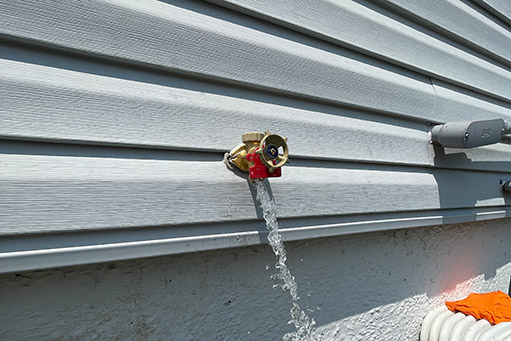
an outdoor faucet that has just been repaired.

By taking prompt action to fix a leaking outdoor faucet, you can avoid these hidden costs, conserve water, and ensure a delightful summer experience.

Taking Action to Fix a Leaking Outdoor Faucet

Now that we understand the hidden costs associated with a leaking outdoor faucet, it is crucial to take action and address the issue promptly. Here are some steps you can take to fix a leaky faucet:

1. Identify the Source of the Leak

Start by determining the exact location of the leak. Inspect the faucet, connections, and pipes for any visible signs of water leakage. Identifying the source will help you determine the appropriate repair method.

2. Tighten Loose Connections

In some cases, a loose connection may be the cause of the leak. Use an adjustable wrench to tighten any loose nuts or fittings. Be careful not to overtighten, as this can lead to further damage.

3. Replace Faulty Washers

Worn-out or damaged washers can often cause leaks. Turn off the water supply to the outdoor faucet and disassemble the faucet handle to access the washer. Replace any faulty washers with new ones to create a proper seal.

4. Call a Professional

If the leak persists or you are unsure about how to fix the issue, it is advisable to seek professional help from a local plumber. A plumber can assess the problem and provide expert guidance or repair services.

A leaking outdoor faucet may seem like a minor inconvenience, but the hidden costs associated with it can significantly impact your summer enjoyment. From increased water bills to damage to your landscaping and home, the consequences of neglecting a leaky faucet can be both financially and aesthetically burdensome. By taking prompt action to fix a leaking outdoor faucet, you can avoid these hidden costs, conserve water, and ensure a delightful summer experience. Remember, a small repair now can save you from more significant expenses and headaches in the future.

Common Mistakes to Avoid When Replacing a Water Heater

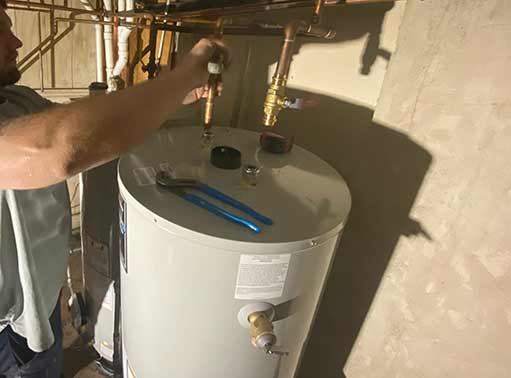
a man replacing a water heater in his home.

Are you about to replace the water heater in your home? Did you know this is the best time to solve all the hot water issues in your home? The steps you take when choosing a new water heater will make all the difference to your enjoyment of the new system.

Water heaters come with different functionalities. The existing models are always updated. Since the last time you bought a water heater, so much has changed about how water heaters work. It is vital to update yourself on these changes before buying a new water heater, advises www.residerentals.com.

In addition to changes in the design and function of water heaters, there may also be changes to your home’s hot water needs. Before buying a new system, you want to make a list of the shortcomings of the old one to ensure that your new water heater solves all the problems you had with the old one.

What are the common mistakes people make when buying a new water heater for their home? Below are some common errors you want to avoid when replacing your water heater. Follow the advice in this post if you want to get the most value out of your new water heater system.

8 common mistakes homeowners make when replacing their water heater

Buying the wrong size

This is the most common error homeowners make when replacing their water heater. Even if you think your home’s hot water needs have not changed since your last water heater installation, water heater systems have changed. It costs less to assess your home’s hot water needs than it will cost to fix the problem if you choose the wrong water heater.

Not considering energy-efficiency

Newer water heater systems use considerably less energy than older ones. Buying an energy-efficient water heater can result in huge cuts to your energy bill throughout the lifetime of the water heater. When shopping for an energy-efficient water heater, look for the Energy Star logo. These systems cost a little bit more, but you can recoup the difference in cost through cuts in utility spending.

The system is incompatible with existing plumbing

Even if you buy the best water heater available, its impact on your home’s hot water needs will be insignificant if there is a mismatch between your plumbing and the new system. Your plumbing can impose severe restrictions on the performance of a water heater. Before you choose a water heater, make sure it can work with the existing plumbing or plan to upgrade your plumbing.

Overlooking the system’s maintenance needs

It is a huge mistake to buy a water heater without first considering its maintenance requirements. Some water heater systems require a lot more work to maintain than others. Given that maintenance is a huge factor in the performance of a water heater,  make sure you can maintain it to the required level before you buy a water heater.

Building code violations

There are strict guidelines on how to install a water heater. These guidelines exist for you and your family’s safety and the protection of your home and belongings. Ignoring local codes and regulations when installing a water heater will create avoidable safety issues in your home. They can predispose the home to house fires and other emergencies.

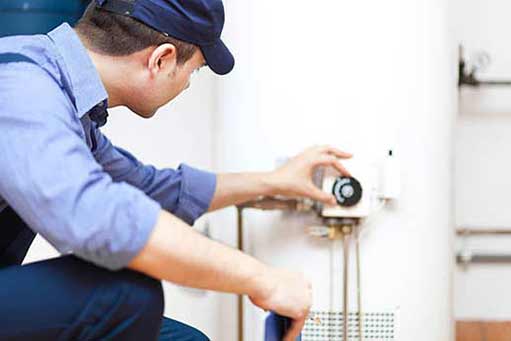
a plumber providing a professional water heater replacement.

Water heater installation is not one of those things you should DIY. Several variables can affect the performance of a water heater and the safety of the people living in the home.

Overlooking warranty options

Most new water heaters come with a warranty, but the terms of the warranties are often hidden in the fine print that homeowners don’t read. Before you buy a new water heater, ask questions about available warranties on parts and labor, and how long the warranty will last. Maintaining a water heater is not cheap, but a good warranty will help to reduce that cost.

Not using a professional installer

Water heater installation is not one of those things you should DIY. Several variables can affect the performance of a water heater and the safety of the people living in the home. A poorly installed water heater can cause massive damage to your home. The installation process also takes a lot of time and there are significant safety concerns.

Improper disposal of old system

Some regulations specify the proper way to dispose of a disused water heater. Water heaters contain components that can harm the environment. Improper disposal of an old water heater can cause the death of wildlife, damage to soil and pollution of groundwater. That is an additional reason to hire a professional to install your water heater.

To avoid these mistakes, it is best that you talk with a reputable plumber before you buy your new water heater. An experienced professional plumber can save you a lot of money and trouble when replacing the old water heater in your home.

Understanding Sewer Backflow Valves: How They Work and Why You Need Them

understanding sewer backflow valves.

A sewer backflow valve (also known as a backwater valve or sewer backup valve) is a valve you install in your sewer line to ensure that wastewater can only flow in one direction in the pipe. A sewer backflow valve keeps the contents of your sewer line from entering your home during a sewer backup.

In normal circumstances, the water inside your sewer line should flow from your home to the city sewer lines in the street. That is accomplished using the force of gravity. Sometimes, heavy rains can overwhelm the city sewer lines and cause sewage to push backwards into the sewer line and enter your home.

Sewer backflow valves are installed in the sewer line to prevent this costly plumbing emergency in your home, notes the Rockbridge Real Estate team. How does a sewer backflow valve work, how many types of backflow valves are there, and does your home need a sewer backflow valve? Find the answers to these questions in the details below.

How does a sewer backflow valve work?

In the simplest terms, a sewer backflow valve stops sewage from entering your home by opening when water is flowing away from the building and closing if water starts moving toward the house. The components of a sewer backflow valve and details of its operation are explained in the next section.

The sewer backflow valve contains a small flap that can close or open to stop or permit water flow. On the two sides of this flap are small flotation devices. The valve also serves the purpose of letting sewer gases vent. For easy access during maintenance and repair, the backflow valve is often installed inside a cleanout.

To protect your home, the flap stays in the down position when the flow of water inside the sewer line is normal. But if sewage starts to flow backwards, the floaters inside the valve raise the flap to close the channel and keep sewage from entering the home. When the situation returns to normal, gravity pulls the flap back down to reopen the sewer line.

Benefits of a sewer backflow valve

Prevent damage to your home

Significant damage can happen to your home and belongings if sewage ever backs up into the house. You never know when the conditions for a sewage backup will be fulfilled. That is why you should protect your home with a sewer backflow valve.

Save your money

A sewer backflow valve protects your finances by helping you avoid the high cost of fixing damage caused by sewer backup in your home. The cost of installing a sewer backflow valve is minor compared to the cost of fixing water damage to your home.

To keep your home up-to-code

Sewer backflow valves are required by the building codes for some areas. Installing the valve ensures that your home is safe from sewage backup and helps you avoid trouble with the authorities.

Types of sewer backflow valves

There are six types of sewer backflow valves:

Horizontal 4-inch Backwater Valve

This is used in horizontal drain lines and is the most common sewer backflow valve found in homes and small commercial buildings.

Vertical / 90-degree Backwater Valve

This sewer backflow valve is best for vertical piping in tight spaces within areas with a high risk of backflow.

Horizontal Backwater Valve & Manual Gate Valve Combination

This is a compact valve that is easier to install. Its main drawback is that it cannot be repaired.

Terminal Backwater Valve

This is installed at the discharge point of a horizontal sewer line in situations where you do not need to control sewage flow.

Floor Drain and Backwater Valve Combination

As its name implies, this type of backflow valve is installed in a floor drain, usually within the basement.

Open Backwater Valve

This is used in lines with a low risk of backflow but where the sewage flow is constant.

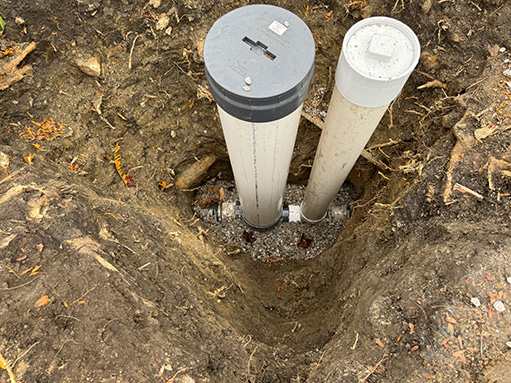
a sewer backflow valve installation.

If your home has plumbing fixtures where the drain is at a lower level than the public sewer line, you need a sewer backflow valve.

Does your home need a sewer backflow valve?

If any of the following applies to your home, you need a sewer backflow valve:

  • If your area is prone to flooding, your home needs a sewer backflow valve in its main sewer line.
  • If your home has plumbing fixtures where the drain is at a lower level than the public sewer line, you need a sewer backflow valve.
  • You need a sewer backflow valve if your ground floor is not more than 30 cm above the street level.
  • If you have had previous cases of sewage backup in your home, you need a sewer backflow valve.

To conclude, note that you will need to get a permit before installing a sewer backflow valve in your home. Installing a sewer backflow valve is not a DIY project. Before hiring a plumber to install a sewer backflow valve in your home, ensure they are experienced and understand the unique plumbing issues of homes in your area.

Commercial Plumbing Maintenance For Hospitals And Healthcare Facilities in Chicago

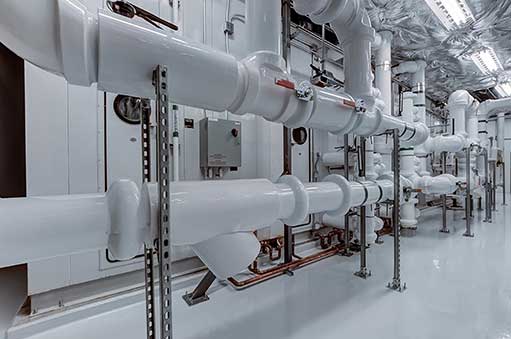
A look at the systems that require commercial plumbing maintenance for hospitals.

If you want to take care of commercial plumbing maintenance for hospitals and healthcare facilities in Chicago, you need the right know-how! So, let’s explore the unique challenges and strategies involved in ensuring the smooth operation of such facilities. From preventive maintenance to emergency preparedness, we’ll cover all aspects of maintenance required to safeguard patient care and facility operations!

Understanding the unique plumbing needs of hospitals

Understanding hospitals’ unique plumbing needs is necessary to ensure efficient operations and patient safety. 

Hospitals have a high demand for water usage due to numerous patient care activities, such as surgeries, cleaning, and sanitation. In addition, specialized equipment like medical gas systems and sterilizers require precise plumbing connections to function properly. So, to take care of your plumbing in hospitals, you must recognize these specific needs and address them accordingly. 

By understanding the intricacies of hospital systems, facility managers can develop tailored maintenance plans to prevent costly emergencies and ensure uninterrupted healthcare services!

Importance of preventive maintenance

When tackling commercial plumbing maintenance for hospitals, you need to understand the need for preventive maintenance. After all, hospitals must avoid costly emergencies and downtime!

By conducting regular inspections and addressing minor issues promptly, you can prevent larger problems from arising. This proactive approach both saves money and ensures uninterrupted patient care. 

Of course, implementing a preventive maintenance program tailored to your hospital’s specific needs can more effectively take care of things. Likewise, it enhances the longevity of your systems and equipment, reducing the need for repairs or replacements. 

Common plumbing issues in healthcare facilities

Even common commercial plumbing problems in hospitals can seriously disrupt operations and compromise patient care. 

Issues like clogged drains, leaky faucets, and malfunctioning medical equipment connections are prevalent. These problems inconvenience staff and pose health risks to patients if left unaddressed. 

After all, clogged drains can lead to water backups and potential contamination, while leaky faucets waste water and increase costs. Malfunctioning medical equipment connections can also compromise patient treatments and safety! 

As such, managers must address these issues promptly to maintain a safe and hygienic environment. 

Compliance with regulations and standards

Compliance with regulations and standards is extremely important in ensuring the safety and well-being of patients. 

Both local and federal regulations govern plumbing systems in these settings, with specific codes and standards unique to Chicago. Facility managers must, therefore, stay informed and ensure their systems meet these requirements to avoid legal consequences and maintain accreditation. 

Thankfully, adhering to regulations protects patients and promotes public trust in a hospital’s ability to provide quality care!

Developing a comprehensive plumbing maintenance plan

Developing a comprehensive plumbing maintenance plan is necessary for healthcare facilities in Chicago. 

This plan should include regular inspections, scheduled tasks, and emergency response protocols. Facility managers must assess the specific needs of their facility, considering factors such as the age of the infrastructure, usage patterns, and regulatory requirements.

By identifying potential issues proactively and addressing them before they escalate, healthcare facilities can prevent costly emergencies and minimize disruptions to patient care. Similarly, incorporating technology such as predictive sensors and remote monitoring systems can enhance the efficiency of such planning. 

Prioritizing water conservation

Prioritizing water conservation is a great idea for healthcare facilities in Chicago to minimize their environmental impact and reduce operating costs. 

Facilities can significantly decrease water usage without compromising patient care by implementing water-saving fixtures and technologies, such as low-flow faucets and toilets. In addition, staff education initiatives can raise awareness about the importance of water conservation and encourage behavior changes to reduce waste. 

Incorporating water-efficient practices into daily operations, such as monitoring for leaks, can further contribute to conservation efforts. Lastly, partnering with eco-friendly plumbing service providers can offer expertise in implementing sustainable solutions tailored to your facility’s needs. 

Utilizing technology for efficient maintenance

Utilizing technology for efficient maintenance is a great approach for healthcare facilities in Chicago. 

With the advent of innovative solutions like predictive maintenance sensors and remote monitoring systems, facility managers can detect potential issues before they escalate into costly emergencies. 

These technologies enable real-time monitoring of systems, providing insights into performance metrics and identifying anomalies that require attention. By leveraging data-driven insights, facilities can optimize maintenance schedules and allocate resources more effectively!

Notably, smart plumbing solutions also offer remote access capabilities, allowing maintenance teams to troubleshoot and address issues promptly, even from off-site locations. 

Training and education for staff

Training and education for staff play a big role in maintaining the plumbing systems of healthcare facilities in Chicago. 

By providing comprehensive training sessions, managers can empower staff to recognize early signs of issues and perform basic maintenance tasks. These sessions can cover leak detection, proper water usage practices, and emergency response protocols. 

Furthermore, ongoing education ensures that staff stay updated on the latest plumbing technologies and regulations, enabling them to adapt to changing needs and requirements. 

Partnering with professional services

Partnering with professional plumbing services is more than helpful for hospitals to ensure the reliability and efficiency of their plumbing. 

Experienced plumbing services specialize in commercial settings, understanding the unique needs and regulations governing healthcare facilities. By entrusting maintenance and repairs to these professionals, facility managers can rest assured that issues will be addressed promptly and effectively. 

Likewise, having moving professionals you can rely on is useful. Golans Moving and Storage Chicago, a well-known moving company, can offer quick and efficient packing and moving services to prevent damage to your equipment in case of major plumbing issues. In addition, they can even hold your equipment in storage until your plumbing problem is resolved.

Emergency preparedness and response

Emergency preparedness and response are important aspects of maintaining the functionality and safety of plumbing systems. 

Facility managers must have robust emergency plans outlining procedures for addressing plumbing crises promptly and efficiently. That includes establishing communication protocols, identifying emergency contacts, and training staff on emergency response procedures. 

Likewise, hiring an emergency plumber is necessary to ensure expert help is readily available in emergencies such as leaks, burst pipes, or sewer backups. These professionals have the expertise and equipment to assess and resolve issues quickly, minimizing the impact on patient care. 

Additionally, facility managers should regularly review and update their emergency plans to address any changes in infrastructure or regulations!

Pursuing commercial plumbing maintenance for hospitals

Prioritizing commercial plumbing maintenance for hospitals and healthcare facilities in Chicago is necessary for ensuring uninterrupted patient care and regulatory compliance. Hospitals can mitigate risks and optimize efficiency by implementing preventive maintenance plans, leveraging technology, and partnering with professional service providers. Moreover, with a proactive approach to maintenance, hospitals can uphold the highest standards of safety and reliability, ultimately enhancing the well-being of patients and staff alike!

How Much Does it Cost for Professional Leak Detection in Chicago?

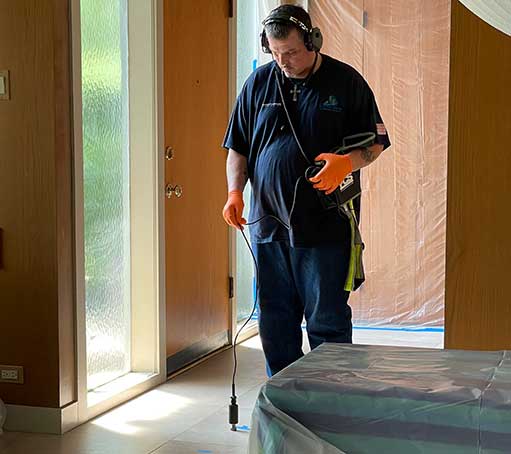
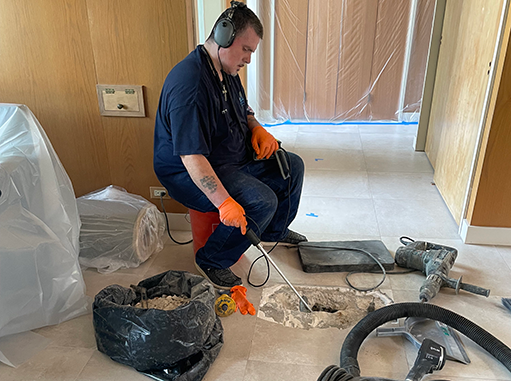
professional leak detection service in chicago.

Understanding the Cost of Professional Leak Detection in Chicago

When it comes to dealing with leaks in your home or business premises, time is of the essence. Ignoring the issue can lead to significant damage and expensive repairs down the line. Therefore, it is crucial to enlist the help of professionals who can quickly and accurately detect and fix leaks. In this article, we will explore the cost of professional leak detection services in Chicago, ensuring that you are well-informed before making any decisions.

The Importance of Professional Leak Detection

Leak detection is a specialized field that requires expert knowledge and advanced equipment. While some leaks may be visible and easy to identify, others can be hidden behind walls, underground, or within the complex plumbing systems of your property. Attempting to detect and fix these leaks yourself can result in more damage and potentially higher costs in the long run.

By hiring professional leak detection services, you benefit from the expertise of trained professionals who have experience in diagnosing and resolving diverse leak issues. These experts utilize state-of-the-art technology and techniques to locate leaks accurately and minimize the disruption to your property.

Factors Influencing the Cost of Leak Detection

The cost of professional leak detection can vary depending on several factors. It is essential to understand these factors to have a clearer idea of what to expect when seeking these services in Chicago.

1. Size and Complexity of the Property

One of the primary factors influencing the cost of leak detection is the size and complexity of the property. Larger properties or those with intricate plumbing systems may require more time, effort, and resources to locate and resolve leaks. As a result, the cost may be higher for such properties.

2. Type of Leak Detection Technology Used

Professional leak detection companies employ various technologies to identify leaks accurately. These may include infrared thermography, acoustic listening devices, and helium testing, among others. The type of technology used can impact the cost of the service, as more advanced methods may require higher upfront investments by the service provider.

3. Accessibility of the Leak

The accessibility of the leak also plays a role in determining the cost. If the leak is easily accessible and visible, it may be easier and quicker to detect and fix. However, leaks hidden behind walls, underground, or in remote areas can be more challenging to locate and repair, potentially increasing the overall cost.

4. Urgency of the Service

In certain situations, such as emergencies or severe leaks causing significant damage, immediate leak detection becomes crucial. Emergency leak detection services may come with additional charges due to the urgency involved and the need for prompt action to mitigate further damage.

5. Reputation and Expertise of the Service Provider

The reputation and expertise of the leak detection service provider also factor into the overall cost. Well-established companies with a proven track record of excellent service and customer satisfaction may charge higher fees for their expertise and experience. While opting for a cheaper alternative may seem tempting, it is essential to prioritize quality and reliability when it comes to addressing leaks in your property.

a plumber performing a leak detection in chicago.

While opting for a cheaper alternative may seem tempting, it is essential to prioritize quality and reliability when it comes to addressing leaks in your property.

Average Cost Range for Professional Leak Detection in Chicago

While the cost of leak detection services can vary, the following ranges can provide a general idea of what to expect in terms of pricing:

1. Residential Properties:

  • Small or straightforward properties: $200 – $500
  • Medium-sized properties: $500 – $1,000
  • Larger or complex properties: $1,000 – $2,000+

2. Commercial Properties:

  • Small businesses or offices: $500 – $1,000
  • Medium-sized commercial buildings: $1,000 – $5,000
  • Larger or industrial properties: $5,000 – $10,000+

Please note that these are average cost ranges, and the final cost may vary depending on the aforementioned factors specific to your situation. It is always recommended to obtain multiple quotes from reputable leak detection service providers in Chicago to ensure that you are getting the best value for your investment.

Choosing the Right Leak Detection Service Provider

Selecting the right leak detection service provider is crucial to ensuring a successful and efficient resolution of your leak issues. Consider the following factors when making your decision:

1. Experience and Expertise

Look for companies with extensive experience in the leak detection industry. A company that has been in business for a longer time is likely to have dealt with a wide range of leak scenarios and possess the necessary expertise to handle your specific needs.

2. Reputation and Reviews

Check online reviews and testimonials from previous customers to gauge the reputation of the leak detection service provider. Positive feedback and high ratings are good indicators of the company’s commitment to quality and customer satisfaction.

3. Licensing and Insurance

Ensure that the leak detection service provider is licensed and insured. This protects both you and the service provider in case of any unforeseen incidents or damages that may occur during the leak detection process.

4. Competitive Pricing

While cost should not be the sole determining factor, it is essential to find a leak detection service provider who offers competitive pricing without compromising on quality. Obtain detailed quotes from multiple companies to compare their offerings and make an informed decision.

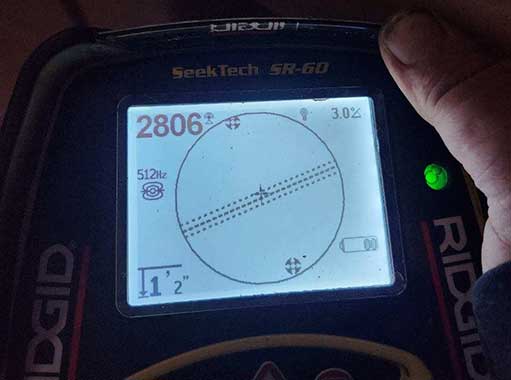
professional leak detection equipment.

Remember, when it comes to leaks, timely action is critical, so do not hesitate to seek professional assistance when needed.

Preventing Leaks and Minimizing Costs

While professional leak detection services are essential for efficiently resolving leaks, there are steps you can take to prevent leaks and minimize associated costs in the future:

1. Regular Maintenance

Implement a regular maintenance schedule for your plumbing system to catch potential issues before they escalate into significant leaks. Inspect pipes, faucets, and appliances periodically and address any signs of wear or damage promptly.

2. Drainage and Gutters

Ensure proper drainage and clean gutters to divert water away from your property effectively. Improper drainage can lead to water pooling and seeping into your building’s foundation, leading to leaks and water damage.

3. Weatherproofing

Seal any gaps or cracks in your property’s exterior walls, windows, and doors to prevent water intrusion during heavy rains or storms. Proper weatherproofing can significantly reduce the risk of leaks and subsequent water damage.

4. Insulation

Properly insulate exposed pipes to prevent freezing during colder months, which can lead to burst pipe emergencies and leaks. Insulation not only helps protect against leaks but also improves energy efficiency in your property.

Professional leak detection services in Chicago are an investment that can save you significant time, money, and stress in the long run. By understanding the factors influencing the cost of these services and selecting the right service provider, you can efficiently address leaks and protect your property from further damage. Additionally, taking preventative measures to minimize the risk of leaks can help you avoid future costly repairs. Remember, when it comes to leaks, timely action is critical, so do not hesitate to seek professional assistance when needed.

Are you in need of professional leak detection services in the Chicagoland area? Contact us at 773-599-9181 or by form below: