Author Archives: Chicago Plumbing Experts

The Hidden Dangers of Clogged Drains: How They Could Be Causing Unpleasant Odors in Your Home

The Hidden Dangers of Clogged Drains

When it comes to maintaining a clean and hygienic home, most of us focus on visible surfaces such as countertops, floors, and furniture. However, there is one essential aspect that often goes unnoticed but can have a significant impact on the overall cleanliness of your home: the drains. Clogged drains not only cause inconvenience in terms of slow water drainage but can also lead to unpleasant odors permeating throughout your living space. Below we will explore the hidden dangers of clogged drains and how they could be causing these bothersome odors in your home.

The Effect of Clogged Drains on Your Home

Many homeowners underestimate the potential problems that can arise from clogged drains. From the kitchen sink to the bathroom shower, every drain in your home plays a crucial role in keeping things flowing smoothly. When a drain becomes clogged, the consequences can be far-reaching and affect various areas of your home.

  • Slow Drainage: One of the most obvious signs of a clogged drain is slow water drainage. Whether it’s the kitchen sink, bathroom sink, or shower, if you notice water taking longer to drain than usual, it could be an indication of a clog. As the clog worsens, the drainage problem will become more apparent, causing inconvenience and frustration.
  • Unpleasant Odors: Clogged drains are a breeding ground for bacteria and other microorganisms that thrive in the damp and dark environment. These microbes break down the accumulated organic matter, producing foul-smelling gases that can quickly fill your home. If you notice unpleasant odors emanating from your drains, it is a clear sign that there is a clog that needs to be addressed.
  • Water Backups: When a drain is severely clogged, water can begin to back up into your sinks, tubs, and toilets. This backup can be extremely messy and unsanitary, leading to potential water damage and health hazards. It is essential to address clogged drains promptly to prevent water backups and the subsequent damage they can cause.
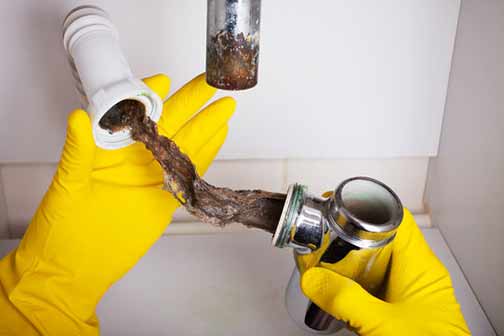
a person with a drain clog.

It is essential to address clogged drains promptly to prevent water backups and the subsequent damage they can cause.

The Link Between Clogged Drains and Odors

Now that we understand the potential problems that clogged drains can cause let’s take a closer look at the connection between clogged drains and unpleasant odors in your home. When organic matter such as food particles, soap residue, and hair accumulate in your drains, they become trapped and start to decompose. As the decomposition process occurs, foul-smelling gases like hydrogen sulfide are released.

Hydrogen sulfide is a colorless gas that has a distinct rotten egg smell. If you detect a similar odor in your home, it is likely a result of clogged drains. The longer the clog remains untreated, the worse the odor will become. Ignoring the issue will not make it go away; in fact, it will only exacerbate the problem and make your living space increasingly unpleasant.

In addition to hydrogen sulfide, clogged drains can also produce other harmful gases such as methane. Methane is a highly flammable gas that poses a significant risk to your home’s safety. It is crucial to address clogged drains promptly to prevent the accumulation of these hazardous gases.

Preventing Clogged Drains

The best approach to dealing with clogged drains is prevention. By following a few simple tips, you can minimize the likelihood of experiencing drainage issues and unpleasant odors in your home.

  • Use Drain Screens: One of the most effective ways to prevent clogs is by installing drain screens in all your sinks and tubs. These screens catch hair, food particles, and other debris, preventing them from entering the drain and causing obstructions.
  • Dispose of Grease Properly: Pouring cooking grease down the drain is a common mistake that many homeowners make. Grease solidifies and can accumulate in your pipes, leading to stubborn clogs. Instead, allow grease to solidify and dispose of it in the trash.
  • Avoid Dumping Food Scraps: Food scraps should never be disposed of in the sink. Even small particles can accumulate over time and create blockages. Use a compost bin or garbage disposal for food waste.
  • Clean Drains Regularly: Regularly cleaning your drains can help prevent the build-up of residue and debris. You can use a homemade solution of vinegar and baking soda or a drain cleaning product recommended by professionals.
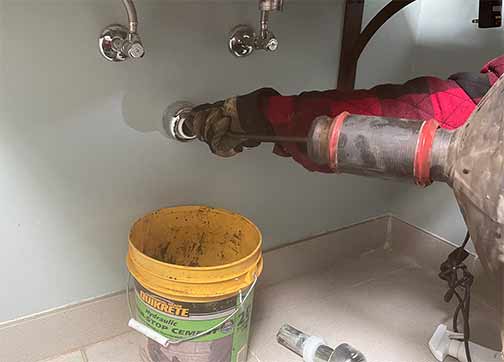
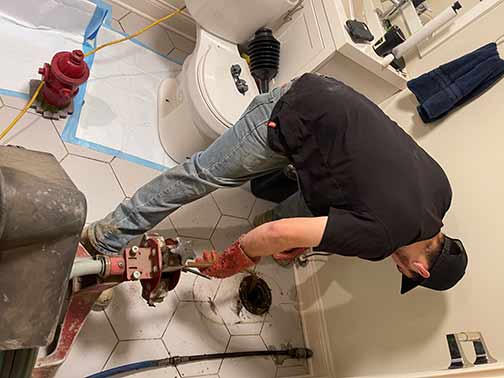
a drain cleaning plumber unclogging a drain.

A professional plumber has the expertise and equipment to clear even the most stubborn clogs.

Addressing Clogged Drains

If you already have a clogged drain causing unpleasant odors in your home, it is crucial to address the issue promptly. While there are various do-it-yourself methods available, it is advisable to seek professional help to ensure a thorough and lasting solution.

  • Professional Drain Cleaning: A professional plumber has the expertise and equipment to clear even the most stubborn clogs. They will use specialized tools such as sewer rodding machines or hydro jetting to remove the obstruction and restore proper drainage.
  • Plumbing Inspection: In some cases, clogged drains may be a symptom of a more significant plumbing issue. A professional plumber can conduct a thorough inspection of your plumbing system to identify any underlying problems that need to be addressed.
  • Drain Maintenance: Once the clog has been cleared, it is essential to establish a regular drain cleaning service routine to prevent future issues. A plumber can provide guidance on the best practices for keeping your drains clean and free-flowing.

The Importance of Professional Help

While there are numerous do-it-yourself methods available for clearing clogged drains, seeking professional help is often the best course of action. Professional plumbers have the knowledge, experience, and specialized tools to effectively address clogged drains and prevent further complications.

Attempting to tackle the problem yourself may provide temporary relief but could result in the issue resurfacing. Moreover, without proper expertise, you may unintentionally cause damage to your pipes or exacerbate the clog, leading to more significant problems and costly repairs in the future.

By investing in professional help, you can have peace of mind knowing that the clog will be effectively addressed, and measures will be taken to prevent future occurrences.

In Summary

Clogged drains can have hidden dangers that extend beyond inconvenience and slow drainage. The unpleasant odors they cause can permeate throughout your home and negatively impact your living environment. Understanding the link between clogged drains and odors is essential in addressing the issue promptly and seeking professional assistance when needed.

By following preventive measures and establishing regular drain maintenance routines, you can minimize the chances of experiencing clogged drains and the associated unpleasant odors. Remember, professional help is always available to provide thorough and lasting solutions to your clogged drain woes.

Don’t ignore the warning signs of clogged drains! Act quickly and take the necessary steps to ensure a clean, odor-free home for you and your family.
Proactive Measures to Protect Your Sewer Line in Chicago

Proactive Measures to Protect Your Sewer Line in Chicago

If you are a homeowner, business owner, or property manager, it is important to take steps to safeguard your sewer line from potential damage. Below we will discuss some practical and effective strategies that can help prevent costly sewer line issues, such as backups and blockages. By implementing these proactive measures, you can ensure the longevity and functionality of your sewer system.

Understanding the Importance of Sewer Line Maintenance

Before delving into specific proactive measures, let’s first understand why sewer line maintenance is crucial. Your sewer line plays a vital role in transporting wastewater from your property to the main sewer system. If it becomes damaged or clogged, it can lead to a host of problems, including foul odors, sewage backups, and potential health hazards.

Moreover, sewer line repairs can be extremely expensive and disruptive. By taking preventive action, you can avoid the inconvenience and financial burden associated with sewer line issues. Additionally, maintaining a well functioning sewer system contributes to the overall health and cleanliness of your community.

Inspection and Regular Maintenance

One of the most proactive measures you can take to protect your sewer line is to schedule regular inspections and maintenance. By identifying potential issues early on, you can address them before they escalate into major problems. Consider contacting a professional plumber in Chicago that specializes in sewer line camera inspection and maintenance.

During an inspection, an experienced plumber will use advanced techniques, such as sewer video camera inspections, to evaluate the condition of your sewer line. They will be able to identify any cracks, leaks, tree root intrusions, or blockages that may be compromising the integrity of your sewer system. Based on the findings, the plumber can recommend appropriate maintenance and repairs.

Be Mindful of What You Flush

Being mindful of what you flush down your drains can significantly reduce the risk of sewer line blockages and backups. It is essential to understand that toilets and drains are not designed to handle certain substances and objects. Here are some items that should never be flushed:

  • Diapers
  • Cotton balls and swabs
  • Grease, oil, and fat
  • Sanitary products
  • Cigarette butts
  • Medication

These items can accumulate in your sewer line, leading to blockages and potential damage. Proper disposal is key to avoiding these issues.

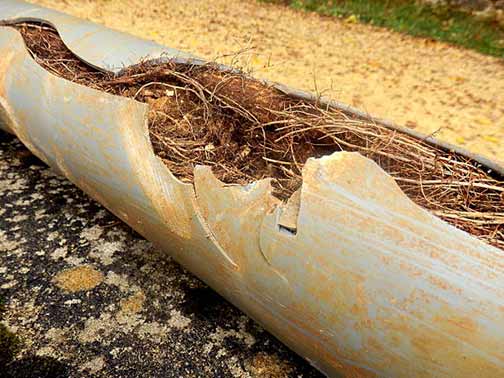
tree roots that have grown into a sewer line in chicago.

As trees grow, their roots can extend underground and infiltrate your sewer line, causing blockages and structural damage.

Tree Root Management

In Chicago, tree roots pose a significant threat to sewer lines. As trees grow, their roots can extend underground and infiltrate your sewer line, causing blockages and structural damage. To proactively manage tree roots, consider the following measures:

  • Plant trees a safe distance away from your sewer line.
  • Regularly inspect your sewer line for signs of root intrusion.
  • Use root barriers to prevent roots from reaching your sewer line.
  • Consider removing trees that are in close proximity to your sewer line.

By implementing these proactive tree root management strategies, you can minimize the risk of sewer line damage.

Proper Grease Disposal

Improper disposal of grease, oil, and fat can wreak havoc on your sewer line. When these substances are poured down the drain, they can solidify and create blockages over time. To prevent grease-related sewer line issues, adhere to the following guidelines:

  • Allow grease to cool and solidify before disposing of it in the trash.
  • Use a paper towel to wipe excess grease from cookware before washing.
  • Collect used cooking oil in a container and dispose of it at a designated recycling facility.
  • Avoid using garbage disposals for disposing of large amounts of grease.

By following these simple practices, you can protect your sewer line from grease-related problems.

Invest in Sewer Line Backup Prevention

Sewer line backups can occur due to various reasons, including heavy rainfall, aging infrastructure, and blockages. Investing in sewer line backup prevention systems can provide an extra layer of protection for your property. Consider the following options:

  • Backflow valves: Backflow valves are installed to prevent sewage from flowing back into your property during heavy rainfall or sewer system overload.
  • Sump pumps: Installed in the basement or crawl space, sump pumps help remove excess water and prevent flooding during sewer line backups.
  • Alarm systems: Sewer line alarm systems can alert you when there is a rise in sewage levels, allowing you to take immediate action.

Speak with a professional plumber in Chicago to determine the most suitable backup prevention system for your specific needs.

Protecting your sewer line through proactive measures is essential for every Chicago property owner. By scheduling regular inspections, being mindful of what you flush, managing tree roots, properly disposing of grease, and investing in backup prevention systems, you can significantly reduce the risk of sewer line issues.

Remember that prevention is always better than dealing with expensive repairs and inconvenient backups. Take control of your sewer line’s health, and contribute to a cleaner and healthier Chicago community.

Who Pays the Plumber When You Rent an Apartment in Chicago

Who Pays the Plumber When You Rent an Apartment in Chicago

The Responsibilities of the Tenant and Landlord when it comes to Plumbing Issues in Chicago Apartments

Living in a rented apartment in Chicago comes with its own set of responsibilities and questions. One such question that often arises is, “Who pays the plumber when there’s a plumbing issue in my rented apartment?” It’s important to understand the division of responsibilities between the tenant and the landlord when it comes to plumbing problems. Here we will get into the details and provide you with a clearer understanding of who bears the cost of plumbing repairs in the windy city.

Tenant’s Responsibilities

As a tenant, it’s crucial to understand your obligations when it comes to plumbing issues in your rented apartment. While the specifics may vary depending on the terms of your lease agreement, there are certain responsibilities that generally fall on the tenant’s shoulders.

Reporting the Plumbing Issue

When you encounter a plumbing problem, such as a leaking toilet or a clogged drain, it’s your responsibility as a tenant to promptly report the issue to your landlord or property management company in Chicago. Failure to report the problem in a timely manner might not only cause further damage but could also lead to disputes regarding liability for the repair costs.

Exercising Reasonable Care

Tenants are expected to exercise reasonable care when using the plumbing fixtures and systems in their rented apartments. This means taking measures to prevent any damage that may result from negligence or misuse. For example, you should avoid disposing of non-biodegradable items in the toilet or pouring grease and oil down the sink, as these actions can lead to clogs and other plumbing issues.

Minor Maintenance Tasks

While major plumbing repairs are typically the responsibility of the landlord, tenants are generally expected to take care of minor maintenance tasks. This includes tasks like replacing washers or gaskets in faucets, unclogging simple drain blockages, and cleaning showerheads. These minor repairs can often be handled without the need for professional assistance.

renters in chicago going over terms.

If a tenant reports a plumbing issue, the landlord is typically responsible for arranging and paying for the necessary repairs within a reasonable timeframe.

Landlord’s Responsibilities

Landlords in Chicago have specific legal obligations when it comes to maintaining the habitability of their rental properties, including the plumbing systems. Understanding the landlord’s responsibilities regarding plumbing issues is essential for tenants to know their rights.

Providing Habitable Conditions

Under the Chicago Residential Landlord and Tenant Ordinance, landlords are required to maintain the premises in a habitable and safe condition. This means ensuring that the plumbing systems in the rented apartments are in good working order and free from leaks, blockages, and other defects that may affect the tenant’s enjoyment of the property.

Timely Repairs

If a tenant reports a plumbing issue, the landlord is typically responsible for arranging and paying for the necessary repairs within a reasonable timeframe. The Chicago Residential Landlord and Tenant Ordinance define a reasonable timeframe as 14 days, although emergency repairs should be addressed promptly.

Engaging Licensed Professionals

When hiring a plumber in Chicago to resolve a plumbing issue in a rented apartment, the landlord is responsible for engaging licensed professionals who are qualified to perform the necessary repairs. This ensures that the repairs are done correctly and comply with the applicable plumbing codes and regulations.

Costs vs. Deductible Expenses

While the landlord is generally responsible for the repair costs associated with plumbing issues, tenants should be aware that certain expenses may be classified as deductible expenses. Deductible expenses are those caused by the tenant’s negligence or misuse of the plumbing systems. In such cases, the tenant may be required to cover a portion or all of the repair costs.

Resolving Disputes

Despite the clear division of responsibilities between tenants and landlords, disputes can still arise when it comes to determining who pays for plumbing repairs in a rented apartment. In these situations, it’s advisable to first try to resolve the issue through open and honest communication.

If the issue remains unresolved, tenants can seek assistance from the Chicago Tenant Rights Hotline or consult with an attorney specializing in landlord-tenant disputes. It’s important to familiarize yourself with the local laws and regulations that govern tenant-landlord relationships in Chicago to ensure your rights are protected.

To Sum it Up

When it comes to plumbing issues in rented apartments in Chicago, both the tenant and the landlord have specific responsibilities. As a tenant, it’s your duty to promptly report any plumbing issues, exercise reasonable care, and take care of minor maintenance tasks. On the other hand, landlords are obligated to maintain habitable conditions, arrange timely repairs, and engage licensed professionals when necessary. By understanding these responsibilities, tenants and landlords can navigate plumbing issues with confidence and ensure a smooth and satisfactory resolution.

Emergency Drain Cleaning in Chicago: Fast Solutions for Your Home or Business

Emergency Drain Cleaning in Chicago

When it comes to plumbing emergencies, few things are more frustrating than a clogged drain. Whether it’s a backed-up sink in your kitchen or a blocked toilet in your bathroom, these issues can disrupt your daily routine and cause significant inconvenience. That’s why it’s crucial to have access to reliable and efficient drain cleaning services, especially in a bustling city like Chicago. Below we will explore the importance of emergency drain cleaning and highlight some fast solutions for both residential and commercial properties.

The Significance of Emergency Drain Cleaning

Drains are an integral part of any plumbing system, responsible for safely removing wastewater from your home or business. Over time, however, various substances can accumulate in your drains, including grease, hair, food particles, and even foreign objects. These obstructions can restrict the flow of water and eventually lead to complete blockages.

Ignoring a clogged drain can result in a range of problems, such as foul odors, slow drainage, water backups, and even burst pipes. Additionally, stagnant water caused by clogged drains can create a breeding ground for harmful bacteria and pests. Therefore, addressing drain blockages promptly is essential to maintain a clean and hygienic environment in your property.

Common Causes of Drain Blockages

Understanding the common causes of drain blockages can help you prevent future incidents and take appropriate measures to keep your drains flowing smoothly. Here are some primary culprits:

  • Foreign Objects: Accidentally flushing items like sanitary products, baby wipes, or cotton balls down the toilet can obstruct the pipes and cause backups.
  • Hair: In bathrooms, hair is a prevalent cause of drain blockages. Over time, strands of hair can get tangled and create significant clogs in shower drains and bathroom sinks.
  • Tree Roots: In some cases, tree roots can infiltrate underground pipes, causing them to crack or collapse. This can lead to severe blockages and requires professional assistance to resolve.

The Importance of Timely Solutions

When faced with a clogged drain emergency, it’s crucial to address the issue promptly to prevent further damage and inconvenience. Delaying the cleaning process can exacerbate the problem, leading to more extensive repairs and potentially higher costs.

Fortunately, Chicago offers a range of professional plumbers who specialize in emergency drain cleaning. These services are available 24/7, ensuring that you can access assistance whenever you need it. By contacting a reputable plumbing company as soon as you notice a drain blockage, you can benefit from their expertise and advanced equipment to swiftly resolve the issue.

Fast Solutions for Residential Properties

For homeowners in Chicago experiencing drain blockages, there are several fast and effective solutions available. Here are some common methods utilized by professional plumbers:

Sewer Line Rodding: Also known as drain rodding, this technique involves using a long, flexible metal cable with a blade at the end to break up obstructions in the pipe. A sewer line rodding is particularly useful for clogs caused by hair or solidifying grease.

Hydro Jetting: Hydro jetting is a high-pressure technique that can effectively clear even the most stubborn blockages. A hydro jet drain cleaning service is ideal for removing grease buildup, scale, and other debris from the inside of the pipes, restoring them to their original condition.

Sewer Camera Inspection: In situations where the cause of the blockage is unclear, professional plumbers may use video camera inspection tools. These cameras are inserted into the drain pipes, providing real-time visuals of the interior. This allows the plumber to identify the exact location and nature of the obstruction, enabling targeted solutions.

a plumber performing a high pressure water jetting service in chicago.

Hydro jetting is a high-pressure water jetting technique that can effectively clear even the most stubborn blockages.

Fast Solutions for Commercial Properties

Commercial properties in Chicago, such as restaurants, hotels, or office buildings, often face unique drain cleaning challenges due to higher volumes of usage. In addition to the methods mentioned above, here are some other fast solutions widely utilized for commercial drain cleaning:

Grease Trap Cleaning: Restaurants and food establishments typically have grease traps installed to prevent excessive grease and oil from entering the main sewer line. Regular grease trap cleaning service is essential to ensure proper function and prevent clogged drains.

Vacuum Pump Truck Services: This method involves using a combination of hydro jetting and vacuum pump trucks to clear blockages in large-diameter sewer lines. This method is highly efficient and can rapidly remove debris and obstructions.

Root Cutting Services: If tree roots have infiltrated the sewer lines of commercial properties, professional root cutting services can effectively remove the roots and restore proper drainage. These services often utilize specialized cutting tools and equipment to eliminate the roots without damaging the pipes.

The Benefits of Professional Drain Cleaning Services

While it may be tempting to attempt DIY drain cleaning methods, enlisting the services of professional plumbers can offer numerous benefits:

  • Expertise: Professional plumbers are trained and experienced in handling a wide range of drain cleaning issues. They can quickly identify the cause of the problem and implement the most effective solution, saving you time and hassle.
  • Advanced Equipment: Plumbing professionals have access to specialized tools and equipment specifically designed for drain cleaning. These cutting-edge devices can efficiently remove stubborn blockages that may be difficult to eliminate using household methods.
  • Prolonged Drain Lifespan: Regular drain cleaning helps prevent corrosion, buildup, and damage to your pipes. By investing in professional drain cleaning services, you can extend the lifespan of your drains and minimize the risk of costly repairs down the line.
  • Reduced Risk of Future Blockages: Professional drain cleaning not only addresses existing blockages but also helps prevent future ones. By thoroughly clearing your pipes of debris and buildup, professionals can ensure that your drains operate smoothly for the long term.

When facing a drain blockage emergency in Chicago, it’s important to act swiftly and seek professional drain cleaning services to mitigate further damage. Regular maintenance and timely solutions can help keep your drains clear of clogs, ensuring a clean and hygienic environment for both residential and commercial properties. Remember, investing in professional drain cleaning services is an investment in the longevity and functionality of your plumbing system.

Need an emergency drain cleaning performed in your home or business in Chicago? Contact us at 773-599-9181 or by form below!

How Replacing Older Sewer Lines Can Boost Your Home’s Overall Value in Illinois

How Replacing Older Sewer Lines Can Boost Your Home’s Overall Value in Illinois

If you’re a homeowner in Illinois, you know the importance of maintaining and improving your property. From updating the kitchen to landscaping the yard, there are many ways to enhance your home’s overall value. However, one aspect that is often overlooked but can have a significant impact on your property’s worth is the condition of your sewer lines.

Understanding the Importance of Sewer Line Replacement

Your home’s sewer lines play a crucial role in maintaining a clean and functional living environment. They are responsible for carrying waste and wastewater away from your home and into the municipal sewer system. Over time, these sewer lines can deteriorate, corrode, or become clogged, leading to various issues such as leaks, backups, and even sewage flooding.

Replacing older sewer lines is essential for several reasons:

Avoid Costly Repairs:

Older sewer lines are more prone to damage and blockages, which can result in costly repairs. By replacing them proactively, you can prevent the need for emergency repairs and minimize the risk of potential water damage or health hazards.

Ensure Proper Functionality:

Old, deteriorating sewer lines may not function efficiently, leading to slow drainage, frequent clogs, or foul odors in your home. Replacing them will ensure that your plumbing system works smoothly and prevents any inconveniences associated with sewer line issues.

Protect Your Home’s Foundation:

When sewer lines leak or burst, they can cause water to seep into the soil surrounding your home’s foundation. This can lead to foundation damage, including cracks and shifts, which can significantly decrease your property’s value. By replacing old sewer lines, you can avoid such structural issues and maintain the stability of your home.

having your sewer lines replaced before selling can increase buyer confidence.

By having updated sewer lines, you can instill confidence in potential buyers that they won’t have to worry about sewer-related problems in the future.

The Impact of Sewer Line Replacement on Your Home’s Value

Now that we understand the importance of sewer line replacement, it’s time to explore how this maintenance task can actually boost your home’s overall value.

Increased Buyer Confidence:

When potential buyers are assessing a property, they want to ensure that they won’t encounter any major issues after purchasing it. By having updated sewer lines, you can instill confidence in potential buyers that they won’t have to worry about sewer-related problems in the future. This can make your home more appealing and increase its market value.

Avoiding Negotiations or Price Reductions:

If your home’s sewer lines are outdated or malfunctioning, buyers may request repairs or demand a reduction in the selling price to account for the necessary replacements. By proactively replacing your sewer lines, you can avoid such negotiations and potentially sell your home at a higher price.

Enhancing Home Inspection Results:

During the home inspection process, any issues with the sewer lines can be flagged, leading to potential buyer concerns or requests for repairs. By replacing old sewer lines, you can ensure that the home inspection report is clear of major plumbing concerns, presenting your property as well-maintained and increasing its value.

Peace of Mind for Future Homeowners:

By taking care of sewer line replacement before selling your home, you provide peace of mind to the future homeowners. They can purchase the property confidently, knowing that they won’t have to deal with any sewer-related headaches or unexpected expenses in the near future.

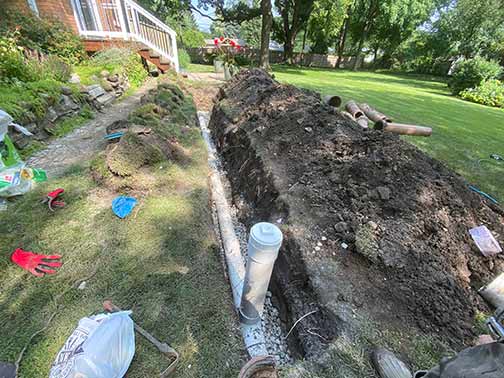
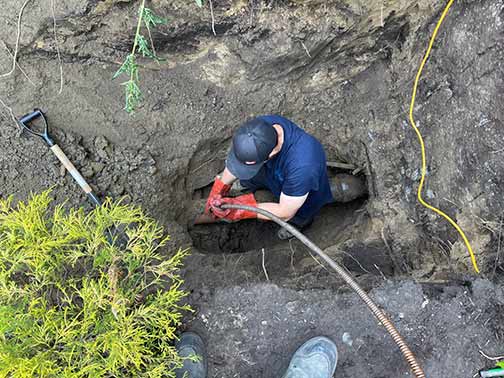
a popular form of sewer line replacement is by way of excavation.

Traditional replacement involves digging up the old sewer lines and replacing them with new pipes.

Choosing the Right Sewer Line Replacement Method

When it comes to replacing sewer lines, homeowners in Illinois have several options. Here are a few common methods:

Traditional Excavation:

This method involves digging up the old sewer lines and replacing them with new pipes. While it is effective, it can be disruptive, time-consuming, and costly. It is often used when other methods are not feasible due to the location or extent of the damage.

Trenchless Sewer Line Replacement:

Trenchless methods, such as pipe lining and pipe bursting, are becoming increasingly popular due to their minimal invasiveness and cost-effectiveness. These methods involve creating a new pipe within the existing damaged pipe or bursting the old pipe while simultaneously replacing it with a new one. While we don’t recommend this form of repair and replacement, it is still an option.

Summing It Up

Ensuring that your sewer lines are in good condition is vital for maintaining your home’s value in Illinois. By proactively replacing older sewer lines, you can prevent costly repairs, ensure proper functionality, and protect your home’s foundation. Additionally, having updated sewer lines can increase buyer confidence, avoid negotiations or price reductions, enhance home inspection results, and provide peace of mind to future homeowners.

If you’re considering selling your home or are simply looking to maintain its value, don’t overlook the importance of sewer line replacement. Speak with a professional plumber to camera inspect the condition of your sewer lines and determine the best course of action for your specific circumstances.

What is The Smell Coming from My Garbage Disposal?

What is The Smell Coming from My Garbage Disposal

Have you ever noticed a foul odor coming from your garbage disposal? If so, you’re not alone. This unpleasant smell can be quite bothersome, but fortunately, there are several possible explanations and solutions. Here we will explore the common causes of smelly garbage disposals and provide tips on how to eliminate the odor.

Possible Causes of a Smelly Garbage Disposal

  • Food Residue: One of the most common causes of a smelly garbage disposal is food residue that has been left behind. Over time, small particles of food can accumulate in the disposal unit and start to decompose, leading to an unpleasant smell.
  • Blocked Drainage: If the drain pipe connected to your garbage disposal is partially blocked, water and food particles may not drain properly. This can create stagnant water and contribute to the foul odor.
  • Bacterial Growth: Naturally occurring bacteria in your kitchen waste can multiply rapidly in the warm and moist environment of a garbage disposal. This bacterial growth can produce strong odors.
  • Lack of Cleaning: Regular cleaning is essential to prevent odor buildup in your garbage disposal. If you neglect cleaning it for an extended period, the smell may become more noticeable.

How to Eliminate the Odor

Now that we have identified some potential causes of the smell, let’s discuss ways to eliminate it:

1. Run Cold Water: Whenever you use your garbage disposal, make sure to run cold water for at least 20 seconds before and after grinding food waste. This helps flush away any remaining particles and minimizes odor-causing buildup.

2. Use Citrus Fruits: Cut up citrus fruits like lemons or oranges into small pieces, and then grind them in the disposal. The natural acidity of the fruits can help neutralize odors and leave your kitchen smelling fresh.

3. Baking Soda and Vinegar: Sprinkling a generous amount of baking soda followed by white vinegar down the drain can create a bubbling reaction that helps loosen and remove food residue. Leave it for a few minutes before rinsing with cold water.

4. Ice Cubes and Salt: Tossing a handful of ice cubes and a tablespoon of salt into the garbage disposal and running it can help dislodge any stuck-on food particles while sharpening the blades. The salt acts as an abrasive agent.

5. Clean the Rubber Flap: The rubber flap or baffle located in the drain opening of your garbage disposal can accumulate food debris. Gently scrubbing it with a toothbrush and soapy water can prevent odor buildup.

6. Regular Maintenance: Make it a habit to clean your garbage disposal at least once a month to prevent lingering odors. A mixture of warm water and dish soap, along with a good scrubbing, should do the trick.

7. Avoid Certain Foods: Some foods are more likely to cause unpleasant odors when ground in a garbage disposal. Avoid putting items like onion skins, eggshells, and greasy or fatty foods down the disposal to minimize potential smells.

8. Professional Inspection: If you have tried all of the above solutions and the odor persists, it may be time to call a professional plumber. They can inspect your garbage disposal system for any underlying issues that may require repairs.

running water helps the smell of a garbage disposal.

After using the garbage disposal, always run cold water for at least 20 seconds to flush out any remaining particles and keep the drain clean and odor-free.

Preventing Future Odors

Now that you have successfully eliminated the odor from your garbage disposal, it’s essential to take preventive measures to avoid future smells:

  • Dispose of Food Properly: Before using your garbage disposal, ensure all large food scraps are thrown away in the regular trash. Using the disposal as a primary means of waste disposal can lead to more frequent odors.
  • Flush with Water: After using the garbage disposal, always run cold water for at least 20 seconds to flush out any remaining particles and keep the drain clean and odor-free.
  • Regularly Clean the Unit: Develop a cleaning routine for your garbage disposal. A quick scrub with warm soapy water and a toothbrush can help remove any potential odor-causing buildup.
  • Regular Plumbing Maintenance: Consider scheduling regular plumbing maintenance to ensure your garbage disposal and associated drainage pipes are functioning correctly. A professional can inspect for any issues and provide preventative measures.

By following these tips and practicing good maintenance habits, you can keep your garbage disposal smelling fresh and clean. Remember, prevention is key, so don’t neglect regular cleaning and avoid putting problematic foods down the disposal. With proper care, your kitchen will be odor-free and a more pleasant place to be.

Why Renters Should Independently Hire a Plumber in Chicago

Why Renters Should Independently Hire a Plumber in Chicago

As a renter in the city of Chicago, it’s important to take care of your living space and ensure that everything is in working order. One essential aspect of maintaining a well-functioning home is the plumbing system. From leaky faucets to clogged drains, plumbing issues can be a common occurrence in any household. While some landlords are prompt in addressing these problems, it’s often beneficial for renters to take matters into their own hands and independently hire a plumber. Below we will explore the reasons why renters in Chicago should consider hiring a plumber themselves.

Timely Resolution of Plumbing Issues

When you encounter a plumbing problem in your rental unit, relying solely on your landlord to address the issue can lead to delays. Landlords often have numerous responsibilities and may prioritize other matters over your plumbing concerns. By independently hiring a local plumber in Chicago, you can ensure a swift resolution to any plumbing issues you may face. Professional plumbers in Chicago are equipped with the knowledge and tools necessary to diagnose and fix problems efficiently, minimizing any inconvenience caused in your day-to-day life.

Flexibility and Convenience

By taking charge of the plumbing repairs in your rental property, you can enjoy greater flexibility and convenience. You have the freedom to schedule appointments with the plumber at your convenience, including evenings or weekends to accommodate your work and personal commitments. This level of control allows you to have your plumbing problems addressed in a manner that suits your schedule, saving you from potential disruptions.

Control over the Quality of Service

When you independently hire a plumber, you have the ability to select a professional of your choice, ensuring that you find someone reliable and experienced. This control over the quality of service can be crucial in resolving your plumbing issues effectively. Additionally, you can take the time to research and read customer reviews to find a plumber who comes highly recommended by other Chicago residents. This way, you can have peace of mind knowing that the person working on your plumbing is competent and trustworthy.

a plumber in chicago performing repairs for a renter.

By having a reliable plumber at your disposal, you can address plumbing issues promptly and proactively, ensuring that your rental unit remains functional and comfortable.

Responsiveness to Emergencies

Plumbing emergencies can occur at any time, leaving you with a compromised living situation. In such circumstances, relying on your landlord to promptly address the issue may not always be feasible. Having the contact information of a reliable plumber allows you to react swiftly to emergencies and get the necessary repairs done without delay. Whether it’s a burst pipe emergency or a backed-up sewage line, having a plumber you can reach out to directly can significantly minimize the damage and inconvenience caused by a sudden plumbing problem.

Personalized Advice and Maintenance

Hiring a plumber independently affords you the opportunity to establish a professional relationship with an expert in plumbing systems. This connection can be beneficial beyond resolving immediate issues, as the plumber can provide personalized advice on how to maintain your plumbing system in optimal condition. They may recommend preventive measures or suggest regular maintenance routines that can help prevent major plumbing mishaps in the future. By taking their advice to heart, you can potentially save yourself from costly repairs down the line.

Familiarity with the Property

If you rent a property for an extended period, you become more familiar with its quirks and idiosyncrasies. When it comes to plumbing, you may have noticed recurring problems or specific issues that require attention. By hiring a plumber independently, you can communicate these observations and provide the necessary context to ensure a comprehensive assessment and resolution of the plumbing problems. This familiarity with the property can enable the plumber to identify and rectify underlying issues that may have gone unnoticed by your landlord.

In conclusion, as a renter in Chicago, there are several advantages to independently hiring a plumber. From timely resolutions and greater convenience to personalized advice and control over the quality of service, taking charge of your plumbing repairs can result in a more satisfactory living experience. By having a reliable plumber at your disposal, you can address plumbing issues promptly and proactively, ensuring that your rental unit remains functional and comfortable. So, the next time you encounter a plumbing problem, consider taking matters into your own hands and hiring a plumber in Chicago.

Who is Responsible for Paying for Sewer Line Repairs in Real Estate Transactions?

Who is Responsible for Paying for Sewer Line Repairs in Real Estate Transactions

When it comes to real estate transactions, various aspects need to be considered, and one important factor is the responsibility for paying for sewer line repairs. Sewer line issues can be costly and disruptive, so understanding who is accountable for these repairs is crucial for both buyers and sellers. Here we will explore the different scenarios and parties involved in paying for sewer line repairs in real estate transactions.

Understanding the Sewer System

Before delving into who is responsible for sewer line repairs, it’s essential to have a basic understanding of the sewer system. A sewer system collects and transports wastewater from individual properties to a treatment facility. The system consists of pipes, known as sewer lines, which can range from small residential pipelines to large municipal networks.

Over time, due to various factors such as age, tree root intrusion, or ground shifting, sewer lines can develop issues that require repairs. These issues may include blockages, leaks, or even complete line collapses. Identifying and rectifying these problems is vital to maintain the functionality and hygiene of the sewer system.

Responsibility for Sewer Line Repairs

The responsibility for sewer line repairs in real estate transactions can vary depending on several factors, including local regulations, contractual agreements, and the condition of the sewer system. Let’s consider the different scenarios:

Buyer’s Responsibility

In some cases, the buyer assumes the responsibility for sewer line repairs. This typically occurs when the buyer conducts a thorough inspection of the property and identifies existing sewer line issues before finalizing the transaction. The buyer may negotiate a reduced purchase price or request that the seller completes the necessary repairs before proceeding.

If the buyer chooses to proceed with the transaction despite being aware of the sewer line issues, they generally become responsible for any repairs or replacements needed after the purchase. Therefore, it is crucial for buyers to conduct a comprehensive inspection of the property, including the sewer system via a sewer camera inspection, before making a final decision.

Seller’s Responsibility

In other instances, the seller might be responsible for sewer line repairs. This typically occurs when the seller is aware of existing sewer line issues but fails to disclose them to the buyer during the negotiation and purchasing process. The failure to disclose can lead to legal ramifications, and the seller may be obligated to rectify the problems at their own expense.

Some jurisdictions impose specific disclosure requirements on sellers, necessitating them to provide comprehensive information about the condition of the property, including the sewer system. Failing to comply with these requirements can result in legal penalties and financial liabilities for the seller.

Shared Responsibility

In certain scenarios, the responsibility for sewer line repairs may be shared between the buyer and the seller. This shared responsibility can arise when the sewer lines require immediate attention, but the transaction is already in progress or near completion.

Under these circumstances, the buyer and seller may negotiate a shared cost arrangement, splitting the expenses for sewer line repairs. This can be documented through a contractual agreement, outlining the specific responsibilities and financial obligations of each party. Shared responsibility allows for a more equitable resolution, ensuring that both the buyer and seller contribute to the necessary repairs.

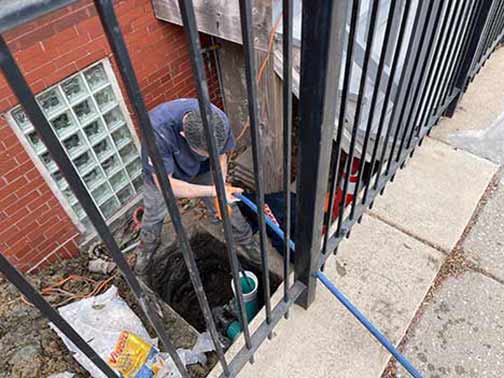
a professional sewer line repair service.

It is always advisable for buyers and sellers to seek professional advice from real estate agents, attorneys, or inspectors when dealing with sewer line repairs in real estate transactions.

Homeowner’s Insurance

In some cases, homeowners’ insurance policies can provide coverage for sewer line repairs. However, it is essential to carefully review the insurance policy terms and conditions to determine if sewer line repairs are included in the coverage. Many policies have specific exclusions or limitations for sewer line repairs, so it’s crucial to have a clear understanding of the policy before relying on it for potential repairs.

Additional Considerations

When addressing sewer line repairs in real estate transactions, several additional considerations come into play:

Inspection Contingency

Buyers can protect themselves by including an inspection contingency in the purchase contract. This contingency allows the buyer to hire a professional inspector to thoroughly assess the property, including the sewer system, before finalizing the transaction. If significant issues are discovered during the inspection, the buyer may have the option to renegotiate the terms or withdraw from the sale.

Disclosure Statements

Sellers are typically required to provide disclosure statements that detail any known issues or defects with the property. These statements often include questions specifically related to the condition of the sewer system. Buyers should carefully review these disclosures and evaluate the potential risks associated with any disclosed sewer line issues.

Professional Advice

It is always advisable for buyers and sellers to seek professional advice from real estate agents, attorneys, or inspectors when dealing with sewer line repairs in real estate transactions. These professionals can provide guidance, review contracts, and ensure compliance with local regulations, ultimately protecting the interests of both parties involved.

When it comes to sewer line repairs in real estate transactions, understanding the responsibilities of buyers and sellers is essential. Whether the buyer assumes the responsibility, the seller is held accountable, or both parties share the cost, having a clear understanding of the sewer system’s condition and seeking professional advice can help navigate potential issues smoothly. By addressing sewer line repairs appropriately, both buyers and sellers can ensure a successful and fair real estate transaction.

Spring Cleaning for Your Sump Pump: Inspecting and Maintaining Your System

Spring Cleaning for Your Sump Pump

As the winter snow melts and the spring rains begin to fall, it’s important to ensure that your sump pump is in good working condition to protect your basement from flooding. Here we will cover the key steps and tips to keep your sump pump functioning optimally.

Why Spring Cleaning for Your Sump Pump is Essential

Spring is the ideal time to inspect and maintain your sump pump system for several reasons. The increased rainfall during this season can put your basement at a higher risk of flooding. By ensuring that your sump pump is in good condition, you can avoid costly water damage and prevent potential health hazards such as mold growth.

The Importance of Regular Inspections

An essential part of maintaining your sump pump system is conducting regular inspections. Here are a few reasons why regular inspections are important:

  • Identify and address any potential issues early on.
  • Ensure that all components are functioning correctly.
  • Prolong the lifespan of your sump pump.

Regular inspections will help you catch any problems before they escalate into significant issues, saving you time, money, and stress in the long run.

Step-by-Step Guide to Inspecting and Maintaining Your Sump Pump

Step 1: Safety First

Before you begin inspecting and maintaining your sump pump, it’s important to prioritize safety. Make sure to follow these safety guidelines:

  • Disconnect the sump pump from its power source to avoid accidental electrical shocks.
  • Wear protective gloves to avoid any potential bacteria or contaminants.

Step 2: Exterior Inspection

Start by performing an exterior inspection of your sump pump system. Here’s what you should check:

  • Inspect the discharge pipe for any clogs or obstructions.
  • Ensure that the pipe is securely connected and directed away from your foundation.
  • Check the vent hole on the discharge pipe for any blockages.

Step 3: Interior Inspection

Once you’ve completed the exterior inspection, move on to the interior inspection. Follow these steps:

  • Remove the sump pump cover to access the pit.
  • Inspect the pit for any debris or sediment buildup.
  • Check the float switch to ensure it moves freely and isn’t obstructed.
  • Verify that the check valve is working correctly and allowing water to flow in one direction.
  • Clean or replace the sump pump if necessary, following the manufacturer’s instructions.

Step 4: Test the Sump Pump

After completing the inspections, it’s time to test your sump pump system. Here’s how:

  • Pour a bucket of water into the sump pit to activate the pump.
  • Observe the pump’s operation, ensuring that it starts promptly and efficiently removes the water.
  • Listen for any unusual noises or vibrations that may indicate a problem.

Step 5: Consider a Backup Sump Pump System

To provide additional protection against basement flooding, consider installing a backup sump pump system. These systems are designed to support your primary pump in case of power outages or mechanical failures. Options include battery-powered pumps, water-powered pumps, or generator-powered pumps.

a sump pump backup system in place.

To provide additional protection against basement flooding, consider installing a backup sump pump system.

Tips for Maintaining Your Sump Pump System

While spring is an excellent time to thoroughly inspect your sump pump system, regular maintenance throughout the year will help keep it in optimal condition. Here are some additional tips:

  • Test your sump pump system every few months by pouring water into the pit.
  • Ensure that the float switch moves freely and isn’t obstructed.
  • Check the power cord and plug for any signs of damage.
  • Keep the pit clear of debris and sediment.
  • Consider installing a sump pump alarm to alert you in case of pump failure or high water levels.
  • Know the location of your main water shut-off valve in case of emergencies.
  • Follow the manufacturer’s maintenance recommendations.

Spring cleaning for your sump pump is an essential task to protect your basement from potential flooding. By following the steps outlined in this article and conducting regular inspections and maintenance, you can ensure that your sump pump system operates efficiently and effectively. Remember to prioritize safety, and if you encounter any issues beyond your expertise, don’t hesitate to contact a professional plumber for assistance. With proper care, your sump pump will continue to safeguard your home for years to come.

A Comprehensive Guide to Commercial Plumbing Services for Business Owners

A Comprehensive Guide to Commercial Plumbing Services for Business Owners

As a business owner, it’s essential to have a reliable and efficient plumbing system to ensure the smooth operation of your establishment. If you own a restaurant, office building, or retail store, understanding the importance of commercial plumbing services and knowing how to find the right professionals for the job is crucial.

The Importance of Commercial Plumbing Services

Running a business requires many moving parts, and the plumbing system is undoubtedly one of the most critical components. Here are some reasons why commercial plumbing services are essential:

Maintaining a clean and hygienic environment: A faulty plumbing system can lead to leaks, clogged drains, and other issues that compromise cleanliness. Commercial plumbers can ensure proper drainage and clean water supply, enabling you to provide a safe and sanitary environment for your employees and customers.

Preventing water damage: Water leaks can cause severe damage to your property, leading to costly repairs and potential disruptions to your business operations. Professional commercial plumbers can identify and fix leaks promptly, preventing any significant damage from occurring.

Ensuring compliance with regulations: Commercial plumbing is subject to specific regulations and codes to ensure the safety and well-being of the people in your establishment. By hiring professional commercial plumbers, you can ensure that your plumbing system meets all the necessary standards and requirements.

Common Commercial Plumbing Services

Commercial plumbing encompasses various services to meet the unique needs of businesses. Here are some of the most common commercial plumbing services:

Installation and maintenance of plumbing systems: Whether you’re setting up a new establishment or need to upgrade your existing plumbing system, professional commercial plumbers can handle the installation and maintenance of pipes, fixtures, water heaters, and other necessary components.

Drain cleaning: Clogged drains can disrupt your business operations and cause unpleasant odors. Commercial plumbers can effectively clean and clear your drains to ensure proper water flow and prevent any potential issues.

Leak detection and repair: Water leaks can occur in various parts of your plumbing system, including pipes, faucets, and toilets. Experienced commercial plumbers have the tools and expertise to detect and repair leaks efficiently, preventing further damage.

Sewer line services: Issues with your sewer lines can pose serious health risks and disrupt your business. From sewer line inspections to repairs and replacements, commercial plumbers can handle all aspects of sewer line services.

having your business drains professionally cleaned is a good practice.

Clogged drains can disrupt your business operations and cause unpleasant odors. Commercial plumbers can effectively clean and clear your drains to ensure proper water flow and prevent any potential issues.

Finding the Right Commercial Plumbing Professionals

When it comes to commercial plumbing services, finding the right professionals is crucial for the success of your business. Here are some tips to help you make the right choice:

Research and gather recommendations: Start by conducting thorough research and obtaining recommendations from other business owners in your area. Look for reputable commercial plumbing companies with positive reviews and a track record of delivering high-quality services.

Verify licenses and insurance: Ensure that the commercial plumbers you consider are licensed and insured. Proper licensing guarantees that they have the necessary skills and knowledge to perform the job, while insurance protects you from any liability in case of accidents or property damage.

Ask about experience and expertise: Inquire about the commercial plumbers’ experience in handling projects similar to yours. Additionally, determine if they specialize in any specific areas of commercial plumbing, such as restaurant plumbing services or office buildings.

Request multiple quotes: It’s always a good idea to obtain quotes from multiple commercial plumbing companies to compare prices and services. However, keep in mind that the cheapest option may not always be the best. Consider the company’s reputation and expertise along with the cost.

Check for warranties and guarantees: Reputable commercial plumbing companies often provide warranties or guarantees for their work. Ensure that you understand the terms and conditions of their warranty before making a decision.

Maintaining Your Commercial Plumbing System

Once you have found the right commercial plumbing professionals and have a well-functioning plumbing system in place, it’s important to prioritize regular maintenance to prevent any future issues. Here are some tips to maintain your commercial plumbing system:

Schedule routine inspections: Regularly have your plumbing system inspected by professionals to identify any potential problems before they escalate. This includes checking for leaks, clogs, and signs of wear and tear.

Address minor issues promptly: Don’t ignore minor plumbing issues such as dripping faucets or slow drains. These seemingly insignificant problems can worsen over time and lead to larger, more expensive repairs.

Promote proper usage: Educate your employees about the proper use of plumbing fixtures and the importance of conserving water. Simple practices, such as turning off faucets when not in use and reporting any leaks or issues immediately, can go a long way in preventing plumbing problems.

Invest in regular hydro jetting: Regular hydro jetting can help prevent clogs and maintain the efficiency of your plumbing system. Consider scheduling professional hydro jetting services with commercial plumbers.

As a business owner, investing in reliable commercial plumbing services is essential for the smooth operation of your establishment. By understanding the importance of commercial plumbing, knowing the common services offered, and finding the right professionals, you can ensure that your plumbing system is in excellent condition. Remember to prioritize regular maintenance to prevent any unexpected disruptions to your business. With the assistance of experienced commercial plumbers, you can rest assured that your plumbing needs are taken care of professionally and efficiently.