Author Archives: Chicago Plumbing Experts

What Can You Pour Down a Toilet to Unclog It?

What Can You Pour Down a Toilet to Unclog It

When faced with a clogged toilet, it can be a frustrating experience. However, before you reach for the plunger or call a plumber, there are several things you can try pouring down your toilet to unclog it. Here we will explore some effective methods that can help you tackle a clogged toilet without professional assistance.

The Importance of Choosing the Right Solution

Before we get into the various substances you can pour down a toilet to unclog it, it’s essential to understand the potential risks and consequences of using the wrong solution. Pouring the wrong substances down your toilet can not only exacerbate the problem but also cause damage to your plumbing system.

It’s crucial to consider the material your toilet is made of and the severity of the clog before attempting any DIY solutions. Remember, if your efforts don’t yield successful results, it’s always wise to seek professional help to avoid further complications.

Safe and Effective Solutions for Unclogging Your Toilet

Boiling Water

Tried and tested, pouring boiling water down your toilet is one of the easiest and most effective methods to unclog it. Boiling water can help break up the clog, especially if it’s caused by organic matter or toilet paper.

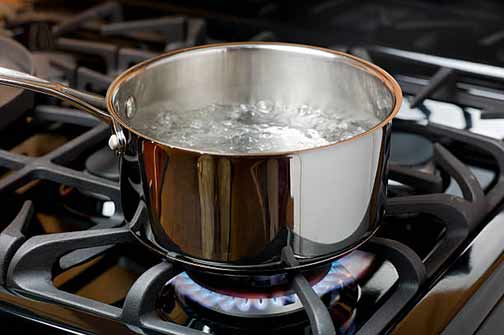
To use this method, boil a large pot of water and carefully pour it into the toilet bowl from waist height. The force of the water should help dislodge the clog and restore proper flushing.

Dish Soap and Hot Water

If the clog is not severe, combining dish soap with hot water can be a simple yet effective solution. The soap helps lubricate the pipes, allowing the clog to move more easily.

Start by squirting a generous amount of dish soap into the toilet bowl. Follow this by pouring hot water (not boiling) into the bowl. Allow the mixture to sit for several minutes before attempting to flush. If the clog remains, repeat the process or try a different method.

Baking Soda and Vinegar

Baking soda and vinegar are commonly used household products known for their cleaning and deodorizing properties. When combined, they create a fizzy reaction that can help break down stubborn clogs.

To use this method, start by pouring one cup of baking soda into the toilet bowl. Follow this by adding two cups of vinegar. Allow the mixture to sit for about 30 minutes before attempting to flush. If the clog persists, repeat the process or try another method.

Epsom Salt and Dawn

If you’re dealing with a severe or persistent clog, a combination of Epsom salt and Dawn dish soap can provide a more potent solution. Epsom salt helps soften the clog, while Dawn dish soap helps lubricate the pipes.

Begin by pouring a cup of Epsom salt into the toilet bowl, ensuring it reaches as close to the drain as possible. Follow this by squirting a generous amount of Dawn dish soap into the bowl. Allow the mixture to sit for at least one hour before attempting to flush. If the clog remains, you may need to repeat the process or seek professional assistance.

Caustic Soda

Caustic soda, also known as sodium hydroxide, is a powerful chemical compound that can effectively dissolve organic substances. It’s crucial to handle caustic soda with extreme caution to avoid burns and other safety hazards.

Begin by wearing protective gloves and safety goggles. Fill a bucket with cold water and slowly add caustic soda to the water, stirring gently. Allow the solution to sit for a few minutes. While exercising caution, carefully pour the mixture into the toilet bowl. Let it sit for approximately 20 minutes before flushing. In case of severe clogs, you may need to repeat the process or contact a professional plumber.
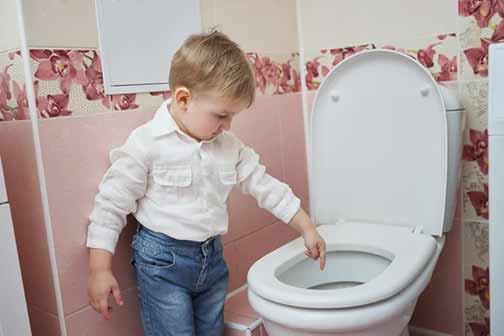
a kid putting toys down a toilet.

Teach children not to flush toys, wipes, or other non-flushable items down the toilet.

Preventing Future Clogs

While it’s helpful to know how to unclog a toilet, it’s equally important to take preventive measures to avoid future clogs. Here are a few simple tips to keep your toilet running smoothly:

– Avoid flushing excessive toilet paper at once, especially if it’s thick or textured.

– Teach children not to flush toys, wipes, or other non-flushable items down the toilet.

– Install a toilet paper holder that limits the amount of paper dispensed in one go.

– Regularly clean your toilet to prevent the build-up of mineral deposits or debris.

– Consider using a plumbing-friendly toilet paper that breaks down easily.

In Summary

A clogged toilet can disrupt your daily routine, but with the right methods and precautionary measures, you can unclog it without much hassle. From pouring boiling water to using common household products like dish soap, baking soda, or vinegar, there are various solutions to try.

Remember to always consider the severity of the clog and the material your toilet is made of before attempting any DIY solutions. If your efforts aren’t successful or you’re unsure, it’s best to call a drain cleaning service provider to prevent further damage to your plumbing system.

With proper care and preventive measures, you can reduce the chances of future clogs and keep your toilet functioning properly for years to come.

Is SEO Dead For Plumbers in 2025?

is seo for plumbers dead in 2024.

image courtesy of @plumbingwebmasters

Search engine optimization (SEO) has long been a crucial tool for businesses to increase their online visibility and attract potential customers. However, with the ever changing landscape of the digital world, it’s natural to wonder if SEO is still relevant for plumbers in 2024. In this article, I will explore the current state of SEO for plumbers and discuss its prospects in the near future.

The Importance of SEO for Plumbers

Before I get into the future of SEO, it’s essential to understand why it has been vital for plumbers in the first place. As a local business, plumbers heavily rely on their local community to acquire new customers. With the rise of the internet and search engines like Google, potential customers are turning to online platforms to find the right plumber for their needs.

SEO allows plumbers to optimize their online presence, making it easier for potential customers to find them when they search for related services. By employing effective SEO strategies, plumbers can ensure that their websites rank higher on search engine results pages (SERPs), resulting in increased visibility and potential organic traffic.

The Evolution of SEO for Plumbers

As we enter the summer of 2024, the SEO landscape has certainly evolved over the years. Search engine algorithms constantly undergo updates to provide users with the most relevant and accurate results. This evolution has also impacted how plumbers approach SEO strategies.

In the past, plumbers primarily focused on targeting specific keywords and stuffing their website content with them. However, search engines have become much smarter in understanding user intent, and keyword stuffing is no longer effective. Plumbers now need to create high-quality, informative content that genuinely solves their audience’s problems.

Another significant change in SEO for plumbers is the increasing importance of local search optimization. With the rise of voice search and mobile usage, people are frequently searching for plumbers in their local area. As a result, plumbers must optimize their websites for local SEO, ensuring that they appear in local map listings and directories.

The Role of Content in SEO for Plumbers

Content creation plays a crucial role in the future of SEO for plumbers. With search engines prioritizing high quality and relevant content, plumbers need to create valuable resources that address common plumbing problems, offer tips for maintenance, and educate their audience.

One effective content strategy for plumbers is to maintain a blog on their website. Blogging allows plumbers to showcase their expertise, establish authority in the industry, and engage with their audience. By consistently publishing informative and helpful articles, plumbers can improve their website’s visibility and attract organic traffic.

a woman voice searching for a nearby plumber.

In recent years, voice search has gained significant popularity with the rise of virtual assistants like Alexa, Google Assistant, and Siri.

The Rise of Voice Search and SEO for Plumbers

In recent years, voice search has gained significant popularity with the rise of virtual assistants like Alexa, Google Assistant, and Siri. As more and more households adopt these devices, voice search will undoubtedly impact plumber SEO.

When optimizing their websites for voice search, plumbers should focus on long-tail keywords and conversational phrases that reflect how people naturally speak. Understanding the intent behind voice searches and tailoring website content accordingly can help plumbers stay ahead in the SEO game.

The Future of SEO for Plumbers

As we look ahead to the future, SEO will continue to be a crucial aspect of a plumber’s marketing strategy. While certain strategies might evolve or be replaced, the underlying principles of optimizing online visibility will remain relevant.

One trend that plumbers should keep in mind is the increasing importance of user experience (UX). Search engines value websites that offer a seamless browsing experience, fast loading times, and mobile friendliness. Plumbers should prioritize optimizing their websites to provide exceptional user experience and ensure they are mobile responsive.

Furthermore, embracing new technologies like artificial intelligence (AI) and machine learning can greatly benefit plumbers in their SEO efforts. AI-powered chatbots can enhance customer interaction, while machine learning algorithms can analyze user behavior and provide valuable insights for optimizing SEO strategies.

Final Thoughts

In conclusion, SEO remains a crucial aspect of a plumber’s online presence in 2024 and beyond. While the strategies and techniques may evolve, the fundamentals of optimizing visibility and providing valuable content will continue to be essential. By staying up-to-date with the latest SEO trends and adapting their strategies accordingly, plumbers can ensure they don’t miss out on potential customers in the digital era.

Can’t Get Rid of Fruit Flies? A Plumber Can Help!

Can't Get Rid of Fruit Flies

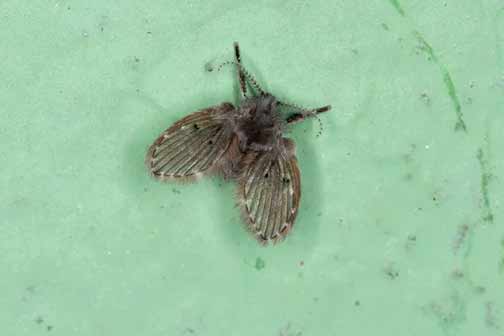
Fruit flies can be a pesky nuisance in any home. These tiny insects seem to appear out of nowhere, swarming around your fresh produce and leaving you frustrated. No matter how hard you try, it seems impossible to get rid of them completely. However, you may be surprised to learn that a plumber can actually help with your fruit fly problem!

The Surprising Link

At first glance, it may seem odd to turn to a plumber when you’re dealing with fruit flies. After all, plumbers are typically associated with fixing pipes and dealing with water related issues. However, there is a logical connection between these tiny insects and the work of a plumber.

One of the most common reasons behind a fruit fly infestation is a hidden plumbing issue. Fruit flies are attracted to the moisture and organic matter that can accumulate in drain pipes, particularly in the kitchen. This can include food particles, liquids, and even decaying matter. When you have a plumbing problem, such as a leaking pipe or a backed up drain, it creates the perfect environment for fruit flies to thrive.

How Can a Plumber Help?

When faced with a fruit fly problem that just won’t go away, it’s time to call in the professionals. A plumber has the expertise to identify and resolve any plumbing issues that may be contributing to the infestation. Here are a few ways a plumber can help:

Inspecting and Repairing Pipes

A plumber will thoroughly inspect your pipes to check for any leaks or damage. Even a small leak can create a moist environment that attracts fruit flies. By repairing or replacing any faulty pipes, the plumber can eliminate this source of attraction for the fruit flies.

Clearing Clogged Drains

If your drains are clogged with food debris or other materials, a plumber can safely and effectively clean the drains out. This not only improves the functionality of your plumbing system, but also removes a potential breeding ground for fruit flies.

Sealing Cracks and Openings

Fruit flies are incredibly tiny and can enter your home through even the tiniest cracks and openings. A plumber can identify and seal these entry points, preventing fruit flies from infiltrating your living space.

Providing Maintenance Tips

Once the immediate fruit fly problem has been resolved, a plumber can offer valuable maintenance tips to help prevent future infestations. This may include advice on how to properly dispose of food waste, how to keep drains clean, and how to maintain a dry environment in areas prone to moisture.

a plumber cleaning drain to help rid of a fruit fly problem.

Attempting to resolve a fruit fly problem yourself can be time consuming and frustrating. By hiring a nearby plumber, you can save time and let the experts handle the task.

The Benefits of Hiring a Plumber

While some may try to tackle a fruit fly infestation on their own, hiring a plumber can provide several benefits:

Expertise and Experience

Plumbers have specialized knowledge and experience in dealing with plumbing issues, including those related to fruit fly infestations. They can quickly identify the underlying cause of the problem and implement effective solutions.

Time and Convenience

Attempting to resolve a fruit fly problem yourself can be time consuming and frustrating. By hiring a nearby plumber, you can save time and let the experts handle the task. They have the necessary tools and equipment to efficiently address the issue, allowing you to focus on other important matters.

Long Term Solutions

While DIY methods may provide temporary relief, a plumber can offer a long term solution to your fruit fly problem. By fixing any plumbing issues and providing maintenance tips, they can help prevent future infestations and ensure a pest free home.

Don’t let fruit flies take over your home. Consider reaching out to a plumber who can tackle the underlying plumbing issues contributing to the infestation. With their expertise and experience, they can help eliminate fruit flies and provide you with valuable maintenance tips to keep them at bay in the future. Say goodbye to those pesky pests and enjoy a clean and fruit fly-free home!

Steps to Take When Sewage Backs Up Into Your Bathtub

Steps to Take When Sewage Backs Up Into Your Bathtub

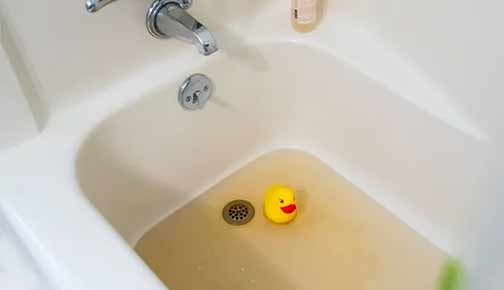
Discovering that sewage has backed up into your bathtub can be a nightmare scenario for any homeowner. Not only is it unsanitary and unpleasant, but it can also pose a threat to your health and the structural integrity of your home. However, it’s crucial to remain calm and take immediate action to address the problem. Below we will outline the steps you should take when faced with a sewage backup in your bathtub. By following these guidelines, you can minimize the damage, ensure your safety, and restore the functionality of your plumbing system as quickly as possible.

Assessing the Situation

The first step in dealing with a sewage backup in your bathtub is to assess the situation. This will help you determine the severity of the problem and decide whether it’s something you can handle on your own or if you need to call a professional plumber. Here are a few key factors to consider:

  • The extent of the backup: Determine how much sewage has entered your bathtub. Is it a small amount or a significant overflow?
  • The source of the backup: Is the sewage coming directly from your bathtub drain, or is it a larger issue affecting multiple fixtures in your home?
  • Any other signs of trouble: Are there strange odors, gurgling noises, or slow drains in other areas of your home? These could indicate a more extensive issue with your plumbing system.

Assessing these factors will help you make an informed decision about the next steps to take. If the backup is minor and isolated, you may be able to resolve it yourself. However, if it’s a severe backup originating from multiple sources, it’s best to call a professional right away.

Ensure Your Safety

Dealing with sewage can expose you to harmful bacteria and viruses, so it’s crucial to prioritize your safety throughout the process. Here are some essential safety measures to follow:

  • Wear protective gear: Before you start working on the cleanup, put on gloves, a mask, and waterproof boots to protect yourself from contaminated water and potential pathogens.
  • Avoid direct contact: Refrain from touching the sewage with your bare hands or allowing it to come into contact with your skin. If you accidentally touch it, make sure to wash your hands thoroughly with soap and warm water.
  • Keep children and pets away: Ensure that young children and pets stay away from the affected area to prevent inadvertent exposure to dangerous substances.

By prioritizing safety precautions, you can reduce the risk of illness or infection while dealing with the sewage backup.

Stop Using Water

Once you’ve determined that you have a sewage backup, it’s essential to stop using any water fixtures in your home. This includes faucets, toilets, and showers. Continuing to use water will only exacerbate the problem and cause further backups or overflows.

Inform everyone in your household about the situation and ensure that they understand the importance of conserving water until the issue is resolved. If necessary, provide alternative arrangements for using the bathroom facilities, such as utilizing a neighbor’s bathroom or a nearby public restroom.

Clearing the Blockage

If the sewage backup in your bathtub is minor and seems to be localized, you can attempt to clear the blockage yourself. Here’s how:

  • Put on your protective gear: As mentioned earlier, it’s crucial to protect yourself before coming into contact with the sewage. Wear gloves, a mask, and waterproof boots.
  • Remove any visible debris: Using a small cup or bucket, carefully remove any solid debris that you can see floating in the bathtub. Dispose of it in a sealed bag or container.
  • Try a plunger: If the blockage persists, you can try using a plunger to dislodge it. Ensure that there is enough water in the bathtub to cover the rubber portion of the plunger and create a seal. Apply firm and consistent pressure with the plunger, and repeat the process several times if necessary.
  • Use a drain snake: If the plunger doesn’t work, you can attempt to clear the blockage using a drain snake. Insert the snake into the drain and rotate it while gradually pushing it forward. This action will help break up the clog and restore the flow of water.
  • Flush with hot water: After attempting to clear the blockage, run hot water in the bathtub to help flush out any remaining debris. This will also help determine if the blockage has been successfully cleared.

If you’re unable to clear the blockage using these methods, it’s best to contact a nearby drain cleaning service to avoid causing further damage to your plumbing system.

avoid chemical drain cleaners.

While it may be tempting to use chemical drain cleaners to clear minor clogs, they can also damage your pipes over time. Opt for natural, non-toxic alternatives or call a professional plumber.

Preventing Future Sewage Backups

Once you’ve successfully resolved the immediate issue of a sewage backup in your bathtub, it’s important to take preventive measures to avoid future occurrences. Here are some steps you can take:

  • Be mindful of what you flush: Only flush toilet paper and human waste down the toilet. Avoid flushing items like wet wipes, feminine hygiene products, or excessive amounts of toilet paper, as they can contribute to blockages.
  • Regular maintenance: Schedule regular inspections and maintenance for your plumbing system to identify any potential issues before they escalate into major problems.
  • Install drain screens: Use drain screens or stoppers to catch hair and other debris before it enters the plumbing system.
  • Avoid chemical drain cleaners: While it may be tempting to use chemical drain cleaners to clear minor clogs, they can also damage your pipes over time. Opt for natural, non-toxic alternatives or call a professional plumber.

By following these preventive measures, you can significantly reduce the likelihood of experiencing future sewage backups in your bathtub.

Dealing with a sewage backup in your bathtub can be a stressful and overwhelming situation. However, by remaining calm and taking prompt action, you can mitigate the damage and restore normalcy to your home. Remember to assess the severity of the backup, prioritize your safety, and take appropriate steps to clear the blockage. If you’re unable to resolve the issue on your own, don’t hesitate to contact a plumber for assistance.

By implementing preventive measures, you can minimize the risk of future backups and maintain the functionality of your plumbing system in the long run.

What Happens If You Have A Water Leak Under Your Home?

What Happens If You Have A Water Leak Under Your Home

Water leaks are a common occurrence in many homes and can lead to numerous issues if left unaddressed. While some leaks are easily noticeable and can be fixed promptly, others can be hidden beneath your home, causing serious damage over time. Below we will explore the potential consequences of a water leak under your home and why it is crucial to take immediate action to mitigate any damage.

The Dangers of an Undetected Water Leak

When a water leak goes unnoticed under your home, it can result in a range of problems that affect both the structural integrity of your house and the health of its occupants. Here are some of the most significant dangers you may face:

Foundation Damage

A water leak beneath your home can compromise its foundation, which is designed to support the entire structure. When water accumulates around the foundation, it can weaken the soil and cause the foundation to shift or even crack. Over time, this can lead to severe structural issues, including sagging floors, cracks in walls, and doors that no longer close properly.

Mold and Mildew Growth

Excess moisture resulting from a water leak is the perfect breeding ground for mold and mildew. Mold spores are known to cause various health problems, including respiratory issues, allergies, and infections. When mold growth occurs under your home, it can release spores into the air you breathe, posing a significant risk to your family’s well-being.

Pest Infestation

Water leaks can attract pests, such as termites, cockroaches, and rodents, seeking a water source. These pests can find their way into your home through cracks or openings caused by the water damage. Once inside, they can cause further harm to your property and create an unsanitary living environment. Preventing water leaks can help minimize the risk of a pest infestation.

Increased Utility Bills

A water leak under your home can lead to a significant increase in your water bills. Even a small, undetected leak can result in a substantial loss of water over time. By promptly repairing leaks, you can avoid the unnecessary expenses associated with wasted water.

Structural Decay

Continuous exposure to water can cause the wooden components of your home’s structure to decay. This decay weakens the overall structure, making it susceptible to further damage, including rotting, warping, and deterioration. Repairing water leaks and addressing any resulting damage promptly is crucial to preserving the integrity of your home.

a man reading his higher than usual water bill.

An unexplained increase in your water bills can be a strong indication of a hidden water leak.

How to Detect a Water Leak Under Your Home

Identifying a water leak under your home can be challenging, as most of the plumbing system is hidden from view. However, some warning signs can indicate the presence of a water leak. Here are a few common indicators:

Unpleasant Odors

If you notice a persistent musty or earthy smell in your home, it could be a sign of mold growth resulting from a water leak. Mold has a distinct odor, and it is essential to identify and address the source promptly.

Wet or Damp Areas

Frequent water leaks can lead to the formation of wet or damp spots on your walls, ceilings, or floors. These areas may appear discolored or feel moist to the touch. If you come across such spots, it is crucial to investigate further to identify the cause.

Decreased Water Pressure

A sudden decrease in water pressure throughout your home can indicate a hidden water leak. If you notice that your faucets or showerheads are not functioning as efficiently as before, it is advisable to have your plumbing system inspected.

Abnormally High Water Bills

An unexplained increase in your water bills can be a strong indication of a hidden water leak. If your usage habits remain the same but your bills are significantly higher, it is essential to investigate the possibility of a leak under your home.

Strange Noises

If you hear the sound of running water or dripping when no faucets or appliances are in use, it could be a sign of an underground leak. Pay attention to any unusual sounds coming from the walls, floors, or pipes as they may indicate a hidden water leak.

Taking Action: Steps to Address a Water Leak Under Your Home

Once you suspect a water leak under your home, it is crucial to take immediate action to prevent further damage and mitigate the potential consequences. Here are the steps you should follow:

Locate the Source

The first step is to identify the exact location of the water leak. This may require professional assistance, as underground leaks can be challenging to detect without specialized equipment. A certified plumber can perform a thorough inspection of your plumbing system and pinpoint the source of the underground leak.

Shut Off the Water Supply

If you have confirmed the presence of a water leak, it is important to shut off the water supply to your home. Locate the main water valve and turn it off to prevent further water damage. This will also help you minimize your water bills until the leak is fixed.

Contact a Professional Plumber

Fixing a water leak under your home requires the expertise of a professional plumber. Attempting to address the issue yourself may lead to further damage or ineffective repairs. Contact a reputable plumber with experience in detecting and repairing underground leaks.

Assess and Repair the Damage

Once the water leak is fixed, it is essential to assess the extent of the damage caused by the leak. Depending on the severity, you may need to repair or replace affected materials, such as flooring, insulation, drywall, or wooden structures. Failure to address the damage promptly can lead to further issues down the line.

Take Preventive Measures

To prevent future water leaks under your home, there are some preventive measures you can take, including:

  • Regularly inspecting your plumbing system for signs of leaks
  • Maintaining proper drainage around your home to redirect water away from the foundation
  • Monitoring your water bills for sudden increases
  • Insulating exposed pipes to prevent freezing and bursting
  • Having your plumbing system inspected and maintained regularly by a professional

By implementing these preventive measures, you can reduce the risk of encountering water leaks and minimize potential damage.

In Conclusion

Having a water leak under your home can have serious repercussions, ranging from structural damage to health issues. It is essential to keep an eye out for signs of a water leak and take immediate action if you suspect its presence. By promptly addressing a water leak and repairing broken water lines, you can protect your home, ensure the well-being of your family, and avoid unnecessary expenses in the long run.

How to Unclog a Shower Drain Without Using Chemicals

How to Unclog a Shower Drain Without Using Chemicals

If you’re experiencing a slow or completely blocked drain, there’s no need to reach for harsh chemicals that can be harmful to both your plumbing and the environment. Below we will provide you with effective and natural methods to tackle the clog and restore proper drainage to your shower. Whether you’re an environmentally conscious individual or simply prefer a chemical-free approach, we’ve got you covered!

The Importance of Avoiding Chemical Drain Cleaners

Before we get into the various methods of unclogging a shower drain, let’s take a moment to understand why avoiding chemical drain cleaners is crucial for your plumbing system and the environment. Traditional drain cleaners often contain powerful chemicals such as lye and sulfuric acid, which not only pose a risk to your health but also cause significant damage to your pipes over time.

Chemical drain cleaners work by dissolving the clog, but they can also eat away at the pipes, leading to leaks or even burst pipes. Furthermore, when these chemicals are washed down the drain, they enter the water supply and can have harmful effects on aquatic life and ecosystems.

By opting for natural methods to unclog your shower drain, you protect your plumbing system and do your part in preserving the environment.

Method 1: Boiling Water

One of the simplest and most effective ways to unclog a shower drain is by using boiling water. This method works particularly well for clogs caused by soap residue or hair.

Follow these steps to unclog your shower drain using boiling water:

  • Bring a kettle or pot of water to a boil.
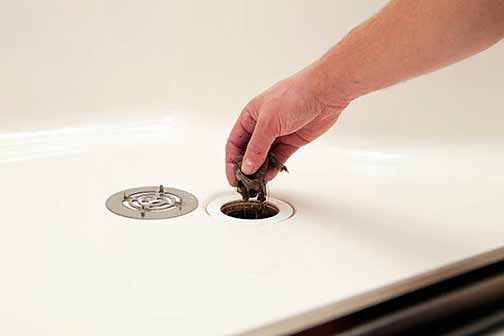
  • While waiting for the water to boil, remove any visible debris from the drain using gloved hands or a small tool.
  • Carefully pour the boiling water directly into the drain in a slow, steady stream.
  • Allow the hot water to work its magic for a few minutes.
  • After sufficient time has passed, turn on the shower and check if the water is draining properly. If not, repeat the process.

This method is not only effective but also safe for most types of pipes. However, be cautious when using boiling water if you have PVC or plastic pipes, as the heat may cause damage. If you’re unsure about the material of your pipes, it’s best to call a professional plumber before attempting this method.

Method 2: The Bent Wire Hanger

A bent wire hanger is a handy tool that can help dislodge stubborn clogs from your shower drain. This method is especially useful for hair clogs in your shower.

Here’s how you can use a bent wire hanger to unclog your shower drain:

  • Find a wire hanger and straighten it out as much as possible.
  • Bend one end of the hanger into a small hook shape.
  • Remove the drain cover, if possible.
  • Insert the hook end of the hanger into the drain and begin fishing for the clog.
  • Gently pull out any hair or debris that you can reach.
  • Repeat the process until you no longer pull out any clogs.
  • Once you’ve removed the clog, run hot water down the drain to flush out any remaining residue.

This method requires a bit of patience and effort, but it’s highly effective in removing hair clogs. Feel free to wear gloves if you find it more comfortable.

Method 3: Baking Soda and Vinegar

When combined, baking soda and vinegar create a powerful yet safe reaction that can help unclog your shower drain. This method is best suited for partially blocked drains.

Follow these steps to use baking soda and vinegar for unclogging a shower drain:

  • Pour half a cup of baking soda directly into the drain.
  • Follow the baking soda with one cup of white vinegar.
  • Quickly cover the drain with a cloth or drain plug to prevent the mixture from bubbling up.
  • Allow the mixture to sit in the drain for about 30 minutes.
  • Remove the cover and carefully pour hot water down the drain to flush away the clog.

The combination of baking soda and vinegar helps break down the clog, allowing it to be easily washed away by the hot water. This method is safe for most types of pipes and has the added benefit of eliminating any unpleasant odors.

Method 4: Wet/Dry Vacuum

If you happen to have a wet/dry vacuum at hand, you can use it to remove obstructions from your shower drain. This method works well for both minor and stubborn clogs.

Here’s how you can utilize a wet/dry vacuum to unclog your shower drain:

  • Set your vacuum to the wet mode.
  • Seal off the vent found on the vacuum to ensure maximum suction.
  • Place the vacuum hose directly over the drain, creating a tight seal.
  • Turn on the vacuum and let it run for a few minutes.
  • Check if the clog has been successfully removed by running water down the drain.

The powerful suction of the wet/dry vacuum can dislodge and remove clogs from your shower drain, providing efficient results. However, keep in mind that wet/dry vacuums vary in power, so results may vary depending on the specific model you’re using.

pouring hot water down your shower drains is a good form of maintenance.

Once you’ve removed the clog, run hot water down the drain to flush out any remaining residue.

Method 5: Natural Enzyme Cleaner

If you prefer using a cleaning product specifically designed for unclogging drains, opt for a natural enzyme cleaner. These cleaners contain live enzymes that break down organic matter such as hair, soap scum, and grease.

Follow the instructions provided on the enzyme cleaner’s packaging for the best results. Typically, you will need to:

  • Pour the recommended amount of the enzyme cleaner directly into the drain.
  • Allow the cleaner to sit in the drain as instructed.
  • Flush the drain with warm water to remove the loosened debris.

Using a natural enzyme cleaner is a safe and effective way to unclog your shower drain without resorting to harsh chemicals. These cleaners are generally biodegradable and environmentally friendly.

Preventing Future Clogs

Once you’ve successfully unclogged your shower drain, it’s essential to implement preventive measures to avoid future clogs. Here are some tips to keep your shower drain flowing smoothly:

  • Install a drain cover or strainer to catch hair and large debris before they enter the drain.
  • Regularly remove any collected hair or debris from the drain cover.
  • Use a shower drain cleaner made specifically for preventive maintenance to keep your pipes clear.
  • Flush your drain with hot water regularly to prevent buildup.

By following these preventive measures, you can minimize the occurrence of clogs and maintain a healthy plumbing system.

Wrapping it Up

Unclogging a shower drain without using chemicals is not only effective but also preferable for the well-being of your plumbing system and the environment. By utilizing methods such as boiling water, a bent wire hanger, baking soda and vinegar, a wet/dry vacuum, or natural enzyme cleaners, you can restore proper drainage to your shower safely and efficiently.

Remember to take preventive measures to avoid future clogs and maintain a smoothly flowing shower drain. With a little effort and these natural methods, you can keep your shower drain clear and minimize the need for chemical drain cleaners.

How to Stop Your Sump Pump From Leaking

How to Stop Your Sump Pump From Leaking

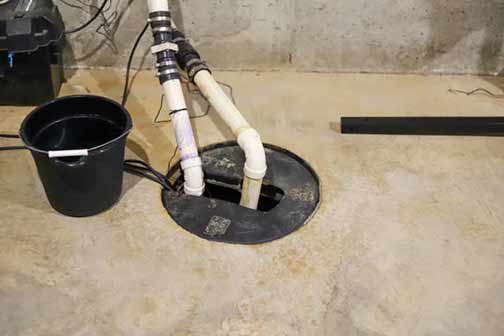
Your sump pump plays a crucial role in keeping your basement or crawl space dry by preventing water accumulation. However, if your sump pump starts leaking, it can lead to a variety of issues, including water damage and mold growth. Below we will explore some effective methods to stop your sump pump from leaking and ensure the continued protection of your home.

The Common Causes of Sump Pump Leaks

Before we get into the solutions, it is important to understand the common causes of sump pump leaks. By identifying the root cause, you can take appropriate steps to address the issue effectively. Here are some of the most prevalent causes:

  • Worn Out Seals: Over time, the seals within the sump pump can deteriorate, leading to leaks.
  • Improper Installation: If the sump pump is not installed correctly, it may not function optimally and can result in leaks.
  • Cracked Pump Housing: A crack in the pump housing can cause water to leak out.
  • Frozen Discharge Pipe: During the colder months, the discharge pipe can freeze, causing water to back up and leak from the sump pump.
  • Overwhelmed Pump: If your sump pump is undersized or unable to handle excessive water volume, it can become overwhelmed and start leaking.

Steps to Stop Your Sump Pump from Leaking

Now that we understand the common causes of sump pump leaks, let’s explore some steps you can take to stop the leaks and maintain the functionality of your sump pump:

Inspect and Replace Worn Out Seals

Over time, the seals in your sump pump can deteriorate due to wear and tear. Inspect the seals regularly and look for any signs of cracks or damage. If you notice any issues, replace the worn out seals with new ones. This simple step can prevent water from leaking out of the pump.

Check the Installation

If your sump pump was not installed properly, it may not operate efficiently, leading to leaks. Ensure that the pump is correctly positioned and securely fastened. Additionally, check the discharge pipe for any obstructions or improper connections. Proper installation is key to preventing leaks.

Repair or Replace a Cracked Pump Housing

If you discover a crack in the pump housing, it is crucial to address it promptly. Small cracks can often be repaired using waterproof sealants or epoxy. However, if the crack is extensive or the pump housing is severely damaged, it may be necessary to replace the entire pump. Contact a professional if you are unsure about the best course of action.

Insulate the Discharge Pipe

To prevent the discharge pipe from freezing during colder months, consider insulating it. Insulation sleeves or wraps designed specifically for sump pump discharge pipes are readily available in hardware stores. By insulating the pipe, you can avoid water backup and subsequent leaks.

Upgrade to a Higher Capacity Pump

If your sump pump is consistently overwhelmed by the volume of water it needs to handle, upgrading to a higher capacity pump may be necessary. A larger pump will effectively manage the water flow, reducing the risk of leaks. Contact a professional plumber to determine the appropriate pump size based on your specific needs.

Conduct Regular Maintenance

Prevention is always better than cure, and this applies to sump pump maintenance as well. Regularly inspect and test your sump pump to ensure it is functioning properly. Clean out any debris or sediment that may accumulate in the pump or pit. Additionally, consider a backup battery sump pump installation to ensure your sump pump continues to operate during power outages.

water damage in a home from a leaking sump pump.

It is important to address water damage promptly to prevent further issues, such as structural damage or mold growth.

Detecting and Addressing Water Damage

If your sump pump has been leaking for an extended period, it is possible that you may have already experienced some water damage. It is important to address water damage promptly to prevent further issues, such as structural damage or mold growth. Here are some steps to detect and address water damage:

Look for Visible Signs

Inspect your basement or crawl space for any visible signs of water damage. Look out for damp or discolored walls, peeling paint, or a musty odor, as these can indicate the presence of water intrusion.

Check for Mold Growth

Mold thrives in moist environments, so a leaking sump pump can create the perfect breeding ground. Inspect areas around the sump pump for any mold growth and address it promptly.

Dry Out the Affected Area

If you discover any water damage, use dehumidifiers and fans to dry out the affected area. Remove any wet materials, such as carpets or furniture, to prevent further damage and mold growth.

Speak With a Professional

If the water damage is extensive or you are unsure about the best course of action, it is advisable to contact professional basement flooding services. They have the expertise and equipment to assess the situation and recommend appropriate repairs.

A leaking sump pump can be a source of frustration and potential damage to your home. By understanding the common causes of sump pump leaks and following the steps outlined in this guide, you can effectively address the issue and prevent future leaks. Remember to conduct regular maintenance to ensure the continued functionality of your sump pump and promptly address any water damage that may occur. By taking these proactive measures, you can keep your basement or crawl space dry and protected.

Who is Responsible for Septic Tank Maintenance in Illinois?

Who is Responsible for Septic Tank Maintenance in Illinois

In the state of Illinois, homeowners with septic systems are responsible for the regular maintenance and care of their septic tanks. This is an important responsibility that ensures the proper functioning and longevity of the septic system, as well as protects the environment and public health. Understanding the maintenance requirements and knowing who is responsible for the upkeep of a septic tank is crucial for homeowners in Illinois.

The Importance of Septic Tank Maintenance

Maintaining a septic tank is essential for several reasons. Firstly, regular maintenance helps prevent costly repairs and extends the lifespan of the septic system. By conducting routine inspections and pumping out the septic tank when necessary, homeowners can identify and address any issues before they escalate into major problems. Neglecting maintenance can lead to septic system failures, which are not only expensive to fix but can also pose health risks and cause environmental contamination.

Secondly, proper septic tank maintenance contributes to the protection of the environment. A well-maintained septic system ensures that wastewater is effectively treated and does not contaminate groundwater or nearby bodies of water. This is particularly important for areas where there is no access to a centralized sewer system. By properly maintaining their septic tanks, homeowners in Illinois can play a role in preserving the quality of the state’s water resources.

Responsibility for Septic Tank Maintenance

In Illinois, the responsibility for septic tank maintenance lies with the property owner. Whether you live in a single-family home, a duplex, or a multi-unit building, it is the homeowner’s duty to ensure proper care, maintenance, and inspections of their septic system. This includes regular pumping of the septic tank, as recommended by professionals, and promptly addressing any issues that may arise.

As a homeowner, it is essential to familiarize yourself with the specific guidelines and regulations set forth by the Illinois Department of Public Health (IDPH) regarding septic tank maintenance. These guidelines outline the recommended inspection and pumping frequency, as well as the proper disposal of septic waste. Adhering to these guidelines not only fulfills your legal obligations but also helps maintain the functionality of your septic system.

Working with Professionals

While homeowners are responsible for septic tank maintenance, it is often recommended to seek the assistance of professionals in the field. Septic system professionals have the knowledge, expertise, and specialized equipment necessary for thorough inspections, proper maintenance, and repairs. They can help ensure that your septic system is functioning optimally and identify any potential issues early on.

When choosing a professional septic system service provider in Illinois, it is important to consider their experience, qualifications, and reputation. Look for companies that are licensed, insured, and have a proven track record of providing reliable septic system maintenance services. Reading reviews and asking for recommendations from friends, neighbors, or local authorities can also help you find reputable professionals in your area.

septic tank pumping is a good form of maintenance in illinois.

Regular pumping of the septic tank is also necessary to remove accumulated solids and prevent the tank from reaching maximum capacity, which can lead to system failure.

Regular Inspections and Pumping

According to the guidelines provided by the IDPH, homeowners in Illinois should have their septic tanks inspected at least once every three years. However, depending on the size of the household, the septic tank’s capacity, and the usage, more frequent inspections and pumping may be required. It is advisable to speak with a professional to determine the appropriate frequency for your specific septic system.

During an inspection, a septic system professional will assess the condition of the tank, check for any signs of leakage or damage, and ensure that the components are functioning as they should. If any issues are identified, they can provide recommendations for repairs or further actions to rectify the problem. Regular pumping of the septic tank is also necessary to remove accumulated solids and prevent the tank from reaching maximum capacity, which can lead to system failure.

Proper Waste Disposal

In addition to regular inspections and pumping, homeowners in Illinois must also adhere to proper septic waste disposal practices. It is crucial to avoid flushing non-biodegradable materials, chemicals, or excessive amounts of grease, as these can clog the system and disrupt the natural treatment process. Additionally, all septic waste should be disposed of in a manner compliant with local regulations.

Some Illinois counties may have specific requirements for septic waste disposal, such as utilizing approved waste haulers or treatment facilities. Homeowners should familiarize themselves with these regulations to ensure they are responsibly disposing of their septic waste. Failing to comply with these regulations not only poses environmental risks but may also result in legal consequences.

In Summary

Maintaining a septic tank is a critical responsibility for homeowners in Illinois. By prioritizing regular inspections, pumping, and following proper waste disposal practices, homeowners can ensure the longevity and proper functioning of their septic systems. Taking care of your septic tank not only protects your property and the environment but also contributes to the overall well-being of your community. Remember to speak with professionals and stay informed about the guidelines provided by the Illinois Department of Public Health to fulfill your obligations as a responsible homeowner.

How to Deal with Reoccurring Clogs in your Chicagoland Home

How to Deal with Reoccurring Clogs in your Chicagoland Home

Dealing with reoccurring clogs in your Chicagoland home can be frustrating and inconvenient. However, understanding the common causes of these clogs and knowing how to effectively deal with them can help you maintain a smoothly running plumbing system. Below we will explore the main reasons why clogs happen in the first place and provide you with practical solutions to resolve them.

Faulty Plumbing System

In some cases, reoccurring clogs can be attributed to a faulty plumbing system. If your home’s plumbing was not properly installed or if there are underlying issues with the pipes, it can lead to frequent clogs. Common problems include misaligned pipes, low water pressure, and inadequate pipe diameter.

To address this issue, it is essential to enlist the help of a professional plumber. A skilled plumber will be able to assess your plumbing system, identify any underlying problems, and make the necessary repairs or replacements. Investing in the expertise of a professional will ensure that the root cause of the clogs is addressed, minimizing the likelihood of future clogs.

Poor Drain Maintenance

Another common cause of reoccurring clogs is poor drain maintenance. Over time, debris, such as hair, soap residue, and food particles, can accumulate in your drains, leading to blockages. Additionally, the buildup of mineral deposits can restrict water flow and contribute to clogs.

To prevent clogs caused by poor drain maintenance, it is important to establish a regular cleaning routine. Start by removing any visible debris from the surface of the drain and then use a mixture of baking soda and vinegar to break down any stubborn buildup. Alternatively, you can purchase drain cleaning solutions from your local hardware store.

In addition to regular cleaning, it is advisable to use drain screens or guards to catch large particles before they enter the drain. This simple preventive measure can significantly reduce the occurrence of clogs and keep your plumbing system running smoothly.

Tree Roots in Sewer Lines

In some instances, reoccurring clogs may be due to tree roots infiltrating your sewer lines. Tree roots naturally seek moisture, and they can make their way into small cracks or joints in your pipes. Once inside, the roots can grow and expand, causing blockages and potentially damaging your plumbing system.

If tree roots are the cause of your reoccurring clogs, it is crucial to address the issue promptly. Contact a professional plumber who specializes in sewer line camera inspections and repairs. They will use specialized equipment to identify the location and extent of the root intrusion, and then recommend the most appropriate course of action, which may include root removal or pipe replacement.

a clog caused by pouring grease down a drain.

When grease is poured down the drain, it cools and solidifies, clinging to the walls of the pipes.

Dispose of Grease Properly

Improper disposal of cooking grease is a common culprit for reoccurring kitchen sink clogs. When grease is poured down the drain, it cools and solidifies, clinging to the walls of the pipes. Over time, this buildup can restrict water flow and lead to clogs.

To prevent grease-related clogs, it is essential to dispose of cooking grease properly. Allow the grease to cool after cooking, and then scrape it into a disposable container. Once the container is full, seal it and throw it in the trash. Alternatively, you can use absorbent materials, such as paper towels, to soak up the grease before throwing it away.

An effective way to remove any residual grease in the pipes is to pour boiling water down the drain regularly. This will help dissolve any grease buildup and keep the pipes clear.

Install Drain Strainers

Installing drain strainers in your sinks, tubs, and showers is an easy way to prevent hair, soap residue, and other debris from entering the drain and causing clogs. These strainers are inexpensive and can be found at most home improvement stores.

Regularly cleaning the drain strainers is also important to maintain their effectiveness. Simply remove them and rinse away any accumulated debris under warm water.

In Summary

Dealing with reoccurring clogs in your Chicagoland home requires a combination of proactive measures and professional assistance, if needed. By understanding the common causes of these clogs and implementing the suggested solutions, you can ensure that your plumbing system remains free from frequent blockages. Remember to prioritize proper drain maintenance, dispose of grease correctly, and consider installing drain strainers to keep your pipes flowing smoothly. With these preventive actions, you can enjoy a clog free home and peace of mind.