Because drainage pipes are the least seen parts of your home’s plumbing systems, they are also the section of the plumbing where hidden problems are most likely to happen. These problems can range from small clogs/blockages to major issues that can cause your sewer line to back up, notes Keyrenter Northwest Chicago.
What are the signs that your drains are in trouble, and what should you do if you find any of these signs in your home?
8 signs of drain troubles in your home
Slow drains
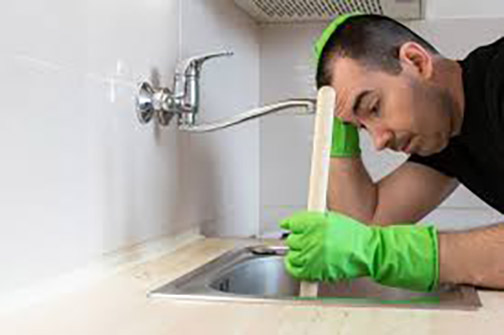
Depending on how this problem presents itself, you may be dealing with one or several blocked drains in your home. If multiple drains in the home are slow at the same time, you may have a blockage inside your sewer line. If only one drain is slow, maybe only the drain pipe for that fixture is clogged.
Recurring drain clogs
If a fixture drain clogs repeatedly, even after you have tried to solve the problem, you may be looking at deeper issues. The clog may be far inside your drainage pipes, where the drain-cleaning solutions you applied are unable to reach.
Strange sounds from your drains
If you hear gurgling or bubbling sounds from your drains, especially when you flush the toilet or run the washing machine, it is because pockets of air (sewer gases) are trapped inside the pipes. This only happens when the clogs inside your drains prevent the free flow of air.
Sewage odors in your home
The smell of raw sewage in your home or around your yard could be due to two things. Trapped sewer gases inside the drainpipes are escaping into the house, or a broken section of sewer pipe is releasing raw sewage into your yard.
Backed-up drains
If water is backing up inside a single fixture in your home (maybe the bathtub, shower, or toilet), it is safe to assume that the problem is with the drainage pipe for that specific fixture. However, if this problem is happening to multiple fixtures at once, you certainly have a blocked sewer line.
Wet or lush green spots in the yard
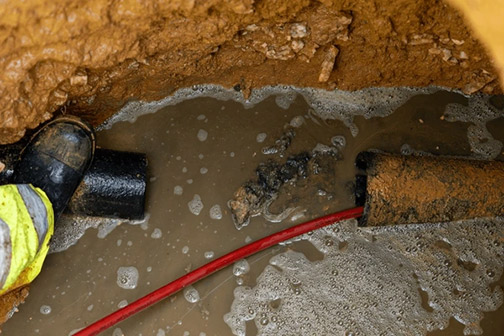
This is a sign that an underground drainpipe or your sewer line is leaking and discharging wastewater into the soil. This is the reason for the perpetually soggy spot in your yard and the patch of grass that is greener than the rest of the lawn.
Pest infestation
If fruit flies are invading your kitchen, the kitchen drain may be full of debris. If you’re suddenly seeing roaches, rats, raccoons, centipedes, etc. in your yard, you may have a broken sewer line that is providing food and water to these pests.
Mold and mildew
If you smell mold inside your home – a musty odor in the dark, inaccessible corners of the house – you may have undetected drain issues. Slow drains create damp conditions that promote the growth of mold and mildew in parts of your home.
How to fix the drain troubles in your home
The first step is to identify the type of problems in your drainpipes, determine the location of those issues, and identify the materials blocking the pipes. This information will help you make an informed decision on the best method for cleaning your drainage pipes.
Here are the steps to solve your drain problems:
Conduct a sewer camera inspection
A sewer camera inspection is the most effective method for diagnosing drainage problems. It uses a waterproof camera that is inserted into the drain line and maneuvered through the pipes to the location of the clog. While doing this, the camera sends a live feed of the inside of the pipes to an above-ground screen for analysis.
Get professional drain-cleaning
This drain-cleaning method allows your plumber to reach deep inside your drains to directly remove clogs. Professional drain cleaning methods, such as sewer rodding and hydro jetting, are more effective than chemical drain cleaners, which don’t really remove clogs from your drainage system.
Preventive drain maintenance
This ensures that after removing clogs and blockages inside your drainpipes, the problems don’t recur. They include the following steps:
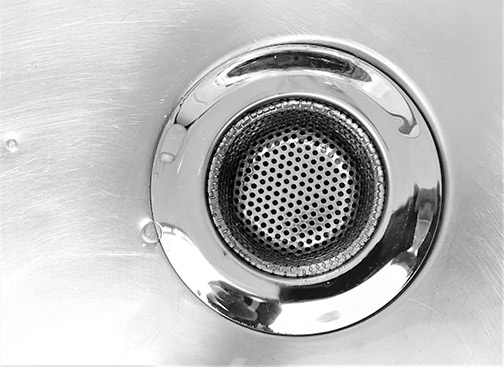
Installing drain strainers on sinks and shower drains
Not dumping fats, oils, and grease, as well as starchy foods, fibrous veggies, eggshells, and coffee grounds into your drains
Ensuring that only toilet paper, human waste, and water go into your toilet
Using enzymatic drain cleaners in place of chemical drain cleaners
Lastly, have a professional Chicago plumber inspect your entire drainage system once a year or every two years. This small step can save you thousands of dollars and a lot of emotional stress. A detailed plumbing inspection will reveal problems you didn’t know existed in your drains, giving you the chance to solve them before they cause plumbing emergencies in your home.
A clogged sewer line can be one of the most emotionally distressing and financially draining plumbing problems to have in your home. Keyrenter Jacksonville notes that your sewer line serves as the eventual exit point for all the drainage pipes in your home. That is why when it clogs, it can result in:
Flooding and sewage backups
If the sewer line is blocked, wastewater from your toilet, shower, and sinks will have nowhere to go. After building up inside the line, this water will flow backwards until it enters your home through the drains closest to the floor, toilets, showers, and basement drains.
Costly property damage
A clogged sewer line can leak water into the walls and flooring of your home, causing expensive damage. These problems can persist for a long time before their effects become apparent, necessitating the replacement of your flooring, drywall, and insulation.
Foundation failure
One of the most devastating impacts of sewer line problems in a home is a failed foundation. Sewer line clogs can secretly leak water into the foundation of your building, undermining it and ultimately causing damage.
Indoor air quality issues
Sewer line clogs and blockages cause severe indoor air quality issues in your home when trapped sewer gases inside the line escape into your home. Mold and mold spores also multiply in homes with sewer line problems.
Pest infestation
Clogged and leaky sewer lines attract harmful pests to your home. Mosquitoes, roaches, centipedes, snakes, raccoons, etc., are just a few of the pests that will be drawn to your property when you have a clogged and leaky sewer line.
Tips for preventing sewer line clogs in your home
To prevent sewer line clogs in your home, first, you need to know what causes them.
Dispose of FOG in the trash
Fats, oils, and grease are the #1 cause of sewer line clogs in both private and city sewer lines. That soft and runny grease you poured down the sink drain will congeal into a hard mass inside your sewer line. This hardened mass will stick to pipe walls, trap debris, and, in due course, block the sewer line.
Watch what you put inside the toilet
Toilets are for human waste, water, and toilet paper only. Do not flush cat litter, paper towels or napkins, diapers, feminine hygiene products, cloth, wipes, dental floss, latex condoms, or items described as “flushable” into the toilet.
Be careful of food waste
Do not dump starchy foods (mashed potatoes, pasta, boiled rice, etc.), fibrous veggies (celery, corn silk, broccoli, etc.), coffee grounds, eggshells, bones, and similar items into your sink drain. Dispose of food scraps in the trash can.
Install strainers on sink and shower drains
Small hairs that find their way into the shower drain can mix with soap scum, FOG (fat, oil, and grease), and pieces of fiber to form large balls inside the sewer line. Reduce this risk by installing strainers on drain openings.
Install root barriers
If there are trees and large shrubs in the vicinity of your sewer line, their roots can penetrate the line and block it. To prevent this, either remove the plants or install tree root barriers to stop plant roots from reaching your sewer line.
Create a preventive plumbing maintenance plan
Although the above steps help to slow the accumulation of debris inside your sewer line, they will not stop this process altogether. That is because the wastewater that flows into your sewer line always carries different amounts of solid and semi-solid waste with it.
Some of these materials will be deposited inside the sewer line as the water flows through the pipes. With time, this buildup can grow until it narrows the pipe channel and interferes with the flow of water through the line. Preventive sewer line maintenance will solve the problem.
Periodic sewer line inspections
Doing a sewer camera inspection every 1-2 years allows you to know the true condition of your sewer line. A sewer camera inspection is the most cost-effective non-invasive method for assessing the condition of a sewer line.
Professional drain-cleaning
To restore your sewer line to optimal flow, remove the accumulated debris inside it. Do this by having the line professionally cleaned every 1-2 years. The best methods for these are sewer rodding and hydro jetting. These two drain cleaning methods will remove any kind of buildup inside your sewer line.
Upgrade the sewer line
If you have older pipe materials such as cast iron, galvanized steel, or clay, consider replacing them. These pipe materials are prone to corrosion and blockages. Installing newer sewer materials, such as PVC, will reduce the incidence of clogs and blockages in your sewer line.
Finally, do not underestimate the importance of working with an experienced drain expert when trying to solve the problems in your sewer system. A plumber who specializes in sewer line care and repair will not just solve the problems in the line; they will help you prevent future ones.
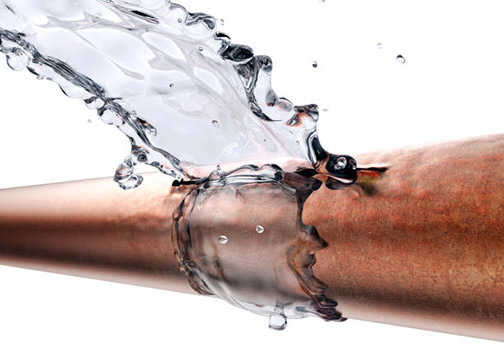
Winter is the time of the year when your home needs hot water the most, but it is also the time of the year when your water pipes are most likely to burst. According to Personal Touch Property Management, burst pipes occur when the water inside your pipes expands, placing the pipe walls under immense pressure until they burst.
However, just because it is winter, it does not mean your home has to be subject to the ravages of a frozen and burst water pipe. There are things you can do to protect your plumbing during winter and ensure uninterrupted access to fresh water due to a frozen pipe section.
How to protect your water pipes from winter
Which pipes are most vulnerable to freezing temperatures during winter? The plumbing pipes in the uninsulated areas of your home are the ones most likely to freeze. This includes water pipes in the following locations:
Exterior walls
Pipes that run along your exterior walls are at high risk because cold air can seep into them from outside and freeze the water within the pipes.
Unheated areas
Pipes in the unheated spaces of your home – attics, garages, crawlspaces, and unfinished basements – are also vulnerable to freezing
Exterior faucets
Outdoor faucets and hoses are extremely susceptible to freezing.
Other exposed pipes
Uninsulated pipes, even those inside the home (water pipes under sinks, within cabinets, and overhangs or behind appliances), can be frozen.
How do you keep these vulnerable pipes from freezing?
Disconnect and drain outdoor plumbing
Disconnect all attachments to your outdoor faucets, hoses, splitters, and other attachments. Drain all the water from outdoor hoses and put them away for winter.
Close the inside shutoff valves for outdoor faucets (the valve should be in the basement, crawl space, or utility room) and open the faucets until all the water in the pipe drains.
Leave the faucet open, just in case there is residual water inside the pipes. For extra protection, add insulating covers to all outdoor faucets.
To secure your swimming pool, drain all the water. For your lawn sprinkler supply lines, follow the manufacturer’s instructions for winterizing the system.
Protecting your indoor plumbing
Seal all air leaks around your home. These are openings in the walls of your house that let the cold air outside your home enter the building. The most common locations for air leaks are those points where pipes and electrical fittings penetrate the walls of the house.
Protect exposed pipes with pipe insulation. This is for water pipes in the unheated spaces in your home, such as the attic, crawlspace, and basement. Pipe insulation doesn’t cost much, and you don’t need a professional plumber to install it; you can do it yourself.
Maintain the same thermostat setting during the day and at night, no lower than 55°F. Even when you are away from your home, leave the heating on. However, if you plan to be away from your home for a long time, you may turn off your heating and water supply.
Leave cabinet and bathroom doors slightly open. This helps the warm air inside the home to circulate to these parts of your house. This is particularly important for pipes under the sink, since kitchen and bathroom sinks are often directly attached to the exterior walls.
Keep garage doors closed to prevent water supply lines from exposure to cold air. Even if there are no water pipes in the space, keeping your garage doors closed serves as an additional barrier between the cold air outside your home and the warm interior.
Let the cold water faucets drip to keep the water flowing. Even at just a trickle, the steady flow of water through the pipes will help to prevent freezing. The impact of this step on your water bills is small compared to the cost and consequences of a frozen water pipe inside your home.
Reroute any water pipes that are located inside your exterior walls. This is a long-term solution that is worth exploring. If you can’t reroute the pipes, another option is to move them inside the insulation. If the space can be accessed, you may also install heat tape to protect the pipes.
Ideally, these steps should be completed before the full onset of winter. To make sure your plumbing is fully protected during winter, a professional plumber can inspect your home’s plumbing to advise you on any additional steps you need to take.
But what if you do get a frozen pipe? What should you do? The best way to handle a frozen water pipe without damaging your plumbing is to heat the room where the pipe is located with a space heater. Do not apply heat directly to a frozen pipe.
If this doesn’t work or you cannot wait because you urgently need to get the water running again, get help from a professional burst pipe repair service.
Real estate investors love the BRRRR method — Buy, Rehab, Rent, Refinance, Repeat — because it’s both a strategy and a flywheel for financial growth. Done right, it builds long-term wealth with minimal upfront capital after the initial cycle. Done wrong, it becomes a cash-draining trap. Let’s explore the essentials that separate successful investors from those who burn out after the first “R.”
TL;DR
BRRRR is not a get-rich-quick system — it’s a disciplined wealth-building formula.
Buy right: Value is made on the buy.
Rehab smart: Focus on ROI-driven improvements.
Rent well: Screen tenants and optimize occupancy.
Refinance wisely: Don’t overleverage.
Repeat strategically: Scale only after systems are in place.
Also — protect your investments legally (form an LLC), maintain your properties, and never underestimate the importance of finding a reputable company for critical repairs like plumbing.
The BRRRR Method Breakdown
Phase
Core Focus
Key Question
Typical Pitfall
Success Tip
Buy
Acquisition
Is this below market value?
Overpaying
Analyze multiple comps before closing.
Rehab
Renovation
Will this boost ARV?
Over-renovating
Stick to cosmetic & safety upgrades.
Rent
Tenanting
Will it cash flow?
Rushing to fill units
Pre-screen rigorously.
Refinance
Leverage
Does the equity justify it?
Refinancing too early
Wait until stabilized income.
Repeat
Scaling
Can I manage the next one?
Growing too fast
Build a process before scaling.
The BRRRR How-To Checklist
1. Research the market — Use sites like Realtor.com or Redfin to spot underpriced homes. 2. Budget realistically — Factor in not just the purchase price but also holding costs, closing fees, and rehab overruns. 3. Vet contractors — Always get three quotes and check references on Angi. 4. Rehab with purpose — Focus on upgrades that increase rentability or appraisal value. 5. Rent for reliability — Consider property management software such as Avail to automate tenant screening and payments. 6. Refinance strategically — Build equity first. Don’t refinance until your property stabilizes. 7. Repeat — only when ready — Use tools like BiggerPockets to model returns and scale methodically.
Plumbing Repairs: The Silent Wealth Preserver
While most investors focus on roofs, paint, and flooring, plumbing issues can devastate cash flow if ignored. Leaks, clogs, and outdated pipes often lead to property damage and angry tenants — both of which cost you time and money.
When tackling repairs or system updates, prioritize finding a reputable company with proven experience in residential investment properties. A trusted contractor doesn’t just fix problems; they preserve your ROI by preventing future disasters.
The Case for Legal Protection
As your BRRRR portfolio grows, forming an LLC provides structure, liability protection, and tax advantages. It separates your personal assets from your rental operations and signals credibility to lenders. Setting up an LLC through ZenBusiness can save you significant time and cost compared to hiring an attorney, letting you stay focused on scaling instead of paperwork.
Pro Tips & Hidden Truths (Bulleted List Edition)
Don’t fall in love with the property; fall in love with the numbers.
Protect your credit — lenders love discipline, not drama.
FAQ — Investor Concerns, Answered
Q1: How much money do I need to start with BRRRR? A: It varies by market, but expect 20–25% down for your first deal plus rehab costs.
Q2: Is BRRRR still profitable with higher interest rates? A: Yes, if you buy at deep discounts. Rising rents often offset higher financing costs.
Q3: Should I manage my properties myself? A: Only if you enjoy it and live nearby. Otherwise, use management platforms like Buildium or hire a property manager.
Q4: How long should I wait before refinancing? A: Typically six to twelve months, once rental income stabilizes and you’ve improved the property’s value.
Q5: What’s the biggest rookie mistake? A: Misjudging rehab budgets — always pad estimates by 15–20%.
Glossary
ARV (After Repair Value): The property’s appraised value after renovation.
Cash-Out Refinance: Pulling equity from a property by taking a new loan.
Cap Rate: A property’s net operating income divided by its purchase price.
Equity Cushion: The margin between your property’s value and debt.
Turnkey Property: A home already rehabbed and rented out to tenants.
Product Spotlight: Home Depot Pro Xtra for Real Estate Investors
When managing multiple rehabs under the BRRRR model, even small savings add up. Home Depot Pro Xtra for Pros lets investors track project spending, earn volume discounts, and get paint or tool rewards automatically. It’s especially useful when running simultaneous renovations or working with multiple contractors across markets.
The BRRRR method is a rhythm — not a race. Start small, document every step, and learn from each cycle. As long as you treat real estate investing like a business, maintain quality properties, and make decisions grounded in math (not emotion), your “Repeat” will lead to compounding returns and long-term financial freedom.
Vacant properties often appear calm from the outside, but their plumbing systems continue to age quietly. When water does not move through the lines, residue forms, minerals settle, and small blockages take hold. Owners sometimes discover issues only after damage spreads. Working with trusted plumbing experts for drain and pipe cleaning helps you understand how inactivity affects drains. The right approach protects pipes, prevents expensive repairs, and keeps the property safe while it sits empty.
Common Drain Issues in Vacant Homes
Many owners underestimate the impact of time on unused drains. When fixtures remain untouched, particles settle into bends and corners. Dust that enters through open vents can build up on damp surfaces. Over months, these small changes combine into stubborn clogs. Rust slowly forms where condensation gathers, creating a rough interior surface that traps hair, grease, or sediment. Mold may appear in areas with poor ventilation. An early inspection helps identify concerns before they demand major attention.
Drain and pipe cleaning is even more important in vacant homes
The Impact of Standing Water
Standing water is another common issue in vacant homes. When water never circulates, bacteria can grow. This growth produces unpleasant odors that move through the property. Over time, bacterial activity can cause discoloration inside pipes. Mineral deposits harden and restrict water flow later. Corrosion can worsen when stagnant water reacts with metal. Draining unused fixtures fully and leaving traps filled to block sewer gases helps balance these risks.
Create Safe Access Around Plumbing Systems
Vacant properties often store furniture, boxes, and seasonal items that can block access to key plumbing areas. Renting space based on an accurate storage unit size guide helps owners move belongings out of utility rooms, basements, and crawlspaces so potential leaks or bursts can be addressed quickly.
When you free up these areas, selecting the proper size matters, since placing items off-site in a properly sized unit prevents moisture damage if a hidden pipe fails and avoids you from overpaying or overstuffing a storage unit. With clear pathways, professionals can inspect joints, fittings, and traps without obstacles. Organized storage also makes it easier to shut off valves or repair drains before small problems escalate. Removing clutter from areas surrounding plumbing gives you more control and reduces the risk of indirect property damage.
Routine Drain and Pipe Cleaning to Prevent Damage
Scheduling regular drain and pipe cleaning lowers the chance of surprise repairs. Even if the home remains unoccupied, running water occasionally prevents buildup. Remove visible debris from sink strainers and shower drains. Flush toilets weekly to prevent septic odors. Pour warm water through infrequently used drains to remove soft residue. This small routine keeps water moving and slows sediment formation. Camera inspections every few months provide clarity on hidden blockages and potential weaknesses in the line.
How to Flush and Cycle Water Through the System
Flushing and cycling water through the system helps maintain interior pipe conditions. Run each faucet for several minutes to push out stale water. Test hot water taps to confirm that your heater remains free of sediment. Run the dishwasher and washing machine occasionally, even without a full load. These steps wash away early buildup. Cycling water prevents the air pockets that can lead to pipe corrosion. Remember to maintain proper ventilation in bathrooms to reduce humidity.
Smart Use of Drain Covers and Filters
Drain covers and filters offer simple protection without major expense. Fine mesh screens catch hair, coffee grounds, and small items before they reach the pipe interior. Vent covers block insects and dust from entering through drains. Sealed stoppers reduce air exposure, lowering the chance of mold growth. These small details limit the number of threats that can start within the system.
Chemical Cleaners vs. Mechanical Cleaning Tools
Property owners often wonder whether chemical cleaners are safe for long-term maintenance. Strong chemicals may weaken older pipes over time. Instead, mechanical tools such as drain snakes or augers remove physical blockages without harming the pipe walls. Gentle foaming cleaners help reduce odor and organic buildup. Baking soda and vinegar offer safer cleaning methods that target residue. When in doubt, read labels carefully and avoid mixing products.
Routine Maintenance and Long-Term Prevention
Vacant properties need consistent attention to stay problem-free, as you need to clean your drains regularly before they clean your wallet! Regular cleaning and small checkups save owners from costly surprises. The smallest blockages can grow into severe issues if ignored. Running water through each line occasionally prevents debris buildup and odor. Keeping a basic maintenance schedule every few weeks ensures water moves freely, reducing pressure on older pipes. Even when the property remains unused, simple routines like this keep the plumbing system ready and safe. Regular drain and pipe cleaning is both a preventive measure and a long-term investment in the property’s condition.
Routine maintenance is a must
Seasonal Protection and Winter Plumbing Problems
Seasonal conditions create extra challenges. Lines can freeze in colder months, leading to bursts and leaks once temperatures rise. If you want to avoid winter plumbing problems, you need to insulate exposed pipes and keep interior temperatures above freezing. Temperature swings can freeze water in drain traps, causing expansion damage. Inspect insulation around attic pipes and exterior walls. Confirm that crawlspaces remain sealed from outside drafts. Even a slight freeze can rupture an aging pipe.
Choosing the Right Storage Unit for Plumbing Supplies
Supplies for long-term property maintenance can pile up quickly. The size guide can help owners choose the proper space for storing hoses, replacement washers, vent covers, and emergency tools. Proper organization allows for a faster response when a leak or clog appears. Keeping supplies off-site protects them from basement moisture or attic heat. A secure storage location ensures that everything remains accessible when needed.
Signs a System Needs Immediate Attention
Knowing the early signs of trouble can save an owner from costly repairs. Slow drainage often indicates hidden buildup that needs removal. Gurgling sounds can mean trapped air or growing blockages deeper in the line. Discolored water may point to corrosion. Sewage odors are a sign of a ventilation problem or a dry trap. Bubbling around drain edges may mean partial blockage. These signals deserve immediate attention.
When to Call Professional Help
Not every maintenance task should be handled alone. Severe clogs require professional gear to clear fully. High-pressure jets remove hardened deposits and restore proper flow. Camera inspections reveal cracks or roots deep within the pipe system. Technicians can locate breaks faster than guesswork allows. Calling for help prevents accidental pipe damage caused by aggressive DIY tools. Some insurance plans even require a documented service history.
Sometimes a professional is required
Build a Preventive Strategy That Works
In summary, a preventive strategy protects a vacant home from silent plumbing threats. Regular movement of water, simple cleaning tools, and organized supplies reduce the chance of clogs and leaks. Seasonal preparation stops temperature damage before it begins. Knowing when to call professionals increases safety and lowers costs. Consistent drain and pipe cleaning keeps wastewater flowing smoothly and safeguards the property.
All plumbing systems, whether installed in a residential or commercial building, have two distinct parts. First, there is the part that handles the building’s fresh water supply. Then there is the part that transports wastewater from all the plumbing fixtures out of the building.
Although they always work in a tight synergy, TrueDoor Property Management notes that these two parts of the plumbing must remain separate at all times. Think what would happen if the fresh water running to your faucets got mixed up with the dirty water flowing from your shower.
Not only would your home’s water supply become contaminated, but the worst part is, you might not even know that this is happening inside your plumbing. This problem is caused by backflow, one of the least understood yet lethal issues in plumbing systems.
Understanding the basics of backflow: causes, effects, and signs
In the simplest terms, backflow refers to the reverse flow of water or other liquids in plumbing pipes. Normally, the clean water, gas, or wastewater inside your pipes should flow in one direction. Clean water, for instance, should enter the home via the main water supply line and exit through the faucets.
However, problems can happen in the system that interrupt this order, forcing the water or gas in the pipes to flow in the opposite direction, often with disastrous consequences. This is usually due to significant pressure changes in the pipes or severe demand imbalances in the system.
The causes of backflow in plumbing systems can be divided into two categories:
Back siphonage
This occurs when negative pressure in the supply line creates a suction force that pulls contaminated water backward into the potable water system. Common causes of back siphonage include: high demand by nearby firefighting equipment, water main breaks, and pipe repair works.
Back pressure
In this instance, pressure in the non-potable water section of the system becomes higher than the pressure in the clean water section, forcing contaminated water to push backwards and mix with the clean water. Common causes are pipe blockages, faulty valves, and tight bends in the pipes.
The main effect of backflow is cross-connection, a bridge in the plumbing system that allows potable water to meet and mix with non-potable water. This introduces contaminants like sewage, soil, pesticides, herbicides, and others into the clean water supply.
What are the signs of backflow in a plumbing system?
Backflow is hard to detect because most signs of the problem can also be attributed to other causes. If you detect the following problems in your home or office building, please check your plumbing system for backflow.
Strange smells and tastes in your water, as well as water discoloration.
Unexplained increases in your water bill are often a sign of a major hidden leak.
Slow, clogged, or blocked drains in your home, especially if the problem is recurring.
Recent firefighting activity near the building.
The best way to detect backflow in your plumbing is to test the system. The ultimate defense against backflow in your home or office is to install a backflow preventer in your plumbing. What is a backflow prevention system, and how does it work?
Backflow prevention devices and how they work
A backflow device is a gate that ensures the water inside your pipes flows only one way. If there is a risk of flow reversal due to changes in water pressure, the backflow preventer will shut the pipe and provide a way to rebalance the pressure inside the system. How does this work in real life?
To prevent backflow, the backflow preventer uses a series of checkpoints. These are check valves that open and close according to the water pressure in the system. When pressure is normal, the valves open to allow upflow travel, but when pressure rises, they close to prevent reverse travel.
Typically, a backflow preventer has two gates with an empty space between them, a diaphragm activated by pressure, and a vent. If there is excess pressure coming from the discharge side of the system (the non-potable supply section), the valve on the supply side closes.
The water flowing backwards enters the space between the valves before exiting the system through the vents. That way, contaminants in the downstream section of the plumbing are kept out of the potable water section of the system. There are several types of backflow devices.
The most common ones are:
Atmospheric Vacuum Breakers (AVB)
Pressure Vacuum Breaker (PVB)
Double Check Valve Assembly (DCVA)
Reduced Pressure Zone Assembly (RPZA)
All of these different types of backflow preventers operate on the same basic principles but with slight differences. However, some of them are only suitable for specific applications.
If you suspect you have backflow issues in your building and are considering installing a backflow preventer, how do you choose the best one for your plumbing? Start by testing your plumbing, and based on the results, your plumber can recommend the right backflow device for your building.
How many times have you found yourself in this situation? You know your sink is leaking, but you just can’t find the exact location of the leak. Consequently, even after trying numerous tricks and tips, the problem in your sink persists.
If you still have that problem, this post will help you fix it.
Why are sink leaks often hard to diagnose? In design and operation, Keyrenter South Florida notes that sinks are really simple plumbing fixtures. A sink is a bowl-shaped fixture used for washing. But when you add different connections to it, a sink becomes a complex system.
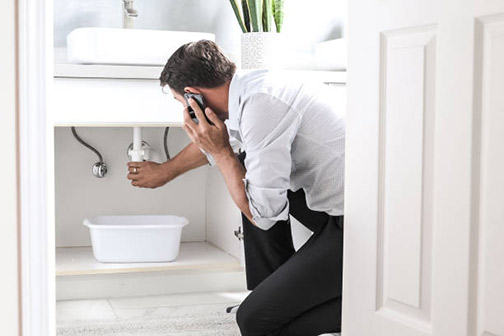
Leaks can occur in any one of your sink connections, faucets, water supply lines, drainage pipes, P-Trap, and shut-off valves. These leaks do not always happen overtly, and if undetected, they will not only inflate your water bill but also cause expensive water damage to your home.
Here is how to detect the underlying cause of a sink leak in your home.
Faucet leaks
If the faucet is leaking from its base, check for gaps or signs of rust at the base of the faucet. Most faucets sit on a base plate. The edges of this plate should be sealed with putty to keep water from getting through. If the faucet is loose, the putty has worn out or hardened. Tightening the nuts and reapplying putty around the base plate should solve this problem.
Your faucet may also leak from the spout if the O-rings are worn or the securing ring is loose. To check if this is the source of the leak, loosen the nut at the base of the spout to inspect the O-rings and securing ring. If the O-rings are worn, replacing them will stop the leaks. Applying heat-proof grease around the securing ring also helps stop leaks.
The sink drain
Leaks can also happen underneath your sink. If something, maybe a trash can, knocks really hard into the drainage pipes or garbage disposal, you may have leaks. If water is coming from the underside of your sink, the basket strainer could be leaking. To make sure this component is not loose, tighten it with a channel lock (tongue-and-groove pliers).
Leaks also happen at the joint between the basket strainer and the drainage pipe. Remove the pipe by loosening the slip nut and check that the insert at the neck of the pipe (which should seal the connection) is in good condition. Applying Teflon pipe dope to the inside and outside of the pipe before replacing it will help to seal up the joint.
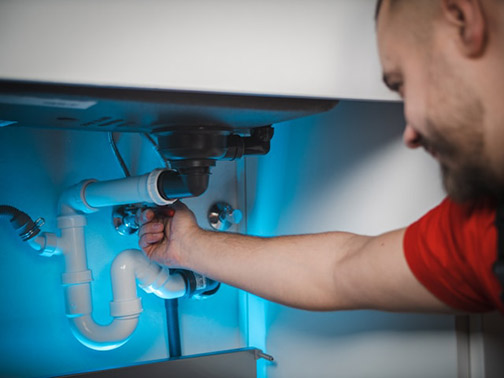
The P-trap underneath your sink can also leak. The most common causes of P-trap leaks are a loose slip nut and a cracked pipe. Undo the P-trap and inspect the threads at both ends of the pipe to make sure there are no cracked or chipped sections. If there are, replace the P-trap. If the P-trap is not damaged, put it back and tighten the connection (by hand).
The water supply lines
This is another common site for leaks. These leaks are usually the result of corroded parts and loose connections. To check if the water supply lines are leaking, dry the lines, shut-off valves, and connections with a paper towel. Run the faucet and use a dry paper towel to feel for leaks around the water supply line, shut-off valve, and pipe joints.
Leaks here could be due to a loose connection at the point where the flexible hose meets the faucet or shut-off valve. The shut-off valve may also leak around the stem. To fix a leaking hose, tighten the connection. If this doesn’t work, you may need to replace the hose. Stainless-steel braided hoses are more durable.
If the leak is from the stem of the shut-off valve, the best option is to replace the device. If this is not immediately possible, applying silicone tape or epoxy to the leak will temporarily handle the problem. This is not a permanent solution; the shut-off valve should be replaced as soon as possible.
The garbage disposal
Leaks may also happen at the garbage disposal. A garbage disposal can leak at the O-ring, around the top of the appliance, or at the bottom. If the garbage disposal is leaking at the O-ring (the point where the drainpipe connects directly to the appliance), the problem can be fixed by disconnecting the pipe to clean it and check – and maybe replace – the O-ring.
If the garbage disposal leaks from the top, fix the problem by checking that the connection to the sink is not loose. Tightening the nut should stop any leaks. However, if the garbage disposal is leaking from the base, there is no easy fix for the problem. The best solution for a garbage disposal that leaks from the bottom is to replace it.
Conclusion
Doing these steps should fix your leaky sink. However, if you are still unable to find the cause of the problem after following these steps, you may want to call a professional plumber.
Buying a home is one of the most exciting—and nerve-wracking—milestones in life. Between negotiations, appraisals, and the rush to finalize closing papers, many buyers overlook one of the most vital steps in protecting their investment: Sewer line inspections. This essential but often forgotten process can reveal hidden issues lurking beneath the surface that standard home inspections don’t cover. Without it, you risk inheriting expensive plumbing problems that could quickly turn your dream home into a financial drain.
Sewer Line Inspections: The Hidden World Beneath Your Home
Most buyers focus their attention on visible aspects of a property—the foundation, roof, plumbing fixtures, and appliances. Yet, one of the most crucial parts of any home is the sewer line, a buried system that quietly carries wastewater away from the property. Because it’s underground, problems often go unnoticed until they become serious, resulting in costly repairs or even property damage. Sewer line inspections ensure you’re not inheriting someone else’s expensive headache.
What a Sewer Line Inspection Involves
A sewer line inspection is not part of a standard home inspection, which means you need to schedule it separately. During the process, a licensed plumber uses a specialized waterproof camera attached to a flexible cable. This camera is inserted into the home’s main drain line, allowing professionals to see the condition of the pipes in real time. They can identify cracks, blockages, corrosion, or root intrusions that could lead to future backups. The inspection usually takes less than an hour, but the insights it provides are invaluable.
Why Standard Home Inspections Aren’t Enough
A traditional home inspection focuses on structural integrity, electrical systems, and visible plumbing, but it doesn’t cover underground lines. That means even if your home inspection report looks clean, you could still face hidden issues in the sewer system. Buyers often assume that if everything drains properly during their walkthrough, all is well. Unfortunately, some sewer problems don’t show immediate symptoms. They can build slowly, turning into emergencies long after you’ve moved in.
A smart move is having a sewer line inspection along with a traditional home inspection.
The High Cost of Ignoring the Sewer Line Inspections
If a problem is discovered after closing, you’re on your own financially. Depending on the extent of the damage, replacing a sewer line can cost anywhere from a few thousand to tens of thousands of dollars. Excavation, pipe replacement, and landscaping restoration all add up quickly. Even worse, some cities require permits and additional inspections, further increasing costs. In severe cases, homeowners have to dig through driveways or gardens, turning their dream home into a construction zone. A pre-closing inspection helps avoid such unpleasant surprises.
Common Sewer Line Problems Buyers Overlook
One of the most frequent culprits is tree root intrusion. Roots naturally seek moisture, and small cracks in old pipes provide an entry point. Over time, they expand and block the line completely. Other common issues include aging clay or cast iron pipes, which are prone to corrosion and collapse. Shifting soil can also cause misalignment, while grease buildup or foreign objects create recurring clogs. Knowing these issues beforehand allows you to negotiate repairs or a lower purchase price with the seller.
How Sewer Line Issues Affect Property Value
A home with a failing sewer line isn’t just an inconvenience—it’s a liability. Potential buyers may walk away from deals once they learn about the condition of the pipes. Even if you plan to stay in the home for years, the resale value could drop significantly if major underground repairs are needed. Addressing these concerns before closing ensures you’re investing in a property that will retain its value rather than drain your savings in future repairs.
The Connection Between Sewer Health and Daily Comfort
It’s not just about avoiding costs; it’s also about maintaining comfort and safety. Sewer backups can lead to unpleasant odors, slow drains, or even wastewater flooding in basements or bathrooms. These issues can cause health hazards and require professional remediation. A simple inspection now prevents major disruptions later, ensuring you move into a home that’s both safe and functional from day one.
Timing the Inspection Before You Close
Ideally, the sewer line inspection should happen right after your offer is accepted, but before final negotiations. This timing allows you to review the video footage and discuss findings with your real estate agent. If problems arise, you can ask the seller to repair the line, offer credit toward repairs, or adjust the final sale price. Waiting until after closing removes your leverage, leaving you solely responsible for any damage.
Integrating Sewer Checks Into the Home-Buying Routine
Treat the sewer line inspection as essential as the appraisal or title search. When you’re organizing all the steps that lead to closing, adding one more appointment might seem exhausting. However, it’s a small investment compared to what you could lose if something goes wrong later. Think of it as one more way to protect your new home and your peace of mind. Just as you wouldn’t skip testing the foundation, you shouldn’t neglect what’s beneath it.
Ensuring Seamless Relocation After Closing
Once the sewer line inspection confirms that your new home is move-in ready, the next step is making relocation day as efficient as possible. Many homeowners face unnecessary stress because of common moving mistakes, such as underestimating the time needed to pack properly, skipping the inventory, or not vetting the moving company. Understanding how to avoid them is key to ensuring a smooth move and keeping the entire process organized.
Begin by booking your movers early and confirming your moving date to avoid last-minute scheduling issues. Prepare a detailed packing plan that allows enough time to sort, label, and protect each box. Create an inventory list to track your items and prevent loss or confusion later. Before the move, double-check that any repairs agreed upon before closing have been completed. Finally, by relying on trusted professionals for packing, lifting, and transportation, you’ll free yourself to focus on settling in and adding your personal touch to the new home. A well-planned move not only saves time and energy but also makes the transition feel calm and rewarding.
Once you’re ready to move, another set of challenges awaits.
How Inspections Strengthen Negotiation Power
A sewer line inspection report can also be a valuable negotiation tool. If the results show existing damage or potential issues, you can present this to the seller as evidence to request repairs or a price reduction. Sellers are often willing to cooperate to avoid delaying the sale. In some cases, they may even offer warranties or coverage for future repairs. Having these details in writing ensures that you’re not blindsided after closing, giving you more control over the transaction.
Choosing the Right Professionals for the Job
Not all plumbers or inspectors specialize in sewer line evaluations. It’s important to choose a licensed and experienced professional who uses advanced camera equipment and provides a detailed report with video documentation. Ask for recommendations from your real estate agent or previous clients who’ve had similar work done. A qualified inspector will not only detect existing damage but also identify potential weak points that could cause future problems.
Why It’s Worth the Peace of Mind
Ultimately, the cost of a sewer line inspection is small compared to the potential expense of major repairs. For the price of a minor home upgrade, you gain valuable insight into one of the most critical systems in your property. You also gain peace of mind knowing that you’ve done your due diligence before signing one of the biggest financial commitments of your life. A clean sewer report means you can move forward confidently, knowing your new home is as solid beneath the ground as it is above.
Protect Your Investment from the Ground Up
At the end of the day, buying a home isn’t just about location or aesthetics—it’s about long-term peace of mind. Sewer line inspections play a crucial role in safeguarding peace by uncovering potential underground problems before they spiral into expensive emergencies. They give you the power to negotiate repairs, protect your finances, and start homeownership on solid ground. When you combine a thorough inspection with smart planning to avoid common moving mistakes, you’ll be well on your way to ensuring a smooth move and a stress-free start in your new home.
Dealing with a clogged toilet in your home, and no plunger in sight? Before you pick up the phone to call a plumber, try these hacks. Even if you could call a plumber, you should still learn these methods. They will save you if your toilet ever clogs and there is no plumber around, notes CMG Toronto.
Before taking the steps below, first, turn off the water supply to your toilet. Locate the shut-off valve on the water line to the toilet. If it is not on the water line, look for it on the walls around your toilet. After you find it, turn the valve handle clockwise to close it.
Secondly, avoid flushing your toilet. You may have flushed the toilet after you discovered that it was clogged. In all probability, the toilet bowl is filled to the brim with water, with all unsightly materials floating on the water’s surface. Do NOT flush the toilet again.
Use shampoo/dish soap and hot water
If the water level inside the bowl is close to the brim, wait for it to drop. Most clogs will let some water drain if you give them time. Wait until the water level is 3-4 inches from the top of the bowl.
Pour a generous amount of shampoo or dish soap into your toilet, straight down toward the drain opening, and wait. Since it is denser than water, the dish soap will settle at the bottom of the bowl, around the drain outlet.
As the water level in the bowl falls lower, some of the soap will flow into the drain, lubricating the area and allowing the clog to slip through. The soap or shampoo’s degreasing qualities will also start to break things up.
Fill a bucket or bowl with hot water from the tap and pour it into the toilet. Be sure not to pour more water into the bowl than it can handle. Never pour boiling water into your toilet bowl; porcelain and hot water do not mix very well.
Let the hot water sit inside the bowl for 5-20 minutes. If necessary, repeat the process until the drain is fully unclogged. This method only works for human waste, not blockages caused by small toys or hard objects.
Use a toilet scrubbing brush
Like the first method, make sure the water inside the bowl is 3-4 inches below the rim.
Insert a toilet scrubbing brush into the toilet, all the way into the drain opening, as far as it can go. Move the brush up and down with quick, vigorous thrusting movements, in the same way as you would use a plunger.
A plunger works by pushing/pulling on the water inside the bowl, and using the pressure of that movement to loosen the blockage inside the pipes. Using a toilet scrubbing brush as described above does the same thing.
After a minute of doing this, the clog will move down into the trap, gradually unclogging the toilet drain. Flush the toilet to ensure that there are no more problems.
Hopefully, you won’t have any crap sticking to the brush. However, if there is, rinse the brush by flushing the toilet and sticking the brush head into the flowing water.
Adding dish soap or shampoo to the water inside the toilet bowl will make this entire process easier.
Use a homemade drain cleaner
For this method, you need two common kitchen ingredients: baking soda and vinegar.
Once again, make sure the water inside the bowl is at least 3-4 inches below the rim.
Pour a cup of baking soda into the toilet, followed by two cups of vinegar. Let the mixture sit for 5-15 minutes.
If there isn’t a lot of water inside the bowl, pour copious amounts of hot water (not boiling water) into the toilet. If there is plenty of water inside the bowl, wait until the water level falls before pouring in hot water.
Flush the toilet to make sure it is fully unclogged
Buy a toilet plunger before you need it
You could have saved yourself all this trouble if you had a plunger in your home. To avoid future trouble of this nature, buy yourself a plunger. However, simply buying a plunger is not enough; make sure to buy the right plunger. What kind of plunger should you buy for your toilet?
A flange plunger works better than a standard cup plunger. Also known as a beehive plunger, it has a secondary flap that helps to create a tight seal around the drain opening. However, the absolutely best plunger for your toilet is an accordion plunger. These are specifically designed for toilets.
Final words, if the above methods fail to remove the clog inside your toilet, please call a local plumber. It also helps to know what you should do, or avoid doing to your toilet, if you want to prevent clogs and an overflowing toilet.
Understanding the Cause of the Problem: Why Tree Roots Intrude into Chicago’s Historic Sewer Lines
In many of Chicago’s oldest neighborhoods, a vexing and at times infuriating problem is ever-present: tree roots intruding into sewer lines. The problem is not merely a nuisance but a very real danger to the integrity of city infrastructure, with the potential for costly repairs, environmental hazards, and health problems. To truly comprehend why this issue is so prevalent in Chicago, the underlying causes of the problem must be taken into account, including the age and nature of sewerage construction, the nature of behavior and species of trees common within the area, and the general history of urban development which has shaped the underground cityscape. Understanding these factors accounts for the persistence of tree root intrusion and underscores the importance of proactive maintenance and preventive treatment.
The Age and Construction of Chicago’s Older Sewer Lines
Chicago’s sewer infrastructure has a diverse and complicated history dating back to the late 19th and early 20th centuries, when urbanization and industrialization gained momentum. During this time, most of the city’s sewerage network was constructed using clay pipes, which were deemed to be durable but are now realized to be prone to degradation. The materials used—the primarily vitrified clay—did not possess modern-day sophisticated sealing technologies such as rubber gaskets and flexible joints intended to inhibit infiltration and exfiltration. Over several decades, the successive exposure to water, migrating soils, and climatic stress has resulted in cracks, opening joints, and pipe ruptures in these aging infrastructures.
With increasing age, the strength of pipes declines, and they become prone to small cracks and gaps that are easily invaded by tree roots seeking water and nutrients. The process is also hastened by the natural heating and cooling of the earth with temperature fluctuations and freeze and thaw cycles, further stressing the pipes. Therefore, what began as minor cracks, gradually, can turn into extensive breaches, with roots digging very deep into the sewer lines, leading to clogging, leaking, and pipe collapse. Replacing these old sewer lines is a labor-intensive and costly endeavor, especially with the dense urban terrain and the need to stay away from adjacent properties.
The Natural Instinct of Tree Roots and Their Search for Water
Tree roots are naturally driven – to find water and nutrients necessary for the survival and growth of trees. Such natural instinct is problematic when buried pipes accumulate even minimal leaks or cracks. These flaws incidentally give a water-plentiful environment that is attractive to surrounding trees’ roots. Roots of trees have a strong ability to sense water from far distances, often extending their reach several feet away from the canopy of the tree. Upon detecting a sewer pipe leak or crack, they penetrate into it, growing through joints, openings, or cracks to access the water source.
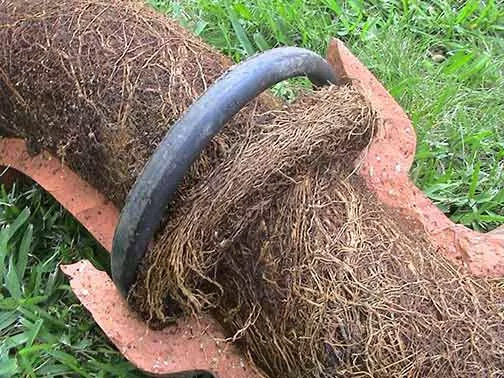
It is a natural phenomenon but still problematic within urban areas like Chicago, where trees are deliberately planted alongside sewer pipes for aesthetic and ecological reasons. When the roots extend in the direction of the water source, they fully encircle a pipe’s diameter, thereby creating severe blockages. This intrusion will eventually lead to backups, odors, and even harm to the pipe’s structure. The aggressive growth habits of certain tree species make this issue particularly vexing because the roots tend to spread rapidly and penetrate even minute crevices, complicating repairs and maintenance.
Common Tree Species in Chicago and Their Impacts on Sewer Lines
Chicago’s urban landscape features a diverse array of tree species, the majority of which possess invasive root patterns that can seriously damage such infrastructure as underground sewer pipes. Some of the most prevalent species in the city include maples, willows, poplars, and silver maples, each of which contains distinct root structures that dictate whether or not they invade sewer pipes. Poplars and willows, for example, grow rapidly and possess extremely large root systems that can quite easily work their way into small crevices in old pipes. The roots are highly flexible and will advance multiple feet in a single growing season, and they are the most common reasons sewers get clogged.
Oaks are not as invasive in their root system, though, and will not damage the pipes unless the pipes are already compromised. What type of tree and how it roots are crucial issues in urban planning, landscaping, and upkeep. Being able to identify the species posing the greatest threat can help municipalities and home owners design targeted measures to prevent root intrusion, such as planting less invasive species around sewer mains or the installation of root barriers over vulnerable infrastructure.
Urbanization and Its Contribution to Exacerbating the Issue
History of city development in Chicago has significantly contributed to the extent and spread of tree root penetration issues. During the phases of city development, most sewer lines were installed without exposure to modern protective features, such as flexible joints, corrosion-resistant materials, or root-proofing techniques. Such old systems are necessarily more vulnerable to root penetration, especially as they age and deteriorate over time.
Added to this, landscaping and urbanization have relocated trees over sewer lines, often with no consideration for the underground pipe infrastructure. Construction, new landscaping, and street beautification have increased the likelihood of root intrusion. The underground environment is cluttered with aged pipes, utilities, and other infrastructure—making repairs and replacement difficult, typically requiring large-scale excavation and disruption. This complex dynamic interaction between urban growth, infrastructure deterioration, and landscaping choices has deepened the issue, making it a chronic challenge to city governments and residents.
With sensor-equipped cameras, inspections reveal whether roots have invaded the space inside the pipe, leading to partial or complete obstructions.
Indications of Tree Root Intrusion in Sewer Pipes
Early tree root intrusion detection is crucial to avoiding costly repairs and widespread damage. Normal signs include repeated backups in toilets, sinks, or drains that continue to occur despite regular use and flushing. Slowing drainpipes, odors in plumbing devices, and gurgling noises are generally indicators of root blockage. Homeowners may also notice zones of dense, extremely healthy grass or bushes over sewer lines as potential indications of root activity beneath the earth.
Sophisticated detection methods, such as sewer camera inspection, are now standard equipment employed to detect roots that infiltrate pipes. With sensor-equipped cameras, inspections reveal whether roots have invaded the space inside the pipe, leading to partial or complete obstructions. Early detection of the signs makes way for interventions such as root extraction or pipe replacement before the problem worsens and leads to more expensive damage or public health hazard.
Methods of Resolving Tree Root Problems in Chicago’s Sewer Lines
Resolving tree root intrusion entails a multi-pronged approach that includes prevention and active control. Regular inspection using sewer cameras is essential for early detection. Once roots are detected, professional root removal techniques such as hydro jetting—using high-pressure water streams—or mechanical cutting can successfully clear the pipes. To prevent future intrusion, homeowners can install root barriers—physical barriers that will keep roots from accessing sewer lines—or use chemical root inhibitors that will discourage roots from growing close to pipes.
In some cases, the installation of new, flexible plastic pipes—such as PVC or HDPE—to replace older clay pipes can all but eliminate the threat of root intrusion. These materials seal more tightly and are more resistant to cracking and deterioration. Landscaping practices play a significant role too; planting trees far enough away from sewer lines or using species with less invasive roots will help mitigate the problem over time. Proper maintenance, along with foresight, holds the key to preserving the integrity of Chicago’s aging sewer infrastructure.
The City Maintenance and Community Involvement Role
While individual property owners are themselves responsible for the upkeep of their sewer lines, city governments have a crucial role in addressing this mass of problems. Chicago’s public works departments conduct standard sewer cleansing, examination, and restoration programs intended to recognize and address root intrusion before such failures happen on a large scale. Public educational campaigns remind citizens of the importance of proper landscaping, early indications of sewer strain, and benefits of regular examinations.
Community participation is also essential. Citizens can help the city by reporting issues on time, not planting vegetation around sewer pipes, and participating in neighborhood programs focused on maintaining infrastructure. Collective efforts of citizens, city government, environmental agencies, and urban planners encourage eco-friendly practices that protect the city’s infrastructure and parks. It is essential to initiate such a project because only this can stop the issue at its root level and assist in prolonging the lifespan of Chicago sewage systems.
Innovative Solutions and Future Technologies
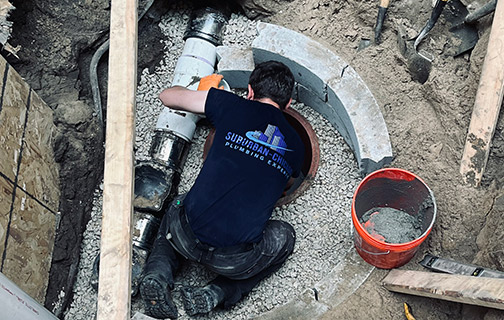
There are still new technologies that are revolutionizing the way cities fix underground infrastructure problems. Alternative trenchless repair solutions such as pipe relining—where a new pipe lining is pushed into the existing damaged one—or pipe bursting technology allow one to replace sewer lines with minimal disruption to the trees and landscapes surrounding them. Such technologies are especially valuable when working with aging neighborhood locations where it is hard to excavate and intrude.
Environmentally friendly chemical root inhibitors are gaining popularity, providing a straightforward method to repel root growth without harming the environment. Additionally, smart sensors and remote monitoring networks can be used to sense leaks, root intrusion, and pipe corrosion in real time, enabling prescriptive maintenance before significant harm is inflicted. As Chicago starts modernizing its infrastructure, these new technologies will be crucial in developing sustainable, long-term solutions to cope with tree root invasion and preserve the city’s historic sewer system.
Conclusion: A Community-Based Solution for Saving Chicago’s Historic Sewer Lines
Quite simply, the persistent issue of tree roots breaking into Chicago’s historic sewer lines is a consequence of a convergence of aged infrastructure, normal root activity, urban development patterns, and landscaping choices. Early detection and response, combined with advanced technology, landscape design strategies, and civic engagement, can successfully mitigate this issue. Conservation of Chicago’s sewers must be a collaborative effort between residents, government agencies, environmentalists, and city planners. Fixing the underlying causes—both the literal and symbolic—and using sustainable, visionary solutions, Chicago can save its historic infrastructure as well as healthy green spaces for future generations. Its ongoing dedication to active maintenance, technological creativity, and civic involvement will be instrumental in ensuring the resilience and health of the city’s underground ecosystem for years to come.