Author Archives: Chicago Plumbing Experts

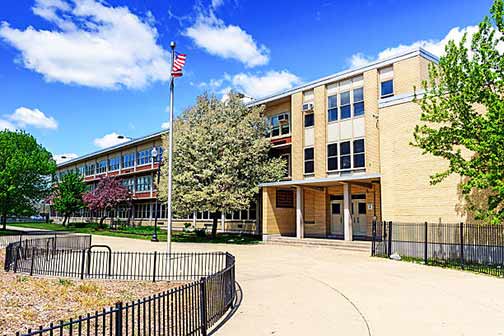
Addressing Plumbing Challenges in Chicago Public Schools

Addressing Plumbing Challenges in Chicago Public Schools

Understanding the Scope of Plumbing Issues in Chicago Public Schools

The plumbing issues faced by Chicago Public Schools (CPS) are multifaceted and deeply rooted in the aging infrastructure of many school buildings. From frequent pipe leaks to inconsistent water pressure, the problems affect not only the functionality of school facilities but also the health and safety of students and staff. The vast network of plumbing systems, some of which have not been updated for several decades, are in dire need of modernization. These issues are not only technical but also present significant operational challenges for the school district.

Understanding the scope of these plumbing problems is the first step toward addressing them effectively. It involves identifying the most common issues, understanding their causes, and evaluating their impact on the school environment. Common problems include broken pipes, outdated fixtures, clogged drains, and poor water quality. The effects range from minor inconveniences to serious health risks, making it clear that comprehensive solutions are essential.

Aging Infrastructure in CPS: A Critical Review

The aging infrastructure in CPS is a critical issue that cannot be overlooked. Many of the school buildings in Chicago were constructed decades ago and have not seen significant updates since. This results in plumbing systems that are outdated and often prone to failure. The wear and tear over the years have led to compromises in the integrity of pipes, fixtures, and overall water systems. These aging systems struggle to meet the modern standards required for a safe and conducive learning environment.

The consequences of outdated plumbing are profound. Not only do they disrupt the daily operations of schools, but they also pose safety hazards. Leaky pipes can lead to mold and mildew growth, which can cause respiratory issues among students and staff. Additionally, water quality may be compromised, raising concerns over lead contamination and other pollutants. Addressing these infrastructure issues is paramount to ensuring that schools remain safe and functional.

The Impact of Plumbing Problems on Students and Faculty

The impact of plumbing problems on students and faculty at CPS is significant and multifaceted. For students, the presence of plumbing issues can disrupt learning and affect their overall experience at school. Leaking pipes, for instance, can lead to classroom closures or relocations, which can be highly disruptive to the learning process. Additionally, poor water quality can pose serious health risks, potentially leading to illnesses that can keep students out of school for extended periods.

For faculty and staff, plumbing problems add an extra layer of stress and challenge to their already demanding roles. Teachers may struggle to maintain a positive classroom environment in the face of disruptions caused by plumbing issues. Moreover, custodial and maintenance staff are often stretched thin as they try to address recurrent problems with limited resources. The compounded effect of these challenges is a strain on the overall school ecosystem, affecting morale and productivity.

Measures Taken by CPS to Address Plumbing Challenges

CPS has recognized the urgency of addressing plumbing challenges and has implemented several measures to mitigate the issues. One of the primary steps involves conducting comprehensive assessments of the plumbing systems across all schools. This allows the district to identify the most critical areas in need of repair or replacement. Based on these assessments, CPS has prioritized projects to ensure the most severe cases are addressed first.

Additionally, CPS has allocated significant funding towards these initiatives. Recognizing that regular maintenance is not enough for the aging infrastructure, the district has embarked on extensive renovation and modernization projects. These include replacing old pipes, installing new fixtures, and upgrading entire plumbing systems to comply with modern standards.
school plumbing maintenance in chicago.

By identifying potential issues early, maintenance teams can perform repairs quickly, minimizing disruptions to school operations.

The Role of Maintenance Teams in Ensuring Smooth Operation

Maintenance teams play a crucial role in ensuring the smooth operation of plumbing systems in CPS. These teams are responsible for the day-to-day upkeep of facilities, addressing minor issues before they escalate into major problems. Regular inspections and preventive maintenance are key components of their work. By identifying potential issues early, maintenance teams can perform repairs quickly, minimizing disruptions to school operations.

Moreover, the expertise of maintenance staff is essential in executing the larger renovation projects undertaken by CPS. Their intimate knowledge of the school’s infrastructure helps in planning and implementing effective solutions. Continuous training and support for these teams are vital in equipping them with the necessary skills to handle complex plumbing challenges, ensuring long-term sustainability of the improvements made.

Innovative Solutions and Technological Advances

In addressing plumbing challenges, CPS has also explored innovative solutions and technological advances. The integration of technology in plumbing systems allows for better monitoring and management. For instance, smart sensors can be installed to detect leaks and monitor water usage in real-time. This proactive approach helps in identifying and addressing issues before they become critical, reducing water waste and preventing damage.

Moreover, the use of modern materials and construction techniques has enhanced the durability and efficiency of plumbing systems. CPS has adopted these advancements in their renovation projects, ensuring that the new installations are not only compliant with current standards but also future-proof. These innovative solutions are crucial in creating a sustainable and safe learning environment for students and faculty alike.

Community Involvement and Support

Addressing the plumbing challenges in CPS is not a task that the district can accomplish alone. Community involvement and support play a significant role in the success of these initiatives. Parents, local businesses, and community organizations contribute through advocacy, funding, and volunteer efforts. Their involvement helps in building a sense of ownership and accountability, ensuring that the needs of students and schools are met.

Collaborative efforts also extend to partnerships with local government and agencies. These partnerships provide additional resources and expertise, aiding in the comprehensive addressal of plumbing issues. By engaging the community, CPS fosters a supportive environment where solutions are implemented with a shared commitment to improving educational facilities.

The Urgency of Addressing Plumbing Issues in CPS

The urgency of addressing plumbing issues in CPS cannot be overstated. The safety, health, and overall well-being of students and staff are at stake. Delaying action only exacerbates the problems, leading to more extensive damage and higher costs in the long run. Immediate and decisive measures are required to ensure that schools provide a conducive learning environment.

CPS’s commitment to resolving these challenges with professionalism and urgency reflects their dedication to the community they serve. Through a combination of assessment, funding, maintenance, innovation, and community support, CPS is on the path to overcoming these plumbing challenges. The journey may be long and complex, but the focus remains steadfast on creating a safe, healthy, and supportive educational environment for all students and staff.

Building a Sustainable Future for CPS

Looking ahead, building a sustainable future for CPS involves not only addressing the current plumbing challenges but also implementing strategies to prevent future issues. This includes ongoing investment in infrastructure, continuous training for maintenance staff, and the integration of advanced technologies. A proactive approach ensures that the improvements made today will have lasting benefits, creating a resilient and sustainable school environment.

Sustainability also involves fostering a culture of responsibility and care for school facilities. Educating students, staff, and the community about the importance of proper maintenance and responsible usage of resources contributes to the longevity of improvements. By instilling these values, CPS can ensure that their efforts in addressing plumbing challenges yield long-term success.

Conclusion: A Commitment to Excellence in Education

In conclusion, addressing plumbing challenges in Chicago Public Schools is a complex but essential endeavor. The aging infrastructure, the impact on students and faculty, and the urgency of the situation require a comprehensive and professional approach. CPS’s commitment to excellence in education is evident in their proactive measures to resolve these issues with urgency.

Through continuous assessment, significant funding, innovative solutions, and community involvement, CPS is actively working towards creating a safe, healthy, and supportive learning environment. The challenges are significant, but with a dedicated focus on sustainability and inclusivity, CPS is building a brighter future for all its students and staff, ensuring that they can learn and thrive in a conducive educational environment.
Leaking Pipes Under Your Home? Here’s How Chicago Residents Can Address It

Leaking Pipes Under Your Home

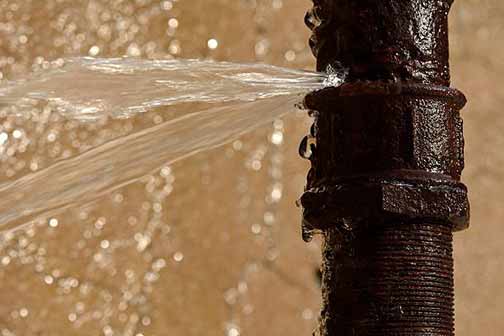
Leaking pipes under your home can cause significant damage if left unaddressed. For Chicago residents, understanding the process of identifying and resolving these leaks is crucial. Here we aim to provide a step-by-step guide to help homeowners mitigate the risks associated with leaking pipes and preserve the integrity of their property.

Identifying Signs of Leaking Pipes Under Your Home

Identifying leaking pipes early is essential to prevent extensive damage. Homeowners should be vigilant for the following signs:

  • Unusual Dampness: Wet spots on floors or walls, and a persistent damp smell in the home.
  • Water Stains: Discoloration or water stains on ceilings and walls.
  • Mold and Mildew: The appearance of mold and mildew in areas that should be dry.
  • Foundation Issues: Cracks in the foundation or walls indicating prolonged water exposure.

If you observe any of these signs, it’s time to take action and investigate further.

Conducting a Thorough Inspection

Before contacting a professional, conduct a preliminary inspection to identify the source of the leak. Use the following tips to guide your inspection:

  • Check Common Leak Zones: Inspect areas where leaks are common, such as under sinks, around toilets, and near water heaters.
  • Monitor Water Meter: Check the water meter before and after a period when no water is being used. A change in reading suggests a leak.
  • Inspect the Crawl Space: For homes with a crawl space, inspect for signs of moisture, standing water, or dripping pipes.
  • Listen for Clues: Pay attention to sounds of running or dripping water when the house is quiet.

Engaging Professional Help and Understanding Costs

If you’re unable to pinpoint the source of the leak or if the damage appears extensive, hire a Chicago plumber. Here are some considerations:

  • Research and Reviews: Look for plumbers with good reviews and verified credentials in the Chicago area.
  • Get Multiple Quotes: Obtain quotes from at least three different plumbers to compare costs and services.
  • Understand the Scope: Ask for a detailed explanation of the repair process and potential additional costs.
  • Verify Insurance and Licenses: Ensure the plumber is insured and licensed to work in Chicago.

Professional plumbers can offer services ranging from professional leak detection services to complete pipe repairs or replacements.

Temporary Measures to Mitigate Damage

While waiting for professional help, implement temporary measures to mitigate damage:

  • Use Pipe Sealants: Apply temporary pipe sealants or tape to slow down the leak.
  • Redirect Water Flow: Use buckets or containers to collect leaking water and prevent damage to floors and foundations.
  • Ventilate the Area: Increase ventilation to prevent mold and mildew growth.
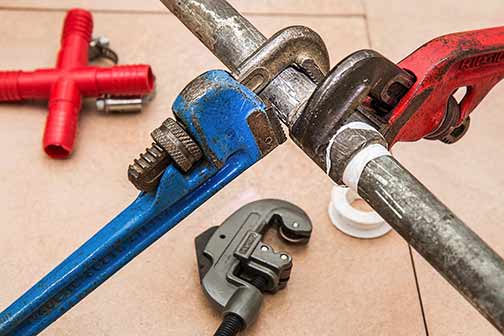
a plumbing pipe repair.

Severely damaged pipes may require full or partial replacement.

Repair Solutions and Techniques

Depending on the severity of the leak, various repair solutions and techniques may be deployed:

  • Epoxy Pipe Lining: A non-invasive repair method where epoxy coating is applied to the interior of pipes.
  • Pipe Replacement: Severely damaged pipes may require full or partial replacement.
  • Spot Repairs: Small leaks can be fixed with localized repairs using clamps, resin, or new piping segments.

Your plumber should recommend the most appropriate technique based on the diagnosis.

Preventative Measures and Maintenance Tips

Preventing future leaks requires regular maintenance and proactive measures. Chicago homeowners should consider the following:

  • Annual Inspections: Schedule annual plumbing inspections to identify and fix potential issues early.
  • Install Water Alarms: Water alarms can alert you to leaks in critical areas like basements and crawl spaces.
  • Regular Maintenance: Maintain plumbing fixtures, including repiping your entire home, caulking, and ensuring proper water pressure.
  • Winter Preparations: Insulate pipes during winter to prevent freezing and bursting.

These measures can help you maintain the longevity and safety of your home’s plumbing system.

Understanding the Impact on Property Value

Leaking pipes, if left unaddressed, can significantly affect your home’s property value. Water damage can lead to structural problems, mold, and a reduced lifespan of the materials used in your home. By promptly addressing leaks and maintaining a healthy plumbing system, you protect your investment and ensure your property’s market value remains high.

Conclusion: Proactive Care for Long Term Benefits

Dealing with leaking pipes under your home is a challenge, but with vigilant identification, timely professional intervention, and regular maintenance, Chicago residents can protect their homes and ensure a safe, comfortable living environment. Addressing plumbing issues proactively not only prevents damage but also contributes to the long term value and integrity of your property.

Essential Tips to Prevent Rust and Limescale in Your Home Plumbing

Essential Tips to Prevent Rust and Limescale in Your Home Plumbing

Maintaining your home plumbing system is crucial to ensuring smooth operation and avoiding the detrimental buildup of rust and limescale. Routine checks, cleaning, and preventive measures can help extend the lifespan of your pipes, ultimately saving you from costly repairs. Knowing the importance of routine maintenance will foster a proactive approach toward keeping your plumbing system in the best possible condition.

What Causes Rust and Limescale Buildup in Pipes?

Rust and limescale are common problems in modern plumbing systems, but what exactly causes these issues? Rust is primarily caused by the oxidation of metal in the presence of water and air. As metal pipes corrode, they form rust, which weakens the pipes and leads to leaks or breaks over time. Limescale, on the other hand, is a buildup of calcium carbonate and other minerals found in hard water. Over time, these minerals crystallize and accumulate within the pipes, leading to blockages and reduced water flow.

Recognizing the Signs of Rust and Limescale in Your Plumbing

Early detection of rust and limescale is essential to mitigate further damage. Key signs of rust include discoloration of water (a reddish or brown tint), visible rust on exposed pipes, and decreased water pressure. Limescale buildup can be identified by white or chalky deposits on fixtures, reduced water flow, and the appearance of hard water stains on sinks and bathtubs.

Effective Methods to Prevent Rust and Limescale

Preventing rust and limescale involves a combination of regular maintenance and the use of specific products designed to combat these issues. Here are some effective methods to keep rust and limescale at bay:

  • Install Water Softeners: Water softeners are highly effective in preventing limescale buildup by removing the minerals that cause it. This installation can make a significant difference in maintaining clear and smooth-operating pipes.
  • Use Anti-Rust Agents: Anti-rust agents can be added to your plumbing system to prevent metal oxidation. These agents coat the interior of your pipes, creating a barrier that reduces the likelihood of rust formation.
  • Insulate Pipes: Proper insulation of your pipes can prevent condensation and reduce the risk of rust. It is especially important for pipes in basements, crawl spaces, and other areas prone to dampness.
  • Regular Maintenance: Schedule routine plumbing inspections to catch any early signs of rust or limescale buildup. A professional plumber can identify potential issues and address them before they escalate.

The Role of Professional Plumbing Services in Combating Rust and Limescale

While there are many steps homeowners can take to prevent rust and limescale, professional plumbing services play an indispensable role. Trained plumbers possess the expertise and tools necessary to thoroughly inspect and maintain your plumbing system. From installing water softeners to applying anti-rust agents, their comprehensive approach ensures the longevity and efficiency of your pipes.

vinegar and baking soda to remove rust and limescale.

For those who prefer a hands-on approach, several do-it-yourself solutions can help manage rust and limescale. Vinegar and baking soda, for instance, can be used to clean and dissolve mineral deposits.

DIY Solutions for Managing Rust and Limescale

For those who prefer a hands-on approach, several do-it-yourself solutions can help manage rust and limescale. Vinegar and baking soda, for instance, can be used to clean and dissolve mineral deposits. Regularly flushing your pipes with a vinegar solution can help remove existing limescale and prevent future buildup. Additionally, applying a phosphate-free rust remover to your pipes can tackle any emerging rust spots.

Importance of Water Quality for Preventing Rust and Limescale

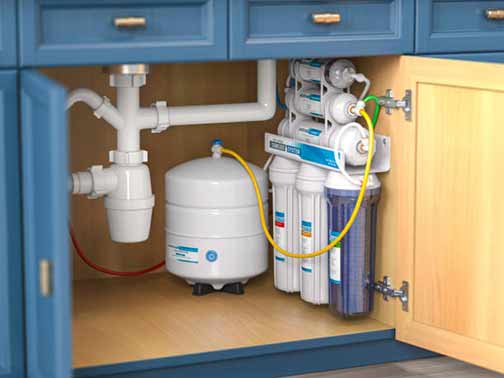
The quality of your water plays a significant role in the formation of rust and limescale. Testing your water for hardness and mineral content can provide valuable insights into the potential for buildup. Using water quality tests as a benchmark, you can implement targeted measures such as installing water softeners or water filtering systems to ensure the longevity of your plumbing system.

Choosing the Right Products to Combat Rust and Limescale

Numerous products on the market are designed to prevent and manage rust and limescale buildup in home plumbing. When selecting these products, consider factors such as the type of pipes in your home, the severity of the buildup, and the specific needs of your plumbing system. Speak with a professional plumber to determine the most effective products for your situation.

Long Term Benefits of Preventing Rust and Limescale in Your Plumbing

Investing in preventive measures against rust and limescale yields long-term benefits for your home’s plumbing system. Enhanced water quality, consistent water pressure, and extended pipe lifespan are just a few of the advantages. By taking a proactive approach, you can mitigate the risks associated with rust and limescale, ensuring a reliable and efficient plumbing system for years to come.

How Regular Inspections Can Save You Money

Routine inspections by a professional plumber can identify potential problems before they become major issues. Catching early signs of rust and limescale buildup can prevent costly repairs and replacements. Regular assessments and timely interventions ensure your plumbing system remains in optimal condition, ultimately saving you money in the long run.

The Importance of Educating Homeowners on Plumbing Maintenance

Educating homeowners on the significance of plumbing maintenance is crucial for preventing rust and limescale. Awareness and understanding of the causes, signs, and preventive measures empower homeowners to take action. Providing accessible resources and information fosters a proactive approach to maintaining a healthy plumbing system.

In Summary

Preventing rust and limescale in your home plumbing is essential for ensuring smooth operation and avoiding costly repairs. By understanding the causes and adopting effective preventive measures, homeowners can protect their investment and maintain a reliable plumbing system. Whether through professional services or DIY solutions, proactive maintenance is key to combating rust and limescale buildup.

Does Your Homeowners Insurance Cover Cast Iron Pipes? Insights for Chicago Residents

Does Your Homeowners Insurance Cover Cast Iron Pipes

Understanding Cast Iron Pipe Issues

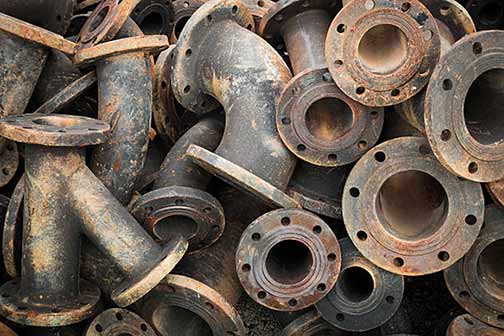
Cast iron pipes have been a staple in plumbing systems for decades due to their durability and longevity. However, over time, these pipes can develop significant issues that can affect water flow and lead to severe damage. Common problems associated with cast iron pipes include corrosion, cracks, and leaks. Corrosion occurs as the iron reacts with water and other elements, leading to rust and weakening of the pipe structure. Cracks can develop due to shifting ground or external pressure, while leaks can result from both corrosion and cracks, causing water damage to your home.

It’s crucial to understand these issues because they not only affect the integrity of your plumbing system but can also lead to costly repairs. Identifying the signs early on, such as discolored water, slow drainage, or visible rust, can help in addressing the problems before they escalate. Regular inspections and maintenance are essential to prolong the life of your cast iron pipes and ensure your home’s plumbing system operates efficiently.

Homeowners Insurance Coverage Basics

Homeowners insurance provides financial protection against various risks, including damage to your property and personal belongings. A standard homeowners insurance policy typically covers structural damage, personal property loss, liability protection, and additional living expenses if you need to temporarily relocate due to covered damages.

However, the specifics of what is covered can vary significantly between policies and insurance providers. It is important to thoroughly understand your policy’s terms and conditions to know what types of damage are covered and under what circumstances you can file a claim. Key factors that determine coverage include the cause of the damage, the extent of the damage, and the specific components of your home that are affected.

Specific Policies and Coverage for Pipes

When it comes to cast iron pipes, coverage under homeowners insurance can be complex. Most standard policies do not automatically cover wear and tear or gradual deterioration. However, if the pipe damage results from a specific covered peril, such as a sudden and accidental event like a fire, burst plumbing pipe due to freezing, or accidental discharge of water from a plumbing system, you may be eligible for coverage.

It’s essential to review your specific policy details to determine if pipe-related damages are included. Some insurance companies offer add-ons or endorsements that provide additional coverage for plumbing issues, including cast iron pipes. These endorsements can help cover the cost of repairs or replacement in case of damage due to unforeseen events. Speaking with your insurance agent can provide clarity on what your policy covers and help you decide if additional coverage is necessary.

Considerations for Chicago Residents

Chicago residents need to be particularly mindful of the unique challenges faced by homeowners in this region. The city’s weather, including harsh winters with freezing temperatures, can significantly impact the condition of cast iron pipes. The freeze-thaw cycle can cause pipes to expand and contract, leading to cracks and eventual failure. Additionally, the age and construction style of many homes in Chicago, often built with cast iron plumbing, make understanding insurance coverage for these pipes even more critical.

Given Chicago’s climate and the potential for severe weather, it’s prudent for homeowners to proactively inspect and maintain their plumbing systems. Ensuring proper insulation of pipes, especially in unheated areas like basements and crawl spaces, can help prevent freezing. Moreover, understanding local building codes and any specific regulations related to plumbing can help homeowners make informed decisions about repairs and insurance needs.

a person filing an insurance claim.

In the unfortunate event of cast iron pipe damage, it’s essential to act swiftly and follow a structured process for dealing with the damage and filing an insurance claim.

Dealing with Pipe Damage and Insurance Claims

In the unfortunate event of cast iron pipe damage, it’s essential to act swiftly and follow a structured process for dealing with the damage and filing an insurance claim. Start by documenting the damage with photographs and detailed notes. This evidence will be crucial when communicating with your insurance company.

Next, contact your insurance provider to report the damage and begin the claims process. An adjuster will likely be assigned to assess the damage and determine the extent of coverage. Be prepared to provide any maintenance records and inspection reports that demonstrate the condition of your plumbing system before the incident.

Working with a licensed plumber to get an estimate for repairs or replacement can also be beneficial. The plumber’s expert opinion can support your claim and provide a clearer picture of the necessary work. Throughout the process, maintain open communication with your insurance provider to ensure all required documentation is submitted and any questions are promptly addressed.

Preventive Measures and Maintenance Tips

Preventing damage to cast iron pipes involves regular maintenance and proactive measures. Here are some tips to help maintain the integrity of your plumbing system:

  • Schedule regular plumbing inspections to identify and address potential issues early.
  • Use drain cleaning products and services sparingly to avoid damaging the pipes.
  • Insulate pipes in unheated areas to prevent freezing during winter.
  • Replace aging or damaged pipes promptly to avoid extensive repairs and water damage.
  • Consider using water softeners to reduce the effects of hard water on your plumbing system.

Implementing these preventive measures can help extend the life of your cast iron pipes and reduce the likelihood of significant damage. Regular maintenance not only protects your home but also ensures that your plumbing system remains efficient and reliable.

Recommendations for Chicago Homeowners

For Chicago homeowners, understanding the nuances of homeowners insurance coverage for cast iron pipes is crucial. Here are some practical recommendations to help navigate this complex topic:

  • Review your current homeowners insurance policy to understand what is covered and identify any gaps.
  • Consider purchasing additional endorsements or riders that cover plumbing-related damages, including cast iron pipes.
  • Maintain a detailed record of inspections and repairs to support any future insurance claims.
  • Speak with a licensed Chicago plumber to assess the condition of your cast iron pipes and get professional advice on maintenance and potential upgrades.
  • Prepare for Chicago’s harsh winters by insulating pipes and taking other preventive measures to avoid freezing and bursting.

By taking these steps, Chicago homeowners can better protect their properties from potential plumbing issues and ensure they have the necessary coverage in place. Being proactive and informed helps in managing risks effectively and provides peace of mind knowing that you are prepared for any plumbing-related challenges that may arise.

Frozen Pipes Causing Clogs? Here’s What to Do

Frozen Pipes Causing Clogs

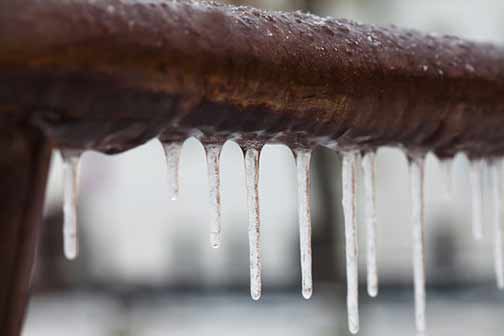
During the winter months, freezing temperatures can have a significant impact on your plumbing system. When the temperature drops, the water within your pipes can freeze, expanding and potentially causing obstructions. This can lead to clogs and consequently, disrupted water flow and even pipe bursts. Understanding the mechanics behind this process is the first step in effectively addressing and preventing frozen pipes from causing clogs.

Identifying the Signs of Frozen Pipes

Identifying the early signs of frozen pipes can save you from extensive damage and costly repairs. Typical indicators include reduced water flow, visible frost on exposed pipes, unusual sounds such as gurgling or clanking, and in extreme cases, complete blockage of water. If you detect any of these signs, it is vital to take prompt action to assess and mitigate the situation before the pipes burst.

Immediate Steps to Take When You Discover Frozen Pipes

Once you detect frozen pipes, timing is crucial. Begin by turning off the water supply in your home to minimize the risk of a pipe burst. Open faucets to relieve any pressure in the pipes and to allow thawed water to escape. Use gentle heat sources like hairdryers, heat lamps, or warm towels to gradually thaw the pipes. Avoid open flames or intense heat, as they can damage the pipes. Continue monitoring water flow and inspect for leaks as the ice melts.

Proper Insulation: A Key Preventative Measure

Properly insulating your pipes is an effective way to prevent them from freezing. Use foam pipe insulation, wrap heat tape around vulnerable pipes, and insulate any exposed sections. Pay special attention to pipes located in unheated areas such as basements, attics, and crawl spaces. Ensuring proper insulation can provide a significant safeguard against freezing temperatures.

Keeping Your Home Warm: Maintaining a Safe Temperature

Maintaining a consistent indoor temperature is another strategy to prevent frozen pipes. During cold weather, keep your thermostat set at a minimum of 55 degrees Fahrenheit, even when you are away from home. Open cabinet doors under sinks and let warm air circulate around the plumbing to keep it from freezing. If you’re leaving home for an extended period, consider draining your pipes to eliminate the risk of water freezing inside them.

Implementing Long Term Plumbing Solutions

In addition to short term fixes, long term plumbing solutions can offer more comprehensive protection against frozen pipes. Relocate exposed pipes to less vulnerable areas, install frost-proof faucets, and upgrade to modern plumbing materials that are more resistant to freezing. Speaking with a professional plumber can help you identify the most effective long-term strategies tailored to your specific plumbing setup.

hot water hydro jetting to clear frozen pipe clog.

Professional plumbers have advanced tools and techniques such as hot water hydro jetting to clear stubborn clogs without damaging your pipes.

Knowing When to Call an Emergency Plumber

While homeowners can address minor frozen pipe issues, certain situations require professional intervention. If you suspect a burst pipe, cannot locate the frozen section, or face persistent clogs despite taking preventive measures, it is wise to seek professional assistance. An emergency plumber has the expertise and equipment to diagnose and resolve complex issues, ensuring the safety and reliability of your plumbing system.

Preventative Maintenance: Regular Inspections and Upkeep

Regular maintenance and inspections are vital to keeping your plumbing system in top condition. Schedule annual inspections with a professional plumber to identify potential vulnerabilities. Perform regular upkeep tasks such as checking insulation, monitoring water pressure, and ensuring that your heating system is functioning efficiently. Preventative maintenance not only helps avoid frozen pipes but also extends the overall lifespan of your plumbing system.

Addressing Clogs: Effective Solutions and Techniques

In the event that frozen pipes lead to clogs, it is important to address them promptly to restore proper water flow. Use plunger or plumbing snake for minor clogs, or opt for enzyme-based drain cleaners for a chemical-free solution. If these methods are not effective, professional plumbers have advanced tools and techniques such as hot water hydro jetting service to clear stubborn clogs without damaging your pipes.

Changes in Landscaping and Outdoor Maintenance

Your outdoor environment can also impact your plumbing system. Make modifications to landscaping to direct water away from your home. Ensure that gutters and downspouts are clear of debris to prevent blockages that can cause water to pool and freeze around your foundation. Disconnect and store hoses, and drain outdoor faucets before freezing temperatures set in. Proper outdoor maintenance can significantly reduce the risk of frozen pipes.

Handling Emergencies: Quick Response Tips

Emergencies, such as burst pipes due to freezing, require immediate action. Locate and turn off the main water supply promptly to minimize water damage. Contact a professional plumber for emergency services and follow their guidance until help arrives. Document any damage for insurance purposes and take immediate steps to remove standing water to prevent mold and mildew development. Quick response is essential to mitigate the impact of plumbing emergencies.

Preparing for Winter: Seasonal Readiness Checklist

Preparation is the key to preventing frozen pipes and burst plumbing pipe emergencies during winter. Follow a seasonal readiness checklist to ensure your plumbing system is protected. Inspect and insulate pipes, check for leaks, maintain your heating system, and ensure you’re familiar with the location of your main water shut-off valve. Preparing your home ahead of time can save you from the hassle and expense of dealing with frozen pipes.

Understanding Your Plumbing System: Awareness and Education

Gaining a better understanding of your plumbing system can empower you to take proactive measures against frozen pipes. Familiarize yourself with the layout of your home’s plumbing, learn common vulnerabilities, and educate yourself about the materials and tools that can aid in preventing freezing. Knowledge and awareness are invaluable tools in protecting your plumbing system.

Energy Efficiency and Plumbing: Dual Benefits

Incorporating energy-efficient solutions can provide dual benefits of reducing the risk of frozen pipes and lowering utility bills. Invest in energy-efficient heaters, use programmable thermostats, and seal drafts to optimize indoor temperature. Ensuring that your home is well-insulated not only protects your plumbing system but also enhances overall energy efficiency.

Conclusion: Proactive Measures for a Hassle-Free Winter

Dealing with frozen pipes causing clogs requires a combination of preventive measures, immediate responses, and long-term solutions. By understanding the root causes, identifying early signs, and taking appropriate actions, you can protect your plumbing system from the challenges of freezing temperatures. A proactive approach not only saves you from costly repairs but ensures a smooth and hassle-free winter season. Equip yourself with the knowledge and tools needed to tackle this common winter plumbing issue and enjoy peace of mind all season long.

Importance of Water Quality Testing After Moving

Importance of Water Quality Testing After Moving

Moving to a new home can be an exhilarating experience, filled with the excitement of new beginnings and the anticipation of settling into a fresh environment. However, amidst the hustle and bustle of packing and relocating, one crucial aspect that often goes overlooked is the quality of the water supply. Ensuring that your water is safe and clean is paramount for the health and well-being of your family. So, with this in mind, let’s explore the importance of water quality testing after moving, highlighting why it should be a top priority on your moving checklist.

Understanding Water Quality

In short, water quality refers to the chemical, physical, and biological characteristics of water usually used for drinking or bathing. Poor water quality can pose significant health risks, ranging from gastrointestinal illnesses to neurological disorders. Factors affecting this include contaminants like bacteria, viruses, heavy metals, and chemical pollutants. Therefore, neglecting to test your water quality after moving can have serious consequences.

Common Contaminants Found in Water

Contaminated water can carry harmful pathogens, leading to diseases such as cholera, dysentery, and hepatitis. Bacteria and viruses, such as E. coli and norovirus, can cause severe gastrointestinal distress. Heavy metals like lead, arsenic, and mercury can lead to serious health problems. Chemical contaminants, including pesticides, herbicides, and industrial chemicals, can be toxic and carcinogenic. Additionally, nitrates from agricultural runoff can cause conditions like methemoglobinemia, also known as “blue baby syndrome.”

Sources of Water Contamination

Water contamination can occur from various sources. Natural sources include minerals and microorganisms present in the earth. Human activities, such as industrial processes, agriculture, and improper waste disposal, can introduce harmful pollutants into water supplies. Infrastructure issues, such as aging pipes that need replacing and inadequate water treatment facilities, can also contribute to contamination.

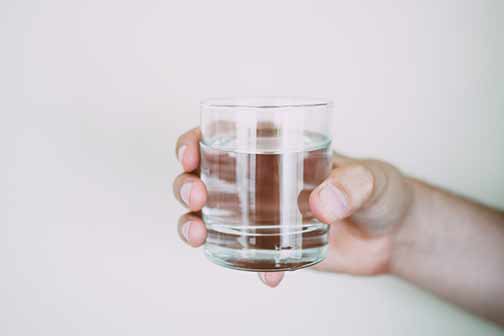
 A person holding a glass of water.

Water quality testing is important so that it is checked for common contaminants found in the water.

The Process of Water Quality Testing

Water quality testing involves collecting water samples and analyzing them for various contaminants. This process can be done through certified laboratories that provide comprehensive reports on the presence of bacteria, heavy metals, and chemical pollutants. Home testing kits are also available but may not be as thorough or accurate as professional testing.

Why Test Water Quality After Moving

Testing water quality should be a priority after moving to ensure the safety of your new home’s water supply. Even if your previous home had excellent water quality, the new location could present different challenges. Factors such as proximity to industrial areas, agricultural activities, and the condition of local water infrastructure can significantly impact water quality. Testing helps you identify potential issues early and take necessary actions to address them.

This might be the last thing on your mind after you finally reach your new home. Especially if the relocation itself was lengthy and stressful. One way to ensure you have enough time and energy for this is to look into hiring movers to do the heavy lifting for you. AmeriSafe Moving Services can help alleviate some of that stress, allowing you to focus on other important aspects, like ensuring your new home has safe and clean water. This ensures you’ll not only move into your new home as swiftly as possible but also that it will be safe to live in.  

Steps to Take After Receiving Water Test Results

Once you receive your water quality test results, it’s essential to understand what they mean and what actions to take. If contaminants are found, you may need to install water filtration systems or take other corrective measures. For serious contamination issues, consulting with local health authorities and water treatment professionals is advisable. They can provide guidance on the best solutions to ensure your water is safe for consumption and use.

Long-Term Benefits of Water Quality Testing

Regular water quality testing offers numerous long-term benefits. It ensures the ongoing safety and health of your family by identifying and addressing potential contaminants. Maintaining good water quality also protects your plumbing system and household appliances from damage caused by impurities. Knowing your water is clean and safe provides peace of mind and enhances your overall quality of life.

Furthermore, access to clean and safe water is fundamental to promoting health and wellness. Good water quality supports proper hydration, essential for overall bodily functions. It also ensures the safety of food preparation and personal hygiene, reducing the risk of waterborne diseases. By prioritizing water quality testing after moving, you are investing in the health and well-being of your family.

A woman doing yoga on a rock near a body of water.

Access to clean and safe water is fundamental to promoting health and wellness.

Environmental Considerations

Water quality testing also has environmental benefits. You can contribute to broader efforts to protect local water resources by identifying contaminants and their sources. Taking action to improve water quality benefits your household and helps preserve the environment for future generations.

Final Thoughts

As you can see, ensuring your water is safe and clean should be a top priority. Water quality testing provides crucial insights into the safety of your new home’s water supply, helping you take the necessary actions to protect your family’s health. By incorporating water quality testing into your post-move checklist, you can enjoy your new home with confidence, knowing that your water is safe and pure.

Choosing the Right Drain Cleaning Service for Your Chicago Restaurant

Choosing the Right Drain Cleaning Service for Your Chicago Restaurant

Understanding the Importance of Drain Cleaning Services for Restaurants

For any restaurant, maintaining a clean and efficient drainage system is crucial. In a city like Chicago, where regulations regarding health and sanitation are stringently enforced, ensuring that your restaurant is free from drainage issues is not just about compliance but also about providing an excellent dining experience. Regular drain cleaning services help prevent clogs, backups, and associated damage, thus keeping your restaurant operational at all times.

Assessing the Credentials of Potential Drain Cleaning Service Providers

When it comes to choosing the right drain cleaning service for your Chicago restaurant, the credentials of the provider play a significant role. Make sure that the company is licensed and insured. Licensing ensures they adhere to state regulations, and insurance protects your business in case of any accidental damage during the cleaning process. Additionally, check for certifications and affiliations with professional organizations, which can indicate the service’s commitment to staying updated with industry standards.

Evaluating Experience and Expertise in Handling Restaurant Drainage Systems

Not all drain cleaning services have the same level of expertise, especially when it comes to restaurant-specific needs. Choose a service provider experienced in handling commercial kitchen drainage systems, grease traps, and other fixtures unique to restaurants. An experienced plumber in Chicago will understand the complexity and the high standards required in a food service environment, resulting in more effective and efficient service.

Availability of Emergency Services

Drainage problems can arise at any time, potentially disrupting your business operations and causing inconvenience to your customers. Therefore, it’s essential to select a drain cleaning service that offers 24/7 emergency services. Having a reliable partner who can respond swiftly to emergencies ensures that any drainage issues are resolved quickly, minimizing downtime and maintaining the smooth running of your restaurant.

Customer Reviews and Testimonials

Customer feedback can provide valuable insights into the quality of service offered by potential drain cleaning providers. Look for reviews and testimonials online, and consider asking for references directly from the service provider. Positive reviews and repeat customers are good indicators of reliability and effectiveness. Pay attention to feedback regarding punctuality, professionalism, and the overall satisfaction of past clients.

Comparing Service Packages and Pricing

Different drain cleaning services offer varying packages and pricing structures. Compare the services included in their packages, such as regular maintenance, emergency call-outs, and additional services like hydro jet drain cleaning or sewer camera inspections. Ensure you understand what you’re paying for and check if the service plans align with your restaurant’s needs. While it might be tempting to choose the cheapest option, it’s essential to consider the value and long-term benefits of the service.

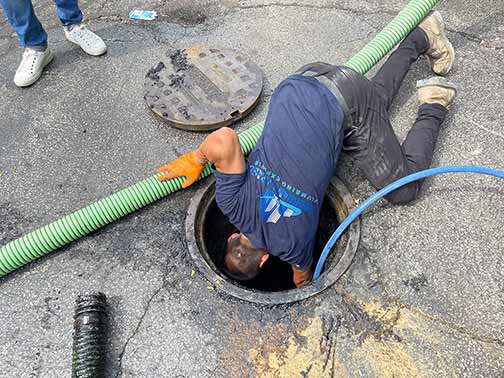
restaurant hydro jetting in chicago.

Choose a company that utilizes state-of-the-art equipment, such as high-pressure hydro jetters, sewer cameras, and advanced rooter machines.

Technological Advancements and Equipment

The quality of equipment and the use of modern technology can significantly impact the effectiveness of drain cleaning services. Choose a company that utilizes state-of-the-art equipment, such as high-pressure hydro jetters, sewer cameras, and advanced rooter machines. Modern technology not only improves the efficiency of the service but also ensures thorough cleaning and long-term solutions to prevent future issues.

Environmental Considerations and Eco-Friendly Practices

Environmental responsibility is an important aspect to consider when selecting a drain cleaning service. Look for providers who use eco-friendly products and practices that minimize the impact on the environment. Ensure that their methods do not involve harmful chemicals that could affect your restaurant’s plumbing or the local ecosystem. Green practices reflect your restaurant’s commitment to sustainability and responsible business operations.

Comprehensive Maintenance Plans

Preventative maintenance is key to avoiding major drainage issues. A reputable drain cleaning service should offer comprehensive maintenance plans tailored to your restaurant’s specific needs. These plans should include regular inspections, scheduled sewer line cleaning services, and proactive measures to keep your drainage system functioning optimally. Investing in a maintenance plan can save you from costly repairs and disruptions in the long run.

Building a Long Term Partnership with Your Service Provider

Establishing a long-term relationship with a reliable drain cleaning service can provide numerous benefits. A service provider familiar with your restaurant’s layout, plumbing system, and specific needs will be able to deliver more personalized and efficient service. Additionally, long term partnerships often come with perks such as discounted rates, priority service, and better emergency response times.

Choosing the right drain cleaning service for your Chicago restaurant requires careful consideration of various factors. By assessing credentials, expertise, customer feedback, service packages, technology, and environmental practices, you can select a provider that ensures your drainage systems remain efficient and problem-free. Prioritizing these aspects will help you build a partnership with a reliable service provider, ultimately contributing to the smooth operation and success of your restaurant.

Need assistance with your restaurant drains in Chicago? We can help! Call us Today at 773-599-9181 or fill out the form below:

The Pros and Cons of Copper vs. PVC Pipes for Your Home

The Pros and Cons of Copper vs. PVC Pipes for Your Home

The type of piping material you use in your home’s plumbing will have far-reaching consequences on the efficiency of your plumbing, your water quality, and your home’s plumbing maintenance costs. Pipe quality also affects the longevity of your plumbing system, says TXC Management team.

Of the available piping materials in the market, the most widely used ones are copper and PVC. These two materials can be used pretty much anywhere in a home’s freshwater line, but which one is the better option for your home’s plumbing?

This post will compare the pros and cons of copper and PVC pipes. The information you find here will help you make an informed decision on whether to use copper pipes in your home, PVC pipes, or a combination of the two piping materials.

Copper pipes

Copper used to be the piping material used in homes. The material is long-lasting, lightweight and flexible. However, there are downsides. Here are the pros and cons of using copper pipes in your home’s plumbing:

Pros

  • Copper lasts longer than PVC – as long as 70 years – but only if the water running through the pipes is not acidic.
  • Copper is durable enough to withstand the elements. It can be installed outdoors.
  • Copper pipes have thin walls; so they won’t take up a lot of room and can be installed in tight spaces.
  • Copper resists vibration damage better than PVC. This makes it a better choice for earthquake-prone areas.
  • Copper does not pose a health risk because it does not contain chemicals.
  • It prevents bacteria growth and has high resistance to chlorine.
  • Because they are 100% metal, copper pipes are completely recyclable.
  • Copper pipes can handle heat without losing their strength.
  • They have widespread acceptance across all municipal codes.

Cons

  • Copper pipes are significantly more expensive than PVC pipes.
  • Because they don’t expand, they are prone to bursting if they freeze.
  • Copper pipes will develop pinhole leaks if the water running through them is acidic.
  • Since the joints need to be soldered, copper pipes can only be installed and serviced by a professional plumber.
  • Copper pipes may give water a slight metallic taste.
  • Their thinner walls make them noisier than PVC pipes, especially when water pressure is high.
  • Clogs and blockages inside copper pipes are hard to remove.

PVC pipes

PVC or polyvinyl chloride is a durable and lightweight plastic used in manufacturing plumbing pipes. Since its introduction, PVC piping has rivaled copper pipes in popularity. The reasons for its widespread adoption are explained below, as well as its cons.

Pros

  • PVC is a lot cheaper than copper.
  • Because it is made of plastic, PVC does not corrode.
  • Due to the thickness of the pipes, PVC is more resistant to impact damage and abrasion.
  • Compared to copper, PVC has superior noise-canceling qualities, even with higher water velocities.
  • PVC is easier to install than copper; it does not require special tools and expertise.
  • PVC minimizes heat loss; this can have a significant impact on energy costs.
  • PVC pipes rarely become blocked.
  • PVC pipes don’t freeze as easily as copper pipes.

Cons

  • PVC pipes are not as durable as copper pipes; the joints eventually crack and leak over time.
  • Because they react to sunlight, PVC pipes are not suitable for outdoor use.
  • PVC pipes are more fragile and likely to break if dropped or stepped on during installation.
  • PVC pipes may support bacteria growth.
  • When used underground PVC pipes may require support.
a set of pvc pipes.

If you looked at this list of pros and cons and felt there is not much to choose between the two options, you are perfectly right. The truth is, you don’t need to stress too hard about which piping material is better for your home.

Which one is better for your home: PVC pipes or Copper pipes?

If you looked at this list of pros and cons and felt there is not much to choose between the two options, you are perfectly right. The truth is, you don’t need to stress too hard about which piping material is better for your home.

If you do not have problems with your existing piping, you can keep using the same materials. But if you are building a new home or repiping an old one, here are questions you will need to ask yourself.

  • Does your area have a history of earthquakes?
  • Is your water acidic?
  • Will your pipes be exposed to sunlight?
  • Will the pipes carry intense heat?
  • How cold are the winters in your area?

Finally, when making your choice keep in mind that the more important decision is not the type of piping material you choose but the plumber you hire for the pipe installation. A wrong plumber will leave you with a plumbing system that continuously takes money out of your pockets.

On the other hand, a plumber with proven expertise in residential repiping services can install your piping to overcome the inherent weaknesses in the piping material you choose. It is also a good idea to only hire a professional plumber who understands the plumbing issues peculiar to your area.

The Importance of Hydro Jetting for Chicago’s Parking Lot Drains

The Importance of Hydro Jetting for Chicago's Parking Lot Drains

Understanding Hydro Jetting for Parking Lot Drains

Hydro jetting is a powerful method that uses highly pressurized water streams to clean and maintain drainage systems. This technique is especially crucial for the upkeep of parking lot drains, which can accumulate various types of debris, grease, and grime over time. In a big city like Chicago, the significance of hydro jetting becomes even more apparent due to the severe weather conditions and heavy usage of parking facilities.

The Science Behind Hydro Jetting

Hydro jetting works by propelling water at an extremely high pressure, which can dislodge and flush out debris from the interior walls of pipes and drains. This method is different from traditional sewer rodding services, which might merely punch holes through clogs without fully removing them. Hydro jetting ensures a thorough cleaning, leaving the drainage system clear and functional.

Preventative Maintenance Through Hydro Jetting

Regular hydro jetting serves as a preventative measure that helps avoid severe drain blockages and overflow issues. For parking lots in Chicago, where the weather can be particularly harsh, preventive maintenance is vital. The accumulation of leaves, snow, and dirt can quickly lead to clogged drains. Scheduled hydro jetting can keep these drainage systems clear, ensuring they function properly throughout the year.

Cost Efficiency of Hydro Jetting

One of the significant benefits of hydro jetting is its cost efficiency. While the upfront cost of hydro jetting might be higher than some traditional cleaning methods, it saves money in the long run by preventing severe blockages and the need for emergency repairs. For Chicago’s parking lot owners, investing in hydro jetting can translate into fewer disruptions and damage related costs.

Environmental Benefits of Hydro Jetting

Hydro jetting is an environmentally friendly method of cleaning drainage systems. It uses only water, avoiding the need for harsh chemicals or solvents that could cause environmental harm. In a city like Chicago, where environmental sustainability is a growing concern, hydro jetting stands out as a responsible choice for maintaining parking lot drains.

Hydro Jetting and Public Safety

Keeping parking lot drains clean and functional is also essential for public safety. Blocked drains can lead to water accumulation and flooding, creating hazardous conditions for pedestrians and vehicles. Regular hydro jetting ensures that parking facilities remain safe for all users, which is particularly important in high traffic areas like downtown Chicago.

Adapting to Chicago’s Weather Conditions

Chicago’s weather is notoriously unpredictable, with intense snowfall in the winter and heavy rains in the spring and summer. These conditions can wreak havoc on drainage systems. Hydro jetting is particularly effective in adapting to these challenges, as it removes all types of debris that can accumulate in parking lot drains, from leaves and dirt to ice and sludge.

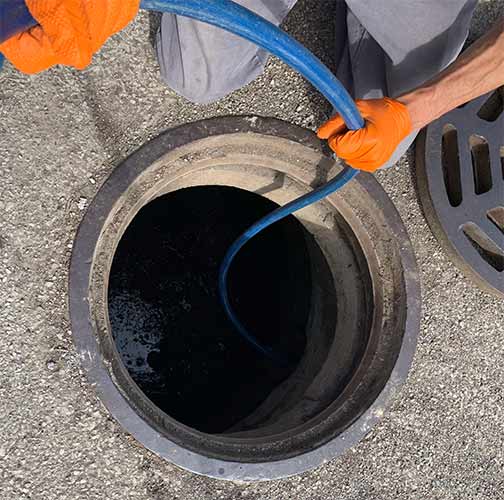
parking lot hydro jetting in chicago.

Parking lot drains that are well maintained have a longer lifespan, reducing the need for frequent replacements or extensive repairs.

Long Term Benefits of Hydro Jetting

Engaging in regular hydro jetting provides long term benefits that go beyond immediate cost savings and functional improvements. Parking lot drains that are well maintained have a longer lifespan, reducing the need for frequent replacements or extensive repairs. For Chicago’s commercial properties, this means an overall reduction in operational costs and maintenance headaches.

Integrating Hydro Jetting into Routine Maintenance Plans

To maximize the benefits of hydro jetting, it should be integrated into a comprehensive routine maintenance plan. Parking lot owners can work with professional drain cleaning service providers to schedule regular hydro jetting services, aligning them with seasonal changes and peak usage periods. This planned approach ensures consistent performance and prevents emergency situations caused by blocked drains.

Choosing the Right Hydro Jetting Service Provider

Selecting a reliable hydro jetting service provider is crucial for achieving the desired results. It’s essential to choose companies with experience in commercial drain cleaning in Chicago and those utilizing state-of-the-art equipment. A professional provider will conduct thorough inspections before and after the hydro jetting process, ensuring that all blockages are effectively removed.

The Future of Drainage System Maintenance

The future of drainage system maintenance is undoubtedly leaning towards more efficient and environmentally friendly solutions like hydro jetting. As cities like Chicago continue to grow and evolve, infrastructure maintenance will play a key role in sustaining urban life. Hydro jetting represents a forward thinking approach that balances effectiveness, cost-efficiency, and environmental responsibility.

Final Thoughts: The Importance of Hydro Jetting for Chicago

In conclusion, hydro jetting is a crucial maintenance practice for parking lot drains in Chicago. It offers several benefits, including enhanced functionality, cost savings, environmental sustainability, and improved public safety. By integrating hydro jetting into routine maintenance plans and choosing reputable service providers, Chicago’s parking lot owners can ensure that their drainage systems remain in optimal condition, minimizing disruptions and extending the lifespan of their infrastructure.

Interested in parking lot drain cleaning services? We can help! Call us now at 773-599-9181 or fill out the form below: