Author Archives: Chicago Plumbing Experts

Key Factors to Consider When Hiring Commercial Plumbing Services

Key Factors to Consider When Hiring Commercial Plumbing Services

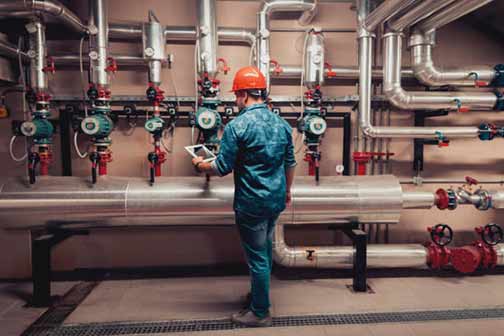
Plumbing systems are a key element in the day-to-day operations and financial performance of businesses located in commercial buildings, says Red Roof Rentals. Although plumbing system maintenance is not considered a core business function, it can have a huge impact on business profits.

Problems like leaks, slow drains, foul odors on the premises, and sewage backup inside the building can damage the reputation of a business. If the plumbing fixtures are damaged or the toilets are dirty, the resulting discomfort can drive customers away.

Ensuring the smooth operation of the plumbing systems in your commercial building is nearly as essential as managing your business. However, since you cannot expect your staff to perform this role, it is crucial to work with a reputable commercial plumber.

That plumber should be a partner who helps to improve your results rather than a hindrance who creates problems for your staff and customers. They should organize their operations in a way that doesn’t disrupt yours while maintaining the highest efficiency level.

What are the things you should look out for when trying to hire a commercial plumbing service?

Licensing, qualifications and compliance

The plumber must be licensed and have valid permits to operate in your area. Licenses and permits confirm that the plumber has been vetted by their professional body and the local authorities. They can comply with the accepted standard for any service they provide. They can also be held liable for substandard work or malpractice.

The plumber’s location

To ensure availability at all times, you want to hire a local plumber. If a plumber has to travel long distances to get to your business, they will charge you additional fees to cover the cost of the trip. Moreover, a plumber who is not local may have trouble with the municipality’s plumbing codes.

Experience and specialization

An experienced plumber would have accumulated a repertoire of critical technical skills to understand and solve any problem in your commercial plumbing system. Your chosen plumber must specialize in commercial plumbing systems and they must know how to deal with the plumbing issues that are peculiar to your building.

They should understand your business needs

The problems the plumber will be dealing with will depend on the complexity of your commercial space. Factors like the number of floors, the types of plumbing fixtures or equipment and the nature of businesses in the building matter a lot. The plumber should also be able to work within your budget.

Service availability and wait times

Plumbing emergencies can happen any time and you don’t want these problems to bring your business activities to a standstill. That’s why you want a plumber who can deploy to your facility at a moment’s notice. 24/7 emergency repairs and short wait times are additional reasons to only work with local plumbers.

Reputation and reviews

If the plumber is good, they should have built up a list of satisfied customers willing to vouch for them. Their website and social media pages should also feature customers’ reviews of their services. A reputable plumber will not be afraid to furnish you with a list of references to check with.

Customer service

How quickly do they respond to messages? How friendly and professional are the staff when answering phone calls or face-to-face conversations? In their emails and communications, do they answer questions? Are they willing to go beyond what is expected when dealing with customers? Do they offer after-sales services, consultations and user training?

Insurance & bonding

How much insurance does the plumber carry and is it sufficient for the needs of your business? What happens if your property is damaged by the plumber? What if somebody is injured as a result of the plumber’s operations? Are they bonded; will you be protected from loss in the event of non-completion of work?

Does the plumber offer warranties?

As a sign of their commitment to doing excellent work every single time, the plumber should be able to back up their services with a warranty. Typically, this will cover the cost of materials and labor. A warranty ensures that if there is a need for subsequent repairs, you will not have to pay.

Pricing and contract terms

Expect detailed estimates of the project. You also want to review the service contract. How will the plumber charge for their service? Will they charge on a per-hour basis or is there a flat fee? Does the contract specify the services, each party’s role and the exit clauses?

Finally, how do you find a reputable commercial plumber in your area? One of the best ways to do this is via referrals from friends, family, other technicians who work for you and trusted real estate professionals in your locality.

Spotting the Warning Signs of Drain Clogs and Sewer Leaks

Spotting the Warning Signs of Drain Clogs and Sewer Leaks

Common Causes of Drain Clogs and Sewer Leaks

Drain clogs and sewer leaks can originate from numerous factors. Among the most common causes are the buildup of fatty deposits, hair, and other debris in the plumbing system. Grease from kitchen waste is notorious for solidifying in pipes and causing obstructions over time. Likewise, excessive amounts of hair and soap scum contribute to significant blockages, especially in bathroom drains. In older homes, aging pipes may corrode and collapse, leading to cracks and leaks. Tree roots are another frequent culprit; they seek moisture and may infiltrate sewer lines, causing severe damage and blockages.

Furthermore, improper disposal of items such as wet wipes, diapers, and sanitary products can easily choke pipes and create clogs. Cooking oils and food particles should never be flushed down the kitchen sink, as they solidify and adhere to the inner walls of pipes, gradually leading to impassable blockages. Knowing these common causes can aid in preventative measures, helping you maintain a healthy plumbing system.

Identifying Slow Drains

Slow drains are one of the earliest indicators of potential clogs within your plumbing system. If you notice that water takes longer than usual to drain from your sinks, bathtubs, or showers, it is critical to address the issue promptly. This slowdown often results from gradual buildup of debris within the pipes, reducing the flow of water and leading to complete blockages if left unattended. Regularly monitoring how quickly water drains from these fixtures can help you detect clogs early on and take necessary action to mitigate further damage.

Finding the cause of slow drains requires careful observation. For example, if only certain fixtures are slow to drain, the problem might be localized to those specific pipes. Conversely, if multiple fixtures throughout the house exhibit slow drainage, it may indicate a more extensive issue within the main sewer line. Either way, it is imperative to identify and rectify these issues promptly to avoid severe blockages and potential flooding.

Recognizing Persistent Odors

Persistent foul odors in your home can be a telltale sign of sewer leaks or drain clogs. The smell of sewage, mold, or decaying organic matter can indicate that waste water is not being efficiently removed from your home. These odors often arise from blockages that cause waste water to stagnate or back up, resulting in the growth of bacteria and release of noxious gases. Detecting unusual odors should prompt immediate investigation into your plumbing system to identify the source and take corrective action.

In addition to offensive smells, you might also encounter gurgling sounds coming from your drains when fixtures are in use. This can signal trapped air within the pipes, often caused by blockages or compromised sewer lines. Ignoring these signs can lead to further complications and more costly repairs in the future.

Watching for Unusual Sounds

Unusual sounds emanating from your plumbing system should not be ignored. Bubbling, gurgling, or hissing noises from your drains are clear indicators that something may be obstructing the flow of water. These sounds often occur when trapped air is forced through narrowed passages or when water is attempting to bypass blockages. Paying attention to and investigating these noises can help identify potential problems within your plumbing system before they escalate into more severe issues.

For instance, hearing a gurgling noise when you flush the toilet or run a sink can indicate that the venting system is blocked or that there is a clog further down the line. Similarly, hearing water running when no fixtures are being used can imply a hidden leak within the plumbing system. Addressing these issues promptly can help prevent further damage and maintain the integrity of your plumbing system.

a higher than usual water bill.

Regularly reviewing your water bills can provide valuable insights into the health of your plumbing system and help you detect issues early on.

Monitoring Your Water Bills

Unexpectedly high water bills can be a subtle yet significant warning sign of underlying plumbing issues, such as hidden leaks or inefficiencies within the system. If your water usage habits remain consistent but your water bills are steadily increasing, it is essential to investigate potential leaks or other problems that may be causing the rise in usage. Regularly reviewing your water bills can provide valuable insights into the health of your plumbing system and help you detect issues early on.

Many homes experience water loss due to small, undetected leaks in the plumbing. These leaks, while potentially minor, can cumulatively account for a substantial increase in water consumption. Additionally, continuously running toilets or dripping faucets can contribute to higher water bills. Taking immediate action to identify and repair these problems can save you money and prevent more extensive damage to your plumbing infrastructure.

Spotting Wet Spots and Water Damage

Unexpected wet spots or signs of water damage within your home can indicate the presence of sewer leaks or clogged drains. Puddles of water, damp drywall, or warped flooring are all red flags that should prompt a thorough inspection of your plumbing system. Wet spots near fixtures, along baseboards, or under sinks suggest that water is escaping from the pipes, possibly due to blockages or leaks.

Further complicating matters, water damage can result in the growth of mold and mildew, leading to health issues and expensive remediation efforts. Early detection and resolution of plumbing issues can mitigate these risks and preserve the structural integrity of your home. Regularly checking for signs of water damage and promptly addressing any identified concerns is key to maintaining a healthy and leak-free plumbing system.

Responding to Sewer Backups

Sewer backups are among the most severe and hazardous plumbing issues homeowners can face. These backups occur when blocked or damaged sewer lines cause sewage to flow back into your home, posing significant health risks and causing extensive property damage. Recognizing the early warning signs of potential sewer backups, such as multiple clogged fixtures, water backing up from drains, or the smell of sewage, is crucial for immediate intervention.

Upon identifying these signs, it is essential to act quickly to prevent further contamination and damage. Avoid using any plumbing fixtures, and immediately contact a professional plumber to assess and address the problem. Taking proactive measures to tackle sewer backup emergencies can help safeguard your home and protect the health of its occupants.

Preventive Measures to Avoid Clogs and Leaks

Prevention is the best strategy for avoiding the headaches and expenses associated with drain clogs and sewer leaks. Implementing a few key practices can significantly reduce the likelihood of encountering these issues. First and foremost, be mindful of what goes down your drains. Avoid disposing of grease, oils, and food scraps in the sink, and use drain screens to catch hair and debris in bathroom drains.

Regular maintenance can also help prevent plumbing problems. Periodically flushing drains with hot water or a safe, environmentally-friendly drain cleaner can dissolve minor buildups before they become major blockages. Scheduling annual drain camera inspections by a professional plumber can identify potential issues and address them before they escalate.

Educating household members on proper plumbing practices and being vigilant in monitoring the signs of trouble can further enhance preventive efforts. By taking these proactive steps, homeowners can maintain a reliable and efficient plumbing system, avoiding the costly repairs and inconveniences associated with clogs and leaks.

Professional Assistance: When to Call a Plumber

While some minor plumbing issues can be managed with DIY solutions, there are instances when professional assistance is indispensable. Recognizing when to call a plumber can save you time, money, and prevent further damage to your plumbing system. Major blockages, sewer backups, persistent leaks, and any significant changes in your water bill or water pressure warrant the expertise of a licensed plumber.

Professional plumbers have the tools, knowledge, and experience to accurately diagnose and repair plumbing problems. They can conduct thorough inspections, utilize specialized equipment such as sewer cameras to inspect sewer lines, and perform complex repairs or replacements as needed. Trusting a professional ensures that issues are resolved effectively and safely, providing peace of mind and long-term protection for your home’s plumbing system.

Overall, being vigilant and proactive in spotting the warning signs of drain clogs and sewer leaks can prevent extensive damage and costly repairs. By understanding the common causes, recognizing the early indicators, and knowing when to seek professional help, homeowners can maintain a healthy and efficient plumbing system. Prioritizing preventive measures and timely interventions will safeguard your home, providing a clean and functional environment for you and your family.

Top Strategies to Save on Your Winter Gas Bill in Chicago

Top Strategies to Save on Your Winter Gas Bill in Chicago

Understanding Your Winter Gas Bill

To effectively reduce your winter gas bill in Chicago, it is essential first to understand how it is calculated. Your gas bill typically comprises charges for the amount of gas used, service and delivery charges, and sometimes additional fees or taxes. It’s important to examine past bills to identify usage patterns and periods of high consumption, which can often occur during the coldest winter months.

Understanding the factors that contribute to high gas usage is the key to managing your expenditure better. Chicago’s harsh winter climate can lead to prolonged use of heating systems, driving up your gas consumption. Additionally, inefficient appliances, poor insulation, and outdated heating systems can also increase your overall gas use. By identifying these factors, you can take targeted action to reduce your bill.

The Importance of Proper Insulation

Proper insulation is fundamental to reducing your winter gas bill. Insulating your home effectively minimizes heat loss, ensuring that the warm air generated by your heating system remains inside your home. This can significantly reduce the amount of gas needed to maintain a comfortable temperature.

Focus on areas like the attic, walls, floors, and around windows and doors. Use materials such as fiberglass batts, foam board, or spray foam to enhance insulation. Consider adding weatherstripping around windows and doors to seal gaps and prevent drafts. This straightforward step can lead to substantial savings on your gas bill by reducing the workload on your heating system.

Enhancing Energy Efficiency with Smart Thermostats

Smart thermostats are a game-changer when it comes to managing your home’s heating more efficiently. These devices allow you to program your heating system to operate only when necessary, avoiding energy waste during times when the house is unoccupied or when everyone is asleep.

Many smart thermostats learn your schedule and make automatic adjustments to optimize energy use. They can also be controlled remotely via smartphone apps, providing you with flexibility and control over your heating system no matter where you are. This can help you achieve significant savings on your winter gas bill by ensuring your heating system operates efficiently and only when needed.

Regular Maintenance and Heating System Checks

Regular maintenance and checks on your heating system are crucial to ensure it is operating at peak efficiency. A well-maintained system uses less gas and provides better heating. Make sure to schedule annual maintenance with a qualified technician who can inspect and clean components such as burners, heat exchangers, and filters.

During these checks, the technician can also identify and address any issues that could be causing your system to run inefficiently. Replacing filters regularly and ensuring that vents are not obstructed are simple steps you can take to maintain your heating system’s efficiency. Regular maintenance can prevent costly breakdowns and improve the overall performance of your system, leading to lower gas bills.

Utilizing Energy-Efficient Appliances

Investing in energy-efficient appliances can have a marked impact on your winter gas bill. Modern appliances are designed to use gas more efficiently, reducing consumption while providing the same or better performance. Look for appliances with the ENERGY STAR label, which indicates they meet or exceed federal energy-efficiency standards.

Consider upgrading your furnace to a high-efficiency model, which can offer substantial savings in the long run. Also, smaller appliances and fixtures such as water heaters, space heaters, and gas fireplaces should be checked for efficiency. Using energy-efficient appliances not only reduces your gas bill but also contributes to a greener environment by lowering your overall energy consumption.

Cost-Effective Solutions for Home Heating

In addition to investing in the latest appliances and making structural changes, there are cost-effective solutions you can implement to reduce your home heating costs. For example, using window treatments like heavy curtains or thermal blinds can help to retain heat inside your home.

Utilize space heaters in occupied rooms to reduce the need for central heating. Layering clothing and using blankets can also help keep you warm without relying solely on your heating system. Simple changes like closing doors to unused rooms and using draft stoppers can also make a significant difference in your overall heating costs.

energy efficient appliances

Modern appliances are designed to use gas more efficiently, reducing consumption while providing the same or better performance.

Simple Lifestyle Changes to Reduce Energy Consumption

Simple lifestyle changes can lead to considerable savings on your winter gas bill. Begin by lowering your thermostat by a few degrees. Even a small reduction can lead to significant savings. Embrace the habit of turning down the heat at night and when you’re not at home.

Wearing warmer clothing indoors and utilizing additional bedding at night can allow you to comfortably lower the thermostat. Limiting the use of hot water and taking shorter showers can also contribute to lower gas consumption. By adopting small changes in your daily routine, you can reduce your gas usage and save money on your bill.

Leveraging Government Rebates and Incentive Programs

Federal, state, and local governments, as well as utility companies, often offer rebates and incentive programs to encourage energy efficiency. These programs can provide financial assistance or rebates for purchasing energy-efficient appliances, making home improvements, or upgrading heating systems.

Research available programs in your area and take advantage of these opportunities. They can significantly reduce the upfront costs of energy-efficient upgrades and lead to substantial savings on your winter gas bill. Familiarizing yourself with these programs and applying for eligible rebates can be a cost-effective way to enhance your home’s energy efficiency.

Engaging Professional Energy Audits

Having a professional energy audit conducted on your home is one of the best ways to identify areas where you can improve energy efficiency. Energy auditors use specialized equipment to detect air leaks, inadequate insulation, and other inefficiencies that could be driving up your gas consumption.

The auditor will provide a comprehensive report outlining specific recommendations to enhance your home’s energy efficiency. Following these recommendations can lead to considerable savings on your gas bill. Professional energy audits provide valuable insights that can help you make informed decisions about where to invest in improvements for maximum energy savings.

Final Thoughts: Cultivating Long-Term Energy-Saving Habits

Reducing your winter gas bill in Chicago requires a combination of smart investments, regular maintenance, and lifestyle changes. By understanding the factors that contribute to high gas usage and taking proactive steps to address them, you can achieve substantial savings.

Long-term energy-saving habits, such as regular maintenance, using energy-efficient appliances, and making lifestyle adjustments, can help you manage your gas bill year after year. Cultivating these habits not only reduces your expenses but also contributes to a more sustainable and environmentally friendly home.

Implement the strategies outlined in this article to enjoy a more comfortable and cost-effective winter season. With proper planning and a commitment to energy efficiency, you can successfully lower your gas bill and create a more energy-efficient home.

Expert Drain Clog Plumbers in Chicago: Professional Solutions for Your Needs

Expert Drain Clog Plumbers in Chicago

Our professional team of drain clog plumbers in Chicago is dedicated to providing the best solutions for all your plumbing needs. From minor blockages to major backups, we have the skills and equipment necessary to handle any problem swiftly and efficiently. Trust us for reliable and efficient services that ensure your plumbing system runs smoothly.

Understanding the Importance of Professional Plumbing Services in Chicago

Plumbing problems can range from minor annoyances to significant issues that disrupt your daily life. Professional plumbing services are essential to ensure that these problems are addressed promptly and effectively. With the expertise and experience of professional plumbers, you can prevent minor issues from escalating into costly repairs and extensive damage.

Professional plumbers use advanced tools and techniques to diagnose and resolve plumbing issues accurately. They also provide preventative maintenance services that help extend the lifespan of your plumbing system, ultimately saving you time and money. By relying on professional plumbers, you gain peace of mind knowing that your plumbing needs are in capable hands.

Common Causes of Drain Clogs

Drain clogs are a common issue that many homeowners face. Understanding the common causes can help you take preventative measures to avoid them in the future. Some of the most common causes of drain clogs include:

  • Hair: Hair can accumulate in drains over time, leading to blockages. This is especially common in bathroom drains.
  • Grease and Fat: Cooking grease and fat can solidify in pipes, causing clogs in kitchen sinks.
  • Food Particles: Food scraps that are not properly disposed of can accumulate in drains, leading to blockages.
  • Soap Scum: Soap residue can combine with minerals in water to form scum that clogs drains.
  • Foreign Objects: Items such as toys, sanitary products, and wipes can get stuck in drains and cause blockages.

Signs that You Need a Professional Plumber

Recognizing the signs that you need a professional plumber can help you address plumbing issues before they become major problems. Some common signs that indicate the need for professional plumbing services include:

  • Slow Draining: If your sinks, showers, or tubs are draining slowly, it may be a sign of a clog that needs professional attention.
  • Frequent Clogs: Repeated clogs in the same drain can indicate a more significant underlying issue.
  • Unpleasant Odors: Foul smells coming from your drains may be a sign of a blockage or buildup of debris.
  • Water Backups: If water is backing up into your sinks, tubs, or toilets, it is a clear sign of a blockage that requires professional intervention.

Why Choose Our Expert Drain Clog Plumbers in Chicago

When it comes to addressing drain clogs in Chicago, choosing our team of drain cleaning plumbers offers several advantages:

  • Experience: Our plumbers in Chicago have years of experience in handling a wide range of plumbing issues, ensuring that they can tackle any problem effectively.
  • Advanced Equipment: We use the best tools and technology to diagnose and resolve plumbing issues accurately and efficiently.
  • Reliable Service: Our team is committed to providing prompt and reliable service, ensuring that your plumbing issues are addressed quickly.
  • Customer Satisfaction: We prioritize customer satisfaction, and our team goes above and beyond to ensure that you are happy with our services.
  • Affordable Solutions: We offer competitive pricing and transparent quotes, ensuring that you receive quality service at a fair price.
drain cleaning services in chicago.

Our team of expert drain clog plumbers in Chicago is dedicated to providing professional solutions for all your plumbing needs.

Some More Our Professional Plumbing Services in Detail

Our team of plumbers in Chicago offers a wide range of plumbing services to meet all your needs. Some of our key services include:

  • Pipe Repair and Replacement: Our plumbers can repair or replace damaged pipes to restore the integrity of your plumbing system.
  • Water Heater Services: We offer installation, repair, and maintenance services for water heaters to ensure you have a reliable supply of hot water.
  • Leak Detection and Repair: Our team uses advanced techniques to detect and repair leaks, preventing water damage and reducing water waste.
  • Emergency Plumbing Services: We provide 24/7 emergency plumbing services to address urgent issues promptly and effectively.

Tips for Preventing Future Drain Clogs

Preventing drain clogs is essential to maintaining a healthy plumbing system. Here are some tips to help you avoid future blockages:

  • Use Drain Screens: Install drain screens to catch hair, food particles, and other debris before they enter the drain.
  • Avoid Pouring Grease Down the Drain: Dispose of cooking grease and fat in a separate container instead of pouring them down the drain.
  • Be Mindful of What You Flush: Only flush toilet paper and human waste. Avoid flushing items such as wipes, sanitary products, and paper towels.
  • Regular Maintenance: Schedule regular sewer rodding service to keep your drains clear and address any potential issues early on.
  • Hot Water Flush: Periodically flush your drains with hot water to help dissolve and wash away any buildup.

Contact our Professional Drain Cleaning Plumbers Today!

Our team of expert drain clog plumbers in Chicago is dedicated to providing professional solutions for all your plumbing needs. With our experience, advanced equipment, and commitment to customer satisfaction, you can trust us to deliver reliable and efficient services.

If you are experiencing plumbing issues or need preventative maintenance, don’t hesitate to contact us. We are here to help with all your plumbing and drain cleaning needs.

Contact Information:

Phone: 773-599-9181

Email: chicagoplumbingexpert@gmail.com

The Role of Sewer Rodding in Maintaining Healthy Plumbing Systems

The Role of Sewer Rodding in Maintaining Healthy Plumbing Systems

In the realm of plumbing, the term “sewer rodding” frequently arises when discussing the maintenance and upkeep of a plumbing system. Sewer rodding is a crucial technique employed by plumbers to ensure the seamless operation of sewer lines in both residential and commercial properties. This process involves using a specialized tool, often referred to as a sewer rod or plumbing snake, to clear obstructions and prevent backups. By understanding the importance and execution of sewer rodding, property owners can maintain a healthy and efficient plumbing system.

The Necessity of Regular Sewer Maintenance

Regular sewer maintenance is imperative for preserving the longevity and functionality of a plumbing system. Over time, sewer lines are prone to blockages caused by the accumulation of debris, grease, tree roots, non-flushable items, and even the build-up of mineral deposits. These obstructions can lead to slow drainage, foul odors, and, in severe cases, complete system backups. Regular sewer maintenance activities, such as sewer rodding, are essential for identifying and removing these blockages before they escalate into more serious and costly issues.

How Sewer Rodding Works

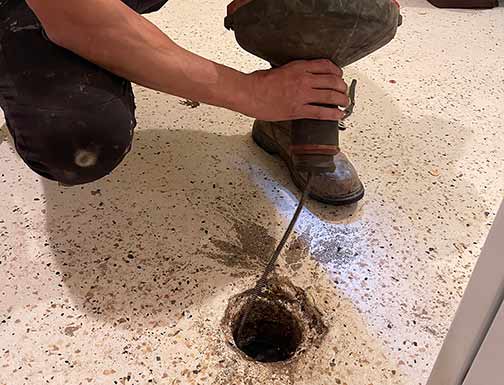
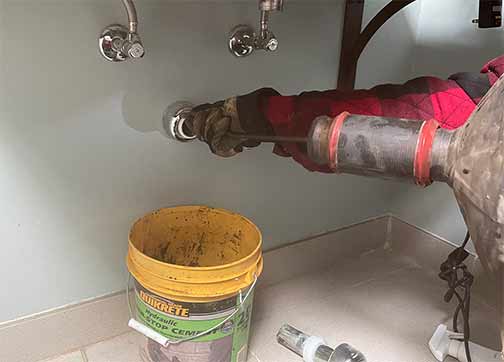
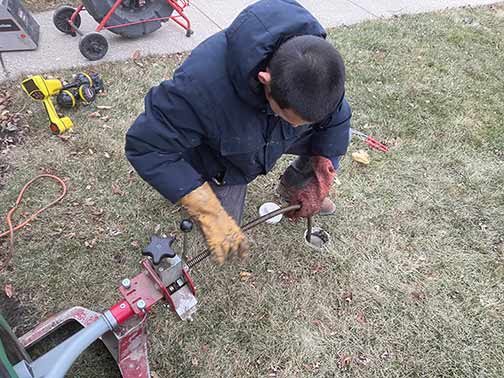
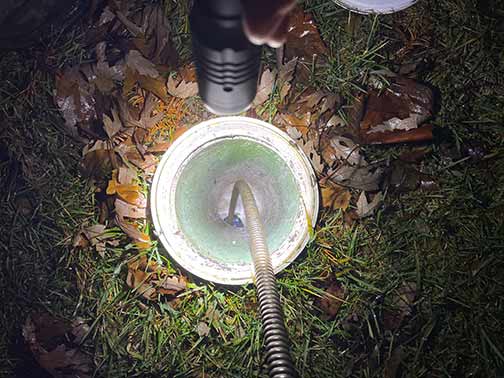
Sewer rodding is a methodical process that involves inserting a flexible, segmented rod into the sewer line through an access point, known as a cleanout. The rod is maneuvered through the pipework, breaking up and pushing through any blockages along the way. The operation can be assisted by various attachments, such as cutting blades or auger heads, designed to handle different types of obstructions. By effectively clearing the pathway, sewer rodding restores optimal flow within the sewer system and mitigates the risk of future blockages.

Tools and Equipment Used in Sewer Rodding

Several tools and pieces of equipment are essential for the successful execution of sewer rodding. These include:

  • Sewer Rods: Flexible, long rods that are inserted into the sewer line to break up and dislodge blockages.
  • Auger Heads: Specialized attachments that help in cutting through tough obstructions such as tree roots or hardened debris.
  • Plumbing Snake: Also known as a drain snake, this tool aids in navigating through bends and curves in the sewer line.

Preventing Backups with Sewer Rodding

One of the primary benefits of sewer rodding is its role in preventing backups within the plumbing system. When sewer lines experience blockages, the resulting pressure can cause wastewater to back up into sinks, toilets, and floor drains, leading to unpleasant conditions and potential property damage. By using sewer rodding to routinely clear out blockages, the risk of backups significantly diminishes, promoting a healthier and more reliable plumbing system.

The Importance of Professional Sewer Rodding Services

While minor blockages can sometimes be addressed with basic plumbing tools, more complex or persistent issues require the expertise of a professional. Professional plumbers possess the knowledge, skills, and equipment necessary to conduct thorough sewer rodding. They can accurately diagnose problems, perform in-depth cleanings, and ensure that the entire sewer system is functioning optimally. Hiring professional sewer rodding services also provides peace of mind, knowing that the job is done correctly and safely.

Signs That Your Sewer System Needs Rodding

Property owners should be vigilant and attentive to signs that their sewer system may require rodding. These indications include:

  • Slow Draining Sinks and Bathtubs: If water takes longer than usual to drain, it might indicate a blockage.
  • Frequent Toilet Backups: Regular or recurring toilet clogs can signify an obstruction in the sewer line.
  • Unpleasant Odors: Foul smells emanating from drains or around the property often suggest trapped debris in the sewer system.
  • Gurgling Sounds: Strange noises coming from drains or toilets can be a sign of air trapped by a blockage.
  • Sewage Backflow: The most severe indication, sewage backup emergencies require immediate professional attention to prevent health hazards and property damage.

a professional sewer rodding service.

Proper sewer maintenance, including regular sewer rodding, enhances the overall value of a property.

The Role of Sewer Rodding in Commercial Properties

Commercial properties, including restaurants, hotels, and office buildings, typically experience higher usage of their plumbing systems compared to residential properties. As a result, they are more susceptible to blockages and plumbing issues. Regular sewer rodding is vital in these settings to maintain a smoothly functioning plumbing system and avoid costly disruptions that can impact business operations. Preventative maintenance through sewer rodding can safeguard against unexpected downtime and ensure a sanitary environment for customers and employees alike.

Environmental Benefits of Sewer Rodding

Besides maintaining a healthy plumbing system, sewer rodding also contributes to environmental sustainability. By keeping sewer lines clear, sewer rodding helps prevent the overflow of untreated wastewater into natural water bodies, which can lead to pollution and adverse effects on aquatic ecosystems. Clean and efficient sewer systems also minimize the likelihood of soil contamination and reduce the burden on wastewater treatment plants. As a result, sewer rodding supports environmental protection efforts and promotes public health.

Cost-Effectiveness of Sewer Rodding

The financial implications of neglecting sewer maintenance can be significant. Emergency repairs resulting from severe blockages or sewer system failures often incur substantial costs. Sewer rodding, as a preventative measure, is a cost-effective solution that helps avoid the expenses associated with major plumbing repairs and property damage. Regularly investing in sewer rodding maintenance not only ensures the longevity of the plumbing infrastructure but also provides long-term savings for property owners.

Enhancing Home and Business Value with Proper Sewer Maintenance

Proper sewer maintenance, including regular sewer rodding, enhances the overall value of a property. Prospective buyers and investors prioritize properties with well-maintained plumbing systems, as it assures them of fewer potential issues in the future. Additionally, a property with a healthy sewer system is more appealing to tenants and occupants, fostering positive reviews and higher rental rates. Therefore, property owners can leverage sewer rodding as a strategic investment to boost their property’s market value and desirability.

Combining Sewer Rodding with Other Maintenance Practices

Sewer rodding should be part of a comprehensive plumbing maintenance regimen. Combining it with other practices, such as regular inspections, drain cleaning, and proper waste disposal habits, ensures the holistic upkeep of the plumbing system. Regular inspections can help identify potential problems early, while drain cleaning prevents smaller clogs from developing into larger obstructions. Educating occupants on proper waste disposal—such as avoiding flushing non-degradable items or pouring grease down drains—also plays a crucial role in maintaining clear sewer lines.

Conclusion: A Commitment to Healthy Plumbing Systems

In conclusion, sewer rodding is a vital practice in maintaining the health and efficiency of plumbing systems in both residential and commercial properties. Through routine sewer rodding, property owners can prevent blockages, backups, and costly repairs, thereby ensuring the seamless operation of their sewer lines. Emphasizing the importance of regular sewer maintenance, investing in professional services, and adopting complementary plumbing practices contribute to a robust and sustainable plumbing infrastructure. By committing to these principles, property owners can enjoy the benefits of a well-managed, trouble-free plumbing system, safeguarding their properties and the environment.

How Customer Reviews Can Guide You to the Best Chicago Plumber

How Customer Reviews Can Guide You to the Best Chicago Plumber

Importance of Customer Reviews

In today’s digital age, customer reviews have become a vital tool for consumers making purchasing decisions, including hiring service professionals such as plumbers. Customer reviews provide real-life insights and firsthand experiences, allowing potential customers to make well-informed choices based on the testimony of others. Choosing a plumber in Chicago can be challenging given the multitude of options available, but customer reviews serve as a beacon, guiding you to the most competent and reliable professionals. Understanding the true value and importance of these reviews can revolutionize your approach to selecting the best services.

Customer reviews hold significant weight because they are often honest, unfiltered, and reflect the real quality of service. With statistics showing that a majority of consumers trust online reviews as much as personal recommendations, it’s clear that online feedback has become a new form of word-of-mouth referral. These reviews can cover a broad spectrum of factors including punctuality, expertise, pricing, and overall customer satisfaction, helping you cut through marketing fluff to understand what you can genuinely expect from a Chicago plumber.

Assessing Plumber’s Professionalism through Reviews

One of the key aspects you can evaluate through customer reviews is a plumber’s professionalism. Reviews often touch upon how plumbers interact with their customers, their punctuality, communication skills, and their resolve to leave the customer’s home clean and damage-free. Professionalism goes beyond technical skill; it encompasses respect, reliability, and the ability to meet or exceed expectations consistently.

When assessing reviews for professionalism, look for mentions of the plumber’s punctuality – arriving on time for scheduled appointments is a clear indicator of reliability. Communication is another essential factor, where reviews detailing clear, honest, and polite interactions can signify a high level of professionalism. Additionally, reviews that speak to the cleanliness and orderliness of a plumber’s work can help assure you of their meticulous approach to tasks and respect for your home.

Evaluating Quality of Service from Reviews

Customer reviews can be immensely helpful in evaluating the quality of service provided by a plumber. A high-quality service review typically includes descriptions of the plumber’s efficiency, their diagnostic and problem-solving skills, the durability of their repairs, and the overall value for money they deliver. Browsing through these insights can help you understand whether a plumber possesses the expertise and skills required to handle a wide range of plumbing issues.

Look for reviews that mention the speed and effectiveness with which tasks were completed. Detailed experiences that highlight the resolution of complex plumbing issues can indicate a plumber’s competence and experience. Furthermore, reviews that emphasize the use of quality materials and tools inform you about a plumber’s commitment to providing durable and reliable repairs. Finally, reviews that reflect fair pricing and transparency in billing can assure you of receiving value for your investment.

Real-life Customer Experiences

The most authentic and trustworthy information often comes from real-life customer experiences. These narratives can provide a clearer picture of what you can expect from a plumber’s service, going beyond general ratings and touching on specifics. Personal stories can highlight the strengths and weaknesses of a plumber, giving you an in-depth look at their service performance.

When reading real-life experiences, consider the context behind the reviews. A detailed recount of an emergency plumbing situation handled quickly and efficiently can showcase a plumber’s ability to perform under pressure. On the other hand, a story describing a drawn-out repair process with multiple follow-ups might reveal shortcomings. Real-life customer experiences offer a balanced view, capturing both positive and negative facets, which can be crucial to forming a well-rounded judgment.

chicago plumber reviews

Authentic reviews often contain specific details about the service received, as opposed to generic praise or criticism.

Filtering Authentic Reviews

In the sea of online reviews, finding those that are authentic and reliable can be a challenge. Some reviews may be biased or fabricated, influenced by factors other than the actual quality of service. Therefore, it’s important to develop skills to discern authentic reviews from misleading ones.

Authentic reviews often contain specific details about the service received, as opposed to generic praise or criticism. Look for reviews that discuss particular aspects of the plumbing job, mention the name of the plumber, and provide a timeline or context to their experience. Be cautious of reviews that seem overly enthusiastic or overly critical without substantive details, as they may be less trustworthy.

Checking for a consistent pattern among multiple reviews can also help you gauge authenticity. Multiple reviews highlighting the same strengths or issues are more likely to reflect the true quality of service. Additionally, using reputable review platforms that verify customer feedback can help you find genuine and reliable reviews.

Making an Informed Decision

Ultimately, the goal of reading customer reviews is to make an informed decision when choosing a plumber in Chicago. The amalgamation of reviews provides a comprehensive picture that can guide you towards selecting a professional who fits your needs perfectly.

Combine insights from various reviews to weigh the pros and cons of each plumber. Consider factors such as professionalism, quality of service, consistency in positive feedback, and the authenticity of reviews. By synthesizing this information, you can confidently choose a plumber who not only meets but exceeds your expectations.

In conclusion, customer reviews are an invaluable resource in selecting the best plumber in Chicago. They offer a direct line to real customer experiences and provide rich, detailed insights that can guide you to a well-informed decision. By paying close attention to the various elements discussed in the reviews, you can significantly enhance your chances of finding a skilled, professional, and reliable plumber who will deliver quality service and peace of mind.

Are you looking for a top plumber in the Chicago area? We can help! Contact us today at 773-599-9181 or by form below:

Cost Factors in Water Heater Replacement: What to Expect

Cost Factors in Water Heater Replacement

Understanding the Cost of the Water Heater Unit

One of the primary cost factors in water heater replacement is the price of the water heater unit itself. Water heaters come in a variety of types, sizes, and brands, all of which influence the overall cost. When selecting a new water heater, it’s important to consider the capacity it needs to support your household’s hot water usage. The larger the capacity, the higher the cost of the unit.

Prices can range significantly depending on the type of water heater you choose. For instance, a standard tank water heater typically costs less than a tankless water heater. Additionally, water heater units from well-known brands with a reputation for quality and reliability may come with a higher price tag. It’s essential to balance initial cost with long-term benefits, such as energy efficiency and reliability.

The Impact of Water Heater Type on Costs

The type of water heater you choose will greatly influence the overall cost of replacement. There are several types of water heaters, including storage tank water heaters, tankless water heaters, heat pump water heaters, and solar water heaters. Each type has distinct features and benefits, as well as varying costs.

Storage tank water heaters are generally more affordable upfront but may have higher operating costs over time due to energy loss from storing hot water. On the other hand, tankless water heaters, while more expensive to purchase and install, can offer substantial long-term savings due to their on-demand heating capabilities, which reduce energy consumption.

Heat pump water heaters are energy-efficient but can have higher initial costs and may require additional space for installation. Solar water heaters, while environmentally friendly, come with a premium price and may necessitate specific installation requirements due to solar panel placement.

Factors Affecting Installation Fees

Installation fees are a significant component of the overall cost of water heater replacement. Several factors can influence these fees, including the complexity of the installation, the type of water heater, and local labor rates. For instance, installing a tankless water heater generally demands more intricate plumbing and electrical work compared to a standard tank water heater, which can increase labor costs.

The need for additional modifications or upgrades to existing plumbing and electrical systems can also drive up installation fees. If your new water heater requires a different setup, such as new venting or gas line connections, these changes will be reflected in the final installation costs. It’s crucial to obtain multiple quotes from experienced plumbers to ensure you receive a fair price for the installation work.

The Role of Location in Water Heater Replacement Costs

Your geographical location plays a role in determining the cost of water heater replacement. Prices for both units and installation can vary widely depending on your region, local demand, and availability of skilled labor. In areas with a higher cost of living, you can expect to pay more for both the water heater unit and the installation services.

Additionally, local building codes and regulations may impact the cost. Some municipalities have stricter requirements for water heater installation, which can necessitate additional work to bring the system up to code. These additional regulatory requirements can contribute to higher overall costs.

Additional Costs and Considerations in Water Heater Replacement

Beyond the main elements of unit cost and installation fees, there are several other expenses to consider when replacing a water heater. These may include the removal and disposal of your old water heater, which some contractors charge separately. Disposal fees can vary, so it’s important to ask if this service is included in the quote.

Warranties and permits are other considerations that can influence the total cost. Purchasing an extended warranty may provide peace of mind but can add to the initial expense. Additionally, most localities require permits for water heater installation, and the cost of obtaining these permits should be factored into your budget. Make sure to check with your local building department to understand the permitting process and associated costs.

a plumber completing a tankless water heater installation.

A skilled plumber can ensure proper installation and help you avoid potential issues down the line.

Energy Efficiency and Long-term Savings

Investing in an energy-efficient water heater can lead to significant long-term savings. While energy-efficient models may have higher upfront costs, they can reduce your utility bills over time. Look for water heaters with high Energy Factor (EF) ratings, as they can provide better performance with lower energy consumption.

In addition to the potential for lower energy bills, some energy-efficient water heaters may qualify for rebates or tax incentives. These financial incentives can help offset the higher initial cost. Be sure to research available rebate programs and tax credits in your area when selecting an energy-efficient water heater.

Choosing the Right Plumber for the Job

Selecting a reputable and experienced plumber is crucial for a successful water heater replacement. A skilled plumber can ensure proper installation and help you avoid potential issues down the line. When evaluating contractors, consider their credentials, experience, and customer reviews.

Ask potential plumbers for references and check their licensing and insurance status. Obtain multiple quotes and compare the scope of work and pricing. A reliable plumber should provide a detailed estimate that includes all costs associated with the installation, including parts, labor, permits, and disposal fees.

Common Mistakes to Avoid in Water Heater Replacement

Replacing a water heater involves several steps, and there are common mistakes homeowners should avoid to ensure a smooth process. One frequent mistake is selecting the wrong size water heater. It’s essential to choose a unit that can adequately meet your household’s hot water needs without being overly large, as this can lead to inefficiency and higher operating costs.

Another mistake is attempting a DIY installation without the necessary skills and knowledge. Incorrect installation can lead to leaks, inefficiencies, and safety hazards. It’s always best to hire a professional contractor to handle the installation. Additionally, failing to secure the proper permits can result in fines and complications when selling your home. Ensure all required permits are obtained before proceeding with the installation.

Summary of Water Heater Replacement Costs

In summary, replacing a water heater involves several cost factors, including the price of the unit, installation fees, location-based variations, and additional expenses such as disposal, warranties, and permits. The type of water heater, its energy efficiency, and choosing the right contractor all play significant roles in determining the total cost.

By understanding these cost factors and taking the time to research and compare options, you can make an informed decision that meets your household’s needs and budget. Investing in an efficient and properly installed water heater can provide long-term benefits, including reduced energy bills and improved reliability.

Sewer Line Cleaning: An Investment in Your Home’s Future

Sewer Line Cleaning

Understanding the Importance of Regular Sewer Line Cleaning

Regular sewer line cleaning stands paramount in maintaining the overall well-being of your home. It is a crucial task that goes beyond just routine plumbing maintenance. By ensuring clean and efficient sewer lines, you prevent potential clogs and backups, resulting in a healthier and hassle-free household. This practice is an indispensable investment in the long-term durability and functionality of your home’s plumbing system.

Preventing Severe Blockages and Backups

One of the primary reasons for sewer line cleaning is to avert severe blockages and backups. Although minor clogs may seem inconsequential initially, they can accumulate over time, leading to significant obstructions within the pipes. These blockages can cause sewage to back up into your home, presenting not just a widespread inconvenience but also serious health hazards. Regular cleaning mitigates the risk of such disruptions, ensuring waste flows smoothly out of the home without any obstructions.

Preserving the Structural Integrity of Sewer Pipes

The structural integrity of your sewer pipes is vital to their optimal functioning. Many homes have aging pipes prone to cracks, collapses, or corrosion. Regular sewer line cleaning helps identify and address these issues before they escalate. Early detection and remediation protect the pipes from further damage, ultimately extending their lifespan and reducing the likelihood of expensive repairs or replacements.

Maintaining Home Value

Your home is an investment, and its value is significantly influenced by the condition of its infrastructure. An often overlooked aspect of this infrastructure is the plumbing system, specifically the sewer lines. Ensuring these lines are clean and functioning correctly reflects well on your home’s overall value. Potential buyers and property appraisers recognize the importance of a healthy plumbing system, and well-maintained sewer lines can be a notable selling point.

Improving Household Health and Hygiene

A clean sewer line directly impacts the health and hygiene of your household. Clogged or damaged sewer lines can lead to the release of harmful gases and the overflow of wastewater, leading to unsanitary conditions. Regular cleaning minimizes these risks, promoting a healthier living environment. This proactive step is essential in safeguarding your family’s health from the adverse effects of contaminated water and air.

Cost-Effective Plumbing Maintenance

Engaging in regular sewer line cleaning is a cost-effective approach to plumbing maintenance. While the initial investment might seem unnecessary, it pales compared to the expenses incurred from emergency plumbing repairs due to neglected sewer lines. Preventive cleaning and maintenance can save homeowners significant amounts of money in the long run by avoiding the extensive damage and high repair costs associated with severe sewer line issues.

Early Detection of Potential Plumbing Problems

Regular sewer line cleaning serves as an early warning system for potential plumbing problems. Professionals conducting these cleanings can identify underlying issues such as tree root intrusions, misaligned pipes, or other structural deficiencies early on. By detecting these problems promptly, homeowners can address them before they develop into more severe and costly issues, ensuring the longevity and efficiency of their plumbing systems.

Enhancing Home Efficiency

The efficiency of your home’s plumbing system largely depends on the condition of its sewer lines. Clogged or obstructed sewer lines can slow down drainage and water flow, causing delays and inconveniences in daily activities. By keeping these lines clean and clear, you enhance the overall efficiency of your home’s plumbing, ensuring smooth and uninterrupted water flow for all household needs.

sewer rodding is a good form of sewer line cleaning.

Regular sewer line cleaning serves as an early warning system for potential plumbing problems.

Protecting the Environment

Regular sewer line cleaning also has a positive impact on the environment. Blocked or damaged sewer lines can lead to sewage leaks that contaminate the soil and water sources. By maintaining clean and functional sewer lines, you help prevent such environmental hazards. This practice aligns with broader efforts to promote sustainable living and protect natural resources from pollution.

Professional Sewer Line Cleaning Techniques

Professional sewer line cleaning employs various techniques to ensure thorough and effective results. Hydro-jetting is one such method where high-pressure water streams are used to dislodge and remove debris and build-up within the pipes. Another common technique is using a mechanical auger or a sewer rodding service to break up and extract blockages. These professional methods are effective in maintaining clean and functional sewer lines, offering peace of mind to homeowners.

Scheduling Regular Sewer Line Inspections

In addition to regular cleaning, scheduling routine sewer camera inspections is essential. Professional inspections can reveal hidden issues that may not be apparent during regular cleanings. These inspections provide a comprehensive assessment of the sewer line’s condition, enabling homeowners to take necessary preventive measures to maintain the health and functionality of their plumbing systems.

Choosing the Right Plumbing Services

Selecting a reputable and experienced plumbing service is crucial for effective sewer line cleaning. Look for plumbers who offer drain cleaning services, equipped with the latest tools and technologies. Well-trained and certified plumbers can provide valuable insights and solutions, ensuring your sewer lines remain in optimal condition.

DIY vs. Professional Sewer Line Cleaning

While some homeowners may consider tackling sewer line cleaning themselves, professional services are often more effective and reliable. DIY cleaning methods may provide temporary relief but lack the thoroughness and expertise of professional techniques. Hiring professionals ensures a comprehensive cleaning, minimizing the risk of recurring issues and safeguarding the integrity of your sewer lines.

Final Thoughts: An Investment in Your Home’s Future

In conclusion, regular sewer and drain cleaning is an essential investment in your home’s future. It prevents severe blockages and backups, preserves the structural integrity of pipes, and maintains the overall value of your property. Additionally, it promotes household health and hygiene, offers cost-effective maintenance solutions, and protects the environment. By prioritizing regular cleaning and professional services, you ensure a safe, efficient, and valuable home for years to come.

Essential Plumbing Tips for a Smooth Transition from Summer to Fall

Essential Plumbing Tips for a Smooth Transition from Summer to Fall

Preparation for Outdoor Plumbing Systems

As the season transitions from summer to fall, taking proactive steps with your outdoor plumbing systems is essential. Inspect outdoor faucets, hoses, and sprinkler systems to ensure they are in good working condition. It is also crucial to be mindful of the potential for freezing temperatures and how they can affect your outdoor plumbing.

One of the vital steps is to disconnect and drain garden hoses to prevent them from bursting due to any remaining water freezing. Emptying water from hoses ensures there is no pressure that could cause damage. Additionally, consider using a hose bib cover to provide an extra layer of protection against freezing temperatures for your outdoor faucets.

Evaluate your sprinkler system by scheduling a professional inspection before winterizing. Ensure that all components of the system are in proper working order. Blowing out the sprinkler lines with an air compressor is a crucial step to remove any trapped water. This prevents freezing and potential damage to underground pipes.

Maintaining Indoor Plumbing Efficiency

The transition from summer to fall is a great time to evaluate and maintain the efficiency of your indoor plumbing systems. Begin with a thorough inspection of your plumbing fixtures, such as faucets and toilets, to check for any leaks or drips. Addressing these issues promptly can prevent water waste and higher utility bills.

Pay special attention to your water heater. Since the fall season often brings cooler temperatures, ensuring your water heater is operating efficiently is crucial. Flush the water heater tank to remove any sediment buildup that may have accumulated during the summer. A well-maintained water heater not only provides consistent hot water but also extends the life of the appliance.

Don’t forget to inspect your home’s main water shut-off valve. This valve is integral for preventing water damage in case of a leak or burst pipe emergency. Ensure it is working properly and known to all household members for quick access during an emergency.

Preventing Frozen Pipes

Frozen pipes are a common concern during the colder months. To prevent this issue, start by insulating exposed pipes in unheated areas of your home, such as the basement, garage, or crawl spaces. Use pipe insulation or heat tape to provide added protection against extreme temperatures.

During particularly cold nights, it is advisable to keep your home’s thermostat at a consistent temperature, even overnight. Allowing a slow trickle of water to run through taps can also help prevent pipes from freezing. While this might seem wasteful, it is far more cost-effective than dealing with a burst pipe emergency and the subsequent water damage it can cause.

Safeguarding Your Sump Pump

Fall is an ideal time to ensure your sump pump is in good working condition. This device plays a critical role in preventing basement flooding, especially during the wetter months. Test the sump pump by pouring a bucket of water into the sump pit. The pump should activate and remove the water efficiently.

Clean the sump pump and the pit to remove any debris that may have accumulated. Check the discharge pipe to ensure it is clear and directing water away from your home’s foundation. Regular maintenance of your sump pump can prevent unexpected failures during heavy rainfall or snowmelt.

Inspecting Gutter and Downspout Systems

Gutters and downspouts are vital components of your home’s overall plumbing system. They direct rainwater away from your home, preventing water damage to your roofing, siding, and foundation. As the leaves begin to fall, clogged gutters become a common issue.

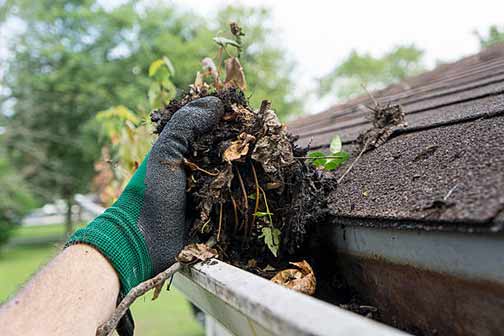
Clean your gutters thoroughly to remove leaves, twigs, and other debris. Inspect the entire gutter system for any signs of damage or blockages. Ensure that the downspouts are directing water at least six feet away from your home’s foundation. If necessary, consider installing gutter guards to minimize future debris buildup and reduce maintenance efforts.

a man cleaning out his gutter at the end of summer.

Clean your gutters thoroughly to remove leaves, twigs, and other debris. Inspect the entire gutter system for any signs of damage or blockages.

Seasonal Plumbing Maintenance Schedule

Creating a seasonal plumbing maintenance schedule can help you keep your plumbing system in top shape all year round. Include tasks such as inspecting and insulating pipes, checking for leaks, and servicing your water heater. Doing so can help you address minor issues before they become major problems, providing peace of mind and preserving the longevity of your plumbing system.

Regular maintenance checks will also help you prepare for seasonal changes proactively. By staying on top of these tasks, you can ensure that your home’s plumbing system is well-equipped to handle the demands of each season, reducing the risk of unexpected repairs and costly damage.

Professional Plumbing Inspection and Services

While many plumbing maintenance tasks can be performed by homeowners, engaging professional services for a comprehensive inspection and maintenance is advisable. Professional plumbers possess the expertise and tools to identify potential issues that might go unnoticed and provide effective solutions to prevent future problems.

Consider scheduling a professional plumbing inspection at least once a year, preferably during the fall. This ensures that your home is ready for the winter months, and any necessary repairs or improvements can be made ahead of time. A professional plumber can also provide valuable tips and recommendations to optimize your plumbing system’s efficiency.

Preparing for the Unexpected

Despite our best efforts, unexpected plumbing issues can arise. It’s important to be prepared and have a plan in place. Familiarize yourself with emergency plumbing tools such as a plunger, pipe wrench, and plumbing snake. Knowing how to use these tools can help you address minor issues before professional help arrives.

Additionally, keep the contact information of a reliable local plumber handy. In case of a plumbing emergency, having quick access to professional assistance can prevent extensive damage and costly repairs. Being prepared for the unexpected can save you time, money, and stress in the long run.

Water Conservation Practices

Incorporating water conservation practices into your daily routine not only benefits the environment but also reduces the strain on your plumbing system. Simple steps such as fixing leaks promptly, using water-efficient fixtures, and being mindful of water usage can make a significant difference.

Install low-flow showerheads and faucets, and consider upgrading to high-efficiency toilets. These small changes can lead to substantial water savings and lower utility bills. Additionally, educate your household members on the importance of water conservation and encourage them to adopt water-saving habits.

Conclusion

Ensuring your home’s plumbing system is prepared for the seasonal shift from summer to fall is essential. By taking proactive steps, such as maintaining outdoor and indoor plumbing systems, preventing frozen pipes, safeguarding your sump pump, and inspecting gutters, you can create a smooth transition and avoid costly repairs. Regular maintenance, professional inspections, and water conservation practices contribute to the overall efficiency and longevity of your plumbing system. Being prepared for the unexpected and having a plan in place can save you from potential headaches and ensure your home remains comfortable and functional throughout the fall season and beyond.

How to Detect When It’s Time for a Rooter Service in Chicago

How to Detect When It’s Time for a Rooter Service in Chicago

Understanding the Importance of Rooter Services

In the large city of Chicago, homeowners often face plumbing issues that can disrupt their daily lives. One of the most common yet significant plumbing challenges is clogged pipes. This is where a professional rooter service becomes indispensable. Understanding the importance of rooter services can help homeowners maintain their plumbing systems efficiently and avoid costly repairs.

Common Symptoms Indicating a Need for Rooter Service

Identifying the early signs of clogged pipes is crucial for timely intervention. Here are some common symptoms that indicate the need for a rooter service:

  • Slow Draining Sinks: If you notice that your sinks are draining slower than usual, it could be a sign of a blockage in the pipes.
  • Frequent Toilet Backups: Recurring issues with toilet backups often signal a major clog in the main sewer line.
  • Gurgling Sounds: Strange gurgling noises coming from the drains can suggest trapped air due to a blockage.
  • Unpleasant Odors: Foul odors emanating from the drains are usually caused by trapped debris or waste buildup.
  • Multiple Drain Clogs: Simultaneous clogs in various drains within the house indicate a severe blockage that requires professional attention.
  • Water Backup: If water backs up in your shower or sink when you flush the toilet, it is a clear sign of a blockage in the pipes.

Importance of Regular Maintenance

Regular maintenance of your plumbing system can prevent clogs and other issues from escalating into major problems. Scheduling periodic rooter services ensures that your pipes remain clear and functional. This proactive approach can save you from unexpected disruptions and expensive repairs down the line.

When DIY Methods Aren’t Enough

While DIY solutions like using a plunger or chemical drain cleaners can sometimes resolve minor clogs, they are not always effective for severe blockages. In fact, using harsh chemicals can damage your pipes and create more significant issues. When DIY methods fail, it’s time to professional rooter service to address the problem effectively and safely.

The Expertise of Professional Rooter Services

Most professional plumbers in Chicago employ advanced techniques and equipment to clear clogged pipes efficiently. These experts have the experience and knowledge to identify the root cause of the blockage and provide a long-lasting solution. Here’s what you can expect from a professional rooter service:

  • Thorough Inspection: Professionals conduct a comprehensive inspection of your plumbing system to pinpoint the exact location and cause of the clog.
  • High-Tech Equipment: Using specialized tools such as video cameras and hydro-jetting services, plumbers can clear even the most stubborn blockages.
  • Safe and Effective Solutions: Professional rooter services ensure that your pipes are cleared without causing any damage, using safe and effective methods.
  • Preventive Advice: Experts provide valuable tips on how to prevent future clogs and maintain a healthy plumbing system.

professional rooter service in chicago.

Addressing clogs promptly with a rooter service can help you avoid these potential problems and maintain the integrity of your home’s plumbing system.

The Cost of Ignoring Clogged Pipes

Ignoring clogged pipes can lead to severe consequences that can be both inconvenient and costly. Persistent blockages can cause water damage, mold growth, and structural issues in your home. Additionally, untreated clogs can lead to complete pipe failure, necessitating costly replacements. Addressing clogs promptly with a rooter service can help you avoid these potential problems and maintain the integrity of your home’s plumbing system.

Choosing the Right Rooter Service in Chicago

Choosing a reliable rooter service in Chicago is essential for ensuring that your plumbing issues are resolved effectively. When selecting a service, consider the following factors:

  • Reputation: Look for a rooter service with a strong reputation for quality and customer satisfaction.
  • Experience: Choose a company with extensive experience in handling a wide range of plumbing issues.
  • Certifications: Ensure that the technicians are licensed and certified to perform rooter services.
  • Response Time: Opt for a service that offers prompt response times, especially in emergency situations.
  • Transparent Pricing: Select a company that provides clear and upfront pricing without hidden fees.

The Benefits of Timely Rooter Services

Timely rooter services offer numerous benefits to homeowners in Chicago. By addressing clogs promptly, you can:

  • Improve Drainage: Clear pipes ensure smooth and efficient drainage, preventing water buildup and backups.
  • Enhance Plumbing Longevity: Regular maintenance and prompt intervention can extend the lifespan of your plumbing system.
  • Avoid Water Damage: Preventing clogs and backups reduces the risk of water damage and associated repair costs.
  • Ensure Health and Safety: Clearing blockages minimizes the risk of mold growth and exposure to harmful bacteria.
  • Maintain Home Value: A well-maintained plumbing system contributes to the overall value and appeal of your home.

In conclusion, recognizing the importance of professional rooter services and knowing when to call for help can save Chicago homeowners from significant plumbing issues and expenses. By paying attention to the common symptoms of clogged pipes, prioritizing regular maintenance, and choosing a reputable rooter service, you can ensure the smooth functioning of your home’s plumbing system. Taking a proactive approach to plumbing care not only enhances your daily living experience but also protects your valuable investment in your property.

Are you in need of rooter service in the Chicagoland area? Our plumbers can help! Contact us at 773-599-9181 or by form below: