Author Archives: Chicago Plumbing Experts

Tankless Water Heaters vs. Traditional Water Heaters: What’s Best for Chicago Homes?

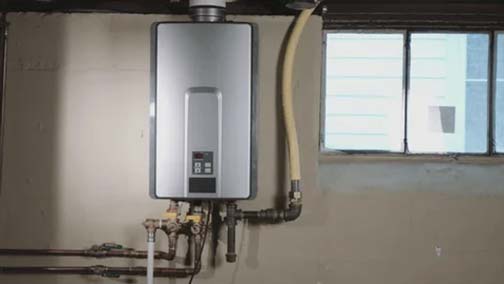
a tankless water heater installation in chicago

Are you thinking of replacing the water heater in your Chicago home, but are stuck between installing a tankless water heater versus a traditional water heater? In this post, we explore the differences between these two types of water heaters and what to consider when choosing a water heater for your home as noted by Keyrenter Highlands Ranch.

Before discussing the critical factors to consider when selecting a water heater, let’s talk about the good and the bad of these two types of water heaters.

Pros and cons of a tankless water heater

Pros

  • Better energy efficiency: Because they heat water on demand instead of storing it, there is no standby heat loss. This makes a tankless water heater more energy-efficient.
  • Unlimited hot water supply: Unlike traditional water heaters, tankless water heaters don’t have a tank, so your hot water supply is not limited to the size of the tank. 
  • Needs less space: Due to the absence of a storage tank, tankless water heaters are more compact, making them ideal for smaller homes and apartments.
  • Longer service life: Since they are less susceptible to leaks, rust, and corrosion, tankless water heaters have a longer lifespan (15-20 years) than traditional water heaters.

Cons

  • Higher upfront cost: Tankless water heaters typically have higher acquisition and installation costs than traditional water heaters.
  • Potential for delays: Due to the absence of a storage tank, there is no ready supply of hot water. This can lead to delays as the appliance heats the water.
  • Requires more maintenance: Tankless water heaters are sometimes harder to maintain than traditional water heaters because of their complex mechanisms.

Pros and cons of a traditional water heater

Pros

  • Lower upfront costs: Traditional water heaters have lower acquisition costs. Since most homes already have the infrastructure to make them work, installation is cheaper.
  • Consistent water supply: Because they store water, hot water is readily available in sufficient volumes. This is ideal for homes where multiple fixtures use hot water at once.
  • Compatible with most fuels: You can find a traditional water heater that will work with the fuel type available in your area: natural gas, propane, oil, or electricity.
  • Easier to maintain: Their simpler mechanism means that traditional water heaters are easier to service than tankless water heaters.

Cons

  • Lower energy inefficiency: Standby heat loss is a major problem in traditional units. The water inside the tank must be heated and reheated continuously until it is needed.
  • Requires more space: Because of their tanks, traditional water heaters need a lot of space. This is a problem when trying to install one in a small house or apartment.
  • Shorter lifespan: Traditional water heaters are prone to rust, sediment buildup, and corrosion. This means a shorter lifespan for tanked water heaters (8 to 12 years).

Things to consider when choosing a water heater for your Chicago home

Chicago winters are very cold (some would say extremely cold), and that is a major consideration in the type of water heater you should buy. To decide on the right water heater for your Chicago home, think of the following:

  1. Cold incoming water

During winter, because the water entering a tankless water heater is very cold, the appliance may struggle to heat the water. This can impact the unit’s ability to meet your home’s hot water needs as well as its energy efficiency.

  1. High hot water demand

Hot water demand is naturally higher in winter compared to other times of the year. Given that even in the best conditions, a tankless unit will take time to heat water, a traditional unit will often handle this demand better. 

  1. Installation difficulties

For older homes, converting the house to a tankless water heater is complicated. The cost of adding new gas lines, venting, and electrical wiring makes a traditional water heater a more attractive option.

  1. Hard water

Chicago’s well-known hard water problems mean that both traditional and tankless units will face challenges in this environment. You must weigh the relative difficulty of descaling the heat exchanger in a tankless unit versus flushing the tank of a traditional unit.

  1. Space constraints

Many Chicago houses and apartments have limited space, which makes a tankless water heater a better option. However, this is not a problem if you already have a traditional water heater installed in the home, unless, of course, you plan to buy a new unit with a bigger tank.

Here is the final verdict. If you have limited space and value long-term energy savings, a tankless water heater may be the right choice for your household. If you are worried about the unit’s ability to meet your home’s hot water needs, consider installing more than one unit.

On the other hand, if you have a lot of space in your home and a large family, your hot water needs will be better served by a traditional water heater. To minimize the energy usage of the unit, install a model with a very high energy efficiency rating.

Finally, before buying that new water heater, you will be well-advised to contact a local plumber. An expert sees and knows things you don’t, and they can help you make a selection that will benefit you many years into the future.

Emergency Plumbing Prep for Chicago’s Severe Weather

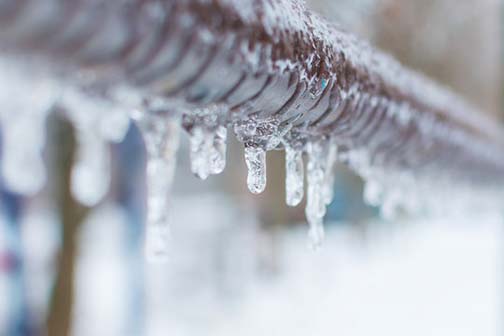
frozen pipes during a chicago winter

Chicago is famous for its unpredictable weather. In some weeks, you can experience all four seasons of the year within seven days. One moment it feels like fall, and the very next one, you are caught in a snowstorm. Two days later, you may have daytime temperatures reaching 70°F.

There are many geographic reasons why these massive variations in weather happen in the city, but they don’t matter for your home’s plumbing. RENTit Colorado notes that the unpredictable and sometimes extreme nature of Chicago’s weather means that plumbing systems in this city are under a lot of strain.

Inconsistent weather conditions make it hard for homeowners to know which preventive measures to take to protect their plumbing. The result is that plumbing systems in Chicago homes are highly prone to emergencies: frozen pipes, sewer backups, and burst water lines.

In this guide, we explain the critical plumbing preps every Chicago homeowner must understand to fortify their plumbing systems and prevent or minimize emergencies in their home.

Emergency plumbing preps for Chicago homes

  1. Scheduled professional plumbing inspections

Weather events such as deep freezes and heavy precipitation may have unexpected negative consequences on the function and physical condition of your plumbing. These problems can go unnoticed until they cause plumbing emergencies in your home. Scheduled professional plumbing inspections help to prevent this.

You should not wait until problems arise before inspecting the plumbing. Have the system checked at preplanned intervals, whether there are issues or not. This will help you catch problems at their early stages and also let you solve them fairly easily. What should be the focus of these inspections?

Sewer lines ought to be a major focal point due to the impact of sewer line issues on your home and the cost of fixing those problems. Inspect water heaters and water lines for early signs of corrosion, leaks, and other issues. Check the home’s water pressure for potential failure.

Also, remember to replace worn-out or aged components in the plumbing. For the best results, this inspection should be done by a local plumber in Chicago. Inspections should be done at least once a year for older homes and every two years for newer buildings.

  1. Clean and maintain gutters, downspouts, and exterior drains

Exterior drainage systems are another critical point of failure in your plumbing. Clogged and leaky gutters can lead to excessive weight on brackets and fascia. In cold weather, they may cause ice dams or let water penetrate the inner structures of your roof. Damaged or malfunctioning downspouts can cause basement flooding and foundation damage.

Before the onset of winter and spring, clean your gutters and downspouts. If there are damaged or loose sections, fix them. Downspouts should extend at least 4-6 feet from the foundation and connect to properly installed drainage systems with pop-up emitters. Clear debris from the exterior drain grates to ensure efficient water removal after heavy rains or snowmelt.

  1. Protect vulnerable pipes

In the harsh Chicago winters, the plumbing pipes most likely to freeze are those in the unheated spaces of your home (basements, crawl spaces, and garages) as well as pipes that are along or in contact with the building’s exterior walls. These pipes are not only prone to freezing, but they can also transport cold from the outside to the inside of the house allowing for a potential burst pipe emergency.

To shield exposed pipes from the weather, insulate them with foam pipe insulation, pipe sleeves, or fiberglass. For pipes in particularly cold areas of your home, wrapping them with electric heat cables may offer better protection. You also want to seal gaps in your doors and windows or on the exterior walls of your building.

  1. Test and service your sump pump before storm season

Heavy rainfall in spring and summer poses a major flood risk for your basement. Protect your home; ensure that your sump pump is ready for this challenge.  Inspect the sump pump system, from float switches to check valves, discharge lines, and other components. Clean the sump pump and sump basin to keep dirt from blocking the inlet.

Test the sump pump by pouring a 20-liter bucket of water into the basin to see if it will come on. While it is pumping, listen for any strange noises and wait to ensure that the sump pump shuts down after emptying the pit. Check if the discharge pipe is discharging into the right location. Consider adding a battery-powered sump pump as a backup.

  1. Know the location of your main water shut-off valve

If a plumbing emergency happens in your home, such as a burst pipe, you want to quickly cut off the water supply to minimize damage. To do this, you must know the location of your main water shut-off valve and how to use it. If you plan to travel during winter, this is where you can shut off the water supply to prevent freeze damage while you are away.

Chicago’s extreme weather is a reality you can’t do anything to change. But with the help of a reputable Chicago plumber, you can stop the weather from damaging your plumbing and home.

Buying a Homestead-Friendly Home in Retirement: What Today’s Retirees Should Know

a man tending to his garden

Retirees exploring a home that supports gardening, small-scale farming, or other homesteading hobbies usually start with one idea: freedom. Freedom to grow food, enjoy the land, and settle into a lifestyle with fewer interruptions. But finding the right property takes more than daydreaming — it requires clarity about the land, the home’s infrastructure, and how those choices shape your daily rhythms.

Quick Snapshot

Retirees choosing a homestead-friendly home should prioritize land size, water access, zoning rules, and long-term maintenance needs. A property that matches physical ability, climate, and lifestyle goals will make homesteading both enjoyable and sustainable.

Where Land Meets Lifestyle: Finding a Property That Fits You

For retirees, the best homestead starts with daily rhythm, not acreage. Think about how much time you want to spend outside, what level of physical effort feels comfortable, and how close you need to be to stores or healthcare.

Prioritize properties that support easy movement: short distances between house and garden, gentle slopes, and layouts that reduce bending or hauling. When the environment matches your energy and routines, homesteading becomes enjoyable rather than demanding.

Comparing Property Types

Property TypeBest ForProsWatch-Outs
Small rural lot (0.5–2 acres)Gardeners, light livestockManageable upkeep; close to townLimited expansion
Mid-size acreage (3–10 acres)Mixed gardening + hobby farmingPrivacy; flexibilityMore fencing, tools, and energy systems needed
Large acreage (10+ acres)Retirees wanting small-scale farming or forestryAbundant space; high autonomyHigh labor intensity; costly equipment
Suburban edge homesGardeners who want convenienceUtilities + stores nearbyStricter zoning; noise

Soil, Water & Sunlight: The Hidden Trio

Healthy soil reduces long-term effort, making gardening easier on aging joints and energy levels. Look for loamy or sandy-loam soils and avoid steep slopes that erode easily. Next, examine water — wells, rainwater collection rules, irrigation rights, and seasonal flow patterns. Reliable water is non-negotiable.

Sun exposure matters as well. A south-facing garden area can offset so-so soil and expand your growing possibilities. Don’t be afraid to bring a compass or use a phone app during your property tour.

When Your Hobby Turns Into a Business 

Some retirees naturally evolve from hobby gardeners into small-scale producers — selling eggs, jams, seedlings, or handmade goods. When that shift happens, a bit of business knowledge goes a long way. This may help you understand leadership, operations, and project coordination can transform a hobby into a sustainable micro-business. Earning a business management degree strengthens those skills, and online programs make it easier to balance hands-on work with coursework. 

What to Review Before Making an Offer

  1. Water security – Well condition, flow rate, irrigation access.
  2. Zoning & livestock rules – Confirm what’s allowed (chickens, goats, structures).
  3. Sunlight exposure – Overhead trees, orientation, and seasonal shade patterns.
  4. Soil quality – Drainage, organic matter, potential for raised beds.
  5. Mobility-friendly layout – Distance from garden to home; slope of land.
  6. Maintenance load – Fencing needs, mowing area, orchard pruning, roof height.
  7. Neighbor distance & noise – Both proximity and privacy matter for homesteading.
  8. Energy systems – Solar potential, backup power, wood-burning safety.
  9. Outbuilding condition – Barns, sheds, greenhouses, and workshop stability.
  10. Access to services – Healthcare, grocery stores, farm-supply shops.

Habits That Make Retiree Homesteading Easier

  • Start small: Expand beds or add animals only when comfortable.
  • Use ergonomics: Raised beds, wheeled carts, and adaptive tools reduce strain.
  • Schedule rest days: Consistency beats intensity.
  • Get community support: Garden clubs and co-ops lighten costs and effort.
  • Keep an emergency plan: Weather, health, and seasonal shifts require backup strategies.

Local Regulations & Lifestyle Fit

Counties vary widely in how they treat home-based agriculture, accessory structures, and water use. Some areas embrace small homesteads; others restrict fencing, livestock, or roadside sales. Always read the county code. Make sure it aligns with your vision — or you may inherit limitations you didn’t expect.

Lifestyle fit matters just as much. Rural quiet may feel wonderful in the morning but isolating at night. Likewise, semi-rural areas might mix peaceful surroundings with more traffic or noise. Walk or drive around at different times of day to sense the local rhythm.

Common Questions Retirees Ask When Homesteading

Is homesteading realistic with reduced mobility?
Yes — with smart design. Raised beds, drip irrigation, and consolidated garden areas reduce daily strain.

Do I need farming experience to start?
Not at all. Many retirees start with small gardens, then expand as confidence grows.

Is it expensive to maintain acreage?
It depends on size and infrastructure. Small properties are usually manageable; larger ones may require equipment or hired help.

Can homesteading save money?
Often it does, especially with vegetables, herbs, and eggs. But initial setup costs (soil, fencing, tools) should be budgeted.

Closing Thoughts

Choosing a homestead-friendly home in retirement isn’t about finding the “perfect” property — it’s about matching land, lifestyle, and long-term comfort. With careful evaluation and a flexible plan, retirees can build a home environment that supports creativity, sustainability, and calm daily routines. The right homestead enhances not just your hobbies, but your overall quality of life.

Unexpected Causes of Basement Odors That Aren’t Mold

A basement with a wooden floor

Homeowners often assume that basement smells always point to mold, but many other issues can create stubborn odors. These problems hide in plumbing lines, storage corners, or ignored appliances. They grow stronger with humidity or a shift in airflow. When you understand the unexpected causes of basement odors, you can stop guessing and start fixing the source with confidence.

Sudden Odors Rising From the Basement

You may notice a sharp or sour scent drifting up from the lower level and assume it comes from mildew. The odor often feels out of place and stronger than anything you expect from normal household activity. Many homeowners ask themselves: What is that smell coming from my laundry room? The scent moves through basement air pockets and does not resemble mold. This confusion grows when the smell spreads toward the stairs or appears after temperature or humidity changes.

Shifts in Air Pressure That Pull Odors From Hidden Spaces

Basements rely on stable airflow. When warm air rises through the upper floors, cooler air pulls into the lowest level. This pressure change can drag scents from crawl spaces, old storage areas, or unused vents. You might catch a strange scent and worry about mold, but airflow shifts often move older odors into open rooms. A sudden draft can push the smell around the basement. The pressure change does not create damage, but it spreads old scents into places where you can smell them clearly.

When the odor becomes strong enough to make the space uncomfortable, some homeowners feel backed into a corner. A sharp, persistent scent can make a basement bedroom, home office, or small rental unit impossible to use, which creates real pressure when plans change fast. In some cases, the issue grows at the worst moment—like when you face a sudden family situation, a lease complication, or an unexpected repair—and you find yourself deciding what to do if you need to leave right away. That’s when basement odors become more than a simple inconvenience and make you consider how to move out at the last minute without adding more stress.

If this happens, focus on quick steps: open windows to release the odor, use a portable fan to pull fresh air into the room, and check the nearest vents or storage corners for obvious odor sources. These simple actions buy time while you arrange transportation, gather essentials, or contact a professional. Handling the smell fast helps you stay steady during a moment when every minute matters.

Old Furniture and Stored Items Holding Past Scents

Basements often become the final stop for aging furniture and forgotten belongings. These items collect moisture, dust, and fabric scents over long periods. Sofas, wood cabinets, and boxes release odors when temperatures rise. The smell can mimic mold, but the true cause sits inside the materials.

Humidity forces trapped scents out of the fabric. Wood absorbs and releases moisture with each season. When these pieces sit near vents or heaters, the odor becomes stronger. Moving or rotating storage often reveals the source in seconds.

 A white box with a wheel and a bag on top of it
Old furniture absorbs moisture and releases hidden scents when temperatures shift, creating basement odors that mimic mold until the source is moved or uncovered.

Laundry Machines With Poor Drainage

Washers and utility sinks sit close to the basement drains. When drainage slows or traps dry out, the smell travels fast. You may expect a sour odor to signal mold, but poor drainage creates sharper, heavier scents. The source often hides in a pipe, filter, or trap.

This issue grows when washers run often. Warm water and detergent leave residue that clings to drain lines. In addition, if the trap dries, sewer gas escapes and spreads through the room, which creates a basement smell that feels aggressive and confusing.

Plumbing Vents That Fail to Move Air

A plumbing vent keeps pressure balanced in your pipes. When it becomes blocked, pressure pushes sewer odors indoors. This scent surprises homeowners because it rises through the lowest level first. Many do not expect the basement to be the starting point.

Problems inside a vent line can spread strange scents throughout the home. You may sense rotten or metallic notes. These issues often connect to early symptoms of drain trouble, even when the drains still function. The smell can disappear for days and then return suddenly.

Damp Concrete and Poor Sealing

Concrete absorbs water from the ground beneath the home. When the basement floor lacks proper sealing, the concrete releases a musty scent that mimics mold. This odor feels earthy and heavy. It often grows stronger after rain or snowmelt.

Warm air can pull moisture from the concrete, releasing the scent faster. Homeowners sometimes confuse this with a leak or spill. The odor fades when humidity drops, but it returns when temperatures shift.

Aged Insulation That Breaks Down

Some basements still contain older insulation made from materials that decay over time. When insulation breaks down, it emits a dry, dusty scent that spreads through walls and ceiling spaces. This odor grows stronger with airflow changes or temperature swings.

You may find that the scent becomes more noticeable at night. Warm air from the upper floors pushes the scent downward. That often leads homeowners to check for mold even though the problem sits in aging insulation fibers.

A close-up of a red and silver pipe
Aging insulation releases dry, dusty odors as it breaks down, sending smells through basement walls and ceilings that homeowners often mistake for mold.

Unused Bathrooms With Dry Traps

Many homes have a basement bathroom that sees little use. When the sink, shower, or toilet sits unused, the water inside the trap evaporates. Once it dries, the line opens to the sewer system. The odor is strong and unfamiliar, and it often spreads into nearby rooms. Some homeowners confuse this with the unexpected causes of basement odors, because the scent feels sharp and surprising.

Running water through the fixture resets the trap. Odors disappear within minutes. Homeowners often fear mold when they first smell it, but the fix is simple and fast.

Water Heaters and Boilers With Mineral Buildup

Older water heaters and boilers collect mineral deposits inside the tank. When these minerals heat, they release metallic or sulfur-like scents. The smell drifts through the basement and feels sharp. Many people misread it as mold because it grows stronger with heat.

This issue can surprise homeowners who do not expect plumbing problems to affect air quality. Many worry about repair costs and work to budget for unexpected plumbing repairs long before they learn the true cause of the odor.

The Role of Low Air Circulation in Odor Buildup

Basements trap scents easily when the air flow stops moving. Stagnant air allows natural household smells to sit in one place. These odors mix into something heavier. Even clean basements develop a stale scent when new air cannot replace old air.

Using fans or improving ventilation often reduces the problem. Air movement prevents odors from settling into carpets, furniture, or open storage bins. Many homeowners forget that a basement requires the same airflow as the upper floors.

Basement Smells That Have Nothing to Do With Mold

Understanding the unexpected causes of basement odors helps you narrow down the true source. Many smells imitate mold even when the cause sits far from moisture. Basements act as collection points for air from every corner of the home. This flow carries scents from pipes, heaters, storage, and vents. Once you track each source, you can remove the odor with simple steps.

Some homeowners find that a small change fixes the problem. Adjusting airflow, sealing concrete, or clearing a drain trap often ends the issue entirely. These fixes stop the odor at the source and prevent confusion when the scent appears again.

How to Address the Unexpected Causes of Basement Odors Effectively

Basement odors confuse many homeowners. They expect a mold issue, but discover something completely different. When you understand the unexpected causes of basement odors, you can stop guessing and start addressing the true source. Airflow, plumbing, stored items, and old appliances can all create scents that feel unusual.

Behind the Scenes: What Happens During a Logan Square (Chicago) Sewer Rodding Service

a sewer rodding service in logan square chicago

Are you experiencing drainage problems like slow drains and frequent clogs in your Logan Square (Chicago) home? You may have a blocked drainage line. According to Uplift Property Management, drain lines can block for several reasons: food debris, hair, grease, and tree roots building inside the line.

An effective way to solve this problem is by getting a licensed Logan Square plumber to clear your drains using sewer rodding. Sewer rodding helps to restore the flow of water in blocked drains by removing blockages from the lines. What is sewer rodding, and how does it work?

What is sewer rodding, and how is sewer rodding done?

Sewer rodding is a drain-cleaning method used by professional plumbers to clear drainpipes and sewer lines. It uses a strong but highly flexible rod with a stainless-steel cutting head attached to its business head. The cutting head is used to slice through any debris inside the pipes.

To clear a blocked pipe, the rod, with the attached cutting head, is inserted into the drain line via a drain opening or sewer cleanout. Due to its flexibility, this rod is able to navigate the bends in the pipe to reach the blocked section. Once in place inside the drain pipe, cleaning can begin.

At its other end, the flexible rod used in the operation is connected to a powerful motor known as a rodding machine, which rotates the entire rod and cutting head. The rotating motion allows the cutting head to shear through all forms of debris, including hair, paper, grease, and tree roots.

A step-by-step explanation of the sewer rodding process

  1. Inspection and evaluation

To understand the nature of the problem to be solved, a sewer camera inspection is done. This involves using a specialized camera to view the inside of the pipes. The camera captures a high-resolution video of the pipe channel, enabling the plumber to identify the type of blockage inside the pipe, its location, and the most effective method for removal.

  1. Preparation and rod insertion

Based on what the inspection reveals, the plumber selects the suitable type of cutting head for the affected drainpipes. Next, the flexible rod and cutting head are inserted into the drainage line via the sewer cleanout and maneuvered into place within the line. After this, the actual cleaning operation can begin.

  1. Removing the clog

The rod/cutting head starts spinning when the rodding machine is powered on. Under the force of its own motion and some gentle pushing by the plumber, the cutting head drives through the pipes, chopping through debris as it goes. The effect is immediate, as previously slow drains in the home start to flow again.

  1. Flushing and final inspection

To remove loose debris inside the pipes, the entire line is flushed. Depending on the severity of the initial problem, this is done by hosing the line with hydro jetting. Finally, a second sewer camera inspection is done to verify that the clog has been removed and check the condition of the line.

Benefits of sewer rodding

  1. Long-lasting blockage removal

Unlike drain cleaners that only try to restore flow, sewer rodding addresses the root of the problem. It physically removes the clog to restore the functionality of your drains. That’s why the effects of sewer rodding are long-lasting.

  1. Damage prevention

Rodding a blocked drainage pipe or sewer line prevents more significant issues down the road, such as burst pipes, sewer backups, and structural problems caused by water infiltrating the building’s structure from undetected drainpipe leaks.

  1. Improved drain function

By clearing clogs and blockages from the drainage system, sewer rodding facilitates faster drainage in your home. It also prevents problems like pest invasion, sewage odors inside your home, and strange noises from your drains.

  1. Substantial cost savings

Sewer rodding saves you money by extending the life of your drainage pipes and sewer system. Yearly sewer rodding minimizes the impact of buildup on your plumbing, reducing the risk of pipe damage and helping to prevent premature drainage pipe and sewer line replacement.

What are the signs that your home needs sewer rodding? If your drains are slow or clog often, there are sewer odors in your home, or your drains make strange noises, especially when you flush the toilet, your drainpipes probably need sewer rodding service.

But for the best results, you shouldn’t wait until you see the signs of drain troubles in your home before arranging for sewer rodding. The best practice is to use sewer rodding as a preventive tool rather than a corrective strategy. This means doing sewer rodding on a schedule.

By rodding your drainage system once every 1-2 years, you interrupt the processes that lead to drain clogs, blockages, and other issues in your drainpipes and sewer line. This is a much more efficient and cost-effective way to deploy sewer rodding in your home.

For more information on preventive drain maintenance using sewer rodding and other ways to use this efficient drain-cleaning method, talk to our Logan Square plumber today by calling 773-599-9181.

From Assessment to Installation: Lakeview (Chicago) Water Heater Replacement Made Easy

a plumber replacing a water heater tank in lakeview chicago

When installing a new water heater in your home, following the right steps will help to maximize your enjoyment and longevity of the appliance. When you skip these vital steps, it may feel like you are saving time and money. But shortcuts taken during installation are often the reason for the many hot water issues experienced in homes, notes Excellence Property Management.

If you are thinking of replacing the old water heater in your Lakeview (Chicago) home, this guide will walk you through the steps you should follow to ensure the optimal functioning of your new water heater. It explains the pre-installation steps, installation process, and what to do after installation, as well as why those steps are important.

A comprehensive guide for replacing your home’s water heater

  1. Estimating your home’s hot water needs

Estimate how much hot water you will need: Here, you check how much hot water your household uses, the usage pattern, and the best type of water heater for your home. To accurately estimate your water usage, sometimes it is necessary for the plumber to also check how well your old water meter served your family’s needs.

Determine the home’s water usage patterns: In addition to the volume of hot water used in your home, the home’s hot water usage habits also matter. If you experience huge spikes in demand during peak hours, you may need a storage water heater. However, if demand is even throughout the day, a tankless water heater installation may be the right choice for your home.

Account for excess demand: When estimating water usage, do not forget to factor redundancy into the system. In other words, instead of a water heater that meets your home’s water usage needs exactly, opt for one with slightly more capacity. This prevents hot water shortages if you have visitors or the size of your household increases.

  1. Installation location and building codes

Local code requirements: Most new water heater installations require you to obtain a permit. Permits ensure that installations meet existing codes. The specific codes for an installation depend on the type of water heater. For instance, gas-powered systems require proper venting, and electric water heaters have rules for their circuits. New installations must also meet specified safety standards.

Installation location: Two critical factors to consider in a potential installation location are ventilation and clearance. Ensure that the entry path (doorway) can accommodate the water heater during installation, and there is enough access for easy maintenance of the system afterwards. Other areas to consider include access to utilities and the proximity of your water heater to frequently-used water points (to minimize heat loss).

  1. Choosing the fuel type

The type of fuel affects the performance, ownership, and installation cost of a water heater. You can choose between an electric, gas, solar, or heat pump water heater. Each fuel type has its pros and cons.

Gas water heaters: They heat water faster than electric systems and have lower operating costs. They will also work during a power outage. However, they have higher initial costs, require more space (due to gas lines and venting needs), and there are associated safety issues.

Electric water heaters: These have lower initial and installation costs. They don’t come with a risk of gas leakage, and they are more compact than gas systems. However, their operating cost is higher, and they are affected by power outages. Electric systems also take longer to heat water.

Heat pumps: Heat pumps are the most energy-efficient water heaters. They have lower operating costs, and they are environmentally friendly. However, they have even bigger space requirements than gas systems. Also, the installation process is complex.

Solar water heaters: Solar water heaters are extremely eco-friendly. After purchase and installation, they have almost zero operating costs. However, they have high upfront costs, and they need a backup system because in winter and on cloudy days, their efficiency drops.

  1. Installation and post-installation

Installation: Installing your new water should not be a problem if you followed the pre-installation steps above. Your exact installation process will depend on the type of water heater you chose. Heat pumps have the most involved installation procedure, followed by gas water tanks. But this should not be a problem if you are working with an experienced installer.

Post-installation: After installing the system, run it to be sure that it is working as expected. To ensure that there are no hidden problems, let the water heater run for a while, then recheck for leaks and other problems. Finally, you may want to arrange to have your water heater inspected and maintained on a schedule to keep it functioning optimally and prolong its lifespan.

Finally, a huge factor in the function and longevity of your water heater, apart from the type of water heater and how well you maintain it, is the quality of your water heater expert. Working with a licensed Chicago plumber will help you get the most out of your new water heater.

Looking to have your water heater replaced in the Lakeview, Chicago area or nearby? Our Chicago plumbers can help! Call us today at 773-599-9181!

Emergency Steps for a Burst Pipe in Roscoe Village, Chicago

a burst pipe in need of repair

A burst pipe in your home can start as a minor issue before escalating into a major emergency. One minute, you are dealing with a trickle of water from a ruptured pipe section, and the next thing, water is gushing out of your plumbing and soaking your entire home.

For homeowners in Roscoe Village, Chicago, burst water pipes are a real problem, especially in winter, when subzero temperatures and freezing winds put plumbing systems under enormous pressures. Dealing with a burst pipe in your home requires both speed and insight, notes Premier Property Management.

Here are practical steps for dealing with this problem.

  1. Ensuring safety

Ensure the safety of you and your household: If the incident has resulted in injuries to anyone or you think there is a risk of a fire, please call 911 immediately. Do not step into the water if you think it is in contact with an electrical outlet or appliance. Before attempting anything, turn off the power at the breaker. First, ensure the water did not touch the breaker. Wear rubber gloves and boots when doing this.

Shut the water supply: If water is still being discharged into your home, turn off the water supply to your home at the main water shut-off valve. In most Chicago homes, you will find this plumbing feature inside your home (under a sink or near the water heater) or outside on the street-facing side of the house. If you can’t find the main water shut-off or the dedicated shutoff valve for the broken water pipe, try stopping the leak with a temporary measure like pipe repair clamps or duct tape.

  1. Minimize damage

Remove your valuables: Move all items that can be damaged by water out of the reach of the water. But don’t bother about items that are already wet. You can minimize damage to furniture by moving it, preferably out of the house, where it can get some air. Do not forget to remove important documents. Items that are vulnerable to water damage should be placed on top of something or moved outside or to a dry part of the house.

Document the damage: Even if it doesn’t feel like the right time to do it, document the damage to your home. A video walkthrough of the affected area with your Smartphone should be enough. Make sure the video is clear; do not forget to show the burst pipe that needs repair and resulting damage clearly. Add a commentary to the video to make it easier to understand. This information will come in handy later when filing your insurance claims.

Remove the water: Using mops, buckets, rags, or whatever is available, try to remove as much of the water as you can from your flooring. The longer the water stays inside your house, the more time it has to damage your building. If you have a wet/dry vacuum or you can get your hands on one, it will make your work a lot easier. 

  1. Inform others and get help

Call an emergency plumber: Emergency plumbers offer 247 service, and they can come out to fix the problem in your home at night, on weekends, and on holidays. If you don’t know any emergency plumbers in your area, ask anyone who can help. You may also want to inform your regular plumber; they can send you the contact of an emergency plumber and arrange to visit your home later to ensure the problem is solved permanently.

Inform the insurance company: Ideally, you should inform your insurance company as soon as the event occurs. Depending on your policy and the cause of the burst pipe, you may or may not be able to file a claim. When filing your claim, the video and photos you captured earlier will help you. When calling the insurance company, know that you don’t have to answer all their questions about the details of the emergency, unless you have them and are sure of your answers.

Remove water-damaged materials: These are items that have soaked up water and cannot be saved. Examples include carpets, padding, insulation, and porous materials that trap moisture. Failing to remove and discard these items increases the risk of mold and rot in your home. Do not throw away any of these items until you have completed the insurance claims filing process.

Start drying your home: Depending on how much water was released into the house and how long it stayed inside your home before being removed, you may be able to do this process yourself or need a professional water remediation service. Using a combination of fans, dryers, and dehumidifiers can start the process of drying the surfaces in your home that have been infiltrated by water. Keep windows open during this time to increase air circulation.

Lastly, take steps to prevent a recurrence of the problem. Find out why your pipe burst. If the water pipes in your home are exposed to the cold winter air, take steps to protect them. Have a professional plumber inspect your home to assess the health of your plumbing, to preempt future problems.

Are you in need of help with a burst pipe in the Roscoe Village area of Chicago or surrounding area? We can help! Call us today at 773-599-9181!

How to Budget for Unexpected Plumbing Repairs in Chicago

a jar for an emergency repair fund for plumbing

There is no worse plumbing problem that can happen in your home than the one that comes when you are financially unprepared for it. According to Spectrum Property Management, these types of plumbing problems are more damaging to your house. Not necessarily because of the nature of the issue, but because you are forced to delay fixing the problem, therefore giving it time to cause more harm.

These kinds of situations are common in Chicago, especially in the cold months of winter when subzero temperatures can cause the water inside your pipes to freeze, resulting in a burst pipe in your home. The damage caused by these types of plumbing problems can be significant, and they can leave you scrambling desperately to raise funds quickly.

How do you handle such unexpected plumbing repairs in your home? Since you cannot pick and choose when plumbing problems will happen in your house, you must look elsewhere for the answer. The best strategy for dealing with unforeseen plumbing repairs in your home is to create an emergency fund for these eventualities. This post explains how you can do that.

Budgeting for unforeseen plumbing repairs 

  1. How much should you budget?

The standing rule when budgeting for repairs is to target 1% to 4% of your home’s purchase price every year. This will help you determine how much you should save monthly. Whether the amount will actually cover your plumbing repair costs depends on the age of your home, the types of material in your plumbing, how many people live in the house, and how well the plumbing is maintained.

  1. Open a dedicated account

To avoid spending the money by accident, ensure the account is separate from the regular checking account you use for your day-to-day needs. To help your savings grow, choose a high-yield savings account. Some financial institutions have renovation or home repair specific accounts with special features that can help you toward your goals.

  1. Set up automatic transfers

Decide how much you want to transfer each month and set up automated contributions into the account to avoid the temptation of skipping your planned savings. Automatic transfers also ensure that your plan will stay on course even if you forget. For an older home with fragile plumbing systems, it makes sense to set aside more money every month.

  1. Assess the urgency of repairs

When problems happen in your plumbing, do not rush to fix them. If you do that, you run the risk of depleting your savings on repairs that are not emergencies. Know what constitutes a plumbing emergency such as a burst pipe. Plumbing emergencies are plumbing problems that prevent the normal use of the home’s plumbing and endanger your building and family.

  1. Talk to a professional

Get a professional plumber to evaluate your damaged plumbing and advise you on the best course of action. If the pipes are old, you don’t want to repair them when you should be replacing them. Using the right solution helps to maximize every dollar you spend on repairs. For every plumbing repair you plan to do in your home, get multiple quotes.

  1. Consider alternative funding

For costly repairs, consider other options like insurance and a home warranty. Ask your insurance agent what coverage options are available for your plumbing. You may also want to consider getting a home warranty. Unlike insurance, which covers damage from catastrophic events, a home warranty covers damage resulting from normal wear and tear. 

Create a preventive plumbing maintenance plan

Most unexpected issues in your plumbing do not happen suddenly. They can often be averted with a plumbing maintenance plan.. The problems may have been going on undetected for a long time, until they eventually surfaced as a plumbing emergency. A preventive plumbing maintenance plan can help you uncover these hidden problems in your plumbing. How does a preventive plumbing maintenance plan work?

  1. Scheduled plumbing inspections

The first and most important step is to have periodic plumbing inspections. These checks are not done in response to problems in the system. Instead, they are conducted to determine whether there are problems in your plumbing or not. Scheduled plumbing inspections are the most effective way to spot and stop problems in your plumbing system at the early stages.

  1. Preemptive repairs and maintenance

This is done to prevent those detected issues in the plumbing from getting worse. Preemptive maintenance is not reactive (responding to problems); it is proactive (preventing problems). By letting you deal with your plumbing problems in a controlled manner, preemptive plumbing maintenance minimizes your plumbing maintenance costs.

Finally, you need an experienced Chicago plumber to oversee the maintenance of your plumbing systems. The plumber you hire to care for your plumbing is the most important factor in the overall health of your plumbing. If that plumber is incompetent, they can put your plumbing, your family’s health, and the structural integrity of your entire building at risk.

Is It Time to Replace Your Water Heater? Cold Showers Could Be a Clue

a plumber performing a water heater replacement

Yes, if your water heater is no longer doing the very thing it was designed to do (heat water), it may be time to replace it. Keyrenter West Seattle notes that every homeowner knows that the water heater in their basement (or wherever yours is) and indeed every home appliance has an expiration date.

But how do you know when your water heater reaches the end of its service life? The fact is, there is no specific “Use Before” date for your water heater. Instead, the manufacturer has a projected number of years that they expect the unit to function optimally.

As this time period approaches, your water heater may become less efficient. For traditional water heaters, this estimated lifespan is 8-12 years (for gas units) and 10-15 years (for electric units). For various reasons, tankless water heaters last slightly longer, 15-20 years.

Beyond aging, other factors play a role in how long a water heater lasts. The first is maintenance. How well a water heater is cared for is the biggest factor in its performance. The water quality in your area and the demand placed on the unit are two more critical factors.

What are the signs that your water heater is nearing the end of its useful life and due for retirement?

5 signs that it is time to replace your water heater

  1. Not enough hot water

If the water heater used to produce enough hot water for your family’s needs (showers, dishes, and laundry) but no longer does, it is a sign that the unit is failing. Basically, if your home’s water usage pattern has not changed (the size of your household has not increased), but you find yourself running out of hot water faster than you used to, you may need to replace the water heater.

  1. Strange noises

Strange noises from your water heater are a sign of bigger issues with the unit. It is normal for a water heater to make a humming sound when working. But if you hear whistling, popping, cracking, or hissing sounds from the unit or the sound of boiling water, there may be a lot of sediment buildup inside the tank. If you can’t remove the buildup by flushing the tank, you will need to replace the unit.

  1. Rusty or discolored water

This means you have a lot of rust and corrosion going on inside the water heater tank or its connected water pipes. If your water heater tank is rusting from the inside, it will add a metallic taste and a brownish or yellowish color to your hot water. It is only a matter of time before that tank starts to leak. Meanwhile, the deteriorating tank may leak toxins into your hot water supply.

  1. Leaks around the base

If you constantly find pools of water near your water heater, you should be worried. This often means there is a leak in the tank, connecting pipes, or TPR valve. Leaks in the TPR valve and the water heater’s connecting pipes can be fixed. But if the water heater tank is leaking, especially from its base, there is nothing you can do about it. The only solution is to replace the unit.

  1. High energy bills

An aging or failing water heater will use more energy, causing your bills to spiral out of control. That is because the unit must work harder to heat the same amount of water as before, with the result that it will use up more energy than it should. If you see strange spikes in your home’s energy bill, that could be a sign that it is time to replace your water heater.

How to prolong the life of your water heater

The following three maintenance steps will help to prolong the life and efficiency of your water heater if you do them periodically.

  1. Flush the tank

This should be done once every year, especially if the water quality in your area is poor. Flushing will remove any mineral buildup and debris inside the water heater tank. Buildup of debris in water heater tanks is a major contributor to rust and inefficiency.

  1. Replace the anode rod

Also known as the sacrificial anode rod, this feature helps protect the water heater by attracting corrosive elements that would have attacked the tank itself.  This eventually leads to the anode rod corroding and needing to be replaced.

  1. Test the pressure relief valve

The temperature and pressure release (TPR) valve is found on the side of your water heater tank. It helps to balance water temperature and air pressure within the tank. If this valve stops working, there’s a risk of your water heater tank exploding.

If, after going through the above signs of a failing water heater, you decide that your water heater needs to be replaced, it is a good idea to work with a local plumber.

An experienced plumber will evaluate your home’s hot water needs and other essential factors to ensure you choose a water heater that will serve your household adequately.

Subtle Symptoms of Drain Trouble Every Homeowner Should Know

a clogged drain

Your home’s drainage system is always working. You don’t see or hear it most of the time. However, you can tell that the system is functioning because every time you use the shower, flush the toilet, or wash something in the sink, the resulting dirty water magically disappears.

According to Richey Property Management, this quality of drainage systems is the best thing about them. By embedding drainage pipes in walls and underground, we preserve the aesthetic quality of homes and minimize the risk that people will come into contact with the unsanitary contents inside those pipes.

But this design has some significant flaws. It is harder to access buried pipes to check their physical condition for maintenance and repair. As a result, there may be major problems in your drainpipes or sewer lines, and you would not even know it.

These problems can go on for a long time until they ultimately escalate into bigger issues that damage your plumbing and building or even endanger your health. This is the major reason why a lot of drainage problems in homes result in plumbing emergencies.

But you can stop this from happening in your house. Most drainage problems in the home leave a subtle sign. By paying attention to these innocuous signals, you can intercept the issues in your drainage before they explode into plumbing emergencies in your building.

7 subtle signs of drainage problems in your home

  1. Multiple slow drains

If more than one fixture drain in your home is slow, it is often a ripple effect from clogs downstream of where those fixture drains empty into the main drainage pipe. Water will pool in the drainpipe due to the blocked section, causing the drains in your home to be slow.

  1. Recurring drain clogs

If a fixture drain appears to be chronically clogged and nothing you do seems to have an impact on the problem, the root cause of the issue can often be found in your main drainage pipes. Clogs in your main drainage pipes may be responsible for the problems you see in that fixture’s drain.

  1. Gurgling sounds

Gurgling and bubbling sounds from your drains, especially the toilet, are a sign that you have trapped air inside your drainpipes. This problem is due to a clogged pipe or blocked vent preventing the trapped air from exiting the system via the normal route into the atmosphere.

  1. Sewage odors in your home

This is also caused by trapped sewer gases in your drainpipes. Pressure imbalances within the drainage system force trapped gases to flow backward until they emerge through your toilet. This is the cause of the foul smells inside your home.

  1. Overflowing drains

If this problem is caused by blockages in the main drainage system, water will back up from the lowest drains on the ground floor (showers, floor drains, and toilets). However, if only one drain is overflowing, the blockage may be found inside that fixture’s drainage pipe.

  1. Soggy yard or lush green patches

If your main sewer line is clogged and leaking wastewater into the surrounding soil, you may find that one section of your yard is always wet. Also, the grass in that area will be greener than the rest of the plants in your yard.

  1. Pest infestation

If it is also leaking sewage into the soil, a clogged sewer line will attract pests to your home if it is also leaking sewage into the surrounding soil. If you are suddenly seeing a lot of mosquitoes, roaches, centipedes, and rodents in your yard or fruit flies in your kitchen, you may have a drain problem.

What to do about your drain problems

If you have any of these problems in your home, here is what you can do:

  • Inspect your drains: A sewer camera inspection will help you uncover the problem inside your drainpipes, as well as the location and extent of the issue. Sewer camera inspections allow for accurate diagnosis of drainage issues. By providing the geographical coordinates of identified problems, they ensure targeted repairs are possible.
  • Get professional drain cleaning: Professional drain cleaning is a method used by professional plumbers to clear debris out of drainage lines. The two most used methods are hydro jetting and sewer rodding. The right option for your drainage system depends on the health and age of your pipes and the blockage in the system.
  • Preventive drain maintenance: This is the practice of not waiting for drainage problems before performing drain maintenance. Preventive drain maintenance plans for inspecting and cleaning the pipes on a schedule instead of reacting to drainage emergencies in your home. This strategy lets you detect and fix drainage problems early.

Finally, you need a competent and reliable plumber to oversee the maintenance of your drainage system. Your preferred plumber should have a deep understanding of the common drainage issues in your area. They should have a track record of working on drainage systems that are similar to yours.