Author Archives: Chicago Plumbing Experts

Chicago Basement Flooding: Spring Survival Guide

Chicago Basement Flooding

Springtime in Chicago brings with it a unique set of challenges, one of the most daunting being the increased risk of basement flooding. Here we aim to equip homeowners with the knowledge and tools necessary to navigate the perils of basement flooding effectively. From preparation to recovery, this guide offers step-by-step advice to ensure your home remains safe and dry during the spring season.

Understanding Basement Flooding and Its Causes

Basement flooding occurs when water enters the lower levels of a home, often due to heavy rainfall, melting snow, or poor drainage systems. Understanding the causes and potential impacts of basement flooding is crucial for effective prevention and management. Common causes include:

  • Heavy rainfall overwhelming drainage systems
  • Melting snow increasing water levels
  • Clogged or damaged gutters and downspouts
  • Cracks in foundation walls
  • Sump pump failure

The consequences of basement flooding can be severe, including structural damage, mold growth, and loss of personal belongings. By understanding these risks, homeowners can take proactive steps to mitigate potential damage.

Preparing for Spring Flooding: Essential Steps

Preparation is key to minimizing the impact of basement flooding. Here are some essential steps to take before the spring season:

  • Inspect and Maintain Drainage Systems: Regularly clean and inspect gutters, downspouts, and drainage systems to ensure they are functioning properly. Repair any damage promptly to prevent water from entering your basement.
  • Check Foundation for Cracks: Examine the foundation walls for any cracks or signs of damage. Seal any cracks with appropriate materials to prevent water infiltration.
  • Elevate Important Items: Store valuable items, important documents, and electronics on elevated surfaces or shelves to protect them from potential water damage.

Essential Tools and Supplies for Flood Preparedness

Having the right tools and supplies on hand can make a significant difference in managing basement flooding. Here are some essential items to include in your flood preparedness kit:

  • Wet/Dry Vacuum: Useful for removing water from your basement quickly and efficiently.
  • Dehumidifier: Helps to reduce moisture levels and prevent mold growth after flooding.
  • Sandbags: Can be used to create barriers and divert water away from your home.
  • Plastic Sheeting and Tarps: Useful for covering and protecting items from water damage.
  • Submersible Pump: An additional tool for pumping out water from your basement.
  • Cleaning Supplies: Disinfectants, gloves, and other cleaning materials to sanitize affected areas after flooding.

Steps to Take During a Flood

In the event of a basement flood, it’s important to act quickly and efficiently to minimize damage. Follow these steps to manage the situation effectively:

  • Ensure Safety First: Before entering a flooded basement, turn off the electricity to avoid the risk of electrocution. If the water level is high, consider calling a professional for assistance.
  • Remove Water: Use a wet/dry vacuum, sump pump, or submersible pump to remove standing water from your basement. Work quickly to prevent further damage.
  • Dry Out the Area: Use fans, dehumidifiers, and open windows to promote air circulation and speed up the drying process. This will help prevent mold growth and additional damage.
  • Clean and Disinfect: Thoroughly clean and disinfect all affected areas and items to prevent the growth of mold and bacteria. Use appropriate cleaning supplies and wear protective gear.
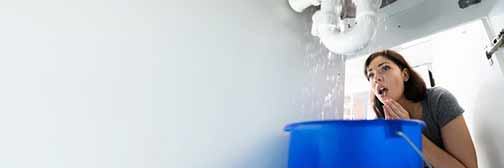
a flooded basement in chicago

Before entering a flooded basement, turn off the electricity to avoid the risk of electrocution. If the water level is high, consider calling a professional for assistance.

Post-Flood Recovery: Steps to Restore Your Home

Once the immediate danger has passed, it’s time to focus on recovery and restoration. Follow these steps to ensure a thorough and effective recovery process:

  • Assess Damage: Carefully inspect your basement and home for any signs of structural damage, mold growth, or other issues. Document the damage with photos and notes for insurance purposes.
  • Contact Insurance Company: Notify your insurance company of the flood and provide them with the necessary documentation. Follow their instructions for filing a claim and arranging for an adjuster to assess the damage.
  • Repair and Restore: Begin the process of repairing and restoring your basement. This may involve hiring professionals for tasks such as mold remediation, structural repairs, and electrical work.
  • Prevent Future Flooding: Take steps to prevent future flooding by addressing any issues that contributed to the initial flood. This may include improving drainage systems, sealing foundation cracks, and installing additional sump pumps or backup systems.

Preventive Measures for the Future: Long-Term Solutions

Preventing future basement flooding requires ongoing vigilance and proactive measures. Consider implementing the following strategies to protect your home:

  • Regular Maintenance: Schedule regular inspections and maintenance of your home’s drainage systems, foundation, and sump pump. Address any issues promptly to prevent water infiltration.
  • Landscaping: Ensure that the landscaping around your home slopes away from the foundation to direct water away from the basement. Consider installing a French drain system or other drainage solutions.
  • Install Flood Sensors: Flood sensors can provide early warning of water intrusion, allowing you to take action before significant damage occurs.
  • Improve Basement Waterproofing: Consider investing in professional basement waterproofing services to provide an additional layer of protection against flooding.

Seeking Professional Help: When to Call the Experts

While many steps can be taken by homeowners to prevent and manage basement flooding, there are times when professional help is necessary. Consider seeking assistance from professionals in the following situations:

  • Severe Flooding: If your basement experiences severe flooding, it’s best to call in professionals who have the equipment and expertise to handle the situation safely and effectively.
  • Mold Remediation: Mold growth can pose serious health risks and requires professional remediation to ensure complete removal and prevention of future growth.
  • Structural Repairs: If your home has sustained structural damage due to flooding, hire a professional to assess and repair the damage to ensure the safety and integrity of your home.
  • Electrical Work: Flooding can damage electrical systems, posing a significant risk. Always hire a licensed electrician to inspect and repair any electrical issues following a flood.

To Sum It Up

Basement flooding is a serious concern for homeowners in Chicago, especially during the spring season. By understanding the causes and risks of basement flooding, preparing in advance, and taking swift action during and after a flood, you can minimize damage and protect your home. Implementing preventive measures and seeking professional help when necessary will further ensure that your home remains safe and dry. This survival guide provides the essential information and steps needed to navigate the challenges of basement flooding, offering peace of mind and a sense of security for homeowners facing the unpredictable spring weather.

In the Chicagoland area and need assistance with basement flooding services? We can help! Contact us at 773-599-9181 or by form below:
Expert Tips for Handling Frozen Water Pipes in Chicago Buildings

Expert Tips for Handling Frozen Water Pipes in Chicago Buildings

Understanding the Causes of Frozen Water Pipes in Chicago Buildings

In Chicago, the winter months bring frigid temperatures that can cause water pipes to freeze. Understanding the primary causes of frozen water pipes is crucial for preventing and addressing this issue. The most common causes include inadequate insulation, exposure to cold air, and sudden drops in temperature. Buildings with older plumbing systems are particularly vulnerable, as they may lack the necessary insulation to protect pipes from freezing. Additionally, pipes located in unheated areas such as basements, attics, and garages are more susceptible to freezing.

Another contributing factor is poor building design that does not account for the extreme cold. For instance, pipes installed in exterior walls or inadequately heated spaces are at higher risk. Moreover, during periods of prolonged cold, even insulated pipes can freeze if the insulation is insufficient or damaged. Understanding these causes helps homeowners and building managers take appropriate preventive measures.

Identifying the Signs of Frozen Water Pipes

Early identification of frozen water pipes can prevent significant damage and costly repairs. Some common signs that your pipes may be frozen include a sudden drop in water pressure, strange noises coming from the pipes, and visible frost on the pipes. If you notice any of these signs, it is essential to take immediate action to prevent the pipes from bursting. In severe cases, you may also notice water leaks or pooling water around the affected area.

Additionally, if you turn on a faucet and only a trickle of water comes out, it is a strong indication that the pipe may be frozen. In some instances, the affected pipe may be visibly bulging or have cracks, signaling that the ice inside is exerting pressure on the pipe walls. Recognizing these signs early can help you address the problem before it escalates into a more severe issue.

Thawing Techniques for Frozen Water Pipes

Thawing frozen water pipes requires careful attention to avoid causing further damage. Here are some expert-recommended techniques for safely thawing frozen pipes:

  • Using a Hair Dryer: One of the safest methods for thawing frozen pipes is using a hair dryer. Start by applying heat to the section of the pipe closest to the faucet and work your way towards the frozen area. This method allows the water to flow out as it thaws, reducing the risk of pressure buildup and bursting.
  • Applying Heat Tape: Heat tape is an effective tool for thawing frozen pipes. Wrap the heat tape around the frozen section of the pipe and plug it in. The tape will gradually warm the pipe and melt the ice inside.
  • Using a Space Heater: Placing a space heater near the frozen pipe can help thaw it. Ensure the heater is positioned at a safe distance from flammable materials and never leave it unattended.
  • Warm Towels: Soaking towels in hot water and wrapping them around the frozen pipe can also help thaw it. Replace the towels with fresh hot ones as they cool down.

It is important to avoid using open flames or high-intensity heat sources, such as blowtorches, as these can damage the pipes and create a fire hazard. Additionally, always keep the faucet open while thawing the pipe to allow the water to flow out as it melts, reducing the risk of pressure buildup.

Preventative Measures to Avoid Frozen Water Pipes

Preventing frozen water pipes is more effective and less costly than dealing with the aftermath. Here are some preventative measures to consider:

  • Insulating Pipes: Proper insulation is key to preventing pipes from freezing. Use pipe insulation sleeves or heat tape to protect pipes in unheated areas.
  • Sealing Gaps: Seal any gaps or cracks in walls, floors, and ceilings that allow cold air to reach the pipes. Use caulk or spray foam to fill these gaps.
  • Maintaining a Consistent Temperature: Keep your building’s thermostat set to a consistent temperature, even when you’re away. A minimum temperature of 55°F is recommended to prevent pipes from freezing.
  • Dripping Faucets: Allowing faucets to drip slightly can prevent pipes from freezing. The continuous flow of water helps relieve pressure and reduces the risk of freezing.
  • Opening Cabinet Doors: Open cabinet doors under sinks to allow warm air to circulate around the pipes.

Additionally, during extremely cold weather, consider using space heaters in areas where pipes are most vulnerable. Regularly check for and repair any leaks in the plumbing system, as even small leaks can contribute to freezing. Ensuring your building is well-insulated overall can also help maintain a stable indoor temperature and protect your pipes.

a burst pipe

Prompt action can help mitigate the extent of the damage and reduce the overall repair costs.

What to Do If a Pipe Bursts

If a pipe bursts, immediate action is necessary to minimize water damage and repair costs. Follow these steps:

  • Shut Off the Water Supply: Locate the main water shut-off valve and turn it off to stop the flow of water.
  • Drain the System: Open all faucets to drain the remaining water from the pipes.
  • Call a Professional Plumber: Contact a licensed plumber to assess the damage and perform the necessary repairs.
  • Document the Damage: Take photos and document the damage for insurance purposes.
  • Clean Up: Begin the cleanup process to prevent mold and further damage. Use towels, mops, and wet/dry vacuums to remove excess water.

Ensure that you also turn off the electricity in the affected area to prevent electrical hazards. If the burst pipe is in a wall or ceiling, you may need to remove the damaged drywall to access the pipe and allow the area to dry properly. Prompt action can help mitigate the extent of the damage and reduce the overall repair costs.

Long-Term Solutions for Preventing Frozen Water Pipes

Implementing long-term solutions can provide peace of mind and protect your plumbing system from future freeze-related issues. Consider the following:

  • Upgrading Insulation: Invest in high-quality insulation for pipes, walls, and attics. This will help maintain a stable temperature and reduce the risk of freezing.
  • Installing Frost-Free Faucets: You should replace outdoor faucets with frost-free versions to prevent freezing and bursting.
  • Heat Trace Systems: Install heat trace systems on vulnerable pipes. These systems use electric heating cables to maintain the temperature of the pipes.
  • Annual Maintenance: Schedule annual maintenance checks with a professional plumber to inspect and service your plumbing system. This can help identify potential issues before they become major problems.

Consider also upgrading to more modern plumbing materials that are less prone to freezing and bursting. For example, PEX (cross-linked polyethylene) pipes are more flexible and can better withstand freezing temperatures compared to traditional copper or PVC pipes. Regularly updating your plumbing pipe system and staying informed about the latest technologies and best practices can significantly reduce the risk of frozen pipes.

To Conclude

Handling frozen water pipes in Chicago buildings requires a combination of preventative measures, timely interventions, and long-term solutions. By understanding the causes and signs of frozen pipes, utilizing effective thawing techniques, and implementing preventative strategies, you can protect your plumbing system from the harsh winter conditions. Regular maintenance and upgrades to your insulation and plumbing infrastructure will further ensure that your pipes remain freeze-free, providing peace of mind and avoiding costly repairs. Stay proactive and prepared to keep your building’s plumbing system in optimal condition throughout the cold months.

Ultimately, the key to managing frozen water pipes lies in a proactive approach. By taking the necessary steps to insulate, maintain, and monitor your plumbing system, you can significantly reduce the likelihood of encountering frozen pipes. Education and awareness are also crucial, as understanding the risks and knowing how to respond can make all the difference in preventing and mitigating damage. With the right knowledge and preparation, you can ensure that your Chicago building remains safe and functional, even during the coldest winter months.

Why You Can’t Ignore Plumbing in Real Estate Appraisals

Why You Can't Ignore Plumbing in Real Estate Appraisals

Understanding the Role of Plumbing in Property Valuation

When it comes to real estate appraisals, plumbing systems play a crucial role in determining the overall value of a property. A well-maintained and efficient plumbing system can significantly enhance a property’s market value, while outdated or faulty plumbing can detract from it. Below we will get into the various ways plumbing impacts property valuation, emphasizing the importance of thorough plumbing assessments during real estate appraisals.

The Impact of Plumbing on Property Value

Plumbing is one of the essential systems in any property, and its condition can have a substantial impact on property value. A modern, efficient plumbing system can increase a property’s appeal to potential buyers, leading to higher offers. Conversely, plumbing issues such as leaks, clogs, or outdated pipes can be red flags for buyers, potentially lowering the property’s market value.

Several factors contribute to the impact of plumbing on property value, including:

  • Age of the Plumbing System: Older plumbing systems are more prone to issues and may require costly repairs or replacements. Buyers are often wary of properties with aging plumbing, which can negatively affect the property’s value.
  • Quality of Materials: The materials used in a property’s plumbing system can influence its longevity and performance. High-quality materials such as copper or PEX piping are more durable and less likely to cause problems, positively impacting property value.
  • Maintenance History: A well-maintained plumbing system indicates that the property has been cared for, which can be a significant selling point for buyers. Regular maintenance and timely repairs can help preserve the plumbing system’s condition and, consequently, the property’s value.
  • Water Efficiency: Modern plumbing systems designed for water efficiency can be attractive to environmentally conscious buyers. Features such as low-flow fixtures and water-saving appliances can enhance a property’s appeal and value.

The Importance of Plumbing Assessments in Real Estate Appraisals

Given the significant impact of plumbing on property value, it is essential to conduct thorough plumbing assessments during real estate appraisals. These assessments help identify any existing or potential plumbing issues that could affect the property’s market value. By addressing these issues, sellers can enhance their property’s appeal and ensure a fair appraisal.

Plumbing assessments typically involve the following steps:

  • Visual Inspection: A visual inspection of the plumbing system can reveal obvious signs of wear and tear, such as leaks, corrosion, or outdated fixtures. Inspectors will check the condition of pipes, faucets, toilets, and other plumbing components.
  • Water Pressure Testing: Water pressure testing helps determine if the plumbing system is operating efficiently. Low water pressure can indicate underlying issues such as clogs, leaks, or problems with the water supply.
  • Leak Detection: Identifying and addressing leaks is crucial for maintaining the plumbing system’s integrity. Plumbers use specialized equipment to detect hidden leaks in your plumbing that may not be visible during a visual inspection.
  • Sewer Line Inspection: The condition of the property’s sewer line is an important aspect of the plumbing assessment. Plumbers may use cameras to examine the sewer line for blockages, cracks, or other issues that could affect the property’s value.

Common Plumbing Issues That Affect Property Valuation

Several common plumbing issues can negatively impact property valuation. Identifying and addressing these issues before putting a property on the market can help ensure a more accurate appraisal and potentially higher offers from buyers. Some of the most common plumbing issues include:

  • Leaky Faucets and Pipes: Leaks can cause water damage, mold growth, and increased water bills. Buyers are often deterred by properties with leaks, as they may require costly repairs.
  • Clogged Drains and Sewer Lines: Clogs can lead to slow drainage, unpleasant odors, and potential sewage backups. These issues can be a major turn-off for buyers and negatively impact property value.
  • Outdated Plumbing Fixtures: Old or inefficient fixtures can make a property appear dated and less appealing to buyers. Upgrading to modern, water-efficient fixtures can enhance the property’s value.
  • Corroded or Damaged Pipes: Corrosion and damage to pipes can lead to leaks, reduced water quality, and potential health hazards. Replacing damaged pipes can improve the plumbing system’s reliability and boost property value.
  • Poor Water Pressure: Low water pressure can be a sign of underlying plumbing issues and can negatively impact the property’s appeal. Ensuring adequate water pressure is essential for maintaining property value.
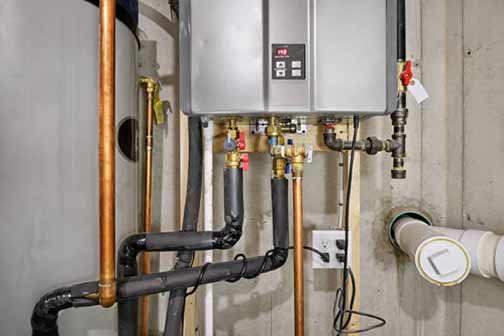
a tankless water heater upgrade

Modern, energy-efficient water heaters can provide reliable hot water while reducing energy costs. Tankless water heaters, in particular, are popular among buyers for their efficiency and space-saving design.

Enhancing Property Value Through Plumbing Upgrades

Investing in plumbing upgrades can be a smart strategy for homeowners looking to enhance their property’s value. Upgrading the plumbing system can improve the property’s functionality, appeal, and marketability. Some effective plumbing upgrades include:

  • Replacing Old Pipes: Upgrading to modern piping materials such as PEX or copper can improve the plumbing system’s durability and performance. This upgrade can also prevent future leaks and reduce maintenance costs.
  • Installing Water-Efficient Fixtures: Water-efficient fixtures, such as low-flow toilets, faucets, and showerheads, can reduce water consumption and lower utility bills. These features are attractive to environmentally conscious buyers and can enhance property value.
  • Upgrading Water Heaters: Modern, energy-efficient water heaters can provide reliable hot water while reducing energy costs. Tankless water heaters, in particular, are popular among buyers for their efficiency and space-saving design.
  • Adding a Water Filtration System: Installing a water filtration system can improve water quality and appeal to health-conscious buyers. This upgrade can be a significant selling point and boost property value.
  • Improving Drainage Systems: Ensuring proper drainage around the property, such as installing a French drain, can prevent water damage and foundation issues. Upgrading drainage systems can protect the property’s structural integrity and enhance its value.

The Role of Professional Plumbers in Real Estate Transactions

Professional plumbers play a vital role in real estate transactions by conducting thorough plumbing assessments and addressing any issues that may arise. Their expertise ensures that the plumbing system is in good condition, which can positively impact property valuation and facilitate a smooth transaction process.

Some of the key contributions of professional plumbers in real estate transactions include:

  • Conducting Comprehensive Inspections: Professional plumbers have the knowledge and tools to perform detailed inspections of the plumbing system. They can identify hidden issues that may not be apparent during a visual inspection.
  • Providing Repair and Maintenance Services: Plumbers can address any plumbing issues identified during the inspection, ensuring that the system is in optimal condition. This can enhance the property’s appeal and value.
  • Offering Expert Advice: Professional plumbers can provide valuable insights and recommendations on plumbing upgrades and maintenance. Their expertise can help homeowners make informed decisions that positively impact property value.
  • Ensuring Compliance with Regulations: Plumbers are familiar with local building codes and regulations. They can ensure that the plumbing system complies with these standards, preventing potential legal issues and enhancing property value.

Plumbing and Home Inspections: A Crucial Partnership

Home inspections are a critical part of the real estate appraisal process, and plumbing assessments are an integral component of these inspections. Collaborating with professional plumbers ensures that the plumbing system is thoroughly evaluated, providing a comprehensive understanding of the property’s condition.

The partnership between home inspectors and plumbers offers several benefits:

  • Comprehensive Evaluations: Home inspectors and plumbers work together to provide a detailed assessment of the property’s condition. This collaboration ensures that all aspects of the plumbing system are thoroughly evaluated.
  • Accurate Appraisals: Thorough plumbing assessments contribute to more accurate real estate appraisals. Identifying and addressing plumbing issues ensures that the property’s value is fairly represented.
  • Enhanced Buyer Confidence: Buyers are more likely to feel confident in their purchase when they know that the plumbing system has been professionally assessed and maintained. This can lead to smoother transactions and higher offers.
  • Preventing Future Issues: Identifying and addressing plumbing issues during the appraisal process can prevent future problems and costly repairs. This proactive approach protects both buyers and sellers.

Wrapping It Up

In conclusion, plumbing systems play a crucial role in real estate appraisals and property valuation. A well-maintained and efficient plumbing system can enhance a property’s appeal and value, while plumbing issues can detract from it. Conducting thorough plumbing assessments during real estate appraisals is essential for identifying and addressing any issues that could impact the property’s market value. By investing in plumbing upgrades and collaborating with professional plumbers, homeowners can enhance their property’s value and ensure a smooth transaction process.

Common Laundry Room Plumbing Issues and How to Fix Them

Common Laundry Room Plumbing Issues and How to Fix Them

Understanding Common Laundry Room Plumbing Issues

In every household, the laundry room is a vital space where clothes are washed, dried, and sometimes even ironed. However, being a hub of water usage, the laundry room is susceptible to various plumbing issues. Understanding these common problems is the first step towards effective troubleshooting and maintenance. Here we will explore the most frequent plumbing issues encountered in laundry rooms and provide insights into their causes and solutions.

Identifying Leaky Faucets in the Laundry Room

Leaky faucets are one of the most frequent plumbing issues encountered in laundry rooms. A faucet that drips continuously can waste a significant amount of water, leading to higher utility bills and potential water damage. The primary causes of leaky faucets include worn-out washers, corroded valve seats, and loose parts.

To fix a leaky faucet, start by turning off the water supply to the faucet. Next, disassemble the faucet to inspect the washers and O-rings. Replace any damaged components with new ones and reassemble the faucet. If the valve seat is corroded, it may need to be cleaned or replaced. Tighten all parts securely before turning the water supply back on to ensure the leak is resolved.

Dealing with Clogged Drains in the Laundry Room

Clogged drains are another common issue in laundry rooms. Over time, lint, hair, detergent residue, and other debris can accumulate in the drain pipes, leading to slow drainage or complete blockages. This can cause water to back up into the laundry room, creating a messy and potentially hazardous situation.

To clear a clogged drain, start by using a plunger to dislodge the blockage. If this doesn’t work, try using a drain snake or auger to break up and remove the debris. For stubborn clogs, a chemical drain cleaner may be necessary, but use it with caution to avoid damaging the pipes. If you are unsuccessful, reach out to a local drain cleaning service provider.

Addressing Low Water Pressure in the Laundry Room

Low water pressure can be a frustrating issue, especially when it affects the efficiency of your washing machine. This problem can be caused by various factors, including clogged supply lines, faulty pressure regulators, or issues with the municipal water supply.

To troubleshoot low water pressure, start by checking the supply lines for any blockages or kinks. Clean or replace any clogged filters or screens. If the issue persists, inspect the pressure regulator and adjust it if necessary. If the problem is due to the municipal water supply, contact your local water authority for assistance. Ensuring that your washing machine is properly maintained and free of mineral buildup can also help improve water pressure.

Fixing Washing Machine Hose Leaks

Washing machine hose leaks are a common cause of water damage in laundry rooms. These leaks can occur due to worn-out hoses, loose connections, or damaged gaskets. Regularly inspecting and maintaining your washing machine hoses can help prevent leaks and extend the life of your appliance.

To fix a washing machine hose leak, start by turning off the water supply to the machine. Inspect the hoses for any signs of wear, cracks, or leaks. If the hoses are damaged, replace them with new ones. Ensure that all connections are tight and secure, and replace any damaged gaskets or washers. After reattaching the hoses, turn the water supply back on and check for any leaks.

a laundry room with sewage backup

To address a sewer line backup, start by turning off the water supply to prevent further flooding. Contact a professional plumber to inspect and clear the blockage.

Preventing and Fixing Washing Machine Drain Hose Issues

The drain hose of a washing machine is responsible for expelling used water from the machine. Over time, this hose can become kinked, clogged, or disconnected, leading to drainage problems and potential water damage.

To prevent drain hose issues, ensure that the hose is properly installed and free of kinks or bends. Regularly inspect the hose for any signs of wear or damage, and replace it if necessary. If the hose becomes clogged, use a drain snake or auger to clear the blockage. Ensuring that the hose is securely connected to the drain pipe can also help prevent disconnections and leaks.

Resolving Water Heater Issues in the Laundry Room

Many laundry rooms are equipped with a water heater to provide hot water for washing clothes. When the water heater malfunctions, it can disrupt your laundry routine and lead to cold washes. Common water heater issues include insufficient hot water, strange noises, and leaks.

To troubleshoot water heater issues, start by checking the thermostat settings and ensuring that the temperature is set to the desired level. If the water heater is making unusual noises, it may be due to sediment buildup in the tank. Flushing the tank can help remove the sediment and restore normal operation. If the water heater is leaking, inspect the tank and connections for any signs of damage. In some cases, it may be necessary to replace the water heater to resolve the issue.

Maintaining Proper Ventilation in the Laundry Room

Proper ventilation is essential in the laundry room to prevent moisture buildup and reduce the risk of mold and mildew growth. Inadequate ventilation can also lead to unpleasant odors and damage to walls and ceilings.

To maintain proper ventilation, ensure that your dryer vent is clean and free of obstructions. Regularly inspect and clean the vent duct to prevent lint buildup, which can pose a fire hazard. Installing an exhaust fan or opening windows can also help improve air circulation and reduce humidity levels in the laundry room.

Dealing with Sewer Line Backups in the Laundry Room

Sewer line backups are a serious plumbing issue that can cause significant damage to your laundry room and pose health risks. These backups can occur due to tree roots infiltrating the sewer line, blockages, or damaged pipes.

To address a sewer line backup, start by turning off the water supply to prevent further flooding. Contact a professional plumber to inspect and clear the blockage. In some cases, it may be necessary to repair or replace damaged sections of the sewer line. Regular maintenance, such as using root inhibitors and scheduling periodic inspections, can help prevent future backups.

Ensuring Regular Maintenance of Laundry Room Plumbing

Regular maintenance is key to preventing plumbing issues in the laundry room. By routinely inspecting and maintaining your plumbing fixtures and appliances, you can identify and address potential problems before they become major issues.

Create a maintenance schedule that includes checking for leaks, cleaning drains, inspecting hoses and connections, and servicing your water heater. Additionally, consider hiring a professional plumber for annual inspections to ensure that your plumbing system is in good working order.

To Sum It Up

Maintaining the plumbing in your laundry room is essential for ensuring the efficient and safe operation of your appliances. By understanding common plumbing issues and taking proactive steps to address them, you can prevent costly repairs and water damage. Regular maintenance and timely repairs will help keep your laundry room running smoothly and extend the life of your plumbing fixtures and appliances.

How to Quickly Recognize a Plumbing Emergency in Chicago

How to Quickly Recognize a Plumbing Emergency in Chicago

Understanding the Unique Plumbing Challenges in Chicago

Chicago, known for its icy winters and sweltering summers, presents unique challenges for plumbing systems. The fluctuating temperatures can cause pipes to expand and contract, leading to potential leaks or bursts. Understanding these specific challenges is the first step in recognizing a plumbing emergency quickly.

Signs of a Plumbing Emergency

Recognizing the signs of a plumbing emergency is crucial for prompt action. Here are some common indicators:

Sudden Drop in Water Pressure

A sudden and significant drop in water pressure can indicate a serious issue such as a burst pipe or a major leak. This can lead to water damage and should be addressed immediately.

Unusual Noises from Pipes

If you hear gurgling, banging, or whistling noises from your pipes, it could signal a blockage or air trapped in the pipes. These noises often precede more serious issues and should not be ignored.

Water Discoloration

Discolored water, especially if it appears rusty or murky, can indicate pipe corrosion or contamination. This is a health hazard and requires immediate attention.

Persistent Clogs

While occasional clogs are normal, persistent or multiple clogs in different drains suggest a more severe blockage in the main sewer line. This can lead to sewage backups and flooding.

Unpleasant Odors

Foul smells coming from your drains or around your home may indicate a sewer line issue or a broken vent pipe. These odors are not only unpleasant but can also pose health risks.

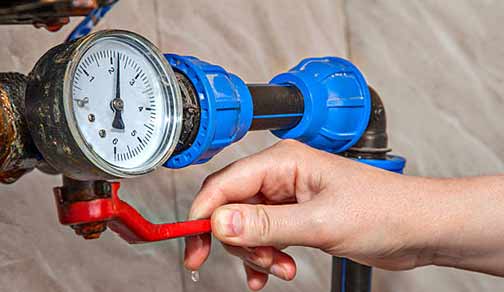
a person turning their water supply off

Locate your main water shut-off valve and turn it off to prevent further water damage.

Immediate Actions to Take During a Plumbing Emergency

When faced with a plumbing emergency, quick action can minimize damage. Here are steps you should take:

Shut Off the Water Supply

Locate your main water shut-off valve and turn it off to prevent further water damage. This is especially important in the case of a burst pipe or major leak.

Turn Off Electrical Appliances

Water and electricity are a dangerous combination. Turn off any electrical appliances near the affected area to prevent electrical hazards.

Try Temporary Fixes

If you can, use temporary fixes such as pipe clamps or plumber’s tape to control leaks until a professional arrives. These are not permanent solutions but can help mitigate damage.

Document the Damage

Take photos and notes of the damage for insurance purposes. This documentation can be crucial for filing a claim and getting the necessary repairs covered.

When to Call a Professional Plumber

While some minor plumbing issues can be handled with DIY solutions, certain situations require professional intervention:

Major Leaks or Bursts

If you cannot control a leak or if a pipe has burst in your home, it’s time to call a professional plumber. These situations can cause extensive damage quickly and need expert handling.

Sewage Backups

Sewage backups are not only messy but also pose serious health risks. A professional plumber has the tools and expertise to address the root cause and ensure safe cleanup.

Water Heater Issues

Problems with your water heater, such as no hot water or strange noises, should be addressed by a professional. Attempting to fix a water heater without proper knowledge can be dangerous.

Frozen Pipes

In Chicago’s cold winters, frozen pipes are a common issue. If you suspect a frozen pipe, call a plumber to safely thaw it and prevent it from bursting.

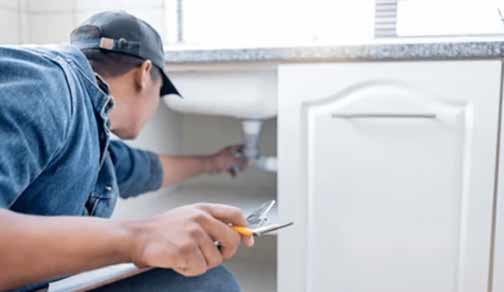
a plumber doing a plumbing inspection

Schedule regular plumbing inspections to catch potential issues before they become emergencies. A professional plumber can identify and fix small problems early.

Preventive Measures to Avoid Plumbing Emergencies

Prevention is always better than cure. Here are some preventive measures to avoid plumbing emergencies:

Regular Maintenance

Schedule regular plumbing inspections to catch potential issues before they become emergencies. A professional plumber can identify and fix small problems early.

Insulate Pipes

Insulate your pipes, especially those in unheated areas, to prevent them from freezing during winter. Pipe insulation is a simple and effective way to avoid bursts.

Proper Disposal Practices

Avoid disposing of grease, oil, and large food particles down the drain. These can cause blockages and lead to plumbing emergencies. Use strainers to catch debris.

Monitor Water Pressure

High water pressure can strain your pipes and cause leaks. Use a water pressure gauge to monitor and regulate the pressure in your home.

In Conclusion

Being prepared and knowing how to quickly recognize a plumbing emergency can save you time, money, and stress. By understanding the unique challenges of Chicago’s climate, recognizing the signs of an emergency, taking immediate action, knowing when to call an emergency plumbing professional, and implementing preventive measures, you can handle any urgent plumbing issues with confidence. Keep this guide handy and stay vigilant to ensure your home’s plumbing system remains in good condition.

Expert Solutions for Sewer Line Problems: Why Professional Help Is Essential

Expert Solutions for Sewer Line Problems

Understanding Sewer Line Problems: The Basics

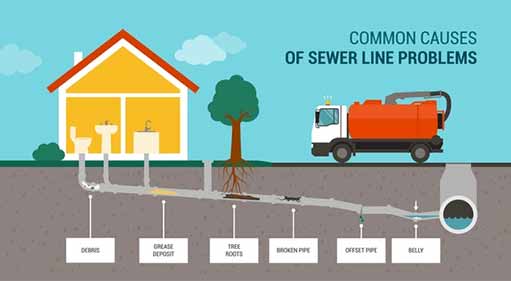
Sewer line problems can cause significant disruptions to daily life, leading to unpleasant odors, slow drainage, and even property damage. Understanding the basics of sewer line issues is the first step in addressing these problems effectively. Sewer lines are underground pipes that transport wastewater from homes and businesses to municipal treatment facilities. Over time, these pipes can become clogged, cracked, or damaged due to various factors such as tree root intrusion, corrosion, and ground movement.

Common Causes of Sewer Line Problems

Several factors can contribute to sewer line problems. One of the most common causes is tree root intrusion. Tree roots are naturally attracted to the moisture and nutrients in sewer lines, and they can infiltrate small cracks or joints in the pipes. As the roots grow, they can cause blockages and even break the pipes. Another common cause is the buildup of grease, oil, and other debris that can accumulate over time and restrict the flow of wastewater. Additionally, aging pipes made of materials like clay or cast iron are more susceptible to corrosion and deterioration, leading to leaks and blockages.

Signs That Indicate Sewer Line Problems

Recognizing the signs of sewer line problems early can help prevent more severe issues and costly repairs. Some common signs include slow drainage in sinks, tubs, and toilets, gurgling sounds from plumbing fixtures, foul odors coming from drains, and sewage backups in the home. Additionally, lush patches of grass or wet spots in the yard can indicate a leaking sewer line. If you notice any of these signs, it is essential to seek professional help immediately to diagnose and address the problem.

The Importance of Professional Sewer Line Services

Professional sewer line services are crucial for effectively resolving sewer line problems. Skilled plumbers have the expertise and specialized equipment to accurately diagnose the issue and implement the most appropriate solution. Attempting to fix sewer line problems without professional help can lead to further damage and costly repairs. Professionals use advanced techniques such as video camera inspections to identify the exact location and cause of the problem, ensuring a precise and efficient repair process.

Advanced Techniques Used by Professionals

Professional sewer line services employ a range of advanced techniques to address various sewer line problems. One such technique is hydro jetting, which involves using high-pressure water to clear blockages and clean the interior of the pipes. This method is highly effective for removing stubborn clogs caused by grease, roots, and other debris. Another technique is trenchless sewer repair, which allows plumbers to repair or replace damaged pipes without extensive digging. This minimally invasive method reduces disruption to the property and is more cost-effective than traditional excavation methods.

Benefits of Hiring Professional Sewer Line Services

There are numerous benefits to hiring professional sewer line services. First and foremost, professionals have the knowledge and experience to accurately diagnose and resolve sewer line problems, ensuring long-lasting results. They also have access to specialized tools and equipment that are not available to the average homeowner. Additionally, professional services can save you time and money by preventing further damage and minimizing the need for future repairs. Lastly, hiring professionals provides peace of mind, knowing that the job is done correctly and safely.

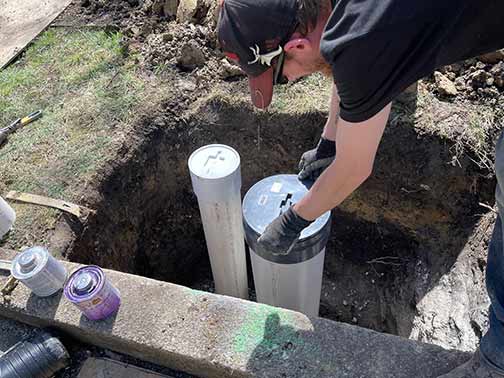
a professional plumber performing sewer line services

Professional sewer line services can save you time and money by preventing further damage and minimizing the need for future repairs.

Preventive Maintenance for Sewer Lines

Preventive maintenance is essential for keeping sewer lines in good condition and avoiding costly repairs. Regular inspections by professional sewer line services can help identify potential issues before they become major problems. Routine cleaning, such as hydro jetting service, can also prevent the buildup of debris and keep the pipes flowing smoothly. Additionally, being mindful of what goes down the drains, such as avoiding flushing grease, oil, and non-biodegradable items, can help prevent clogs and blockages. Investing in preventive maintenance can extend the lifespan of your sewer lines and save you money in the long run.

Choosing the Right Professional Sewer Line Service

Selecting the right professional sewer line service is crucial for ensuring the best results. When choosing a service provider, consider factors such as their experience, reputation, and the range of services they offer. Look for companies that are licensed, insured, and have positive customer reviews. It is also essential to inquire about their techniques and equipment to ensure they use advanced and effective methods. By choosing a reputable and experienced professional sewer line service, you can be confident that your sewer line problems will be resolved efficiently and effectively.

Understanding the Role of Sewer Line Inspections

Another critical aspect of maintaining a healthy sewer system is regular sewer line inspections. These inspections are vital for identifying potential issues before they escalate into significant problems. Professional sewer line services often use video camera inspections to get a clear view of the inside of the pipes. This technology allows technicians to pinpoint the exact location and nature of any blockages, cracks, or other issues. By conducting regular camera inspections of your sewer pipes, homeowners can catch problems early and address them promptly, reducing the risk of severe damage and costly repairs.

Emergency Sewer Line Services: When Immediate Help is Needed

In some cases, sewer line problems can become emergencies that require immediate attention. Situations such as severe blockages, significant leaks, or complete sewer line collapses can cause extensive damage and pose health risks. Professional sewer line services offer emergency response to address these urgent issues quickly and effectively. Having access to emergency services ensures that any severe problems are handled promptly, minimizing damage and restoring proper function to the sewer system as soon as possible. Knowing that expert help is available in emergencies provides peace of mind for homeowners.

Environmental Impact of Sewer Line Problems

Sewer line problems not only affect individual properties but can also have broader environmental impacts. Leaking or damaged sewer lines can contaminate soil and groundwater, posing risks to public health and the environment. Sewage backups can lead to the spread of harmful bacteria and pathogens, creating unsanitary conditions. By addressing sewer line problems promptly and effectively, professional services help mitigate these environmental risks. Proper maintenance and timely repairs ensure that wastewater is safely transported and treated, protecting both the environment and public health.

Innovations in Sewer Line Repair Technology

The field of sewer line repair has seen significant advancements in technology, leading to more efficient and effective solutions. Innovations such as trenchless technology, pipe relining, and robotic cutters have revolutionized the way sewer line problems are addressed. Trenchless technology, for example, allows for the repair or replacement of sewer lines without extensive excavation, reducing disruption to properties and lowering costs. Pipe relining involves inserting a new liner into the existing pipe, creating a durable and seamless repair. Robotic cutters can precisely remove blockages and debris, ensuring thorough cleaning and restoration of the sewer line. These technological advancements have made sewer line repairs more efficient, less invasive, and more reliable.

professional sewer line services offering financing options

Many professional sewer line services offer financing options, warranties, and maintenance plans to make their services more affordable.

The Cost of Professional Sewer Line Services

One of the concerns homeowners may have about professional sewer line services is the cost. While hiring professionals can be an investment, it is essential to consider the long-term benefits and potential cost savings. Professional services can prevent further damage, reduce the need for frequent repairs, and extend the lifespan of the sewer system. Additionally, many professional sewer line services offer financing options, warranties, and maintenance plans to make their services more affordable. By investing in professional help, homeowners can avoid the high costs associated with extensive damage and emergency repairs, ultimately saving money in the long run.

Future Trends in Sewer Line Maintenance and Repair

As technology continues to evolve, the future of sewer line maintenance and repair holds exciting possibilities. Emerging trends such as smart sewer systems, predictive maintenance, and eco-friendly solutions are set to transform the industry. Smart sewer systems use sensors and data analytics to monitor the condition of sewer lines in real-time, allowing for proactive maintenance and early detection of issues. Predictive maintenance leverages artificial intelligence to predict potential problems before they occur, enabling timely interventions. Eco-friendly solutions focus on sustainable practices and materials to minimize environmental impact. These future trends promise to enhance the efficiency, reliability, and sustainability of sewer line maintenance and repair, benefiting both homeowners and the environment.

In Conclusion

In conclusion, professional help is essential for addressing and resolving sewer line problems. Skilled technicians have the expertise, tools, and techniques to diagnose and fix issues accurately and efficiently. By hiring professional sewer line services, you can prevent further damage, save time and money, and ensure the long-term health of your sewer system. Investing in preventive maintenance and choosing the right service provider are also crucial steps in maintaining a well-functioning sewer line. Don’t hesitate to seek professional help at the first sign of sewer line problems to protect your property and ensure a clean and safe environment.

How Long Will It Take to Clean Your Drains Professionally?

How Long Will It Take to Clean Your Drains Professionally

Professional drain cleaning is an essential service that ensures the proper functioning of plumbing systems in both residential and commercial properties. Over time, drains can become clogged with debris, grease, hair, and other substances, leading to slow drainage or complete blockages. Understanding the typical time required for professional drain cleaning, as well as the various methods and tools used, can help property owners make informed decisions about maintaining their plumbing systems.

Factors Influencing the Time Required for Professional Drain Cleaning

The time required to clean drains professionally can vary significantly based on several factors. These factors include the severity of the clog, the type of drain, the location of the clog, and the methods and tools used by the professional plumber. In general, minor clogs can be resolved quickly, while more severe blockages may require more time and effort.

Severity of the Clog: Understanding the Impact on Cleaning Time

The severity of the clog is one of the primary factors influencing the time required for drain cleaning. Minor clogs, such as those caused by hair or small debris, can often be cleared within a short period. However, more severe clogs, such as those caused by grease buildup or foreign objects, may require more extensive cleaning methods and additional time. In some cases, severe clogs may necessitate the use of specialized equipment or even the removal of sections of the plumbing system.

Type of Drain: How Different Drains Affect Cleaning Duration

The type of drain being cleaned also plays a significant role in determining the time required for the cleaning process. Drains in sinks, showers, and bathtubs are typically easier to access and clean compared to main sewer lines or outdoor drains. Main sewer lines and outdoor drains may require more time and effort due to their larger size and the potential for more extensive blockages.

Location of the Clog: Proximity and Accessibility

The location of the clog within the plumbing system can also impact the time required for professional drain cleaning. Clogs that are located closer to the drain opening are generally easier and quicker to clear. In contrast, clogs that are deeper within the plumbing system or located in hard-to-reach areas may require more time and specialized equipment to address effectively.

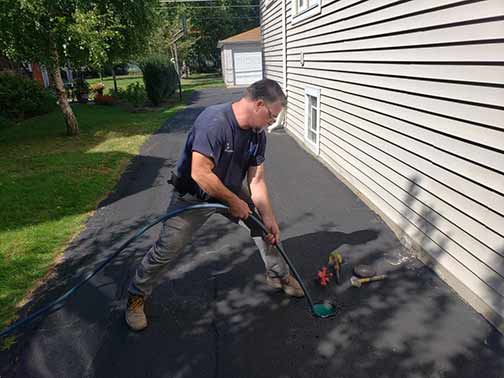
a professional drain cleaning service known as sewer rodding

The location of the clog within the plumbing system can also impact the time required for professional drain cleaning.

Methods and Tools Used for Professional Drain Cleaning

Professional plumbers use a variety of methods and tools to clean drains, each with its own advantages and time requirements. The choice of method and tool depends on the specific circumstances of the clog and the preferences of the plumber. Some common methods and tools used for professional drain cleaning include sewer rodding services, hydro jetting, and enzyme based drain cleaners.

Sewer Rodding: A Common and Effective Method

Sewer rodding, also known as augering, is a common method used by professional plumbers to clear clogs. This method involves using a long, flexible metal cable with a corkscrew-like end, known as a rodding machine or auger, to break up and remove the clog. The plumber inserts the machine into the drain and manually or mechanically rotates it to dislodge the blockage. Sewer rodding is effective for most minor to moderate clogs and typically takes between 30 minutes to an hour to complete, depending on the severity and location of the clog.

Hydro Jetting: High-Pressure Cleaning for Stubborn Clogs

Hydro jetting is a more advanced and powerful method of drain cleaning that uses high-pressure water to blast away clogs and clean the inside of the pipes. This method is particularly effective for removing grease buildup, tree roots, and other stubborn blockages. Hydro jetting can take anywhere from one to two hours to complete, depending on the complexity of the clog and the length of the affected pipes. While hydro jetting is highly effective, it may not be suitable for older or damaged pipes, as the high-pressure water can cause further damage.

Chemical Drain Cleaners: Quick Solutions with Caution

Chemical drain cleaners are another option for professional drain cleaning. These cleaners use powerful chemicals to dissolve clogs and clear the drain. While chemical drain cleaners can be effective for minor clogs, they are generally not recommended for more severe blockages or for frequent use, as the chemicals can damage the pipes over time. The use of chemical drain cleaners typically takes less time compared to other methods, with most clogs being cleared within 15 to 30 minutes. However, the effectiveness of chemical drain cleaners can vary, and they may not be suitable for all types of clogs.

Additional Considerations for Professional Drain Cleaning

In addition to the factors mentioned above, there are several other considerations that can impact the time required for professional drain cleaning. These considerations include the experience and expertise of the plumber, the availability of specialized equipment, and the overall condition of the plumbing system.

a plumber performing a drain cleaning service

Experienced plumbers are typically more efficient and effective at diagnosing and resolving clogs, which can result in faster service.

Experience and Expertise of the Plumber: Efficiency and Effectiveness

The experience and expertise of the plumber can significantly influence the time required for drain cleaning. Experienced plumbers are typically more efficient and effective at diagnosing and resolving clogs, which can result in faster service. Additionally, experienced plumbers are more likely to have access to specialized equipment and techniques that can expedite the cleaning process.

Availability of Specialized Equipment: Advanced Tools for Faster Results

The availability of specialized equipment can also impact the time required for professional drain cleaning. Plumbers who have access to advanced tools and equipment, such as hydro jetting machines or video inspection cameras, can often diagnose and resolve clogs more quickly and effectively. However, the use of specialized equipment may also increase the overall cost of the service.

Condition of the Plumbing System: Assessing the Overall Health

The overall condition of the plumbing system can also affect the time required for drain cleaning. Older or poorly maintained plumbing systems may be more prone to clogs and other issues, which can complicate the cleaning process and require additional time and effort. In some cases, the plumber may need to perform additional repairs or maintenance to ensure the proper functioning of the plumbing system.

Preventive Measures to Reduce the Need for Professional Drain Cleaning

While professional drain cleaning is sometimes necessary, there are several preventive measures that property owners can take to reduce the need for frequent cleaning. These measures include regular maintenance, proper disposal of waste, and the use of drain screens and traps.

Regular Maintenance: Keeping Drains Clear

Regular maintenance is essential for keeping drains clean and preventing clogs. Property owners should periodically inspect their drains and plumbing systems for signs of potential issues, such as slow drainage or unpleasant odors. Additionally, scheduling routine professional inspections and cleanings can help identify and address minor problems before they become more severe.

Proper Disposal of Waste: Preventing Clogs at the Source

Proper disposal of waste is crucial for preventing clogs and maintaining the health of the plumbing system. Property owners should avoid disposing of grease, oil, and other substances that can solidify and cause blockages down the drain. Instead, these substances should be collected and disposed of in the trash. Additionally, items such as hair, food particles, and foreign objects should be kept out of the drains to prevent clogs.

Use of Drain Screens and Traps: Catching Debris Before It Enters the System

Using drain screens and traps can help prevent debris from entering the drains and causing clogs. Drain screens are mesh covers that fit over the drain opening and catch hair, food particles, and other debris. Traps are U-shaped sections of pipe that are installed beneath the drain and designed to catch debris before it enters the main plumbing system. Regularly cleaning and maintaining these screens and traps can help keep the drains clear and reduce the need for professional cleaning.

To Wrap It Up

Professional drain cleaning is an important service that ensures the proper functioning of plumbing systems and prevents costly repairs. The time required for drain cleaning can vary based on several factors, including the severity of the clog, the type of drain, the location of the clog, and the methods and tools used by the plumber. By understanding these factors and taking preventive measures, property owners can maintain their plumbing systems and reduce the need for frequent professional cleaning.

Whole House Drain Cleaning: Tips for Long-Lasting Plumbing

a plumber performing a whole house drain cleaning

Whole-house drain cleaning is a crucial aspect of home maintenance that ensures the longevity and efficiency of your plumbing system. By regularly cleaning your drains, you can prevent clogs, reduce the risk of plumbing emergencies, and maintain a healthy living environment. Here we will provide you with valuable tips for whole-house drain cleaning to ensure long-lasting plumbing performance. Regular maintenance of your drains helps in avoiding sudden breakdowns that could lead to costly repairs and inconvenience. Moreover, a well-maintained plumbing system contributes to the overall hygiene and safety of your household.

Recognizing the Signs That Your Drains Need Cleaning to Prevent Plumbing Issues

Recognizing the signs that your drains need cleaning is the first step in maintaining a functional plumbing system. Some common indicators include slow draining water, unpleasant odors, gurgling sounds, and frequent clogs. If you notice any of these signs, it’s essential to take action promptly to prevent further issues. Ignoring these warning signs can lead to severe blockages that might require extensive repairs. Additionally, understanding these signs can help you address minor issues before they escalate into major plumbing problems, ensuring the smooth operation of your drainage system.

Essential Tools and Supplies for Effective Drain Cleaning

Having the right tools and supplies is essential for effective drain cleaning. Some of the most useful items include a plunger, drain snake, pipe brush, bucket, rubber gloves, and a high-quality drain cleaner. These tools will help you tackle various types of clogs and keep your drains clear. Investing in these tools ensures that you are well-prepared to handle any drain-related issues that may arise. Additionally, using the appropriate tools can prevent damage to your pipes and plumbing fixtures, ensuring their longevity and optimal performance.

Implementing Preventative Maintenance Practices for Long-Lasting Plumbing

Preventative maintenance is key to ensuring long-lasting plumbing performance. Regularly inspecting your drains, using drain screens, and avoiding the disposal of grease, hair, and other debris down the drain can significantly reduce the risk of clogs. Additionally, scheduling professional drain cleaning services annually can help maintain the efficiency of your plumbing system. Preventative measures also include educating household members about proper disposal practices and the importance of keeping drains clear. By taking these steps, you can minimize the chances of encountering plumbing emergencies and ensure the smooth operation of your drainage system.

DIY Drain Cleaning Methods for Homeowners

There are several DIY drain cleaning methods that you can use to keep your drains clear. One effective method is using a mixture of baking soda and vinegar. Pour half a cup of baking soda followed by half a cup of vinegar down the drain, wait for 15 minutes, and then flush with hot water. Another method is using a plunger to dislodge clogs. For more stubborn clogs, a drain snake can be used to break up and remove debris. These DIY methods are cost-effective and can be easily implemented by homeowners. However, it’s important to follow proper techniques to avoid causing damage to your plumbing system.

Advantages of Professional Drain Cleaning Services for Severe Issues

While DIY methods can be effective for minor clogs, professional drain cleaning services are recommended for more severe issues. Professional plumbers have the expertise and specialized techniques such as hydro jetting to thoroughly clean your drains and address any underlying problems. Regular professional cleaning can help extend the life of your plumbing system and prevent costly repairs. Additionally, professional services can identify potential issues that may not be apparent to homeowners, ensuring comprehensive maintenance of your plumbing system.

a professional plumber performing a hydro jetting service

Professional plumbers have the expertise and specialized techniques such as hydro jetting to thoroughly clean your drains and address any underlying problems.

Maintaining Your Plumbing System for Optimal Performance

In addition to regular drain cleaning, maintaining your plumbing system involves several other practices. Insulating your pipes, checking for leaks, and ensuring proper water pressure are all essential steps in keeping your plumbing system in optimal condition. Regularly inspecting and maintaining your plumbing system can help prevent issues and ensure efficient performance. Proper maintenance also includes addressing minor leaks promptly, as even small leaks can lead to significant water damage and increased utility bills over time.

Environmental Considerations When Cleaning Your Drains

When cleaning your drains, it’s important to consider the environmental impact of the products you use. Opt for eco-friendly drain cleaners and avoid harsh chemicals that can harm the environment and your plumbing system. Additionally, proper disposal of waste and avoiding the use of disposable wipes can help reduce your environmental footprint. Making environmentally conscious choices not only benefits the planet but also contributes to the longevity and efficiency of your plumbing system.

Common Drain Cleaning Mistakes to Avoid for Effective Maintenance

To ensure effective drain cleaning, it’s important to avoid common mistakes. Using excessive force with a plunger or drain snake can damage your pipes. Additionally, pouring boiling water down the drain can cause pipes to crack. Always follow proper techniques and use appropriate tools to avoid causing harm to your plumbing system. Understanding these common mistakes can help you implement effective drain cleaning practices and maintain the integrity of your plumbing system.

Exploring the Benefits of Regular Drain Cleaning for Your Home

Regular drain cleaning offers numerous benefits, including preventing clogs, reducing the risk of plumbing emergencies, and maintaining a healthy living environment. By keeping your drains clear, you can ensure efficient water flow, prevent unpleasant odors, and extend the life of your plumbing system. Investing in regular drain cleaning is a proactive approach to maintaining your home’s plumbing and avoiding costly repairs. Additionally, regular maintenance can improve the overall efficiency of your plumbing system, leading to reduced water consumption and lower utility bills.

Conclusion: Achieving Long-Lasting Plumbing Performance Through Whole House Drain Cleaning

Whole-house drain cleaning is an essential aspect of home maintenance that ensures the longevity and efficiency of your plumbing system. By recognizing the signs of clogged drains, using the right tools and supplies, practicing preventative maintenance, and seeking professional services when necessary, you can keep your drains clear and your plumbing system in excellent condition. Implementing these tips will help you achieve long-lasting plumbing performance and maintain a healthy living environment. A well-maintained plumbing system not only enhances the comfort and convenience of your home but also contributes to its overall value and appeal.

Protect Your Plumbing: Signs of High Water Pressure

know the signs of high water pressure

Understanding High Water Pressure and Its Impact on Your Plumbing System

High water pressure in your plumbing system can lead to a myriad of problems that can compromise the integrity of your pipes and fixtures. It is crucial to understand what constitutes high water pressure, how it affects your plumbing, and the steps you can take to mitigate its adverse effects. Below we will explore the key signs of high water pressure, the potential damage it can cause, and the measures you can implement to protect your plumbing system.

Common Indicators of High Water Pressure in Your Home

Identifying high water pressure early can save you from costly repairs and extensive damage. Here are some common indicators that your home may be experiencing high water pressure:

  • Noisy Pipes: If you hear banging, clanging, or knocking sounds coming from your pipes, it could be a sign of high water pressure. This phenomenon, known as water hammer, occurs when water flow is abruptly stopped, causing a shockwave that rattles the pipes.
  • Leaking Faucets: Persistent dripping or leaking faucets, even when turned off tightly, can indicate excessive water pressure. The high pressure can cause wear and tear on the faucet components, leading to leaks.
  • Running Toilets: Toilets that continue to run after flushing may be a result of high water pressure. The pressure can cause the fill valve to malfunction, preventing the toilet from shutting off properly.
  • Burst Pipes: One of the most severe consequences of high water pressure is burst pipes. The excessive force can weaken the pipe walls, leading to cracks or complete ruptures of your plumbing pipes.
  • Shortened Appliance Lifespan: Appliances such as washing machines, dishwashers, and water heaters are designed to operate within a specific pressure range. High water pressure can cause these appliances to wear out faster, reducing their lifespan.

The Dangers of Ignoring High Water Pressure

Ignoring high water pressure in your plumbing system can lead to significant damage and costly repairs. Here are some of the potential dangers of neglecting high water pressure:

  • Structural Damage: High water pressure can cause pipes to burst, leading to water damage in your walls, floors, and ceilings. This can compromise the structural integrity of your home and result in expensive repairs.
  • Increased Water Bills: Leaks caused by high water pressure can lead to increased water consumption, resulting in higher water bills. Addressing the issue promptly can help you save money in the long run.
  • Mold and Mildew Growth: Water leaks from high pressure can create a damp environment conducive to mold and mildew growth. This can pose health risks to you and your family and require professional remediation.
  • Appliance Damage: High water pressure can damage household appliances, leading to costly repairs or replacements. Ensuring that your water pressure is within the recommended range can extend the lifespan of your appliances.

How to Measure and Monitor Your Water Pressure

Regularly measuring and monitoring your water pressure can help you identify and address issues before they escalate. Here are some steps you can take to measure and monitor your water pressure:

  • Use a Pressure Gauge: A pressure gauge is a simple tool that can be attached to an outdoor faucet or hose bib to measure your water pressure. The ideal water pressure for most homes is between 40 and 60 psi (pounds per square inch).
  • Install a Pressure Regulator: A pressure regulator can help maintain your water pressure within the recommended range. If your pressure gauge readings consistently exceed 60 psi, consider installing a pressure regulator to protect your plumbing system.
  • Monitor for Changes: Regularly check your water pressure to ensure it remains within the ideal range. Sudden changes in pressure can indicate a problem that needs to be addressed promptly.
a plumber making repairs for high water pressure

If you are unsure about how to address high water pressure or if you suspect a more serious issue, it is best to contact a professional plumber.

Steps to Take If You Suspect High Water Pressure

If you suspect that your home has high water pressure, taking immediate action can prevent further damage. Here are some steps you can take:

  • Check for Leaks: Inspect your faucets, toilets, and appliances for any signs of leaks. Addressing leaks promptly can prevent water damage and reduce water consumption.
  • Adjust the Pressure Regulator: If you have a pressure regulator installed, you can adjust it to lower the water pressure. Refer to the manufacturer’s instructions for guidance on how to make adjustments.
  • Contact a Professional: If you are unsure about how to address high water pressure or if you suspect a more serious issue, it is best to contact a professional plumber. They can diagnose the problem and recommend appropriate solutions.

Preventive Measures to Protect Your Plumbing System

Taking preventive measures can help you maintain optimal water pressure and protect your plumbing system. Here are some steps you can take:

  • Regular Maintenance: Schedule regular maintenance checks with a professional plumber to ensure that your plumbing system is in good condition. They can identify potential issues and address them before they become major problems.
  • Install Water Hammer Arrestors: Water hammer arrestors can help absorb the shockwaves caused by high water pressure, reducing the risk of noisy pipes and damage.
  • Upgrade Your Plumbing System: If your home has an older plumbing system, consider upgrading to modern plumbing pipes and fixtures that are designed to handle higher water pressure. This can improve the overall efficiency and longevity of your plumbing system.

The Importance of Professional Assistance

While some water pressure issues can be addressed with DIY solutions, it is important to recognize when professional assistance is needed. A licensed plumber has the expertise and tools to accurately diagnose and resolve high water pressure problems. They can also provide valuable advice on maintaining optimal water pressure and preventing future issues.

To Conclude

High water pressure can pose a significant threat to your plumbing system, leading to leaks, burst pipe emergencies, and damaged appliances. By understanding the signs of high water pressure and taking proactive measures to address them, you can protect your home and avoid costly repairs. Regular maintenance, monitoring, and professional assistance are key to maintaining a healthy plumbing system and ensuring the longevity of your pipes and fixtures.

Professional Tips for Long-Lasting Pipes: Maintenance and Prevention

Professional Tips for Long-Lasting Pipes

The plumbing systems in buildings are similar to the city streets and highways that cars travel on. Newly-built highways are immaculate and great fun to drive on. But if they are not cleaned and maintained properly, dirt will accumulate, and potholes will form, warns Shannon Management team.

If those potholes are not fixed, they become craters, making the road impassable. The same thing happens to the plumbing pipes in homes and offices. When the plumbing is new, its performance is top-level. Plumbing pipes must be cleaned and maintained regularly to retain their function.

If this is not done, debris will build up inside the pipes until the pipe channel is blocked. At the same time, the plumbing system will start to slowly fall apart as aging, corrosion, and other issues tear the structure apart. With time, water will be unable to flow through the pipes.

The above scenario is why most plumbing systems don’t last as long as they should. The manufacturer of the pipes and components estimates that the plumbing will last a certain number of years. But your plumbing can only last long if it is properly maintained.

How should you maintain the pipes in your plumbing to ensure their function and longevity? In this post, we explain the top plumbing maintenance tips from experts. These tips will keep your pipes flowing and help your plumbing system last longer than its projected lifespan.

Professional tips for prolonging the life of plumbing pipes

Do not use chemical drain cleaners

Chemical drain cleaners are cheap, fast, and convenient. But what you save in the short term by using these products is not worth the trouble of fixing the damage they will cause to your pipes. Chemical drain cleaners contain corrosives that will destroy your pipes. They are best avoided.

Annually inspect pipes

Problems in your plumbing will not warn you before they happen, but often, those problems start as small issues. By inspecting the plumbing, you can catch the warning signs of the problem before it becomes something major. Plan to have your plumbing professionally inspected at least once a year.

Use enzymatic drain-cleaners

Enzyme drain cleaners are safe because they only eat the edible debris inside your pipes. They love to eat grease but will not attack the material in your plumbing. However, enzyme drain cleaners will not work against hair and non-edible debris, so combine them with other safe methods.

Schedule annual drain-cleaning

Professional drain cleaning, using methods like hydro jetting and sewer rodding, is the best way to get rid of the debris that has built up inside your pipes. Hydro jetting and sewer rodding will remove grease and dislodge tree roots. Hydro jetting will go one extra step to wash the debris out of your pipes.

Use pipe insulation

Insulating exposed water pipes in your home will protect them from freezing weather and help prevent frozen and burst pipes. The cost of insulating your water pipes pales in significance to the cost and inconvenience of dealing with water damage in your home. You also ensure an uninterrupted water supply during winter.

Install drain screens or strainers

The best way to keep your drains flowing all the time is to keep debris out of the pipes. Drain screens and strainers help keep debris out of your drains. Installing a drain strainer in the bathroom will help to keep hair and soap scum out of your drainage system. When installing these devices, ensure they are the right size and clean.

Watch what you flush

To prevent clogs and blockages, you should only flush human waste, toilet paper, and water into your toilet. Do not be tempted to dump other items into the toilet, even if they are labeled as flushable. Things like flushable cat litter and wipes will only clog your drainpipes.

Check and maintain water pressure

Excessively high water pressure is a major cause of plumbing pipe damage. High water pressure will expose your pipes and appliances to too much stress, resulting in cracks, leaks, and other problems. If you have had water pressure issues, install a pressure-regulating valve to protect your plumbing.

Use corrosion inhibitors

These are chemicals that help slow or stop the corrosion process in plumbing pipes. They work by forming a protective coating on the surface of the pipe, preventing access to corrosive substances or disputing the processes that lead to corrosion. A professional plumber can advise on the right corrosion inhibitor for your plumbing.

Create a maintenance schedule

You should not wait until there are problems in your plumbing before maintaining the system. Instead, you want to have the system on a schedule, even without signs of trouble. This preventive maintenance will let you detect problems early and solve them cheaply.

Lastly, the above steps work best if you have an experienced plumber working with you. A professional plumber will see problems you don’t see, and they can show you ways to future-proof your plumbing by making strategic upgrades to the system.