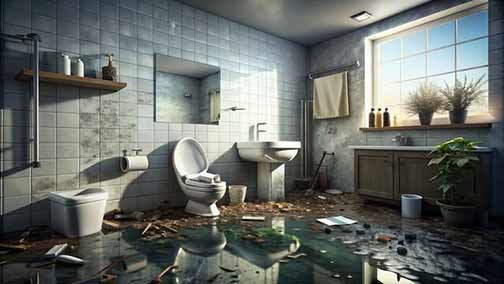
Lead water pipes have been banned in the US since the 1980s, notes Invest West Management. Yet many Chicago homes and offices still have them in their plumbing. What are the dangers of having lead water pipes in your building, and how can you remove these toxic metal pipes?
The problem of lead in water was first addressed in 1986 with an amendment to the Safe Drinking Water Act. Although this law prohibited the use of lead pipes for providing drinking water, it did not force cities to replace existing lead water pipes.
As a result, most of Chicago’s lead water pipes were never removed. Before the ban, Chicago’s city code required the use of lead service lines, which meant that several Chicago buildings had lead water pipes in their plumbing.
Even today, Chicago has more lead water pipes than any US city, with an estimated 400,000 lead pipes serving around 2.7 million people. These lead pipes pose an enormous health risk to the city’s people, especially children.
The dangers of lead water pipes
The principal danger of lead water pipes is that lead can leach into drinking water, causing “lead poisoning.” Even in tiny amounts, this heavy metal causes major health problems, and this is why there are no safe levels of lead exposure.
What are the health implications of using lead water pipes?
Young children and pregnant women are particularly susceptible to lead poisoning.
In young children, lead poisoning can cause brain and nervous system damage.
Lead poisoning has a lifelong impact on cognitive development, neurological function, and IQ levels.
In adults, lead poisoning is linked to kidney damage, high blood pressure, and cardiovascular problems.
Do you have a lead service line in your home?
To check if the water pipes in your home are made of lead, follow these steps:
How old is your home?
If your home was built before 1986, the chances of having lead water pipes are high (because that was the standard in Chicago then).
Check your home’s records
To replace the main water line in a home, you need a permit. Check to see if a building permit was ever issued for replacing your water lines.
Inspect the service line
If the service line is accessible, you can examine it to see if it is made of lead. Use the following steps to test the exposed portion of the pipe.
Scrape the pipe surface with a coin. If it is easily scraped, it could be made of lead.
If the exposed surface (after scraping the pipe) is dull gray, it could be lead.
Try sticking a magnet to the pipe to see if it adheres. If it doesn’t, it is likely lead pipe.
Have the line inspected professionally
To remove all doubt, have a plumber check your plumbing. Even if your service line is not made of lead, you may have a lead gooseneck. Since goosenecks are hidden from view, it makes sense to have a plumber inspect the entire plumbing.
Test your drinking water
Lastly, you may want to have a certified laboratory test your drinking water to see if it has lead. Remember that there are no safe exposure limits for lead.
What should you do if you have lead water pipes in your home?
If lead water pipes are in your home, the best solution is to replace them. To start the process, contact your local water utility or health department for information on how to do this. You never know. You may even qualify for some financial assistance.
That is because Chicago has a program that offers limited free lead pipe replacement for low-income families and other qualified applicants. Also, the city recently started to replace lead pipes if they break. There may be other programs you can take advantage of.
In the interim, however, what can you do to protect your family from lead poisoning?
Run your water before using it
Before drinking or cooking, run the water for a few minutes. That will remove water that has been inside the pipes for several hours. If your service line is very long, this step won’t help much.
Clean faucet aerators regularly
Tiny pieces of lead can break away from the pipes and get trapped inside your faucet. Cleaning the aerator often will get rid of the debris.
Use cold water
Lead dissolves faster in hot water than in cold water. Use only cold water for drinking and preparing baby formula.
Install a lead filter
While waiting to remove the lead water pipes in your home, consider getting a water filtration system that is certified to remove “total lead.”
Finally, you need a professional plumber with experience handling lead water pipe issues to advise you on the best approach to your lead service line replacement.
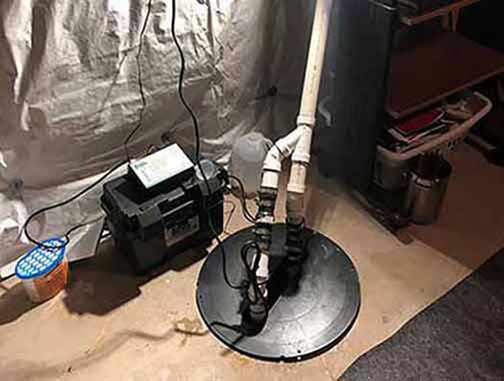
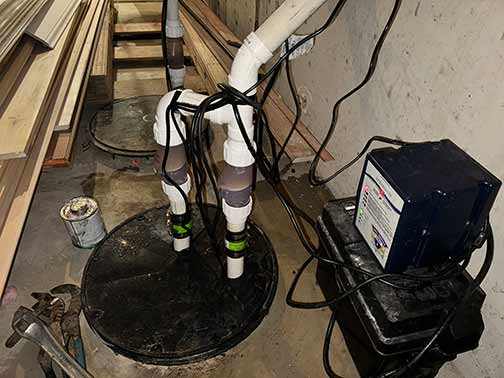
A sump pump is one of the most convenient flood protection measures in your home because sump pumps literally run themselves, explains TE Johnson & Sons Management. If a sump pump is installed correctly, it does not need your direct intervention to remove any floodwater that enters your basement.
That’s because the sump pump will power up automatically when it detects water in the basement and also power down after the water has been removed. This feature allows you to sleep, travel, and go to work without fear that your basement will be flooded in your absence.
That is by far one of the best things about a sump pump. But this advantage is also a sump pump’s biggest weakness. Because since it operates itself, how do you know when your sump pump stops working? A sump pump can fail while you comfortably assume it is working.
This problem is one of the major causes of flooding in homes where the homeowner has a sump pump to protect their home from flooding. In other words, the sump fails to fix the problem it was designed to solve. How do you deal with this?
Before answering this question, it is essential to explain why sump pump failures happen.
Common causes of sump pump failure
A stuck switch
If the float switch is jammed, the sump pump will not come on, or if it comes on, it will not go off. Both scenarios present significant problems.
Power outage
During heavy storms, when the likelihood of flooding is highest and sump pumps are needed the most, a power outage can cut the electricity supply to your sump pump.
Mechanical problems
Faults like a jammed or bent impeller can interfere with the function of the sump pump. If the impeller is faulty, the sump pump will not pump water.
Clogs and blockages
Debris can stop a sump pump from working, whether it is blocking the float switch, sump inlet, discharge pipe, or sump pump motor.
Sump pump overload
There are several reasons why sump pumps overload – a faulty float switch, a clogged discharge line, an undersized sump pump, and an oversized sump pit.
How to prevent sump pump failure in your home
Firstly, the home’s needs must be properly assessed before installing a pump system. You want to get accurate data on the average volume of water that enters your basement. This information will guide you when deciding on the size of the sump pump and sump basin for your home.
Secondly, you need a program of periodic inspections and routine maintenance to ensure the sump pump is in good condition. Test your sump pump at specific times of the year to ensure the system is working. Get a professional to do routine maintenance.
Lastly, you need a backup sump pump. The two steps above do not address power outages in your home. Even if your sump pump is fine, it will not matter if the power supply is cut off. But in those circumstances, a backup sump pump installation can protect your home from flooding.
The backup sump pump should be able to handle the volume of water that typically flows into your basement during heavy rainfall or rapid snowmelt.
How does a backup sump pump work?
A backup sump pump activates when the primary sump pump in the home fails. Since a backup sump pump does not rely on electricity (at least, not electricity from the grid), it can take the place of the primary sump pump until power is restored to the home.
There are two main types of backup sump pumps: battery-powered and water-powered backup sump pumps. Water-powered backup sump pumps depend on water pressure from the municipal supply. That makes them a less reliable option than battery-powered backup sump pumps.
What do you need to know when buying a battery-powered backup sump pump?
Battery capacity
How many hours can the sump pump battery last? Depending on the severity of the problems, a power outage in your home can last an entire day. The battery for your backup sump pump should last up to 48 hours. It is better if it can last longer.
The sump pump capacity
The backup sump pump should be able to handle the volume of water that typically flows into your basement during heavy rainfall or rapid snowmelt. Ideally, your backup sump pump should be able to pump as much water as your primary sump pump.
A backup float switch
The float switch controls the entire operation of your sump pump. Your backup sump pump will usually come with its float switch. But you may want to install an additional float switch to the existing setup as an extra layer of protection.
A reliable water alarm
A separate water alarm for your backup sump pump will notify you if anything goes wrong with the backup system. This notification will usually come before a situation arises where you will need the protection of the backup sump pump.
Finally, you need a trustworthy plumber with expertise in sump pump replacement and maintenance. A good plumber ensures that your primary and backup sump pumps meet the requirements of your home and the systems are in good working order at all times.
Plumbing issues are an almost constant feature of many homes. But most of these problems are minor issues that do not cause a lot of damage to the house or cost you a lot of money to fix, says Stripe Management. But there are times when a major plumbing problem happens in your home.
Incidentally, most big plumbing problems in homes are from small mistakes homeowners make when installing, using, or maintaining their plumbing. The majority of these problems can be prevented with some knowledge and a little care on the part of the homeowner.
What are some of these costly plumbing mistakes you can make in your home, and how do you prevent them? Here are six of the most damaging errors homeowners make with their plumbing, and the simple steps to keep them from happening:
Ignoring local regulations
Building codes and permits exist to ensure that major projects in your home are done in a way that guarantees the safety of your building, family, and neighbor’s property. They also protect public infrastructure from damage. Although it is cheaper in the short term to do your plumbing repairs and renovations without caring about regulations and permits, you could pay a higher price in the future. Works not done to code may lead to worse damage and a higher repair bill. You could have problems with your insurance company or when selling your home. There is also a chance of huge fines by the authorities.
Over-reliance on chemical drain-cleaners
If you can, you should avoid chemical drain cleaners. If this is not possible, it is essential to understand how these products work and the potential danger they pose to your drains. Chemical drain cleaners use intense heat as their primary means of clearing clogs from a blocked drain. However, releasing intense heat within the plumbing system can adversely affect the pipes. Frequent use of chemical drain cleaners will damage your drain lines. They also compound the clogs and blockages inside the system. Eventually, you will spend a lot more money fixing the problems created by these chemical cleaners.
Inadequate and improper drain cleaning
Debris will always somehow accumulate within your drainage lines; this is unavoidable – there is no way to stop it from happening. But, while you can’t stop buildup inside your drain lines, you can prevent clogs and blockages. You do this by watching the kinds of things you put into your drains and cleaning the drainpipes regularly to get rid of any debris inside them. Failing to do this can lead to disastrous consequences. Cleaning a drain line via a hydro jetting or professional sewer rodding service is cheap compared to the cost of fixing damage caused by a blocked or burst drain line.
Using the wrong combination of materials
Plumbing pipes come in various materials: copper, galvanized steel, PVC, PEX, etc. Amateur plumbers often assume that these materials are more or less the same and can be cobbled together in any fashion. That is incorrect; some pipe materials may only be joined using specialized connectors. Moreover, certain pipe materials are best used for specific applications. Combining the wrong kinds of materials is a major cause of plumbing leaks and burst pipes in homes. If you have limited or no experience in this area, it is cheaper to pay a professional plumber to solve the problems in your plumbing.
Not winterizing your home
Extremely cold temperatures can damage your plumbing by freezing water pipes and drainage lines. If this happens, your home’s water supply may be temporarily suspended. This is the best-case scenario. A more damaging effect of this problem is when the frozen water pipe expands, and bursts or a frozen drain line causes sewage to back up into your home. These problems can be prevented by winterizing your home. That is a range of practical steps to ensure that outdoor and indoor pipes in your home are safe from freezing temperatures. It is cheaper to winterize your home than to fix burst water pipes and overflowing drains.
Neglecting to do regular maintenance
The number one maintenance mistake homeowners make is to wait until there are problems in their plumbing before they do maintenance. But this leaves them in a reactive state where they are constantly “putting out fires” in the plumbing. An easier, cheaper, and more effective method is to maintain your plumbing proactively. That means inspecting the plumbing regularly – even when there are no problems – to identify budding issues and fix them before they have a chance to become big problems. This method is known as preventive maintenance and is a better way to care for your plumbing.
Finally, the last and probably biggest plumbing mistake homeowners make is failing to find a competent plumber to work with them in caring for their plumbing. An experienced plumber is an invaluable asset for solving existing plumbing issues in your home and preventing future ones.
Winter months bring unique challenges for commercial establishments, and one of the most critical yet often overlooked aspects is the maintenance of drainage systems. The cold weather can wreak havoc on drains, leading to blockages, backups, and even severe damage. Therefore, understanding the importance of commercial drain cleaning during winter is essential to prevent costly damages and ensure smooth operations.
Preventing Costly Damages with Regular Drain Maintenance
Regular drain maintenance is crucial in preventing costly damages that can arise from neglected drainage systems. During winter, the risk of frozen pipes and blockages increases significantly. When water freezes, it expands, which can cause pipes to crack or burst. This can lead to extensive water damage, requiring expensive repairs. By scheduling regular drain cleaning, businesses can mitigate these risks and avoid unexpected expenses.
Moreover, neglected drainage systems can lead to structural damage to commercial properties. Water seepage from burst pipes can weaken the foundation and walls, compromising the integrity of the building. This not only poses safety risks but also results in costly repairs and potential legal liabilities. Regular drain maintenance ensures that drainage systems function optimally, reducing the likelihood of such damages.
In addition to preventing physical damage, regular drain maintenance helps to avoid health hazards. Stagnant water from blocked drains can become a breeding ground for bacteria and mold, posing health risks to employees and customers. By keeping drains clean and clear, businesses can maintain a healthy and safe environment.
Ensuring Smooth Operations in Commercial Establishments
For commercial establishments, smooth operations are vital to maintaining productivity and customer satisfaction. Blocked or slow drains can disrupt daily activities, leading to downtime and loss of revenue. In restaurants, for example, a clogged drain can halt kitchen operations, affecting service and customer experience. Regular drain cleaning ensures that the drainage system functions efficiently, minimizing disruptions and maintaining the flow of operations.
In office buildings, blocked drains can cause restroom facilities to become unusable, creating inconvenience for employees and visitors. This can lead to decreased productivity and a negative impression on clients and partners. Regular drain cleaning helps to prevent such issues, ensuring that facilities remain functional and accessible.
For retail establishments, maintaining smooth operations is essential to providing a positive shopping experience. Blocked drains can lead to unpleasant odors and unsanitary conditions, deterring customers and affecting sales. By prioritizing drain maintenance, businesses can create a welcoming and hygienic environment for shoppers.
Addressing Common Winter Drainage Issues
Winter brings specific drainage issues that require attention. One common problem is the accumulation of grease and debris in drains. As temperatures drop, grease can solidify, creating blockages that impede water flow. Additionally, fallen leaves and other debris can accumulate in outdoor drains, leading to backups. Regular cleaning helps to remove these obstructions, preventing blockages and ensuring proper drainage.
Another common winter drainage issue is the formation of ice dams. Ice dams occur when snow on the roof melts and refreezes at the edges, blocking the flow of water. This can cause water to back up into the drainage system, leading to leaks and water damage. Regular drain cleaning and maintenance help to prevent ice dams by ensuring that gutters and downspouts are clear and functional.
Furthermore, the increased use of heating systems during winter can contribute to drainage issues. Heating systems generate condensation, which can accumulate in drains and cause blockages. Regular drain cleaning helps to manage this additional moisture, preventing backups and ensuring efficient drainage.
Utilizing Professional Drain Cleaning Services
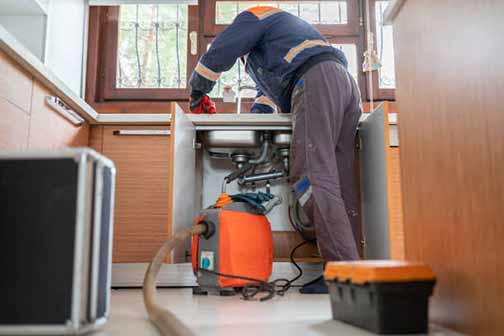
While some businesses may attempt to handle drain cleaning in-house, utilizing professional services offers several advantages. Professional drain cleaners have the expertise and equipment to thoroughly clean and inspect drainage systems. They can identify potential issues before they become major problems, providing preventive maintenance that saves time and money in the long run. Moreover, professional services ensure compliance with health and safety regulations, which is particularly important for businesses in the food and hospitality industries.
Professional drain cleaning services use advanced techniques and tools to achieve optimal results. High-pressure water jetting, for example, can effectively remove stubborn blockages and thoroughly clean pipes. Video inspections allow professionals to camera inspect the inside of sewer pipes, identifying hidden issues that may not be visible from the outside. These technologies enhance the effectiveness of drain cleaning, ensuring that drainage systems remain in optimal condition.
Additionally, professional drain cleaners provide valuable expertise and advice on maintaining drainage systems. They can recommend preventive measures and best practices to help businesses avoid future issues. By leveraging the knowledge and experience of professionals, businesses can ensure the long-term health of their drainage systems.
Video inspections allow professionals to camera inspect the inside of sewer pipes, identifying hidden issues that may not be visible from the outside.
Implementing Preventive Measures for Winter Drain Maintenance
Implementing preventive measures is key to maintaining drainage systems during winter. Insulating pipes can help prevent freezing, while regular inspections can identify early signs of blockages or damage. Businesses should also educate staff on proper waste disposal practices to avoid introducing grease and debris into drains. By taking proactive steps, businesses can protect their drainage systems and avoid costly disruptions.
One effective preventive measure is the installation of drain covers and screens. These devices help to catch debris and prevent it from entering the drainage system, reducing the risk of blockages. Regularly cleaning and maintaining these covers and screens ensures that they remain effective in preventing debris accumulation.
Another preventive measure is the use of environmentally friendly drain cleaners. These products are designed to break down grease and organic matter without causing damage to pipes or the environment. Regular use of these cleaners helps to keep drains clear and free-flowing, reducing the risk of blockages.
Businesses should also consider implementing a regular drain maintenance schedule. This involves scheduling periodic drain cleaning and inspections to ensure that any potential issues are addressed promptly. By adhering to a maintenance schedule, businesses can proactively manage their drainage systems and prevent unexpected problems.
The Role of Technology in Modern Drain Cleaning
Advancements in technology have revolutionized drain cleaning, making it more efficient and effective. High-pressure water jetting, for instance, uses powerful streams of water to clear blockages and clean pipes thoroughly. Video inspection cameras allow professionals to inspect the inside of pipes, identifying issues that are not visible from the outside. These technologies enhance the effectiveness of drain cleaning, ensuring that drainage systems remain in optimal condition.
In addition to high-pressure water jetting services and video inspections, other technologies have also improved drain cleaning. For example, robotic drain cleaners can navigate through pipes and remove blockages with precision. These devices are particularly useful for cleaning hard-to-reach areas and complex drainage systems.
Smart sensors and monitoring systems have also become valuable tools in drain maintenance. These sensors can detect changes in water flow and pressure, alerting businesses to potential issues before they become major problems. By using smart technology, businesses can monitor their drainage systems in real-time and take proactive measures to address any concerns.
Furthermore, advancements in materials and coatings have improved the durability and performance of drainage systems. Modern pipes and fittings are designed to withstand harsh conditions and resist corrosion, reducing the risk of damage and blockages. By investing in high-quality materials, businesses can enhance the longevity and reliability of their drainage systems.
Understanding the Impact of Winter Weather on Drainage Systems
Winter weather can have a significant impact on drainage systems. Snow and ice can obstruct outdoor drains, while freezing temperatures can cause pipes to freeze and burst. Additionally, the increased use of heating systems can lead to higher levels of condensation, contributing to drainage issues. Understanding these impacts helps businesses to take appropriate measures to protect their drainage systems during winter.
One of the primary concerns during winter is the formation of ice within drainage systems. When temperatures drop, any water remaining in the pipes can freeze and expand, causing the pipes to crack or burst. This can lead to significant water damage and costly repairs. Insulating pipes and ensuring proper drainage can help prevent ice formation and protect the integrity of the drainage system.
Snow accumulation can also pose challenges for drainage systems. When snow melts, the resulting water needs to be efficiently drained to prevent flooding and water damage. However, if outdoor drains are blocked by snow and ice, the water may have nowhere to go, leading to backups and overflows. Regularly clearing snow and ice from drains and ensuring proper drainage pathways can help mitigate these issues.
Furthermore, winter weather can exacerbate existing drainage problems. For example, small cracks or leaks in pipes may worsen due to the expansion and contraction caused by temperature fluctuations. Regular inspections and timely repairs are essential to address these issues before they escalate into major problems.
Case Studies: The Consequences of Neglected Drain Maintenance
Case studies highlight the consequences of neglected drain maintenance. In one instance, a commercial building experienced severe flooding due to a blocked drain that had not been cleaned for several years. The resulting water damage required extensive repairs, leading to significant downtime and financial loss. Another case involved a restaurant that had to close temporarily due to a grease blockage in the kitchen drain. These examples underscore the importance of regular drain cleaning to prevent such incidents.
In another case, a hotel experienced a major plumbing issue during the peak winter season. The hotel’s drainage system had not been properly maintained, leading to a burst pipe and extensive water damage to several guest rooms. The hotel had to close a portion of its operations, resulting in lost revenue and negative reviews from affected guests. This incident highlights the critical importance of regular drain maintenance in preventing disruptions and maintaining customer satisfaction.
A retail store faced a similar issue when a blocked drain caused water to back up into the sales floor. The store had to close temporarily to address the water damage and clean up the affected area. The closure resulted in lost sales and inconvenience for customers. This case emphasizes the need for proactive drain maintenance to avoid unexpected disruptions and protect business operations.
These case studies demonstrate the significant impact that neglected drain maintenance can have on commercial establishments. By prioritizing regular drain cleaning and maintenance, businesses can prevent costly damages, avoid disruptions, and ensure smooth operations throughout the winter months.
Conclusion: The Critical Role of Commercial Drain Cleaning During Winter
In conclusion, commercial drain cleaning during winter is crucial to prevent costly damages and ensure smooth operations. Regular maintenance helps to address common winter drainage issues, while professional services provide the expertise and equipment needed for thorough cleaning. Implementing preventive measures and utilizing modern technology further enhances the effectiveness of drain maintenance. By prioritizing professional drain cleaning services, businesses can protect their operations and avoid unexpected disruptions during the winter months.
By understanding the unique challenges posed by winter weather and taking proactive steps to maintain drainage systems, businesses can safeguard their properties and operations. Regular drain cleaning, preventive measures, and the use of advanced technology all contribute to the efficient and reliable performance of drainage systems. Ultimately, investing in drain maintenance is a wise decision that pays off in the form of reduced risks, lower costs, and uninterrupted operations.
Understanding the Responsibilities of Tenants and Landlords
The relationship between tenants and landlords is governed by a set of responsibilities and duties, which are often outlined in a tenancy agreement. One common issue that arises is who should handle clogged drains. Understanding the responsibilities of each party can help in resolving such disputes amicably and efficiently.
In a rental property, the division of responsibilities is crucial for maintaining a harmonious living environment. The tenancy agreement typically serves as the primary document that outlines these responsibilities. It is essential for both tenants and landlords to familiarize themselves with the terms of this agreement to avoid misunderstandings. When it comes to clogged drains, the issue can become contentious if not clearly defined in the agreement. Therefore, having a thorough understanding of each party’s duties is essential for preventing conflicts and ensuring a smooth tenancy.
Moreover, the maintenance of a rental property is a shared responsibility. While landlords are generally responsible for ensuring the property’s overall habitability, tenants must also do their part to keep the property in good condition. This collaborative effort is particularly important in the case of plumbing systems, which can be prone to issues such as clogged drains. By working together and adhering to their respective responsibilities, tenants and landlords can create a positive and cooperative living environment.
Legal Obligations of Landlords
Landlords have a legal obligation to ensure that the rental property is habitable and safe for tenants. This includes maintaining the plumbing system in good working order. If a drain becomes clogged due to normal wear and tear, it is typically the landlord’s responsibility to address the issue. Landlords should conduct regular inspections and maintenance to prevent such problems from arising.
Under various landlord-tenant laws, landlords are required to provide a habitable living environment. This legal obligation extends to the plumbing system, which must be functional and free from defects. If a drain becomes clogged due to factors beyond the tenant’s control, such as aging pipes or tree root intrusion, the landlord is responsible for resolving the issue. Regular inspections and maintenance are essential to identify potential problems before they escalate into significant issues.
Additionally, landlords should be proactive in addressing plumbing concerns. This includes responding promptly to tenant reports of slow-draining sinks or other signs of potential clogs. By taking swift action, landlords can prevent minor issues from developing into major plumbing emergencies. Furthermore, landlords should educate tenants on proper drain usage and provide guidelines to minimize the risk of clogs. This proactive approach not only ensures the property’s habitability but also fosters a positive landlord-tenant relationship.
Legal Obligations of Tenants
Tenants also have certain responsibilities when it comes to maintaining the property. They are expected to use the plumbing system properly and avoid actions that could lead to clogs, such as disposing of grease, hair, or other debris down the drain. If a clog occurs due to the tenant’s negligence, they may be responsible for the repair costs.
Tenants play a crucial role in maintaining the rental property’s plumbing system. Proper usage of the plumbing fixtures is essential to prevent clogs and other issues. Tenants should avoid disposing of inappropriate materials down the drain, such as grease, coffee grounds, and hair. These substances can accumulate over time and lead to blockages that disrupt the plumbing system’s functionality.
Furthermore, tenants should be vigilant in monitoring the condition of the drains. Early detection of slow-draining sinks or unusual odors can help prevent more severe clogs. Tenants should promptly report any plumbing concerns to the landlord to ensure timely resolution. Failure to do so may result in the tenant being held liable for any resulting damage. By adhering to these responsibilities, tenants can contribute to the overall maintenance and longevity of the property’s plumbing system.
Tenants should promptly report any plumbing concerns to the landlord to ensure timely resolution.
Preventive Maintenance Tips for Landlords
To minimize the risk of clogged drains, landlords can implement preventive maintenance measures. These include:
Conducting regular inspections of the plumbing system
Providing tenants with guidelines on proper drain usage
Installing drain covers to catch debris
Scheduling periodic professional drain cleaning services
Regular inspections are a cornerstone of preventive maintenance for landlords. By routinely checking the plumbing system, landlords can identify potential issues before they become significant problems. Inspections should include examining pipes for signs of wear and tear, checking for leaks, and ensuring that drains are flowing freely. These proactive measures can help landlords address minor concerns before they escalate into costly repairs.
In addition to inspections, landlords should educate tenants on proper drain usage. Providing tenants with clear guidelines on what can and cannot be disposed of down the drain can significantly reduce the risk of clogs. Landlords can distribute informational pamphlets or include drain usage guidelines in the tenancy agreement. This proactive approach ensures that tenants are aware of their responsibilities and can take appropriate actions to prevent clogs.
Installing drain covers is another effective preventive measure. Drain covers can catch debris such as hair and food particles, preventing them from entering the plumbing system. Landlords can provide these covers to tenants and encourage their use in high-risk areas such as kitchen sinks and shower drains. Additionally, landlords should schedule periodic professional drain cleaning services. Professional plumbers have the expertise and equipment to thoroughly clean the plumbing system, removing any buildup that could lead to clogs.
Preventive Maintenance Tips for Tenants
Tenants can also take steps to prevent drain clogs by following these tips:
Avoid pouring grease, oil, or fat down the drain
Use a drain strainer to catch hair and food particles
Run hot water down the drain regularly to clear any buildup
Report any slow-draining sinks or bathtubs to the landlord promptly
Proper drain usage is essential for tenants to prevent clogs. One of the most effective preventive measures is to avoid pouring grease, oil, or fat down the drain. These substances can solidify and adhere to the pipes, leading to blockages. Instead, tenants should dispose of grease and oil in a separate container and discard it in the trash. By taking this simple step, tenants can significantly reduce the risk of kitchen sink clogs.
Using a drain strainer is another effective preventive measure. Drain strainers can catch hair, food particles, and other debris, preventing them from entering the plumbing system. Tenants should place strainers in kitchen sinks, bathroom sinks, and shower drains to catch potential clog-causing materials. Regularly cleaning the strainers will ensure their effectiveness and prevent buildup.
Running hot water down the drain regularly can also help clear any buildup. Hot water can dissolve grease and other substances that may accumulate in the pipes. Tenants should make it a habit to run hot water down the drain after using the sink, especially in the kitchen. This simple practice can help keep the plumbing system clear and prevent clogs.
Promptly reporting any slow-draining sinks or bathtubs to the landlord is crucial for early intervention. Slow drainage can be an early sign of a developing clog. By notifying the landlord as soon as the issue is noticed, tenants can ensure that the problem is addressed before it worsens. Timely reporting and intervention can prevent more severe clogs and potential damage to the plumbing system.
Common Causes of Clogged Drains
Understanding the common causes of clogged drains can help both tenants and landlords take preventive measures. Some of the most common causes include:
Hair buildup in bathroom drains
Grease and food particles in kitchen sinks
Foreign objects being flushed down the toilet
Tree roots infiltrating the sewer line
Mineral buildup in pipes
Hair buildup in bathroom drains is a prevalent cause of clogs. Hair can easily accumulate in shower and sink drains, creating a tangled mass that obstructs water flow. To prevent hair clogs, tenants should use drain strainers and regularly clean them to remove trapped hair. Additionally, tenants can periodically flush the drains with hot water to dissolve any soap scum or residue that may contribute to clogs.
Grease and food particles are common culprits of kitchen sink clogs. Grease can solidify in the pipes, while food particles can accumulate and create blockages. Tenants should avoid disposing of grease down the drain and use strainers to catch food particles. Regularly running hot water and using a mild drain cleaner can help prevent buildup and keep the kitchen sink flowing smoothly.
Foreign objects being flushed down the toilet can lead to severe clogs. Items such as wipes, sanitary products, and paper towels should never be flushed, as they can cause blockages in the plumbing system. Tenants should only flush toilet paper and human waste to prevent clogs. Educating tenants on proper toilet usage can significantly reduce the risk of plumbing issues.
Tree roots infiltrating the sewer line can cause significant damage and blockages. Tree roots are naturally drawn to the moisture in sewer lines and can penetrate small cracks or joints in the pipes. Once inside, the roots can grow and create obstructions. Regular camera inspections of the sewer line and maintenance by landlords can help identify and address tree root intrusion before it causes severe damage.
Mineral buildup in pipes is another common cause of clogs. Hard water contains minerals such as calcium and magnesium, which can accumulate inside the pipes over time. This buildup can restrict water flow and lead to blockages. Installing a water softener can help reduce mineral buildup and extend the life of the plumbing system. Landlords should consider this option, especially in areas with hard water.
If tenants or landlords encounter a persistent clog that does not respond to standard methods, it is time to call a professional plumber.
Resolving Disputes Over Clogged Drains
Disputes over who should handle a clogged drain can be resolved by referring to the tenancy agreement and local landlord-tenant laws. Clear communication between the tenant and landlord is crucial. If an agreement cannot be reached, mediation or legal action may be necessary.
When a clogged drain occurs, it is essential to determine the cause of the blockage to assign responsibility accurately. If the clog is due to tenant negligence, such as improper disposal of materials, the tenant may be responsible for the repair costs. Conversely, if the clog is due to normal wear and tear or structural issues, the landlord is typically responsible for addressing the problem. Referring to the tenancy agreement can provide clarity on the division of responsibilities.
Clear communication between tenants and landlords is vital in resolving disputes. Both parties should discuss the issue openly and provide any relevant information, such as maintenance records or evidence of proper drain usage. By maintaining a respectful and cooperative dialogue, tenants and landlords can work together to find a fair resolution. If an agreement cannot be reached, mediation can be a valuable tool. Mediation involves a neutral third party who helps facilitate a mutually acceptable solution. This approach can help both parties avoid the stress and expense of legal action.
In cases where mediation is unsuccessful, legal action may be necessary. Tenants and landlords should be aware of their rights and obligations under local landlord-tenant laws. Speaking with a legal professional can provide guidance on the appropriate steps to take. It is essential to document all communications and actions related to the dispute to support any legal claims. By following these steps, tenants and landlords can navigate disputes over clogged drains effectively and fairly.
When to Call a Professional Plumber
In some cases, a clogged drain may require the expertise of a professional plumber. Landlords should have a list of reliable plumbers on hand for emergencies. Tenants should notify the landlord as soon as they notice a problem, so that prompt action can be taken to prevent further damage.
While many minor clogs can be resolved with basic tools and techniques, some situations require professional intervention. If tenants or landlords encounter a persistent clog that does not respond to standard methods, it is time to call a professional plumber. Professional plumbers have the experience and specialized equipment to diagnose and resolve complex plumbing issues effectively.
Landlords should establish a relationship with reliable plumbers to ensure prompt service in case of emergencies. Having a list of trusted plumbers on hand can expedite the resolution of plumbing issues and minimize disruption for tenants. Landlords should also communicate this information to tenants, so they know who to contact in case of an urgent plumbing problem.
Tenants should notify the landlord immediately upon noticing any signs of a clogged drain. Early intervention can prevent the issue from worsening and causing more significant damage. By reporting the problem promptly, tenants enable the landlord to take swift action and address the clog before it escalates. This collaborative approach ensures that plumbing issues are resolved efficiently and minimizes inconvenience for both parties.
In some cases, a clogged drain may indicate a more severe underlying problem, such as a damaged sewer line that needs repair or extensive tree root intrusion. Professional plumbers can conduct thorough inspections and identify the root cause of the issue. Addressing these underlying problems is crucial to prevent recurring clogs and ensure the long-term functionality of the plumbing system. By relying on professional expertise, tenants and landlords can achieve effective and lasting solutions to complex plumbing issues.
To Conclude
Both tenants and landlords have roles to play in maintaining a rental property’s plumbing system. By understanding their responsibilities and taking preventive measures, they can avoid the inconvenience and expense of clogged drains. Clear communication and adherence to the tenancy agreement are key to resolving any disputes that may arise.
Maintaining a rental property’s plumbing system is a shared responsibility that requires cooperation and proactive efforts from both tenants and landlords. By understanding their respective duties and taking preventive measures, both parties can contribute to the property’s overall well-being. Clear communication is essential in addressing plumbing concerns and resolving disputes amicably. By adhering to the terms of the tenancy agreement and following best practices for drain usage, tenants and landlords can create a positive and cooperative living environment.
In conclusion, the issue of clogged drains in rental properties can be effectively managed through a combination of preventive maintenance, clear communication, and adherence to legal obligations. Both tenants and landlords must play their part in maintaining the plumbing system and addressing issues promptly. By working together and taking proactive steps, they can avoid the inconvenience and expense associated with clogged drains. Ultimately, a collaborative approach fosters a positive landlord-tenant relationship and ensures a well-maintained and habitable rental property.
Understanding the Importance of Preparedness for Condo Plumbing Emergencies
Managing plumbing emergencies in a condominium requires a proactive approach to ensure minimal disruption and damage. The importance of preparedness cannot be overstated, as dealing with unexpected plumbing issues can be both stressful and costly. Being well-prepared involves having a clear action plan, understanding the common plumbing problems that might arise, and ensuring that all residents and staff are aware of the necessary steps to take in an emergency.
Identifying Common Plumbing Issues in Condominiums
Condominiums, due to their shared infrastructure, are susceptible to a variety of plumbing issues. Some of the most common problems include:
Leaking Pipes: Leaks can occur in various parts of the plumbing system, leading to water damage and mold growth.
Clogged Drains: Blockages in sinks, toilets, and showers can cause backups and overflow, creating a messy situation.
Burst Pipes: Extreme temperatures or aging pipes can lead to a burst pipe emergency, resulting in significant water damage.
Water Heater Failures: Malfunctioning water heaters can disrupt the supply of hot water, affecting the comfort of residents.
Understanding these common issues helps in preparing for potential emergencies and implementing preventive measures.
Developing a Comprehensive Emergency Action Plan
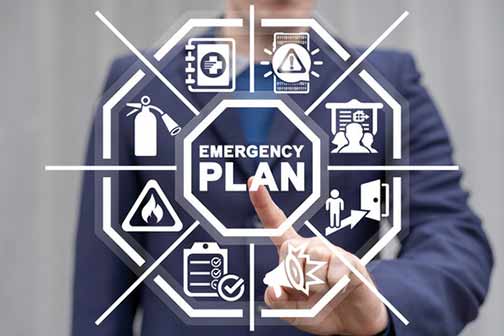
A well-structured emergency action plan is crucial for managing plumbing emergencies effectively. This plan should include:
Designated Emergency Contacts: Compile a list of emergency contacts, including plumbers, maintenance staff, and property management personnel. Ensure that this list is easily accessible to all residents.
Clear Communication Protocols: Establish clear communication channels for reporting plumbing issues. This could include a dedicated phone line, email address, or online reporting system.
Emergency Shut-Off Procedures: Educate residents on how to locate and operate the main water shut-off valve. This knowledge can prevent extensive water damage during a plumbing emergency.
Regular Drills and Training: Conduct regular drills and training sessions to ensure that all residents and staff are familiar with the emergency action plan and their respective roles.
Steps to Take Before Major Plumbing Repairs
Before undertaking major plumbing repairs, it is essential to take certain steps to minimize disruption and ensure a smooth process. These steps include:
Assessment and Diagnosis: Engage a qualified plumber to assess the issue and provide a detailed diagnosis. This helps in understanding the extent of the problem and the necessary repairs.
Informing Residents: Communicate the planned repairs to all residents, including the expected duration and any potential disruptions. Provide clear instructions on how to prepare for the repairs.
Securing Necessary Permits: Ensure that all required permits and approvals are obtained before commencing the repairs. This helps in avoiding legal complications and ensures compliance with local regulations.
Preparing the Work Area: Clear the work area of any obstacles and ensure that the necessary tools and materials are readily available. This facilitates a smooth and efficient repair process.
A well-structured emergency action plan is crucial for managing plumbing emergencies effectively.
Managing Plumbing Emergencies During Repairs
During the repair process, it is important to manage the situation effectively to minimize disruption and ensure safety. Key steps to take include:
Monitoring Progress: Regularly monitor the progress of the repairs to ensure that they are proceeding as planned. Address any issues or delays promptly to avoid extended disruptions.
Maintaining Clear Communication: Keep residents informed of the progress and any changes to the repair schedule. Provide updates on the expected completion time and any additional steps that may be required.
Ensuring Safety: Implement safety measures to protect residents and workers during the repair process. This includes securing the work area, using appropriate signage, and providing protective equipment as needed.
Providing Temporary Solutions: In cases where repairs may take an extended period, consider providing temporary solutions such as portable toilets or alternative water sources to minimize inconvenience for residents.
Post-Repair Actions and Preventive Measures
Once the repairs are completed, it is important to take certain actions to ensure that the plumbing system remains in good condition and to prevent future emergencies. These actions include:
Inspection and Testing: Conduct a thorough inspection and testing of the repaired plumbing system to ensure that it is functioning correctly. Address any remaining issues promptly to avoid future problems.
Documenting Repairs: Maintain detailed records of the repairs, including the work performed, materials used, and any recommendations for future maintenance. This documentation can be valuable for future reference and for warranty purposes.
Educating Residents: Provide residents with information on how to maintain the plumbing system and prevent common issues. This could include tips on proper usage, recognizing early signs of problems, and knowing when to seek professional help.
Implementing Preventive Maintenance: Establish a preventive maintenance schedule to regularly inspect and service the plumbing system. This helps in identifying and addressing potential issues before they escalate into emergencies.
Leveraging Technology for Efficient Emergency Management
Modern technology offers various tools and solutions that can enhance the management of plumbing emergencies in condominiums. Some of these technologies include:
Smart Water Sensors: Install smart water sensors that can detect leaks and send real-time alerts to property management and residents. This allows for prompt action and minimizes water damage.
Remote Monitoring Systems: Utilize remote monitoring systems to keep track of the plumbing system’s performance and identify potential issues early. These systems can provide valuable data for preventive maintenance and emergency planning.
Mobile Communication Apps: Implement mobile communication apps that allow residents to report plumbing issues and receive updates on repair progress. These apps can streamline communication and improve response times during emergencies.
Automated Shut-Off Valves: Consider installing automated shut-off valves that can be controlled remotely or triggered by sensors in the event of a leak. This can prevent extensive water damage and reduce the need for manual intervention.
Collaborating with Professional Plumbers and Service Providers
Having a reliable network of professional plumbers and service providers is essential for managing plumbing emergencies effectively. Key considerations for collaboration include:
Building Relationships: Establish strong relationships with a reputable plumbing company and service providers. This ensures that you have access to skilled professionals who can respond promptly to emergencies.
Negotiating Service Agreements: Negotiate service agreements that outline the terms and conditions for emergency response, including response times, pricing, and service guarantees. This provides clarity and ensures a swift resolution of issues.
Regular Evaluations: Regularly evaluate the performance of your service providers to ensure that they meet your expectations and standards. Address any concerns promptly to maintain a high level of service quality.
Emergency Contact List: Maintain an updated list of emergency contacts for all service providers, including after-hours contact information. Ensure that this list is easily accessible to all residents and staff.
Legal and Insurance Considerations for Condo Plumbing Emergencies
Managing plumbing emergencies in a condominium also involves addressing legal and insurance considerations. Important aspects to consider include:
Understanding Liability: Clearly define the responsibilities and liabilities of the condominium association, property management, and individual residents in the event of a plumbing emergency. This helps in avoiding disputes and ensuring a coordinated response.
Insurance Coverage: Review your insurance policies to ensure that they provide adequate coverage for plumbing emergencies and related damages. Consider obtaining additional coverage if necessary to protect against potential risks.
Compliance with Regulations: Ensure that all plumbing repairs and maintenance activities comply with local building codes and regulations. This helps in avoiding legal complications and ensures the safety and integrity of the plumbing system.
Documenting Incidents: Maintain detailed records of all plumbing emergencies, including the cause, response actions, and any damages incurred. This documentation can be valuable for insurance claims and legal purposes.
To Conclude
Managing plumbing emergencies in a condominium requires a proactive and well-coordinated approach. By understanding common plumbing issues, developing a comprehensive emergency action plan, and leveraging modern technology, you can effectively minimize disruption and damage. Collaborating with professional plumbers, addressing legal and insurance considerations, and implementing preventive maintenance measures are also crucial for maintaining a resilient plumbing system. With the right strategies in place, you can ensure the safety and comfort of residents while protecting the integrity of your condominium’s plumbing infrastructure.
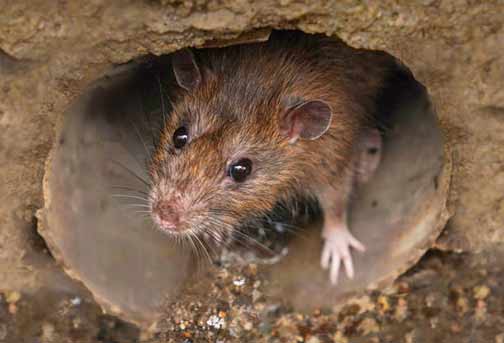
Rats in sewer lines can pose significant risks to both property and health. These rodents can cause structural damage, contaminate water supplies, and spread diseases. Understanding the problem is the first step in effectively addressing it. Rats are highly adaptable creatures that can squeeze through small openings and thrive in various environments, including sewer systems. Their presence in sewer lines can lead to blockages, pipe damage, and even infestations within homes if they find their way through plumbing systems.
Identifying Signs of Rat Infestation in Sewer Lines
Early detection of a rat infestation is crucial for effective control. Common signs include unusual noises coming from the walls or floors, droppings near entry points, gnawed pipes or wires, and foul odors emanating from drains. Regular inspections and monitoring can help identify these signs early, allowing for prompt action. Additionally, noticing an increase in rat sightings around your property or in your neighborhood can be an indicator of a larger infestation problem within the sewer system.
Preventative Measures to Keep Rats Out of Sewer Lines
Prevention is always better than cure. Implementing preventative measures can significantly reduce the risk of rat infestations in sewer lines. Ensuring all entry points, such as cracks and holes, are sealed is a fundamental step. Additionally, installing rat-proof screens on vents and drains can prevent rats from gaining access. Regularly checking and maintaining these barriers is essential to ensure their effectiveness over time. Moreover, ensuring that sewer lines are properly installed and maintained can prevent rats from finding weak points to enter.
Maintaining Cleanliness and Hygiene
Maintaining cleanliness and hygiene in and around your property is essential. Rats are attracted to food sources and waste, so proper waste management is crucial. Ensure garbage bins are tightly sealed and avoid leaving food scraps or pet food outside. Regularly having your sewer lines cleaned professionally can also deter rats from making a home in these areas. Additionally, keeping outdoor areas free of debris, clutter, and overgrown vegetation can reduce the likelihood of rats finding shelter and food sources near your home.
Using Rat Guards and Traps
Installing rat guards on sewer lines can be an effective physical barrier to prevent rats from entering. These guards are typically made of metal and are designed to fit securely over the sewer pipe openings. Additionally, using traps can help control the rat population. There are various types of traps available, including snap traps, glue traps, and electronic traps. Choose the one that best suits your needs and ensure they are placed in areas where rat activity is suspected. Regularly checking and maintaining these traps is important to ensure their ongoing effectiveness.
Employing Professional Pest Control Services
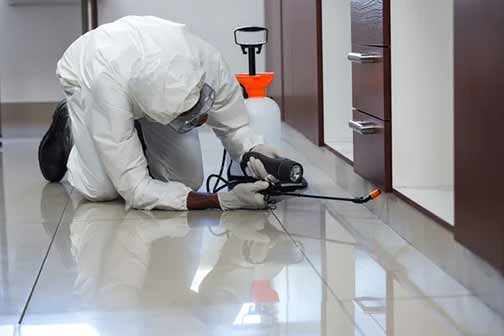
Sometimes, professional intervention is necessary to effectively deal with a rat infestation. Pest control professionals have the expertise and equipment to handle severe infestations and can provide long-term solutions. Regular pest control inspections and treatments can help keep your sewer lines rat-free. Professionals can also offer advice on preventative measures and identify potential vulnerabilities in your property that may attract rats.
Pest control professionals have the expertise and equipment to handle severe infestations and can provide long-term solutions.
Utilizing Natural and Chemical Repellents
There are various natural and chemical repellents available that can deter rats from entering sewer lines. Natural repellents, such as peppermint oil, ammonia, and predator urine, can be effective in keeping rats at bay. Chemical repellents, on the other hand, are specifically designed to target rodents and can be used in conjunction with other control methods for maximum effectiveness. It is important to follow the manufacturer’s instructions when using chemical repellents to ensure safety and efficacy.
Regular Inspection and Maintenance
Regular inspection and maintenance of sewer lines are crucial in preventing rat infestations. Schedule periodic inspections to check for any signs of rat activity or damage to the sewer pipes. Promptly repair any cracks or leaks to prevent rats from gaining access. Regular maintenance can help identify potential issues before they become major problems. Additionally, using sewer cameras can provide a thorough inspection of the internal condition of the pipes, allowing for early detection of any signs of infestation.
Community Efforts and Awareness
Preventing rat infestations is not just an individual effort but a community responsibility. Raising awareness about the importance of keeping sewer lines rat-free and encouraging community participation can make a significant difference. Organize community clean-up events, educate residents about proper waste management, and collaborate with local authorities to implement effective pest control measures. Community efforts can also include reporting sightings of rats to local pest control authorities to address the problem collectively.
Understanding the Health Risks Associated with Rats
Rats are known carriers of various diseases that can pose serious health risks to humans. These diseases include leptospirosis, hantavirus, and salmonellosis, among others. Understanding the health risks associated with rats can emphasize the importance of taking preventative measures to keep them out of sewer lines. Educating yourself and your family about these risks can help ensure everyone takes the necessary precautions. Additionally, ensuring that any contact with rats or their droppings is avoided and proper hygiene practices are followed can reduce the risk of disease transmission.
Implementing Long-Term Solutions
While immediate measures can help control rat infestations, implementing long-term solutions is essential for sustained results. This may include investing in high-quality sewer infrastructure, using advanced pest control technologies, and continuously monitoring and maintaining the system. Long-term solutions require a proactive approach and a commitment to regular upkeep. Additionally, staying informed about new and emerging technologies and methods in pest control can help ensure that your strategies remain effective over time.
Conclusion: Protecting Your Home and Health
Effectively keeping rats out of your sewer lines requires a combination of strategies, including prevention, regular maintenance, and professional intervention when necessary. By understanding the problem, identifying signs of infestation, and implementing the appropriate measures, you can protect your home and health from the risks associated with rats. Remember, a proactive approach and community effort are key to ensuring a rat-free environment. Ensuring that everyone in the community is aware of the importance of these measures can lead to a more comprehensive and effective approach to rat control.
In the large city that is Chicago, maintaining the integrity of your home’s sewer and drain system is crucial. Early detection of issues can prevent significant damage and costly repairs. Here we aim to help homeowners recognize the early signs of sewer and drain problems, ensuring a safe and comfortable living environment.
Common Signs of Sewer and Drain Problems in Chicago Homes
Recognizing the signs of sewer and drain problems early can save you from a lot of trouble. Here are some common indicators that you should be aware of:
Slow Draining Sinks and Bathtubs: A Warning Sign to Heed
If you notice that your sinks or bathtubs are draining more slowly than usual, it could be a sign of a blockage in your sewer or drain system. This could be caused by a buildup of debris, grease, or even tree roots infiltrating the pipes. Slow drainage is not just an inconvenience; it can indicate a larger issue that, if left unaddressed, could lead to more severe problems such as pipe bursts or complete blockages.
Regularly monitoring the speed at which water drains from your sinks and bathtubs can help you catch these issues early. If you observe a consistent slowdown, it’s time to investigate further. Ignoring these signs can lead to water damage, mold growth, and other costly repairs.
Unpleasant Odors: The Nose Knows
Foul smells emanating from your drains or around your property are a clear sign of sewer problems. These odors can be caused by a buildup of waste materials in your pipes or a break in the sewer line. The presence of unpleasant smells is not just a nuisance; it can also pose health risks to you and your family.
Unpleasant odors often indicate that there is stagnant water or waste trapped in your pipes, which can attract pests and contribute to unsanitary conditions. Addressing these smells promptly can help maintain a healthy living environment and prevent more significant issues from developing.
Frequent Clogs: A Persistent Problem
If you are experiencing frequent clogs in your sinks, toilets, or showers, it could indicate a more significant issue within your sewer system. Persistent clogs are often a sign that there is a blockage or damage that needs to be addressed. While occasional clogs are normal, frequent clogs suggest that there is an underlying problem that requires professional attention.
Ignoring frequent clogs can lead to more severe blockages, which can cause water to back up into your home. This can result in water damage, mold growth, and other costly repairs. Regular maintenance and prompt attention to clogs can help prevent these issues from escalating.
Gurgling Noises: The Sounds of Trouble
Hearing gurgling noises coming from your drains or toilets can be a sign of a sewer problem. These noises are often caused by air trapped in the pipes, which can indicate a blockage or a break in the sewer line. Gurgling sounds should not be ignored, as they can signal that there is a serious issue developing within your plumbing system.
Gurgling noises can be caused by a variety of factors, including blockages, pipe damage, or improper venting. If you hear these sounds, it’s essential to investigate the cause and address it promptly to prevent further damage.
Water Backups: A Serious Red Flag
One of the most severe signs of sewer and drain problems is water backing up into your toilet and bathtub. This can be caused by a significant blockage or damage to the sewer line and requires immediate attention. Water backups can lead to extensive water damage, mold growth, and other costly repairs.
If you experience water backups, it’s essential to act quickly. Turn off the water supply to prevent further damage and contact a professional plumber to assess and address the issue. Ignoring water backups can result in severe damage to your home and pose health risks to you and your family.
Wet Spots in Your Yard: A Hidden Danger
If you notice unexplained wet spots or lush patches of grass in your yard, it could be a sign of a leaking sewer line. Sewer leaks can cause the ground to become saturated, leading to these wet areas. Wet spots in your yard can indicate that there is a serious issue with your sewer system that needs to be addressed promptly.
Ignoring wet spots in your yard can lead to more severe problems, such as sinkholes or foundation damage. If you observe these signs, it’s essential to contact a professional plumber to assess and address the issue. Prompt attention can help prevent further damage and costly repairs.
Foundation Cracks: A Sign of Structural Issues
Cracks in your home’s foundation can be a sign of sewer problems. A leaking sewer line can cause the ground to shift, leading to cracks in the foundation. If you notice new or expanding cracks, it’s essential to investigate the cause. Foundation cracks can indicate that there is a serious issue with your sewer system that needs to be addressed promptly.
Ignoring foundation cracks can lead to more severe structural issues, which can compromise the safety and stability of your home. If you observe these signs, it’s essential to contact a professional plumber to address and repair the sewer line. Prompt attention can help prevent further damage and costly repairs.
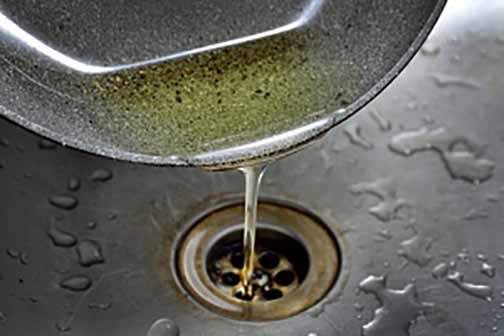
Be mindful of what you dispose of down your drains. Avoid pouring grease, oils, or food scraps down your sinks, as these can cause blockages.
Preventive Measures to Avoid Sewer and Drain Problems
Prevention is always better than cure. Here are some steps you can take to avoid sewer and drain problems in your Chicago home:
Regular Maintenance: A Proactive Approach
Regularly maintaining your sewer and drain system can help prevent issues from arising. This includes having your pipes inspected and cleaned by a professional plumber to remove any buildup of debris or grease. Regular maintenance can help identify potential issues before they become significant problems, saving you time and money in the long run.
Scheduling regular inspections and cleanings can help ensure that your sewer and drain system is functioning properly. A professional plumber can identify and address any potential issues, helping to prevent costly repairs and maintain a healthy living environment.
Proper Disposal of Waste: Protecting Your Pipes
Be mindful of what you dispose of down your drains. Avoid pouring grease, oils, or food scraps down your sinks, as these can cause blockages. Additionally, only flush toilet paper and human waste down your toilets to prevent clogs. Proper disposal of waste can help protect your pipes and prevent sewer and drain problems.
Educating your family members about proper waste disposal can help prevent issues from arising. By being mindful of what goes down your drains, you can help maintain the integrity of your sewer and drain system and avoid costly repairs.
Tree Root Management: Preventing Infiltration
Tree roots can infiltrate your sewer lines, causing blockages and damage. If you have trees near your sewer lines, consider having a professional inspect and remove the tree roots from your sewer line to prevent them from causing issues. Tree root management can help protect your sewer system and prevent costly repairs.
Regularly inspecting and managing tree roots can help prevent them from infiltrating your sewer lines. A professional plumber can assess the situation and recommend appropriate measures to protect your sewer system from root infiltration.
Install a Backflow Valve: Safeguarding Your Home
Installing a backflow valve can help prevent sewer backups in your home. This valve allows wastewater to flow out of your home but prevents it from flowing back in, protecting your property from potential damage. A backflow valve installation can provide peace of mind and protect your home from costly repairs.
Speaking with a professional plumber can help you determine if a backflow valve is appropriate for your home. Installing this valve can help safeguard your property from sewer backups and maintain a healthy living environment.
Know When to Call a Professional: Seeking Expert Help
While some minor issues can be addressed with DIY solutions, it’s essential to know when to call a professional plumber. If you notice any of the signs mentioned earlier or if you’re unsure about the severity of a problem, it’s best to seek professional help to avoid further damage. A professional plumber can assess the situation and recommend appropriate measures to address the issue.
Attempting to address sewer and drain problems on your own can sometimes lead to more significant issues. When in doubt, always speak with a licensed plumber to ensure that the problem is properly addressed and prevent costly repairs.
Conclusion: Ensuring a Safe and Comfortable Living Environment
Recognizing the early signs of sewer and drain problems in your Chicago home is crucial for preventing significant damage and costly repairs. By being aware of the common indicators and taking preventive measures, you can ensure the longevity and efficiency of your sewer and drain system. Remember, when in doubt, always speak with a licensed plumber to address any concerns and maintain a safe and comfortable living environment.
Understanding the Plumbing Crisis: Water Backing Up in Bathtubs and Toilets
Water backing up in bathtubs and toilets is a common plumbing crisis that can cause significant inconvenience and damage if not addressed promptly. Understanding the root causes and knowing how to handle such situations is crucial for homeowners. Below we provide a detailed, professional walkthrough to manage these common household issues with confidence.
Identifying the Signs of a Plumbing Crisis
Recognizing the early signs of a plumbing problem can prevent a minor issue from escalating into a full-blown crisis. Common indicators include slow drainage, gurgling sounds, foul odors, and visible water backing up in fixtures. Paying attention to these signs can help you take swift action before the situation worsens.
Common Causes of Water Backing Up in Bathtubs and Toilets
Water backups in bathtubs and toilets can be caused by various issues. Some of the most common causes include:
Clogged Drains: Accumulation of hair, soap scum, and other debris can obstruct the flow of water in the drainpipes, leading to backups.
Sewer Line Blockages: Tree roots, grease buildup, and foreign objects can block the main sewer line, causing sewer water to back up into the home.
Vent Pipe Blockages: The vent pipes allow air to enter the plumbing system, enabling water to flow smoothly. Blockages in these pipes can disrupt the drainage process, resulting in backups.
Septic System Issues: For homes with septic systems, problems such as a full tank or a malfunctioning drain field can cause water to back up into the plumbing fixtures.
Immediate Steps to Take During a Plumbing Crisis
When faced with a water backup in your bathtub or toilet, taking immediate action can help mitigate damage and restore normalcy. Follow these steps:
Turn Off the Water Supply: Locate the main water shutoff valve and turn it off to prevent further water flow into the affected areas.
Clear the Area: Remove any items and furniture from the vicinity of the backup to prevent water damage.
Use a Plunger: A plunger can be an effective tool for dislodging minor clogs in toilets and bathtubs. Ensure a tight seal and use firm, consistent pressure.
Try a Drain Snake: For more stubborn clogs, a drain snake or auger can help break up and remove the obstruction.
Contact a Professional Plumber: If the backup persists or you suspect a more serious issue, it’s essential to call a licensed plumber for assistance.
Preventing Future Plumbing Crises
Preventative measures can significantly reduce the risk of water backups in your home. Consider implementing the following practices:
Regular Maintenance: Schedule routine inspections and maintenance with a professional plumber to identify and address potential issues before they escalate.
Proper Disposal: Avoid flushing non-degradable items, grease, and large food particles down the drains and toilets.
Install Drain Covers: Use drain covers or strainers in sinks, showers, and bathtubs to catch hair and debris before they enter the plumbing system.
Monitor Water Usage: Be mindful of water usage and avoid overloading the plumbing system with excessive water flow.
Understanding the Role of Professional Plumbers
Professional plumbers play a crucial role in resolving plumbing crises and ensuring the long-term health of your home’s plumbing system. They possess the expertise, tools, and experience to diagnose and repair complex issues that may be beyond the capabilities of a homeowner. Regular consultations with a licensed plumber can help maintain the integrity of your plumbing system and prevent future crises.
Dealing with Insurance and Repairs
In the event of a severe plumbing crisis, it’s important to understand your homeowner’s insurance policy and the coverage it provides for water damage and repairs. Document the damage thoroughly with photos and detailed descriptions, and contact your insurance provider to initiate a claim. Working with a reputable plumbing service and restoration company can expedite the repair process and ensure your home is restored to its pre-crisis condition.
To Wrap It Up
Water backing up in bathtubs and toilets is a stressful and potentially damaging plumbing crisis. By understanding the causes, taking immediate action, and implementing preventative measures, homeowners can effectively manage and mitigate the impact of such incidents. Regular maintenance and professional assistance are key to maintaining a healthy plumbing system and preventing future crises.
Understanding Sewer Backups: Causes and Prevention
Sewer backups can be a nightmare for homeowners. They occur when an obstruction or damage in the sewer line prevents wastewater from flowing away from your home, causing it to back up into your living spaces. Common causes include tree roots infiltrating pipes, blockages from debris or grease, and aging or damaged sewer lines. Preventing these issues involves regular maintenance, avoiding flushing inappropriate items, and being vigilant about signs of potential problems.
Immediate Actions to Take When You Discover a Sewer Backup
Discovering a sewer backup in your home can be alarming, but taking immediate action can mitigate damage and health risks. First, avoid using any plumbing fixtures to prevent additional wastewater from entering your home. Turn off the main water supply if necessary. Next, evacuate the affected area to avoid exposure to harmful contaminants. If the backup is extensive, consider contacting a nearby plumber or restoration service for assistance.
Assessing the Extent of the Damage
Before we get into the cleanup process, it’s crucial to assess the extent of the damage. This involves determining which areas of your home are affected and the severity of the contamination. Look for signs such as standing water, dampness, and unpleasant odors. Check walls, floors, and personal belongings for any signs of water damage. This assessment will help you plan the cleanup process and decide whether you need professional help.
Gathering Essential Cleanup Supplies
Proper cleanup of a sewer backup requires specific supplies to ensure safety and effectiveness. Gather the following items before you begin:
Protective gear: gloves, masks, and goggles
Cleaning agents: disinfectants, bleach, and detergents
Tools: mops, buckets, scrub brushes, and sponges
Absorbent materials: towels, rags, and paper towels
Trash bags: for disposing of contaminated items
Personal Safety Measures During Cleanup
Safety should be your top priority when cleaning up a sewer backup. Wear protective gear, including gloves, masks, and goggles, to avoid direct contact with contaminated water and surfaces. Ensure proper ventilation in the affected area by opening windows and using fans. Avoid consuming food or drinks in the cleanup zone, and wash your hands thoroughly after handling contaminated items.
Removing Standing Water and Debris
The first step in the physical cleanup process is to remove standing water and debris from the affected area. Use a wet/dry vacuum or a pump to extract water. Be cautious of electrical hazards if water has come into contact with electrical outlets or appliances. Once the water is removed, collect and dispose of any solid debris, such as dirt, paper, or other materials, that may have been carried in by the backup.
Cleaning and Disinfecting Affected Areas
Thorough cleaning and disinfection are essential to eliminate harmful pathogens and prevent mold growth. Start by scrubbing surfaces with soap and water to remove dirt and grime. Follow up with a disinfectant solution, such as a mixture of bleach and water, to kill bacteria and viruses. Pay special attention to floors, walls, and any porous materials that may have absorbed contaminated water. Rinse surfaces with clean water and allow them to dry completely.
Handling Contaminated Personal Belongings
Personal belongings that have come into contact with sewage water need special attention. Hard, non-porous items can often be cleaned and disinfected, while porous items like carpets, upholstery, and paper products may need to be discarded. When in doubt, it’s best to err on the side of caution and dispose of items that cannot be thoroughly sanitized.
Drying and Dehumidifying the Area
After cleaning, it’s crucial to dry the affected area to prevent mold and mildew growth. Use fans, dehumidifiers, and open windows to promote air circulation and speed up the drying process. Monitor the humidity levels and continue drying until the area is completely dry. This step is vital to ensure a safe and healthy environment in your home.
Restoring and Repairing Damaged Areas
Once the area is clean and dry, you can begin restoring and repairing any damage caused by the sewer backup. This may involve replacing drywall, flooring, or insulation that was contaminated or damaged. Consider consulting with a professional contractor to ensure the repairs are done correctly and safely. Taking the time to restore your home properly will help prevent future issues and maintain its value.
Preventing Future Sewer Backups
Preventing future sewer backups involves regular maintenance and mindful practices. Schedule routine inspections of your sewer lines to identify and address potential problems early. Avoid flushing items like grease, wipes, and feminine hygiene products that can cause blockages. Consider installing a backflow valve to prevent sewage from flowing back into your home. Educate your household members about proper disposal methods to keep your plumbing system in good condition.
When to Call a Professional
While some sewer backups can be handled by homeowners, there are situations where professional help is necessary. If the backup is extensive, involves multiple areas of your home, or if you are unsure about the cleanup process, it’s best to contact an emergency sewer backup service. They have the expertise and equipment to handle severe cases safely and effectively, ensuring your home is restored to a safe and livable condition.
Understanding Insurance Coverage for Sewer Backups
Homeowners should be aware of their insurance coverage regarding sewer backups. Standard homeowner’s insurance policies may not cover damage caused by sewer backups, so it’s important to review your policy and consider adding a sewer backup endorsement if necessary. This additional coverage can provide financial protection and peace of mind in the event of a sewer backup.
Documenting the Incident and Expenses
Proper documentation is essential for insurance claims and future reference. Take photos and videos of the affected areas and damaged items before, during, and after the cleanup process. Keep detailed records of all expenses related to the cleanup and repairs, including receipts for supplies, professional services, and any temporary accommodations if needed. This documentation will support your insurance claim and help ensure you receive the compensation you are entitled to.
Emotional and Mental Health Considerations
Experiencing a sewer backup can be stressful and emotionally taxing. It’s important to acknowledge the impact it may have on your mental health and take steps to manage stress. Reach out to friends, family, or support groups for emotional support. Consider speaking with a mental health professional if you find it difficult to cope. Taking care of your emotional well-being is just as important as addressing the physical aspects of the cleanup.
Summing It Up
Dealing with a sewer backup requires prompt action, thorough cleaning, and careful restoration to ensure your home remains safe and clean. By following this step-by-step guide, homeowners can effectively manage the cleanup process and minimize the impact of a sewer backup. Regular maintenance and preventive measures can help prevent future incidents, providing peace of mind and protecting your home from potential damage.