Author Archives: Chicago Plumbing Experts

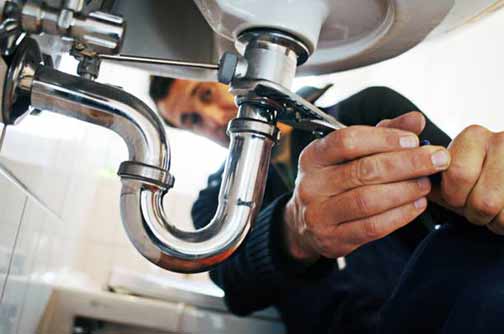
Essential Plumbing Tips Every Pet Owner Should Know

pet owner plumbing tips

Household pets are one of life’s best gifts to their owners. Pets can love you as much as or even better than another human ever could. In return, we treat the furry, feathery, or scaly members of our households with the same care and attention we show humans.

But while you cherish and value your pet, the plumbing system in your home may not share those feelings. Pets always have a way of affecting plumbing, and some plumbing issues in your home are the direct result of having pets in the home, says Sutton Group Grand Praire Management.

Pets, especially dogs, like to chew on things and exposed pipes are one of their favorites. Pets also shed copious amounts of dander, which can cause serious problems if it find its way into the plumbing. Dogs may dig in your yard and unearth buried plumbing pipes.

However, these problems are not insurmountable. With a little knowledge and a few proactive steps, you can create a home where pets and your plumbing system co-exist without any problems.  The following plumbing tips will show you how to do that.

8 essential plumbing tips for pet owners

Cover exposed pipes

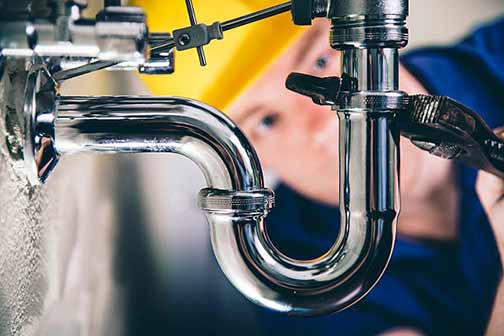
When they are young and teething, dogs love to chew. But some dogs will continue to chew even as they get older. If you own a large canine (between 40 and 100 pounds ) that likes to chew, it can do massive damage to your personal belongings and home. Even small breeds – beagles and chihuahuas –  can also cause a lot of harm. To protect the exposed pipes in your home from pets, cover them with metal/plastic covering or chew-resistant material. Or you can hide the pipe.

Install drain strainers

Drain strainers are affordable but highly effective for keeping hair, soap scum, and debris out of your drains. It is recommended that you have them installed in your tub or sink every time you are planning to bath your pet. You should have a drain strainer in place at all times because you can’t stop pets from shedding or predict where all that hair will go. Drain strainers help to ensure they do not end up inside the plumbing.

Never flush cat litter

Even if the packaging describes it as flushable, never flush cat litter into your toilet. It does not have any place inside your drains. That is because once inside the drainage system, cat litter will absorb water and swell to several times its size. Also, the materials used to make cat litter – sand, clay, and other substances – can clog and corrode your pipes. To avoid clogs and blockages, keep cat litter out of your drains.

Watch where your pet digs

If your dog loves to dig there is not much you can do to stop it. But you can still let it have fun without interfering with the buried pipes in your yard. Firstly, make sure the pet doesn’t dig near your water pipes or drain lines. Secondly, make sure the dog doesn’t dig too deep into the ground. Lastly, keep an eye on the dog to know when it has found something interesting inside the ground. Check to be sure that it didn’t uncover a pipe.

Keep toilet lids closed

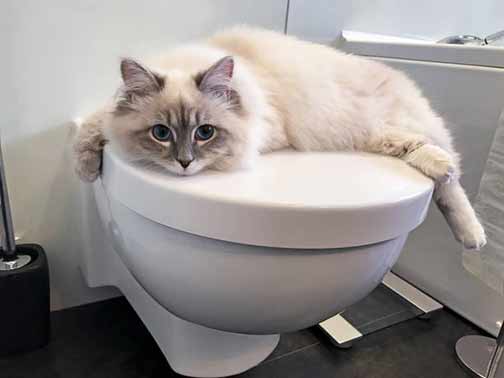
If they are thirsty, pets will drink water out of the toilet bowl. This is not good for animals; chemical residues inside the water – cleaners – can make that pet sick or even kill it. But pets will only drink from the toilet when their primary source of water is dry. You can solve this problem by always keeping the toilet lid closed. More importantly, make sure your pet always has access to lots of safe drinking water.

Store cleaning products in a safe place

To keep pets safe, it is necessary to pet-proof your home. Part of the process of doing this is finding out-of-reach places for cleaning products and other potentially toxic materials inside your home. Curious, bored, or mischievous cats and dogs will play with anything that looks interesting. You don’t want them getting cleaning chemicals in their mouth and eyes, or on their skin. 

Have your plumbing inspected yearly

Problems arising from the interactions of pets with the plumbing system don’t always give you a warning sign before they happen. Since you can’t always keep an eye on the pet, you may not know what they are doing to your plumbing. The best way to avoid unpleasant surprises is to have the plumbing inspected on schedule by a professional plumber.

Clean your drainpipes periodically

Regardless of your best efforts, it is not completely possible to keep dander – fur, scale, and feathers – out of your drainage system. With time, these materials will start to cause drainage problems in your home. To prevent the buildup of dander inside the pipes, have your drainage lines cleaned by a plumber at least once a year.

Before taking the above steps you may want to have an experienced plumber do a full assessment of your plumbing, to identify existing issues and advise on the best ways to solve them.

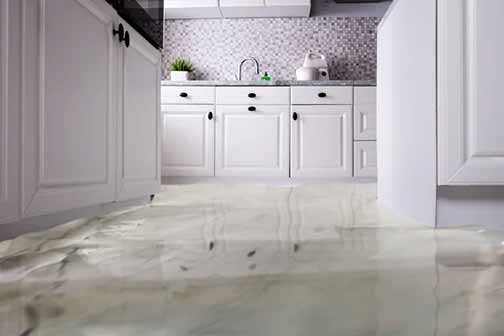
Flooding in Your Basement: Expert Strategies for Quick Recovery

Flooding in Your Basement

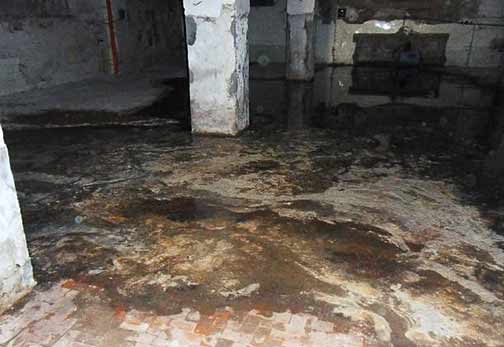
A flooded basement is every homeowner’s worst nightmare come true. Even in an unfinished basement, the impact of flooding can be devastating. Apart from the usual water damage, a flooded basement can impair your building foundation and expose your family to a range of health risks, says McCaw Management.

But by acting fast you can limit the impact of basement flooding on your home and family. What should you do if, despite the flood prevention measures in your home, your basement still floods? The following steps will help you reduce the aftermath of basement flooding in your home.

8 steps to help you recover quickly from basement flooding

Slow down, DO NOT rush

Yes, you must act fast to reduce the impact of basement flooding on your home. But you should not rush blindly into the situation. A flooded basement holds a lot of hidden hazards. If the water reaches the level of the power outlets in your home, there is a real risk of electrocution. Before doing anything, cut the power supply to your home. If the electrical panel is in the basement, call the power company and have them shut off the power. There is also a risk of gas leaks. If you can smell gas in the area, shut off the gas or, once again, contact the utility company and ask them to do it for you.

Locate the source of the water

Unless the flooding is caused by an extreme weather event, you need to find the source of the water. Common causes of basement flooding include; overflowing toilets & bathtubs, a failed sump pump, a backed-up drainage system, a leaking water heater, burst or leaking water pipes, and cracks in your building foundation. After you find the source of the water, you want to shut it off. If there is no way to turn off the water supply to a malfunctioning appliance or broken plumbing fixture, the best option is to turn off the water supply to your entire home at the main water shut-off valve.

Call your insurance company

You want to inform the insurance company as soon as possible. There is no need to give them the full details at this time. Just let the company representative know what is going on. They may want to send someone over and if they have a preferred company for dealing with such emergencies, they will let you know. As part of the process for preparing your insurance claims, you want to photograph and, possibly, video the flooded basement. Adding a voice commentary to the video will keep the events fresh in your mind.

Salvage your belongings

Raise all appliances above the level of the water. Organic and porous items should be dried within 24 hours or they will harbor mold. Remember that wood and upholstered furniture are easily ruined by water. Switches, wiring, and outlets that have soaked in water are no longer safe; they should be replaced. Items like clothes, rugs, or other fabrics should be removed for cleaning and drying. All portions of drywall that are below the water level should be replaced.

Remove the water

If you have more than a few centimeters of water inside your basement, you will need a wet vacuum or utility pump to remove the water. Otherwise, a bucket, some towels/absorbent cloth, and something to scoop water with will suffice. If the water inside your basement comes from an unsanitary source, let a professional handle the removal. Make sure to protect yourself while doing this; wear personal protective equipment.

Ventilate and dry out your basement

Your basement may look dry after removing the water, but it is not. A lot of moisture has been absorbed into the walls and flooring. If this moisture is not removed, it can cause structural damage to your building and also encourage mold and bacteria. To dry out the basement, open the windows to let air in and run fans and humidifiers in the space.

Clean and disinfect your basement

Start by cleaning the floors and walls with a mixture of water, soap, and disinfectant. Next, wipe down the entire area with a mixture of bleach and water. Please DO NOT mix bleach with disinfectant. All wet fabrics should be properly washed in hot water with detergent and thoroughly dried before they are worn. Remember to always wear rubber gloves when handling bleach.

Get rid of mold

Flooding increases the risk of mold and mildew in your basement. If there was mold in the basement before flooding, it would only get worse. To prevent mold, scrub the space with soap and a sponge. After this, scrub the entire area with a mixture of bleach and water. Make sure to wear protective eyewear, a respiratory mask, and gloves while doing this.

Finally, remember that the key to quick recovery from basement flooding is quick and informed action. This is why it is a good idea to contact a professional basement flooding service as soon as you find out that your basement is flooded. An expert knows exactly what to do to reduce the impact of basement flooding on your home and they will also do it faster than you can.

Preventive Plumbing: How to Tackle Leaky Pipes Effectively

How to Tackle Leaky Pipes Effectively

Preventive plumbing is a critical component of maintaining a safe and efficient home environment. By addressing potential issues before they escalate into significant problems, homeowners can save money, conserve water, and prevent property damage. Leaky pipes, in particular, are a common issue that can lead to severe consequences if not addressed promptly. Understanding the importance of preventive measures is the first step in tackling these issues effectively.

Preventive plumbing involves regular inspections, maintenance, and minor repairs to ensure the plumbing system functions optimally. This proactive approach helps in identifying potential problems early, allowing homeowners to take corrective measures before they lead to costly repairs or water damage. Moreover, preventive plumbing contributes to the longevity of the plumbing system, ensuring it remains efficient and reliable for years to come.

Identifying Common Causes of Leaky Pipes and Their Impact

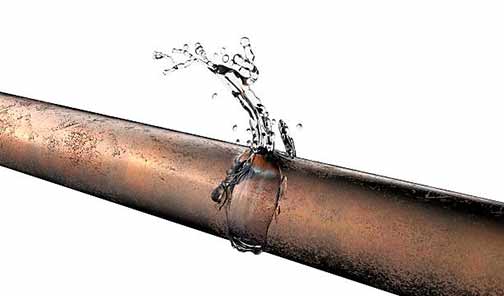
Leaky pipes can result from various causes, each requiring a specific approach to resolve. Common causes include corrosion, high water pressure, temperature changes, and faulty plumbing installations. Corrosion can occur over time, especially in older pipes, leading to small leaks that can grow if not addressed. High water pressure can stress pipes, causing them to crack or burst. Temperature changes, particularly in climates with freezing winters, can cause pipes to expand and contract, leading to leaks. Faulty plumbing installations, often due to poor workmanship, can also result in leaks.

The impact of leaky pipes extends beyond the immediate inconvenience of water loss. Leaks can lead to water damage, mold growth, and structural damage to the home. They can also result in increased water bills and wasted resources. Understanding the root causes of leaks is crucial in developing effective strategies to prevent them and mitigate their impact on the home and the environment.

Regular Maintenance: The Key to Preventing Leaks and Ensuring Efficiency

Regular maintenance is crucial in preventing leaky pipes and ensuring the overall efficiency of the plumbing system. Homeowners should schedule routine inspections with a professional plumber to identify and address potential issues before they escalate. During these inspections, plumbers can check for signs of wear and tear, corrosion, and other problems that could lead to leaks. Additionally, homeowners should be proactive in maintaining their plumbing systems by regularly checking for leaks, monitoring water pressure, and ensuring that pipes are adequately insulated.

Regular maintenance also includes tasks such as cleaning drains, checking for signs of water damage, and testing water pressure. By staying vigilant and addressing minor issues promptly, homeowners can prevent them from developing into more significant problems. This proactive approach not only saves money on repairs but also extends the lifespan of the plumbing system, ensuring it remains efficient and reliable.

Effective Strategies for Tackling Leaky Pipes Before They Escalate

When it comes to tackling leaky pipes, several strategies can be employed to address the issue effectively. One of the most effective strategies is to replace old or damaged pipes with newer, more durable materials. This can help prevent leaks from occurring in the first place. Additionally, homeowners can install water pressure regulators to ensure that their plumbing systems are not subjected to excessive pressure. Insulating pipes is another effective strategy, particularly in colder climates, as it helps prevent pipes from freezing and cracking.

Another effective strategy is to conduct regular inspections of the plumbing system, looking for signs of wear and tear, corrosion, and other potential issues. Homeowners can also invest in leak detection systems that alert them to the presence of leaks, allowing for prompt action. By implementing these strategies, homeowners can prevent leaks before they start and ensure the long-term health of their plumbing system.

DIY Solutions for Minor Leaks: Quick Fixes and Temporary Measures

While professional assistance is often necessary for significant plumbing issues, homeowners can tackle minor leaks themselves with a few simple tools and materials. For small leaks, applying plumber’s tape or pipe sealant can provide a temporary fix until a professional can address the issue. Additionally, homeowners can use pipe clamps or rubber patches to stop leaks temporarily. However, it’s important to remember that these DIY solutions are only temporary and should not replace professional repairs.

DIY solutions are best suited for minor leaks that do not pose a significant threat to the home or its plumbing system. Homeowners should always exercise caution when attempting DIY repairs and seek professional assistance if they are unsure of how to proceed. By addressing minor leaks promptly, homeowners can prevent them from developing into more significant issues, saving time and money in the long run.

a plumber fixing leaky pipes

Professional plumbers have the tools and expertise to detect and repair leaks effectively, ensuring the long-term health of your plumbing system.

When to Call a Professional Plumber: Recognizing the Signs of Serious Issues

Knowing when to call a professional plumber is crucial in preventing minor leaks from turning into significant problems. If a leak persists despite DIY efforts, or if it is located in a hard-to-reach area, it’s best to call in a professional. Additionally, if a leak is causing water damage or affecting the structural integrity of your home, immediate professional intervention is necessary. Professional plumbers have the tools and expertise to detect and repair leaks effectively, ensuring the long-term health of your plumbing system.

Other signs that indicate the need for professional assistance include a sudden increase in water bills, unexplained water stains on walls or ceilings, and the presence of mold or mildew. By recognizing these signs and seeking professional help promptly, homeowners can prevent further damage and ensure the efficient operation of their plumbing system.

The Cost-Effectiveness of Preventive Plumbing: Long-Term Savings and Benefits

Investing in preventive plumbing measures can save homeowners a significant amount of money in the long run. While the initial cost of regular maintenance and inspections may seem high, these expenses are minimal compared to the cost of repairing extensive water damage or replacing entire plumbing systems. By addressing issues early, homeowners can avoid costly repairs and extend the lifespan of their plumbing systems. Additionally, preventing leaks can lead to lower water bills, as even small leaks can waste a significant amount of water over time.

Preventive plumbing also contributes to the overall value of the home. A well-maintained plumbing system is an attractive feature for potential buyers, making the home more appealing in the real estate market. By investing in preventive measures, homeowners can protect their investment and ensure the long-term value of their property.

Environmental Benefits of Preventing Leaks: Conserving Water and Reducing Waste

Preventing leaks not only benefits homeowners financially but also has significant environmental advantages. Water is a precious resource, and conserving it is essential for the health of our planet. By preventing leaks, homeowners can reduce their water usage and contribute to water conservation efforts. This is particularly important in areas experiencing drought or water shortages. Additionally, preventing leaks can help reduce the energy required to treat and transport water, further reducing the environmental impact of water usage.

By adopting preventive plumbing practices, homeowners can play a vital role in preserving the environment and promoting sustainability. Reducing water waste and conserving resources are essential steps in addressing the global water crisis and ensuring a sustainable future for generations to come.

Conclusion: Taking Proactive Steps for a Leak-Free Home and a Sustainable Future

In conclusion, preventive plumbing is a crucial aspect of maintaining a safe, efficient, and environmentally friendly home. By understanding the causes of leaky pipes and implementing regular maintenance and effective strategies, homeowners can prevent leaks before they start. Whether it’s through DIY solutions or professional assistance, taking proactive steps can save money, conserve water, and prevent damage to your home. Embracing preventive plumbing practices ensures a leak-free home and contributes to a sustainable future.

By prioritizing preventive plumbing, homeowners can protect their investment, enhance the value of their property, and contribute to a healthier planet. The benefits of preventive plumbing extend beyond the immediate advantages of cost savings and efficiency, offering long-term rewards for homeowners and the environment alike. By taking proactive steps and embracing preventive measures, homeowners can ensure a leak-free home and a sustainable future for generations to come.

After the Flood: A Plumbing Safety Checklist

Plumbing Safety after a flood

Flooding can have devastating effects on your home, and one of the most vulnerable systems is your plumbing. When floodwaters infiltrate your property, they can cause significant damage to pipes, fixtures, and even the structural integrity of your plumbing system. Understanding the extent of this damage is crucial for ensuring the safety and functionality of your home post-flood.

The immediate aftermath of a flood often involves assessing visible damage, but the hidden impacts on plumbing can be equally concerning. Floodwaters can carry debris, silt, and contaminants that may infiltrate your plumbing system, leading to blockages, corrosion, and potential health hazards. It is essential to approach the situation with a comprehensive understanding of how flooding affects your plumbing and the steps necessary to address these issues.

Moreover, the pressure exerted by floodwaters can cause pipes to shift, crack, or burst, leading to leaks that may not be immediately apparent. The structural integrity of the plumbing system can be compromised, which may result in long-term issues if not addressed promptly. Therefore, a thorough inspection and assessment are fundamental to identify and mitigate potential risks.

Initial Safety Precautions: Protecting Yourself and Your Home After a Flood

Before we get into the specifics of plumbing safety, it’s vital to prioritize your safety and that of your family. Floodwaters can be contaminated with hazardous substances, including sewage, chemicals, and bacteria. Therefore, wearing protective gear such as gloves, boots, and masks is essential when inspecting your property.

Additionally, ensure that the power supply to your home is turned off to prevent electrical hazards. Contact your utility company if you are unsure about the safety of your electrical system. Once these precautions are in place, you can proceed with a thorough inspection of your plumbing system.

It’s also advisable to ventilate your home to reduce the risk of mold and mildew growth, which can pose health risks. Open windows and doors to allow air circulation, and consider using fans or dehumidifiers to expedite the drying process. Taking these initial safety precautions can help protect your home and well-being as you begin the recovery process.

Assessing Visible Damage: A Visual Inspection of Plumbing Fixtures and Components

Start by conducting a visual inspection of your plumbing fixtures, including sinks, toilets, and showers. Look for signs of damage such as cracks, leaks, or dislodged components. Pay attention to any unusual odors or discoloration in the water, as these may indicate contamination.

Check the water pressure in each fixture. Low water pressure could be a sign of blockages or leaks in the system. Make note of any fixtures that are not functioning correctly, as this information will be valuable for professionals who may assist with repairs.

In addition to fixtures, inspect visible pipes, joints, and connections for any signs of wear or damage. Look for rust, corrosion, or any physical deformation that may have occurred due to the flood. Documenting these observations can help you communicate effectively with repair professionals and streamline the repair process.

Inspecting Pipes and Drains: Identifying Hidden Issues in Your Plumbing System

Pipes and drains are often hidden from view, but they can suffer significant damage during a flood. Inspect exposed pipes for signs of corrosion, rust, or physical damage. If you notice any leaks or drips, it is crucial to address them promptly to prevent further water damage and mold growth.

Drains can become clogged with debris carried by floodwaters. Test each drain to ensure it is functioning correctly. Slow drainage or backups may indicate blockages that need to be cleared. In some cases, professional drain cleaning may be necessary to restore proper drainage.

Additionally, consider using a sewer camera inspection service to evaluate the condition of underground pipes that may not be visible. This technology can help identify blockages, cracks, or other issues that may not be apparent from a surface inspection. Addressing these hidden issues is critical for restoring your plumbing system’s full functionality.

a person testing their water after a flood

Regular testing of your water supply, even after initial decontamination, can help ensure that the water remains safe over time.

Testing Water Quality: Ensuring a Safe and Clean Water Supply

After a flood, the quality of your water supply may be compromised. Contaminants from floodwaters can enter your plumbing system, posing health risks. It is essential to test your water for bacteria, chemicals, and other pollutants before using it for drinking or cooking.

Home water testing kits are available, or you can contact your local health department for assistance. If contamination is detected, consider installing water filtration systems or utilizing bottled water until the issue is resolved. Ensuring the safety of your water supply is paramount for protecting your family’s health.

Regular testing of your water supply, even after initial decontamination, can help ensure that the water remains safe over time. Establishing a routine testing schedule can provide peace of mind and help detect any changes in water quality that may require attention.

Engaging Professional Services: Knowing When to Call the Plumbing Experts

While some plumbing issues can be addressed with DIY solutions, there are situations where professional intervention is necessary. If you encounter significant damage, persistent leaks, or contamination, it is advisable to contact a licensed plumber.

Professional plumbers have the expertise and tools to conduct thorough inspections, identify hidden issues, and perform necessary repairs. They can also provide guidance on preventive measures to safeguard your plumbing system against future floods.

When selecting a professional, ensure they are licensed, insured, and experienced in dealing with flood-related plumbing issues. Request references or reviews to verify their qualifications and reliability. Engaging the right professionals can make a significant difference in the quality and longevity of the repairs performed.

Preventive Measures: Strengthening Your Plumbing System Against Future Floods

Once your plumbing system is restored, consider implementing preventive measures to minimize the impact of future floods. Installing backflow prevention devices can help protect your plumbing from sewage backups. Elevating appliances and electrical systems can also reduce the risk of damage.

Regular maintenance and inspections are essential for identifying potential vulnerabilities in your plumbing system. By staying proactive, you can ensure the resilience of your home against future flooding events.

Additionally, consider speaking with a flood mitigation expert to explore options such as landscaping adjustments, installing flood barriers, or improving drainage systems around your property. These measures can contribute to a comprehensive strategy for reducing flood risk and protecting your home.

Summing It Up

Recovering from a flood involves more than just cleaning up visible damage. Your plumbing system plays a crucial role in maintaining a safe and functional home environment. By following the steps outlined in this checklist, you can effectively assess and secure your plumbing system after a flood.

Remember, prioritizing safety, engaging professional help when needed, and implementing preventive measures are key to safeguarding your property and well-being. With careful attention and proactive measures, you can navigate the aftermath of a flood with confidence and peace of mind.

Ultimately, the goal is to restore your home to a safe, comfortable, and resilient state. By taking a comprehensive approach to plumbing safety and flood recovery, you can protect your investment and ensure the long-term health and safety of your household.

Drain Camera Inspections: A Game Changer for Plumbing Diagnostics

Drain Camera Inspections

In the ever-evolving world of plumbing diagnostics, technological advancements have significantly transformed how professionals approach and resolve issues. One of the most revolutionary tools in this domain is the drain camera inspection. This technology has redefined the precision and effectiveness of plumbing diagnostics, offering unparalleled insights into the inner workings of plumbing systems.

By utilizing high-resolution cameras, plumbers can now navigate through pipes with ease, identifying problems that were once difficult to detect. This innovation represents a significant leap forward in how plumbing issues are diagnosed and resolved, providing both plumbers and customers with a more efficient and reliable solution.

The Evolution of Plumbing Diagnostics: From Guesswork to Precision

Plumbing diagnostics have come a long way from the traditional methods that relied heavily on guesswork and invasive procedures. Historically, plumbers would have to rely on physical symptoms of plumbing issues, such as leaks or blockages, which often required extensive and disruptive excavation to diagnose accurately.

With the advent of drain camera inspections, the process has become far more efficient and less invasive, allowing for accurate diagnostics without unnecessary damage to property. This evolution marks a significant shift from the conventional trial-and-error approach to a more precise and scientific method of identifying and addressing plumbing issues.

How Drain Camera Inspections Work: A Closer Look at the Technology

Drain camera inspections involve the use of a small, waterproof camera attached to a flexible rod. This camera is inserted into the plumbing system, providing real-time video footage of the interior of the pipes. The footage is transmitted to a monitor, allowing plumbers to visually inspect the condition of the pipes, identify blockages, leaks, or other issues, and determine the best course of action for repair.

This method is not only efficient but also minimizes the need for guesswork, leading to more precise diagnostics. The ability to see inside the pipes in real-time allows for immediate assessment and decision-making, streamlining the entire diagnostic process.

Benefits of Drain Camera Inspections: Revolutionizing Plumbing Practices

The benefits of drain camera inspections are manifold. Firstly, they provide a non-invasive means of diagnosing plumbing issues, which significantly reduces the need for disruptive excavation. This not only saves time but also reduces costs associated with property damage and repair.

Additionally, the high-resolution footage allows for accurate identification of problems, enabling plumbers to tailor their solutions to the specific needs of the system. This precision leads to more effective repairs and long-term solutions, ultimately enhancing customer satisfaction. Moreover, the ability to diagnose issues without causing damage to the property is a significant advantage, as it preserves the integrity of the structure while addressing the plumbing concerns.

Impact on Customer Satisfaction: Building Trust Through Transparency

Customer satisfaction is a critical component of any service industry, and plumbing is no exception. Drain camera inspections play a pivotal role in improving customer satisfaction by offering a transparent and efficient diagnostic process. Customers can see the footage of their plumbing and sewer system firsthand, which builds trust and confidence in the plumber’s recommendations.

Moreover, the ability to accurately diagnose and address issues promptly minimizes inconvenience for the customer, resulting in a more positive experience overall. This transparency not only fosters trust but also empowers customers by providing them with a clear understanding of the issues and the proposed solutions.

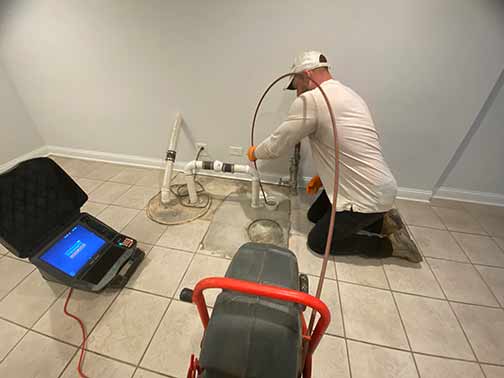
a professional drain camera inspection service

Drain camera inspections involve the use of a small, waterproof camera attached to a flexible rod. This camera is inserted into the plumbing system, providing real-time video footage of the interior of the pipes.

Cost-Effectiveness of Drain Camera Inspections: Saving Money and Resources

While the initial investment in drain camera technology may seem significant, the long-term cost savings are substantial. By accurately diagnosing issues and reducing the need for invasive procedures, drain camera inspections help avoid unnecessary repairs and associated costs. This cost-effectiveness is passed on to customers, who benefit from more affordable plumbing solutions without compromising on quality or effectiveness.

Furthermore, the reduction in time and resources spent on unnecessary excavation and repairs translates to significant savings for both the plumbing service providers and their clients.

Enhancing Plumbing Precision: Targeted Solutions for Lasting Results

Precision is paramount in plumbing diagnostics, and drain camera inspections have set a new standard in this regard. By providing a clear view of the interior of pipes, plumbers can pinpoint the exact location and nature of problems. This precision allows for targeted repairs, ensuring that issues are resolved efficiently and effectively.

The enhanced accuracy also reduces the likelihood of recurring problems, providing customers with peace of mind and long-lasting solutions. With the ability to accurately diagnose and address issues, plumbers can offer solutions that are not only effective but also sustainable, reducing the need for frequent repairs and maintenance.

Future of Plumbing Diagnostics: Embracing Innovation for Better Service

As technology continues to advance, the future of plumbing diagnostics looks promising. Drain camera inspections are just one example of how innovation is transforming the industry. Future developments may include even more sophisticated imaging technology, enhanced data analysis capabilities, and integrated systems that streamline the diagnostic and repair process.

These advancements will continue to improve the precision and effectiveness of plumbing diagnostics, ultimately benefiting both plumbers and customers alike. The integration of artificial intelligence and machine learning in plumbing diagnostics could further enhance the ability to predict and prevent potential issues, paving the way for a more proactive approach to plumbing maintenance.

To Wrap It Up

In conclusion, drain camera inspections have truly revolutionized the field of plumbing diagnostics. By offering a non-invasive, precise, and cost-effective solution, this technology has improved the way plumbers diagnose and address issues. The benefits extend beyond the plumbing industry, enhancing customer satisfaction and providing long-term solutions to plumbing problems.

As technology continues to evolve, drain camera inspections will remain a cornerstone of modern plumbing diagnostics, driving innovation and excellence in the industry. The ongoing advancements in this field promise to further enhance the capabilities of plumbing professionals, ensuring that they can continue to deliver the highest level of service to their customers.

Stay Prepared: Why Chicago Restaurants Must Prioritize Emergency Plumbing Plans

Why Chicago Restaurants Must Prioritize Emergency Plumbing Plans

The Imperative of Emergency Plumbing Plans for Chicago Restaurants

In a city as large as Chicago, where restaurants are as diverse as the city’s architecture, the importance of maintaining uninterrupted service cannot be overstated. For restaurant owners, the prospect of a plumbing emergency is a daunting one, capable of disrupting operations and tarnishing reputations. Below we get into why establishing a robust emergency plumbing plan is not just advisable but essential for Chicago eateries.

Understanding the Unique Plumbing Challenges in Chicago

Chicago’s infrastructure, characterized by its mix of historic and modern buildings, presents unique plumbing challenges. The city’s weather conditions, with freezing winters and humid summers, add to the complexity. Pipes are prone to freezing and bursting in winter, while summer storms can overwhelm drainage systems. These challenges necessitate a proactive approach to plumbing maintenance and emergency preparedness.

Moreover, Chicago’s aging infrastructure often means that pipes and plumbing systems in older buildings may not meet modern standards. This can lead to unexpected failures, making it crucial for restaurant owners to understand the specific vulnerabilities of their location. Regular assessments by commercial plumbing professionals can help identify these potential issues before they become emergencies.

The Impact of Plumbing Emergencies on Restaurant Operations

Plumbing issues can lead to significant operational disruptions. A burst pipe or a clogged drain can result in the temporary closure of a restaurant, leading to lost revenue and dissatisfied customers. Moreover, health regulations require restaurants to maintain sanitary conditions, and plumbing failures can result in health code violations, fines, and even permanent closure.

Beyond the immediate financial impact, plumbing emergencies can have long-term effects on a restaurant’s brand. Customers who experience disruptions or unsanitary conditions are unlikely to return, and negative reviews can deter potential patrons. Therefore, the cost of an emergency extends far beyond the repair bill, affecting the restaurant’s future profitability and success.

Protecting Business Reputation Through Preparedness

A restaurant’s reputation is its most valuable asset. In today’s digital age, news of a plumbing disaster can spread quickly through online reviews and social media, potentially damaging a restaurant’s image. By having an emergency plumbing plan in place, restaurants can mitigate the impact of such incidents, ensuring swift resolution and maintaining customer trust.

Preparedness involves not only having a plan but also communicating it effectively to staff and stakeholders. Employees should be aware of the procedures to follow during an emergency, ensuring a coordinated and efficient response. Additionally, informing regular customers and suppliers about the measures in place can reinforce trust and demonstrate the restaurant’s commitment to quality and reliability.

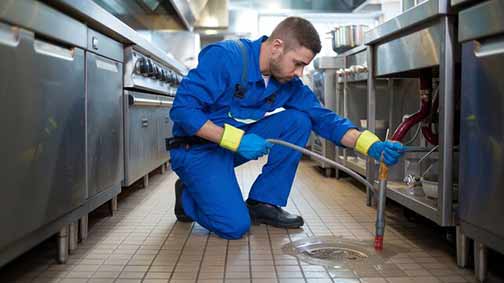
a chicago plumber making repairs at a restaurant

Partnering with a reputable plumbing service is crucial. Restaurants should seek plumbers with experience in commercial settings and a proven track record of reliability and prompt response.

Key Components of an Effective Emergency Plumbing Plan

An effective emergency plumbing plan should encompass several key elements:

  • Regular Maintenance: Routine inspections and maintenance can identify potential issues before they escalate into emergencies. This includes checking for leaks, ensuring proper drainage, and inspecting water heaters and other equipment.
  • Emergency Contact List: A list of reliable plumbers and emergency services should be readily available to ensure quick response times. This list should be updated regularly and include contact details for after-hours emergencies.
  • Staff Training: Employees should be trained to recognize and respond to plumbing issues promptly, minimizing damage and disruption. Training should cover basic troubleshooting, emergency shut-off procedures, and communication protocols.
  • Contingency Plans: Develop plans for temporary closures or service limitations to minimize revenue loss during emergencies. This might include arrangements with nearby venues for temporary relocation or offering alternative menu options that require less water usage.

Choosing the Right Plumbing Service Provider

Partnering with a reputable plumbing service is crucial. Restaurants should seek plumbers with experience in commercial settings and a proven track record of reliability and prompt response. Establishing a relationship with a trusted provider ensures priority service during emergencies, reducing downtime and stress.

When selecting a plumbing service, consider factors such as availability, pricing, and customer reviews. A plumber that offers 24/7 emergency support can be invaluable, as plumbing issues often occur outside of regular business hours. Additionally, a service that understands the specific needs of the restaurant industry can offer tailored solutions that align with operational priorities.

Case Studies: Lessons from Chicago Restaurants

Several Chicago restaurants have successfully navigated plumbing emergencies by implementing comprehensive plans. For instance, a popular downtown eatery avoided significant losses during a winter pipe burst by having a pre-arranged agreement with a plumbing service, ensuring immediate repairs. These examples highlight the importance of foresight and preparation.

Another example involves a family-owned restaurant in the suburbs that faced repeated drainage issues due to nearby construction. By investing in regular inspections and developing a contingency plan that included temporary menu adjustments, the restaurant maintained operations and customer satisfaction despite the ongoing challenges.

In Conclusion

In conclusion, the dynamic environment of Chicago’s restaurant industry demands a proactive approach to plumbing emergencies. By prioritizing emergency plumbing plans, restaurant owners can protect their operations, reputation, and bottom line. Preparedness is not just a precaution; it’s a necessity for thriving in the competitive culinary scene of Chicago.

Ultimately, the success of a restaurant hinges on its ability to deliver consistent, high-quality service. By investing in emergency plumbing preparedness, Chicago restaurateurs can ensure that they are equipped to handle unforeseen challenges, safeguarding their business and ensuring a positive dining experience for all patrons.

Is your Chicago area restaurant in need of a good plumber? We can help! Contact us at 773-599-9181 or by form below!

Expert Recommendations for Basement Flood Defense in Chicagoland

Basement Flood Defense

Understanding the Importance of Basement Flood Defense

Basement flooding is a prevalent issue that many homeowners in the Chicagoland area face due to the region’s heavy rains and volatile weather patterns. The consequences of water intrusion into basements can be severe, affecting not only the structural integrity of homes but also the safety and well-being of those living within. The basement, often used for storage or as additional living space, houses valuable personal belongings and essential home systems like HVAC units and electrical panels. Flooding can lead to extensive damage, resulting in costly repairs and replacements.

Moreover, a damp environment can foster mold growth, posing health risks to the household. Thus, implementing robust flood defense strategies is not just about protecting property but also about ensuring a safe and healthy living environment. By understanding the unique risks associated with basement flooding in Chicagoland and adopting effective preventative measures, homeowners can safeguard their investments and enjoy peace of mind.

The Role of Sump Pumps in Basement Flood Defense

Sump pumps play a critical role in preventing basement flooding, acting as the frontline defense against water accumulation. These devices are engineered to collect and expel water from the sump basin, a pit designed to gather excess water that seeps into the basement. In areas like Chicagoland, where high groundwater levels are common, sump pumps are indispensable. They function by automatically activating when water levels in the basin reach a certain threshold, efficiently pumping water out and away from the home’s foundation. This proactive approach helps prevent water from reaching levels that could cause flooding.

A reliable sump pump system is an essential investment for homeowners, providing a safeguard against the unpredictable weather patterns and heavy rainfall that characterize the region. By efficiently managing water levels, sump pumps not only protect the structural integrity of homes but also contribute to maintaining a dry and healthy living environment.

Types of Sump Pumps: Choosing the Right One for Your Home

When it comes to selecting a sump pump, homeowners have several options, each offering distinct features and benefits. The choice of sump pump can significantly impact the effectiveness of a basement flood defense system. Submersible sump pumps, for instance, are designed to operate underwater, making them quieter and more efficient compared to other types. These pumps are installed within the sump basin and are ideal for homes where noise reduction is a priority. Pedestal sump pumps, on the other hand, have their motor mounted above the sump basin, making them easier to access for maintenance and repairs. This design is suitable for homeowners who prioritize ease of access over noise considerations.

Additionally, battery backup sump pump installations provide an essential layer of protection during power outages, a common occurrence during severe storms. These pumps ensure that the basement remains dry even when the primary pump is inoperable due to a lack of electricity. Choosing the right sump pump involves assessing the specific needs of your home and considering factors such as noise levels, accessibility, and the likelihood of power outages.

Expert Installation: Ensuring Optimal Performance

Professional installation of a sump pump is crucial to its performance and longevity. While some homeowners may consider installing a sump pump themselves, engaging a professional ensures that the system is set up correctly and operates at peak efficiency. Professionals have the expertise to position the sump pump optimally within the basement, connect it to the necessary drainage systems, and install additional features like check valves and alarms. These components enhance the system’s efficiency and reliability, providing early warnings of potential issues.

Moreover, experts can assess the unique characteristics of your basement, recommend the most suitable type of sump pump, and ensure that all components are compatible. Professional installation not only guarantees the optimal performance of the sump pump system but also extends its lifespan, providing homeowners with a reliable defense against basement flooding.

Maintenance Tips for Long-lasting Sump Pump Systems

Maintaining a sump pump system is essential for ensuring its durability and effectiveness. Regular maintenance can prevent unexpected breakdowns and costly repairs. Homeowners should conduct periodic inspections of the sump pump, checking for signs of wear or damage such as unusual noises, vibrations, or leaks. It is also important to inspect the discharge line for obstructions and ensure that the pump is free of debris that could impede its operation.

Testing the sump pump periodically, especially before the onset of the rainy season, can help identify any potential issues early on, allowing for timely repairs. Many experts recommend scheduling a licensed plumber to thoroughly inspect and maintain the sump pump system. This proactive approach helps ensure that the system remains in top working condition, ready to protect your home from flooding at any time.

a fresh sump pump replacement

Choosing the right sump pump involves assessing the specific needs of your home and considering factors such as noise levels, accessibility, and the likelihood of power outages.

Additional Flood Defense Strategies for Your Chicagoland Home

While sump pumps are a vital component of basement flood defense, they are most effective when used in conjunction with other flood prevention strategies. Homeowners can enhance their flood defense systems by implementing additional measures designed to keep water away from the home’s foundation. Installing a comprehensive drainage system around the property’s perimeter can effectively direct water away from the basement, reducing the risk of seepage.

Regular maintenance of gutters and downspouts is also crucial, as clogged or malfunctioning systems can lead to water pooling around the foundation. Sealing any cracks or gaps in the basement walls and floors can further prevent water intrusion, while a dehumidifier can help control moisture levels within the basement. These supplementary strategies work together to provide a comprehensive defense against basement flooding, ensuring that your home remains dry and secure.

Understanding Local Flood Risks and Preparedness

Chicagoland residents must be aware of the specific flood risks associated with their area to implement effective flood defense measures. Understanding the local climate, topography, and historical flood patterns can provide valuable insights into potential vulnerabilities. Staying informed about weather forecasts and flood warnings is crucial for timely preparedness, allowing homeowners to take proactive measures before a storm hits.

In addition to physical defenses, having an emergency plan in place is essential. This plan should include steps for securing valuables, evacuating the home if necessary, and ensuring the safety of all household members. By understanding local flood risks and being prepared, homeowners can minimize the impact of flooding and protect their homes and families from harm.

The Environmental Impact of Flood Defense Systems

When implementing flood defense systems, it is important to consider their environmental impact. Sump pumps, for example, consume electricity and contribute to energy use. Choosing energy-efficient models and using them judiciously can help minimize their environmental footprint.

Additionally, ensuring that drainage systems do not harm local waterways or ecosystems is a responsible practice. Homeowners can also explore sustainable landscaping options, such as rain gardens and the installation of French drains, to enhance natural water absorption and reduce runoff. These environmentally conscious practices not only protect the home but also contribute to the preservation of local ecosystems and resources.

Cost Considerations and Financial Assistance

The cost of installing and maintaining a sump pump system can vary depending on the type of pump, the complexity of the installation, and additional features. Homeowners should budget for both the initial installation and ongoing maintenance to ensure the system remains effective.

In some cases, financial assistance may be available through local government programs or insurance policies that cover flood prevention measures. Exploring these options can help alleviate the financial burden of implementing comprehensive flood defense systems.

Summing It Up

Investing in expert recommendations and solutions for basement flood defense is a wise decision for Chicagoland homeowners. By understanding the importance of sump pumps, choosing the right type, ensuring professional installation, and maintaining the system regularly, you can protect your home from the devastating effects of flooding. Additionally, implementing supplementary flood defense strategies and staying informed about local flood risks can further enhance your home’s resilience. With the right measures in place, you can enjoy a dry, secure, and comfortable basement, no matter the weather.

Why Time is of the Essence with Burst Pipe Repairs

Why Time is of the Essence with Burst Pipe Repairs

The Immediate Threat of Burst Pipes: Understanding the Urgency

Burst pipes represent one of the most pressing plumbing emergencies for both homeowners and businesses. When a pipe bursts, the sudden and uncontrolled release of water can lead to extensive property damage, costly repairs, and significant disruptions. This is why acting swiftly is critical. The faster the response, the less damage is incurred, and the quicker normalcy can be restored. Understanding the immediate threats posed by burst pipes helps underscore the urgency required in addressing them.

Understanding the Causes of Burst Pipes: Identifying the Culprits

Several factors can lead to burst pipes, each carrying its own implications for urgency and repair. Freezing temperatures are a common cause, as water expands when it freezes, exerting pressure on the pipes until they crack. Corrosion over time can weaken pipes, making them more susceptible to bursting. High water pressure, physical damage from construction or landscaping, and old, worn-out plumbing systems are also potential culprits. Recognizing these causes aids in preventive maintenance and highlights the need for rapid intervention when a pipe does burst.

The Consequences of Delayed Repairs: A Cascade of Problems

Delaying repairs on burst pipes can lead to a cascade of problems. Water damage is the most immediate consequence, affecting walls, floors, and ceilings. This can lead to structural damage, necessitating extensive repairs that go beyond simple plumbing fixes. Water accumulation can also create a breeding ground for mold and mildew, posing health risks to inhabitants. Additionally, persistent leaks can lead to increased water bills and wasted resources. The longer the delay, the greater the damage and the higher the repair costs.

Financial Implications of Burst Pipe Damage: The Cost of Inaction

The financial impact of a burst pipe can be substantial. Immediate repairs might seem costly, but postponing them can lead to even higher expenses. Water damage restoration, structural repairs, mold remediation, and increased utility bills can quickly add up. Insurance may cover some costs, but claims can lead to higher premiums. Investing in prompt repairs not only minimizes damage but also helps maintain the property’s value and avoid future financial burdens.

Health Risks Associated with Burst Pipes: Protecting Well-being

Burst pipes can pose significant health risks if not addressed promptly. Water from burst pipes can lead to the growth of mold and mildew, which can cause respiratory problems, allergic reactions, and other health issues. Standing water can also attract pests and lead to unsanitary conditions. Ensuring that burst pipes are repaired quickly is essential for maintaining a healthy living or working environment.

Steps to Take When a Pipe Bursts: Immediate Actions Required

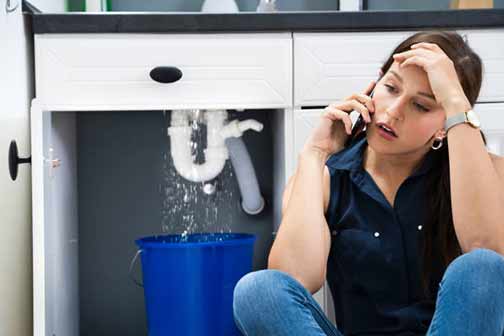
When faced with a burst pipe, immediate action is crucial. First, turn off the main water supply to prevent further flooding. Next, try to contain the water by using buckets or towels to minimize damage. Contact a professional plumber as soon as possible to assess and repair the damage. While waiting for professional help, move furniture and valuables to a safe area to prevent further damage. Document the damage for insurance purposes, and be prepared to discuss the situation with your insurance provider.

The Role of Professional Plumbers in Burst Pipe Repairs: Expertise and Efficiency

Professional plumbers play a critical role in addressing burst pipe issues. They have the expertise and tools necessary to quickly diagnose the problem and implement effective solutions. From replacing damaged sections of pipe to providing advice on preventing future incidents, their services are invaluable in mitigating damage and restoring normalcy. Choosing a reputable plumber with experience in emergency repairs can make a significant difference in the outcome of a burst pipe situation.

Preventive Measures to Avoid Burst Pipes: Proactive Protection

Prevention is always better than cure, and there are several measures homeowners and businesses can take to reduce the risk of burst pipes. Insulating pipes, especially those in unheated areas, can help prevent freezing. Regular maintenance and inspections can identify potential issues before they become serious problems. Installing pressure regulators and ensuring that pipes are properly secured can also help. Educating oneself about the signs of potential pipe issues, such as unusual noises or changes in water pressure, can lead to quicker responses and prevent major damage.

The Importance of Timely Communication: Coordinating Efforts

In the event of a burst pipe, timely communication is essential. Informing all occupants of the property about the situation can help in coordinating efforts to minimize damage. Communicating with a plumber and insurance provider as soon as possible ensures that repairs can begin promptly and that any claims can be processed efficiently. Keeping lines of communication open throughout the repair process can help in addressing any additional issues that may arise.

Conclusion: Acting Swiftly Saves Time and Money

In conclusion, the importance of addressing burst pipes promptly cannot be overstated. The potential damage to property, health risks, and financial implications make it crucial to act quickly. By understanding the causes and consequences of burst pipes, taking preventive measures, and ensuring timely communication and professional intervention, homeowners and businesses can protect their properties and avoid unnecessary expenses. Time is truly of the essence when it comes to burst pipe repairs, and swift action is the best course of action to minimize damage and restore peace of mind.

Don’t Let These Plumbing Mistakes Flood Your Home

Don't Let These Plumbing Mistakes Flood Your Home

Understanding the Critical Importance of Proper Plumbing Maintenance

In the vast and often complex realm of homeownership, plumbing frequently takes a backseat until a problem arises. However, understanding the critical importance of proper plumbing maintenance is crucial to avoid costly repairs and potential flooding disasters. Regular maintenance ensures that your plumbing system operates efficiently, preventing water wastage and reducing the risk of unexpected plumbing failures.

By prioritizing plumbing upkeep, homeowners can safeguard their homes from water damage and maintain a healthy living environment. This proactive approach not only protects the structural integrity of your home but also contributes to the overall comfort and safety of your living space.

Identifying Common Plumbing Mistakes That Lead to Flooding

Plumbing mistakes, whether due to negligence or lack of knowledge, can lead to severe consequences, including basement flooding emergencies. One common mistake is ignoring small leaks. A dripping faucet or a minor leak in a pipe might seem insignificant, but over time, these can escalate into major issues, causing water damage and increased utility bills. Additionally, these leaks can lead to mold growth, which poses health risks to the occupants of the home.

Another frequent error is improper installation of plumbing fixtures. Whether it’s a DIY project gone wrong or hiring an unqualified plumber, incorrect installation can result in leaks, blockages, and eventually, flooding. Furthermore, neglecting to insulate pipes during colder months can lead to frozen pipes, which may burst and flood your home, causing extensive damage. Understanding these common mistakes and taking steps to avoid them is essential for maintaining a reliable plumbing system.

The Hidden Dangers of DIY Plumbing Projects

While DIY projects can be rewarding and cost-effective, plumbing is one area where professional expertise is often necessary. Attempting to fix plumbing issues without the proper knowledge and tools can exacerbate the problem. For instance, using the wrong type of sealant or pipe can lead to leaks and water damage.

Moreover, failing to adhere to local plumbing codes can result in fines and further complications. It’s essential to recognize when a plumbing issue is beyond your skill level and to seek professional assistance to prevent costly mistakes. The hidden dangers of DIY plumbing projects can be significant, and understanding when to call in the experts can save you time, money, and stress in the long run.

Professional Tips for Proactively Preventing Plumbing Disasters

Preventing plumbing disasters requires a proactive approach and adherence to professional advice. Regular inspections by a licensed plumber can identify potential issues before they escalate. It’s advisable to schedule annual plumbing check-ups to ensure everything is in working order. These inspections can reveal hidden problems such as corrosion, leaks, or blockages that might not be immediately apparent.

Additionally, be mindful of what goes down your drains. Avoid disposing of grease, coffee grounds, and other non-biodegradable materials in sinks, as these can cause blockages. Installing drain screens can help catch debris and prevent clogs. Furthermore, familiarize yourself with the location of your home’s main water shut-off valve. In the event of a plumbing emergency, shutting off the water supply promptly can minimize damage and prevent flooding.

Recognizing the Early Signs of Potential Plumbing Issues

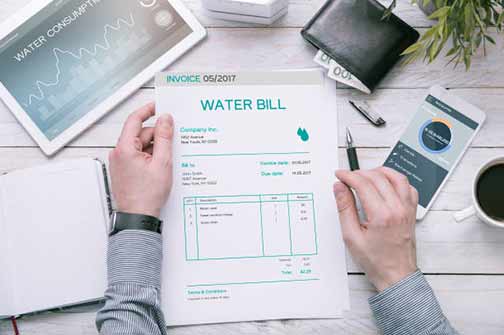
Early detection of plumbing issues can prevent them from turning into disasters. Be vigilant for signs such as slow drainage, unusual noises in pipes, or a sudden increase in water bills. These could indicate hidden leaks or blockages. Additionally, check for water stains on walls and ceilings, as these may signal a leak within your plumbing system.

Addressing these signs promptly with professional help can save you from extensive repairs and water damage. Recognizing these early signs allows homeowners to take timely action, preventing minor issues from escalating into major problems.

a man reading his high water bill

Be vigilant for signs such as slow drainage, unusual noises in pipes, or a sudden increase in water bills. These could indicate hidden leaks or blockages.

The Role of Modern Technology in Enhancing Plumbing Maintenance

Modern technology has revolutionized plumbing maintenance, making it easier for homeowners to prevent flooding and other issues. Smart plumbing devices, such as leak detectors and water monitoring systems, can alert you to potential problems before they become severe. These devices can be integrated into your home automation system, providing real-time updates on your plumbing status and allowing you to take immediate action if necessary.

Additionally, advances in plumbing materials and techniques, such as trenchless pipe repair and PEX piping, offer more durable and efficient solutions, reducing the likelihood of leaks and other plumbing failures. Embracing these technological advancements can significantly enhance the reliability and efficiency of your plumbing system.

Assessing the Financial Impact of Plumbing Mistakes

Plumbing mistakes can have significant financial implications. A minor leak may seem inconsequential, but over time, it can lead to increased water bills and costly repairs. In severe cases, flooding can damage flooring, walls, and personal belongings, resulting in thousands of dollars in restoration costs.

Moreover, unresolved plumbing issues can decrease your home’s value, making it less attractive to potential buyers. By investing in professional leak detection services and addressing plumbing issues promptly, homeowners can avoid these financial burdens and protect their investment. Understanding the financial impact of plumbing mistakes underscores the importance of maintaining a well-functioning plumbing system.

Ensuring Long-Term Plumbing Efficiency Through Proactive Strategies

To ensure long-term plumbing efficiency, it’s essential to adopt a proactive maintenance strategy. Regularly inspect and clean your plumbing fixtures, including faucets, showerheads, and drains, to prevent buildup and blockages. Consider upgrading outdated plumbing systems with modern, water-efficient fixtures that can reduce water usage and utility costs.

Additionally, educate yourself on the basics of plumbing maintenance, such as how to unclog a drain or fix a leaking faucet. This knowledge can empower you to handle minor issues independently and prevent them from escalating into major problems. Ensuring long-term plumbing efficiency involves a commitment to ongoing maintenance and education.

The Critical Importance of Hiring Qualified Plumbing Professionals

When it comes to plumbing, hiring qualified professionals is paramount. A licensed plumber has the expertise and tools necessary to diagnose and fix plumbing issues effectively. They can also provide valuable advice on maintaining your plumbing system and preventing future problems. While it may be tempting to cut costs by hiring an unlicensed plumber or attempting DIY repairs, the potential risks and expenses far outweigh the initial savings.

By investing in professional plumbing services, homeowners can ensure their plumbing system remains in optimal condition, minimizing the risk of flooding and other disasters. The critical importance of hiring qualified plumbing professionals cannot be overstated, as their expertise is essential for maintaining a reliable and efficient plumbing system.

Conclusion: Safeguarding Your Home from Plumbing Disasters

Plumbing maintenance is an essential aspect of homeownership that should not be overlooked. By understanding common plumbing mistakes and implementing professional tips, homeowners can prevent flooding and protect their homes from water damage. Regular inspections, mindful maintenance practices, and the use of modern technology can ensure your plumbing system operates efficiently and remains free from issues.

Ultimately, investing in proper plumbing care is a small price to pay for the peace of mind and financial security it provides. Safeguarding your home from plumbing disasters requires a comprehensive approach that combines knowledge, proactive maintenance, and professional expertise.

Is High Water Pressure a Concern for New Homeowners?

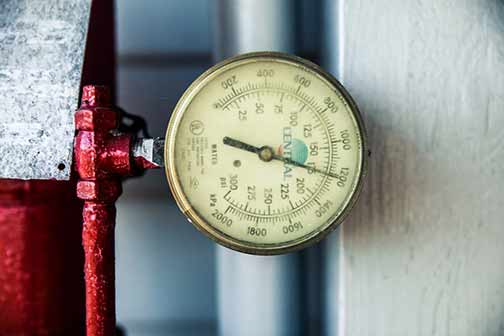
A close-up of a water gauge

There is no shortage of things to do when moving into a new home. Among these, plumbing often takes a back seat. For new homeowners, one commonly overlooked issue is high water pressure, which might not seem like an immediate concern but can lead to serious and costly problems if ignored. Understanding the implications of this underestimated problem, recognizing its signs, and knowing how to manage it are essential steps in maintaining a safe and functional home.

What Is Water Pressure?

Water pressure is the force that drives water through the pipes in your home. This force is measured in pounds per square inch (psi) and determines how quickly water flows from your faucets and fixtures. For most residential properties, an ideal water pressure level is between 40 and 60 psi. Anything exceeding 80 psi is considered excessive and can strain your plumbing system, appliances, and fixtures.

High-velocity water might sound like a good thing at first. After all, who doesn’t want a powerful shower? However, the long-term effects can be damaging. It’s a common misconception that strong water flow equates to better plumbing services. In reality, consistently high pressure can lead to leaks, pipe bursts, and increased water waste, among other issues.

The Importance of Professional Inspections

A plumbing inspection should be a key part of the home-buying process. Unfortunately, many new homeowners skip this step, only to discover problems like high water pressure after moving in. A professional plumber can measure your water pressure, identify potential issues, and recommend necessary solutions. However, plumbing inspections are best performed during the most inconvenient times.

Coordinating repairs or upgrades can be more challenging in situations like home renovation projects or relocations. Keeping multiple pitfalls in mind can prove challenging for everyday people just trying to get through a long and complicated moving process. Therefore, the support of Best US Moving can be invaluable when it comes to sharing the responsibilities of relocation. Professionals who can safely relocate your belongings while you focus on resolving plumbing or other maintenance issues could prove invaluable in many ways. Not the least of which is being able to avoid plumbing emergencies further down the line.

Learn to Recognize the Warning Signs Yourself

High water pressure often goes unnoticed until it causes visible problems. However, there are several indicators new homeowners can look out for.

  • Noisy or banging pipes, a condition known as a water hammer, is a clear sign that water is moving too forcefully through your plumbing.

  • Dripping faucets that won’t stop, even after being tightly closed, can also indicate excessive pressure.

  • Appliances such as dishwashers, washing machines, and refrigerators with water lines may wear out or break down prematurely under the strain of high water pressure.

  • Another clue is an unusually high water bill. If your water usage seems consistent but your bill keeps climbing, excessive pressure may be causing water to flow unnecessarily through your pipes.

Catching these warning signs early can save you from dealing with more significant and expensive problems down the line.

Plumber repairing power source

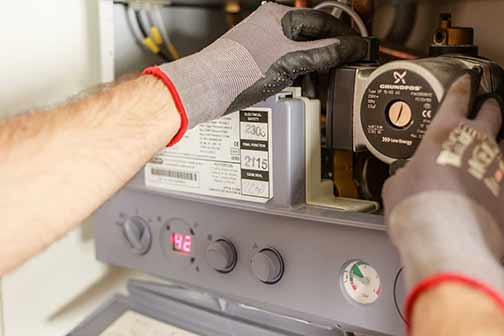
Professional inspection is always a smart choice for new homeowners.

How to Address the Issue Properly

If you suspect your home has high water pressure, the first step is to test it. You can purchase an inexpensive pressure gauge at a hardware store and attach it to an outdoor faucet. If the reading exceeds 80 psi, it’s time to take action.

Installing a pressure regulator is the most effective solution. However, in some cases, additional steps may be necessary, such as replacing damaged pipes or upgrading to water-efficient fixtures. Working with a licensed plumber ensures that the problem is resolved correctly and that your home’s plumbing system remains in good shape.

Know The Risks of High-velocity Water

The risks associated with high water pressure are not limited to plumbing repairs. Over time, the constant force of water moving through your pipes can lead to leaks, which can damage walls, floors, and ceilings. Even small leaks can encourage mold and mildew growth, creating health risks for your household.

Appliances connected to your plumbing system are also at risk. Water heaters, washing machines, and dishwashers are designed to handle a certain level of water pressure. To make the process easier, ask local movers for assistance with identifying the potential risks. Excessive force can reduce their lifespan, leading to frequent repairs or costly replacements. Moreover, fixtures such as faucets and showerheads may develop cracks or lose functionality when subjected to constant strain. 

High Water Pressure and Water Conservation

Pressurized water leads to waste, apart from putting your plumbing system at risk. When water flows too quickly, more is used than necessary. This will increase your monthly water bill and strain local resources. The issue is particularly significant in areas prone to drought or water shortages.

By addressing high water pressure, you’re not just protecting your home; you’re also contributing to environmental conservation. Installing water-saving fixtures and keeping your pressure within the recommended range are small steps that can make a big difference in your water consumption.

Pressure Regulators: Your Home’s First Line of Defense

One of the most effective ways to protect your home from high water pressure is by installing a pressure regulator. This device, also known as a pressure-reducing valve (PRV), is typically installed near your home’s main water shut-off valve. It works by reducing the pressure of water entering your home to a safe and consistent level.

If your new home already has a pressure regulator, it’s still a good idea to have it inspected to ensure it’s functioning properly. These devices can wear out over time, especially in older homes. If you don’t have one, installing a pressure regulator is a relatively simple process that can save you significant money and stress in the long run.

A female wearing an orange safety vest while holding a wrench

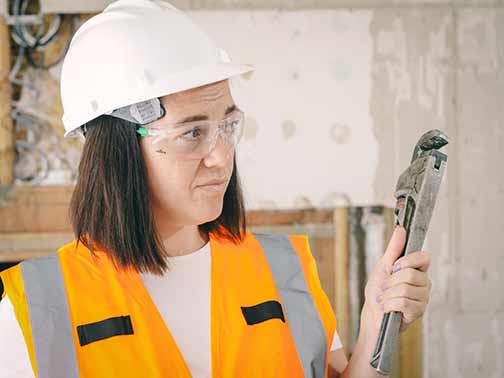
If you suspect your home has high water pressure, the first step is to test it.

Schedule Regular Plumbing Inspections

For many new homeowners, the process of moving is already overwhelming. Adding plumbing inspections or repairs to the list of tasks can feel daunting. However, planning your move carefully can make a big difference. Your first plumbing inspection should reveal any pressing issues and you can focus on fixing them.

However, it’s also important to keep in mind that even if your plumbing doesn’t show any warning signs, you should still pay attention to any alarming changes. Get in touch with professional plumbers as soon notice them. Additionally, it would be smart to schedule regular inspections in your home, just in case.

Routine Maintenance to Prevent Future Issues

Once you’ve addressed high water pressure, ongoing maintenance is crucial. Periodically check your pressure regulator and have your plumbing system inspected by a professional. Keep an eye out for signs of wear and tear, such as leaks or noisy pipes, and address them promptly.

Investing in regular maintenance extends the lifespan of your plumbing system and reduces the risks of significant water waste. When your home’s water pressure is under control, you can enjoy your new space without worrying about unexpected plumbing emergencies.

Conclusion: The Importance of Plumbing for New Homeowners

High water pressure may not be the first thing on the minds of new homeowners. However, from damaging pipes and appliances to wasting water and driving up utility bills, the risks of ignoring this issue are significant. By taking proactive steps, you can protect your home and ensure it remains a safe and comfortable place to live. Whether you’re just settling in or still preparing for your move, prioritizing plumbing maintenance will save you time, money, and stress in the long run.