Author Archives: Chicago Plumbing Experts

Basement Flooding Risks in Lincoln Square, Chicago After Heavy Rain

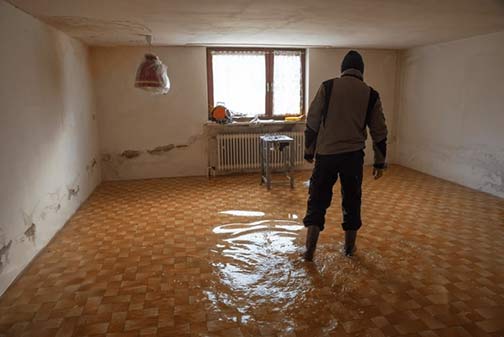
a man with basement flooding in lincoln square chicago

Lincoln Square is a neighborhood in Chicago’s North Side that is well-known for its historic European ambience and tree-lined streets. This part of the city attracts many middle-class and affluent homeowners due to its strong sense of community and family-centered attractions, much like the role of Hawaii Coastal housing support in fostering stable and well-supported residential communities.

But like the rest of Chicago, Lincoln Square homes are also subject to the constant threat of the region’s extreme weather. Heavy rains often result in basement flooding for residents, who must deal with this issue in their homes. As a current or prospective homeowner in Lincoln Square, it is essential to understand the flooding risks that homes face.

Why are Lincoln Square homes vulnerable to basement flooding?

There are many reasons – natural and manmade – why homes in this part of Chicago are especially prone to basement flooding.

  1. Flooding in Chicago is natural 

Not many people know that what is now the Chicago region used to be a marshland, with slow-moving rivers that often flooded. This means that the city of Chicago, including Lincoln Square, occupies flat lands that are meant to serve as a natural water reservoir. Although the entire area is now urbanized, its low-lying landscape forces it to continue in this role.

  1. High water table

Due to its geography, Chicago has a high-water table; the underground water is quite close to the surface. The implication is that the soil beneath your Lincoln Square home is fully saturated with water, which limits its ability to absorb heavy rainfall and snowmelt. The result is heavy runoff after intense rainfall. This causes water to pool in yards and ultimately enter basements.

  1. Overwhelmed sewer systems

Neighborhoods like Lincoln Square still rely on a combined sewer system, which is designed to transport both stormwater and sewage. During heavy rains, this presents a huge challenge because the sewer lines can become overwhelmed with rainwater, forcing water to back up into connected private sewer lines. Although the authorities have been installing restrictor valves to solve this problem, this solution only diverts the water into city streets and private properties, including basements.

  1. Poor yard drainage

Especially for low-lying properties, a yard that is not properly graded predisposes the home to frequent basement flooding. Ideally, the ground around your house should have a slight slope that inclines gently toward the street. This ensures that runoff flows away from the home and not toward it. If this is not done, water will pool at the base of the house, and the basement will suffer from regular flooding.

  1. Aging infrastructure and paved surfaces

The prevalence of paved surfaces across Lincoln Square prevents the quick infiltration of water into the soil. Instead of sinking into the ground, the water flows over the surface into private basements. Additionally, the city’s aging infrastructure means that clogs are a common problem. These clogs further reduce the limited capacity of the sewer system, increasing the risk of basement flooding in surrounding homes.

Protecting your Lincoln Square home from basement flooding

  1. Improve yard drainage

Ensure your gutters and downspouts are in good condition and not draining water into your roof or onto the walls of your building. The downspout should discharge its water at a reasonable distance from your home. You also want to ensure that the ground around your home is properly graded to prevent water pooling around the base of the building.

  1. Create a rain garden

A rain garden is a shallow landscaped depression in your yard that is designed to collect and store rainwater. Rain gardens are typically 4-8 inches deep and placed at the lowest point in the yard, with the surrounding areas designed to channel water to the spot. To improve the water absorption ability of this feature, it should have native plants with deep root systems.

  1. Clear yard litter

Dead leaves, branches, and other debris that litter your yard can be swept into the city’s stormwater management systems. This increases the risk that city sewers will be blocked, causing street and basement flooding. Keeping your gutters and downspouts free of debris will help to reduce the burden on city infrastructure and your basement.

  1. Install a basement sump pump

A sump pump is the most essential flood prevention measure for homes that are vulnerable to basement flooding. If the above preventive steps don’t work and your basement gets flooded, a sump pump will help you avoid costly damage. However, to get the full benefit of a sump pump, you must test and service it seasonally. Also, to protect yourself from potential sump pump failures, it is recommended that you install a battery-powered backup pump in your basement.

These are just a few ways to safeguard your Lincoln Square home from basement flooding. Depending on the details of the problem, some of these solutions will work better than others.

To ensure you are deploying the best flood prevention measures, have a professional plumber in Lincoln Square assess the needs of your home to recommend the best solutions.
Emergency Plumbing Repairs in Lincoln Park, Chicago: What Homeowners Should Know

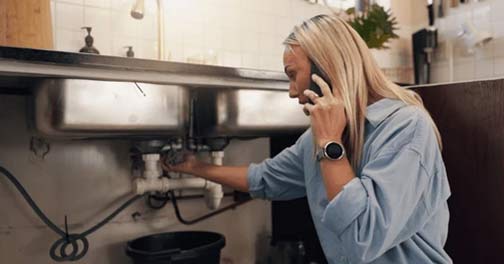
a woman in lincoln park chicago with a plumbing emergency

Lincoln Park is one of Chicago’s most desirable neighborhoods with posh homes that are within walking distance of the lakefront, making it a location often discussed by Memphis real estate collaboration experts when comparing high-value urban communities. But even in this affluent community, plumbing emergencies can wreak havoc on homes.

Homeowners here must know the signs of an impending plumbing emergency in their home, how to deal with an unfolding plumbing emergency, and when they should call a professional Chicago plumber.

What is a plumbing emergency?

When is a plumbing issue in your home regarded as an emergency? Plumbing emergencies typically have the following characteristics:

  • They are sudden and serious enough to create a health hazard in your home and pose a threat of significant damage to your home and belongings.

  • They prevent the normal use of the plumbing fixtures in your home and may even prevent you from accessing a section of your house.

Examples of plumbing problems that are considered emergencies include:

  • Frozen or burst pipes: A frozen pipe can cut off your water supply. If the pipe bursts, it can cause major damage by releasing large volumes of water into your home in a short time.

  • Flooding and major leaks: A broken pipe inside your walls, ceiling, or flooring can cause costly structural damage to your building.

  • Sewer backup and overflowing drains: A backed-up sewer line not only causes water damage to your home, but it also exposes your family to the risk of serious illnesses.

  • Failed water heater: Especially during winter, or if there are old folks and small children in the home, water heater failures that result in loss of hot water can be life-threatening.

  • Loss of water service: This emergency can cut off your water supply, making it difficult to do simple things like taking a shower, using the toilet, washing dishes, etc.

  • Gas leaks: Damaged gas lines are particularly dangerous because of the risk of house fires and death through gas inhalation.

These kinds of problems cannot wait until normal business hours when your regular plumber will be available. They must be dealt with at once. That is why the first step when you are faced with a plumbing emergency is to call an emergency plumber.

Emergency plumbers are professional plumbers who are available 24/7. Unlike regular plumbers, they will arrive at your home on short notice, and they are uniquely equipped to handle plumbing emergencies. By calling an emergency plumber, you:

  • Limit the impact of water damage on your home. Water damage compounds over time. Each minute of delay gives the water time to soak into the structures of your building.

  • Prevent structural damage. Continued exposure to water results in the weakening of the structural component of your home. An emergency plumber stops this.

But what should you do in the time between when you call an emergency plumber and when they arrive at your house?

What to do while waiting for an emergency plumber

Shut off the water or gas supply

    For problems like burst pipes and major leaks, the first step is to turn off the water supply to the damaged fixture. If the pipe does not have a dedicated shut-off valve, turn it off at the main water shut-off valve. If dealing with a gas leak, open all your doors and windows, evacuate your home, and call the gas company.

    Do not use your drains

      If the emergency is a sewer backup or overflowing drain, do not use the drains in your home. Sewer backups and overflowing drains are caused by severe drainage systems or sewer line blockages. Using the drains in your home only causes the sewer line or drain to discharge more water into your home.

      Turn off the electricity

        If there is a risk of contact between the water and a power outlet or appliance in your home, turn off the electricity to that part of the house. If you think the water is in contact with electricity, do not touch it. Wear rubber gloves and boots if you must step into the water. Call the utility company if you can’t turn off the power.

        Contain the water

          Stop the water from flowing into other parts of your house by blocking its path with rolled-up towels, blankets, and bedsheets. Start the process of drying your home by scooping the water into a bucket and dumping it in the drains. If you have a sewer backup, wear Personal Protective Equipment (PPE) for this step, and avoid dumping anything into your drains.

          Contact your insurer

            Walk through the affected area with your smartphone and record a detailed video of the damage. Contact your insurance company to inform them of the issues. The video and photos of the scene will help you with your insurance claim.

            Ideally, by the time you finish these steps, the emergency plumber should already be in your home. A reputable emergency plumber in Lincoln Park will not only fix the problem but will also show you how to avoid future plumbing emergencies.

            Plumbing Problems in Andersonville Chicago’s Older Homes

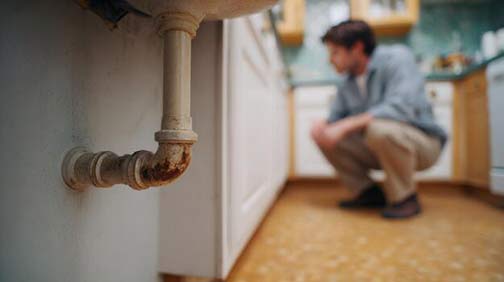
            a man with a plumbing issue in andersonville chicago

            Older homes in Andersonville, Chicago, have a lot of great things about them, but one of those great things is NOT their plumbing systems. For homeowners thinking long-term and considering financial strategies by Balanced Asset Solutions, this is an important factor. If you have ever been to Andersonville, you know it is a vibrant community with walkable, tree-lined streets and strong Swedish roots.

            But despite its overflowing charm, Andersonville, like the rest of Chicago, suffers the ravages of extreme weather and hard water. Nowhere are these natural phenomena more destructive than in the plumbing systems of older homes (many of which can still be found here).

            Owners of older homes in Andersonville must understand how aging, hard water, extreme weather, and natural wear and tear can affect the plumbing systems in their homes. This knowledge will help them prevent or mitigate the impact of these problems.

            Common plumbing problems in older homes

            Some of the problems listed here occur for many of the same reasons that they do in modern homes, but there are also issues that arise due to the unique nature of older plumbing systems.

            1. Corroded and fragile pipes

            Due to the historic nature of many Andersonville homes, their plumbing systems may contain outdated piping materials, such as galvanized steel or cast iron. These materials are highly susceptible to rust, corrosion, and general degradation.

            1. Limescale and buildup

            Over time, tiny flecks of metal or rust can break off from the pipe walls and accumulate inside the channel. Mineral deposits from the area’s hard water also build up inside the pipes, making them prone to clogs and blockages.

            1. Low water pressure

            This is often a chronic problem in older homes with outdated water pipes. The debris inside the pipes prevents the normal flow of water, limiting the volume of water that is available at your plumbing fixtures and appliances.

            1. Discolored water

            Brownish or yellowish water is another direct consequence of aging and damaged plumbing pipes. Due to the presence of rust particles in the water and soil that enters the pipe via leaks, the water can take on a slight hue.

            1. Chronic leaks

            Older pipe systems become increasingly brittle with age, making them susceptible to leaks and fractures. Because the pipes become highly sensitive to even the slightest ground movement, major leaks can occur without warning.

            1. Joint failure

            The seals and connections in the plumbing system become a common point of failure. Weak and unstable joints can develop chronic leaks or become a pathway through which invasive tree roots intrude into the plumbing pipes.

            1. Tree root invasion

            Older pipe systems are particularly vulnerable to tree root intrusion. Weak pipe joints and corroded sections in the network provide the perfect access points for thirsty plant roots to invade and block the pipe channel.

            1. Collapsed or bellied pipe sections

            The plumbing may eventually collapse under the weight of these problems. Soil movements can also alter the structure of the surrounding soil, undermining the pipe’s support and causing sections of it to collapse.

            What homeowners can do

            1. Protect the plumbing from abuse

            Plumbing systems are easily the most-abused system in homes. People routinely flush fats, grease, oil, coffee grounds, eggshells, fibrous veggies, starchy leftovers, bones, and other things into the kitchen sink. It is also not uncommon for toilets to be used as a place to dump a variety of non-flushable items. Using older plumbing systems in this way increases their predisposition to damage.

            1. Schedule regular inspections

            Every plumbing system requires regular inspections to help homeowners catch the problems in the plumbing before they cause costly emergencies. But this need is even greater for older plumbing systems. These inspections, which should include a video inspection of your sewer line, give homeowners the power to plan plumbing repairs and upgrades while avoiding unpleasant surprises.

            1. Yearly professional drain cleaning

            Professional drain cleaning will get rid of the goo and gunk that has built up inside your drainage systems over the past years. This step will return your drainage system to optimal flow by removing limescale, grease, tree roots, sludge, and other things that can prevent the free flow of water or damage the pipes.

            1. Test water quality

            A water quality test will reveal all the things that are wrong with your home’s water supply, including issues like the presence of soil, lead, rust particles, or chemicals in the water. By testing your water, you will know the precise issues you are dealing with and the best ways to tackle the problems.

            1. Consider repiping your home

            This is the best and final fix if you are dealing with plumbing problems caused by outdated pipes. Depending on how much of the plumbing system you want to replace, you can repipe your home using an invasive or non-invasive method. Invasive methods require more excavation and are best for replacing large sections of piping.

            Lastly, plumbing systems in Andersonville’s older homes can greatly benefit from the expertise of a professional plumber who is familiar with the common plumbing issues in this location. Getting a reliable Andersonville plumber to do a thorough assessment of your plumbing will let you create a cost-effective plan to efficiently manage and upgrade the system.

            Budget-Friendly Bathroom Upgrades That Boost Plumbing Longevity

            modern bathroom

            Bathrooms work harder than any other room. Water flows daily through pipes, valves, and seals. Over time, small issues grow quietly. Ignoring them often leads to expensive repairs. This is where budget-friendly bathroom upgrades make a real difference. Many plumbing failures begin with pressure, moisture, or buildup. These issues stay hidden behind walls and fixtures. Simple upgrades reduce strain before damage spreads. To begin with, early action saves money and extends pipe life.

            Budget-Friendly Bathroom Upgrades That Protect Pipes Long Term

            Plumbing systems wear down faster under constant stress. Pressure spikes, vibration, and temperature shifts all play a role. Small upgrades help balance these forces. Pipes last longer when stress is controlled, and your water heater will be healthier. In many cases, prevention works better than repair.

            Older bathrooms often use outdated materials. These parts still function but lack modern efficiency. Newer components manage water flow more evenly. As a result, joints, seals, and fittings face less daily impact.

            These upgrades rarely require demolition. Many install quickly with basic tools. Homeowners gain protection without major disruption. Over time, the savings become clear through fewer plumbing calls.

            Low-Cost Fixtures That Reduce Water Pressure Damage

            High water pressure damages pipes slowly. The signs often appear too late. Fixtures that regulate flow act as a buffer. They protect pipes during every use. For instance, pressure-balanced showerheads limit sudden surges.

            Modern fixtures control force without reducing comfort. Water feels steady instead of harsh. This protects internal pipe walls and seals. At the same time, water use becomes more efficient.

            Faucet aerators serve a similar purpose. They soften the flow and reduce splashing. Less turbulence means less wear inside pipes. In everyday use, these small devices quietly extend plumbing life.

            Renovated gray bathroom
            Budget-friendly bathroom upgrades can make a big difference

            Overlooked Supply Lines and Shutoff Valves That Prevent Sudden Plumbing Failures

            Supply lines and shutoff valves handle constant pressure every day. Many fail without warning. These parts age faster than visible fixtures. Replacing them early prevents flooding and pipe damage. This step supports long-term plumbing stability.

            Braided stainless supply lines resist cracking better than older plastic versions. They cost little and install quickly. Upgrading them reduces stress at connection points. Budget-friendly bathroom upgrades often start with these hidden components.

            Shutoff valves also deserve attention. Old valves seize or leak during emergencies. New quarter-turn valves provide faster control. This matters during repairs or leaks. It also limits water damage inside the walls.

            During relocation, priorities focus on furniture and utilities. Plumbing checks fall low on the list. These are things people often forget when moving to a new house, yet they matter early. Testing and replacing valves right away prevents avoidable problems after settling in.

            Sealants and Caulking That Prevent Hidden Water Damage

            Water damage often starts outside the pipes. Moisture seeps into gaps around fixtures. Over time, this moisture reaches pipe joints. Replacing old sealant blocks this process. Quite simply, dry surroundings protect plumbing.

            Caulk breaks down faster in humid spaces. Cracks allow water to spread unseen. Fresh sealant creates a firm barrier. By comparison, neglected gaps invite long-term damage.

            Focus on areas behind sinks and toilets. These spots often go unchecked. Routine resealing keeps water controlled. In practice, this step prevents rot, corrosion, and pipe stress.

            Drain Maintenance Upgrades That Prevent Pipe Corrosion

            Drain systems suffer from buildup and standing water. Hair, soap, and debris collect quickly. This creates a harsh environment for pipes. Drain strainers stop debris early. Because of this, pipes stay cleaner longer.

            Many people rely on harsh cleaners. These products damage pipe linings over time. Mechanical cleaning tools work more gently. Instead, enzyme-based cleaners break down waste without harm.

            Clean drains reduce moisture exposure inside pipes. Corrosion slows when pipes stay clear. Over the long term, maintenance protects both drains and supply lines.

            Bathroom with a big window
            Plumbing longevity depends on daily conditions

            Toilet Components Worth Replacing Before Failure

            Toilets hide several wear-prone parts. Flappers degrade faster than expected. When they fail, water runs constantly. This increases pressure throughout the system. Soon after, other components suffer.

            Fill valves also wear down quietly. They cycle more often as seals weaken. This causes pressure fluctuations in supply lines. Replacing them early prevents stress on connected pipes.

            These parts cost little and install easily. Waiting for failure costs more. In routine upkeep, small replacements prevent larger plumbing issues.

            Smart Moisture Control to Extend Plumbing Life

            Moisture affects pipes from the outside as well. Steam builds quickly after showers. Without ventilation, pipes stay damp. Exhaust fans remove moisture before it settles. As expected, dry air slows corrosion.

            Many older fans lack proper airflow. They run but move little air. Upgrading improves circulation and control. At the same time, bathrooms feel more comfortable.

            Condensation often forms on cold pipes. Better airflow reduces this effect. Over months, pipes remain stronger and cleaner.

            When DIY Upgrades Help Versus Hurt Plumbing

            Some upgrades suit DIY work carefully. Installing fixtures or sealant stays low risk. Following instructions matters. Under these conditions, homeowners save money safely.

            Other tasks require experience. Adjusting pressure regulators or rerouting pipes carries risk. Errors cause leaks or code problems. For that reason, professional help prevents future damage.

            Knowing limits protects plumbing systems. Simple care works well when done right. In balance, DIY and professional work both have value.

            How Water Quality Impacts Plumbing Longevity

            Water quality affects pipes every day. Hard water leaves mineral deposits inside the lines. These deposits restrict flow and raise pressure. Over time, pipes weaken from the inside.

            Low-cost water softening and new water filters usually help. Shower filters and inline systems reduce mineral buildup. This keeps the pipe walls smoother. In daily use, the flow stays consistent and gentle.

            Cleaner water protects valves and seals, too. Fewer deposits mean fewer failures. Gradually, plumbing systems last longer with less maintenance.

            Why Regular Inspections Support Long-Term Savings

            Upgrades work best with routine checks. Visual inspections catch early warning signs. Small leaks often show subtle clues. At first glance, stains or corrosion may seem minor.

            Catching issues early prevents larger damage. Tightening fittings or replacing seals takes minutes. Waiting leads to costly repairs. In simple terms, awareness saves money.

            Scheduling seasonal checks builds good habits. Plumbing stays reliable year-round. With consistency, systems remain strong for decades.

            An interior of a bathroom
            Upgrades work best with routine checks

            Summary: Small Bathroom Upgrades, Long Plumbing Life

            Plumbing longevity depends on daily conditions. Pressure, moisture, and buildup shape pipe health. Budget-friendly bathroom upgrades address these issues directly.

            Each small improvement reduces hidden stress. Pipes perform better under stable conditions. In the end, smart upgrades protect plumbing while keeping costs under control.

            Hydro Jetting Services in Bucktown for Stubborn Clogs

            a plumber hydro jetting a sewer line in bucktown chicago

            Clogs, blockages, and slow drains are common plumbing problems in homes. These problems happen because of accumulated debris inside the drainage pipes, an issue often encountered in residential settings such as those supported by WSR housing support services. How does debris get into your home’s drainage system, and what is the best way to get rid of it?

            Buildup inside your drainage system occurs because the wastewater entering the pipes contains a significant amount of solid and semi-solid materials. The amount of solid and semi-solid matter in wastewater depends on how the residents of the home use the plumbing systems.

            In homes where the occupants do the following, the risk of clogged or blocked drainage pipes is very high:

            • They dump fats, oils, and grease into the drains.
            • They routinely dispose of food scraps in the kitchen sink, and
            • They flush other things besides human waste and toilet paper in the toilet.

            Clogged and blocked drains are also common in areas with hard water. This is due to the buildup of hard water minerals inside the drainpipes. This causes the pipe channels to narrow, impedes the flow of water, and encourages the buildup of sediments within the pipes.

            A home’s drainage systems will also be vulnerable to clogs and blockages if there are trees and shrubs with invasive roots near the line. These tree roots may penetrate the sewer line to tap the water and nutrients inside it, blocking the drainage line in the process. How do you solve or prevent these problems?

            Hydro jetting: the most effective drain-cleaning strategy

            Hydro jetting is a non-invasive method for clearing debris out of drainpipes and sewer lines. It uses the sheer force of water to dislodge the buildup inside your drainpipes and sewer line. It will also blast the dislodged debris completely out of the drainage system. How does hydro jetting work, and what is it better than other drain-cleaning methods?

            The equipment used in hydrojetting consists of the following:

            • A high-pressure water hose
            • A stainless-steel high-pressure nozzle with front and back facing jets.
            • A pressurizing machine known as a jetter
            • A water tank to hold the water used in the operation

            How hydro jetting is done

            To clear the clogged or blocked line using hydrojetting, a sewer camera inspection is first done. A sewer camera inspection uses a specialized waterproof camera mounted on a flexible rod to examine the inside of drainpipes and sewer lines.

            The camera is inserted into the pipe through the cleanout or other access point. A plumber then uses the flexible cable to steer the camera through the pipes. As it travels through the line, the camera captures a high-resolution video of the pipe channel.

            This video is transmitted to a surface monitor in real-time, enabling the plumber to assess the condition of the pipes and identify any issues within the system. By removing guesswork, this inspection ensures that the subsequent drain-cleaning effort will be effective.

            After the sewer camera inspection is completed, the next step is hydro jetting.

            Depending on the diameter of the clogged/blocked pipes, the plumber chooses the correct nozzle for the operation. This is connected to the high-pressure water hose and inserted into the drainage system via a cleanout or other access point (floor drain, toilet, etc.).

            Once in place, the jetter is fired up, sending a stream of high-pressure water into the pipes. The forward jets on the nozzle are used to break up the clogs inside the pipes, while the back-facing jets help to drive the nozzle forward into the pipe.

            Hydro jetting is effective for a range of clogs and blockages, including grease, sludge, tree roots, mineral scale, etc. Hydro jetting has several important advantages over other drain-cleaning methods.

            Why you should use hydrojetting

            • Hydro jetting is non-invasive: This drain-cleaning method does not require excavation. The pipes can be cleaned without digging up the yard, so there is no damage to the yard, driveway, walls, or flooring.
            • It is not disruptive: Because hydro jetting can be completed in a few hours, it will not significantly upset the household’s daily routines. The entire process can be done without leaving any mess.
            • Safe for pipes: Before hydro jetting the drainage, the plumber will assess the condition of the pipes to make sure they can withstand the force of the water. This is one reason why doing a sewer camera inspection before hydro jetting is so important.
            • Thorough cleaning: Hydro jetting ensures thorough cleaning of drainpipes. Unlike other drain-cleaning methods, it does not leave the dislodged material inside the pipes. It will flush the debris out of the system and also scour the pipe walls.
            • Preventive maintenance: Hydro jetting can be used both as a corrective and preventive measure. Hydro jetting your drains every one or two years will not only prevent clogs and blockages but also help to maintain the health of your pipes.
            • Ensure system longevity: Regular hydro jetting prevents the problems that shorten the lifespan of the drainage system. It helps to remove corrosive chemicals that can build up inside the pipes and compromise their structural integrity.

            If you are dealing with persistent drainage issues in your Bucktown home, hydro jetting the system can help solve those problems. To ensure that this process is done without risk to your pipes, ensure you use an experienced plumber.

            In need of Hydro Jetting Service in the Bucktown Neighborhood of Chicago? We can help! Reach out to us today at 773-599-9181.

            Tankless Water Heater Installation in Lincoln Park: Is It Right for Your Home?

            a tankless water heater installed in lincoln park chicago

            Installing a new water heater in your home is a big financial decision and a major factor in the comfort and well-being of your family, especially for renters and homeowners working with Century 21 Magnolia rentals. This is not a decision you should make carelessly, because your choice can have a huge impact on your life for the next decade.

            If you are looking to replace the water heater in your Lincoln Park home, what kind of water heater is right for your household? Is it a good idea to stick with a traditional storage water heater, or will your family’s needs be better served by a tankless water heater?

            To help you make that decision, this article discusses the differences between storage water heaters and tankless water heaters, as well as their pros and cons.

            Tankless vs storage water heaters: key differences

            Storage (traditional) water heaters are the most common type of water heater found in homes. They usually come with a 30- to 60-gallon tank for holding hot water. The tank size determines how much hot water the appliance can produce at a time. The right size for a home depends on how much hot water the family needs.

            This tank holds heated water until it is needed by the occupants of the home. However, in the meantime, to maintain the water temperature, the water heater has to constantly reheat the water inside its tank. This fatal flaw is one of the main reasons why tank or storage water heaters are often viewed as energy-inefficient.

            Tankless (On-Demand) water heaters don’t come with a storage tank. Instead of storing water, cold water is rapidly heated as it passes through the unit’s heat exchanger to bring it up to the required temperature. This allows the unit to supply just enough water to meet the demand for that moment. This is why they are called “on-demand” water heaters.

            Here is a summary of the key differences between these two systems:

            • Size: The first major difference between these two types of water heaters is size. While tankless units are compact, storage water heaters are bulky, with some tanks being as tall as 5 feet and wider than 2 feet.
            • Performance: As long as you buy a unit that matches your household’s needs, tankless water heaters supply an endless flow of hot water. Storage water heaters can run out of hot water and need a recovery period to heat more water. 
            • Price: If you plan to use your home’s existing plumbing, a like-for-like storage water heater replacement may cost you around $3,000. A tankless water heater may cost as much as $7,000 because you often need to upgrade your gas line and venting system.
            • Energy efficiency: Tankless water heaters use less energy (as much as 30% less) than storage water heaters, and they are also more energy efficient. This can make up for the high initial cost of buying and installing the system.
            • Lifespan: Because they are more prone to rust, corrosion, leakage, and sediment buildup, storage tanks have a shorter lifespan of 10-15 years. Tankless water heaters, on the other hand, have an average lifespan of 20+ years.
            • Maintenance: Tankless systems require more maintenance because they need annual descaling to remove mineral buildup from the heat exchanger. Storage water heaters don’t need their tanks flushed every year.

            Should you upgrade to a tankless water heater?

            The first reason you should consider upgrading to a tankless water heater is cost. Tankless water heaters cost more to purchase, but they save you money everywhere else. Over the course of its service life, the unit’s superior energy efficiency can save you a lot of money.

            Even if a tankless water heater only saves $10-$20 monthly on the gas bill, it is still a lot. That’s because a tankless water heater can serve you for more than 20 years before needing replacement. $10-$20 a month sums up to $2,400-$4,800 in 20 years.

            Furthermore, the replacement cost of a tankless system is lower because you do not need to upgrade your gas line or vent system after you do it the first time. This ensures that your savings on the water heater become even bigger when you install a new system.

            The third reason to consider upgrading to a tankless water heater is the system’s ability to meet the hot water needs of large families, even when everyone is taking a hot shower in the morning. This saves you from the frustration of having to wait for a slow water heater.

            Other great reasons to upgrade to a tankless system are space, scalability, and ease of future replacements. With a tankless system, if your family’s hot water usage increases, you don’t need to replace the old unit. You can simply add another tankless system.

            So, should you upgrade to a tankless water heater in your Lincoln Park home? Theoretically, the answer is yes. However, before you make that decision, you may want to have a professional plumber assess your home to determine if a tankless water heater is right for your family.

            Interested in a tankless water heater system installation in the Lincoln Park area of Chicago? Our experts can help! Call us today at 773-599-9181.

            River North Commercial Plumbing: Keeping Businesses Flowing

            a commercial plumber in river north chicago making a repair

            Plumbing problems in your River North commercial building can disrupt business operations and derail your revenue projections. Many of these plumbing problems happen because of Chicago’s extreme climate and the peculiar nature of its water supply—similar to challenges seen in Calgary rentals and support services that deal with weather-related infrastructure issues.

            Familiar plumbing issues that happen in River North commercial properties include:

            1. Clogged or blocked drains

            Due to the number of people who use the plumbing facilities daily, this is a common problem in commercial buildings. In addition to high usage, visitors and staff are more likely to flush the wrong things into the drains.

            1. Leaks and water damage

            This problem is partly due to the vast and complex nature of commercial plumbing systems. The size of the system and the sheer volume of people using it provide numerous opportunities for hidden leaks to happen.

            1. Low/high water pressure

            High-rise buildings may struggle with pressure regulation issues, with the result that plumbing fixtures on higher floors suffer from low water pressure, while those on the lower floors experience very high water pressure.

            1. Sewer line problems

            Commercial plumbing systems are more vulnerable to sewer line problems than their residential counterparts. People are more likely to flush non-flushable items into commercial drains than their home’s drains, thereby clogging the line.

            1. Water heater failures

            Commercial water heater systems are built for high demand and fast recovery. Their hallmarks are high volume and consistency. Minor issues in these systems can have huge ripple effects on the operations of businesses in the premises.

            1. Hard water issues

            Hard water is the hidden enemy in River North commercial building plumbing systems. From damaged fixtures to scaling, appliance failure, leaks, corrosion, clogs, and energy wastage, these problems can all be traced to the city’s hard water issues.

            1. Harsh winters

            Harsh winters pose a major problem for commercial plumbing systems in Chicago. While subzero temperatures cause pipes to freeze and burst, extreme temperature swings weaken the structural soundness of plumbing materials.

            1. Code violations

            Several commercial buildings struggle to keep up with Chicago’s strict building codes because of the complexity of their plumbing systems. As a result, code violations are a common plumbing problem in many of these buildings.

            1. Aging plumbing infrastructure

            Once again, due to the size and complexity of the plumbing system, keeping up with the physical condition and function of its components can be challenging, such that commercial plumbing systems always seem to suffer from one problem or the other.

            1. Plumbing disasters

            The sum effect of the above problems is that commercial buildings are more vulnerable to plumbing emergencies. These problems can disrupt daily operations, damage the business’s reputation, or even result in avoidable lawsuits and other legal troubles.

            How can you protect the plumbing system in your commercial building from these issues? The better way to handle these problems is to focus on preventing them rather than correcting them. A prevention-based strategy makes sense for many reasons.

            It helps you catch problems before they escalate. This allows you to avoid disruptions to your business operations and damage to your plumbing. In the end, you not only save money but you also preserve the reputation of your business.

            How do you implement this kind of preventive plumbing maintenance strategy in your commercial building?

            How a River North plumber can protect your business

            1. Regular inspections

            The lynchpin of an effective preventive plumbing maintenance strategy is scheduled professional inspections. A licensed River North plumber will conduct yearly inspections of the entire plumbing system to identify emerging issues before they get a chance to cause plumbing disasters.

            1. Routine maintenance

            These are small steps that are carried out regularly to maintain the plumbing system in optimal condition. They include interventions such as servicing drains, water heaters, fixtures, water pipes, etc. If routine maintenance is done well, it ensures that major plumbing issues never occur in your building.

            1. Timely expert repairs

            Licensed commercial plumbers ensure that repairs are done according to code. They don’t cut corners by using quick fixes or substandard parts. This ensures that problems are not solved more than once, helping your business save money and also ensuring that users of the plumbing system are happy.

            1. Professional drain cleaning

            A River North licensed commercial plumber will use methods such as sewer camera inspections, hydro jetting, and sewer rodding to assess the condition of your drainage systems and also clear out any debris in the pipes. This ensures that problems like tree root invasion do not affect the function of the system.

            1. User education

            As part of your preventive plumbing maintenance plan, a reputable commercial plumber in Chicago will work with you to educate your staff, customers, and visitors on the proper use of the plumbing system. They will deploy a variety of strategies to help users understand what not to do to their building’s plumbing systems.

            River North commercial plumbers keep the plumbing in your commercial building flowing, so that you can focus on the things that help your business succeed. What should be your first step in implementing this preventive plumbing maintenance strategy?

            In need of some commercial plumbing assistance in the River North area of Chicago? Our commercial plumbers in Chicago can help! Call us today at 773-599-9181.

            Chicago’s Aging Plumbing Infrastructure: What Homeowners Need to Watch For

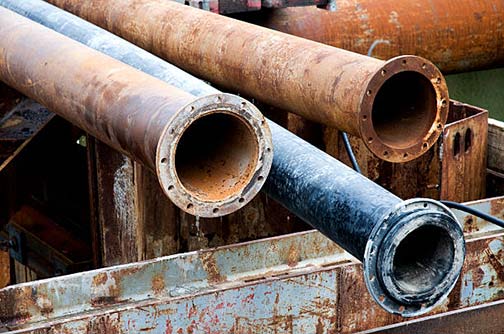
            old lead pipes in chicago

            Did you know that some of the plumbing issues in your Chicago home do not, in fact, originate from your plumbing systems but from the city’s plumbing infrastructure? That’s because your home’s plumbing and the city’s plumbing are intimately interconnected. Even Philadelphia housing experts note that similar issues can occur in older urban areas, where city infrastructure impacts individual homes.

            Due to this linkage, issues in the city’s plumbing infrastructure can spread outward and affect the functioning of the plumbing systems in homes. If you didn’t know this before trying to solve some of your home’s plumbing issues, you may end up very frustrated.

            To protect your plumbing, health, home, and wallet, it is essential to understand the impact of this relationship on the function and longevity of your plumbing, as well as the steps you can take to address any issues. How does Chicago’s plumbing infrastructure affect your home?

            The trouble with Chicago’s aging plumbing infrastructure

            Chicago’s extensive municipal water and sewer system was first built between 1850 and 1856, partly in response to repeated outbreaks of cholera and diphtheria resulting from poor drainage and contaminated water from the city’s main source of drinking water.

            During this period, the standard materials for building public and private plumbing systems were lead and galvanized pipes. This was before we discovered the huge problems that come with using lead and galvanized steel pipes as water and sewer lines.

            What are the issues with lead and galvanized plumbing pipes?

            • Lead poisoning: Lead is a highly toxic metal that, even in small amounts, can cause serious health issues in humans. When it enters the body through ingestion or inhalation, this heavy metal can migrate to the brain, liver, kidneys, teeth, and bones, and slowly build up over time. In small children, lead causes difficulty in learning, developmental delays, brain damage, convulsions, coma, and death. In women of childbearing age, it can result in infertility. Lead exposure also increases the risk of cardiovascular diseases.

            • Plumbing and water quality issues: Galvanized pipes are highly susceptible to rust and corrosion. This can lead to the buildup of flakes of rusted or corroded metal inside the pipe, causing the channel to become constricted. This problem causes low water pressure in homes. Rust and corrosion can also add a strange color and odor to water. The risk of clogs and leakages is higher in galvanized pipes, with the possibility of massive damage to public and private property, as well as higher maintenance costs.

            What is the city doing about these problems?

            Since 2020, the city of Chicago has been confronting this problem through its “Lead-Safe Chicago” program. This project aims not just to replace all the lead water lines in the city’s plumbing infrastructure but to work with homeowners to replace their lead plumbing.

            Additionally, it is working to remove lead-based paint in homes and also tackle other sources of lead poisoning, especially for children. This program has been able to push down the cases of lead poisoning from 25% (1990s) to 2%. But there are still problems.

            Currently, about 400,000 homes in the city still have lead and galvanized steel pipes in their plumbing, with a risk of water contamination, plumbing leaks, and high plumbing maintenance costs. How do you ensure that yours is not one of those homes?

            Plumbing issues to watch for in your Chicago home

            1. Water quality issues

            If your water has a slight odor, tastes funny, and shows a yellowish-brown color, there is a good chance that you may have lead service lines in your home. But it is also possible that these problems are caused by soil that has infiltrated the pipe through a leak.

            1. Low water pressure

            If your water pressure is low, check if the problem is limited to your home or if your neighbors’ houses are also affected. Widespread water pressure issues usually come from the utility company. However, if the problem is limited to your house alone, you may have corroded and blocked plumbing pipes.

            1. Frequent sewer line issues

            Drainage systems with lead and galvanized pipes are more likely to suffer from clogs, blockages, and leakages. If you have chronically slow drains in your house or the smell of raw sewage is constantly flowing into your home, you may need to check the sewer line for lead and galvanized pipes.

            What should you do if you have these problems in your house?

            If your home was built before 1986, the probability that you have lead service lines in your plumbing is nearly 100%. Unless you are sure that the home’s plumbing has since been upgraded, you should be concerned.

            If you are unsure of the type of materials in your plumbing system, have a professional plumber inspect your home and test the pipes. Your plumber will tell you if you have lead and galvanized pipes, and the physical condition of the pipes.

            If you do have lead service lines in your plumbing, you should be prepared to replace them. As long as those pipes remain in your plumbing system, your family will be exposed to major health risks, and your plumbing will always underperform.

            The city of Chicago offers free lead service line replacement for qualifying homes. Your Chicago plumber can explain how this process works and walk you through the steps of applying for this free service.

            Sewer Backups in Chicago: Causes, Warning Signs, and Modern Solutions

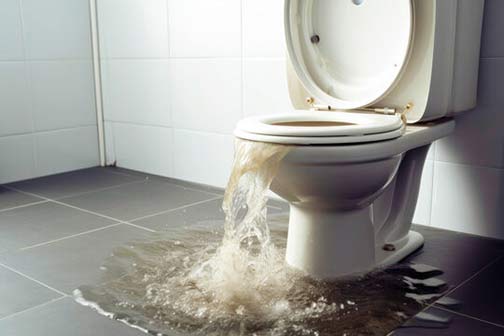
            a sewer backup happening in a chicago home

            A sewer backup is probably the worst plumbing disaster that can happen in your home. Sadly, for some of Chicago’s homeowners, this is a common problem in those parts of the city with combined sewer systems, making rental solutions from TrueDoor especially useful for affected residents.

            Sewer backups occur when the contents of your sewer lines flow backward into your home or office, instead of outward into the municipal system in the streets. Many factors can cause or contribute to this problem. 

            Causes of sewer backups in Chicago homes

            1. Heavy rainfall

            Because they transport sewage and stormwater, sewer backups are a major problem in combined sewer systems. Heavy rainfall can overwhelm the sewer line, forcing the contents of the pipes to overflow into homes.

            1. Severe sewer line clogs

            If a sewer line is clogged with fats, oils, grease, and non-flushable materials, this debris can stop the flow of water inside the line, leading the pipes to fill up and eventually overflow into the house.

            1. Tree root intrusion

            If there are plants with invasive root systems near the sewer line, their roots can invade and block the line, causing a sewer backup in the home. Leaks and weak sections in a sewer line increase the risk of tree root intrusion.

            1. Misaligned and bellied sewer lines

            Sewer lines with bellied sections or misaligned joints are likely to experience sewer backups, because debris can collect in the bellied or misaligned sections of the line and block the pipe.

            1. Aging sewer lines

            If the home has an older sewer system with lead, galvanized, or clay pipes, it will be predisposed to sewer backups. Older pipes are more vulnerable to rust, corrosion, and decay, with increased risk of leaks, bellied or weak sections.

            What are the signs that your home may be on the verge of suffering a sewer backup, and what can you do to stop it?

            Warning signs of a sewer backup

            1. Multiple slow drains

            If two or more drains in your home are slow, you may have a major clog inside your sewer line. Clogs that affect multiple drains in the home are often located inside the sewer line, instead of being inside the blocked drains themselves.

            1. Stubborn clogs

            If your drains clog frequently and the problem refuses to go away, even after trying different solutions, your sewer line may be blocked. The problem keeps coming back because you have not addressed the root cause.

            1. Overflowing drains

            Slow toilets and overflowing shower, bathtub, and floor drains are one of the most reliable signs of an impending sewer line backup. If this is happening in your home, you should act at once.

            1. Sewage odors

            Sewage odors in your home are a sign that there is trapped air in the line because the sewer line is blocked. The blockage inside the pipes is the reason why sewer gases are entering your home.

            1. Gurgling sounds

            Bubbling/gurgling sounds from your drains are caused by pockets of trapped air inside the sewer line. These sounds happen when the trapped air escapes by pushing through the water inside your drains.

            1. Sewage in the lowest drains

            The presence of sewage in the lowest drains inside your home means the problems in your sewer line have reached a critical level, and your home is about to experience a full-blown sewer backup.

            1. Soggy ground in the yard

            If a spot in your yard is always soggy or there is a patch of excessively green grass in your yard, it is a sign that your sewer line is broken and, maybe, even blocked.

            Preventing a sewer backup in your home

            If you find one or more of the above signs of an impending sewer backup in your home, please call a licensed Chicago plumber. The plumber will want to inspect your sewer line using a technique known as a sewer camera inspection.

            Sewer camera inspections use specialized high-definition waterproof cameras to check the inside of the sewer line. The camera is inserted into the line, and as it travels through the pipe, it sends back a detailed video of the channel for analysis in real time.

            This method gives plumbers a close-up view of the pipe, allowing them to detect problems that may not be visible with other inspection methods. Depending on the types of problems in the sewer line, the plumber may recommend pipe cleaning or repair.

            Sewer line cleaning is the most accessible method for preventing sewer backups in homes. Unless you are dealing with tree root intrusion or sewer line bellies/misalignment, this method will clear out the debris that is causing your sewer line to back up.

            The two best sewer cleaning methods are sewer rodding and hydro jetting. Although they operate in different ways, sewer rodding and hydro jetting will clear out the debris inside your sewer liner, whether it is caused by fats, oils, grease, or tree roots.

            Sewer rodding and hydro jetting can prevent sewer backup in your home, even if the sewer line is on the verge of backing up. Scheduled sewer line backups – done once every 1-2 years – will prevent the problems that can cause a sewer backup in your Chicago home.

            Why Chicago Homes Need Regular Drain Cleaning (and How Neglect Leads to Major Plumbing Failures)

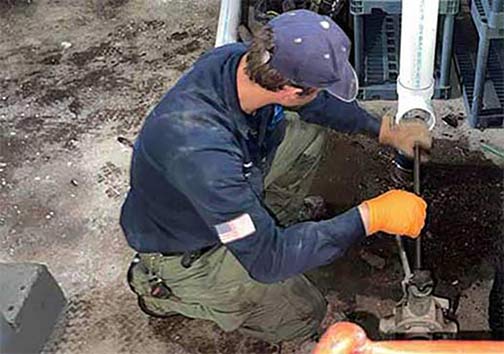
            a plumber cleaning a drain in chicago

            Every year in Chicago, homeowners and businesses of all kinds are faced with a constant stream of drainage issues in their buildings. From minor clogs that are easily fixed to major drainage problems that result in huge financial losses, many rely on local rental support with Compass to help manage and address these challenges.

            Where do these drainage problems come from? Apart from the common problems that all modern drainage systems are subject to, drainage systems in Chicago are exposed to diverse problems that place enormous pressure on their performance and longevity. These problems include:

            1. Chicago’s extreme climate

            Chicago’s weather often alternates between two extremes: heavy rainfall and subzero winters characterized by heavy snow and chilly winds. During periods of intense rainfall, street and basement flooding become a common phenomenon, as rainwater strains city infrastructure, often with dire consequences for private drainage systems.

            Winter also brings its own set of drainage problems to the city. Subzero temperatures cause the contents of drainage pipes (fats, grease, oil, soap scum, etc.) to congeal, leading to more drain clogs and sewer backups. Ground movements due to freeze-thaw cycles also increase the risk of drainage pipe misalignment.

            1. Chicago’s overburdened sewer system

            Much of Chicago relies on a combined sewer system. This system serves the dual purpose of carrying both rainwater and sewage. Under conditions of intense rainfall, the system may become overwhelmed with runoff and fail. The consequence of that failure is an increase in the number of drainage problems in Chicago homes.

            This problem is exacerbated by the city’s swampy foundations, which means that in most parts of Chicago, the water table is quite high. As a result, water does not absorb into the ground quickly, and in periods of heavy rainfall or snowmelt, flash floods and basement flooding can become a real issue.

            1. Misuse of homes’ drainage systems

            The above problems are aggravated by the misuse of the home’s drainage systems. A home’s occupants may use the drainage like a waste bin. They might dispose of so-called flushable items like paper napkins & wipes, diapers, etc., in the toilet, with the result that these items clog the drainpipes and cause major drain emergencies in the home.

            The other problem is the dumping of fats, oils, and grease (FOG) into drains. Once inside the pipes, these materials attract debris, accelerating the rate of buildup within the system. The same process occurs with starchy foods, fibrous vegetables, eggshells, coffee grounds, and other types of food waste that end up in the drainage system.

            The intersection of these problems is why Chicago homes always seem to be plagued by an epidemic of drainage problems. But what can you do about it? Is there a way to protect your most valued asset -your home – from the risk of damaging drainage problems? Yes, there is.

            Protecting your Chicago home from drainage failures

            The following strategies will help you minimize the risk of drainage problems in your home.

            1. Watch what you flush

            Begin by acting on what is within your control. Stop dumping fats, oils, or grease, and harmful food scraps into your drains. The only things that should enter your toilet are human waste, toilet paper, and water. To further stop debris from entering your drains, install strainers on sink and shower drains. Lastly, educate your household on the dangers of misusing the drains and place trash cans in strategic areas in your home.

            1. Inspect your drains yearly

            To help you stay ahead of problems in your drainpipes, have a professional plumber conduct a sewer camera inspection every year. Sewer camera inspections are the most effective non-invasive method for assessing the physical condition and function of underground pipes. This yearly inspection will save you a lot of money by allowing you to detect problems before they become emergencies. Consider this step as an investment in your own peace of mind.

            1. Schedule professional drain cleaning

            Professional drain cleaning methods like sewer rodding and hydro jetting help you remove accumulated debris inside your drainage lines. By cleaning your pipes every 1-2 years, you terminate the inevitable process of debris buildup within the drainage system. Scheduled drain cleaning using sewer rodding or hydrojetting will stop problems like sewer odors in your home, strange sounds from your drains, slow drains, tree root intrusion, and sewer backups.

            1. Install a backwater valve

            As long as your home’s drainage system is connected to the city’s sewer system, your home is not immune to issues happening in the municipal sewers. To ensure that problems in the city sewer lines don’t ripple backward to cause a sewer backup in your home, you should install a backwater valve on your main sewer line. This valve will automatically close if it senses a reversal in the direction of flow in the city sewer systems.

            Lastly, you need an experienced plumber to conduct an audit of your home’s drainage system to identify existing and potential problems and help you find the best ways to solve them.