Author Archives: Chicago Plumbing Experts

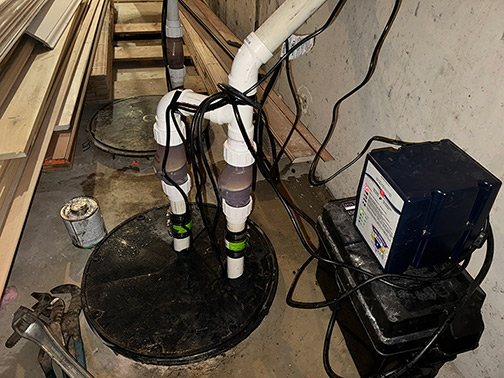
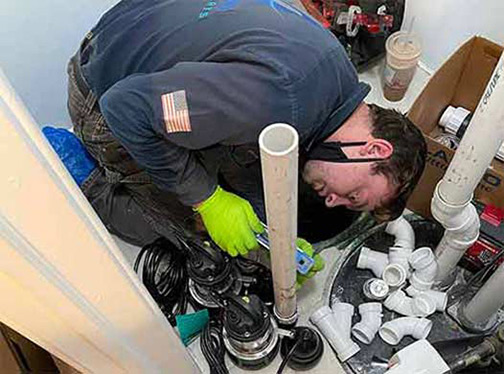
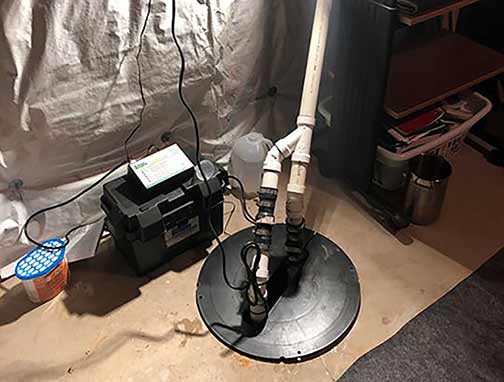
Professional Sump Pump Replacement: Safeguarding Chicago Homes from Floods

professional sump pump replacement in chicago

Understanding the Importance of Sump Pumps in Chicago Homes

Chicago is a city known for its vibrant culture, iconic architecture, and unfortunately, its susceptibility to flooding. The city’s geographical layout and weather patterns make it prone to heavy rains and subsequent flooding. In such an environment, sump pumps play a crucial role in protecting homes from water damage. These devices are designed to remove accumulated water from basements or crawl spaces, effectively preventing flooding and the associated damages.

A sump pump is essentially a small pump installed in the lowest part of a basement or crawlspace. Its primary function is to keep the area under the building dry and prevent it from flooding. When water begins to fill the sump basin, the pump activates and redirects the water away from the home, typically to a municipal storm drain or a dry well. This mechanism is vital in a city like Chicago, where heavy rainfalls are common, and basements are a standard feature in homes.

The significance of sump pumps extends beyond mere water removal. They are a homeowner’s first line of defense against the costly damages that floods can cause. Water damage can lead to structural issues, mold growth, and the ruin of personal belongings. In a city like Chicago, where basements are often used as living spaces or storage areas, the importance of keeping these areas dry cannot be overstated. A well-maintained sump pump system ensures that homes remain safe and habitable, even during the most torrential downpours.

Signs That Your Sump Pump Needs Replacement

Regular maintenance and timely replacement of sump pumps are essential to ensure their effectiveness. Homeowners should be aware of the signs indicating that their sump pump may need replacement. One of the most obvious signs is frequent cycling on and off, which could indicate a failing switch or an electrical problem. Additionally, if the pump vibrates excessively when running, it could mean that the impeller is damaged or jammed.

Another sign to watch out for is strange noises coming from the pump. Rattling, grinding, or thumping sounds could indicate worn-out or damaged parts. If the pump runs continuously, it might be due to a stuck switch or an overwhelmed system that cannot handle the water load. Lastly, if you notice rust or visible damage on the pump, it might be time for a replacement. Rust can cause blockages and reduce the efficiency of the pump, leading to potential failures during critical times.

Beyond these mechanical signs, homeowners should also consider the age of their sump pump. Typically, a sump pump’s lifespan ranges from 7 to 10 years. Even if a pump appears to be functioning correctly, aging components can lead to unexpected failures, especially during severe weather conditions. Proactively replacing an aging sump pump can save homeowners from the inconvenience and potential disaster of a pump failure during a storm.

Choosing the Right Professional Sump Pump Replacement Service

When it comes to sump pump replacement, selecting the right professional service is crucial. A reputable Chicago plumber will offer a thorough inspection of your current system and provide expert recommendations tailored to your home’s specific needs. In Chicago, where the risk of flooding is significant, it is essential to choose a company with a proven track record in sump pump installations and replacements.

Look for a plumber in Chicago that offers a comprehensive warranty on their products and services. This not only ensures the quality of the pump but also provides peace of mind knowing that any issues will be addressed promptly. Additionally, consider a company that provides emergency services, as sump pump failures can occur at any time, often during severe weather conditions. A reliable plumbing company will have certified technicians who are knowledgeable about the latest sump pump technologies and installation techniques.

Moreover, a good plumber will offer a range of sump pump options to suit different needs and budgets. From basic models to high-tech systems with backup features, the right company will guide homeowners in selecting the most appropriate pump for their specific situation. Customer reviews and testimonials can also provide valuable insights into a company’s reliability and quality of service.
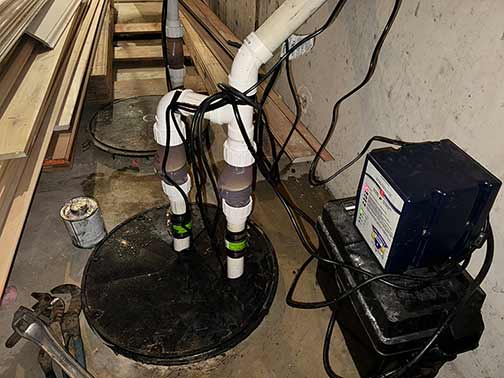
a sump pump battery backup installation in chicago
In the event of a power outage or pump failure, a backup system can provide an additional layer of protection.

Expert Recommendations for Effective Flood Prevention

Flood prevention goes beyond simply installing a sump pump. Experts recommend a multi-faceted approach to protect homes from flooding. One key recommendation is to ensure proper grading around the home. The ground should slope away from the foundation to prevent water from pooling near the house. Additionally, maintaining clean and functional gutters and downspouts is crucial to direct rainwater away from the home effectively.

Another expert tip is to install a backup sump pump system. In the event of a power outage or pump failure, a backup system can provide an additional layer of protection. Battery-powered backup systems are a popular choice, as they can operate independently of the main power supply. Regular maintenance and testing of the sump pump system are also essential to ensure its reliability. Scheduling annual inspections with a professional service can help identify potential issues before they become major problems.

Landscaping can also play a significant role in flood prevention. Planting water-absorbent plants and having a French drainage system installed can help manage excess water. Rain gardens are designed to collect and absorb runoff from roofs, driveways, and other impervious surfaces, reducing the risk of flooding. Additionally, installing permeable paving in driveways and walkways can allow water to seep into the ground rather than run off into storm drains.

The Role of Technology in Modern Sump Pump Systems

Advancements in technology have significantly improved the functionality and reliability of modern sump pump systems. Today, homeowners can choose from a variety of high-tech options that offer enhanced performance and convenience. Smart sump pumps, for example, can be connected to a home’s Wi-Fi network, allowing homeowners to monitor the system remotely via a smartphone app. These systems can send alerts if the pump fails or if water levels rise unexpectedly, providing an added layer of security.

Some modern sump pumps also feature sensors that monitor the humidity and temperature in the basement, providing valuable data that can help prevent mold growth and other moisture-related issues. Additionally, variable speed pumps adjust their speed based on the water level, optimizing energy usage and extending the life of the pump. Investing in a technologically advanced sump pump system can provide homeowners with peace of mind and ensure their home is well-protected against flooding.

Furthermore, integration with home automation systems allows sump pumps to become part of a comprehensive smart home solution. This integration can enable automated actions, such as activating dehumidifiers or adjusting HVAC settings based on the sump pump’s data. As technology continues to evolve, the future of sump pump systems promises even greater innovations that will enhance their effectiveness and ease of use.

Conclusion: Protecting Your Home from Flooding

In conclusion, professional sump pump replacement is a critical aspect of safeguarding Chicago homes from floods. By understanding the importance of sump pumps, recognizing the signs of a failing system, and choosing the right professional service, homeowners can ensure their homes are protected. Implementing expert recommendations for flood prevention and embracing modern technology can further enhance the effectiveness of sump pump systems.

As climate patterns continue to change and the risk of flooding increases, investing in a reliable sump pump system is more important than ever. By taking proactive measures and staying informed about the latest advancements in sump pump technology, homeowners can protect their properties and enjoy peace of mind, knowing they are prepared for whatever weather challenges may come their way.

Ultimately, the key to effective flood prevention lies in a combination of reliable equipment, professional expertise, and ongoing maintenance. Homeowners should view their sump pump system as a vital component of their home’s infrastructure, deserving of the same attention and care as any other critical system. By doing so, they can ensure their homes remain safe, dry, and comfortable, regardless of the weather outside.

Are you in need of a sump pump replacement in the Chicago, IL area? We can help! Contact us today at 708-775-2566.

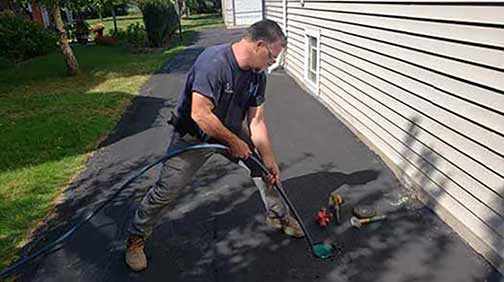
Unseen Expenses: The Price of Ignoring Sewer Line Cleaning

the price of ignoring sewer line cleaning

In the realm of home maintenance, sewer line cleaning often takes a back seat to more visible tasks like painting or landscaping. However, the consequences of neglecting this crucial aspect of home care can lead to significant financial burdens. Understanding the unseen expenses associated with ignoring sewer line maintenance is essential for every homeowner aiming to protect their investment and avoid unexpected costs. The financial implications of neglect can be profound, affecting not only immediate repair costs but also long-term property value and health expenses.

Ignoring sewer line cleaning is akin to ignoring the heartbeat of your home’s plumbing system. While the pipes and drains may be out of sight, they should never be out of mind. The hidden nature of these systems often leads homeowners to underestimate their importance, resulting in a lack of proactive care. This oversight can lead to a cascade of issues, each more costly than the last. From emergency repairs to structural damages, the financial toll can be overwhelming. The true cost of neglect is not just in the dollars spent, but in the peace of mind lost.

Understanding the Importance of Sewer Line Maintenance

Sewer lines are the unsung heroes of modern plumbing systems, responsible for transporting waste and water away from your home efficiently. Regular maintenance ensures that these systems function smoothly, preventing blockages and potential damage. When left unchecked, minor issues can escalate into major problems, leading to costly repairs and replacements. The importance of sewer line maintenance cannot be overstated, as it plays a pivotal role in the overall health of your home’s infrastructure.

Regular sewer line maintenance is akin to a health check-up for your home. Just as you wouldn’t ignore a persistent cough, you shouldn’t ignore the signs of a struggling sewer system. Routine inspections and cleanings can catch small issues before they become significant problems. By investing in regular maintenance, you are investing in the longevity and efficiency of your home’s plumbing system. This proactive approach not only saves money but also ensures that your home remains a safe and healthy environment for you and your family.

The Cost of Emergency Repairs

One of the most immediate financial burdens of neglecting sewer line cleaning is the cost of emergency repairs. When a sewer line becomes clogged or damaged, it can lead to sewage backups, unpleasant odors, and even property damage. Emergency services to address these issues are often expensive, with costs skyrocketing during off-hours or holidays. By investing in regular maintenance, homeowners can avoid these unexpected expenses and ensure their plumbing systems operate efficiently.

Emergency repairs are not only financially draining but also incredibly stressful. The urgency of the situation often leaves homeowners with little choice but to pay whatever it takes to resolve the issue quickly. This can lead to inflated costs, especially if the problem occurs during a holiday or in the middle of the night. Moreover, the damage caused by sewer line failures can extend beyond the immediate repair, affecting other areas of the home and leading to additional expenses. By prioritizing regular maintenance, homeowners can significantly reduce the likelihood of facing such costly emergencies.

Property Damage and Devaluation

Ignoring sewer line maintenance can result in significant property damage, affecting the structural integrity of your home. Sewage backups can lead to water damage, mold growth, and compromised foundations, all of which are costly to repair. Furthermore, a home with a history of plumbing issues can suffer from decreased property value, making it harder to sell and reducing the potential return on investment. The financial impact of property damage extends beyond immediate repair costs, affecting long-term property value and marketability.

The devaluation of a property due to neglected sewer lines is a hidden cost that many homeowners fail to consider. Potential buyers are often wary of homes with a history of plumbing issues, leading to lower offers and longer time on the market. Even if a sale is successful, the final price may be significantly less than the homeowner anticipated. This devaluation can be avoided with regular maintenance, ensuring that your home retains its value and remains an attractive option for potential buyers. By investing in sewer line care, you are safeguarding your home’s equity and future marketability.

professional sewer line cleaning
Preventative care reduces the likelihood of emergency repairs, property damage, and health hazards, ultimately saving homeowners significant amounts of money.

Health Hazards and Associated Costs

Beyond financial implications, neglected sewer lines pose serious health risks. Sewage backups can contaminate your living environment with harmful bacteria and pathogens, leading to health issues for you and your family. The costs associated with medical treatment, temporary relocation, and professional cleaning services can quickly add up, further emphasizing the importance of proactive sewer line maintenance. Health hazards from neglected sewer lines can have long-lasting effects, impacting both physical health and financial stability.

The health risks associated with sewer line neglect are not to be taken lightly. Exposure to contaminated water can lead to a host of medical issues, from minor skin irritations to severe gastrointestinal illnesses. The financial burden of medical treatment is compounded by the need for professional cleaning services to restore your home to a safe condition. In severe cases, temporary relocation may be necessary, adding to the overall cost. By maintaining your sewer lines, you are not only protecting your financial investment but also ensuring the health and safety of your family.

The Benefits of Proactive Sewer Line Cleaning

Investing in regular sewer line cleaning offers numerous benefits that extend beyond financial savings. Routine maintenance helps identify potential issues before they escalate, allowing for timely interventions that prevent costly repairs. Additionally, well-maintained sewer lines contribute to a healthier living environment, enhancing your quality of life and peace of mind. The benefits of proactive sewer line cleaning are multifaceted, impacting both financial stability and overall well-being.

Proactive sewer line cleaning is an investment in the future of your home. By addressing potential issues before they become significant problems, you are saving money and avoiding the stress of emergency repairs. This preventative approach also ensures that your home remains a safe and healthy environment, free from the risks associated with sewer line failures. The peace of mind that comes from knowing your plumbing system is in good condition is invaluable, allowing you to focus on other aspects of homeownership without worry.

Long-Term Savings and Peace of Mind

While the upfront cost of regular sewer line maintenance might seem like an additional expense, it is a worthwhile investment in the long run. Preventative care reduces the likelihood of emergency repairs, property damage, and health hazards, ultimately saving homeowners significant amounts of money. Moreover, knowing that your plumbing system is in good condition provides peace of mind, allowing you to focus on other aspects of homeownership. The long-term savings from proactive sewer line maintenance far outweigh the initial investment, providing financial stability and peace of mind.

The peace of mind that comes from regular sewer line maintenance cannot be overstated. Knowing that your home is protected from the risks associated with neglected sewer lines allows you to focus on other aspects of life without worry. This confidence extends beyond financial stability, impacting your overall quality of life. By investing in regular maintenance, you are ensuring that your home remains a safe and comfortable environment for you and your family. The long-term savings and peace of mind provided by proactive sewer line care make it a wise investment for any homeowner.

Choosing the Right Professional Services

When it comes to sewer line maintenance, selecting the right professional services is crucial. Look for experienced and reputable plumbing companies that offer comprehensive maintenance plans tailored to your needs. Regular sewer camera inspections and cleanings by qualified professionals ensure that your sewer lines remain in optimal condition, minimizing the risk of unexpected issues. Choosing the right professional services is an essential step in maintaining your home’s plumbing system and protecting your investment.

Choosing the right professional services for sewer line maintenance is an investment in the longevity and efficiency of your home’s plumbing system. Experienced professionals have the knowledge and tools necessary to identify potential issues and provide effective solutions. By partnering with a reputable plumbing company, you can ensure that your sewer lines receive the care they need to remain in good condition. This proactive approach minimizes the risk of unexpected issues and provides peace of mind, knowing that your home’s plumbing system is in capable hands.

Conclusion: Prioritizing Sewer Line Maintenance

In conclusion, the unseen expenses of ignoring sewer line cleaning can have a substantial impact on your finances and overall well-being. By prioritizing regular maintenance and investing in proactive care, homeowners can avoid costly repairs, protect their property value, and maintain a healthy living environment. Remember, when it comes to home maintenance, sewer line care should never be overlooked. The financial and health benefits of proactive sewer line maintenance make it a crucial aspect of homeownership.

Prioritizing sewer line maintenance is an investment in the future of your home. By taking a proactive approach, you are safeguarding your financial investment and ensuring the health and safety of your family. The unseen expenses of neglect can be avoided with regular maintenance, providing peace of mind and financial stability. As a homeowner, it is essential to recognize the importance of sewer line care and make it a priority in your home maintenance routine.

The Critical Role of Sewer Clean Out in Home Plumbing Systems

The Critical Role of Sewer Clean Out in Home Plumbing Systems

Understanding Sewer Clean Outs: The Backbone of Home Plumbing Systems

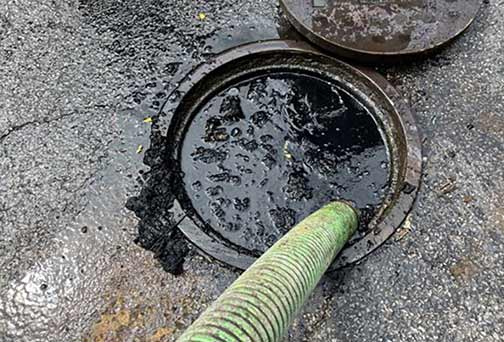
Sewer clean outs are pivotal elements in the architecture of home plumbing systems. They serve as critical access points that facilitate the maintenance and repair of sewer lines, ensuring the smooth operation of the entire plumbing network. Without these strategically placed components, homeowners could face significant challenges in diagnosing and resolving plumbing issues, potentially leading to costly repairs and health hazards. The significance of sewer clean outs cannot be overstated; they are the unsung heroes that keep our homes running smoothly and safely.

In the intricate web of pipes and drains that make up a home’s plumbing system, sewer clean outs are like the gateways that allow for easy access to the heart of the system. These access points are designed to be user-friendly for professionals, ensuring that any necessary interventions can be performed swiftly and efficiently. By providing a direct line to the sewer system, clean outs help prevent the need for more invasive procedures that could disrupt the home environment or damage the plumbing infrastructure.

Moreover, the presence of sewer clean outs can significantly reduce the time and cost associated with plumbing repairs. When a problem arises, plumbers can quickly identify and address the issue through these access points, minimizing the inconvenience to homeowners and the potential for further damage. This proactive approach to plumbing maintenance underscores the importance of having well-maintained sewer clean outs as part of a comprehensive home care strategy.

The Functionality of Sewer Clean Outs: How They Work

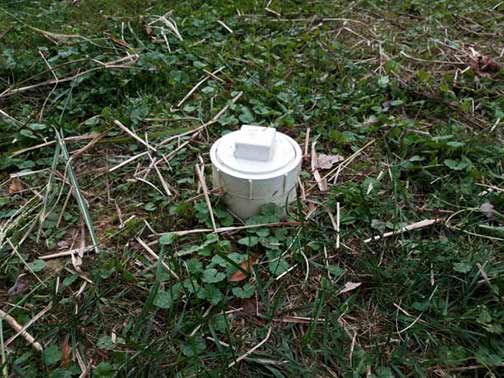
Sewer clean outs are typically located at the junctions of main sewer lines and secondary pipes within a home. They are designed as capped pipes that protrude from the ground or are embedded in walls, providing direct access to the sewer line. This accessibility is crucial for plumbing professionals who need to inspect, clean, or unclog sewer lines without invasive procedures. The clean outs allow for the insertion of specialized equipment such as sewer rodding machines, hydro jetting equipment or sewer cameras, making it possible to address blockages or assess the condition of the pipes.

The design of sewer clean outs is both practical and efficient. The capped ends prevent debris and unwanted materials from entering the sewer system while allowing for easy removal when access is needed. This dual functionality ensures that the plumbing system remains free of obstructions and that any potential issues can be quickly identified and resolved. In essence, sewer clean outs serve as both guardians and gateways to the sewer lines, maintaining the delicate balance between accessibility and protection.

Understanding the functionality of sewer clean outs also involves recognizing their role in the broader context of home maintenance. These components are not just about fixing problems when they arise; they are about preventing problems from occurring in the first place. By facilitating regular inspections and cleanings, sewer clean outs help maintain the overall health of the plumbing system, ensuring that it operates at peak efficiency and reliability.

Importance of Regular Maintenance: Preventing Plumbing Disasters

Regular maintenance of sewer clean outs is essential in preventing plumbing disasters. Over time, sewer lines can become clogged with debris, grease, or tree roots, leading to backups and overflows. By routinely inspecting and cleaning these access points, homeowners can prevent minor issues from escalating into major problems. Professional plumbers are equipped with the tools and expertise to efficiently clear blockages and ensure the integrity of the sewer system, safeguarding the home from potential water damage and unsanitary conditions.

The importance of regular maintenance extends beyond just the prevention of immediate issues. It is about creating a proactive approach to home care that emphasizes prevention over reaction. By scheduling routine sewer camera inspections and cleanings, homeowners can catch potential problems before they become serious, saving both time and money in the long run. This proactive mindset is key to maintaining a healthy and efficient plumbing system that serves the needs of the household without interruption.

Furthermore, regular maintenance provides peace of mind for homeowners. Knowing that their plumbing system is being cared for by professionals who understand the intricacies of sewer clean outs and the potential issues that can arise offers reassurance that their home is in good hands. This confidence in the reliability of the plumbing system allows homeowners to focus on other aspects of home care, secure in the knowledge that their sewer clean outs are being properly maintained.

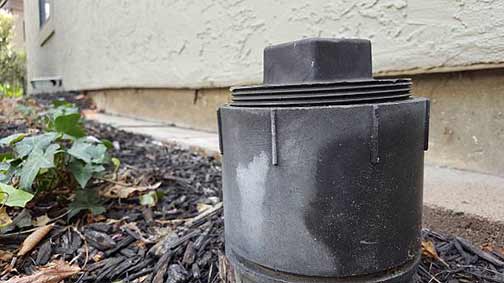
a sewer clean out on the side of a house
Sewer clean outs are typically located at the junctions of main sewer lines and secondary pipes within a home.

Professional Attention: Why DIY Solutions Are Not Enough

While some homeowners may attempt DIY solutions for minor plumbing issues, sewer clean outs require professional attention. The complexity of sewer systems and the potential risks involved in handling them necessitate the skills of trained plumbers. Professionals can accurately diagnose issues using advanced diagnostic tools and implement effective solutions such as hydro jetting without causing further damage. Moreover, they adhere to safety standards and regulations, ensuring that all procedures are conducted safely and efficiently.

DIY solutions, while appealing for their perceived cost savings, often fall short when it comes to addressing the root causes of plumbing issues. Without the proper training and equipment, homeowners may inadvertently exacerbate the problem, leading to more extensive and costly repairs down the line. Professional plumbers bring a wealth of experience and expertise to the table, allowing them to quickly identify and resolve issues with precision and care.

Additionally, professional attention ensures that all work is performed in compliance with local regulations and safety standards. This adherence to best practices not only protects the integrity of the plumbing system but also safeguards the health and safety of the household. By entrusting sewer clean outs to professionals, homeowners can rest assured that their plumbing system is being cared for by experts who prioritize quality and safety above all else.

Health Implications: Avoiding Unwanted Hazards

Neglecting sewer clean outs can lead to significant health implications. Blocked sewer lines can cause sewage to back up into the home, exposing residents to harmful bacteria and pathogens. This not only poses a risk to health but can also lead to unpleasant odors and unsightly conditions. Regular maintenance and prompt attention to sewer clean outs can mitigate these risks, promoting a healthy living environment.

The health implications of neglected sewer clean outs extend beyond just the immediate physical risks. The psychological impact of living in a home with plumbing issues can also be significant, leading to stress and anxiety for homeowners and their families. By ensuring that sewer clean outs are regularly maintained and functioning properly, homeowners can create a safe and comfortable living environment that supports both physical and mental well-being.

Moreover, the potential for environmental contamination from neglected sewer lines is another important consideration. Leaks and overflows can introduce harmful substances into the surrounding ecosystem, posing a threat to local wildlife and natural resources. By maintaining sewer clean outs and preventing these issues, homeowners contribute to the protection of the environment and the preservation of the natural world for future generations.

Cost-Effectiveness: Saving Money in the Long Run

Investing in the regular maintenance of sewer clean outs can be cost-effective in the long run. While it may seem like an additional expense, professional maintenance can prevent expensive sewer line repairs and replacements that result from neglected plumbing systems. Addressing issues early on can save homeowners from the financial burden of extensive damage, making it a wise investment for the future.

The cost-effectiveness of maintaining sewer clean outs is evident when considering the potential costs of ignoring these critical components. Plumbing emergencies can be both disruptive and expensive, often requiring immediate attention and costly repairs. By investing in regular maintenance, homeowners can avoid these unexpected expenses and enjoy the benefits of a well-functioning plumbing system that operates smoothly and efficiently.

Furthermore, the financial benefits of maintaining sewer clean outs extend beyond just the avoidance of repair costs. A well-maintained plumbing system can also contribute to increased property value, making it an attractive feature for potential buyers. By demonstrating a commitment to home care and maintenance, homeowners can enhance the appeal of their property and potentially increase its market value.

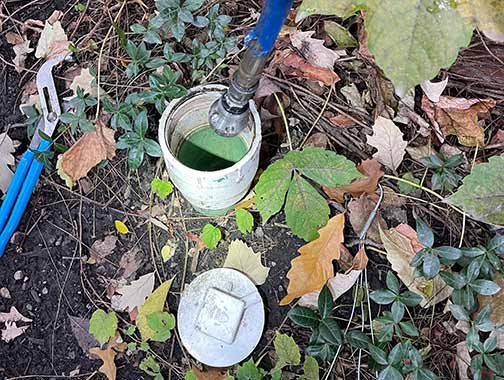
hydro jetting through a sewer clean out
Professionals can accurately diagnose issues using advanced diagnostic tools and implement effective solutions such as hydro jetting without causing further damage.

Environmental Considerations: Protecting the Ecosystem

Proper maintenance of sewer clean outs is not only beneficial for homeowners but also for the environment. Leaks and overflows from neglected sewer lines can contaminate local water sources, harming wildlife and ecosystems. By ensuring that sewer systems are functioning optimally, homeowners contribute to the protection of natural resources and the preservation of the environment.

The environmental impact of neglected sewer clean outs is a critical consideration for homeowners who are committed to sustainability and environmental stewardship. By maintaining these components and preventing leaks and overflows, homeowners can reduce their ecological footprint and contribute to the health and well-being of the planet. This commitment to environmental responsibility is not only beneficial for the natural world but also aligns with the values of many homeowners who prioritize sustainability in their daily lives.

Moreover, the protection of local ecosystems and water sources is essential for the preservation of biodiversity and the health of the environment. By maintaining sewer clean outs and preventing contamination, homeowners play a vital role in safeguarding the natural world and ensuring that future generations can enjoy the beauty and diversity of the planet.

Choosing the Right Professional: Ensuring Quality Service

When it comes to maintaining sewer clean outs, choosing the right professional is crucial. Homeowners should seek out experienced plumbers who have a proven track record of quality service. It is important to verify credentials and read reviews to ensure that the chosen professional can deliver effective solutions and reliable maintenance. Building a relationship with a trusted plumber can provide peace of mind and assurance that the home’s plumbing system is in good hands.

The process of selecting a professional plumber involves careful consideration and research. Homeowners should prioritize plumbers who are not only skilled and experienced but also committed to customer satisfaction and quality service. By taking the time to find the right professional, homeowners can ensure that their sewer clean outs are maintained to the highest standards and that any issues are addressed promptly and effectively.

Additionally, building a relationship with a trusted plumber can provide long-term benefits for homeowners. By working with a professional who understands the unique needs of their home and plumbing system, homeowners can enjoy consistent and reliable service that supports the health and efficiency of their plumbing system. This partnership can also provide valuable insights and advice for maintaining other aspects of the home, contributing to a comprehensive approach to home care and maintenance.

Conclusion: The Indispensable Role of Sewer Clean Outs

Sewer clean outs play an indispensable role in maintaining healthy home plumbing systems. Their strategic placement and functionality make them vital for preventing plumbing issues and ensuring the safety and well-being of residents. Regular professional attention to these components is essential for avoiding health hazards, saving money, and protecting the environment. By understanding the critical role of sewer clean outs and investing in their maintenance, homeowners can achieve a reliable and efficient plumbing system that serves their needs for years to come.

The importance of sewer clean outs extends beyond just their practical function; they are a cornerstone of a well-maintained home that prioritizes safety, efficiency, and sustainability. By recognizing the value of these components and committing to their regular maintenance, homeowners can enjoy the peace of mind that comes with knowing their plumbing system is in good hands. This commitment to home care not only benefits the individual homeowner but also contributes to the health and well-being of the community and the environment as a whole.

Sewer Rodding Solutions: Keeping Your Drains Clear and Functional

sewer rodding solutions

In the realm of plumbing and sewage maintenance, sewer rodding stands out as a pivotal technique for ensuring the seamless flow of wastewater. Below we get into the intricacies of sewer rodding, a method that has become indispensable for both plumbers and homeowners striving for efficient sewage systems. By exploring the benefits and applications of sewer rodding, we aim to provide an understanding of how this solution can prevent blockages and maintain pipe health.

Understanding the Need for Sewer Rodding

Blockages in sewer lines can lead to significant disruptions, causing unpleasant odors, slow drainage, and even potential health hazards. These issues often arise from the accumulation of debris, grease, tree roots, and other foreign objects within the pipes. Sewer rodding offers a proactive approach to tackling these problems, ensuring that drains remain clear and functional. By regularly employing sewer rodding techniques, homeowners and plumbers can avert costly repairs and maintain the integrity of their sewage systems.

The Mechanics of Sewer Rodding: A Technical Insight

Sewer rodding involves the use of flexible rods that are inserted into the sewer line to dislodge and remove blockages. These rods are typically made of steel or fiberglass and can be connected to form a long, flexible line that navigates through the twists and turns of the piping system. The process begins by identifying the location of the blockage, after which the rods are inserted and maneuvered to break up the obstruction, allowing water to flow freely once again.

The technique requires precision and understanding of the sewer system layout. Operators must be adept at handling the rods, ensuring they reach the blockage without causing damage to the pipes. This intricate process underscores the importance of having skilled personnel or professionals to undertake sewer rodding tasks.

Benefits of Sewer Rodding: Clearing Blockages Efficiently

One of the primary advantages of sewer rodding is its effectiveness in clearing stubborn blockages. Unlike chemical cleaners that may not reach deep-seated obstructions, rodding physically breaks down the blockage, ensuring thorough removal. Additionally, sewer rodding is environmentally friendly, as it does not involve the use of harsh chemicals that can harm the ecosystem. This method is also versatile, capable of addressing various types of blockages, from grease build-up to tree root intrusion.

Sewer rodding also promotes a healthier living environment by preventing the backflow of sewage, which can lead to unsanitary conditions and health risks. By maintaining clear pipes, homeowners can avoid the unpleasant situations that arise from clogged drains and overflowing sewage.

Maintaining Pipe Health Through Sewer Rodding: A Preventive Approach

Regular sewer rodding is not only a solution for existing blockages but also a preventive measure that maintains pipe health. By routinely clearing the pipes, homeowners and drain cleaning plumbers can prevent the accumulation of debris that leads to corrosion and wear over time. This proactive maintenance extends the lifespan of the sewage system, reducing the need for costly replacements and repairs.

Moreover, sewer rodding helps identify potential problem areas within the sewage system. Early detection of vulnerabilities, such as weak pipe joints or areas prone to blockage, allows for timely intervention, preventing more severe issues from developing.

Choosing the Right Rodding Equipment: Key Considerations

For effective sewer rodding, selecting the appropriate equipment is crucial. The choice of rods, attachments, and accessories depends on the specific needs of the sewage system. Contractors and homeowners should consider factors such as the diameter of the pipes, the nature of the blockage, and the length of the sewer line when choosing their equipment. Investing in high-quality, durable tools ensures efficient and reliable rodding operations.

Advanced equipment options, such as motorized rodding machines, provide enhanced capabilities for tackling complex blockages. These machines offer greater power and precision, making them ideal for professional use in challenging situations.

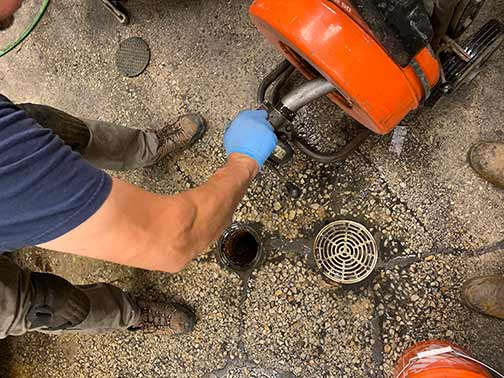
professional sewer rodding service
Experienced plumbers have the expertise to accurately diagnose blockages and employ the most effective sewer rodding techniques.

Professional Sewer Rodding Services: Advantages and Expertise

While DIY sewer rodding is possible, hiring professional services offers several advantages. Experienced plumbers have the expertise to accurately diagnose blockages and employ the most effective sewer rodding techniques. They also possess specialized equipment that can tackle complex obstructions, ensuring a thorough and efficient cleaning process. For homeowners and contractors seeking peace of mind and optimal results, professional sewer rodding services are a worthwhile investment.

Professionals also offer valuable advice on maintaining the sewage system post-rodding. Their insights on preventive measures and routine maintenance can help homeowners avoid future blockages and extend the lifespan of their pipes.

Cost Considerations for Rodding: Balancing Budget and Efficiency

The cost of sewer rodding varies depending on several factors, including the severity of the blockage, the length of the sewer line, and whether professional services are employed. While DIY methods may save money initially, they can lead to higher costs if not executed properly. Professional services, although more expensive upfront, often result in long-term savings by preventing recurring issues and costly repairs. Homeowners and contractors should weigh these considerations when planning their sewer maintenance strategy.

Additionally, investing in regular maintenance can be more cost-effective than addressing emergency blockages. By scheduling routine rodding, homeowners can prevent severe blockages that require extensive repair work, ultimately saving money in the long run.

Conclusion: Ensuring Efficient Sewage Systems Through Sewer Rodding

Sewer rodding is a vital solution for maintaining clear and functional drains. By understanding its mechanics, benefits, and applications, homeowners and contractors can effectively prevent blockages and preserve pipe health. Whether through DIY efforts or professional services, sewer rodding offers a reliable method for ensuring efficient sewage systems and safeguarding the home environment.

Incorporating sewer rodding into regular maintenance routines not only prevents immediate blockages but also contributes to the long-term health of the sewage system. This proactive approach ensures that homes remain free from the disruptions caused by clogged drains, promoting a clean and healthy living environment.

What Chicago Homeowners Need To Know About Their Plumbing Pipes

What Chicago Homeowners Need To Know About Their Plumbing Pipes

Plumbing systems are one of the most important inventions of our time, says Atara Property Management company. Without the vast network of pipes and connections that deliver clean water to your home while also removing wastewater from the house, you could not have a modern home.

At the heart of the plumbing system are the pipes that run to and from the house. These pipes ensure your home’s clean water supply and the disposal of wastewater. Plumbing pipes play a vital role in maintaining your hygiene and your family’s health. 

But what do you know about the plumbing pipes in your home or the different types available in the market? Below, we explain different types of plumbing pipes, their pros and cons, and how to choose the right plumbing pipes for your home.

Types of plumbing pipes with their pros and cons

  1. Copper pipes

Copper is one of the oldest materials used in water pipes. It is still a popular option today. There are two types of copper piping used in homes: rigid copper and flexible copper tubing.

Pros and cons of copper pipes

  • Longevity: Copper pipes can last as long as 50 years.
  • Strength: They are durable – resistant to leakage and corrosion.
  • Safety: Their antibacterial qualities make them very safe.
  • Temperature-resistant: Copper can withstand extreme temperature changes.
  • Costly: Copper is expensive, and the prices are going higher.
  • Environmental cost: Mining copper comes at a cost to the environment.
  1. Galvanized steel pipes

This pipe material used to be popular, but demand for it is fading. They can still be found in plumbing systems that were installed before the end of the 1980s.

Pros and cons of galvanized steel pipes:

  • Durable: They are very rigid and can withstand heavy loads.
  • Slightly affordable: They are cheaper than copper pipes.
  • Easy to install: Because the pipes are threaded, they can screw into each other.
  • Short lifespan: Compared to other materials, they have a short lifespan.
  • Rust: The pipes will rust if the galvanization process wears off.
  • Clogs: Due to mineral buildup inside the pipes, they clog easily.
  1. Polyvinyl chloride (PVC) pipes

Made by combining vinyl and plastic at high temperatures, these pipes are growing in popularity. They are suitable for a wide range of applications.

Pros and cons of PVC pipes

  • Longevity: PVC pipes last longer than copper pipes.
  • Strong: They can handle high water pressure.
  • Ease of installation: Because of their lightweight, they are easy to transport and install
  • Cheap: PVC pipes are relatively inexpensive
  • Warping: Plastic pipes are not ideal for transporting hot water
  • Size: There are limited size options
  1. Chlorinated Polyvinyl Chloride (CPVC) pipes

CPVC is a close relative of PVC but is more advanced than PVC. CPVC is often used in applications where PVC is not suitable.

Pros and cons of CPVC pipes

  • Longevity: It has a similar lifespan to PVC.
  • Tough: It can withstand high water pressure.
  • Temperature-tolerant: Unlike PVC, it can withstand temperatures of up to 200°F.
  • Easy of use: It is lightweight and easy to install.
  • Limited use: It can only be used indoors because it does not tolerate sunlight.
  • Cost: It is costlier than PVC.
  1. Cross-Linked Polyethylene (PEX) pipes

This is a relatively new type of plastic pipe. The major difference between it and PVC or CPVC is that it is flexible.

Pros and cons of PEX pipes

  • Longevity: If they are not damaged PEX pipes can last indefinitely.
  • Flexibility: They don’t need a lot of connectors because they can make 90° turns.
  • Temperature-tolerance: PEX pipes can withstand high temperatures.
  • Resistant to freezing: When they freeze PEX pipes expand instead of bursting.
  • Limited use: They can only be used indoors.
  • Taste and odor: They give a slight taste and odor to water.
PEX plumbing pipes in chicago
If they are not damaged PEX pipes can last indefinitely.

How to choose the right plumbing pipes for your home

When choosing plumbing pipes for repiping for your home, consider the following factors:

  1. Function

There are three types of plumbing pipes in homes – fresh water, drainage, and stormwater. Is the pipe for drinking water, heating, gas lines, or other purpose?

  1. Layout

What is the size of your home, and are there many twists and turns in the plumbing design? Do you expect the pipes to be exposed to sunlight, and is there a risk of freezing?

  1. Durability

Maintenance should be at the top of your mind when choosing a pipe. Pipes vulnerable to extreme temperature changes and corrosion will need more care.

  1. Ease of Installation

Heavy pipe materials are costlier to transport and harder to install. How hard is it to cut or join the pipes?

  1. Cost

Consider the upfront cost of purchasing the pipes, future maintenance costs, and the possibility of premature pipe replacement.

  1. Local building codes

What do the city’s building codes and regulations require?

Lastly, a reputable plumber in Chicago can ease this decision-making process by giving you a proper perspective and providing you with the benefit of their immense experience.

Understanding The Plumbing Needs Of Older Chicago Homes

Understanding The Plumbing Needs Of Older Chicago Homes

Living in an older home sometimes feels like a mixed bag of blessings for its owner. On one hand, older homes are set in locations with the ambiance rarely found in newer homes. Their size and quaint designs make them stand out in ways that boost the property’s value, says The Coffey Group.

At the same time, however, older homes tend to suffer from many structural and systemic problems. Their major systems – electrical, plumbing, HVAC, etc. – are often outdated. As a result, the home often presents costly and sometimes unexpected problems for its owner.

As the owner or prospective owner of an older home in Chicago, you must be aware of the potential issues you will encounter in your building. To counter these problems, you must be more intentional about maintaining your home than the owner of a newer, less-problematic building. This is the only way to retain the qualities that make an older home attractive and valuable.

Plumbing systems in older homes

The plumbing system is the #1 place where problems are likely to happen in an older home. This makes perfect sense, since the pipes have been carrying water in and out of the home for goodness knows how long. It is normal for the pipes to degrade and malfunction.

What are the common plumbing issues found in older homes and how do you fix them?

  1. Worn-out fixtures

Faucets, valves, supply lines, and all components of the plumbing have a lifespan. Plumbing systems in older homes are often made of better materials, but those materials eventually wear out. These failing fixtures make the plumbing susceptible to leaks and increase the risk of a major plumbing disaster inside your home. Older plumbing fixtures should be replaced but if doing so will impact the aesthetics of your building, an experienced plumber can help you find a way around the problem.

  1. Outdated pipe materials

Many homes built before the 1990s contain materials not approved for use in homes in the USA. However, because the laws were passed after the houses were built and were not retroactively implemented, some of these materials are still found in older homes. If your home is more than 30 years old, the chances that you will find one of these 3 prohibited pipe materials in your plumbing are very high:

  1. Lead: Once a popular option for the construction of water pipes, lead has been banned since the Safe Drinking Water Act of 1986. This is because of lead’s toxicity; it causes bone, gastrointestinal, and nerve problems as well as, learning issues in people, especially small children.
  1. Galvanized pipes: These are iron pipes coated with a layer of zinc. They were common before the 1960s. The problem with galvanized pipes is that once the layer of zinc wears out, the iron corrodes and becomes brittle. The pipes can last up to 60 years, but most lines will be clogged with rust.
  1. Polybutylene: Once viewed as a viable replacement for copper pipes, the material was withdrawn from use in water pipes after it was found to be defective. Polybutylene pipes become flaky and brittle when they react with the oxidants in public water.
  1. Bad repairs in the past

If the plumbing was poorly installed or badly maintained in the past, it will affect its current performance. The pipes in your home will be more likely to leak and plumbing maintenance costs will be high. The only way to determine if you have this problem and the extent of the issues is to have a professional plumber inspect the system. Ultimately, you may need to do a wholesale overhaul of your plumbing because faulty installations and repairs only worsen with time.

  1. Sewer and drain issues

Tree root intrusion into sewer lines is a common problem in older homes. This is partly because older homes usually have well-established gardens with mature trees. It is also because older sewer lines are often made of materials vulnerable to tree root intrusion, such as clay or Orangeburg. The drains in the home may also have problems, due to decades-long accumulation of debris. To fix the issue, the sewer pipes should be camera inspected and cleaned professionally, or the home should be fully re-piped.

  1. Shifting pipes

Over time, buildings move slightly as they settle into the ground or as the structure of the underlying soil changes. These movements are imperceptible to the eyes but can affect the position of underground pipes, resulting in fractures, pipe bellies, and other issues that impact the flow of water. If your plumbing suffers from chronic leakages and blockages, this could be the root of the problem.

Finally, the above problems are why it is vital to do a comprehensive plumbing inspection when buying an older home. It is not only important to be aware of the problems in the home, it is vital to know how much it will cost you to fix the issues. 

If you already bought the home, it is still crucial to tackle the plumbing problems. Neglected plumbing issues like the ones discussed in this post, may result in structural damage. Structural problems can impair the very things that make your older home unique and valuable.

Ways to Maintain Your Business Storm Drain System Effectively

Ways to Maintain Your Business Storm Drain System Effectively

A major problem affecting the day-to-day operations of businesses, especially during the rainy season, is flooding. A flooded parking lot or driveway will discourage customers from coming to your office, says InterWest Properties Management team. It can create difficult working conditions for your staff.

To prevent such problems, commercial properties usually have storm drains in their yards. Storm drains protect the business by diverting excess rainwater from the yard into the city’s stormwater channels. But storm drains only do this when they are properly maintained.

How storm drains work

Everyone has seen a storm drain before, but most people don’t know how it works, and how our everyday actions affect the function of the storm drain. Before outlining the steps to maintain your storm drains, it is essential to help you understand how storm drains work.

What is a storm drain?

A storm drainage system is a lot more than the grated/open curb and yard drain you see at crosswalks, street corners, or on your property. This part is just the visible portion of a huge system that is made up of catch basins, channels, and underground pipes.

The job of this vast system is to collect excess rainwater or runoff from other sources and move the water through an underground pipe network to nearby water bodies. Storm drains are critical for the protection of private and public property. They provide the following benefits:

  • Prevent flooding and keep water from pooling near the foundation of buildings.
  • Prevent erosion by minimizing soil saturation.
  • Help to preserve the structural integrity of buildings.
  • Keep in-ground swimming pools from overflowing.
  • Ensure the smooth operation of the businesses in a commercial property.

Common storm drain issues in commercial properties

  1. Improper grading

If the ground is not properly graded, water will pool near the storm drain or other parts of the yard instead of flowing into the storm drain. This design flaw can cause other major issues.

  1. Blocked/clogged drains

Leaves, grass clippings, plastics, trash, silt, and other debris can block the opening of a storm drain and clog its underground pipes. This will cause flooding, bad odors, and overflows.

  1. Tree root intrusion

Tree roots can intrude into and damage your storm drains. If tree roots find a way into the storm drain, you will experience slow drainage, leaks, flooding, and other issues.

  1. Sinkholes

Sinkholes near a storm drain are caused by chronic flooding and water pooling. They are also caused by leakages inside the storm drain and tree root intrusion.

  1. Collapsed storm drain

A leaky or blocked storm drain may discharge water into the surrounding areas until the soil loses its stability. This can cause the storm drain to lose its support and collapse.

How to maintain your storm drain

Firstly, here is a list of things you should NEVER do to your storm drain:

  • DO NOT dump leaves, grass clippings, chemicals, dog poop, or other litter into the storm drain. Only rainwater should go into the storm drain.
  • DO NOT get rid of yard debris by hosing it. Instead, use a broom.
  • DO NOT dump used motor oil or vegetable oil into the storm drain
  • DO NOT keep yard debris near the drain. Wind and rain may transport it into the drain.
  • DO NOT dispose of packaging materials and so-called “flushable” items in the storm drain.

For optimally functional storm drains, follow these steps:

  1. Inspect and fix covers

Inspect the drain covers on a schedule to make sure they are not clogged with dirt. If the cover is damaged, fix or replace it.

  1. Remove obstructions

To prevent clogging, remove any vegetation growing near the opening of the storm drain. Also, do not erect walls or fences near your yard’s drainage areas.

  1. Clean gutters and downspouts

Any debris in your gutters and downspouts can eventually find its way into the storm drain. Clean gutters and downspouts to protect your storm drains.

  1. Service the storm drain annually

This is the most crucial step for the structural integrity and function of your storm drain. To service the drain, a professional plumber will do the following:

  • Clear away the debris and vegetation near the drain opening.
  • Remove the drain cover to access the drain and inspect it for damage.
  • Clear out the debris inside the basin with a shovel or vacuum.
  • Inspect the termination point of the drainage to make sure it is in good shape.
  • Flush the entire system – using professional hydro jetting or sewer rodding services – in order to clear out the leftover debris within the line and unclog the pipes.
  • Replace the termination and drain covers.

Following these steps will ensure you get the full benefits of the storm drains on your premises. Storm drains are meant to protect your business operations from unnecessary disruptions. But you can only get those benefits when you maintain the storm drains properly.

Understanding Risks: Common Mistakes That May Cause Main Water Line Damage

Common Mistakes That May Cause Main Water Line Damage

Understanding the potential risks associated with main water lines is crucial for homeowners, property managers, and anyone responsible for maintaining a building’s infrastructure. The main water line is a critical component of any property, serving as the primary conduit for water supply. Damage to this line can lead to significant water loss, costly repairs, and even structural damage. By gaining insights into the common mistakes that may cause main water line damage, one can take proactive measures to prevent such issues and ensure the longevity and reliability of their water supply system.

The Importance of Regular Maintenance and Its Role in Preventing Water Line Damage

Regular maintenance is a fundamental aspect of preventing main water line damage. Over time, water lines can deteriorate due to various factors such as corrosion, ground movement, and the natural aging process. Routine inspections and maintenance can help identify potential problems before they escalate into major issues. By scheduling regular check-ups with a professional plumber, property owners can ensure that their water lines remain in optimal condition, reducing the risk of unexpected failures and costly repairs.

Moreover, regular maintenance involves more than just visual inspections. It includes checking for corrosion, ensuring that joints and connections are secure, and testing water pressure levels to ensure they remain within safe limits. This comprehensive approach to maintenance not only extends the lifespan of the water lines but also enhances the overall efficiency of the water supply system. Property owners who prioritize regular maintenance can avoid the inconvenience and expense of emergency repairs, while also contributing to water conservation efforts by minimizing leaks and wastage.

Identifying Signs of Water Line Damage: Early Detection for Cost-Effective Solutions

Early detection of water line damage is key to minimizing the impact of such issues. Property owners should be vigilant in identifying signs of potential damage, such as unexplained increases in water bills, reduced water pressure, and the presence of damp spots or water pooling in the yard. Additionally, unusual sounds like hissing or gurgling coming from the pipes can indicate a leak or blockage. By promptly addressing these warning signs, property owners can prevent further damage and avoid the high costs associated with extensive repairs.

Another critical aspect of early detection is understanding the typical lifespan of water lines and being aware of when they may be due for replacement. Materials such as copper, PVC, and galvanized steel each have different expected lifespans, and knowing this information can help property owners plan for necessary upgrades before issues arise. Regularly updating and replacing older lines can preemptively address potential weak points in the system, ensuring continued reliability and safety.

Common Mistakes Leading to Water Line Damage: Avoiding Costly Oversights

Several common mistakes can lead to main water line damage. One of the most frequent errors is neglecting to locate and mark the water lines before undertaking construction or landscaping projects. Excavation work, whether for building additions or planting trees, can inadvertently damage water lines if their locations are not properly identified. Another mistake is failing to address small leaks promptly. Even minor leaks can escalate into significant problems if left unattended, leading to water wastage and potential structural damage.

Additionally, some property owners may attempt DIY repairs on water lines without the necessary expertise or tools, which can exacerbate existing issues or create new ones. It is crucial to rely on professional plumbers for repairs and maintenance to ensure that all work is done to code and that the integrity of the water line system is preserved. By avoiding these common mistakes, property owners can protect their water lines and prevent costly damage and repairs.

The Role of Environmental Factors in Water Line Health

Environmental factors play a significant role in the health of main water lines. Natural events such as earthquakes, floods, and heavy rains can cause ground movement, which may lead to water line displacement or rupture. Additionally, changes in temperature can affect the integrity of the pipes. For instance, freezing temperatures can cause water within the pipes to expand, leading to cracks or bursts. Understanding these environmental risks and taking preventive measures, such as insulating pipes, can help mitigate potential damage.

Climate change and its associated impacts, such as increased frequency of extreme weather events, further highlight the importance of preparing water lines for environmental challenges. Property owners can take proactive steps by reinforcing vulnerable areas, installing backflow prevention devices, and ensuring proper drainage systems are in place to handle excessive rainfall or flooding. By addressing environmental factors, property owners can enhance the resilience of their water lines and reduce the risk of damage from natural events.

a main water line repair
Using high-quality materials for main water line repairs and replacements can enhance durability and reduce the risk of future issues.

Preventive Measures and Best Practices for Water Line Protection

Implementing preventive measures and best practices is essential for safeguarding main water lines from damage. One effective strategy is to install a water pressure regulator to maintain optimal pressure levels within the system. Excessive pressure can strain the pipes and increase the likelihood of leaks or bursts. Additionally, using high-quality materials for main water line repairs and replacements can enhance durability and reduce the risk of future issues. Property owners should also educate themselves about the location and layout of their water lines to avoid accidental damage during any construction or landscaping activities.

Furthermore, investing in modern technology can aid in water line protection. Smart water monitoring systems can detect leaks and pressure changes in real-time, alerting property owners to potential issues before they become significant problems. These systems can provide valuable data on water usage patterns, helping owners identify inefficiencies and areas for improvement. By adopting these best practices and technologies, property owners can ensure the long-term health and performance of their water lines.

The Impact of Tree Roots on Water Lines: Prevention and Mitigation Strategies

Tree roots are a common cause of water line damage. As trees grow, their roots can extend significant distances in search of water and nutrients. If a water line is within the vicinity of a tree, the roots may infiltrate the pipes, causing blockages or even ruptures. To prevent this, property owners should be mindful of the types of trees planted near water lines and consider using root barriers to protect the pipes. Regularly inspecting the area around water lines for signs of root intrusion can also help in early detection and prevention of damage.

Moreover, selecting tree species with less aggressive root systems and planting them at a safe distance from water lines can minimize the risk of root-related damage. Consulting with a professional arborist can provide valuable insights into suitable tree species and planting techniques that align with the property’s water line layout. By taking these preventive measures, property owners can enjoy the benefits of trees without compromising the integrity of their water lines.

The Importance of Professional Inspections in Water Line Maintenance

While property owners can undertake basic maintenance tasks, professional inspections are invaluable for ensuring the comprehensive assessment of water line health. Plumbers and water line specialists have the expertise and equipment to conduct thorough inspections, identify hidden underground leaks, and provide recommendations for necessary repairs or upgrades. Investing in professional inspections can save property owners from the inconvenience and expense of unexpected water line failures.

Professional inspections often include the use of advanced technologies such as video cameras to explore the interior of pipes, allowing for precise identification of blockages, leaks, or structural weaknesses. This detailed understanding enables targeted repairs and maintenance, reducing the likelihood of future issues. By prioritizing professional inspections, property owners can maintain their water lines’ optimal performance and avoid costly emergency repairs.

Understanding the Costs of Water Line Damage: Financial Implications and Prevention

The financial implications of water line damage can be substantial. Repairing or replacing a damaged main water line can be costly, particularly if the damage is extensive or requires excavation. Additionally, water line failures can lead to increased water bills due to leaks and water wastage. In severe cases, water line damage can cause flooding or structural damage to the property, resulting in even higher repair costs. By understanding these potential costs, property owners can appreciate the value of preventive measures and regular maintenance in protecting their investment.

Beyond the immediate repair costs, water line damage can also impact property value and insurance premiums. Properties with a history of water line issues may be less attractive to potential buyers, and insurance companies may increase premiums or deny coverage if water line maintenance is neglected. By investing in preventive measures and addressing water line issues promptly, property owners can protect their property’s value and avoid financial setbacks associated with water line damage.

Conclusion: Proactive Management for Long-Term Benefits of Water Line Health

In conclusion, understanding the risks and common mistakes that may cause main water line damage is essential for proactive management and maintenance of a property’s water supply system. By taking preventive measures, conducting regular inspections, and addressing issues promptly, property owners can ensure the longevity and reliability of their water lines. This proactive approach not only protects against costly repairs and water wastage but also contributes to the overall safety and sustainability of the property. Investing in the health of the main water line is an investment in the long-term well-being of the property and its occupants.

Ultimately, a well-maintained water line system enhances the quality of life for residents by providing a reliable and efficient water supply. It also supports broader environmental goals by minimizing water wastage and promoting sustainable resource management. As property owners embrace proactive management strategies, they contribute to a future where water line damage is minimized, and the integrity of water supply systems is preserved for generations to come.

Chicago’s Trusted Shower Valve Replacement Experts

Chicago's Trusted Shower Valve Replacement Experts

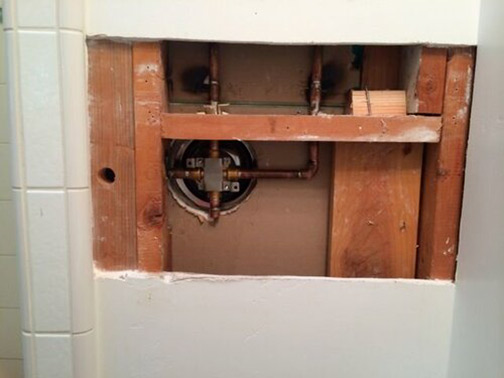
Shower valve replacement is an essential aspect of maintaining the functionality and efficiency of your home’s plumbing system. A well-functioning shower valve ensures consistent water flow and temperature, enhancing your daily shower experience. Whether you’re dealing with a leaky valve or planning a bathroom renovation, understanding the intricacies of shower valve replacement can save you time, money, and hassle. In Chicago, homeowners have access to our trusted experts who provide professional service, bold solutions, and inclusive practices for every shower valve replacement need. Our professionals are equipped with the knowledge and tools necessary to address any issue, ensuring your shower system operates at peak performance.

The Importance of Professional Shower Valve Replacement: Why Expertise Matters

Entrusting your shower valve replacement to our professionals is crucial for ensuring the longevity and reliability of your plumbing system. Our plumbers possess the expertise and experience needed to identify and address issues that may not be apparent to the average homeowner. They understand the complexities of different plumbing systems and can provide tailored solutions to meet your specific needs. By choosing Chicago Plumbing Experts, you can be rest assured that your shower valve replacement will be handled with precision and care. Our professionals are committed to delivering high-quality workmanship and ensuring your satisfaction with the results.

Bold Solutions for Common Shower Valve Issues: Innovative Approaches for Lasting Results

Shower valves can present a range of issues, from leaks and temperature fluctuations to complete failures. Our Chicago plumbers offer bold solutions to tackle these common problems. With innovative techniques and advanced tools, they can efficiently diagnose and resolve any shower valve issue, ensuring a seamless and stress-free experience for homeowners. Whether it’s a simple repair or a complete replacement, our professionals are equipped to handle any challenge. Their bold approach to problem-solving ensures that you receive the most effective and long-lasting solutions for your shower valve needs.

Inclusive Practices for Every Homeowner: Custom Solutions for Diverse Needs

In the diverse city of Chicago, inclusive practices are essential for meeting the needs of every homeowner. Our plumbers prioritize inclusivity by offering services that cater to a wide range of preferences and requirements. Whether you need assistance with accessibility modifications or want environmentally friendly options, our professionals are committed to providing solutions that respect and accommodate your unique needs. They understand that every home is different and strive to deliver personalized service that aligns with your values and lifestyle.

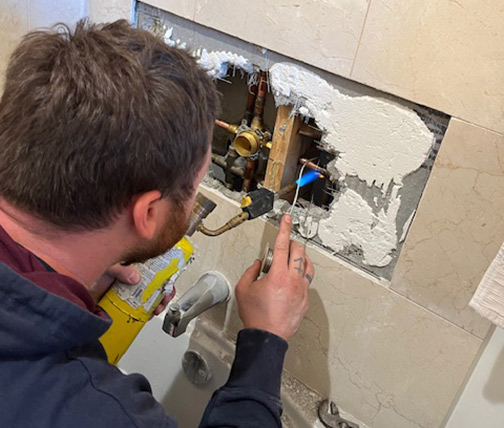
plumber replacing a shower valve in chicago
Our experts follow a systematic approach to ensure that each step is executed flawlessly, resulting in a functional and efficient shower system.

The Process of Shower Valve Replacement: Step-by-Step Guide to a Successful Installation

Understanding the process of shower valve replacement can help homeowners feel more confident and informed when hiring professionals. The process typically involves assessing the current valve, selecting a suitable replacement, and installing the new valve with precision. Our experts follow a systematic approach to ensure that each step is executed flawlessly, resulting in a functional and efficient shower system. They take the time to explain each stage of the process, ensuring that you are comfortable and informed throughout the installation.

Maintenance Tips for Your New Shower Valve: Ensuring Longevity and Performance

Once your shower valve has been replaced, proper maintenance is key to prolonging its lifespan and preventing future issues. Regular inspections, cleaning, and prompt attention to any signs of wear can keep your shower valve in optimal condition. Our professional bathroom plumbers can provide valuable maintenance tips and guidance to help you care for your new shower valve effectively. By following their advice, you can enjoy a reliable and efficient shower system for years to come.

Benefits of Modern Shower Valve Technology: Enhancing Your Shower Experience

Modern shower valve technology offers numerous benefits that enhance the overall shower experience. From improved water pressure and temperature control to eco-friendly features, upgrading to a contemporary shower valve can significantly improve your bathroom’s functionality and efficiency. Our plumbers in Chicago are well-versed in the latest advancements and can help you choose the best technology for your needs. By embracing modern technology, you can enjoy a more comfortable and sustainable shower experience.

Frequently Asked Questions About Shower Valve Replacement: Expert Answers to Common Concerns

Homeowners often have questions about shower valve replacement, ranging from cost considerations to the expected lifespan of new valves. Our experts are dedicated to providing clear and concise answers to these common inquiries, ensuring that you have all the information needed to make informed decisions about your shower valve replacement. They are committed to transparency and are always available to address any concerns you may have.

Conclusion: Trust Chicago Plumbing Experts for Your Shower Valve Needs

When it comes to shower valve replacement, our plumbers stand out for their professionalism, bold solutions, and inclusive practices. By choosing our experienced professionals, homeowners can enjoy peace of mind knowing that their shower valve replacement is in capable hands. Whether you’re addressing a current issue or planning a bathroom upgrade, entrust your shower valve replacement to the experts who prioritize quality and customer satisfaction. With our commitment to excellence, you can be confident that your shower system will be reliable and efficient for years to come.

Contact our Chicago Plumbers Today for Professional Shower Valve Replacement Services at 708-775-2566 or by form below:

Contact Us
Name
Name
First Name
Last Name

Sump Pump Maintenance: Preparations for the Summer Storm Season

Sump Pump Maintenance: Preparations for the Summer Storm Season

As the summer months approach, the anticipation of heavy rainstorms and potential flooding becomes a pressing concern for homeowners, especially those with basements or properties situated in low-lying areas. A sump pump is a vital piece of equipment designed to prevent water damage and protect your home from the ravages of inclement weather. Understanding the importance of regular sump pump maintenance is crucial to avoiding costly repairs and ensuring peace of mind during the stormy season.

Regular maintenance not only enhances the reliability of your sump pump but also extends its lifespan, saving you money in the long run. By proactively addressing potential issues before they escalate, homeowners can safeguard their properties and maintain a sense of security amidst the unpredictable weather patterns of summer.

Inspecting Your Sump Pump: A Comprehensive Pre-Storm Checklist for Homeowners

Before the storm season arrives, it is imperative to conduct a thorough inspection of your sump pump system. This pre-storm checklist serves as a guide to ensure your pump is in optimal working condition. Begin by verifying the power source; ensure the pump is plugged into a functioning GFCI outlet to prevent electrical hazards.

Testing the pump is a crucial step in the inspection process. Pour a bucket of water into the sump pit and observe if the pump activates properly. Pay attention to any unusual noises that may indicate mechanical issues. Additionally, inspect the discharge line for blockages or leaks that could impede the pump’s ability to expel water efficiently.

Technical Checks: Ensuring Optimal Performance and Efficiency of Your Sump Pump

Technical checks are essential to guarantee your sump pump operates at peak performance, especially during the storm season when reliability is paramount. Start by examining the float switch, which plays a critical role in turning the pump on and off. Ensure it moves freely and is not obstructed by debris, as any hindrance can affect the pump’s functionality.

The impeller is another crucial component that requires attention. Inspect it for signs of wear and tear, as a damaged impeller can compromise the pump’s efficiency in moving water. Cleaning the pump inlet screen is equally important to prevent clogs and maintain smooth operation. Regular technical checks can significantly enhance the pump’s performance and reliability.

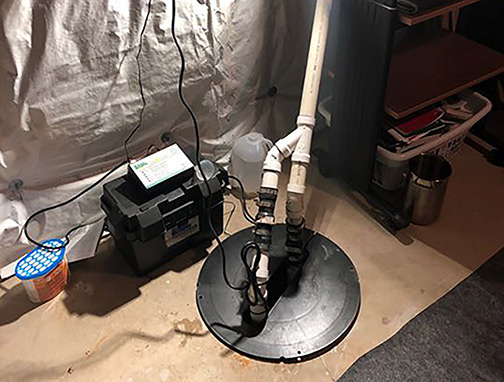
a sump pump with a battery backup
Having a sump pump battery backup system installed provides a reliable safety net, ensuring your pump continues to operate even when the electricity is out.

Battery Backup Systems: A Reliable Safety Net During Power Outages

Severe storms often bring power outages, which can render your sump pump ineffective at the most critical times. Having a sump pump battery backup system installed provides a reliable safety net, ensuring your pump continues to operate even when the electricity is out. This precautionary measure is invaluable in preventing potential flooding during power interruptions.

Regularly testing the battery’s charge is essential to maintain its reliability. Replace the battery every 2-3 years to ensure it functions optimally when needed. A well-maintained battery backup system can be the difference between a dry basement and costly water damage during storm-induced power outages.

Discharge Line Maintenance: Preventing Blockages and Ensuring Efficient Water Removal

The discharge line is responsible for directing water away from your home, making its maintenance crucial to preventing water damage. Regularly inspect the line for blockages caused by debris, ice, or dirt. A free-flowing discharge line is essential for efficient water removal during heavy rainstorms.

Ensure the discharge line extends at least 10 feet away from your foundation to prevent water from seeping back into your home. Consider installing a vented cover to prevent animals from nesting inside the pipe, which could cause blockages. Proper discharge line maintenance is a key component of effective sump pump operation.

Professional Servicing: Recognizing When to Call an Expert for Sump Pump Maintenance

While regular maintenance can often be performed by homeowners, certain situations may require professional assistance to ensure comprehensive servicing of your sump pump. If your pump is older than 7-10 years or exhibits signs of significant wear, it is advisable to hire a professional to conduct a thorough inspection.

Experts can identify potential issues that may not be apparent to the untrained eye, such as subtle mechanical problems or electrical faults. Professional servicing can provide peace of mind, knowing that your sump pump is storm-ready and capable of protecting your home from water damage.

a plumber servicing a sump pump
While regular maintenance can often be performed by homeowners, certain situations may require professional assistance to ensure comprehensive servicing of your sump pump.

Safety Measures: Protecting Your Home and Family from Electrical Hazards

Safety should always be a priority when dealing with electrical equipment like sump pumps. Ensure your pump is plugged into a GFCI outlet to prevent electrical shocks, which can pose a risk to both your home and family. Keeping the area around the pump clean and free of clutter is essential to avoid accidents.

Educate family members about the sump pump’s function and the importance of maintaining it in good working order. Understanding the role of the sump pump and the safety measures associated with its operation can enhance the overall safety of your home during storm season.

Extending the Service Life of Your Sump Pump: Long-Term Maintenance Strategies

Regular maintenance not only prepares your sump pump for the storm season but also extends its overall service life. By performing routine checks, cleaning the sump pump yearly, and addressing minor issues promptly, you can avoid costly repairs and replacements.

A well-maintained sump pump can last upwards of 10 years, providing reliable protection for your home. Implementing long-term maintenance strategies ensures your pump remains in optimal condition, safeguarding your property against the unpredictable challenges of summer storms.

Conclusion: Achieving Peace of Mind Through Preparedness and Proactive Maintenance

In conclusion, thorough sump pump maintenance is essential for safeguarding your home against summer storms. By following these comprehensive tips, you can ensure your pump is storm-ready, providing peace of mind and protecting your property from potential water damage.

Remember, preparedness is key to weathering the storm with confidence. Taking proactive measures to maintain your sump pump not only enhances its reliability but also contributes to the overall safety and security of your home during the stormy season.