Author Archives: Chicago Plumbing Experts

Unseen Dangers: Identifying Hidden Pipe Leaks Before They Escalate

Identifying Hidden Pipe Leaks Before They Escalate

In the realm of home maintenance and plumbing, the significance of identifying hidden pipe leaks cannot be overstated. These concealed leaks, often lurking beneath floors or behind walls, pose a substantial threat to the integrity of a building. Not only can they lead to extensive water damage, but they can also result in costly repairs if not addressed promptly. For both professionals and homeowners, understanding the potential dangers and adopting strategic methods for early detection is crucial in safeguarding property and avoiding unnecessary expenses.

Hidden pipe leaks are a stealthy adversary, often going unnoticed until the damage becomes severe. They can compromise structural integrity, leading to deterioration over time, and pose health risks due to mold and mildew growth. The financial strain of repairing extensive damage can be significant, underscoring the importance of proactive detection and maintenance strategies.

Common Causes of Hidden Pipe Leaks

Hidden pipe leaks can originate from various sources, each presenting unique challenges in detection and resolution. Aging pipes are a primary cause, as wear and tear over time can result in small fissures that gradually worsen. Additionally, poor installation practices or the use of substandard materials can lead to leaks. Environmental factors such as ground movement, temperature fluctuations, and pressure changes also contribute to the deterioration of pipes, making them susceptible to leaks.

Corrosion is another common culprit, particularly in homes with older plumbing systems. As pipes corrode, they weaken and become prone to leaks. Furthermore, accidental damage during renovations or repairs can create vulnerabilities in the plumbing system. Understanding these causes is essential for implementing effective prevention and detection strategies.

Signs of Concealed Pipe Leaks: What to Look For

Detecting hidden pipe leaks requires vigilance and an understanding of subtle indicators that may suggest their presence. One of the most noticeable signs is an unexplained increase in water bills, indicating water loss from leaks. Homeowners should also watch for damp spots on walls, ceilings, or floors, which may suggest water accumulation from a hidden leak. The presence of mold or mildew, often accompanied by a musty odor, can be a strong indicator of moisture problems caused by leaks. Additionally, low water pressure or unusual sounds in the plumbing system may signal underlying issues.

Additional signs include peeling paint or wallpaper, which can result from prolonged exposure to moisture. Warped or buckling floorboards are another indication, as water seepage can cause wood to swell and deform. Regularly inspecting these areas and being attentive to changes can help in early detection and prevent further damage.

Advanced Techniques for Early Detection

For professionals and homeowners alike, employing advanced techniques for early detection of hidden pipe leaks can prevent escalation and minimize damage. Thermal imaging cameras are a powerful tool, allowing users to identify temperature variations that may indicate moisture presence. Acoustic leak detection devices can pinpoint the location of leaks by detecting sound waves generated by water escaping from pipes. Moisture meters and infrared cameras are also effective in assessing areas for potential leaks. These technologies, combined with regular inspections, provide a comprehensive approach to leak detection.

In addition to technology, incorporating routine inspections by trained professionals can enhance detection efforts. Professionals can identify vulnerabilities and recommend targeted solutions based on their expertise. Combining technological tools with professional insights creates a robust strategy for managing hidden pipe leaks.
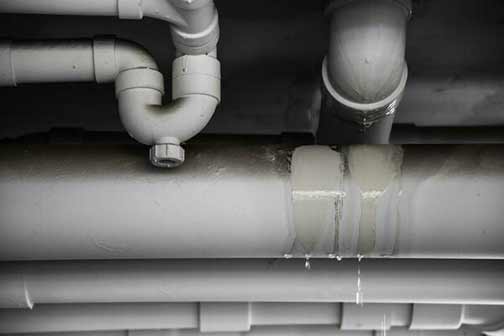
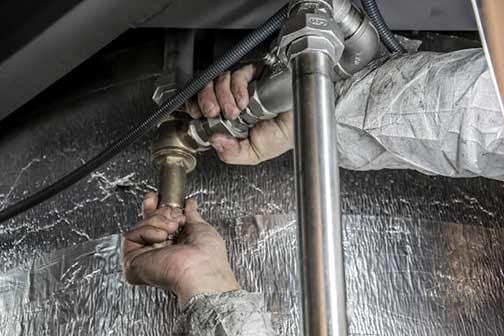
a hidden leaking pipe
Professional intervention is particularly crucial in complex plumbing systems, where leaks may be challenging to identify.

Preventive Measures to Avoid Hidden Pipe Leaks

Prevention is always better than cure, and adopting preventive measures can significantly reduce the risk of hidden pipe leaks. Regular maintenance of plumbing systems, including inspections and timely repairs, is essential. Ensuring proper installation and using high-quality materials can prevent future leaks. Homeowners should also be mindful of environmental factors, such as temperature extremes, and take steps to protect pipes from freezing or excessive pressure. Additionally, installing leak detection systems can provide early warnings and enable prompt action.

Educating homeowners about the importance of water pressure regulation and the risks associated with high pressure can also aid in prevention. Implementing pressure-reducing valves can help maintain optimal pressure levels, reducing the likelihood of leaks. Regularly checking for signs of corrosion and addressing them promptly can further safeguard plumbing systems.

Professional Intervention: When to Call an Expert

While homeowners can take several steps to detect and prevent hidden pipe leaks, there are situations where professional intervention is necessary. If a leak is suspected but cannot be located, or if the damage appears extensive, calling a plumbing expert is advisable. Professionals have the expertise and equipment to accurately diagnose and resolve leak issues. They can also offer guidance on preventive measures and ensure that repairs are conducted efficiently and effectively.

Professional intervention is particularly crucial in complex plumbing systems, where leaks may be challenging to identify. Experts can assess the entire system, pinpointing areas of concern and providing comprehensive solutions. Their involvement ensures that repairs are thorough, minimizing the risk of recurrence and safeguarding property integrity.

The Financial Implications of Unaddressed Pipe Leaks

Failing to address hidden pipe leaks can have significant financial implications. Water damage caused by leaks can lead to costly repairs, including replacing damaged flooring, walls, and ceilings. Mold remediation, often required in cases of prolonged moisture exposure, can also be expensive. Additionally, increased water bills due to undetected leaks can strain household budgets. By investing in early detection and preventive measures, homeowners can avoid these financial burdens and protect their property value.

Beyond direct repair costs, unaddressed leaks can decrease property value, making it less attractive to potential buyers. The presence of mold and mildew can also pose health risks, leading to additional expenses for medical treatment and remediation. By prioritizing early detection and intervention, homeowners can maintain property value and ensure a safe living environment.

Conclusion: The Necessity of Vigilance and Proactive Measures

In conclusion, the unseen dangers of hidden pipe leaks underscore the necessity of vigilance and proactive measures in both residential and commercial settings. By understanding the causes and signs of leaks, employing advanced detection techniques, and taking preventive steps, homeowners and professionals can effectively mitigate the risks associated with concealed pipe leaks. Early intervention not only preserves the integrity of a building but also saves time and money, ensuring a safe and comfortable environment for all occupants.

The challenge of hidden pipe leaks demands a comprehensive approach, integrating technology, professional expertise, and homeowner awareness. By fostering collaboration and prioritizing proactive strategies, communities can safeguard their properties, ensuring longevity and sustainability in plumbing systems.

Preparing for the Seasons: Essential Sewer Tips for Every Chicago Resident

Essential Sewer Tips for Every Chicago Resident

Understanding Chicago’s Unique Climate and Its Impact on Sewer Systems

Chicago’s climate is characterized by its distinct seasonal changes, each bringing unique challenges to sewer systems. The city experiences harsh winters, wet springs, hot summers, and unpredictable autumns. Understanding how these seasonal variations affect sewer systems is crucial for effective maintenance and prevention of issues. The cold temperatures of winter can lead to freezing pipes, while spring’s heavy rains may cause flooding and overflows. Summer heat can exacerbate odors and bacterial growth, and autumn leaves can clog drains. Recognizing these challenges is the first step toward ensuring your sewer system remains resilient throughout the year.

Winter Preparations: Preventing Pipe Freezing and Burst

Winter in Chicago can be unforgiving, with temperatures often dropping below freezing. This poses a significant risk to sewer pipes, which can freeze and burst if not properly insulated. To prevent this, residents should ensure that all exposed pipes are adequately insulated. Regularly checking for leaks and sealing any gaps can also prevent cold air from seeping in. Additionally, maintaining a steady flow of water through the pipes can help prevent freezing. It’s advisable to run water at a trickle during extreme cold spells to keep the pipes warm. Investing in heat tape or pipe heating cables can provide additional protection against freezing.

Spring Strategies: Managing Heavy Rainfall and Preventing Flooding

Spring brings heavy rainfall to Chicago, which can overwhelm sewer systems and lead to flooding. To manage this, residents should ensure their gutters and downspouts are clear of debris, allowing rainwater to flow freely into the sewer system. Installing a sump pump can help manage excess water and prevent basement flooding. Regularly inspecting your sewer lines for blockages and cleaning them can prevent backups. Consider installing backflow valves to prevent sewer water from flowing back into your home during heavy rains. Landscaping can also play a role in flood prevention; strategically planting trees and shrubs can help absorb excess water.

Summer Maintenance: Addressing Odors and Bacterial Growth

The heat of summer can lead to unpleasant odors emanating from sewer systems, as well as increased bacterial growth. To combat this, residents should ensure their sewer vents are unobstructed, allowing gases to escape. Regularly flushing drains with a mixture of baking soda and vinegar can help neutralize odors and reduce bacterial buildup. Ensuring proper ventilation in areas where sewer lines are located can also help mitigate odors. Additionally, keeping the area around sewer openings clean and free from debris can prevent the accumulation of organic matter that contributes to odors.

Autumn Actions: Preventing Drain Clogs from Falling Leaves

Autumn is a picturesque season in Chicago, but falling leaves can pose a significant threat to sewer systems. Leaves can accumulate in gutters and downspouts, leading to clogs and backups. Residents should regularly clear gutters and downspouts during the fall months to ensure proper drainage. Installing gutter guards can help prevent leaves from entering the system. It’s also important to rake leaves away from sewer grates and openings to prevent them from being washed into the system during rains. Regular inspections and maintenance of sewer lines can help identify and address potential clogs before they become problematic.

a person cleaning their gutters in the fall season
Residents should regularly clear gutters and downspouts during the fall months to ensure proper drainage.

Year-Round Sewer Maintenance: Ensuring System Resilience

While seasonal preparations are essential, maintaining your sewer system year-round is crucial for its resilience. Regular inspections by a professional can help identify potential issues before they become major problems. Investing in a sewer camera inspection can provide a comprehensive view of the system’s condition. Routine cleaning and maintenance can prevent the buildup of debris and ensure smooth operation. Residents should also be mindful of what they flush down their drains; avoiding flushing non-biodegradable items can prevent clogs and backups. Keeping an eye on your water bill for sudden increases can also indicate potential leaks or issues within the system.

Professional Advice: Tailored Solutions for Chicago Residents

Given Chicago’s unique climate, professional advice tailored to the city’s specific challenges is invaluable. Speaking with a local sewer service provider can provide insights into the best practices for managing your system. Professionals can offer recommendations on the latest technologies and solutions for sewer maintenance, such as trenchless pipe repair and advanced filtration systems. They can also provide guidance on emergency preparedness, ensuring residents are equipped to handle sudden sewer issues. Building a relationship with a trusted local professional can offer peace of mind and ensure your sewer system remains in optimal condition.

Community Involvement: Collaborative Efforts for Sewer System Health

Maintaining a healthy sewer system is not just an individual responsibility; it requires community involvement. Residents can collaborate with local authorities and neighborhood associations to address common sewer challenges. Participating in community clean-up events can help keep public sewer grates and drains clear of debris. Engaging in educational programs can raise awareness about best practices for sewer maintenance. By working together, communities can develop strategies to improve sewer system resilience and prevent issues caused by seasonal changes. Collective efforts can lead to more effective solutions and a healthier environment for all residents.

Conclusion: Navigating Sewer Maintenance with Confidence

Preparing for the seasons and maintaining a resilient sewer system is a critical task for every Chicago resident. By understanding the unique challenges posed by the city’s climate and taking proactive measures, residents can ensure their systems remain functional and efficient year-round. From winter insulation to spring flood prevention, summer odor management, and autumn clog prevention, each season requires specific strategies. With professional advice and community involvement, Chicago residents can boldly navigate sewer maintenance, ensuring their systems are inclusive and resilient through changing seasons. Embracing these practices will lead to a healthier, safer living environment for everyone.

Rough-In Plumbing 101: Empowering Homeowners with Key Knowledge

Rough-In Plumbing 101: Empowering Homeowners with Key Knowledge

Understanding the Basics of Rough-In Plumbing

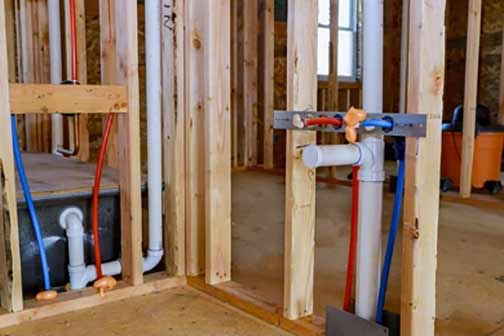
Rough-in plumbing is a crucial phase in the construction or renovation of a home, where the plumbing system is installed within the walls and floors, but not yet connected to fixtures. This stage involves laying out the pipes and drains that will eventually service the sinks, toilets, showers, and other water-using appliances. Understanding this process is essential for homeowners who wish to ensure that their plumbing systems are installed correctly and efficiently.

During the rough-in plumbing phase, the focus is on the infrastructure that supports water supply and waste management. The term “rough-in” refers to the preliminary phase where pipes are positioned before the installation of visible fixtures. This stage is vital because it establishes the backbone of the plumbing system, ensuring that water can flow to and from the house without obstruction. Homeowners need to understand the significance of this phase, as it dictates the efficiency and functionality of the plumbing system.

The Importance of Rough-In Plumbing in Home Construction

Rough-in plumbing sets the foundation for the entire plumbing system of a house. It is during this phase that the positioning of pipes and drains is determined, which can significantly affect the functionality and efficiency of the plumbing system. Properly executed rough-in plumbing ensures that water flows smoothly and waste is efficiently removed from the home. It also minimizes the risk of leaks and other plumbing issues that can lead to costly repairs down the line.

Moreover, rough-in plumbing plays a critical role in the structural integrity and safety of the home. A well-planned rough-in phase can prevent future complications such as water damage, mold growth, and structural deterioration. By ensuring that pipes are correctly installed and aligned, homeowners can avoid disruptions in water supply and drainage, contributing to the overall comfort and safety of the living environment. This phase also involves compliance with building codes and regulations, which is essential for avoiding legal issues and ensuring the home’s safety standards are met.

Key Components of Rough-In Plumbing

Several components are involved in rough-in plumbing, each playing a vital role in the system’s overall functionality:

  • Water Supply Lines: These pipes deliver fresh water to various fixtures throughout the home. They must be correctly sized and positioned to ensure consistent water pressure and flow. The selection of materials for these pipes is crucial, as it affects durability and water quality. Copper, PVC, and PEX are common choices, each with its own advantages and limitations.
  • Drainage Pipes: Also known as waste pipes, these are responsible for carrying wastewater away from the home. Proper slope and alignment are crucial to prevent blockages and ensure efficient drainage. These pipes must be designed to handle varying volumes of water and waste, requiring careful planning to prevent overflow and backups.
  • Vent Pipes: These pipes allow air to enter the plumbing system, ensuring that water flows smoothly through the drains. They also prevent sewer gases from entering the home. Vent pipes are essential for maintaining air pressure in the drainage system, allowing gravity to facilitate water movement efficiently.
  • Fixture Locations: The rough-in process involves marking the locations where fixtures such as sinks, toilets, and showers will be installed, ensuring that the plumbing system is tailored to meet the needs of the household. Proper fixture placement enhances convenience and accessibility, contributing to a functional and user-friendly living space.

Planning and Designing Rough-In Plumbing

Careful planning and design are critical to the success of rough-in plumbing. Homeowners should work closely with their plumbers to ensure that the plumbing layout meets their needs and complies with local building codes. This involves considering factors such as the number of bathrooms, the types of fixtures to be installed, and the overall water usage of the household. Proper planning can help avoid costly changes and rework later in the construction process.

Effective planning also involves anticipating future needs and potential changes in the household. For instance, homeowners might consider the possibility of expanding the family or adding new appliances that require plumbing connections. By incorporating these considerations into the initial design, homeowners can save time and money on future modifications. Additionally, planning should account for energy efficiency and sustainability, integrating systems that minimize water usage and reduce environmental impact.

a rough-in plumbing project completed
Homeowners should work closely with their plumbers to ensure that the plumbing layout meets their needs and complies with local building codes.

Common Challenges in Rough-In Plumbing

While rough-in plumbing is a vital part of home construction, it can also present several challenges. Some common issues include:

  • Incorrect Pipe Sizing: Using pipes that are too small can lead to low water pressure, while oversized pipes can result in inefficient water flow and increased costs. Proper sizing requires accurate calculations based on the expected water demand and fixture specifications.
  • Poor Drainage Design: Improperly sloped or aligned drainage pipes can cause blockages and slow drainage, leading to potential water damage and costly repairs. Effective drainage design involves understanding the principles of gravity and fluid dynamics to ensure smooth water flow.
  • Ventilation Issues: Insufficient venting can cause slow drainage and unpleasant odors, as well as potential health hazards from sewer gases. Proper venting requires careful placement and sizing to maintain air balance and prevent negative pressure in the plumbing system.
  • Non-Compliance with Building Codes: Failing to adhere to local building codes can result in fines, delays, and the need to redo work to meet legal requirements. Compliance ensures safety and reliability, protecting homeowners from legal and financial repercussions.

Tips for Successful Rough-In Plumbing

To ensure a successful rough-in plumbing process, homeowners should consider the following tips:

  • Hire a Qualified Plumber: A skilled and experienced plumber can help ensure that the plumbing system is designed and installed correctly, minimizing the risk of future issues. Plumbers bring expertise in navigating complex plumbing challenges and adhering to industry standards.
  • Understand Local Building Codes: Familiarizing yourself with local building codes can help ensure that the plumbing system complies with legal requirements and avoids costly fines and rework. Homeowners should stay informed about updates and changes in regulations to maintain compliance.
  • Plan for Future Needs: Consider potential future changes or additions to the home, such as additional bathrooms or appliances, and incorporate them into the plumbing design. This foresight can prevent disruptions and costly modifications later on.
  • Conduct Thorough Inspections: Regular inspections throughout the rough-in plumbing process can help identify and address potential issues before they become major problems. Inspections ensure quality control and adherence to design specifications, enhancing the system’s reliability.

The Role of Technology in Modern Rough-In Plumbing

Advancements in technology have significantly impacted the rough-in plumbing process, making it more efficient and accurate. Tools such as computer-aided design (CAD) software allow contractors to create detailed plumbing layouts that minimize errors and optimize system performance. Additionally, modern materials and techniques, such as flexible PEX piping and trenchless technology, have made it easier to install and maintain plumbing systems.

Technology also facilitates better communication and collaboration between homeowners and contractors. Digital tools enable real-time updates and modifications to plumbing plans, ensuring that all parties are aligned on project goals and timelines. Furthermore, smart plumbing systems are becoming increasingly popular, offering features such as remote monitoring and leak detection, which enhance convenience and safety for homeowners.

Conclusion: Empowering Homeowners with Knowledge

Understanding rough-in plumbing is essential for homeowners who want to ensure that their plumbing systems are installed correctly and efficiently. By familiarizing themselves with the basics of rough-in plumbing, homeowners can make informed decisions during the construction or renovation process, minimizing the risk of costly repairs and ensuring the long-term functionality of their plumbing systems. With the right knowledge and planning, homeowners can confidently navigate the complexities of rough-in plumbing and enjoy a safe, reliable, and efficient plumbing system in their homes.

Empowerment through knowledge allows homeowners to take an active role in the construction and maintenance of their homes. By understanding the intricacies of rough-in plumbing, homeowners can effectively communicate with contractors, advocate for their needs, and ensure that their homes are built to their specifications. This proactive approach not only enhances the home’s value and functionality but also contributes to a sense of ownership and satisfaction.

Understanding Your High Water Bill: Hidden Issues and Solutions

understanding your high water bill

Many homeowners experience a sudden spike in their water bills without any apparent reason. It can be perplexing when there are no visible leaks, and everything seems to be functioning normally. Understanding the hidden issues that could be causing this unexpected increase is essential in finding effective solutions. By exploring these underlying factors, you can take proactive steps to manage your water consumption and reduce your expenses.

Common Causes of High Water Bills: Identifying the Invisible Culprits

High water bills can be attributed to several factors, often hidden from plain sight. Some of the most common causes include undetected leaks, inefficient appliances, and human error. Identifying these issues is the first step towards resolving them. By understanding the root causes, you can implement targeted solutions to curb your water usage and lower your bills.

Undetected Leaks: The Silent Culprits Draining Your Wallet

Undetected leaks are one of the most prevalent causes of high water bills. These leaks can occur in various parts of your plumbing system, including toilets, faucets, and underground pipes. Even a small leak can significantly impact your water consumption over time, leading to unexpectedly high bills. Addressing these leaks promptly is crucial to preventing further financial loss and conserving water resources.

Inefficient Appliances: The Hidden Drain on Your Resources

Old or inefficient appliances can be a major source of water wastage. Dishwashers, washing machines, and even water heaters that are not operating optimally can consume more water than necessary. Upgrading to water-efficient models and installing a tankless water heater can help reduce your water usage and lower your bills. Investing in modern appliances not only saves money but also contributes to environmental sustainability.

Human Error: The Overlooked Factor in Water Consumption

Sometimes, the cause of a high water bill is as simple as human error. Forgetting to turn off the hose, leaving faucets running, or overwatering the garden can all contribute to increased water consumption. Being mindful of your water usage habits can prevent unnecessary waste. Cultivating awareness and fostering responsible water use practices can lead to significant savings.

Methods to Identify Hidden Water Issues: A Systematic Approach

Identifying hidden water issues requires a systematic approach. Regular inspections, monitoring your water meter, and using leak detection tools can help pinpoint the source of the problem. By staying vigilant, you can catch issues early and avoid costly bills. Implementing a routine check-up schedule can ensure that your plumbing system remains in optimal condition.

Using Technology to Detect Leaks: Embracing the Digital Age

Modern technology offers various tools to help detect leaks in your plumbing system. Smart water meters and leak detection devices can provide real-time data on your water usage, alerting you to any unusual activity. These tools can be invaluable in identifying hidden leaks before they become a significant problem. By integrating technology into your home, you can enhance your ability to manage water consumption effectively.

a professional plumber performing an inspection
Scheduling routine inspections with a professional plumber can help identify potential issues before they escalate.

Regular Maintenance: A Preventive Measure for Sustainable Water Use

Regular maintenance of your plumbing system is crucial in preventing high water bills. Scheduling routine inspections with a professional plumber can help identify potential issues before they escalate. Maintenance also ensures that your appliances and fixtures are operating efficiently. By adopting a proactive maintenance strategy, you can safeguard your home against unexpected water-related expenses.

Water Conservation Tips: Simple Steps for Significant Savings

Conserving water not only helps reduce your bills but also benefits the environment. Simple actions such as fixing leaks promptly, using water-efficient appliances, and being mindful of your water usage can make a significant difference. Implementing water-saving practices in your daily routine can lead to long-term savings. By embracing conservation efforts, you contribute to a sustainable future.

Understanding Your Water Bill: Decoding the Details

Understanding how your water bill is calculated can provide valuable insights into your water usage patterns. Familiarize yourself with the billing structure, including any fixed charges and tiered pricing. This knowledge can help you identify any discrepancies and take corrective action. By being informed about your billing details, you can make more strategic decisions regarding your water consumption.

Seeking Professional Help: When to Call in the Experts

If you’re unable to identify the cause of your high water bill, it may be time to seek professional help. A qualified plumber can conduct a thorough inspection of your plumbing system and recommend solutions tailored to your specific needs. Investing in professional services can save you money in the long run by preventing further issues. Trusting plumbing experts ensures that you receive accurate diagnoses and effective interventions.

The Importance of Water Efficiency: A Commitment to Conservation

Water efficiency is becoming increasingly important as water resources become more scarce. By adopting water-efficient practices and technologies, you can contribute to conservation efforts while reducing your water bills. Embracing water efficiency is a win-win situation for both your wallet and the environment. By prioritizing efficiency, you play a vital role in preserving precious water resources for future generations.

Conclusion: Taking Action to Lower Your Water Bill and Promote Sustainability

High water bills can be a source of stress for homeowners, but understanding the hidden issues and implementing effective solutions can alleviate this burden. By being proactive in identifying and addressing water wastage, you can enjoy lower bills and contribute to a more sustainable future. Take action today to ensure that your water consumption is efficient and cost-effective. Together, we can make a positive impact on our environment and our finances.

Sewer Camera Inspection: Transforming the Way We Clean Drains

sewer camera inspection

In the realm of plumbing and drainage, technological advancements have significantly transformed the way professionals approach the task of maintaining and cleaning sewer systems. Among these innovations, sewer camera inspection stands out as a groundbreaking development that has revolutionized the industry. This technology allows for a comprehensive and detailed examination of sewer lines, providing insights that were previously unattainable. As we get into the evolution of drain cleaning technology, it becomes evident that sewer camera inspection is not just a tool but a transformative force in the field.

Historically, drain cleaning relied heavily on manual techniques and rudimentary tools. Plumbers would often resort to guesswork and intuition to diagnose problems, leading to time-consuming and sometimes ineffective interventions. The introduction of sewer rodding and high-pressure hydro jetting marked significant progress, yet these methods lacked the precision required for accurate diagnosis. The advent of sewer camera inspection has bridged this gap, offering unparalleled clarity and understanding of sewer system conditions.

Understanding Sewer Camera Inspection: A Detailed Exploration of Its Functionality

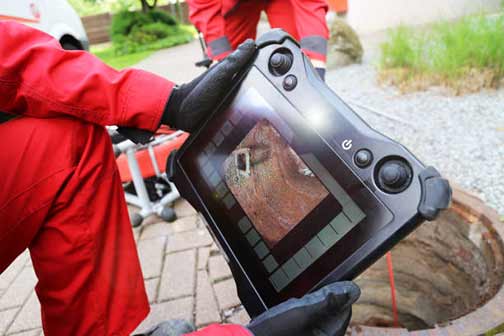
Sewer camera inspection involves the use of high-resolution cameras attached to flexible cables that are inserted into sewer lines. These cameras transmit real-time video footage to a monitor, allowing technicians to visually inspect the interior of pipes. This method provides a clear and accurate view of the condition of the sewer system, identifying blockages, cracks, and other potential issues without the need for invasive procedures. The precision and efficiency of sewer camera inspection have made it an indispensable tool for plumbers and drainage specialists.

The process begins with the insertion of the camera into the sewer line. As the camera navigates through the pipes, technicians can observe live footage on a monitor, analyzing the state of the infrastructure. This visual inspection is crucial for identifying not only obstructions but also structural issues such as corrosion or misalignments. The ability to capture high-definition images ensures that even the smallest anomalies are detected, paving the way for targeted and effective solutions.

The Mechanics Behind Sewer Camera Technology: Innovations Driving Precision

The technology behind sewer camera inspection is both sophisticated and user-friendly. The cameras are equipped with LED lights to illuminate the dark interiors of sewer pipes, ensuring that every detail is visible. The flexible cables allow the cameras to navigate through twists and turns in the pipes, providing a comprehensive view of the entire system. Additionally, some advanced systems are equipped with sensors that can measure the slope and diameter of the pipes, offering even more detailed information about the sewer lines.

These cameras are designed to withstand harsh environments, including exposure to water, debris, and varying temperatures. The integration of durable materials and advanced optics ensures longevity and reliability in diverse conditions. Moreover, the use of wireless technology allows for seamless transmission of data, facilitating real-time analysis and decision-making. The combination of these features underscores the sophistication of sewer camera technology, making it a cornerstone of modern drainage solutions.

Benefits of Sewer Camera Inspection: Enhancing Efficiency and Accuracy

The advantages of sewer camera inspection are manifold. First and foremost, it eliminates the guesswork involved in diagnosing sewer problems. By providing a clear visual of the interior of the pipes, technicians can accurately identify the root cause of any issues, whether it be a blockage, corrosion, or structural damage. This precision leads to more effective and efficient repairs, saving both time and money. Furthermore, sewer camera inspection is a non-invasive procedure, meaning that it does not require digging or disrupting the landscape, making it an environmentally friendly option.

Beyond the immediate benefits of accurate diagnosis, sewer camera inspection contributes to long-term maintenance strategies. By identifying potential problems early, technicians can implement preventive measures, reducing the likelihood of future disruptions. This proactive approach not only extends the lifespan of sewer systems but also minimizes repair costs, offering significant savings for homeowners and municipalities alike. The environmental advantages are equally noteworthy, as reduced excavation and material usage contribute to sustainable practices.

a professional sewer line camera inspection
Technicians can now pinpoint the exact location and nature of a problem, allowing for targeted interventions that address the issue without unnecessary disruption.

Transforming Drain Cleaning Practices: A Shift Towards Precision and Transparency

The introduction of sewer camera inspection has fundamentally changed the way drain cleaning is approached. Traditional methods often involved trial and error, with technicians relying on their experience and intuition to diagnose problems. However, with the advent of sewer camera technology, drain cleaning has become a more precise science. Technicians can now pinpoint the exact location and nature of a problem, allowing for targeted interventions that address the issue without unnecessary disruption. This shift towards precision has not only improved the effectiveness of drain cleaning but has also enhanced customer satisfaction by providing transparent and reliable solutions.

Transparency is a critical component of modern drainage practices. Clients can now witness firsthand the condition of their sewer systems, fostering trust and collaboration between technicians and homeowners. The ability to visually demonstrate issues and solutions empowers clients, enabling informed decision-making. This transparency extends to cost estimations, as visual evidence supports accurate assessments, ensuring that clients receive fair and reasonable quotes for services rendered.

The Emotional Impact of Technological Advancements: Confidence and Trust in Modern Solutions

The bold advancements in drainage technology, such as sewer camera inspection, have a profound emotional impact on both professionals and clients. For technicians, the ability to accurately diagnose and resolve issues instills a sense of confidence and satisfaction in their work. They can approach each job with the assurance that they have the tools necessary to deliver exceptional results. For clients, the transparency and effectiveness of sewer camera inspection provide peace of mind. Knowing that their sewer problems are being addressed with precision and care alleviates stress and fosters trust in the professionals handling the job.

Emotional responses to technological innovations are often overlooked, yet they play a significant role in shaping perceptions and experiences. The confidence gained from precise diagnostics translates into improved job performance and satisfaction among technicians. Similarly, clients experience reduced anxiety and heightened trust, knowing that their homes are in capable hands. This emotional connection underscores the importance of technological advancements in enhancing the quality of service and fostering positive relationships.

Case Studies: Success Stories in Sewer Camera Inspection Highlighting Transformative Outcomes

Numerous case studies highlight the success of sewer camera inspection in transforming drain cleaning practices. In one instance, a residential property in Chicago experienced recurring sewer backups that traditional methods failed to resolve. By employing sewer camera inspection, technicians discovered a hidden tree root intrusion that was causing the blockage. With this information, they were able to implement a targeted solution, effectively eliminating the problem and preventing future occurrences. This case exemplifies the power of sewer camera inspection in delivering accurate diagnoses and successful outcomes.

Another notable example involves a commercial establishment in downtown Chicago facing persistent drainage issues. Conventional approaches yielded temporary relief, but the underlying problem remained unresolved. Through sewer camera inspection, technicians identified a collapsed section of sewer pipe that needed repair that was previously undetected. The ability to visualize the damage facilitated a comprehensive repair strategy, resulting in long-term resolution and improved functionality. These case studies underscore the transformative impact of sewer camera technology, highlighting its role in achieving effective and lasting solutions.

Future Prospects of Sewer Camera Technology: Innovations Shaping the Next Generation of Drainage Solutions

As technology continues to advance, the future prospects of sewer camera inspection are promising. Innovations in camera resolution, data analytics, and integration with other technologies are poised to enhance the capabilities of sewer camera systems even further. For instance, the integration of artificial intelligence could enable automated analysis of sewer footage, identifying potential issues and suggesting solutions with minimal human intervention. Such advancements will undoubtedly continue to transform the industry, setting new standards for efficiency and effectiveness in drain cleaning.

The potential for cross-disciplinary integration offers exciting possibilities for sewer camera technology. Collaboration with fields such as robotics and machine learning could lead to the development of autonomous inspection systems, capable of conducting comprehensive analyses with minimal oversight. Additionally, advancements in data analytics could facilitate predictive maintenance strategies, anticipating issues before they arise and optimizing repair schedules. These innovations represent the next frontier in drainage technology, promising enhanced performance and sustainability.

Conclusion: Embracing the Future of Drain Cleaning with Sewer Camera Inspection

In conclusion, sewer camera inspection is a transformative technology that has revolutionized the way we clean drains. Its precision, efficiency, and non-invasive nature make it an invaluable tool for professionals in the field. As we embrace the future of drain cleaning, it is essential to recognize the emotional and practical benefits that these technological advancements bring. By leveraging the power of sewer camera inspection, we can ensure that sewer systems are maintained with the utmost care and accuracy, ultimately enhancing the quality of life for communities and individuals alike.

Embracing these advancements requires a commitment to continuous improvement and adaptation. Professionals must remain abreast of emerging technologies and methodologies, integrating them into their practices to deliver superior service. Clients, too, play a role in this evolution, advocating for innovative solutions and supporting the adoption of cutting-edge technologies. Together, we can harness the potential of sewer camera inspection, transforming drain cleaning into a precise, transparent, and emotionally resonant practice.

Secrets to Keeping Your Drains Smelling Fresh All Year

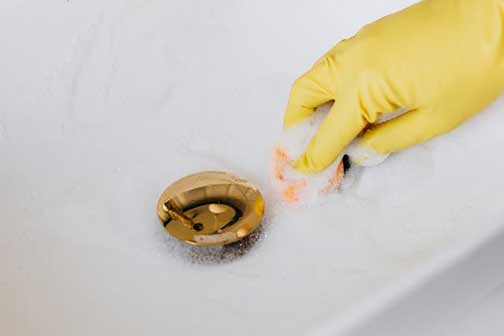
Cleaning a bathroom drain with a sponge to prevent bad odors

Moving into a new home comes with many exciting moments, but also a few challenges. One issue that often gets overlooked is maintaining clean, fresh-smelling drains. Keeping your drains smelling fresh all year round is easy if you know the right tips and tricks. Over time, food scraps, grease, soap, and even hair can build up in your drains, leading to unpleasant odors. Luckily, you can maintain a clean and fresh-smelling home with the right approach.

Why Do Drains Smell?

Before diving into the steps for keeping your drains smelling fresh, it’s helpful to understand why drains get stinky. Drains usually begin to smell when food debris, soap scum, and grease get trapped in the pipes. As these materials break down, they can create bacteria that cause foul odors. Clogs can sometimes form, leading to stagnant water and a build-up of unpleasant smells. If you cannot clear a persistent blockage, a professional diagnosis and repair might be necessary to prevent the issue from worsening.

Keeping your drains smelling fresh all year requires proactive cleaning and maintenance. Thankfully, there are simple ways to prevent this issue from taking over your home.

Regularly Clean Your Drains

The most important step in keeping your drains smelling fresh is to clean them regularly. A quick cleaning every few weeks will prevent build-up and avoid any potential odors. Here’s how you can do it:

  • Boiling Water: Pour boiling water down your drains once a week. This will help loosen any grease or food particles that may be stuck in the pipes.
  • Baking Soda and Vinegar: Combine half a cup of baking soda and half a cup of vinegar. Pour the mixture down the drain and let it sit for about 15 minutes. Then, follow with hot water. This natural cleaning solution helps clear minor clogs and neutralizes odors.
  • Drain Cleaner: Use a store-bought drain cleaner once in a while. Choose one that’s gentle on your pipes but strong enough to break down any buildup inside.

Stay Organized for Easy Maintenance

Another helpful habit is to keep your tools organized, especially when it comes to storing your power tools. Whether you’re tackling home repairs or managing a big project, having your tools in order can save you time and prevent frustration. Keeping your tools neatly stored ensures that they are easy to find when needed, reducing the chances of misplaced items that can lead to clutter. This level of organization makes tasks like drain maintenance easier and more efficient, helping you stay on top of your home’s plumbing needs.

Man frustrated by clogged kitchen sink
A clogged drain can cause frustration and unpleasant smells. Checking your drains regularly can help catch problems early.

Prevent Hair Build-Up

Hair is one of the most common culprits behind smelly drains, especially in bathroom sinks and showers. Hair can easily clog drains, leading to stagnant water and unpleasant smells. To prevent hair buildup, consider using a drain guard or strainer. These devices catch hair and other debris before it can enter the drain. Be sure to clean the strainer regularly to avoid clogs.

Dispose of Grease Properly

Grease can easily build up in kitchen drains, leading to both clogs and bad smells. Never pour grease down the drain. Instead, collect grease in a container and dispose of it in the trash. If you need to clean greasy dishes, use a paper towel to wipe off excess grease before washing them.

Use Citrus Peels or Essential Oils

One simple and natural way to keep your drains smelling fresh is by using citrus peels or essential oils. Citrus, like lemons or oranges, contains natural oils that can help neutralize bad odors.

  • Citrus Peels: Simply drop a few citrus peels down the drain and run warm water to flush them through the pipes. The fresh, zesty scent will leave your drains smelling clean.
  • Essential Oils: Add a few drops of your favorite essential oil, such as lemon, tea tree, or lavender, into the drain. The oils will help keep the pipes smelling fresh.

Avoid Pouring Food Scraps Down the Drain

Using your kitchen sink as a garbage disposal for food scraps is tempting, but doing so can quickly lead to clogged and smelly drains. Always scrape your plates before washing them and dispose of food scraps in the trash or compost. If you have a garbage disposal, make sure to run plenty of water while using it to ensure food doesn’t build up in the pipes.

Regularly Check for Clogs

Clogs are often the root cause of bad-smelling drains. It’s important to check your drains regularly for any signs of blockage. A slow-draining sink or shower is a red flag that you might have a clog forming. If you catch it early, you can fix it before it becomes a bigger issue.

If your drains get clogged, you can use a plunger or a drain snake to remove the blockage. For more serious or persistent clogs, consider unclogging the drain with the help of a professional plumber to clear the pipes.

Use Natural Drain Fresheners

Various natural drain fresheners are available to help keep your drains smelling fresh. Many of these products are made with ingredients like citrus, baking soda, and vinegar. These natural products are safe for your pipes and can help neutralize odors.

Mix baking soda and essential oils to make your own drain fresheners. Store the mixture in a container and sprinkle a small amount down the drain once a week.

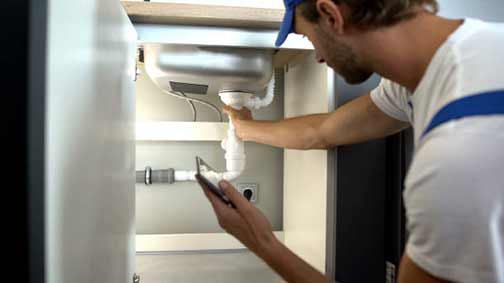
Plumber performing a plumbing inspection under a sink
Regular plumbing inspections help identify and fix issues like leaks or clogs before they become bigger problems.

Maintain Your Garbage Disposal

If your home has a garbage disposal, cleaning and maintaining it regularly is essential. Garbage disposals can trap food and grease, leading to bad smells. Clean your garbage disposal by grinding up ice cubes or citrus peels. You can also pour a mixture of vinegar and water into the disposal and run it for a few seconds to help eliminate odors.

Keep an Eye on the P-Trap

The P-trap is the curved section of pipe beneath your sink. It’s designed to prevent sewer gases from entering your home. However, if the P-trap dries out, it can allow odors to escape. To prevent this, regularly run water down the drain to keep the P-trap filled with water. If you notice a foul smell and suspect the P-trap, call a plumber to inspect it.

Regular Plumbing Inspections

If you want to avoid potential issues, consider scheduling annual plumbing inspections. A professional plumber can check your pipes, identify any areas of concern, and address problems before they become bigger issues.

Keeping your drains smelling fresh is easy when you stay on top of regular maintenance and avoid common drain-related mistakes. By following these tips, you can ensure your home always smells clean and pleasant, from the kitchen to the bathroom.

Consider Repiping for Long-Term Plumbing Solutions

In some cases, recurring drain issues or persistent bad smells could indicate larger plumbing problems, such as deteriorating pipes. If your home is older, it may be time to consider the home repiping process. Repiping involves replacing old, worn-out pipes with new ones to ensure your plumbing system runs smoothly and efficiently. This process can help prevent future clogs, leaks, and unpleasant odors. If you’re experiencing frequent drain problems, it might be a good idea to contact a plumber about the need to repipe your home to avoid more serious plumbing issues down the line.

Keep Your Drains Fresh Year-Round with Simple Maintenance

You can enjoy a home that always smells fresh and inviting with a little care and attention. Regular cleaning, proper disposal methods, and natural air fresheners will go a long way in keeping your drains smelling fresh all year. If you’re diligent about maintaining your drains, you’ll have fewer odors, clogs, and other plumbing issues to worry about. So, take the time to keep your drains and enjoy the peace of mind that comes with a fresh-smelling home.

By following these simple steps, you can easily keep your drains smelling fresh and prevent the buildup of unwanted odors. Keeping your drains smelling fresh all year doesn’t have to be a hassle, and you can enjoy a clean and pleasant-smelling home with minimal effort.

The Hidden Connection: Plumbing and Insurance in Chicago Homes

Plumbing and Insurance in Chicago Homes

Does the plumbing in your Chicago home affect the quality of your homeowner’s insurance? Is there a chance that bad plumbing may be partly responsible for your high insurance premiums or inability to get certain types of coverage?

In this post, we explore these questions.

Homeowners insurance and your plumbing

In Chicago, the quality of the plumbing components in your home matters, says TG Management. If a home is determined to have a high risk for significant water damage that can potentially exceed its insurance policy limits, this can affect the homeowner’s insurance.

As a rule, homeowners insurance only covers plumbing-related damage if they are not the direct result of gradual wear & tear or poor maintenance. In other words, the policy guarantees coverage if the plumbing damage is caused by sudden and accidental events.

To help you understand, here is a more detailed explanation:

If a sudden leak from a broken pipe or faulty appliance damages your home, your homeowner’s insurance will cover the damage. But if that broken pipe is poorly maintained or has been leaking slowly, your insurance policy will not cover the damage.

Although homeowners insurance provides coverage for water damage, it includes limitations and exclusions. This is why the insurance adjuster takes pictures of your plumbing before approving your homeowner’s policy. What are they looking for?

How insurance companies assess your plumbing

The insurer will send an adjuster to do a general inspection of your home. During this process, the adjuster will take pictures of your plumbing to get a general idea of the style and age of the system. The adjuster usually looks out for the following:

  1. The age of your home

The year of the home’s construction gives the company insight into the age of the plumbing and the types of plumbing materials in your house. They want to know if the drains are made of iron or plastic and if the supply is copper or plastic.

  1. Corroded pipes

Since homeowners insurance covers water damage from sudden leaks but not from leaks caused by wear and tear, it is important to know the physical condition of your pipes. Corroded pipes that lead to sudden leaks are a problem.

  1. Pipe insulation

Copper pipes burst easily because they are inflexible and conduct heat very well. To prevent this, the pipes must be insulated. Although they are less prone to bursting, PVC pipes also need to be insulated. PEX pipes are the best because they expand to accommodate freezing water. The insurance company will take note of these details.

  1. Pipe connections

Connections between your water heater and the attached pipes influence the rate of pipe corrosion and the risk of pipe leaks in your home. Plastic inserts and brass fitting help to prevent corrosion in places where dissimilar metals meet. Also, water pipes should not be used as a grounding rod, as this can encourage corrosion.

  1. Presence of polybutylene plumbing

Because of its flexibility, ease of installation, and lower cost versus copper, polybutylene used to be a popular plumbing material. It was discontinued after it was found to react with chlorine and other water disinfectants. The insurance company adjuster will look for piping with the lettering PB.

  1. Quality of installation

The overall neatness of the plumbing will tell the adjuster if the work was done by a professional. The risk of “sudden and accidental” leaks and other plumbing problems increases if your plumbing is not installed professionally.

How will bad plumbing impact your homeowner’s insurance?

  1. Insurance denial

Issues like the presence of polybutylene piping in your plumbing can make your home uninsurable. Even if you are not denied, your home will be flagged as high risk, and this can lead to high premiums or avoidable policy exclusions.

  1. Voided insurance coverage

Some plumbing problems in your home can invalidate your insurance. If an insurance policy is voided, it is considered to have never existed and viewed as invalid from the start. If this happens, you will have no basis to make insurance claims for any water damage in your home.

  1. Higher insurance premiums

To determine how much premium you should pay, an insurer will assess the risk of plumbing issues in your home. Older plumbing materials, the physical state of the plumbing, and quality of maintenance are factors the company looks at to make this decision.

Plumbing maintenance strategies to preserve your insurance

  1. Proactive maintenance

Find and fix the problems in your plumbing before they happen. Proactive maintenance prevents issues, while reactive maintenance corrects them. A strategy that leaves you waiting for problems to occur before you act will cost more.

  1. Prompt repairs

Time is of the essence when dealing with plumbing issues in your home. The difference between a frayed pipe and a burst pipe is timely action to deal with the first problem to prevent the second.

  1. Professional solutions

Taking timely steps to fix a problem only matters if the problem is solved professionally. Investing in professional plumbing solutions is one of the best ways to secure your homeowner’s insurance.

How to Maintain Your Plumbing Fixtures in Chicago

How to Maintain Your Plumbing Fixtures in Chicago

The plumbing is one of the systems in your home that you interact the most with. Whether you are taking a shower, cooking, dish-washing, doing the laundry, or watering your garden, at least one of the plumbing fixtures in your home will be involved, says Keyrenter Folsom Management.

The plumbing is also probably the most-vast system in your house; in all likelihood, it takes up more space than the electrical or HVAC systems. Consequently, there are more opportunities for things to go wrong with the plumbing in your Chicago home.

From minor issues like leaking faucets, running toilets, or clogged showerheads to major problems like clogged drains, overflowing toilets, and sewage odors in the home, these are potential problems that can happen to your plumbing. How do you prevent them?

The best way to keep your plumbing in good working condition while keeping your maintenance costs low is through timely maintenance. It is easier to prevent a plumbing problem in your home than it is to correct that problem after it has happened.

10 preventive maintenance tips for your plumbing

  1. Routine inspections

Regular plumbing inspections help you detect changes in your plumbing before those issues cause problems. These inspections should be done monthly, and you don’t have to hire a professional plumber to do them. This is a surface-level inspection that involves careful examination of all the accessible plumbing pipes, fixtures, and appliances in your home.

  1. Professional plumbing inspections

This should be done once a year by a licensed plumber. These inspections are more detailed. During a professional plumbing inspection, your plumber will do a detailed assessment of your pipes (whether those pipes are easily accessible or hidden behind your walls or flooring). He/she will test for leaks, water pressure issues, and signs of aging or impending trouble.

  1. Routine and professional drain cleaning

Weekly or at least once a month, use vinegar, baking soda, salt, hot water, boron, and other well-known home remedies to clear out your drains. Once a year or once every two years, you also want to get a professional plumber to clean your drains and sewer line using either hydro jetting or sewer rodding.

  1. Ensure proper use of your drains

Most drainage problems in your home are caused by misuse of the drains. It is unavoidable that debris will build up inside your drains. However, this process is accelerated by trashing eggshells, coffee grounds, cat litter, and similar materials in the drains. To protect your plumbing, you must know what not to put inside your drains.

  1. Protect your garbage disposal

Despite its name, your garbage disposal is not for disposing of garbage. Trashing stuff like pasta, rice, fibrous veggies, and FOG (fats, oils, and grease) in the sink and expecting the garbage disposal to take care of them is one of the quickest ways to damage the appliance and clog your drains.

  1. Install drain strainers

Install drain strainers on shower and sink drains. A drain strainer will catch hair, soap scum, and other debris in the shower, preventing them from entering your drains. In the kitchen, they keep food debris out of the garbage disposal unit. When installing a drain strainer, ensure it is the right size for the drain and easy to clean.

  1. Maintain your water heater

All kinds of problems can happen to your water heater. The pipes may leak or clog, the anode rod can corrode, the heating element could stop working, and the tank may fill with debris. Any of these problems can impact your family’s access to hot water, but with routine inspections, you can prevent all of them.

  1. Insulate your pipes

Insulating exposed pipes in unheated areas of your home helps to prevent frozen or burst pipes in your home. It is easier to insulate pipes than to deal with the hassle of frozen or burst pipes. During freezing weather, pipes in the following areas of your home are most vulnerable: attics, crawlspaces, basements, garages, cabinets, and underneath sinks.

  1. Avoid chemical drain cleaners

When dealing with clogged drains in your home, chemical drain cleaners feel like a god-sent. But frequent use of chemical drain cleaners will damage your pipes. Moreover, these products do not remove the debris inside your pipes; they just punch a hole through them. Eventually, your pipes will clog, and you will have to clean them properly.

  1. Emergency preparedness

Know the warning signs of plumbing problems in your home and the right steps to minimize the impact of those problems. Familiarize yourself with the location of the different shut-off valves in your home. Make sure your family knows the location and purpose of the main water shut-off valve, as well as how to use it.

Finally, find an experienced and reliable local plumber. Even if the plumbing in your home is old, a good plumber can help you get the best out of them. However, you cannot be sure of optimal performance from even the best plumbing system if that plumbing is maintained by a second-rate plumber.

Backflow Prevention: Protecting Your Drinking Water in Chicago

Protecting Your Drinking Water in Chicago

Contaminated drinking water is a huge problem for many Chicago homeowners. Some well-known causes of this problem are flooding, pollutants finding their way into broken water pipes, and the use of lead pipes in the plumbing.

However, Specialized Property Management Phoenix says, there is a major cause of water contamination that is less known to most homeowners. Yet, it is possibly even more lethal than some of the other known causes. This is because it can happen in your home without leaving any clear signs.

Have you ever heard of the term “Backflow”?

What is backflow?

Backflow is when unsanitary water from sources like the sewer line flows backward and enters your drinking water supply, contaminating it. Backflow introduces harmful substances into clean water and happens either as a result of backpressure or back siphonage.

Back pressure occurs when the pressure in your plumbing is higher than the supply pressure, causing water to be pushed in the wrong direction. It is often caused by blocked drains, faulty plumbing fixtures, and a water heater that is not properly vented.

Back siphonage is negative pressure within the supply pipes can result in water being sucked backward until contaminated water is forced from the drainage system into the supply pipes. Common causes of back siphonage include water main breaks or when firefighting equipment causes massive drops in water pressure via nearby hydrants.

Signs and impact of backflow

  1. Discolored water

Water flowing from showerheads and faucets may have a gray, yellow, brown, or pink hue. Rust particles or sediment may also be present in your water supply.

  1. Smelly water

If your water has a strange odor, it could be because of a backflow issue. In addition to a bad smell, the water may also taste bad.

  1. Low or fluctuating water pressure

Decreased water flow and low water pressure (that does not affect neighboring homes) could mean that you have backflow issues.

  1. Slow drains

Backflow can make your drains visibly slower, especially if the water level in some drains is higher. But there are decreased water levels in other drains at the same time.

Backflow poses a huge threat to your family’s health because it is normal for members of your household to automatically assume that the water coming out of the faucets is safe. This is why you should not delay taking action if any of the above signs are in your home.

How to prevent backflow

The best way to deal with backflow is to prevent it with a backflow prevention device. Also known as a Reduced Pressure Zone Valve (RDZ Valve), a backflow prevention device ensures that water flows only in one direction within your drinking water supply pipes.

There are four types of backflow prevention devices:

  1. Pressure vacuum breakers (PVBs)

This is a common and inexpensive type of whole-system backflow preventer. Their simple design makes them easy to install, repair, and maintain. PVB devices are only effective for preventing back siphonage and they are not always suitable for indoor installations.

  1. Double check valve assemblies (DCVAs)

These events are highly volatile. They can be used for indoor, in-line (below-grade), and underground installations. The presence of two independently-operating spring-loaded check valves means they are more efficient. A DCVA device can be installed where there is potential for both back siphonage and backpressure.

  1. Reduced Pressure Zone Assembly (RPZ)

These are the most complex and most expensive types of backflow prevention devices. They are also the most secure and most reliable of all the preventers listed here. Depending on the device’s configuration, it can be installed in-line or underground. RPZ devices are effective for preventing back siphonage and back pressure.

  1. Atmospheric vacuum breakers (AVBs)

These gravity-operated devices are the simplest and least expensive backflow preventers. They work with air pressure instead of water pressure and must be installed vertically. They are not as reliable as the other systems in this list and cannot be used in lawn sprinkler systems. They will not prevent backflow if it is caused by back pressure.

Does your home need a backflow prevention device?

If your home meets one of the following descriptions, you need a backflow preventer device:

  1. Your home has cross-connections

Chicago city mandates backflow preventers from homes and businesses with cross-connections. A cross-connection is any point in the plumbing where your drinking water supply system meets a non-potable water source.

  1. Your home has an irrigation system, etc.

A backflow preventer is mandatory if you have an irrigation system, a swimming pool, a water softening system, or commercial-grade appliances.

  1. You see signs of backflow

If you see some of the listed signs of backflow in your home, you may need a backflow preventer.

Lastly, the only way to be 100% sure whether you need a backflow preventer is to have your water tested. You should do this test once every year. This is how to prevent unknown events from causing backflow in your plumbing system.

Mastering Drain Clogs: Expert Advice from Chicago’s Top Plumbers

mastering drain clogs in chicago

Drain clogs are a frequent issue faced by homeowners, and understanding their causes is the first step towards effective management. In Chicago, where plumbing systems can range from historic to modern, clogs can arise from a multitude of sources. Common causes include the accumulation of grease, hair, soap scum, and foreign objects that inadvertently find their way into drains. In older homes, outdated plumbing systems can exacerbate these issues, leading to frequent clogs. It’s crucial for homeowners to recognize these causes to prevent future occurrences and maintain efficient drainage systems. By identifying the specific factors that contribute to clogs, homeowners can take proactive steps to mitigate these problems and ensure smooth operation of their plumbing systems.

Preventive Measures: Keeping Drains Clear and Functional

Prevention is key when it comes to managing drain clogs. Chicago’s top plumbers recommend regular maintenance and mindful usage as effective strategies. Simple practices such as using drain guards to catch hair and debris, avoiding the disposal of grease down the sink, and running hot water periodically can significantly reduce the risk of clogs. Additionally, educating family members about what should and shouldn’t go down the drain can prevent accidental blockages. Regular inspections by professional plumbers can also help identify potential issues before they become major problems. By incorporating these preventive measures into daily routines, homeowners can maintain clear and functional drains, reducing the likelihood of inconvenient and costly plumbing issues.

DIY Solutions for Minor Drain Clogs: Simple and Effective Techniques

While some clogs may require professional intervention, minor blockages can often be resolved with DIY solutions. Chicago Plumbing Experts suggest using a plunger or a plumber’s snake as effective tools for unclogging drains. For sinks and bathtubs, a mixture of baking soda and vinegar can serve as a natural cleaning solution, helping to break down buildup and clear minor clogs. It’s important for homeowners to understand the limitations of these methods and to avoid using harsh chemicals that can damage pipes and plumbing systems. By employing these simple and effective techniques, homeowners can address minor clogs quickly and efficiently, maintaining the integrity of their plumbing systems.

When to Call in the Professionals: Recognizing the Signs

Knowing when to call in our professional plumbers is vital for preventing further damage to your plumbing system. Persistent clogs, foul odors, or slow drainage are signs that a professional assessment is needed. Chicago Plumbing Experts have the expertise and equipment to diagnose and resolve complex drain blockage issues, ensuring long-term solutions. Homeowners should not hesitate to seek our professional help when DIY methods prove ineffective or when dealing with recurring clogs, as timely intervention can prevent costly repairs down the line. Recognizing the signs that indicate the need for professional assistance can help homeowners protect their plumbing systems and avoid unnecessary damage.

Advanced Techniques Used by Chicago’s Top Plumbers: Cutting-Edge Solutions

Chicago Plumbing Experts employ advanced techniques to tackle stubborn drain clogs. These include hydro jetting, which uses high-pressure water jets to clear blockages and clean pipes thoroughly. Sewer camera inspections are another innovative method, allowing our plumbers to visually assess the condition of pipes and identify the exact location of clogs. These techniques ensure efficient and effective solutions, minimizing the risk of future clogs and extending the lifespan of plumbing systems. By utilizing cutting-edge solutions, Chicago Plumbing Experts can address even the most challenging plumbing issues with precision and expertise, providing homeowners with peace of mind and reliable results.

a professional hydro jetting service in chicago
Chicago Plumbing Experts employ advanced techniques to tackle stubborn drain clogs. These include hydro jetting, which uses high-pressure water jets to clear blockages and clean pipes thoroughly.

Maintaining Your Plumbing System: Expert Tips for Longevity

Regular maintenance is essential for keeping your plumbing system in top condition. Chicago Plumbing Experts advise scheduling routine check-ups to ensure all components are functioning correctly. This includes inspecting pipes for leaks, checking water pressure, and ensuring drains are clear. Additionally, homeowners should be aware of the signs of plumbing issues, such as unusual noises or water discoloration, and address them promptly. By maintaining your plumbing system, you can prevent clogs and ensure efficient water flow throughout your home. Following expert tips for longevity can help homeowners extend the lifespan of their plumbing systems and avoid unexpected disruptions.

Understanding the Impact of Chicago’s Climate on Plumbing: Seasonal Challenges

Chicago’s climate can have a significant impact on plumbing systems, particularly during extreme weather conditions. Cold temperatures can lead to frozen pipes, which can burst and cause severe damage. Homeowners should take preventive measures, such as insulating pipes and allowing faucets to drip during freezing weather, to avoid these issues. Additionally, heavy rainfall can overwhelm drainage systems, leading to backups and clogs. Understanding these climate-related challenges can help homeowners prepare and protect their plumbing systems effectively. By anticipating seasonal challenges and implementing appropriate measures, homeowners can safeguard their plumbing systems against weather-related disruptions.

Choosing the Right Plumber: What Homeowners Need to Know

Selecting the right plumber is crucial for ensuring quality service and effective solutions. Homeowners in Chicago should look for plumbers with a solid reputation, verified credentials, and experience in handling a variety of plumbing issues. It’s important to read reviews, ask for recommendations, and verify licenses before hiring a plumber. Building a relationship with a trusted professional can provide peace of mind and ensure that you have reliable support when plumbing issues arise. By choosing the right plumber, homeowners can ensure that their plumbing needs are met with expertise and professionalism, resulting in long-lasting solutions and satisfaction.

Conclusion: Mastering Drain Clogs for a Hassle-Free Home

Mastering drain clogs involves a combination of preventive measures, DIY solutions, and professional expertise. By understanding the causes of clogs, implementing regular maintenance, and knowing when to call in the experts, homeowners can effectively manage their plumbing systems and prevent disruptions. With insights from Chicago’s top plumbers, homeowners are equipped to tackle clogs head-on, ensuring a hassle-free and efficient home environment. By taking proactive steps and seeking professional guidance when needed, homeowners can achieve a well-functioning plumbing system that supports their daily needs and enhances their quality of life.

Need help unclogging your drains in the Chicagoland area? We can help! Contact us today at 708-775-2566 or by form below:

Contact Us

Contact Us

Name
Name
First Name
Last Name