Author Archives: Chicago Plumbing Experts

The Advantage of Proximity: Choosing a Plumbing Company Near You

Choosing a Plumbing Company Near You

In home maintenance, plumbing issues are among the most stressful and time-critical problems homeowners have to deal with. From leaking pipes to clogged drains, these issues require urgent repair to prevent further damage and inconvenience. This is where the location benefit comes in. Choosing a local plumbing company can do wonders for how quickly and effectively your plumbing issues are resolved. The proximity not only assists in getting the assistance in a timely manner but also guarantees that the service provided is tailored to the requirements of your area.

Plumbing problems happen unexpectedly, and the emergency nature cannot be overstated. A local plumbing service can significantly reduce the waiting time, ensuring issues are addressed before they escalate. This timeliness is critical in not permitting small leaks to turn into large water damage issues or clogged drains to lead to huge plumbing system backups. Therefore, the value of proximity in plumbing service is its ability to provide timely, effective, and efficient response to emergency problems.

Personalized Service: The Hallmark of Local Plumbing Companies

Local plumbing companies like to take pride in providing tailor-made service that larger, national companies may not be in a position to provide. These companies are highly integrated in the community and understand individual needs of local homeowners. They prefer to provide personalized solutions specific to problems common in the area so that your plumbing system is designed for the local environment. The local touch offered by local plumbers can be significant in regard to the quality of service that you receive.

If you hire a local plumbing company, you are in a position to benefit from their intimate understanding of the area and its plumbing needs. Such intimate understanding makes them offer solutions that not only suit you at the time but also in the future. Whatever it is, whether you are looking to learn about the quality of water in the region or about the typical plumbing material used around your neighborhood, local plumbers understand how to deliver just the kind of service you need. Additionally, the rapport that you build with a local plumber will make the service process more reliable and comfortable.

Faster Response Times: A Critical Factor in Plumbing Emergencies

Speed of service is the greatest advantage of choosing a plumber in your locality. Local plumbers can easily respond to emergencies quickly without taking much time to fix urgent problems. Fast response can prevent minor problems from resulting in big repairs, saving you money, time, and stress. Plumbers farther away may take longer distances and hence, the fixing of your plumbing emergencies may be slow.

When it comes to plumbing emergencies, time is an issue. Leaking pipes or a serious burst pipe emergency can play havoc on your house if it isn’t mended immediately. Local plumbing companies are generally capable of offering same-day service, ensuring that your emergency gets treated with the urgency that it deserves. Such rapid response ability not only stops further damage but also provides homeowners with comfort, realizing that aid is just around the corner.
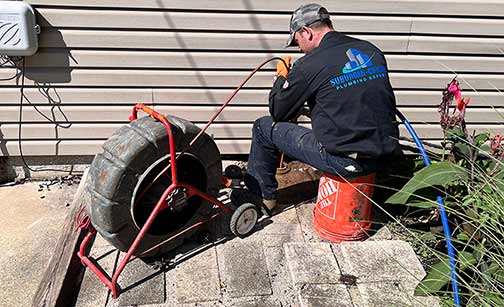
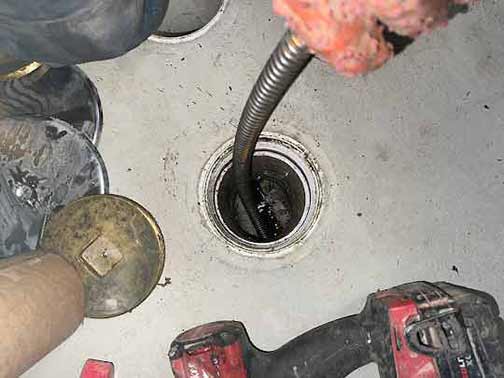
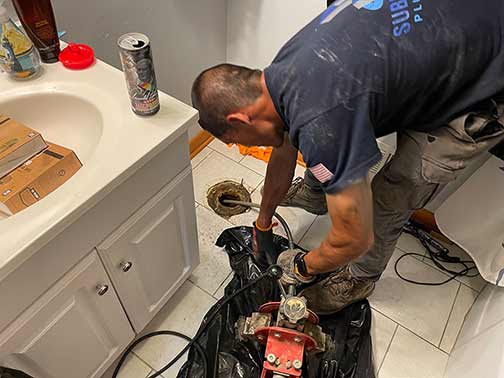
a local plumber cleaning a drain out

Local plumbing companies are generally capable of offering same-day service, ensuring that your emergency gets treated with the urgency that it deserves

Building Trust and Reputation: The Community Connection

Local plumbing companies also rely more on community reputation and word-of-mouth referrals to acquire more business. That means that they are committed to delivering quality service in a bid to maintain their reputation in the community. By employing a local plumber, you are more likely to receive honest advice and follow-up service because their reputation hinges on customer satisfaction. This type of trust is invaluable, especially for homeowners who must ensure that their plumbing issues are in good hands.

The local affiliation that local plumbers have is an indication of their commitment to quality and integrity. They understand that their success is tied directly to their customers’ satisfaction, which motivates them to deliver more in terms of service. By contracting a local plumber, you are servicing a company that cares about its community and wants to give back to it. This bidirectional relationship establishes a degree of trust and reliability that is necessary for long-term service agreements.

Supporting the Local Economy: A Win-Win Situation

Choosing a local plumbing company also benefits the local economy. Supporting local businesses by allowing them to serve you with plumbing services, you contribute to the creation of employment and economic development within your local community. Investing in local service may lead to improved infrastructures and channeling more resources to the area, benefiting all individuals in the long run. Supporting local plumbers means that money spent on service is kept local, creating an economic benefit loop.

When you choose a local plumbing company, you are not just spending money on the maintenance of your home, but in the prosperity of your local community. The financial benefits of supporting local businesses dwarf the transaction cost of the direct service. It contributes to the overall well-being of the local economy and fosters a sense of local pride and stability. This kind of patronage translates to the prosperity of the local businesses, which enhances the quality of services and products provided to locals.

Cost Efficiency: The Financial Benefits of Local Services

Local plumbers tend to offer more favorable prices compared to large chains. Their overhead costs tend to be low, allowing them to realize savings that they will be able to pass on to consumers. Additionally, the local character of these companies translates into reduced transportation charges, and this too can help in cutting the cost of services. With a local plumber, you receive good services at reasonable prices. The cost factors associated with local services are a double win for frugal homeowners.

Cost-effectiveness is a significant consideration in the decision of most homeowners when selecting a plumbing company. Local plumbers are transparent in their costs and are even flexible enough to work with your budget to offer you the installations or repairs you need. Their conviction in reasonable prices and quality workmanship keeps you getting the best value for your money. Besides, local plumbers are more flexible in their service, providing the option to personalize service to fit your unique requirements and budget.
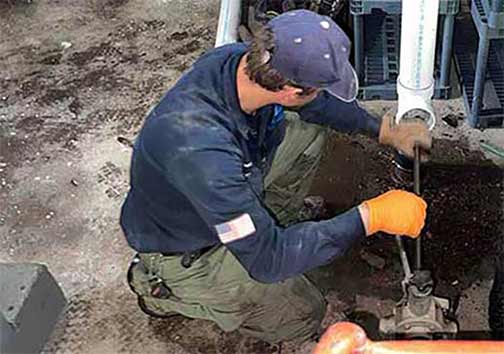
a local plumbing company providing service

Local plumbers are transparent in their costs and are even flexible enough to work with your budget to offer you the installations or repairs you need.

Access to Local Expertise: Understanding Regional Plumbing Challenges

Local plumbers have a specific knowledge of the plumbing systems in your locality and common issues. They know local regulations, climate, and infrastructure very well and can thus provide expert advice and solutions tailored to meet your home. Local experience ensures that your plumbing system is functioning optimally and is in line with all specifications. The advantages of local experience are evident in the quality and relevance of solutions provided.

It is critical to understand local plumbing problems for the best delivery of services. Local plumbers are very familiar with the particular issues that affect homes in your area, such as hard water, soil conditions, and climate plumbing problems. Knowing this, they can offer solutions not just effective in solving the issues but also long-term cost-effective. By employing a local plumbing company, you can benefit from their experience in the local environment and how it affects plumbing systems.

Environmental Considerations: Reducing Your Carbon Footprint

Choosing a plumbing company in your neighborhood can even have some beneficial environmental effects. Reduced distances covered mean less fuel consumption and less air pollution, leading to lower carbon footprint. Purchasing local ensures that you are making a conscious choice towards low environmental impact, in accordance with sustainable ideals that favor the world. Environmental benefits of opting for local service are a sure incentive for green homeowners.

Presently, sustainability is of concern for most individuals and societies. By getting your plumbing services done by a local company, you are contributing to sustainable methods that emit fewer carbon emissions. Local service calls involve shorter travel miles, which considerably reduce the environmental impact of service delivery. This emphasis on sustainability is an added benefit of going local with your services, aligning home maintenance with overall environmental goals.

Convenience and Peace of Mind: The Ultimate Advantage

The comfort of having a trusted plumber in the neighborhood cannot be emphasized enough. Having the assurance that assistance is available at your doorstep brings peace of mind, particularly during emergency situations. You can sleep soundly at night knowing that your plumbing problems will be addressed on a timely and professional basis, free from the inconvenience of lengthy waiting periods or tedious logistics. The greatest benefit of proximity is the security of knowing that your house is in capable hands.

Peace of mind does not have a price when it comes to home repairs. Having a local plumbing company in the area on call allows you to have a reliable partner ready to assist you whenever you need them. This convenience does not stop at emergency, as local plumbers are also available for routine maintenance checks and repairs. Having access to professional plumbing services quickly and conveniently increases your overall quality of life and keeps your home secure and functioning.

Conclusion: Making the Smart Choice for Your Home

In short, hiring a plumbing company locally offers numerous advantages that correlate with better service, faster response times, and overall peace of mind. From individualized service to contributing to the local economy, the benefits are clear. By choosing local experts, you can be certain that your plumbing requirements are dealt with efficiently and in a sustainable manner, making it a smart choice for any homeowner. The selection of a local plumbing company is an investment in the quality and reliability of your home’s maintenance.

Ultimately, choosing to hire a local plumbing company is a show of your commitment to quality work and community support. The advantages of being nearby, competent, and qualified to give personalized service make local plumbers a good choice for homeowners who value efficiency and reliability. By doing so, you are not just receiving the best for your home but also doing your part to keep your community thriving and resilient.
Tankless Water Heaters: Efficiency at the Forefront of Home Technology

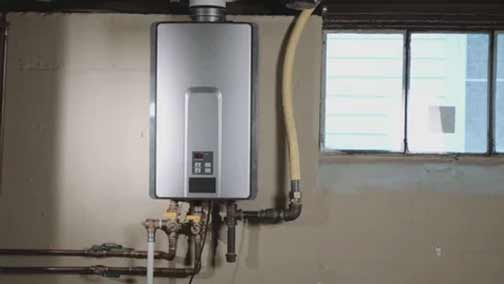
tankless water heaters

Among the rapidly evolving trends in home technology, tankless water heaters are a game-altering innovation, a new standard for water heating in homes. While traditional water heaters decline in popularity against more efficient alternatives, tankless systems take center stage with unparalleled efficiency and ease of use. Here we aim to provide an extensive description of how tankless water heaters revolutionize the landscape of home technology by highlighting their efficiency, benefits, and future directions.

Learning About Tankless Water Heaters: A Technology Marvel

Tankless water heaters or on-demand water heaters heat water only when needed, unlike traditional systems that have reservoirs and continuously heat gallons of water. This simple difference in operation is why tankless water heaters are a marvel of modern technology. Without the storage tank, the systems use significantly less energy, resulting in lower utility bills and an eco-friendlier home.

Efficiency in the Core: Why On-Demand Water Heaters Make the Most of Energy Usage

The efficiency of tankless water heaters is largely attributed to their ability to provide hot water instantaneously. Traditional water heaters maintain a reservoir of hot water, which requires constant energy to keep heated. In contrast, tankless systems activate only when a hot water tap is turned on, heating the water as it flows through the unit. This on-demand heating mechanism ensures that energy is used only when necessary, making tankless water heaters up to 30% more efficient than conventional models.

Economic Benefits: Saving Money with On-Demand Water Heaters

The economic benefit of tankless water heaters is quite possibly the most compelling reason why numerous homeowners are adopting them. The price tag of a tankless system is in the beginning slightly higher than a standard heater, but saving money in the long run is colossal. Lower energy consumption translates to lower utility bills each month, and the lifespan of on-demand water heaters tends to be longer, lowering replacement costs and frequency. Governments also offer incentives and rebates for residential upgrades that save energy, partially recouping the initial cost.

Space-Saving Design: Getting More from Home Space with Tankless Systems

Another advantage of tankless on-demand water heaters is that they are space-saving in nature. As they don’t need the huge storage tank, the system can be placed in smaller spaces, freeing up valuable square footage space in the house. It is particularly helpful for urban dwellers and for those who enjoy less housing space, allowing them to enjoy more interior design and home planning flexibility.

Environmental Impact: Encouraging Sustainability with Tankless Technology

As people become more aware of their global surroundings and the environment, homeowners are seeking ways to reduce their carbon footprint. On-demand water heaters help them achieve this goal by reducing energy consumption and greenhouse gas emissions. Being more efficient with energy and requiring less resource input to operate and maintain, tankless water heaters are a green option for those caring about the earth.

Installation and Maintenance: Ensuring Optimal Performance

Proper installation and regular maintenance are crucial to ensuring the optimal performance of tankless water heaters. Professional tankless water heater installation is recommended to ensure the system is configured correctly and safely. Maintenance typically involves periodic cleaning to prevent mineral buildup and ensure efficient operation. Regular inspections can also help identify potential issues before they become major problems, extending the lifespan of the unit.

Comparative Analysis: Tankless Water Heaters vs. Traditional Systems

In comparing tankless water heaters with traditional systems, several inherent differences can be observed. Efficiency is higher with tankless systems because they offer demand-based service. However, traditional heaters might be more appropriate for homes where there are intensive simultaneous hot water demands, since they supply hot water to multiple outlets at the same time. The choice between the two typically depends on household size, habits of using hot water, and finances.

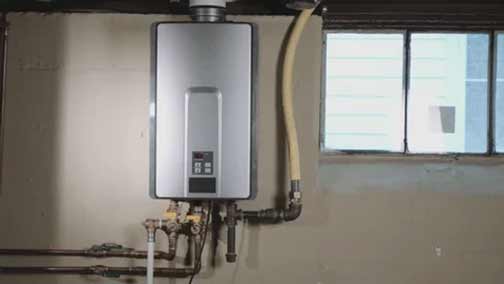
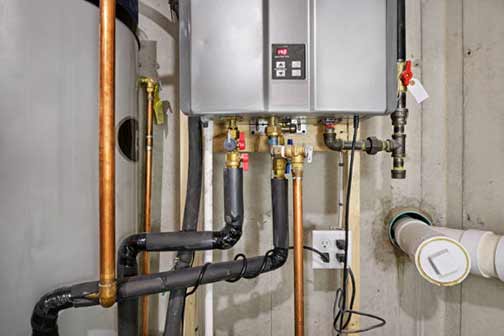
a professionally installed on-demand water heater

The tankless demand feature delivers hot water where and when it is needed, without the lag that takes place in conventional systems

Future Trends: The Evolving Face of Home Water Heating

The future of domestic hot water heating will be dictated by smart technologies and higher efficiency. Tankless water heaters will likely be integrated into smart home systems, which can be operated and monitored from a distance. Emerging material and design technologies can potentially make them even more efficient and durable. With advances in technology, tankless systems will likely become less expensive, and their distribution will increase to the masses.

Technological Improvements: Increasing Tankless Water Heater Efficiency

Recent advances in technology have also enhanced the efficiency of tankless water heaters. Such technologies as modulating burners allow for control of the heating process with high precision, altering the size of the flame in proportion to the flow rate of the water and degree of temperature required. This saves energy wastage, in addition to effective heating of the water to desired temperature. Additionally, advancements in heat exchanger designs have maximized heat transfer, reducing energy loss and maximizing overall system efficiency.

User Experience: Convenience of Tankless Water Heaters

Tankless water heaters provide the user with an experience of convenience that conventional systems cannot offer. Because they can provide hot water at any given time, homeowners will not worry about their home experiencing the lack of hot water in the middle of showering or the laundry cycle. The tankless demand feature delivers hot water where and when it is needed, without the lag that takes place in conventional systems. Such convenience is particularly useful for households with more than two people or households demanding high volumes of hot water.

Market Trends: The Growing Popularity of On-Demand Water Heaters

Demand for on-demand water heaters has been steadily rising with more people becoming aware of their benefits. According to industry reports, tankless system sales should continue to increase as energy costs go up and going green becomes a priority. Industry manufacturers are fulfilling the demand by offering more models and variations, from small residential applications to more significant residential designs. As the market expands, consumers can expect more variety and improved pricing, which makes on-demand water heaters an attractive choice for more homeowners.

Challenges and Considerations: Switching to Tankless Systems

While tankless water heaters offer numerous benefits, there are also challenges and considerations to keep in mind when making the switch. The initial cost of installation can be higher than traditional systems, and some homes may require upgrades to their electrical or gas infrastructure to accommodate a tankless unit. Additionally, proper sizing is crucial to ensure that the system can meet the household’s hot water needs. Homeowners should speak with a plumber who specializes in water heater installation to assess their specific requirements and determine the most suitable tankless system for their home.

Global Impact: On-Demand Water Heaters and Energy Conservation

The application of tankless water heaters contributes positively to global energy conservation. By saving energy and greenhouse gas emissions, tankless systems also contribute to a better tomorrow. As more and more houses go tankless, the cumulative effect can lead to gigantic amounts of energy and carbon emission savings, contributing towards global efforts to fight climate change. On-demand water heaters are therefore not only an intelligent choice for individual homeowners but also an earth-friendly choice.

Conclusion: Embracing the Efficiency of Tankless Water Heaters

Tankless water heaters are a household technology revolution, promising efficiency, economic efficiencies, and environmental friendliness. As more homeowners learn about the advantages of these devices, on-demand water heaters will become a standard appliance in modern homes. Embracing this technology, households can make hot water available with ease while contributing towards a greener future.

Why Annual Plumbing Inspections Are a Smart Investment

Close-up of a man using a spanner

Plumbing might not be the most glamorous part of homeownership, but it’s certainly one of the most essential. Most don’t think about our plumbing systems until something goes wrong, like a burst pipe or a leaking water heater. But the reality is, just like any other important system in your home, plumbing needs regular care and attention to function properly. That’s where annual plumbing inspections come into play.

Far from being a waste of money, yearly plumbing checkups are a smart, proactive move that can save you time, stress, and a significant amount of money down the road. Let’s dive into why making this simple addition to your home maintenance routine pays off in more ways than one.

Protecting Your Home from Costly Water Damage

Water damage is one of the most expensive problems a homeowner can face. Leaky pipes, cracked seals, and hidden blockages can silently wreak havoc behind your walls or under your floors. An annual plumbing inspection can detect small issues before they escalate into major disasters.

Professional plumbers know exactly where to look for early signs of trouble—corroded pipes, wall moisture, weakened joints, or slow leaks under sinks. Catching these issues early means repairs are often quick and affordable, rather than extensive and costly.

Extending the Life of Your Plumbing System

Everything in your home has a lifespan, and plumbing is no exception. Pipes degrade over time, mineral deposits can build up in water heaters, and fixtures wear out. When you invest in annual inspections, you’re helping extend the life of your plumbing system.

A licensed plumber can clean out deposits, tighten fittings, and recommend replacements when parts show signs of wear. This maintenance can add years to the life of your pipes, faucets, and water appliances, giving you better value from your original investment.

Enhancing Home Resale Value

When planning to sell your home, addressing plumbing should be a top priority. Leaky faucets, clogged drains, or poor water pressure can raise red flags for potential buyers and lower your home’s value. An annual plumbing inspection helps catch small problems before they grow and proves the system works as it should.

At the same time, before you buy a property, pay close attention to plumbing details—check that all faucets work, drains flow properly, and the tap water runs clear. These steps can help you avoid expensive surprises and ensure a wise investment in the long run. A documented inspection from a licensed plumber gives future buyers added confidence and strengthens your negotiating position.

A focused photo of stacked coins

If you plan to sell your home, you’ll want to present it in the best possible condition.

Annual Plumbing Inspections Can Improve Water Quality and Safety

Your plumbing system doesn’t just carry water—it delivers water you cook with, clean with, and drink. Over time, aging pipes can affect the quality of your water, especially if there’s corrosion or buildup of contaminants.

An annual inspection helps make sure your water remains safe. Plumbers can test your water quality, inspect for rust or lead pipes, and offer filtration solutions if needed. That gives you peace of mind that what’s coming out of your faucet is clean and healthy.

Boosting Energy Efficiency and Reducing Utility Bills

Plumbing issues don’t just cost you in repairs—they can also drive up your utility bills. A dripping faucet may seem like a minor annoyance, but it can waste thousands of gallons of water over a year. Similarly, a water heater that’s not working efficiently can inflate your energy costs.

Plumbers can identify inefficient fixtures and appliances with a yearly inspection, make adjustments, or suggest upgrades. In the long run, these tweaks can significantly lower your monthly expenses and reduce your environmental footprint.

Avoiding Emergency Repairs and Inconveniences

There’s never a good time for a plumbing emergency. Whether it’s a burst pipe during the holidays or a sewage backup on a weekend, these situations are stressful, disruptive, and often very expensive.

Annual plumbing inspections are all about prevention. By identifying problems before they become emergencies, you avoid last-minute repair calls, damage to your belongings, and the hassle of plumbing disasters. Think of it as buying peace of mind.

Complying with Insurance and Local Codes

In some cases, having regular plumbing inspections can help you stay compliant with insurance policies or local building codes. Some insurers may even offer discounts to homeowners who conduct annual home maintenance, including plumbing.

During an inspection, plumbers can check that your setup aligns with code requirements and point out any updates you might need. Staying ahead of the game here can prevent complications when filing insurance claims or planning future renovations.

A person holding the home insurance document

Annual plumbing inspections can help you stay compliant with insurance policies.

Supporting Sustainable Home Living

Sustainability is becoming increasingly important today, and your plumbing plays a major role. Wasting water due to leaky pipes or outdated fixtures isn’t just bad for your wallet and the planet.

A plumbing inspection allows professionals to identify where your system could be more efficient. They might recommend low-flow fixtures, better pipe insulation, or energy-efficient water heaters. Small changes like these contribute to a greener home and a more sustainable lifestyle.

Detecting Hidden Problems in Hard-to-Reach Places

Some of the biggest plumbing problems are the ones you can’t see. A pipe might leak slowly behind a wall or under your foundation for months before you notice it. It may have already caused structural damage or mold growth when it becomes visible.

Plumbers use specialized tools during annual inspections, like cameras and moisture meters, to peek into these hidden spaces and catch issues early. This added layer of protection can make a world of difference in the long-term health of your home.

Creating a Reliable Maintenance History

Keeping a record of regular plumbing inspections builds a valuable history of your home’s condition. That is helpful for your reference and future buyers, tenants, or insurance companies.

A paper trail showing that your plumbing has been maintained professionally boosts trust and makes decision-making easier. It also makes it simpler for any new plumber to understand your system and spot patterns if an issue does arise.

Building a Relationship with a Trusted Professional

Annual inspections also allow you to build a relationship with a reliable plumber. When something goes wrong, you’ll already have someone you trust to call—someone familiar with your home’s layout and plumbing history.

This rapport can make emergency calls quicker and smoother. Plus, having a go-to professional means you’re more likely to get honest advice, fair pricing, and quality work when the unexpected happens.

A Small Step with Big Rewards

Annual plumbing inspections may not seem a high priority, especially if everything runs smoothly. But as with most things, prevention is far better than a cure. Taking the time to schedule a yearly checkup can protect your home, improve efficiency, and save you money in the long run.

You’ll catch issues early, avoid emergencies, and enjoy the comfort of knowing your water system is safe and sound. Whether you’re a longtime homeowner or just settling into your first place, making these important inspections part of your regular home care routine is a smart investment with lasting benefits.

Critical Pre-Purchase Check: Drain Cleaning for Old Properties

Drain Cleaning for Old Properties

For most people, buying a new house comes with a lot of worries because they are never really sure of the actual physical condition of the home. That’s why it’s common to hear homeowners spending thousands of dollars on unplanned repairs after moving into a newly purchased home, says Keyrenter Gilbert team.

This problem comes partly from the fact that most buyers don’t know how to properly assess a building before buying it. The second reason is that sellers intentionally mislead buyers by doing repairs and improvements that are meant to hide the true state of their building.

This causes tension between sellers and buyers and places a huge burden on estate agents.

Why a home inspection is not enough?

Although home inspections are more or less mandatory when buying a home, they don’t always solve this problem. That’s because presale home inspections are not detailed enough to uncover every possible issue that can be found in a building.

Also, most home-buyers don’t know that a home inspection is the bare minimum inspection they are expected to do before buying a home. Home inspections protect buyers, but the scope of that protection is very limited.

Why is that?

A licensed home inspector will only check the features of a home if those features are accessible. Any systems or structures that are hard to access will not be assessed. By design, home inspections are only meant to give you an overview of the building.

This can have serious implications for buyers, because essential structures like the drainage system will not be inspected, since they are not easily accessible. If there are sewer line issues in that home, the presale home inspection will not detect them.

To solve this problem, when buying a home, especially an older home, it is wise to always get pre-purchase drain-cleaning. What is a pre-purchase drain-cleaning, and how can it help buyers avoid buying a home with sewer line issues?

Why pre-purchase drain-cleaning is critical when buying a house

Drainage problems in a home can be very hard to detect. You may be on the verge of buying a home with major sewer line issues, without knowing it. That’s because a home can have serious sewer line problems without them being obvious.

Moreover, these drain problems can have a far-reaching impact on the other systems of the building. Broken sewer lines can damage the walls and flooring or even destroy a home’s foundation. Furthermore, the problems are costly to fix, that is, if they can be fixed at all.

How does pre-purchase drain-cleaning solve these problems?

Before cleaning the home’s drains, the professional plumber will conduct what is known as a sewer camera inspection. A sewer camera inspection is the most up-to-date and most efficient way to access the physical condition of drainage systems and sewer lines.

a professional sewer camera inspection in an old home
A sewer camera inspection is the most up-to-date and most efficient way to access the physical condition of drainage systems and sewer lines.

How pre-purchase drain inspections and professional drain-cleaning work

A sewer camera inspection will help the plumber determine the following:

  • The types of pipe materials in the drainage system. Are there outdated materials like galvanized steel, lead, clay, or Orangeburg pipes in the system?
  • The size of the pipes and their overall connections. Are the pipes wrongly sized, and is there any visible evidence of improper pipe installation and repair?
  • The condition of the pipes. The inspector will check the age of the pipes and the rate of wear and tear while looking for leaky or collapsed sections.
  • The presence of buildup and similar problems. Are there tree roots inside the line or a buildup of grease, fatty deposits, or limescale?
  • The inspection will assess how the drains are used and whether the system is sufficient for the home’s needs or if urgent upgrades are needed.
  • Lastly, a pre-purchase drain inspection provides a detailed visual map of the home’s drainage system and how the entire system operates.

Based on this information, it is easy for your plumber or technician to make a decision on whether the pipes can withstand professional drain cleaning and how to clean the pipes. The buyer can also make an informed decision whether to buy the home or not.

Benefits of doing a pre-purchase drain inspection

  1. Saves you money and stress

After investing hundreds of dollars in a new home, the last thing you want is to spend more money fixing avoidable drain issues.

  1. It is a valuable negotiating tool

The inspection report provides detailed information on the status of the drainage system, and you can use this to negotiate a lower price for the home.

  1. Ensure compliance with local codes

A pre-purchase drain inspection helps to verify that the home’s drainage system complies with local codes and regulations.

  1. Plan future repairs and upgrades

A pre-purchase drain inspection also helps you determine the potential cost of any drain issues in the home.

Lastly, a pre-purchase inspection shows how much care and attention the owner has invested in the drainage system. This information can be useful for helping you get a general sense of how well the rest of the home has been maintained.

Finally, what should you look for in the company you hire to do your pre-purchase drain inspection? You want a team of professionals who can interpret data accurately, use advanced technology, and have an established reputation in the community.

Dealing With Hard Water Plumbing Issues in Chicago Buildings

Dealing With Hard Water Plumbing Issues in Chicago Buildings

Every home experiences plumbing problems once in a while. But if your home has hard water, your plumbing problems never go away. Hard water transforms everyday tasks and activities, such as dish-washing or taking a shower, into grueling battles, explains RPM Reliance company.

What is hard water?

Hard water is when your home’s water supply contains high concentrations of dissolved minerals, mainly calcium and magnesium. Calcium and magnesium enter the water as it flows through bedrock or layers of soil rich in these minerals.

Because these dissolved minerals alter the normal behavior of water, they can affect almost everything in your home.

Effects of hard water on your home, health, and plumbing

The most notable impact of hard water is that it forces you to use more soap and detergent. Instead of foaming when you put it in water, soap reacts with hard water to form soap scum. To clean your items, you must use more soap and put in more effort.

Hard water leaves unsightly spots on items. This appears as blotches on drinking glasses, dishes, and silverware, making the items look dirty even after washing. Hard water also leaves a film of grime on tiles, shower curtains, sinks, and faucets.

The sticky residue from hard water can cause clothes to age and wear out faster. This is partly due to the caustic action of this residue and also because to clean those clothes and fabrics you must wash them harder.

Hard water can impact your hygiene. Stripping moisture from your hair and skin causes dryness and stiffness. In people with eczema, the effects of hard water can worsen their problems by causing skin irritations.

Hard water may also leave a buildup on hair follicles and the scalp. This can slow hair growth or even result in scalp problems, like dandruff. Some people will experience severe hair breakage as a result of being exposed to hard water.

Hard water has a massive impact on your home’s plumbing and household appliances. By leaving mineral deposits in water pipes, faucets, and water-using appliances, hard water exacts a heavy price on the plumbing.

These deposits clog pipes, limiting the water available for everyday use. By narrowing the pipe channels, hard water severely reduces your home’s water pressure. This creates a vicious cycle of plumbing issues in your home.

Hard water affects all water-using appliances in your home, but the impact is worse on your water heater. This is because when hard water is heated, the dissolved minerals in it are deposited inside the water heater tank, impairing its function and shortening its lifespan.

Dealing with hard water plumbing issues in your home

To stop the impact of hard water on your plumbing and appliances, you want to deal with the problem from the root. You can minimize the impact of hard water by boiling your drinking water or using cleaning aids when washing, but these solutions are not sustainable.

The best option for dealing with hard water in your home is to install a whole-house water softener. A water softening system is the most efficient way to treat hard water because it removes the hard water minerals from your water.

How does a water softener work? 

The water softener is installed on your home’s main water supply line to ensure that every drop of water entering the home is treated. The system removes the calcium and magnesium in your hard water through a process known as ion exchange. 

These are the components of a water softening system:

  • A mineral tank with a bed of resin beads
  • A control valve that regulates the amount of water flowing into the tank and your home
  • A brine tank that holds a high concentration of salts to regenerate the bed of resin beads

The basic mechanism of a water softener is that hard water is passed over the resin bed to replace the hard water minerals with sodium. The direct and indirect benefits of installing this system in your home include:

  • Water softeners reliably soften hard water before it reaches your plumbing fixtures and appliances. This is not a disjointed approach that tries to solve the problem at different points; you only need to install the water softener at one location.
  • This effectively prevents the impact of hard water from spreading to your home’s plumbing fixtures and appliances. With a water softening system, your home doesn’t have a hard water problem.
  • A good water softening system has an average lifespan of 15 years (up to 20 years if you buy a quality system). During that time, you only need to restock the system’s salt supply. This beats replacing your plumbing or appliances every few years.

Do you have hard water problems in your home? Will installing a hard water softening system solve those problems? The truth is, hard water is not a problem that will go away without addressing it. Without direct action to stop it, your home’s water harness issues will only get worse.

Without a water softening system, expect your appliances to keep failing prematurely. Scale will continue to build up inside your pipes, and your water heater will be damaged by mineral buildup. But all that can be avoided.

How Regular Drain Cleaning Upholds Restaurant Hygiene Standards

How Regular Drain Cleaning Upholds Restaurant Hygiene Standards

When customers think of your restaurant, you want them to imagine a welcoming space with lovely people and loads of fresh food that smells nice, looks good, and tastes delicious. Customers will visit more often if they associate your restaurant with these positive feelings.

Anything that can impair the atmosphere of a restaurant has the power to hurt the business, says Keyrenter DFW Midcities Management. This is true even if that restaurant still serves the exact same food and drinks. Restaurant customers pay for more than just food; they place more value on the ambience.

What are some of the things that can harm your restaurant’s reputation? There are lots of them, but here are just a few: ignoring customer complaints, rude or unfriendly staff, misplaced orders, delays in fulfilling orders, and negative or fake reviews.

But nothing hurts a restaurant like issues that affect food quality or questions about the kitchen’s hygiene standards. Even if you have the finest restaurant in the city, with the most exotic menu, if customers think your hygiene standards are low, they will stop coming.

Regular drain cleaning; a critical factor in restaurant hygiene

Two key factors that affect a restaurant’s hygiene standards are its management practices and the attitudes of the staff. If management does not create systems to ensure regular cleaning of essential areas in the restaurant, there will be major hygiene issues.

The drainage system should be cleaned regularly at the top of the list of places in a restaurant. Why should you consider your drainpipes and sewer line the number one system for maintaining your restaurant’s hygiene standards? Here is why.

Restaurants use a lot of water, and all the used-up water from kitchen activities ends up inside the drainage system. At the same time, the restaurant’s toilets see a constant flow of users throughout the day, placing the systems under tremendous pressure.

The relentless pressure on your restaurant’s drains makes this section of the plumbing prone to problems. This risk is worsened by the fact that customers often flush the wrong items into the toilet, and staff may wash grease into the drains.

Failures in a restaurant’s drainage systems – due to clogs or water back-up – can interrupt its daily operations. Foul odors from overflowing grease traps or broken drains can also lead to unpleasant dining environments and reputational damage.

The effect of these problems is that they put your restaurant in the crosshairs of the authorities. In addition to loss of business, poor hygiene standards in your restaurant can lead to fines, temporary closure, or loss of operational license.

How do you prevent these problems?

Uphold your restaurant’s hygiene standards through regular drain cleaning

Regular drain cleaning is the best way to preserve the function of your drains and, by extension, the hygiene standards of your restaurant. This is because regular drain cleaning not only addresses the existing issues in your drains, but it also helps to prevent new ones.

Common problems in restaurant drains, like clogs & blockages, water or sewer backups, and foul odors, can all be prevented by cleaning your drains on a schedule. Moreover, regular drain cleaning service makes it easier to detect signs of drain damage before they escalate.

Regular drain cleaning is the best way to preserve the function of your drains and, by extension, the hygiene standards of your restaurant.

What are the steps and strategies for keeping your drains clean?

  1. Quarterly drain cleaning

Professional drain cleaning methods like hydro jetting and sewer rodding let you physically remove debris inside the drains. Hydro jetting is preferable to sewer rodding because it also washes the dislodged debris out of the pipes. For the best results, professional drain cleaning services should be scheduled quarterly or twice a year.

  1. Annual sewer camera inspections

A sewer camera inspection gives you the most up-to-date information on the physical condition of your drains. It reveals the current issues in the system as well as upcoming problems. This inspection method also provides the geolocation details of issues, allowing for pinpoint accuracy when solving them.

  1. Periodic grease trap maintenance

The grease trap is a critical component of your restaurant’s drainage system. It intercepts fats, oils, and grease to keep them out of private and public sewer systems, where they can cause incalculable damage. But to retain its functionality, the grease trap must be professionally cleaned every 60-90 days or when it is 25% full.

In addition to cleaning your drains regularly, you will educate employees and customers on the right ways to use the restaurant’s drains. If you limit the amount of abuse the system is exposed to, you can minimize drainage problems in your establishment.

  • Train your staff on the proper way to handle grease and food waste
  • If there are automatic indoor grease traps in the kitchen, they should be cleaned daily
  • Employees should be able to identify the early warning signs of drain problems
  • Your staff should perform hourly checks to make sure the toilet is working

Finally, you want a licensed and reliable local plumber on speed dial. Your chosen plumber should be well-equipped with up-to-date technology, an expert in commercial drainage systems, and able to deploy to your restaurant on short notice.

Mastering Wall Water Leak Detection: Expert Techniques for Homeowners

Mastering Wall Water Leak Detection

Water leaks inside walls represent a significant threat to homeowners, potentially leading to severe structural damage, mold growth, and costly repairs. Early detection of these leaks is crucial to preventing extensive damage and preserving the integrity of your home. Here we aim to equip homeowners with expert techniques to identify wall water leaks with precision and care, ensuring a safe and secure living environment.

Uncovering the Common Causes of Water Leaks Inside Walls: A Homeowner’s Guide

Understanding the common causes of water leaks is the first step in effective detection. Leaks can originate from various sources, including faulty plumbing, roof damage, or poor waterproofing. Plumbing issues such as burst pipes or corroded connections are frequent culprits, as are roof leaks caused by damaged shingles or inadequate flashing. Additionally, poor waterproofing and inadequate drainage systems can lead to water seepage into walls. Identifying the root cause is essential for implementing the right solution and preventing future occurrences.

Recognizing the Signs of Water Leaks Inside Walls: Early Detection Techniques

Recognizing the signs of water leaks is crucial for early detection and intervention. Homeowners should be vigilant for discoloration or damp spots on walls, peeling paint or wallpaper, and musty odors. These indicators suggest the presence of moisture and potential leaks. Additionally, bubbling or cracking in plaster, unexplained increases in water bills, and visible mold growth are strong indicators of hidden leaks. By paying attention to these signs, homeowners can act swiftly to address the underlying issues.

Implementing Professional Techniques for Detecting Wall Water Leaks with Precision

Professional techniques for detecting water leaks involve a combination of visual inspections and advanced tools. Thermal imaging cameras can detect temperature variations caused by moisture, while moisture meters can measure the dampness level within walls. These tools provide accurate readings to pinpoint leak locations, enabling targeted repairs. Experienced plumbers may also use acoustic listening devices to detect the sound of water escaping from pipes, further enhancing detection accuracy.

Conducting a Comprehensive Visual Inspection: Key Steps for Homeowners

A thorough visual inspection involves examining walls for visible signs of water damage. Homeowners should check for cracks, stains, or any unusual changes in the wall’s appearance. Inspecting areas near plumbing fixtures and rooflines can also reveal potential leak sources. Pay special attention to the bases of walls, corners, and areas around windows and doors, as these are common entry points for water. Regular inspections can help catch issues early, reducing the risk of significant damage.

Harnessing the Power of Thermal Imaging Cameras for Hidden Leak Detection

Thermal imaging cameras are invaluable tools for detecting hidden leaks. These cameras capture infrared images that highlight temperature differences, allowing homeowners to see cold spots indicative of moisture. This non-invasive method provides a clear view of leak-prone areas without damaging walls. By identifying temperature anomalies, homeowners can pinpoint areas needing further investigation, ensuring a comprehensive assessment of potential leaks.

Utilizing Moisture Meters for Precise Water Leak Detection

Moisture meters are essential for measuring the moisture content in walls. By inserting the meter’s probes into the wall surface, homeowners can obtain precise readings of dampness levels. High moisture readings signal the presence of a leak, enabling targeted repairs. These devices are particularly useful in assessing the extent of water damage and evaluating the effectiveness of repairs, ensuring long-term protection against future leaks.

a woman doing a wall leak inspection
Pay special attention to the bases of walls, corners, and areas around windows and doors, as these are common entry points for water.

Implementing Preventive Measures to Avoid Water Leaks: A Proactive Approach

Preventing water leaks requires proactive measures and regular maintenance. Homeowners should regularly maintain plumbing systems, ensuring pipes and connections are in good condition. Proper roof drainage is essential to prevent water accumulation, while applying waterproofing solutions to vulnerable areas can reduce water infiltration risks. Routine inspections can catch potential issues before they escalate into leaks, safeguarding the home’s structural integrity.

Addressing Water Leaks Promptly: Essential Steps for Homeowners

Once a water leak is detected, addressing it promptly is vital to preventing further damage. Homeowners should contact professional plumbers to repair the leak and assess any structural damage. Timely intervention can save costs and protect the home’s integrity. Additionally, addressing underlying issues such as poor drainage or inadequate waterproofing can prevent future leaks and enhance home resilience.

Developing Long-Term Strategies for Comprehensive Home Protection

Adopting long-term strategies for home protection involves regular maintenance and upgrades. Installing water leak detection systems and investing in quality building materials can enhance the home’s resilience against leaks. These systems can provide real-time alerts, allowing homeowners to respond quickly to potential issues. Additionally, upgrading insulation and waterproofing measures can reduce the risk of leaks, contributing to a safer, more secure living environment.

Conclusion: Empowering Homeowners with Knowledge and Expertise

Mastering wall water leak detection empowers homeowners to safeguard their property with precision and care. By understanding the causes, recognizing signs, and utilizing professional techniques, homeowners can effectively protect their homes from water damage. This proactive approach not only preserves the home’s value but also ensures a safe and comfortable living space for years to come. Through continuous education and vigilance, homeowners can maintain a resilient and secure home environment.

Stay Prepared: Upgrade Your Sump Pump with Battery Backup Today

Upgrade Your Sump Pump with Battery Backup Today

In many households, particularly those situated in areas prone to flooding or with basements below the water table, a sump pump serves as a vital component. Its primary role is to maintain a dry basement by efficiently removing water that gathers in the sump basin. This device is indispensable for averting water damage, mold proliferation, and structural complications, which can be both costly and detrimental to the integrity of your property. The presence of a sump pump signifies a proactive approach to safeguarding your home against the unpredictable forces of nature.

The Role of Battery Backup in Sump Pump Systems: Ensuring Uninterrupted Protection

While a sump pump is adept at managing water accumulation, its functionality is heavily dependent on electricity. In the event of severe storms or power outages, your primary sump pump may fail, leaving your basement exposed to the risk of flooding. This scenario underscores the necessity of a battery backup system. A battery backup guarantees that your sump pump remains operational even during power failures, offering peace of mind and continuous protection for your home. It acts as a reliable safeguard, ensuring that your home remains dry and secure, irrespective of external circumstances.

Why Upgrading to a Battery Backup System is Essential: A Strategic Investment

Enhancing your sump pump with a battery backup is more than a precautionary measure; it represents a strategic investment in fortifying your home. With climate change ushering in more unpredictable weather patterns, the likelihood of power outages during storms has escalated. A battery backup system provides a dependable solution, ensuring that your sump pump remains functional when you need it the most. This upgrade is not merely a response to immediate threats but a long-term commitment to preserving your home’s structural integrity and value.

Benefits of a Battery Backup for Your Sump Pump: Comprehensive Advantages

The advantages of installing a battery backup system for your sump pump are multifaceted:

  • Continuous Operation During Power Outages: The primary benefit is the assurance that your sump pump will continue to function even when the power is out, preventing potential flooding.
  • Enhanced Property Protection: By maintaining a dry basement, you shield your home from water damage, mold growth, and structural issues.
  • Increased Resale Value: Homes equipped with reliable sump pump systems, including battery backups, can be more appealing to prospective buyers, thus enhancing your property’s resale value.

Choosing the Right Sump Pump Battery Backup System: Key Considerations

When selecting a battery backup system for your sump pump, consider the following factors:

  • Battery Capacity: Ensure the battery has sufficient capacity to run your sump pump for extended periods during power outages.
  • Compatibility: Verify that the backup system is compatible with your existing sump pump model.
  • Installation and Maintenance: Opt for systems that are easy to install and maintain, ensuring long-term reliability.
  • Cost: Assess the cost of the system in relation to its features and benefits to ensure you are making a worthwhile investment.
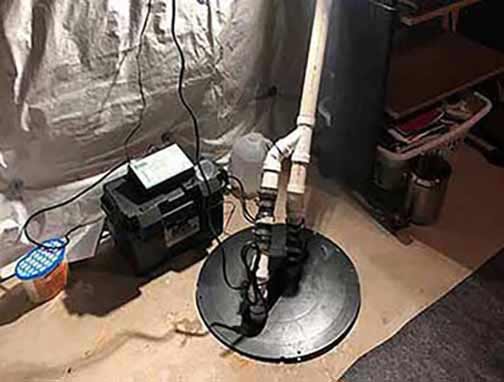
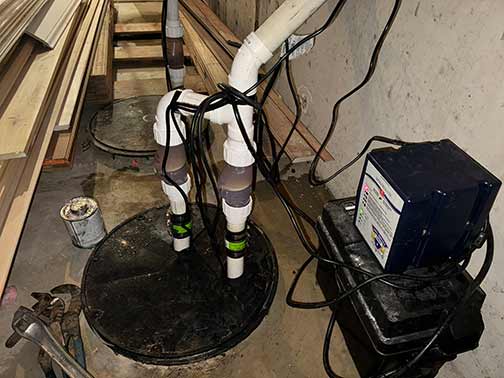
a battery backup sump pump
During intense storms, power outages are common. A battery backup ensures your sump pump continues to protect your basement.

Installation and Maintenance Tips: Maximizing Efficiency and Longevity

Proper installation and maintenance of your battery backup system are crucial for ensuring its effectiveness:

  • Regular Testing: Periodically test your backup system to ensure it is functioning properly and ready to operate during an emergency.
  • Battery Replacement: Keep track of the battery’s lifespan and replace it as needed to maintain optimal performance.
  • Routine Maintenance: Regularly inspect the sump pump and backup system for any signs of wear or damage and address them promptly.

Real-Life Scenarios: When Sump Pump Battery Backup Makes a Difference

Consider the following scenarios where a battery backup system can make a significant difference:

  • Severe Storms: During intense storms, power outages are common. A battery backup ensures your sump pump continues to protect your basement.
  • Extended Power Failures: In cases of prolonged power failures, a battery backup provides continuous operation, preventing water accumulation.
  • Unexpected Emergencies: Natural disasters or unforeseen events can disrupt power supplies. A battery backup offers a reliable safeguard for your home.

Conclusion: Securing Your Home’s Future with Proactive Measures

Investing in a battery backup for your sump pump is a proactive measure that ensures uninterrupted performance during emergencies. It is an essential upgrade that safeguards your property’s integrity, provides peace of mind, and enhances your home’s value. By understanding the importance of a reliable sump pump system and taking steps to upgrade it with a battery backup, you are securing your home’s future against the unpredictable challenges of water damage and flooding. This investment is not only a testament to your commitment to protecting your home but also a strategic decision that offers long-term benefits and security.

Why Tankless Water Heaters Are a Worthy Investment: Six Benefits to Consider

Why Tankless Water Heaters Are a Worthy Investment

The Evolution of Water Heating Systems: From Tanks to Tankless

Water heating systems have undergone significant advancements over the decades, reflecting the growing demand for efficiency and sustainability in modern households. Traditional tank water heaters have long dominated the market, primarily due to their simplicity and reliability. However, they come with limitations such as energy inefficiency and the constant need to maintain a large volume of heated water, even when not in use. As technology advanced, the introduction of tankless water heaters marked a significant shift in how we think about water heating. These systems represent the evolution of water heating technology, offering innovative solutions that cater to the modern consumer’s needs for efficiency, space-saving, and environmental consciousness.

Understanding Tankless Water Heaters: A Revolutionary Approach

Tankless water heaters, also known as on-demand water heaters, operate without the need for a storage tank. Instead, they heat water directly as it flows through the unit, providing hot water only when needed. This innovative approach to water heating offers numerous benefits, making it an attractive option for homeowners and businesses alike. By eliminating the need for a storage tank, these systems provide a more compact and energy-efficient solution. Understanding the mechanics and benefits of tankless water heaters is crucial for appreciating why they are becoming a preferred choice for many consumers seeking efficiency and reliability in their water heating systems.

Energy Efficiency: A Key Benefit of Tankless Water Heaters

One of the most compelling reasons to invest in a tankless water heater installation is its superior energy efficiency. Unlike traditional water heaters that continuously heat and reheat water to maintain a constant temperature, tankless systems only heat water when required. This on-demand operation significantly reduces energy consumption, leading to lower utility bills and a smaller carbon footprint. The U.S. Department of Energy estimates that tankless water heaters can be 24% to 34% more energy-efficient than conventional storage tank heaters for homes that use 41 gallons or less of hot water daily. This efficiency not only translates to cost savings but also contributes to environmental sustainability by reducing energy waste and greenhouse gas emissions.

Space-Saving Design: Maximizing Your Living Space

Another notable advantage of tankless water heaters is their compact design. Traditional water heaters with large storage tanks can take up considerable space, often requiring a dedicated utility room or closet. In contrast, tankless units are much smaller and can be installed in various locations, such as on a wall or in a small cabinet, freeing up valuable floor space. This space-saving feature is particularly beneficial for smaller homes or apartments where maximizing living space is crucial. By opting for a tankless water heater, homeowners can make better use of their available space, enhancing the functionality and aesthetics of their living environment.

Longevity and Durability: A Long-Term Investment

Investing in a tankless water heater also means benefiting from its impressive longevity and durability. On average, tankless water heaters have a lifespan of 20 years or more, compared to the 10 to 15 years typical of traditional tank heaters. This extended lifespan translates into fewer replacements over time, offering a better return on investment. Additionally, tankless systems are less prone to the corrosion and sediment buildup that can plague tank-based heaters, resulting in fewer maintenance issues and repairs. The durability of tankless water heaters makes them a smart choice for those seeking a reliable and long-lasting solution for their hot water needs.

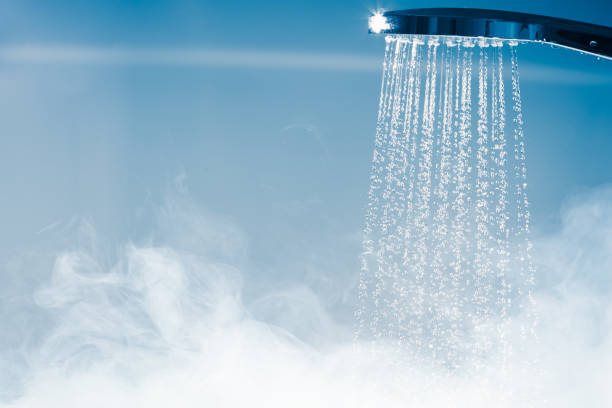
tankless water heaters provide endless hot water
For households with high hot water demands, the ability of tankless water heaters to provide a consistent and endless supply of hot water is a significant advantage.

Consistent and Endless Hot Water Supply: Meeting High Demand

For households with high hot water demands, the ability of tankless water heaters to provide a consistent and endless supply of hot water is a significant advantage. Traditional tank heaters can run out of hot water during peak usage times, leading to inconvenient waits for the tank to refill and reheat. In contrast, tankless systems heat water on demand, ensuring a continuous flow of hot water for showers, dishwashing, laundry, and more, without the risk of running out. This feature is particularly beneficial for larger families or homes with multiple bathrooms, where hot water demand can be substantial.

Environmental Impact: A Greener Choice for Sustainability

In addition to their energy efficiency, tankless water heaters contribute to environmental sustainability by reducing greenhouse gas emissions. Their on-demand operation minimizes wasted energy, and many models are designed to be compatible with renewable energy sources such as solar power. By choosing a tankless water heater, homeowners can play a role in reducing their environmental impact and promoting a more sustainable future. The adoption of tankless technology aligns with global efforts to reduce carbon footprints and conserve energy, making it a responsible choice for eco-conscious consumers.

Financial Incentives and Rebates: Making the Switch Affordable

Many governments and utility companies offer financial incentives and rebates to encourage the adoption of energy-efficient appliances, including tankless water heaters. These incentives can significantly offset the initial cost of purchasing and installing a tankless system, making it a more affordable option for many homeowners. By taking advantage of these programs, consumers can enjoy the benefits of a tankless water heater while also reducing their upfront investment. The availability of financial incentives makes it easier for homeowners to transition to more efficient and sustainable water heating solutions.

Considerations Before Making the Switch: Evaluating Your Needs

While the benefits of tankless water heaters are clear, there are several factors to consider before making the switch. The initial cost of a tankless system can be higher than that of a traditional tank heater, although this is often offset by long-term energy savings and rebates. Additionally, the installation of a tankless water heater may require upgrades to the home’s electrical or gas systems, depending on the model chosen. It’s also important to consider the hot water needs of your household. While tankless systems are ideal for smaller homes or those with moderate hot water demands, larger households may require multiple units to ensure an adequate supply of hot water during peak usage times. Speaking with a professional water heater installer can help determine the best solution for your specific needs.

Conclusion: A Smart Investment for the Future

In conclusion, tankless water heaters offer a range of compelling benefits that make them a worthy investment for many homeowners. Their energy efficiency, space-saving design, durability, and ability to provide endless hot water make them an attractive alternative to traditional tank heaters. By considering the advantages and potential challenges, homeowners can make an informed decision about whether a tankless water heater is the right choice for their needs. As technology continues to advance and the focus on sustainability grows, on-demand water heaters represent a smart investment for the future, offering both immediate and long-term benefits. Whether you’re looking to reduce energy costs, save space, or contribute to a greener environment, a tankless water heater is a valuable addition to any home.

Identifying Water Leak Hotspots in Your Home

Identifying Water Leak Hotspots in Your Home

Water leaks are often underestimated by homeowners, yet they pose significant risks to both the structural integrity of a home and the health of its occupants. The importance of identifying and addressing water leaks cannot be overstated. Water damage can lead to costly repairs, mold growth, and even compromise the safety of your living environment. By understanding where leaks typically originate, homeowners can take proactive measures to prevent these issues and maintain a safe, dry, and healthy home.

Beyond the immediate damage, water leaks can contribute to long-term deterioration of building materials, leading to weakened structures and potential safety hazards. Moisture from leaks creates an ideal environment for mold and mildew, which can cause respiratory issues and other health problems for occupants. Recognizing the signs of water leaks and understanding their potential impact is crucial for every homeowner.

Moreover, identifying water leaks early can save homeowners from expensive repairs and replacements. When left unchecked, leaks can lead to extensive damage that requires significant financial investment to fix. By addressing leaks promptly, homeowners can protect their property and maintain its value.

Common Causes of Water Leaks in Homes: Understanding the Underlying Issues

Water leaks can arise from various sources within a home, each with its own set of causes and contributing factors. Understanding these common causes is the first step in effectively identifying and addressing leaks.

Plumbing issues are a primary source of water leaks. Aging pipes, improper installation, or high water pressure can lead to pipe bursts or slow leaks. Additionally, fixtures such as faucets, showers, and toilets may develop leaks due to worn-out seals or faulty components. Regular inspection and maintenance of plumbing systems can help identify potential problems before they escalate.

Roofing problems can also lead to water leaks. Damaged or missing shingles, poor flashing installation, and clogged gutters can allow water to seep into the home, causing damage to ceilings and walls. Regular roof inspections and maintenance can prevent these issues and ensure the longevity of the roof.

Foundation cracks and settling can create pathways for water to enter the basement or crawl space. This often results in moisture accumulation and potential flooding during heavy rains. Addressing foundation issues promptly can prevent water ingress and protect the structural integrity of the home.

Appliances such as dishwashers, washing machines, and water heaters can also be sources of leaks. Regularly checking these appliances for signs of wear and tear, and ensuring proper installation and maintenance, can prevent leaks and extend their lifespan.

Identifying Water Leak Hotspots: Key Areas to Monitor for Homeowners

To effectively prevent water leaks, homeowners should focus on monitoring specific areas within their homes where leaks are most likely to occur. These hotspots require regular inspection and maintenance to ensure early detection and prevention of water damage.

Each area of the home presents unique challenges when it comes to leak detection. By understanding these challenges and knowing where to look, homeowners can take proactive steps to safeguard their property.

a water leak in a home pipe
It is crucial to regularly check for signs of leaks, such as water stains, mold growth, or unusual sounds coming from the pipes.

Plumbing System: A Critical Area for Leak Detection and Prevention

The plumbing system is a complex network of pipes and fixtures that runs throughout the home. It is crucial to regularly check for signs of leaks, such as water stains, mold growth, or unusual sounds coming from the pipes. Pay particular attention to areas around sinks, toilets, showers, and bathtubs, as these are common locations for leaks to develop.

Inspect the water heater for signs of corrosion or leaks around the base. Regular maintenance and timely replacement of worn-out components can prevent significant water damage. Additionally, checking for leaks in less obvious areas, such as behind walls or under floors, can help catch problems early.

Consider installing shut-off valves for individual fixtures to quickly address leaks when they occur. This can prevent extensive water damage and make repairs more manageable.

Roof and Attic: Preventing Water Intrusion from Above

The roof and attic are critical areas where water leaks can originate. Regularly inspect the roof for damaged or missing shingles, and ensure that flashing around chimneys and vents is properly installed and intact. Clean gutters and downspouts to prevent water buildup and ensure proper drainage.

In the attic, look for signs of water intrusion, such as damp insulation or water stains on the ceiling. Address any issues promptly to prevent further damage to the home’s interior. Proper ventilation in the attic can also help prevent moisture buildup and reduce the risk of leaks.

Consider investing in a roof inspection by a professional to identify potential issues that may not be visible from the ground. This can provide peace of mind and help prevent costly repairs in the future.

Basement and Foundation: Safeguarding Against Water Entry

The basement and foundation are susceptible to water leaks due to their proximity to the ground. Check for signs of moisture or water accumulation, especially after heavy rainfall. Seal any cracks in the foundation and ensure proper drainage around the home’s perimeter to prevent water from seeping in.

Consider installing a sump pump to manage excess water and prevent flooding in the basement. Regularly inspect and maintain the pump to ensure it functions effectively during emergencies. Additionally, installing a dehumidifier in the basement can help control moisture levels and prevent mold growth.

Ensure that the ground around the home slopes away from the foundation to direct water away from the structure. This simple measure can significantly reduce the risk of water entry and protect the foundation.

a kitchen plumbing leak
Regularly inspect faucets, sinks, showers, and toilets for signs of leaks or drips. Address any issues promptly to prevent water damage and mold growth.

Bathrooms and Kitchens: High-Risk Areas for Water Leaks

Bathrooms and kitchens are high-risk areas for water leaks due to the presence of numerous plumbing fixtures. Regularly inspect faucets, sinks, showers, and toilets for signs of leaks or drips. Address any issues promptly to prevent water damage and mold growth.

Check under sinks for signs of moisture or water stains, which may indicate a leak in the plumbing connections. Ensure that dishwasher and washing machine hoses are properly connected and free from damage. Replacing old or damaged hoses with high-quality, braided stainless steel hoses can reduce the risk of leaks.

In bathrooms, inspect the caulking around bathtubs and showers to ensure it is intact and free from cracks. Re-caulking as needed can prevent water from seeping into walls and causing damage.

Preventive Measures and Routine Maintenance: Protecting Your Home

Preventive measures and routine maintenance are essential in safeguarding your home against water leaks. Regularly inspect and maintain plumbing fixtures, roofing, and drainage systems to ensure they are in good condition. Consider investing in water leak detection devices that can alert you to potential issues before they escalate.

Educate yourself and your household members about the signs of water leaks and the importance of early detection. By taking proactive steps, homeowners can minimize the risk of water damage and maintain a safe and healthy living environment.

Additionally, conducting regular home inspections, either personally or by hiring a professional leak detection service, can help identify potential issues before they become major problems. Keeping a maintenance schedule can ensure that all areas of the home are regularly checked and maintained.

Conclusion: Ensuring a Leak-Free Home for Peace of Mind

Identifying water leak hotspots in your home is a crucial aspect of maintaining its structural integrity and ensuring the safety of its occupants. By understanding the common causes of leaks and regularly monitoring key areas, homeowners can prevent costly damages and create a secure living environment. Through preventive measures and routine maintenance, you can enjoy peace of mind knowing your home is protected against the threat of water leaks.

Taking the time to understand and address potential water leak sources can save homeowners from significant financial and emotional stress. A proactive approach to home maintenance not only protects your investment but also ensures a safe and comfortable living environment for you and your family.

By fostering a culture of awareness and responsibility within your household, you can empower everyone to contribute to maintaining a leak-free home. This collective effort can lead to a more resilient and sustainable living environment for years to come.