Author Archives: Chicago Plumbing Experts

Top Reasons for Water Leaks in the Home

Top Reasons for Water Leaks in the Home

Leaks can cause extensive damages to your home and the repairs may be costly. The impacts of water leaks are numerous. Some of them include:

Increase in your water bills

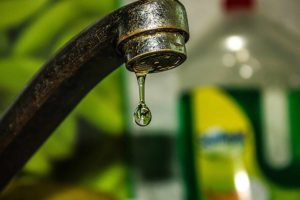
If you have leaks in your home, your water bills will increase. Even when the leaks appear small, they can waste a copious amount of water. According to epa.gov, if one faucet is leaking at the rate of one drop per second, it translates to about 3000 gallons of water in a year. You can as well shower that volume of water about 180 times. Imagine how much you are spending on 3000 gallons of water every year without using it.

Water damage and mold growth

Leaks cause water damage, and molds thrive in high humidity. The presence of water leaks in your home will create a suitable environment for mildew. Molds that grow during water damage are harmful to the health of occupants. Water damage causes several negative impacts on your home. It can damage your ceiling, drywall, wood, furniture, carpet, and appliances. Water damage can also destroy the foundation of your property and reduce the home’s value.

Safety concerns

Leaks in a property can render it unfit for habitation. Remember, water and electricity do not mix. If the leak is close to electricity sources, it can make the house prone to electrocution. We advise that you always switch off the electric supply to the area where the leak is active. Another safety concern is that the water spills on the floor will make it slippery and cause falls.

There are several other impacts of water leaks. To protect your home from all these occurrences, it is essential to know the top reasons for water leaks. When you know the causes, you can prevent them from occurring. Below are the common causes of water leaks in the home.

High water pressure

The normal pressure of water inside the pipes in your home should be between 40 to 70 psi. Appliances, pipes, and pipe joints cannot withstand water pressures higher than 70 psi. If the water pressure in your home is too high, the pipes will rupture, resulting in leaks or burst pipes. To prevent this, you can monitor the water pressure in your home by using a pressure gauge.

Damaged pipe joints

Pipe joints are the weakest spots in water pipes. Because of that, leaks often occur here. If there is excessive water movement or pressure at the pipe joints, they easily break down and cause leaks. Your plumber can help you assess the pipe joint and reinforce them to prevent leaks.

Broken seals

Seals occur in several parts of your plumbing system. Following high water pressure, age, or poor installation, the seals break down. When this happens, water starts to leak from those spots. Your plumber can remove all old seals and install new ones properly.

Air conditioners

Functioning air conditioners produce water, but this water flows through a duct and discharges outside the house. Sometimes, this may not be the case. Instead of the water flowing outside, it drips inside and pours on the walls. That may be due to overflowing condensate pans or poor installation. Here, your HVAC specialist should assess the air conditioner and fix the problem.

Clogged lines

The primary reason you have clogs in your drain pipes may be because you pour harmful things into your drain. One of such things is grease or cooking oil. Grease solidifies inside the drain pipes and causes clogging. Clogs often manifest as leaks. If you have been pouring grease, cooking oils, or other harmful things into your drain, get a professional drain cleaning service to clear these clogs.

Corroded pipes

Pipes corrode for various reasons. It could be due to corrosive substances in the water, age, destabilizing movements, bacteria, or normal wear and tear. When pipes corrode, they start leaking. Hire a plumber to detect any water leaks and replace corroded pipes to prevent leaks.

Loosening water connectors

During the installation of water appliances, water connectors help to attach the water fixtures to the water supply. Over time, the water connectors may loosen following vibrations or shifting of the gadgets. If you notice that there are leaks at these spots, get an expert to fix it.

Other appliances

Leaks can occur because of your water appliances. Common appliances that can cause water leaks include washing machines, dishwashers, refrigerators, and water heaters. Conduct routine servicing and maintenance of your water appliances to prevent leaks.

In a nutshell

Outdoor leaks are not as common as indoor leaks. You can also inspect your outdoor areas for leaks. The sources of outdoor leaks are the roof, gutters, burst pipes, tree root intrusion, downspouts, and sewer pumps. As a routine, always hire professional plumbers to conduct a comprehensive assessment of your plumbing system.

When to Change The Water Heater In Your Rental Property

When to Change The Water Heater In Your Rental PropertyUnlike refrigerators, stoves, and ovens, which are optional, the water heater in a rental property is a must-have. The presence of a working water heater is one of those things that determine the livability of a rental property. If the rental doesn’t have a water heater at all or the water heater is not working, the landlord’s warranty of habitability is voided.

This is why issues with the water heater in a rental property are very important. As a landlord, you want to make sure the water heater in your rental is performing optimally at all times. But at the same time, you don’t want to spend too much money maintaining the system. This means you should know when it makes more sense to replace your water heater than to repair it.

When to replace the water heater in your rental property:

  • When the water heater is old

On average, most water heaters have a lifespan of ten years. But storage tanks and heat pumps can last up to 15 years. Solar water heaters and tankless water heaters, on the other hand, will last 20 years and more than 20 years, respectively. Depending on the type of water heater, if the system is nearing the end of its life expectancy, it is time to replace it.

  • There are too many repair requests

If your tenants are always requesting that the water heater be fixed, it is time to replace it. A water heater that breaks down often can be very frustrating for your tenants and this may be the singular reason why a tenant leaves your rental property. Moreover, the cost of maintaining the system goes up in proportion to the number of repair requests.

  • It is not producing enough hot water

If the water heater is not producing sufficient hot water, there are two possible causes. It could be that the demand on the water heater exceeds its capacity. A water heater can only have 75% of its capacity as hot water. It could also be that the water heater has failed before its expiration date. The solution to both problems is to get a new water heater.

  • Unreliable hot water production

This is similar to the previous problem but a little worse. Here the water heater does not produce any hot water at all or it doesn’t produce enough. This is usually due to internal problems with the tank. Solving internal water heater tank issues is expensive. As a rule, if the cost of repairs is 10% of the replacement cost of the water heater, it is better to buy a new one.

  • The tank is leaking

Not all water heater leaks are caused by a leaky tank. Sometimes they are the result of leaks around the plumbing pipes, connector pipes, or valves. These types of leaks can be fixed at no great cost. But a leaky tank is a different story. The cost of the repair will often be more than 10% of the cost of a new water heater. If the tank is leaking, replace the water heater.

  • Excessively high energy bills

Even if a water heater doesn’t have any of the above problems, it should be replaced if it is using up too much power. Water heaters often lose efficiency as they get older and their energy use can increase, as a result. The cost of buying a new water heater will easily be recouped through the lower energy bills that the new water heater makes possible.

Important factors when buying a water heater for your rental property

tankless-water-heater-repair

For landlords whose water heaters were manufactured before April 2015, there are few things to note when buying a new one. New guidelines require that water heater manufacturers make their units more efficient. This is a good thing, from the perspective of energy usage, but it also means the new systems are larger and more expensive.

More importantly, it means you may require additional space to install the water heater, if it was previously installed in a confined space, such as a closet or crawlspace. If you want to install the larger new water heater in the same area, you may need to retrofit the space. The alternative is to install a water heater with a smaller capacity.

In addition to the above, you have to think of what kind of fuel you want the water heater to use. If you previously had an electric-powered system, this may be a good time to switch to a natural- or solar-powered alternative. You should also take this opportunity to decide what kind of water heater is best for the rental. Should it be tankless water heater installation, storage tank, heat pump, or combo heaters?

How to Winterize a Rental Property and Prevent Frozen Pipes

How to Winterize a Rental Property and Prevent Frozen PipesNo landlord ever wants to hear that a water pipe or the heater in their rental property has gone bust. Yet these are the kind of things that happen during winter. As Real Property Group warns, low temperatures in wintry weather subject a rental to stresses that may leave you with costly repairs.

But these problems can be prevented if you take the right actions before the icy winds of winter set in. It is possible to winter-proof your rental property and keep the home’s systems running smoothly throughout the cold season.

The set of proactive actions you take to preempt and prevent problems during winter in is known as winterizing a property. What are the steps for winterizing a rental property to keep pipes from bursting?

How to winterize a rental property

frozen-pipe-repair-near-me

The first thing is to know the components of the home that are most likely to cause problems during winter. Here is a list of the places to pay attention to and the recommended steps to winterize them.

  • Water pipes

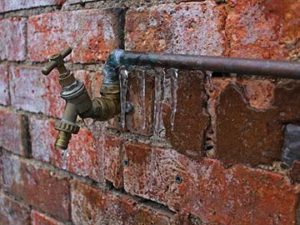
Water pipes are prone to freeze when temperatures get very low. To keep this from happening, wrap pipes in insulating foam pipe covers. This must be done for all pipes located in outside-facing walls. Also, seal holes and gaps around pipe entry points; these openings expose the pipes to extreme cold. 

To keep outside pipes from freezing and bursting, turn off exterior faucets and protect them with insulated faucet covers. Remove and store outdoor hoses. Have the sprinkler system flushed by an expert.

  • Windows, doors, and outlets

Drafty windows and gaps around doors or outlets will result in heat loss. Seal all gaps by caulking them. Apply spray foam to seal gaps under window trim. Use shrink film insulation to seal windows. Apply weather stripping around the edges of doors. Seal openings around outlets with foam outlet insulation gaskets.

  • Window AC units

Remove window AC units, drain, and stow them away. This will let you seal the hole where the unit was more efficiently. It will also ensure snow does not pile up on the AC and put additional strain on windowsills. If you are unable to remove your ACs, using window air conditioner covers is the next best option.

burst-pipe-repair-near-me

  • HVAC systems

Replace the air filters in the HVAC to keep the system working optimally. Test run the furnace to make sure it is working as expected. Ideally, you should have the furnace inspected and serviced.  If you use radiant heat, bleed your steam valves to remove trapped air. Test the sump pump; pour enough water into the well until it triggers the float.

  • Water heater, fireplace, and chimney

If you use a tank heater, drain it to remove sediment. To reduce heat loss, wrap the heater with a water heater insulation wrap. Get an expert to inspect and clean the chimney and fireplace. Ensure the damper is operating properly. Remind the tenants to keep the chimney flue closed when not in use.

  • Other things to do

Leave faucets open with a small drip to keep water flowing through the pipes. Reverse the ceiling fan blades to circulate the warm air near the ceiling around the room. Set the thermostat temperature at a minimum of 60 degrees to protect your pipes. To keep pipes above freezing temperature, ask your tenants to leave the closet and cabinet doors slightly open at all times.

What to do when things go wrong

If after taking these steps you still end up with a burst or frozen pipe, what should you do?

  • How to handle frozen pipes

If you find that a pipe is frozen, the only thing to do is thaw it. You may do this as long as the pipe is not damaged. You know a pipe is frozen when you can get little or no water. The first thing to do is to shut off the main water valve.

Following this, you should take immediate action. Do not wait for the pipe to thaw naturally or try to thaw it with a hairdryer. Waiting it out will increase the stress on your tenants and a hairdryer will leave you with more problems by potentially damaging the pipe.

Your best option is to call an emergency plumber. They have the equipment and expertise to thaw your frozen pipes without damaging your plumbing.

chicago-pipe-thawing-service

  • What to do when pipes burst

A burst pipe is even worse than a frozen pipe; the released water can damage your building and your tenant’s belongings. To minimize the damage and restore water supply to the rental, the problem must be addressed as quickly as possible.

Two options for solving this problem are to fix the section of the damaged pipe only or replace the entire length of the pipe. Clearly, you want to avoid a complete replacement when fixing only the damaged section will serve.

This is why you need an experienced emergency plumber like the Chicago Plumbing Experts, who will not only treat the burst pipe as an emergency but also give you an honest solution to the problem.

Who’s Responsible for Frozen Pipes in a Rental Apartment?

frozen pipes in a rental apartmentOwning a rental property comes with many benefits and a lot of challenges. If your property is located in an area with a temperate climate, one of the issues you may encounter is frozen pipes during winter. These can be pipes within the grounds of your property or inside the home.

Ideally, this is not something that should happen in a modern building. Modern houses are designed to have their own internal climate. The structure has systems that regulate its temperature to keep the home comfortable, regardless of what is happening outside.

But sometimes, this feature may not work, due to human error or system malfunction. When this happens, one of the consequences could be pipes freezing in very cold weather. A pipe freeze or burst can disrupt the water supply and should be solved immediately.

In a rental property, whose responsibility is it to deal with this problem?

Is the landlord supposed to solve frozen pipe issues or is this something the tenants are meant to take care of? This is a big source of conflict between landlords and tenants, says Keyrenter Property Management. Resolving it ahead of time is crucial for the landlord-tenant relationship.

Why Do Pipes in a Rental Property Freeze?

winter-chicago

To answer the first question of who is responsible for solving frozen pipe issues in a rental property, it is important to understand what causes pipes to freeze. There are three primary reasons why the pipes in your rental property may freeze:

  • Quick drops in temperature

Ambient temperature can fall very low during snowstorms and after heavy snowfalls. But this alone will not cause the pipes in the home to freeze. Extremely low outside temperature must be accompanied by other factors before it will lead to frozen pipes.

  • Damaged or inadequate insulation

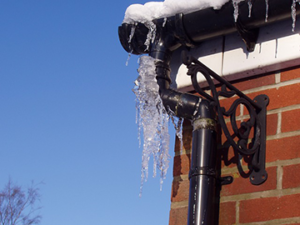
If pipes that are exposed to cold air are not properly insulated, they may freeze. Also if there are cracks and openings that let cold air into the home, pipes close to these areas will be prone to freeze.

  • Low indoor temperatures

This is mainly due to the thermostat being set too low. To keep pipes from freezing, thermostats should be set at the same temperature day and night.

Landlord Responsibilities for Frozen Pipes

frozen-pipe-repair-chicago

Landlord responsibilities for preventing or resolving frozen pipe problem is twofold. Firstly, landlords are required to provide every amenity needed to make the home livable. These include functioning plumbing and a home that is adequately weather-proofed.

If pipes in a rental home freeze due to problems with the plumbing, heating, or insulation, the problem is the landlord’s to pay for. This is true even if the fault is due to the way a particular feature was installed and the landlord did not know of the problem.

The second aspect of landlord’s responsibility for frozen pipes is that landlords must educate their tenants on how to prevent frozen pipes in the home. The details of how to do this should be included in the lease agreement and the orientation new tenants get.

Some of the steps landlords should instruct tenants to follow during very cold weather are:

  • Keeping garage doors closed.
  • Leaving the closet and cabinet doors open to let pipes be warmed by the room temperature.
  • Letting a trickle of water drip from faucets to keep water flowing through pipes and keep them from freezing.

However, after a tenant has followed these instructions and the pipes in the home still freeze, the financial responsibility for the problem lies with the landlord.

Tenant Responsibilities for Frozen Pipes

tap-4501207_640

Just as landlords have an obligation to provide a rental home with adequate plumbing, heating, and insulation, tenants have the duty to use these amenities reasonably and to do what they should to protect the landlord’s property.

If a tenant fails to protect the owner’s property by doing any of the following, they will be held liable for any frozen pipes in the home:

  • If the tenant goes on vacation without shutting off the water supply or draining the water system and the pipes freeze as a result.
  • The tenant takes actions that damage the insulation, plumbing, or heating in the home.
  • The tenant detects a problem with the insulation, plumbing, or heating and fails to inform the landlord, leaving the issue to cause the pipes to freeze and cause a burst pipe emergency.

What to do When a Pipe Freezes

  • It is the tenant’s duty, as the person who lives in the home and is in close proximity to the system, to inform the landlord of the problem.
  • Landlords on their part are to take immediate action to resolve the problem, regardless of who caused it. Afterward, they can try to determine if the tenant is responsible for the damage.
  • Finally, to solve a problem with frozen or burst pipes, call a qualified emergency plumber, do not attempt to fix it yourself. Frozen pipes are often accompanied by costly leaks and extensive damage to the building or tenant’s belongings.