Author Archives: Chicago Plumbing Experts

Mastering Plumbing: Essential Hacks for Every Chicago Homeowner

mastering plumbing

A “hack” is a clever trick or workaround to help you quickly solve something that should have been a difficult problem, says 1907 Management company. There are hacks for dealing with all kinds of situations, and today, we present a list of hacks for resolving the plumbing issues in your Chicago home.

Before we jump in, note that these hacks are not a replacement for the proper care of the plumbing by a licensed plumber. They are mostly steps that let you solve or diagnose your home’s plumbing issues using everyday items and simple methods.

Some of these hacks help you avoid an unnecessary visit by your plumber, letting you save time and money. Others only serve as a stopgap until you can get professional help. All of the hacks are effective, affordable, and easy to use.

10 essential plumbing hacks all homeowners should know

  1. Know the location of your main water shut-off valve

If you have a burst pipe emergency or major leak in your home, knowing where the main water shut-off valve is and how to use it can save your life. This valve controls the water supply to your entire home. Shutting it off will cut the water supply, helping you prevent excessive water damage during a plumbing emergency.

  1. Unclog your drains without using toxic drain cleaners

Avoid using harsh chemical cleaners to unclog your drains; they harm your drainpipes and poison the soil. Instead, use baking soda and vinegar. Pour a half cup of baking soda into the drain, followed by a half cup of vinegar. Let it sit for 15 minutes before flushing with warm water.

  1. Detect hidden leaks in your plumbing

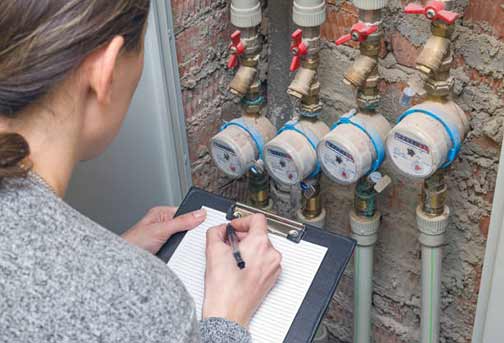
If your water bill is higher than normal and you suspect a hidden leak in your home, you can find it by following these steps. When no water is used in the house, check the reading on your water meter. Wait one hour and check again. If the reading has changed, you have a hidden leak.

  1. Toilet tank dye test

If you think your toilet is leaking but are unsure, put a few drops of food coloring in the toilet tank. Do not flush the toilet. Wait 15-30 minutes. Check to see if the color has found its way into the toilet bowl. If it has, you have a leaky toilet.

  1. Fix a leaky faucet with rubber bands

If your faucet is leaking from the handle, you can fix it temporarily by using a rubber band. Tightly wrap a thick rubber band around the connection, where the water is coming from. You may have to remove the handle to do this. The tension should stop the leak.

  1. Use a nylon stocking as a drain screen

To stop hair, food scraps, and other debris from getting into the bathroom or sink drain, wrap a piece of old nylon stocking around the end of a drain plug. Remember to clean or replace the stockings every week. Install a proper drain screen as a permanent fix.

  1. Clear stubborn clogs with a wet/dry vacuum

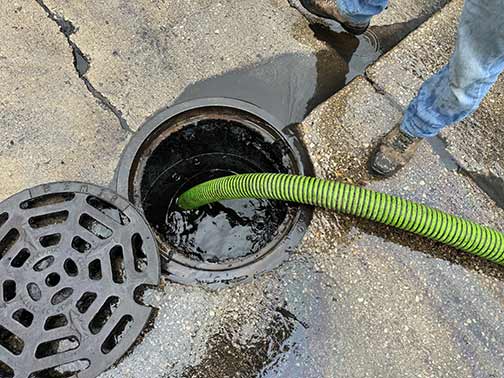
If you tried to clear a clogged drain with a plunger and it didn’t work, you may want to use a wet/dry vacuum. Select the liquid setting, insert the hose on the drain opening, and ensure a tight seal before firing the vacuum. This method works for clogs that are deep inside your drainpipe.

  1. Use a wet/dry vacuum for minor floods

If you have a minor flood in your home, minimize its impact by removing the water with a wet/dry vacuum. Before trying this hack, make sure the water inside your home is not in contact with electricity. Ensure everyone’s safety, including your own, above all else.

  1. Clean faucet aerators to fix low water pressure

Low water pressure problems that affect only your faucets but not the other plumbing fixtures in your home may be due to clogged faucet aerators. Open the faucet, unscrew the aerator, and soak it in vinegar for 30 minutes. Scrub it to get rid of any debris and put it back into the faucet.

  1. Keep plumbing tools handy

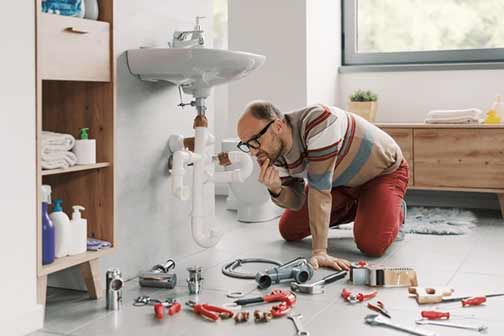
Get yourself a plumbing toolkit; this should include a pipe wrench, plunger (one for each toilet and sink), plumber’s tape, and a set of screwdrivers. These tools make it easy to handle most of the common plumbing problems in homes. Learn how to use the tools and keep them within easy reach.

Finally, know when to call a plumber. One of the hallmarks of seasoned DIYers is they know the kind of problems they should and should not tackle. These homeowners understand that the reason they DIY some of their home’s plumbing problems is not to replace their plumber.

Sometimes, the safe and smart option is to have a plumber handle the problems. Do not hesitate to call a plumber when the plumbing issues in your home get out of hand. A good plumber in Chicago can help you save money.
Why Chicago Businesses Trust Us for Commercial Repiping and Plumbing Repairs

Why Chicago Businesses Trust Us for Commercial Repiping and Plumbing Repairs

Although not directly involved in the day-to-day decision-making processes of your business, the plumbing systems in your commercial building still play a big role in the success of your business. The condition of the plumbing affects almost everything in your commercial building, says Abacus Avenue Management Company.

Commercial plumbing systems help to frame customers’ perceptions of a business. Nothing says “unprofessional” like having leaky faucets or smelly toilets on your business premises. Visitors will use the condition of your toilets as a yardstick to measure your character and competence. 

Staff may also be affected if the plumbing is poorly maintained. Bad odors from broken drain lines can hang over the office like a dark cloud, dampening staff morale and draining their energy. Plumbing maintenance has a real consequence on the bottom line.

Smart Chicago business owners know this because plumbing issues are an ever-present threat. These owners and managers not only see the role of efficient plumbing systems in business success but also appreciate the difficulty of maintaining those systems.

This difficulty stems from the expansiveness of commercial plumbing systems. The complexity of the plumbing in most commercial buildings means that problems often happen at the most inconvenient moments, and even worse, those problems can be extremely hard to detect.

For Chicago businesses, a lot hinges on their ability to fix plumbing problems with minimal impact on business operations and customer satisfaction. To meet these challenges, these businesses turn to the expertise of reputable commercial plumbing services like Chicago Plumbing Experts.

Finding a reputable commercial plumber in Chicago

The plumber you hire to manage and maintain the plumbing systems in your commercial building can be the make-or-break factor in how well your building operates. Finding a reliable commercial plumber is half the battle of solving your commercial plumbing problems.

A competent commercial plumber gives you the freedom to mind your business. Instead of wasting valuable time, money, and energy on avoidable plumbing problems in your building, you can focus on your core competencies and building your business.

Experienced commercial plumbers, like (name of company), can do this because of years of accumulated expertise. Expert commercial plumbers like (name of company) understand the diverse problems presented by commercial plumbing systems.

Moreover, we deploy the following strategies to help businesses solve these problems:

  1. Specialized knowledge

Your business needs a commercial plumbing service with years of specialized knowledge. This is because the tools and skills for solving problems in a commercial plumbing system are very different from those needed in a residential plumbing system.

  1. Tailor-made solutions

No two commercial plumbing systems are exactly alike, and the problems that can happen in these systems are as varied as the businesses that occupy the buildings. By placing each plumbing system in its category, we can craft unique solutions that work.

  1. Minimal downtime

For businesses, solving plumbing problems without disrupting the everyday flow of business is as important as solving the problems quickly and effectively. That’s why we make it our goal to be unobtrusive and almost invisible to staff and customers when solving problems.

  1. Focus on commercial-grade technologies

Commercial plumbing systems prioritize efficiency in high-use environments while maintaining costs. Therefore, the components used in these systems must be more durable than those found in residential plumbing systems. We understand these issues very well.

  1. Preventive maintenance

Businesses would rather spend $10 to prevent a plumbing issue than $5 to solve it. Problem prevention helps businesses avoid the attendant issues associated with damaged plumbing in their building. This is why most of our work is preventive maintenance.

  1. Compliance with local laws and regulations

The codes that guide the design and maintenance of commercial plumbing systems are vast and constantly evolving. Businesses struggle to keep up with these regulations. But we can help them avoid problems by keeping their plumbing up-to-code.

  1. Health and safety

The risk of accidents is high when there are plumbing problems in a commercial building. This exposes the business to the constant threat of lawsuits by injured persons. As a reputable commercial plumbing service, it is our job to help your business identify and eliminate these hazards.

  1. Qualified and insured workers

All of our plumbers are licensed and insured. If a worker is injured while working on your property, this helps your business avoid legal liability. If a worker damages your building, furniture, or equipment, you may also be sure of receiving adequate compensation.

  1. 247 emergency services

Quick detection and resolution of plumbing problems is an absolute prerequisite for minimizing the impact of those problems on business operations. Because we understand this, our plumbers are ever ready to serve the needs of your business at all times and in every season.

For businesses in Chicago, a reputable commercial plumber can be the steady hand that keeps their operations running smoothly even when everything is going wrong with their plumbing.

If your commercial building is struggling with plumbing problems that threaten to derail your business operations and upset your projected profits, this is the right time to talk to us at 708-775-2566.

Emergency Plumbing Services in Chicago: What to Look for and Why

Emergency Plumbing Services in Chicago

Does it seem like you always have to endure long wait times every time you need your plumber to solve an urgent plumbing issue in your home? And do those plumbing repairs end up costing you more than they would have if they had been fixed on time?

If you said YES to both questions, you have unknowingly learned the value of having a reputable emergency plumber on speed dial at all times. What is an emergency plumber? Aren’t all plumbers supposed to be able to handle plumbing emergencies? Let me explain.

What is an emergency plumber?

An emergency plumber is a professional plumber who specializes in solving problems categorized as plumbing emergencies, says Keyrenter North Dallas Management. Plumbing emergencies are plumbing issues in your home that pose a threat to your health, safety, personal belongings, building, and daily living.

Plumbing emergencies happen suddenly, and the unexpected consequence of the problem can lead to severe plumbing and property damage. Because they can make your home momentarily unlivable, plumbing emergencies must be addressed promptly by a professional plumber.

Examples of plumbing problems that can be considered emergencies include overflowing toilets, frozen water pipes, major water pipe leaks, burst water pipes, sewage backup, loss of water, gas leaks, failed water heaters, blocked drains, and sump pump failure.

When dealing with problems like this in your home, time is of the essence. The longer it takes your plumber to get to your home, the more damage the problem will cause, and the higher your repair bill will be. Emergency plumbers are equipped to help you avoid these problems.

Emergency plumber versus regular plumber

What’s the difference between an emergency plumber and a regular plumber?

  1. Specialization

Emergency plumbers have the tools and skills to quickly assess, diagnose, and resolve emergency plumbing issues. They complete tasks with maximum efficiency, thus minimizing the impact of plumbing problems on your home.

  1. On-demand plumbing service

With your regular plumber, you need to have a scheduled appointment. But with an emergency plumber, there is no need to have a prior appointment. Emergency plumbers are always on call.

  1. Quick response

There are no extended wait times when dealing with an emergency plumber. The plumber is trained and equipped to respond quickly. This is very important for containing or minimizing the impact of plumbing emergencies on your home.

  1. Job readiness

An emergency plumber will come with the tools and parts needed to solve your plumbing problem. There is no need for them to visit the local hardware store for supplies. They will arrive in record time and fix the problem with maximum efficiency.

  1. 247 availability

You can call an emergency plumber at any time of the day or night, and they will show up. If your sump pump malfunctions during the wet season or your water heater fails in winter, an emergency plumber can save you from a lot of trouble.

a professional emergency plumber in chicago

7 things to look for when hiring an emergency plumber in Chicago

Before hiring an emergency plumber, you want to be sure they can do what they say they can. Considering the kinds of problems you need an emergency plumber to solve for you, the worst thing you can do to yourself is to hire an incompetent emergency plumber.

If you are planning to hire an emergency plumber in Chicago, here are the things you should look out for:

  1. Licensing, certification, and memberships

Reputable plumber will willingly share their licensing and certification details. They will be happy to show proof of membership in local chapters of professional organizations and industry partnerships.

  1. Local with relevant experience

The plumber must be based in your city (not a regional or national chain). They should have a history of handling plumbing emergencies like the ones that can happen in your home.

  1. Reviews and referrals

Give priority to local plumbers referred by people you know personally (family, friends, neighbors, and colleagues). Check the plumber’s online reviews to assess their reputation and professionalism. 

  1. Insurance

Mistakes can sometimes happen when solving plumbing issues in your home. Your chosen plumber must be ready for them. The plumber must have enough insurance to protect you from potential financial liability and poor workmanship.

  1. Warranties and guarantees

If a plumber is reliable, they will not hesitate to back their work with some form of warranty. Are they willing to provide a warranty/guarantee in writing? Will they do a rework at no cost to you?

  1. Transparent Pricing and written contracts

Is the plumber willing and able to provide clear, written, and binding estimates of the work they will do, along with an outline of the scope of work and payment terms?

  1. 24/7 Availability

What kind of emergency plumbing services do they offer? Are they available 247, including weekends, late at night, and during holiday seasons?

Finally, when should you start looking for a reputable Chicago emergency plumber? Don’t wait until a plumbing emergency happens in your home because you won’t be in the right frame of mind or have the time to properly screen a plumber.

The best time to call for an emergency plumber is NOW at 708-775-2566!

Unlocking Savings with Tankless Water Heaters

Unlocking Savings with Tankless Water Heaters

Are you looking for ways to make your home more energy-efficient and cut your monthly energy bill? Do you want to do this without needing to make huge sacrifices? Is it possible to make your home more energy-efficient without making major lifestyle changes?

The answer is YES. But to get that outcome, you must employ the right strategies. Minor changes to how you use your home appliances and plumbing system can help. However, the impact of these small actions is tiny compared to the work you have to do to get the results.

If you are serious about energy efficiency in your home, what you need is a clear understanding of how home appliances affect your energy bill, says Keyrenter Premier team. Appliances, especially older ones, can use up more energy than they need to. These inefficiencies add up to hundreds of dollars every year.

This is why it makes sense, when trying to cut your home’s energy consumption, to start the process by taking a closer look at your home appliances. Your number one priority should be to replace the old energy-guzzling appliances with newer energy-efficient models.

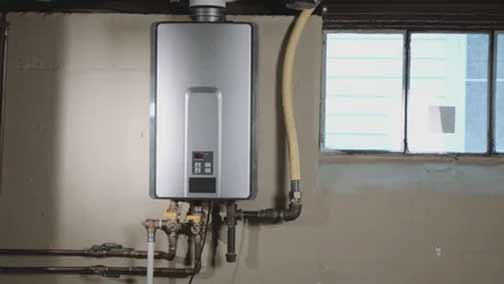
The first appliance you want to replace is the storage water heater. Storage water heaters are the most common type of water heater found in homes. They come with a large tank that is used to store heated water until the water is needed inside the home.

The trouble with storage water heaters

Storage water heaters are a bad choice if you want an energy-efficient home. The number one issue with storage water heaters, as far as energy efficiency is concerned, is standby heat loss. This problem stems from how storage water heaters are designed to work.

These water heaters come with tanks that let them hold large volumes of water at all times, and the water must be kept at the preset temperature throughout the day. The problem is the heated water inside the tank is always losing temperature as heat escapes through the tank’s walls.

To maintain the temperature of the already-heated water, it must be reheated nonstop all day long. This happens even when no hot water is being used inside the home, with the result that at every moment, there is a constant flow of heat from your water heater tank into the surroundings.

At the same time, your water heater needs a steady flow of electricity or gas to help it maintain the temperature of the water inside the tank. This is wasted energy that can have a huge impact on your home’s energy bills. Thankfully, there is an alternative: tankless water heaters.

Tankless water heaters and how they can help you save money

Because they have what is known as an “on-demand heating system,” tankless water heaters let you save money. They heat water only when you need it. They do not need to hold large volumes of water in storage or constantly reheat water in anticipation of when it will be needed.

This eliminates standby heat loss along with a host of other issues. The only energy used by a tankless water heater is the energy used to heat the water. Also, there is no excess hot water because the water heater heats just the right amount of hot water for the task.

How much energy can you save by installing a tankless water heater?

Switching to a tankless water heater can result in energy savings of up to 30%. Assuming that your family spends an average of $700 a year on water heating, installing a tankless water heater will let you shave $210 off that annual energy bill, bringing your energy costs to $490.

How much money a tankless water heater saves you depends on the size of your family and your home’s water demand. Large families that use a lot of water will see more substantial savings, and these savings will last throughout the lifespan of the tankless water heater.

In addition to saving money, there are other reasons to switch to tankless water:

  1. Longer life span

Tankless water heaters last longer than traditional water heaters because they are not susceptible to many of the problems that plague storage water heaters. While a hot water tank lasts 10-15 years, a tankless water heater can easily last over 20 years.

  1. Saves space

Storage water heaters are bulky, and there are few places in your home where you can install them. It is not so with tankless water heaters. Because of their size, tankless water heaters are more versatile; you can install them almost anywhere inside your home.

  1. Environmentally friendly

If you want to reduce your home’s environmental footprint, a tankless water heater will help you achieve that. Their minimal energy requirement means they are not a burden to nature.

Finally, before replacing your storage water heater, remember that tankless water heaters come in different sizes. To ensure that the tankless water heater is able to meet your home’s water demands, make sure to have a plumber estimate your home’s needs before buying a tankless water heater.

Design-Friendly Ways to Hide Plumbing in Open-Concept Homes

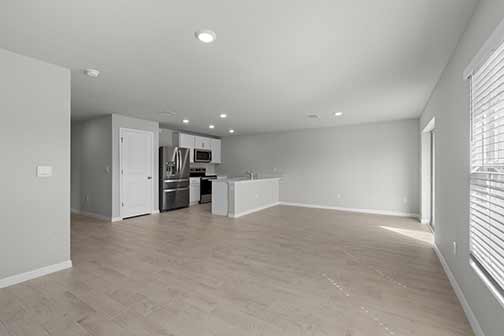
Spacious modern open-concept kitchen and living area

Creating an open-concept home is all about maximizing space, light, and flow. These layouts offer modern, airy aesthetics that promote togetherness and ease of movement. But with fewer walls and exposed architecture, hiding plumbing can become a challenge, especially when it breaks the visual harmony of your carefully curated space.

While open-concept homes have many design advantages, they do require some creative problem-solving when it comes to concealing essential systems like pipes, drains, and water lines. Fortunately, you don’t have to sacrifice beauty for function. In this guide, we’ll explore several design-friendly solutions to help you hide plumbing in a way that complements your home’s layout and decor.

Embrace the Power of Custom Cabinetry

One of the most effective ways to hide plumbing in an open space is through custom cabinetry. Whether you’re working with a kitchen island, bathroom vanity, or laundry nook, custom-built cabinets offer the flexibility to tuck away pipes without disrupting the visual flow of your space. They can be designed with cutouts or false backs that accommodate plumbing lines while still providing ample storage.

Using cabinetry also adds another layer of aesthetic appeal. You can match it to your home’s design—whether you lean minimalist, industrial, farmhouse, or eclectic. The cabinets become functional art pieces rather than utilitarian covers.

Use Decorative Columns and Boxed-In Structures

Decorative columns or beams are a stylish way to mask vertical or horizontal plumbing pipes. These faux architectural features can blend into your open floor plan, adding character and visual interest while doing a practical job. You can match the finish to your flooring or ceiling trim to make the design look intentional.

Boxed-in structures along walls or ceilings can also create a seamless look. If a water line needs to travel from one end of the house to another, boxing it in with drywall or wood paneling can turn it into a subtle design element rather than an eyesore.

Open-Concept Homes: Incorporate Built-In Shelving

Built-in shelving units are another clever trick for disguising plumbing. They can hide pipework along a wall while adding valuable storage or display space. For instance, shallow bookshelves can conceal horizontal water lines, and taller built-ins can hide vertical stacks.

In open-concept living spaces, these shelves serve dual purposes: hiding what you don’t want to see and showcasing what you do. Books, plants, photos, and decorative objects create a cozy, lived-in look that masks the plumbing behind them.

Choose Strategically Placed Furniture

In open layouts, freestanding furniture can work double-duty as plumbing camouflage. For example, a console table, bench, or tall plant stand placed in front of exposed pipes can effectively conceal them while enhancing your decor.

Make sure the furniture placement feels natural and purposeful. It should complement your traffic flow and not look like it’s trying too hard to hide something. Lightweight furniture also allows for easy access when maintenance is needed, which is important when plumbing is involved.

A woman sitting on the chair holding a MacBook
Strategically placed furniture is one way to do it in an open-concept home.

Install Soffits or Dropped Ceilings

Soffits are often used in kitchens to conceal venting or ductwork, but they’re just as useful for hiding plumbing lines in open-concept spaces. A dropped ceiling or soffit can be installed selectively over certain areas, such as where pipes run between floors or along ceilings.

These structures can be painted to match the ceiling or finished with decorative trim for a clean, seamless appearance. Adding recessed lighting to a soffit can also make it feel like a design feature rather than a functional cover-up.

Try Vertical Wall Paneling

Wall paneling is a timeless design choice that offers a great opportunity to hide plumbing discreetly. Vertical panels—such as shiplap, tongue and groove, or beadboard—can conceal pipes while enhancing the texture and character of a space.

This approach works especially well in bathrooms, laundry rooms, or kitchen walls, where you might already be considering paneling for aesthetic reasons. The panels can be designed to lift off or open up, allowing easy access to the pipes when necessary.

Add Room Dividers or Partial Walls

Room dividers and partial walls help define zones in open-concept homes while offering a natural place to hide plumbing lines. A half-wall between the kitchen and living room, for instance, could house pipes for a sink or island without requiring full-wall construction.

These dividers can also double as breakfast bars, shelving units, or art displays, making them multifunctional assets in your layout. By combining utility and creativity, you maintain openness while strategically concealing what you don’t want to see.

Use Artistic Elements as Disguises

Art is not just for decoration—it can also be cleverly used to hide unsightly plumbing. Large canvases, framed prints, or even fabric panels can be mounted over pipes running along a wall. In some cases, you can create hinged or sliding art pieces that provide easy access when maintenance is needed.

This tactic adds a personal and artistic touch to your space while solving a practical problem. It’s an ideal solution for those who love DIY or want to turn functional fixes into conversation starters.

Integrate Plumbing into Design Themes

Sometimes, the best way to hide plumbing is not to hide it at all but to integrate it into your overall design. That works particularly well with industrial, rustic, or minimalist styles, where exposed pipes can become part of the aesthetic.

For example, matte black or brushed copper pipes can serve as design features in a modern industrial kitchen. With the right finishes and placement, they add depth and texture rather than visual clutter. Just make sure they’re arranged in a tidy, deliberate way and match your overall color scheme.

Organize Around the Move-In Process

When you’re moving into a new home, structure matters. Build a checklist that covers everything from design preferences and plumbing access to where you’ll store materials or furniture during the process. Also, to avoid last-minute stress, make it a priority to stay on top of moving tasks like securing packing supplies early, decluttering before you box anything, and planning out your moving day in detail. Organizing each step ahead of time helps prevent delays, keeps the project running smoothly, and avoids situations like needing to open up a wall just to adjust a pipe.

Plan for Concealment Early in Renovation

One of the best strategies for hiding plumbing is to plan, ideally during construction or major renovation. Working with your contractor and interior designer to route plumbing through less conspicuous areas can save time, money, and visual headaches down the road.

That is also the time to think about how other aspects of your home will interact with plumbing. Will your kitchen island house have a sink? Is there a second-floor bathroom that needs drainage through a main-floor wall? Addressing these questions early allows you to integrate concealment solutions right from the start.

House renovation
One of the best strategies for hiding plumbing is to plan.

Concealing Plumbing Creatively

Hiding plumbing in open-concept homes doesn’t mean compromising on style. With a mix of smart planning and creative design choices, you can maintain a clean, modern look while ensuring all your systems work seamlessly behind the scenes.

From custom cabinetry and built-ins to artistic disguises and architectural features, the options are as varied as your imagination. Whether you’re building from scratch, renovating an older space, or just updating part of your home, taking a thoughtful approach to concealment pays off in both aesthetics and function.

Essential FAQ on Water Line Repair Services in Chicago

Essential FAQ on Water Line Repair Services in Chicago

Water line repair services are a crucial aspect of maintaining the infrastructure of homes and businesses in Chicago. Given the city’s unique weather conditions and aging infrastructure, water lines can experience a variety of issues that necessitate professional repair services. Here we aim to provide a FAQ-style guide to help residents and business owners understand the intricacies of water line repair services available in Chicago, addressing common questions and concerns.

What Are the Common Causes of Water Line Damage in Chicago? Exploring Environmental and Structural Factors

Water line damage can result from several factors, particularly in a city like Chicago where the climate and infrastructure present unique challenges. The most common causes include:

  • Freezing Temperatures: Chicago’s harsh winters can lead to frozen pipes, which may burst and cause significant water line damage.
  • Corrosion: Over time, water lines can corrode due to the minerals in the water, leading to leaks and breaks.
  • Tree Roots: Tree roots can infiltrate water lines, causing blockages and structural damage.
  • Ground Shifts: Changes in the ground due to construction or natural shifts can lead to misalignment and damage to water lines.

How Can I Identify a Water Line Problem? Recognizing Signs and Symptoms of Water Line Issues

Identifying a water line problem early can prevent extensive damage and costly repairs. Look for the following signs:

  • Low Water Pressure: A sudden drop in water pressure can indicate a leak or blockage in the water line.
  • Unusual Water Bills: An unexpected increase in your water bill may suggest a hidden leak.
  • Water Discoloration: Rusty or discolored water can be a sign of pipe corrosion.
  • Wet Spots in Your Lawn: Patches of wet soil or grass can indicate a leak underground.

What Should I Do If I Think There Is a Water Line Problem? What to Do First to Avoid More Damage

If you think you have an issue with your water line, you must act fast to limit damage. Follow these steps:

  • Turn Off Water Supply: Cut off the primary water valve to avoid further leakage.
  • Document the Problem: Document any symptoms or signs you notice to enable the repair service to diagnose the problem successfully.

What Are the Steps Involved in Water Line Repair? An Overview of the Repair Process

Water line repair usually entails various steps, which can vary based on the nature of the problem:

  • Initial Evaluation: The professional will examine the water line to identify the reason and degree of damage.
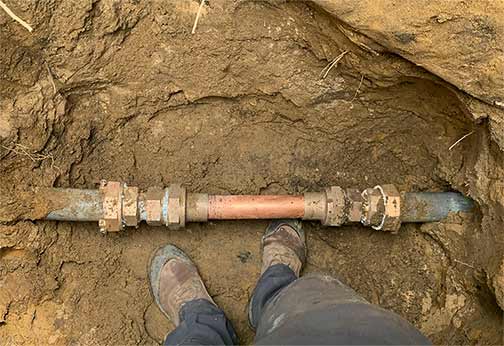
  • Excavation: Depending on the requirement, the damaged line’s surrounding area will be dug up to reach the pipe.
  • Repair or Replacement: Depending on the extent of damage, the pipe could be repaired or even replaced in full.
  • Testing: After making repairs, the system will be tested to guarantee correct performance.
  • Restoration: The site will be brought back to its original state, which may involve filling excavated holes.
professional water line repair service being performed in chicago
Depending on the requirement, the damaged line’s surrounding area will be dug up to reach the pipe.

How Long Does Water Line Repair Typically Take? Factors Influencing Repair Duration

The duration for the repair of a water line largely depends on a number of variables that may include the severity and the areas where the pipes are located. Some minor repairs can take as short as a few hours to complete while more critical problems may take days to rectify. Other factors like weather conditions and the need to dig may take much longer.

What Is the Cost of Water Line Repair? Exploring Repair Cost

Repair costs can vary widely depending on the nature of the damage and the complexity of the repair. Factors influencing cost include:

  • Type of Repair: Minor repairs can be cheaper than full pipe replacement.
  • Labor Costs: The labor can vary depending on time and expertise level.
  • Materials: Material for doing the repair can also become an expense factor.
  • Location: The cost of repair may be influenced by accessibility and location of the broken pipe.

It is best to ask for quotations from top Chicago plumbers to get a reasonable price.

Are There Preventative Measures to Avoid Water Line Damage? Strategies for Maintaining Water Line Integrity

Preventative measures will make water line damage less likely. The following strategies are considered:

  • Regular Maintenance: Regular inspections allow for detection of potential trouble early enough.
  • Tree Management: Control tree growth along water lines to prevent root penetration into the line.
  • Pressure Regulation: Install pressure regulators to prevent water-pressure damage.

Why is Professional Water Line Repair so Important? Benefits of Hiring Experts in Water Line Repairs

Professional water line repair is important for a variety of reasons:

  • Expertise: Professional plumbers have the knowledge and experience needed to know how to properly diagnose and fix problems.
  • Safety: Accurate repair guarantees the safety and integrity of your water supply.
  • Efficiency: Experts can restore things at short notice and efficiently, with minimal disruption.
  • Long-term Solutions: Expert repairs deliver lasting solutions that can avoid issues in the future.

How to Select the Right Water Line Repair Service in Chicago? Important Factors to Consider While Choosing a Service Provider

The selection of the right service provider is critical for quality repairs. Keep the following points in mind:

  • Experience: Look for providers with extensive experience in water line repair.
  • Certification: Ensure the provider is licensed and certified for water line repairs.
  • Pricing: Compare quotes to find a service that offers competitive pricing without compromising quality.

Conclusion: Navigating Water Line Repair in Chicago with Confidence and Knowledge

Water line repair is an essential service for maintaining the functionality and safety of your water supply in Chicago. By understanding the common causes of damage, recognizing signs of a problem, and knowing what steps to take, you can effectively manage repair scenarios. Professional repair services offer the expertise and efficiency needed to ensure long-lasting solutions. Whether you’re facing a water line issue or seeking preventative measures, this guide provides the foundational knowledge to navigate water line repair services in Chicago with confidence.

Having issues with your main water line and in need of a repair? We can help! Contact us today at 708-775-2566.

Understanding the Effects of Chicago’s Humid Summers on Plumbing

Understanding the Effects of Chicago's Humid Summers on Plumbing

Chicago, the culturally diverse city and home to great architectural triumphs, is also stereotyped for having tremendously hot summers. Such weather conditions of Chicago’s humid summers can have very high effects on many aspects of daily life, particularly on household levels. Plumbing situations are among these, which experience a host of issues due to the weather. Understanding the intricate way that humidity affects plumbing systems is important for homeowners who want to maintain their systems in proper condition and avoid expensive repairs.

The Science Behind Humidity and Its Impact on Plumbing

Humidity, which is the content of moisture in the air, can be extremely high during Chicago’s summer months, which means environments possess greater humidity. This excess moisture can invade homes and affect plumbing systems in a number of ways. Too much moisture can result in expansion and contraction of pipes that may lead to leaks and ultimately damage the structure encompassing the pipes. Additionally, excess humidity promotes rapid growth of molds and mildews, which further break down plumbing structure.

Typical Plumbing Issues with Humid Summers

Due to the humid summers in Chicago, homeowners may find themselves dealing with a variety of plumbing problems. Some of the most typical issues include:

  • Pipe Condensation: Excess humidity can cause pipes to develop condensation, resulting in water collection and potential water damage.
  • Mold and Mildew Growth: Excess moisture provides mold and mildew with a perfect condition to grow, clog pipes, and render them less efficient.
  • Pressure Changes: Water pressure may also be influenced by humidity, leading to irregular water flow and possible damage to plumbing fixtures.

Professional Plumbing System Maintenance Tips

To minimize the effects of humid summers on plumbing, homeowners can use several techniques to keep their systems properly maintained:

  • Regular Maintenance: Regular inspection of plumbing systems can identify prospective problems sooner and avoid costly repairs.
  • Dehumidifiers: Employing dehumidifiers in humid regions can minimize the level of humidity and safeguard plumbing systems.
  • Sealant Applications: Applying sealants to pipes can prevent condensation and the possibility of leaks.
  • Ventilation Enhancements: Enhancing ventilation in areas such as bathrooms and kitchens can circulate moisture and mitigate humidity issues.

Comprehending the Functionality of Professional Plumbing Services

While DIY fixes are helpful, professional plumbing services are critical when it comes to system maintenance during humid summers. Professional plumbers possess the capacity to perform detailed inspections, uncover hidden issues, and implement advanced solutions to keep plumbing systems in pristine condition. Professional services offer peace of mind and avert long-term humid damage.

Exploring the Effects of Humidity on Water Quality

Humidity can also influence the water quality in plumbing systems. The excess moisture can change the water’s composition by adding contaminants or altering taste. Homeowners should be aware of these potential changes and conduct water quality tests to ensure their water’s taste and safety. Water quality issues can be identified and rectified by local plumbers, ensuring that homes receive healthy and clean water.

Innovative Solutions to Plumbing Problems Attributed to Humidity

The plumbing industry has seen numerous advancements in terms of combating problems associated with humidity. From moisture-resistant materials to advanced sealants, there are innovative products available to help homeowners protect their plumbing systems. Consulting these solutions with the guidance of a Chicago plumber can open up new avenues for maintaining system efficiency and integrity, even amidst unfavorable climatic conditions.

Conclusion: Welcoming Humid Summers with Confidence

Chicago’s humid summers present unique challenges to homeowners, particularly in relation to plumbing systems. By understanding the impact of humidity and embracing correct maintenance strategies, homeowners can face these challenges with confidence. Professional services, inspections, and proactive measures can ensure plumbing systems remain robust and efficient, safeguarding homes from humidity’s adverse effects. Embracing innovative solutions and being mindful of water quality can continue to build homeowners’ confidence in plumbing system maintenance.

The Importance of Parking Lot Storm Drain Cleaning in Downtown Chicago

Parking Lot Storm Drain Cleaning in Downtown Chicago

Parking lots are a critical part of your building’s façade. To anyone visiting your premises for the first time, the parking lot serves as a reference for what they can expect to see inside the building, says Spectrum PM. A decent parking lot that is easy to navigate and has plenty of room for parking is a plus for any business.

As the gateway to your building, the parking lot offers a sneak peek into the quality of your property management. It should not only be accessible, but its appearance should complement the aesthetics of your building. Whatever makes the parking lot hard to use will hurt your business directly.

A common problem seen in commercial building parking lots is flooding. A flooded parking lot or one with standing water poses a huge problem for everyone using your premises. Whether those people are walking or driving, a flooded parking lot constitutes a safety hazard for everyone.

Also, constant flooding in your parking lot will damage the asphalt or concrete. Not only do you lose revenue in the form of unhappy tenants, customers, and visitors, but your property maintenance costs will go up. But the worst part is flooding on your parking lot is actually a problem that can easily be prevented.

Why does your parking lot flood?

The two major reasons why parking lots flood are:

Insufficient drainage

Poorly designed drainage channels and insufficient slope can impair a parking lot’s ability to efficiently discharge rainwater. There is also a chance that, although the drainage systems are properly designed and working, they are simply not enough. If your drainage system is insufficient or malfunctioning, you will have chronic flooding issues on your property. 

Clogged stormwater systems

Even the best-designed drainage system will malfunction if it is not properly maintained. Clogged basins, pipes, and trenches make your storm drainage system effectively non-existent. Your property will experience the same flooding issues as a property without a drainage system. It is not enough to have a drainage system; it must be maintained.

Which of these two problems is the root cause of the constant flooding in your parking lot? We will assume that, as per city regulations, your property has sufficient and well-designed storm drains. This means that your problem is probably due to reason number two.

How to care for parking lot storm drains

Parking lot storm drains need frequent cleaning because debris that falls on the parking lot surface eventually finds its way into the drainage system. Regular storm drain cleaning ensures proper water flow and prevents blockages. How do you keep a storm drain clear and flowing?

Sweep the lot regularly

To minimize the risk of storm drain blockage, parking lots should be cleaned on a schedule. Parking lot cleaning should be done weekly, not just when the area gets dirty or after it rains. Any debris around the inlet of the storm drain should be removed. 

Create sediment traps

Sediment traps keep debris out of a storm drain by detaining runoff long enough to let the sediment inside the water settle. If you have a serious and recurring problem of flooding in your parking lot, this is one of the most effective strategies for solving it.

Flush the parking lot storm drain

Hydro jetting is a drain cleaning method that uses high-pressure water to blast away the debris and blockages inside your storm drain. Have your storm drain hydro jetted on a schedule – preferably once every year – helps to get rid of difficult problems like sludge, grease, and tree roots.

Vacuum the storm drain

Unlike hydro jetting, which pushes the debris out of the storm drain, this method uses a vacuum truck or specialized equipment to suck the debris out of the storm drain. The removed debris is then taken to a designated site for proper disposal.

The importance of parking lot storm drain cleaning

Proper storm drain maintenance and cleaning helps your business in many ways.

  • Flood prevention: By helping you avoid the events that lead to water buildup, regular storm drain cleaning allows you to minimize the risk of flooding in your parking lot.

  • Ensure safety: Standing water and floodwater create avoidable hazards in your parking lot. Regular storm drain cleaning removes those hazards.

  • Protect your property: Proper storm drain cleaning and maintenance prolong the lifespan of your parking lot and the storm drain itself.

  • Lower maintenance costs: It costs more to fix a broken storm drain or repair damaged concrete and asphalt surfaces than to clean your storm drain.

  • Ensure regulatory compliance: Without proper stormwater management, you run the risk of heavy fines and penalties from the city.

  • Improve property value: Clean parking lots and well-maintained storm drains boost the curb appeal of your property, making it more attractive to visitors and potential buyers.

When planning and implementing a stormwater management program for your parking lot, remember that the quality of your results depends on the competence of the people creating the plan. That is why you only want to work with professionals to create this program.

Chicago Plumbing Emergency: How To Find a Water Leak

How To Find a Water Leak

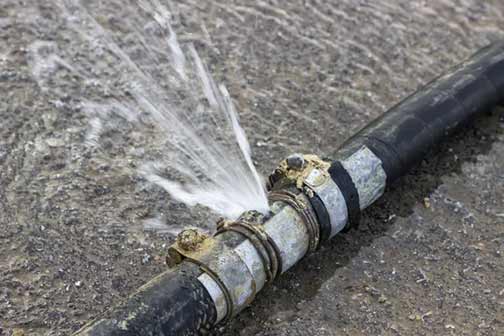
Leaking pipes in your home can happen at any time and in any part of your home where there are plumbing pipes. However, Jambi Management says, these leaks do not always occur in ways that make them easy to find. Sometimes, a roof or window leak can even present as a water pipe leak.

Furthermore, water pipe leaks can happen inside or outside your home. If you have a water leak in your home or suspect that you have one, how can you find it? Timely action is key when dealing with water leaks because delay only increases the eventual cost of fixing the problem.

How to find a hidden water leak in your home

To look for a water leak in your home, you must know or suspect that you have one. What are the giveaway signs that you may have a hidden water leak in your home?

Outrageous water bills

Because you use a certain amount of water every month, your average water bill should be within a fixed range. If your water usage pattern has not changed, but you see a spike in your water bill, you may have a water leak in your home.

Sounds of flowing water at night

If you constantly hear the sound of dripping, running, or hissing water at night, you may have a water leak in your home.

Damp spots in your home

Pools of water at the base of walls or stairs, watermarks on walls, flooring, and ceiling, and peeling or bubbling paint on walls and ceilings are all signs of water leaks.

Mold, pests, and strange odors

If mold or mildew is growing inside, it is because it has access to a supply of water. Water leaks in your home can also attract pests. You may also have a musty odor hanging around some areas of your home.

a woman performing a water meter test

Locate your water meter. You should find it at the boundary of your property, directly from the position of your main water shutoff valve.

If you see any of these signs in your home, how do you find the source of the leak?

Do a water meter test

Locate your water meter. You should find it at the boundary of your property, directly from the position of your main water shutoff valve. It is often hidden under what looks like a manhole cover and should have a label that reads “water meter.”

On the water meter, you will find at least one dial and a counter showing the water meter reading. If water is entering your home, you will see movement on the small dial on the face of the water meter. Pay attention to this dial.

Next step: when nobody is at home, turn off faucets and water-utilizing appliances. Take the reading on the water meter counter and note if the small dial is moving. Wait 30 minutes and check if the reading is the same or if the dial is moving.

If the dial is moving and the reading on the counter has changed, it means water is still flowing into your home despite all the faucets and appliances in the home being shut off. This is a sure sign that you do have a water leak in your home.

Find the location of the leak

To find the location of the leak, close the supply valve for different fixtures, one at a time. Each time you close a valve, go and check the water meter to see if the small dial has stopped moving. If it stops moving after you close a valve, you have found the leak.

If this doesn’t work, close the main water shutoff valve to cut off the water supply to your entire home. Go back and see if the small water meter dial has stopped moving. If it has, it means you have an internal leak.

On the other hand, if the dial still moves, you may have a leak in your main water line. Finding leaks in the main water line requires specialized tools and know-how, and a professional plumber is needed for this job.

Inspect fixtures and appliances

If the leak is inside your home, take the following steps. To know if your toilet is leaking, add food coloring to the water inside the tank. Do not flush the toilet. If the coloring shows up inside the toilet bowl after a few minutes, you have a toilet leak.

Inspect your plumbing fixtures and water-utilizing appliances carefully. Potential locations for leaks in your home include water softeners, boilers, water heaters, and appliance hoses. Check them thoroughly to make sure they are not leaking.

Finally, if you are unable to pinpoint the exact location of the water leak, it is time to call a professional plumber. Professional plumbers have a range of high-tech tools for finding hidden leaks in your home. Just make sure to hire an experienced and trustworthy plumber.

Identifying Poor Plumbing: Essential Signs for Homeowners

Identifying Poor Plumbing

Plumbing problems in your home can manifest in lots of ways that are not all too obvious, warns Wilson Management experts. They may stay hidden while inflicting massive damage on your building. Other times, they will appear as minor problems that homeowners are likely to overlook.

But as any experienced homeowner can tell you, plumbing issues in the home are among the costliest maintenance problems to deal with. In addition to fixing your damaged plumbing, you must repair the water damage to your walls, flooring, ceiling, etc.

This is why early detection is the best strategy for handling plumbing problems in your home. The difference between spending a few hundred dollars to fix a plumbing issue versus spending thousands of dollars to solve the same problem is often due to the timing of the intervention.

To detect broken or worn-out plumbing components in your home, you must know the warning signs to look out for. You also want to know the telltale signals that your home’s plumbing systems are substandard or that the plumbing installation was poorly done.

Early detection of plumbing problems is how you take control of the potential outcome of those problems in your home. It is a far better option than waiting until the plumbing problems have caused extensive damage to your home before you eventually discover them.

Common signs of hidden plumbing issues in homes

Water stains and bubbling paint

If the paint is peeling, flaking, or bubbling in some sections of the wall, it could be a sign of leaking pipes in the walls, ceiling, or flooring. Watermark stains on walls and ceiling should be investigated. Water at the base of a wall or what appears to be a roof leak may be an upstairs pipe leak.

Chronic drain clogs and blockages

If your drains constantly clog despite repeated efforts to fix the issue, you may have bigger problems. The sewer line could be broken, collapsed, or bellied. Your home may have settled enough to displace the sewer line, or the problem could be due to soil shifts around your building.

Low water pressure

Low water pressure can originate within or outside the home. Low water pressure issues from outside the home will often affect neighboring homes. It is the city’s job to fix such problems. Low water problems originating inside the home are often caused by hidden leaks, corrosion, sedimentation, and clogs in water pipes.

Strange sounds from the plumbing

For instance, strange whistling sounds in the home, rattling noises from walls, or gurgling sounds when the toilet is flushed. These sounds could be due to clogged or blocked drain pipes and loose pipes within the walls. High water pressure and worn-out valves will also produce screeching or humming sounds.

Rust-colored streaks in sinks & bathtubs

This will happen if there is a lot of iron in the water supply. Apart from the unsightly appearance of sinks and tubs, this is not a big problem. But rust-colored streaks in bathtubs and sinks are also caused by pipe corrosion. You will not know the actual cause of the problems if you don’t investigate.

Mold or mildew

Mold and mildew will not grow unless the conditions for their survival are present, namely, dark, humid, and poorly aerated confined spaces. If there is mold or mildew around a home’s plumbing fixtures, you may be sure that a leaking pipe, pipe joint, or fixture is feeding them with the water necessary for their growth.

Green or black stains on copper pipes

Natural oxidation as a result of exposure to air or water may cause copper pipes to turn green or black. Pipes discolored in this manner are likely to develop pinhole leaks. Copper pipes also become discolored when there is direct contact between them and iron or steel. Electrolyzed copper pipes will not last.

Bad odors in or around the home

A strong smell of sulfur or sewage is a huge red flag. It is often caused by a broken sewer line, blocked malfunctioning, or absent vent pipes. If sewage odors in the home are not addressed, the problem may eventually lead to sewage backup inside the home or the collapse of the sewer line.

Low or wet spots in the yard

Lush green spots may be due to a leaking underground water line. Slight depressions or bouncy spots in the yard are also signs of underground leaks. If one section of your lawn is perpetually wet, you may be sure that you have a hidden plumbing leak.

Is your home suffering from any of these issues?

This is the right time to get an experienced plumber to take a deeper look at the problems. But even if you don’t have the above issues in your home, it is still a good idea to have your home’s entire plumbing system inspected each year.

Periodic whole-house plumbing inspections are the best preventive plumbing maintenance strategy for spotting problems early and addressing them before they have the chance to cause expensive damage to your home.