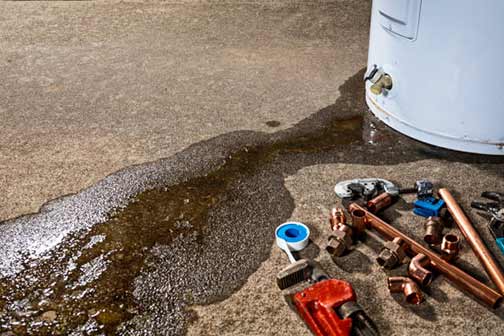
Water heater sounds are normal if they are a humming or light tapping sound, says Estate Home Management. Humming sounds from your water heater show that the heating element is working, while a light tapping sound occurs as a result of the water heater expanding or contracting as it heats up or cools down.
Crackling or sizzling noises are also a normal phenomenon in gas water heaters, caused by condensation on the burner assembly. This is just the normal effect of water dropping on something very hot. Depending on how short-lived it is, a popping sound may be normal in gas water heaters.
The water heater can also produce abnormal sounds that indicate a malfunction. These sounds can range from low whistling or high screeching sounds, to frightening rumbling noises, all the way to loud banging. What causes these strange noises?
Unusual water heater sounds and what they mean
- Whistling or screeching sounds
There are several things that can cause your water heater to make a loud whistling or screeching sound. The noise can come from air escaping from a loose valve or water forcing its way through a partially open inlet valve. The inlet valve is typically found on the top of the water heater.
For most water heaters, this is usually a ball valve or gate valve. If that valve somehow becomes loose, it can obstruct the water flow into the water heater tank, resulting in whistling or screeching noises. This is a common issue with old-type gate valves; they get stuck easily.
For the best results, install a full-port ball valve on the water heater. This offers the best control of water flow.
- Rumbling sounds
For most people, a loud rumbling sound, like the noise of an old locomotive engine trying to start, is very frightening. Loud noises from an appliance that combines electricity or gas with hot water should be a cause for concern. Yes, you have good reason to be scared of those sounds.
Loud rumbling noises from your water heater occur when there is more sediment inside the tank. The water heater must heat up the calcium and magnesium deposits at the tank bottom before it can even start to heat the water. The rumbling noises are caused by increasing sediment.
This problem leads to a massive loss of efficiency in your water heater. It can also interfere with the thermostat’s ability to regulate the water temperature, leading the water inside the tank to overheat. An overheating water heater will result in scalding incidents and the possibility of tank rupture.
To solve this problem, you want to flush the tank. Ideally, this is something you should do every year, from the first year you get the water heater. If your water heater has not been flushed in a long time and is making loud noises, flushing it now will not be useful. You may have to buy a new water heater.
Another thing to keep in mind is that sediment buildup can cause some of the other noises discussed in this post, like popping and hissing noises. It helps to have the water heater checked if you have any of these problems, to ensure they are not being caused by sediment buildup.
- Water hammers
Sudden banging or knocking noises happen when there is a surge in water pressure within your pipes. They typically occur when a faucet in your home is turned off suddenly. The abrupt closure of the faucet causes the onrushing water in the system to slam against the pipes, making these noises.
This problem can be solved by installing water hammer arrestors at various places in the home where these sounds happen. Water hammer arrestors absorb the shock when a faucet, dishwasher, or valve inside your home is closed suddenly, protecting your pipes and water heater from the impact.
- Humming, hissing, or whistling sounds
Sometimes, humming or whistling sounds from your water heater can indicate a loose valve or heating element. These loose components can leak or cause pressure imbalances that allow air to be sucked in at various points in the appliance, leading to the strange noises you hear.
Hissing sounds may also indicate a leak around the burner assembly or heating element. To repair these issues, inspect the water heater to ensure all components are snug and tight. If the heating element is loose, you may have to replace it.
If the water heater is making a hissing sound, open up the cover plates to see if there is water in there. If the area is wet, your water heater is leaking. This often means you have to purchase another water heater, but it is better to replace a leaky water heater than to have it cause water damage to your home.
To conclude, here are some steps you should take to protect your water heater: in the first year after buying it, replace the anode rod and flush the tank. Flush the tank every year after that.
Lastly, have a professional plumber inspect your hot water system every year to ensure everything is in order.