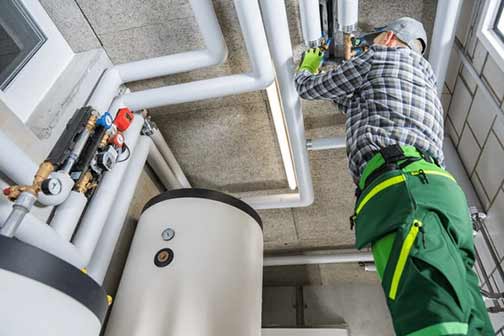
With its impressive architecture and busy business districts Chicago offers unique plumbing obstacles for facility managers to address. Each office building, whether old or new, historic or modern, has its own plumbing issues as a distinctive space to manage. Understanding these obstacles is the first step to keeping up with them. Facility managers have to consider the architectural style as well as the age and condition of these buildings. All these factors change the plumbing needs and issues.
Common Plumbing Issues in Chicago’s Office Buildings
Office buildings in Chicago face a variety of plumbing problems that can disrupt daily operations. These include:
- Aging Infrastructure: Many office buildings in Chicago were constructed decades ago, and their plumbing systems may not have been updated. Aging pipes can lead to leaks, low water pressure, and even water contamination. Facility managers must assess the condition of these systems regularly and consider upgrades to prevent potential hazards.
- Seasonal Temperature Fluctuations: Chicago’s harsh winters and humid summers can cause pipes to expand and contract, leading to potential leaks or bursts. Facility managers must be vigilant about these seasonal changes and their impact on plumbing systems, implementing measures such as insulation to protect pipes from extreme temperatures.
- High Occupancy Demands: Office buildings often house a large number of employees, leading to high demand on plumbing systems. This can result in frequent clogs, slow drains, and increased wear and tear. Facility managers should consider installing high-capacity plumbing fixtures and regularly maintaining them to accommodate the high usage.
- Water Quality Concerns: Chicago’s water quality issues, such as lead contamination, have raised concerns about the safety of drinking water in office buildings. Facility managers must ensure regular testing and maintenance to address these issues, including the installation of filtration systems to provide safe drinking water.
Professional Solutions for Plumbing Challenges
Addressing plumbing challenges in Chicago office buildings requires professional solutions tailored to the specific needs of each facility. Here are some strategies facility managers can implement:
- Regular Plumbing Inspections: Conducting regular inspections can help identify potential issues before they become major problems. Facility managers should work with licensed plumbers to assess the condition of pipes, fixtures, and water heaters. These inspections should include checking for leaks, corrosion, and signs of wear and tear.
- Upgrading Plumbing Systems: For buildings with aging infrastructure, upgrading the plumbing system is essential. This includes replacing old pipes with modern materials that are more resistant to leaks and corrosion. Facility managers should consider using materials like PEX or copper, which offer durability and efficiency.
- Implementing Water-Saving Technologies: Installing water-saving devices such as low-flow faucets and toilets can reduce water usage and lower utility costs. These technologies are especially beneficial in high-occupancy buildings, where water conservation can significantly impact overall expenses.
- Seasonal Maintenance Plans: Developing a maintenance plan that accounts for seasonal changes can prevent issues such as frozen pipes in winter or excessive expansion in summer. Facility managers should schedule regular maintenance checks and implement preventive measures to address seasonal challenges.
- Water Quality Monitoring: Regularly testing water quality and installing filtration systems can ensure safe drinking water for employees. Facility managers should stay informed about local water quality reports and regulations, adapting their maintenance plans accordingly.
Maintenance Tips for Facility Managers
Effective maintenance is crucial for preventing plumbing issues and ensuring the longevity of plumbing systems. Facility managers should consider the following tips:
- Educate Employees: Providing employees with guidelines on proper usage of plumbing fixtures can prevent misuse and reduce the risk of clogs and leaks. Facility managers can conduct workshops or distribute informational materials to promote awareness.
- Establish Routine Maintenance Schedules: Regular maintenance schedules help keep plumbing systems in optimal condition. This includes cleaning drains, checking for leaks, and servicing water heaters. Facility managers should develop comprehensive maintenance plans that cover all aspects of plumbing systems.
- Emergency Preparedness: Facility managers should have an emergency plan in place to address sudden plumbing failures or water outages. This includes having contact information for emergency plumbers and knowing the location of shut-off valves. Preparedness can minimize disruption and damage during unexpected incidents.
- Document Plumbing Issues: Keeping detailed records of plumbing issues and repairs can help identify recurring problems and inform future maintenance decisions. Facility managers should maintain logs that include dates, descriptions, and resolutions of plumbing incidents.
- Collaborate with Professionals: Building strong relationships with local plumbing professionals ensures access to expert advice and prompt service when needed. Facility managers should establish partnerships with reputable plumbing companies to facilitate efficient maintenance and repairs.
Innovative Plumbing Solutions for Modern Office Buildings
As office buildings evolve, so do plumbing solutions. Facility managers can explore innovative technologies to enhance their plumbing systems:
- Smart Plumbing Technologies: Smart sensors and IoT devices can monitor plumbing systems in real-time, alerting facility managers to potential issues before they escalate. These technologies provide data-driven insights that can improve maintenance and reduce costs.
- Green Plumbing Solutions: Implementing eco-friendly plumbing solutions, such as rainwater harvesting systems and greywater recycling, can reduce environmental impact and promote sustainability. Facility managers should consider integrating these solutions to align with corporate sustainability goals.
- Advanced Leak Detection Systems: Investing in advanced leak detection systems can prevent water damage and minimize repair costs by quickly identifying and addressing leaks. These systems offer precision and efficiency, enhancing the overall reliability of plumbing systems.
Conclusion: Proactive Management for Plumbing Success
Addressing plumbing challenges in Chicago office buildings requires a proactive approach. Facility managers must stay informed, collaborate with professionals, and implement innovative solutions to ensure efficient and reliable plumbing systems. By prioritizing regular maintenance and upgrades, facility managers can enhance the functionality and safety of their office buildings, providing a comfortable environment for all occupants. Embracing technological advancements and sustainability initiatives further ensures that plumbing systems are well-equipped to meet the demands of modern office environments in Chicago.