Flood Control Systems in Chicago, IL
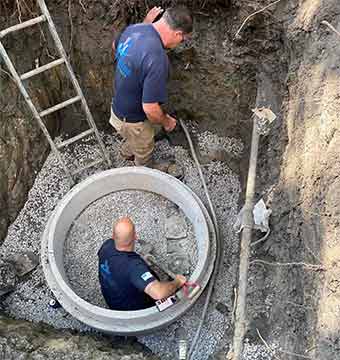
Flood control systems in Chicago can make the difference between a property that is prepared for severe weather and one that is vulnerable when heavy rain, snowmelt, groundwater, or an overloaded sewer system sends water where it does not belong. For many Chicago homes and businesses, protecting a basement requires more than a single pump or valve. The right solution depends on how water reaches the property, how wastewater leaves it, and where the building is vulnerable to flooding.
Chicago Plumbing Experts designs and installs customized flood control systems for residential and commercial properties throughout Chicago. We evaluate the property’s drainage conditions, plumbing configuration, basement elevation, existing equipment, and history of flooding to determine which combination of flood protection measures makes sense for the building.
Depending on the property, that may include a sump pump system, battery backup, overhead sewer conversion, sewer backwater valve, sewage ejector pump, French drain, or other drainage improvements. The goal is not to install every available device. It is to identify the actual flood risks and build a system around them.
Why Flood Protection Matters in Chicago
Chicago properties can face several different sources of unwanted water. Heavy storms can overwhelm drainage systems, groundwater can collect around foundations, and sewer surcharges can increase the risk of wastewater moving backward through lower-level plumbing.
Older homes can be particularly vulnerable because their original drainage and sewer configurations may have been designed for conditions that do not match the property’s current use. Finished basements, basement bathrooms, laundry rooms, additions, and other improvements can also change how a property needs to manage water.
That is why flood protection should be approached as a complete system rather than a single piece of equipment.
Start With the Way Water Is Getting Into the Property
Before choosing a flood control solution, it is important to understand what is actually causing the problem.
Water entering through a basement floor or foundation area may point toward groundwater or drainage concerns. Water coming through a floor drain or lower-level plumbing fixture can indicate a sewer backup. A sump pump that cannot keep up during storms presents a different problem than a property with no way to remove groundwater in the first place.
A proper evaluation helps separate these issues so the recommended solution addresses the source of the risk.
For properties experiencing an active sewer backup, our sewer backup services in Chicago address the immediate plumbing problem while helping determine what may need to change to reduce the chance of another occurrence.
A Flood Control System May Involve More Than One Solution
There is no universal flood-control setup that works for every Chicago property.
One home may primarily need a dependable sump pump and battery backup because groundwater is the primary concern. Another may need an overhead sewer conversion because its basement plumbing is vulnerable to sewer backups. A different property may benefit from a backwater valve, exterior drainage improvements, or a combination of several systems.
The most effective approach is to match the equipment to the way the property handles groundwater, stormwater, and wastewater.
Sump Pumps for Groundwater Protection
A sump pump removes groundwater that collects around or beneath the foundation and directs it away from the property before it can rise into the basement.
For properties that rely on a sump system, proper sizing, installation, discharge routing, and ongoing maintenance all matter.
Our sump pump services in Chicago include installation, replacement, repair, and other sump system services for properties that need dependable groundwater protection.
Battery Backup for Sump Pump Protection
A primary sump pump cannot protect a basement if it loses power during the same storm that is sending water toward the foundation.
A battery backup pump provides an additional layer of protection by allowing water removal to continue when the primary system loses electrical power or becomes unavailable.
Our sump pump battery backup installation provides a dedicated backup solution for properties that need additional protection during storms and power interruptions.
Overhead Sewer Systems for Basement Protection
An overhead sewer system addresses a different type of flooding risk. Instead of relying on a conventional below-grade basement sewer connection, the wastewater system is redesigned so basement fixtures are better protected from reverse flow.
This can be especially valuable for Chicago properties with finished basements or a history of recurring sewer backups.
Our overhead sewer installation services include overhead sewer conversions and installations designed around the property’s existing plumbing configuration.
Sewer Backwater Valves
A sewer backwater valve is designed to allow wastewater to leave the property while helping prevent it from flowing backward into the building when conditions in the downstream sewer system create reverse flow.
For homes vulnerable to sewer backups, a properly installed sewer backwater valve can provide an important layer of protection.
The valve is not a substitute for every other form of flood control. Its role is specifically related to reverse sewer flow, which is why evaluating the property’s complete drainage configuration is important before installation.
Sewage Ejector Pumps for Below-Grade Plumbing
A sewage ejector pump serves a completely different purpose from a sump pump.
When bathrooms, laundry rooms, or other plumbing fixtures are located below the level where gravity can carry wastewater to the sewer, an ejector pump may be necessary to move that wastewater out of the building.
Our sewage ejector pump services cover installation, replacement, and repair for below-grade plumbing systems.
French Drains and Exterior Drainage
Not every flooding problem originates inside the plumbing system.
Water can also collect around a foundation, remain trapped in saturated soil, or pool in low areas of a yard. In those situations, improving the way groundwater and surface water move across the property can be an important part of the overall flood-control strategy.
Our French drain installation services provide a dedicated drainage solution for properties dealing with standing water, excess groundwater, saturated soil, and other exterior drainage problems.
Basement Flooding Can Have More Than One Cause
One of the biggest mistakes property owners can make is assuming that every wet basement has the same cause.
A basement may flood because groundwater is entering around the foundation. Another may experience wastewater backing up through floor drains. A sump pump may be undersized or failing. A drainage system may be overwhelmed by heavy rainfall. Or several of these problems may exist at the same time.
The solution needs to reflect that difference.
For example, installing a larger sump pump will not correct a sewer backup caused by reverse flow. Likewise, installing a backwater valve will not solve groundwater entering through a foundation wall.
The purpose of a flood-control evaluation is to identify which problem you actually have before deciding what equipment should be installed.
Protecting a Basement From Sewer Backups
Sewer backup protection is particularly important for Chicago properties with basements and lower-level plumbing.
During periods of intense rainfall, sewer systems can experience increased flows and surcharges. If a property’s plumbing configuration leaves basement fixtures vulnerable to reverse flow, wastewater can enter through floor drains, toilets, or other lower-level connections.
Depending on the building, an overhead sewer system, backwater valve, or another sewer-protection strategy may be appropriate.
If your property has already experienced repeated backups, it may also be necessary to investigate the condition of the sewer line itself. Our sewer line repair services address damaged, deteriorated, or structurally compromised sewer lines that can contribute to recurring drainage problems.
Stormwater and Yard Drainage Are Part of the Bigger Picture
Flood control does not stop at the basement walls.
Water that cannot drain properly across a property can collect around the foundation, saturate the soil, pool in low areas, and eventually create conditions that contribute to basement moisture.
Properties with larger drainage areas may also have stormwater systems, catch basins, or other structures that need regular cleaning and maintenance.
Our storm drain cleaning services help remove accumulated debris and sediment from storm drainage systems so they can continue moving water effectively.
For properties with catch basins, our catch basin cleaning services address sediment, sludge, and debris that can reduce drainage capacity.
If the catch basin itself has deteriorated or sustained structural damage, our catch basin repair services provide a separate solution for damaged drainage structures.
When Flood Control Equipment Needs Repair or Replacement
Installing flood-control equipment is only the beginning. These systems need to remain operational long after the original installation.
A sump pump can wear out. A backup system can develop problems. A backwater valve can require attention. An ejector pump can stop operating properly. Drainage systems can accumulate sediment or become restricted.
That is why flood protection should be considered an ongoing part of property maintenance rather than a one-time installation.
Regular evaluation can also identify equipment that has become unreliable before the next major storm puts the system under pressure.
Flood Control for Older Chicago Homes
Older Chicago homes can present unique flood-control challenges because the original plumbing and drainage systems may not match the way the property is used today.
A basement that was once unfinished may now contain living space, a bathroom, laundry facilities, mechanical equipment, or valuable storage. A property may also have undergone additions or plumbing modifications that changed the way wastewater and groundwater need to be managed.
In these situations, flood protection should be designed around the current property rather than simply maintaining an outdated configuration.
Our plumbers can evaluate the existing setup and explain which improvements may provide the most meaningful protection.
Flood Protection for Commercial Properties
Commercial buildings can have even more complicated drainage requirements because of larger building footprints, multiple plumbing systems, lower-level mechanical spaces, parking areas, and greater consequences when water enters the property.
Flood control planning for a commercial property may involve multiple drainage and wastewater systems working together.
Chicago Plumbing Experts also provides commercial plumbing services for businesses and commercial properties that need plumbing repairs, drainage solutions, sewer work, and system upgrades.
The objective is to build flood protection around the actual property rather than install isolated equipment without considering how the systems interact.
How We Approach a Flood Control Project
A successful flood-control installation starts with understanding the property.
Evaluate the existing conditions
We look at the plumbing configuration, drainage conditions, basement setup, existing equipment, and known flooding history.
Identify the source of the risk
The goal is to determine whether the primary concern involves groundwater, stormwater, sewer backup, drainage limitations, equipment failure, or a combination of factors.
Determine which systems are appropriate
Once the risk is understood, the appropriate combination of flood-control measures can be considered. Some properties may need one primary solution, while others require multiple systems working together.
Plan the installation around the property
The layout, access conditions, existing plumbing, drainage routes, and location of equipment all influence how the work should be performed.
Test the completed system
After installation or repair, the system should be checked to make sure the equipment and plumbing components operate as intended.
The result should be a flood-control strategy that makes sense for the property, not simply a collection of equipment.
What a Flood Control System Can Help Protect
The value of flood protection goes beyond keeping water off the basement floor.
A properly planned system can help reduce the risk of damage to:
- Finished basements
- Flooring and drywall
- Furniture and personal belongings
- Furnaces and other mechanical equipment
- Electrical and plumbing components
- Foundation areas affected by excess water
- Basement bathrooms and laundry rooms
- Commercial equipment and inventory
- Landscaping and exterior areas affected by poor drainage
Preventing water intrusion is generally far easier than dealing with the cleanup and repairs that follow a serious flooding event.
Flood Control and Emergency Plumbing Problems
Even a well-designed system cannot eliminate every possible plumbing emergency.
A failed sump pump, broken sewer line, major backup, or sudden plumbing failure may still require immediate attention.
When flooding is already occurring or a critical plumbing component has failed, our 24/7 emergency plumbing services are available for urgent situations.
The long-term goal, however, is to identify vulnerabilities before they turn into emergencies and improve the property’s ability to handle the types of water problems it is most likely to encounter.
Frequently Asked Questions About Flood Control Systems
What is a flood control system?
A flood control system is a combination of plumbing and drainage equipment designed to reduce the risk of water entering or damaging a property. Depending on the property, it may include sump pumps, battery backups, backwater valves, overhead sewer systems, ejector pumps, French drains, and other drainage improvements.
Does every Chicago home need the same flood control system?
No. Flood risks vary significantly between properties. The right solution depends on factors such as basement elevation, groundwater conditions, sewer configuration, drainage patterns, existing equipment, and previous flooding problems.
Is a sump pump enough to prevent basement flooding?
Not always. A sump pump primarily addresses groundwater collected around or beneath the foundation. It does not provide the same protection against wastewater backing up through a sewer connection.
What is the difference between a sump pump and an ejector pump?
A sump pump removes groundwater from around the foundation. A sewage ejector pump moves wastewater from below-grade plumbing fixtures into the sewer system. They serve different purposes and should not be treated as interchangeable equipment.
Does an overhead sewer prevent all basement flooding?
An overhead sewer is specifically designed to reduce the risk of wastewater backing up into lower-level plumbing. It does not address every possible source of basement water, such as groundwater entering through the foundation or exterior drainage problems.
Should I install a battery backup for my sump pump?
A battery backup can provide valuable additional protection when the primary sump pump loses power or becomes unavailable during a storm. Whether one is appropriate depends on the property’s flood risk and existing sump system.
Can flood control systems be added to an older Chicago home?
Yes. Flood-control improvements can often be designed around existing plumbing and drainage systems. The appropriate approach depends on the property’s current configuration and the specific flooding risks involved.
How do I know which flood control system my property needs?
The best starting point is a professional evaluation of the property’s existing drainage and plumbing conditions. The objective is to identify where the water is coming from and how it is entering the property before selecting equipment.
Build a Flood Protection Plan Around Your Property
Chicago weather does not give homeowners much warning when conditions turn severe. Heavy rainfall, snowmelt, groundwater, and sewer surcharges can all put pressure on a property’s drainage and plumbing systems, particularly when an older home has never been upgraded for modern flood protection.
The right flood-control strategy starts with understanding the property. Chicago Plumbing Experts can evaluate your existing plumbing and drainage setup, identify areas of vulnerability, and recommend the systems that make sense for your particular situation.
Whether your priority is protecting a finished basement, reducing recurring sewer backup problems, improving groundwater management, or upgrading outdated flood protection, the goal is the same: give your property a better defense before the next major storm arrives.
Give Your Basement a Better Defense Against Chicago Flooding
If your property has already flooded, repeatedly experienced sewer backups, or simply has a basement that you do not want to leave vulnerable, now is the time to evaluate your flood protection.
Chicago Plumbing Experts designs and installs flood control solutions throughout Chicago, from individual sump pump and backwater valve upgrades to larger systems involving overhead sewers, drainage improvements, ejector pumps, and multiple forms of water protection.
The right system depends on your property, your plumbing, and the source of your flooding risk. We can help you identify those factors and develop a practical solution designed to protect the areas of your property that matter most.
Chicago Plumbing Experts
Call us at: 708-775-2566
Email us at: chicagoplumbingexpert@gmail.com
Hours: Monday – Friday 7AM – 6PM | Saturday 7AM – 4PM
After Hours Emergency Plumbing Services: 708-518-7765
We would love to hear from you! Please fill out the quick contact form and we will get in touch with you shortly.