Buying a home often focuses on layout, finishes, and neighborhood appeal. Plumbing rarely receives the same attention during early tours. Many buyers depend on professional inspections later in the process. Still, noticing early warning signs during a tour can help you decide whether a property deserves deeper evaluation. Experienced plumbing experts often point out that basic observations during showings can reveal the condition of a home’s plumbing system. Learning the most important checkpoints for plumbing when touring potential homes allows buyers to recognize visible risks and hidden maintenance issues before making an offer.
Why Should Plumbing Be a Priority During Home Tours?
Plumbing systems operate behind walls, under floors, and inside cabinets. Because of this, problems often stay unnoticed until regular daily use begins. Even small issues can turn into costly repairs. A slow leak inside a cabinet may damage flooring and structural materials over time. Poor drainage may signal larger sewer line concerns.
Home tours provide an opportunity to notice these signs early. Buyers who evaluate plumbing during showings gain a clearer understanding of potential repair costs. Paying attention to plumbing also helps buyers compare properties more accurately. A home that appears similar on the surface may require significant plumbing upgrades behind the scenes.
Check Water Pressure and Faucet Performance
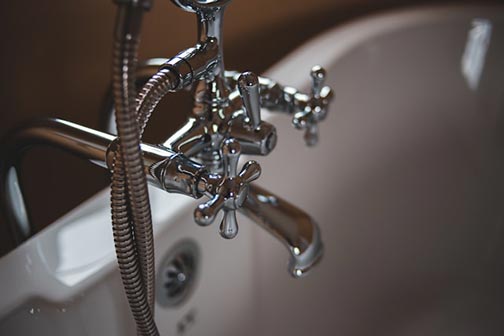
One of the easiest evaluations involves testing water pressure. Turn on faucets in the kitchen and bathrooms while touring the property. Watch how the water flows from the tap. Strong and steady pressure usually indicates a healthy plumbing supply system. Weak flow may suggest pipe corrosion, mineral buildup, or pressure regulator problems. Allow the faucet to run for a few moments. Notice how long it takes for hot water to arrive. A long delay may indicate an aging water heater or plumbing layout issues.
Another useful observation involves the clarity of the water. Cloudy or rusty water may signal pipe deterioration or sediment buildup. These quick observations are among the most useful checkpoints for plumbing when touring potential homes, especially during short property showings.
Inspect Under Sinks and Cabinets for Leaks
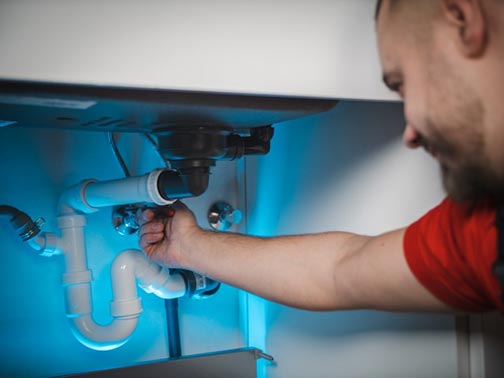
Cabinet spaces beneath sinks often reveal plumbing conditions that remain hidden elsewhere. Open these cabinets and inspect the area around supply lines and drain pipes. Look for signs of water damage. Dark stains, warped cabinet floors, and peeling surfaces often indicate previous leaks. Even if the leak has stopped, the damage can remain. Also, pay attention to smell. A musty odor may suggest mold growth caused by ongoing moisture.
Another detail to check involves pipe connections. Temporary fixes such as tape wraps, mismatched fittings, or excessive sealant may signal past plumbing problems. These visual clues help buyers determine whether plumbing maintenance has been consistent or neglected.
Evaluate the Age and Material of Pipes
Pipe material plays an important role in the reliability of a plumbing system. Homes built in different decades often contain different pipe types. Copper pipes generally offer durability and long service life. PEX and PVC pipes are also common in modern construction and renovation projects.
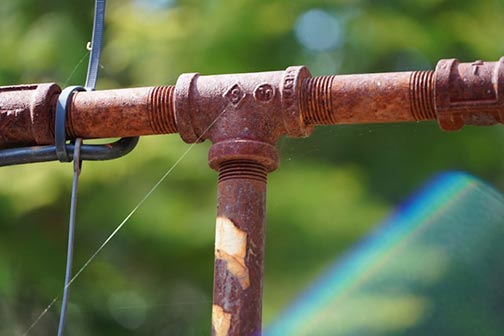
Older homes may contain galvanized steel or cast iron piping. These materials tend to deteriorate after decades of use. Corrosion and internal buildup can restrict water flow and increase the risk of leaks.
Understanding pipe materials helps buyers estimate future maintenance needs. Many professionals discuss common plumbing problems caused by cast iron pipes, including corrosion, blockages, and structural failure over time. Recognizing these materials during a home tour provides valuable insight into long-term plumbing performance.
Check the Water Heater and Utility Area
Water heaters often reveal useful information about the overall plumbing system. During a tour, locate the unit in the basement, utility room, or garage. Most water heaters include a label showing the installation date. Units older than ten to twelve years may approach the end of their typical lifespan. Inspect the area around the heater. Rust marks, water stains, or corrosion on connections may signal leaks or aging components.
Listen for unusual sounds as well. Loud popping or rumbling noises sometimes indicate sediment buildup inside the tank. Evaluating this equipment is another practical step in reviewing the checkpoints for plumbing when touring potential homes before committing to a purchase.
Test Drains and Look for Slow Drainage
Drainage problems often reveal themselves during simple tests. Turn on the sink faucet and allow water to run for a short period. Watch how quickly the water drains once you stop the flow. If water lingers or drains slowly, a blockage may exist in the pipes. Gurgling sounds coming from drains may also indicate ventilation problems within the plumbing system. These sounds occur when air struggles to move through vent pipes.
Bathrooms provide another opportunity to observe drainage performance. Flush the toilet and check whether it refills properly without unusual sounds. These quick checks help buyers identify possible sewer line concerns or pipe obstructions before scheduling a full inspection.
Assess Plumbing Systems in Older Homes
Older homes often offer character, craftsmanship, and architectural detail. However, they may also contain aging plumbing systems that require modernization. Outdated piping materials and fixtures may not meet current standards for efficiency or reliability. Corroded pipes, outdated valves, and worn seals can create maintenance challenges for new homeowners.
Many buyers choose to update plumbing systems after purchasing older properties. Improvements may include replacing pipes, upgrading fixtures, and improving water efficiency. Recognizing these possibilities during the tour allows buyers to estimate renovation costs early in the decision process.
Planning Next Steps After the Home Tour
After touring several homes, buyers usually begin narrowing their choices. At this stage, record plumbing observations for each property. Note water pressure, drainage speed, and the pipe materials visible under sinks or near utility areas. These notes help when discussing the property with inspectors or contractors later in the process.
When the purchase progresses, schedule a professional inspection to review the plumbing system more closely. Inspectors can examine sewer lines, test pressure consistency, and identify pipe conditions that remain hidden behind walls. Their report often highlights repairs or upgrades that may influence the final decision or negotiation.
Once the purchase is finalized and moving preparations begin, attention usually shifts to organizing the relocation itself. Many homeowners look for cost-effective ways to pack for their move, and a practical approach includes creating a simple packing plan, decluttering before boxing items, and collecting free or low-cost packing supplies from local stores or community groups. These small steps keep packing organized and reduce unnecessary expenses while preparing the household for the transition to the new home.
Pay Attention To These Checkpoints For Plumbing When Touring Potential Homes
Plumbing plays a critical role in everyday comfort inside a home. Yet it often receives little attention during early property tours. Buyers who understand the most important checkpoints for plumbing when touring potential homes can identify warning signs before making an offer. Observing faucets, drains, pipe materials, and water heaters provides valuable insight into system health. In some cases, buyers may also consider future plumbing upgrades for older homes to improve efficiency and reliability. With a thoughtful approach, buyers can choose homes that provide both comfort and long-term performance.