Did you know that some of the plumbing issues in your Chicago home do not, in fact, originate from your plumbing systems but from the city’s plumbing infrastructure? That’s because your home’s plumbing and the city’s plumbing are intimately interconnected. Even Philadelphia housing experts note that similar issues can occur in older urban areas, where city infrastructure impacts individual homes.
Due to this linkage, issues in the city’s plumbing infrastructure can spread outward and affect the functioning of the plumbing systems in homes. If you didn’t know this before trying to solve some of your home’s plumbing issues, you may end up very frustrated.
To protect your plumbing, health, home, and wallet, it is essential to understand the impact of this relationship on the function and longevity of your plumbing, as well as the steps you can take to address any issues. How does Chicago’s plumbing infrastructure affect your home?
The trouble with Chicago’s aging plumbing infrastructure
Chicago’s extensive municipal water and sewer system was first built between 1850 and 1856, partly in response to repeated outbreaks of cholera and diphtheria resulting from poor drainage and contaminated water from the city’s main source of drinking water.
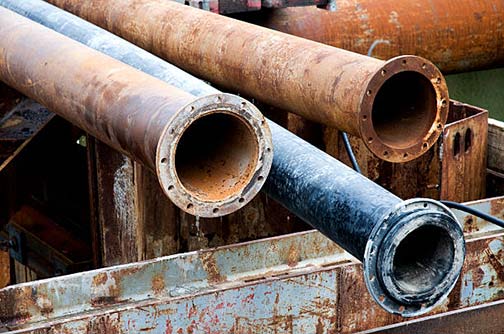
During this period, the standard materials for building public and private plumbing systems were lead and galvanized pipes. This was before we discovered the huge problems that come with using lead and galvanized steel pipes as water and sewer lines.
What are the issues with lead and galvanized plumbing pipes?
- Lead poisoning: Lead is a highly toxic metal that, even in small amounts, can cause serious health issues in humans. When it enters the body through ingestion or inhalation, this heavy metal can migrate to the brain, liver, kidneys, teeth, and bones, and slowly build up over time. In small children, lead causes difficulty in learning, developmental delays, brain damage, convulsions, coma, and death. In women of childbearing age, it can result in infertility. Lead exposure also increases the risk of cardiovascular diseases.
- Plumbing and water quality issues: Galvanized pipes are highly susceptible to rust and corrosion. This can lead to the buildup of flakes of rusted or corroded metal inside the pipe, causing the channel to become constricted. This problem causes low water pressure in homes. Rust and corrosion can also add a strange color and odor to water. The risk of clogs and leakages is higher in galvanized pipes, with the possibility of massive damage to public and private property, as well as higher maintenance costs.
What is the city doing about these problems?
Since 2020, the city of Chicago has been confronting this problem through its “Lead-Safe Chicago” program. This project aims not just to replace all the lead water lines in the city’s plumbing infrastructure but to work with homeowners to replace their lead plumbing.
Additionally, it is working to remove lead-based paint in homes and also tackle other sources of lead poisoning, especially for children. This program has been able to push down the cases of lead poisoning from 25% (1990s) to 2%. But there are still problems.
Currently, about 400,000 homes in the city still have lead and galvanized steel pipes in their plumbing, with a risk of water contamination, plumbing leaks, and high plumbing maintenance costs. How do you ensure that yours is not one of those homes?
Plumbing issues to watch for in your Chicago home
- Water quality issues
If your water has a slight odor, tastes funny, and shows a yellowish-brown color, there is a good chance that you may have lead service lines in your home. But it is also possible that these problems are caused by soil that has infiltrated the pipe through a leak.
- Low water pressure
If your water pressure is low, check if the problem is limited to your home or if your neighbors’ houses are also affected. Widespread water pressure issues usually come from the utility company. However, if the problem is limited to your house alone, you may have corroded and blocked plumbing pipes.
- Frequent sewer line issues
Drainage systems with lead and galvanized pipes are more likely to suffer from clogs, blockages, and leakages. If you have chronically slow drains in your house or the smell of raw sewage is constantly flowing into your home, you may need to check the sewer line for lead and galvanized pipes.
What should you do if you have these problems in your house?
If your home was built before 1986, the probability that you have lead service lines in your plumbing is nearly 100%. Unless you are sure that the home’s plumbing has since been upgraded, you should be concerned.
If you are unsure of the type of materials in your plumbing system, have a professional plumber inspect your home and test the pipes. Your plumber will tell you if you have lead and galvanized pipes, and the physical condition of the pipes.
If you do have lead service lines in your plumbing, you should be prepared to replace them. As long as those pipes remain in your plumbing system, your family will be exposed to major health risks, and your plumbing will always underperform.
The city of Chicago offers free lead service line replacement for qualifying homes. Your Chicago plumber can explain how this process works and walk you through the steps of applying for this free service.