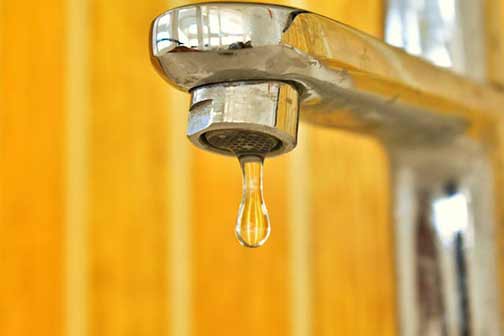
When you first move in somewhere, you probably don’t even think twice about the water and plumbing maintenance. It looks fine, doesn’t smell weird, and hey, it makes decent coffee. What more do you need, right? But after a few months, you’re wrestling with the faucet just to turn it on. Your shower decides it wants to be a sprinkler system instead. And that crusty white buildup is taking over your kettle like some kind of mineral invasion. That’s when you realize your local water quality affects your plumbing. But how — and what can you do about it?
What Makes Water “Hard” or “Soft”?
So here’s the thing — water isn’t just water. I know, mind-blowing, right? It depends on your location. If your water has minerals like calcium and magnesium, you’ve got hard water. Otherwise, it’s soft water. But before you get too excited, “soft” doesn’t automatically mean “great for your pipes”. If it’s also acidic, it’ll gradually damage your pipes over time, and you’ll have to repipe at least some of it, or everything.
How Damage Builds Up Over Time
Your pipes aren’t going to quit on you overnight. At first, it’s just little things. The faucet feels cranky, or your dishwasher is taking suspiciously long to fill up. You’ll probably shrug it off because, honestly, it’s not such a big deal.
But behind the scenes, those sneaky minerals are slowly taking up more space in your pipes. In a few months or years, “little things” turn into actual headaches. Pipes get clogged and crack under pressure. Your fixtures start aging in dog years.
Unfortunately, you usually don’t realize how bad things have gotten until you see a leak or notice low shower pressure. By then, the damage has probably been done.
How You Can Test What’s in Your Water
You don’t need to guess. You can test your water at home using basic kits from the hardware store. These tests show hardness, pH, and sometimes chlorine levels. For a deeper look, send a sample to a certified lab.
If you’re renting, ask your landlord for recent test results. Some cities also publish water quality reports online. But remember, those reports don’t show what happens between the street and your faucet. That’s your job to figure out.
What You Can Do About It
Once you know how local water quality affects your plumbing, you’ve got options. If the water’s hard, consider installing a softener. If it’s acidic, you can add a neutralizer to raise the pH. Under-sink filters help with taste and odor, but they won’t protect your pipes.
If your plumbing is old, even perfect water won’t help. Galvanized pipes rust inside over time. When you’re moving into a new place, it’s smart to inspect those pipes early and budget for your move to include the cost of water treatment if needed.
How It Adds Up Over the Years
Let’s say you stay in one place for a while. After a few years, scale builds up in your showerhead. Your kettle crusts over. Your water heater becomes less efficient, and your pipes start to clog. You flush the system and end up with buckets of mineral sludge.
That’s the long-term effect of hard water. It ruins appliances, damages plumbing, and leaves you with big repair bills. This is where local water quality affects your plumbing the most. Subtly, over time, until something breaks.
What to Say If You’re Renting
You don’t have to stay quiet. If you see crusty faucets, rusty water, or discoloration, speak up. Tell your landlord. Ask when the system was last inspected. Show them test results if needed.
You have every right to request action, especially if your water could damage property or affect your health. Landlords don’t want burst pipes or lawsuits. Make it about cost and safety, not just comfort.
What Local Geography Tells You
Want to play detective? Just look around. Living on limestone? Yeah, you’ve probably got hard water. Near a swamp or river delta? Your water’s likely soft but a little acidic. Whatever’s in the ground is also coming out of your tap.
Your neighbors are a great early warning system for water quality. If everyone’s always replacing water heaters or has those big softener tanks, hard water is a long-term issue. Also, swing by the plumbing supply store. Those guys have seen it all and know exactly what issues your local water tends to cause.
And don’t forget about the climate. Live somewhere dry? Those minerals get extra concentrated. Coastal area? Salt might be sneaking into the water supply. Mountain town? That snowmelt looks clean, but it’s packed with minerals.
The Real Cost of Doing Nothing
Ignoring water quality issues means pouring some serious money down the drain. A new water heater? That’s easily $1,500-$3,000. Repiping even part of your house? Try $3,000-$10,000. And let’s not even get into emergency plumber calls at 3 in the morning.
Compare that to a decent water softener or filtration system, which runs maybe $500-$2,000 upfront. Yeah, it seems like a lot right now, but it’s a home improvement that serves as insurance for everything else. Your future self and your wallet will thank you for not just waiting for disaster.
Why You Should Act Before It’s Too Late
Look, your water may seem innocent — clear, tastes fine, does its job. But maybe it’s quietly messing with your pipes, water heater, and fixtures. It could be leaving mineral deposits or slowly eating away at everything.
You don’t have to go crazy and rip out all your plumbing tomorrow. But maybe don’t just ignore it either? Get your water tested, throw in some filters, and pay attention.
Here’s the thing about plumbing — it doesn’t wake up one day and explode. It gives you little hints for months, maybe years, before it finally gives up. The trick is catching those hints before you’re dealing with a flooded basement and a massive repair bill.