Leak Detection Services in Chicago, IL
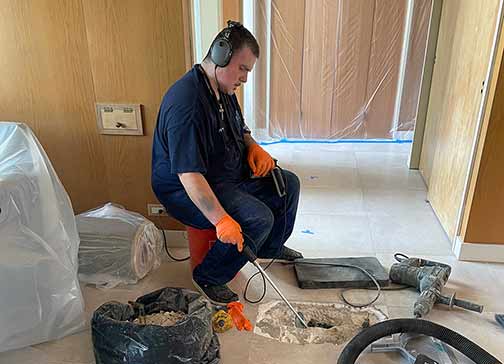
Leak detection in Chicago can help uncover a plumbing problem before a hidden leak turns into serious water damage. A pipe leaking behind a wall, beneath a floor, inside a ceiling, or underground may not give you an obvious warning at first. Instead, you may notice a higher water bill, damp spots, musty odors, staining, low water pressure, or unexplained moisture around your property.
Chicago Plumbing Experts uses professional leak detection equipment to locate difficult-to-find plumbing leaks while limiting unnecessary disruption to your home or business. The goal is not simply to find water, but to determine where the leak is coming from, identify the likely cause, and help you choose the appropriate repair.
A Leak Does Not Always Show You Where the Problem Is
One of the most frustrating things about a plumbing leak is that the visible evidence may be nowhere near the actual source. Water can travel through framing, flooring, ceilings, and other building materials before it becomes noticeable.
That means a stain on the ceiling could originate from plumbing above it, while moisture around a wall may be coming from a pipe hidden several feet away. An unexplained wet area outside could also point to an underground water line problem rather than a surface drainage issue.
Professional leak locating helps narrow down the source before unnecessary walls, floors, landscaping, or other materials are disturbed.
Signs You May Have a Hidden Plumbing Leak
Not every leak starts with water pouring across the floor. Some develop slowly and remain hidden until the damage becomes much more noticeable.
Watch for:
- An unexplained increase in your water bill
- Damp or discolored walls and ceilings
- Peeling, bubbling, or damaged paint
- Musty odors or persistent moisture
- Water pooling where it normally should not
- Unusually wet areas of flooring
- A sudden or unexplained drop in water pressure
- Sounds of running or dripping water when fixtures are off
- Water appearing around exposed plumbing connections
- Soggy areas or unusual vegetation in the yard
- Repeated plumbing problems in the same area
A single warning sign does not automatically mean you have a hidden leak, but unexplained changes in your plumbing system deserve attention before they develop into a much larger repair.
Where Hidden Plumbing Leaks Can Occur
Leak detection is not limited to the pipes you can see. Plumbing systems run through walls, floors, ceilings, basements, crawl spaces, foundations, and underground areas, creating plenty of opportunities for a leak to remain concealed.
Behind Walls and Ceilings
Water lines hidden inside walls or ceilings can develop leaks that gradually damage drywall, insulation, framing, and finishes. Staining or bubbling paint may be one of the first visible clues.
Beneath Floors
A leak below flooring can be particularly difficult to identify because the plumbing may be completely concealed. Warped flooring, damp spots, or unexplained moisture can indicate that water is escaping below the surface.
Underground Water Lines
Water lines running beneath concrete, driveways, landscaping, or other hard-to-access areas can leak without producing an obvious indoor warning. Wet soil, unexpected puddling, or changes in water pressure may provide important clues.
Around Plumbing Fixtures
Leaks can also develop around toilets, sinks, faucets, water heaters, washing machines, and other plumbing connections. Some are easy to see, while others occur underneath cabinets, behind appliances, or in areas that are rarely inspected.
Why Chicago Homes Can Be Challenging for Leak Detection
Chicago has a wide range of housing, from older properties with aging plumbing systems to newer construction with modern piping. Older homes may have plumbing components that have been repaired, modified, or replaced at different points throughout the property’s history.
That can make it difficult to determine exactly where a leak is originating, particularly when multiple sections of the plumbing system are concealed.
Seasonal temperature changes can also place additional stress on exposed plumbing. In some situations, a small weakness in an aging pipe or connection may eventually develop into a leak.
The important part is identifying the actual source instead of treating only the visible symptom.
How Professional Leak Detection Works
Finding a concealed leak requires more than looking for wet spots. Our plumbers evaluate the symptoms, inspect accessible plumbing, and determine which diagnostic methods are appropriate for the situation.
Depending on the property and suspected leak location, professional detection may involve thermal imaging, acoustic listening equipment, pressure testing, visual inspection, and other diagnostic techniques.
The purpose of using multiple detection methods is to build a clearer picture of what is happening inside the plumbing system before repair work begins.
Thermal Imaging
Thermal imaging can help identify temperature differences associated with moisture and water movement behind surfaces. This can be useful when a leak is suspected behind walls, beneath floors, or in other areas that cannot be visually inspected.
Thermal imaging does not mean every leak will appear as an obvious image. It is one diagnostic tool used together with other observations and testing methods to help narrow down the source.
Acoustic Leak Detection
Water escaping from a pressurized plumbing line can produce sounds that travel through pipes and surrounding materials. Acoustic equipment can help technicians identify those sounds and narrow down the location of a concealed leak.
Pressure Testing
Pressure testing can help determine whether a plumbing system is maintaining pressure as expected. A pressure loss can provide an important clue when investigating a suspected hidden leak.
Visual Inspection
Even when specialized equipment is involved, a careful visual inspection remains an important part of the process. Existing plumbing connections, fixtures, exposed pipes, moisture patterns, and property conditions can all provide useful information.
Finding the Leak Before Opening the Wall or Floor
Nobody wants unnecessary holes cut into drywall or flooring simply because a plumber is trying to locate a hidden leak.
That is why the diagnostic stage matters.
Our approach is to evaluate the available evidence and use appropriate detection equipment before creating unnecessary access points. The more accurately the leak can be located, the more targeted the eventual repair can be.
There are situations where opening a wall, floor, ceiling, or other surface may ultimately be necessary to reach the damaged plumbing. The goal is to avoid doing that blindly.
Underground Leak Detection Can Prevent a Much Bigger Problem
An underground water leak can continue for a long time without being obvious inside the building. By the time the problem becomes noticeable, water may already be affecting soil, landscaping, concrete, or other areas around the property.
Possible warning signs include unexplained wet areas, puddling, unusually soft soil, changes in landscaping, or a noticeable change in water pressure.
Locating an underground leak early can help property owners determine whether the problem is isolated or whether the affected water line requires more extensive repair or replacement.
What Can Cause a Plumbing Leak?
There is no single cause behind every plumbing leak. The source may be related to the age of the plumbing, corrosion, damaged connections, excessive pressure, freezing temperatures, physical damage, installation problems, or normal wear over time.
In older Chicago properties, aging piping can be an especially important consideration. A leak may be an isolated failure, but recurring leaks in different areas of the home can sometimes indicate that the plumbing system itself is reaching the end of its useful life.
That distinction matters because repairing one leak may make sense when the rest of the system is in good condition. If failures keep occurring throughout the property, a broader plumbing solution may deserve consideration.
Leak Detection for Homes, Businesses, and Multi-Unit Properties
Leak problems are not limited to single-family homes. Commercial buildings, apartment properties, multi-unit buildings, and other facilities can also develop concealed plumbing leaks that are difficult to locate.
Commercial leaks can be particularly disruptive because water damage can affect occupied spaces, equipment, inventory, flooring, walls, and normal business operations.
A targeted diagnostic process helps property owners understand what is happening before deciding how the plumbing should be repaired.
What Happens After the Leak Is Located?
Finding the leak is only the first part of solving the problem.
Once the source has been identified, the next step depends on the location, severity, and condition of the plumbing involved. A localized fixture or pipe connection may require a relatively straightforward repair, while a damaged section of aging piping may require more extensive work.
If the leak involves a larger plumbing problem, additional services may be appropriate, including burst pipe repair, home repiping, or other plumbing repairs based on what the inspection reveals.
The important thing is to diagnose the actual problem first rather than automatically replacing plumbing that does not need to be replaced.
When a Water Leak Becomes an Emergency
Some leaks can be investigated during normal service, while others require immediate attention.
If water is actively flooding a room, spraying from a damaged pipe, spreading through walls or ceilings, or threatening electrical components or valuable property, the priority is stopping the water and preventing additional damage.
For serious active leaks and other urgent plumbing problems, emergency plumbing service can help address the situation quickly.
If you can safely shut off the affected water supply, doing so may help limit damage while professional help is on the way. Never place yourself in danger to reach a shutoff valve or electrical equipment surrounded by water.
Why Accurate Leak Detection Matters
The value of leak detection is not simply finding a spot where water is present. It is understanding what is happening inside the plumbing system so the repair can be focused on the actual problem.
Accurate detection can help:
- Reduce unnecessary exploratory demolition
- Limit the area that needs to be opened for repair
- Identify underground plumbing problems
- Reduce ongoing water loss
- Prevent a small leak from causing larger property damage
- Determine whether the problem is isolated or part of a larger plumbing issue
- Give property owners better information before approving repairs
A leak that is ignored does not necessarily remain a small leak. Water can continue traveling through building materials and gradually increase the scope of the damage.
Leak Detection Should Lead to the Right Repair, Not Just a Quick Fix
The best leak detection process ends with a clear understanding of what needs to happen next.
Sometimes the answer is a localized plumbing repair. In other cases, the inspection may reveal damaged piping, an underground water line problem, or widespread deterioration that requires a larger solution.
Chicago Plumbing Experts focuses on locating the source first so the repair can be based on the actual condition of the plumbing. That means fewer assumptions, less unnecessary disruption, and a better understanding of the problem before work begins.
Frequently Asked Questions About Leak Detection in Chicago
How do I know if I have a hidden plumbing leak?
An unexplained increase in your water bill, damp areas, wall or ceiling stains, musty odors, low water pressure, or unexplained water sounds can all be warning signs. Professional leak detection can help determine whether a concealed plumbing leak is actually present.
Can a plumber find a leak behind a wall?
Yes. Depending on the circumstances, plumbers can use diagnostic methods such as thermal imaging, acoustic equipment, pressure testing, and visual inspection to help locate leaks behind walls before creating unnecessary access points.
Can you detect an underground water leak?
Underground leaks can often be investigated using specialized leak detection equipment and pressure-related diagnostic methods. The exact approach depends on the plumbing system, suspected location, and conditions around the property.
Does leak detection damage my walls or floors?
The purpose of professional leak detection is to reduce unnecessary damage. Diagnostic equipment can help narrow down the suspected location before an access point is created. In some cases, limited access may still be necessary to complete the repair.
Can a high water bill mean I have a plumbing leak?
It can. A sudden or unexplained increase in water usage may indicate a continuously running fixture, underground leak, concealed pipe leak, or another plumbing problem. Other causes should also be considered, which is why proper diagnosis is important.
What causes leaks in older Chicago homes?
Older plumbing systems can experience problems related to aging materials, corrosion, deteriorated connections, previous repairs, freezing conditions, and general wear. A professional inspection can help determine whether the leak is isolated or part of a broader plumbing issue.
Should I repair a leak or replace the pipe?
That depends on the location and condition of the plumbing. A localized problem may only require repair, while recurring leaks or widespread deterioration may make pipe replacement or repiping a more practical long-term solution.
Can a small leak really cause major damage?
Yes. A slow leak can continue unnoticed for an extended period and damage drywall, flooring, ceilings, framing, insulation, and other materials. It can also waste water and increase utility costs.
How quickly should I address a plumbing leak?
An active leak should be addressed as soon as possible. The longer water continues escaping, the greater the opportunity for property damage. Emergency situations involving significant water flow or flooding should be treated immediately.
Do I need leak detection if I cannot see any water?
Possibly. Some of the most difficult leaks are concealed and may only produce indirect signs such as a higher water bill, damp odors, low pressure, or unexplained moisture. Professional detection can help determine whether those symptoms are connected to a plumbing leak.
Find the Source Before the Leak Gets Worse
A hidden plumbing leak does not always announce itself with a flooded floor. Sometimes the only clues are a water bill that suddenly looks wrong, a damp patch that keeps returning, a musty smell, or a gradual change in plumbing performance.
Finding the source early gives you a better opportunity to limit water damage and address the plumbing problem before it becomes more complicated. Chicago Plumbing Experts provides professional leak detection for homes and businesses throughout Chicago, using diagnostic equipment and a problem-first approach to locate concealed leaks and determine the appropriate next step.
If you suspect water is escaping somewhere inside your plumbing system, getting the problem diagnosed is a much better starting point than waiting for the leak to reveal itself through expensive damage.
Chicago Plumbing Experts
Call us at: 708-775-2566
Email us at: chicagoplumbingexpert@gmail.com
Hours: Monday – Friday 7AM – 6PM | Saturday 7AM – 4PM
After Hours Emergency Plumbing Services: 708-518-7765
We would love to hear from you! Please fill out the quick contact form and we will get in touch with you shortly.