Sewer Smoke Testing Services in Chicago, IL
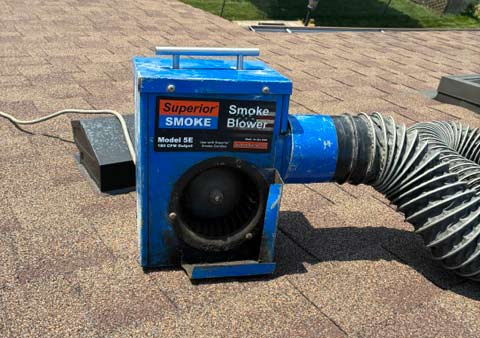
Sewer smoke testing in Chicago is a specialized way to locate hidden openings, leaks, faulty connections, and other sewer defects that may be difficult to find from the surface. By introducing non-toxic smoke into the sewer system and observing where it escapes, technicians can identify potential problem areas without immediately excavating the property.
This type of testing can be especially useful when a property has persistent sewer odors, unexplained drainage problems, suspected illegal or improper connections, or concerns about water entering or escaping the sewer system. For older Chicago properties, smoke testing can provide another valuable diagnostic tool when the source of a sewer problem is not obvious.
What Sewer Smoke Testing Can Tell You
Smoke testing works by following the pathways through the sewer system and revealing locations where smoke escapes through openings or defects.
Depending on the property and the condition of the system, testing may help identify:
- Cracked or damaged sewer piping
- Open or deteriorated pipe joints
- Missing or damaged cleanout covers
- Faulty sewer connections
- Improper connections
- Openings around plumbing components
- Potential points where sewer gases are escaping
- Certain locations where stormwater or groundwater may be entering the system
The purpose is not simply to find smoke. The important part is determining what the smoke indicates and whether the identified condition requires further investigation or repair.
When Does Sewer Smoke Testing Make Sense?
Smoke testing is most useful when there is a specific reason to investigate the sewer system beyond a routine blockage.
Persistent Sewer Odors
A recurring sewer odor can be frustrating because the source is not always obvious.
If the smell is coming from an area where there is no apparent plumbing failure, smoke testing can help identify openings that may be allowing sewer gases to escape from the intended drainage pathway.
Suspected Sewer Leaks
Underground sewer leaks can be difficult to locate because much of the system is hidden beneath the property.
Smoke can help reveal certain openings and defects by showing where it escapes from the sewer system.
Unexplained Drainage Problems
Repeated drainage problems do not always come from a simple clog. Damaged connections, improper openings, and other sewer defects can contribute to problems that keep returning after routine cleaning.
Smoke testing can provide another diagnostic perspective when the cause is unclear.
Suspected Improper Connections
Older properties can have plumbing configurations that were installed, modified, or repaired at different points in the building’s history.
Smoke testing may help identify certain connections or openings that should be investigated further.
Concerns About Stormwater or Groundwater Entering the Sewer
Unwanted water entering a sewer system can increase the amount of water the system has to carry, particularly during periods of heavy rainfall.
Smoke testing can help identify certain openings or connections associated with infiltration concerns, although additional investigation may be necessary to determine the full extent of the problem.
How Sewer Smoke Testing Works
Professional smoke testing is a diagnostic process rather than a repair method.
The objective is to introduce smoke into the appropriate portion of the sewer system, observe where it escapes, document the findings, and determine what additional work may be appropriate.
The Sewer System Is Evaluated First
Before testing begins, the known symptoms and condition of the sewer system should be considered.
Information such as recurring odors, backups, drainage problems, previous sewer work, or suspected leaks can help determine where testing should be focused.
When the condition of the inside of the sewer line also needs to be evaluated, a sewer camera inspection to see inside the underground pipe may provide complementary information.
Non-Toxic Smoke Is Introduced Into the System
Specialized smoke is introduced into the appropriate sewer piping using professional equipment.
As the smoke travels through the system, it can escape through openings that would otherwise be difficult to see.
Smoke Escape Points Are Located
Technicians observe the property for unexpected areas where smoke becomes visible.
Depending on the defect, smoke may appear near a cleanout, plumbing connection, foundation area, roof or drainage connection, or another location associated with the sewer system.
The location of the smoke provides a clue about where further investigation may be needed.
The Findings Are Evaluated
Not every visible smoke point automatically means that a sewer pipe needs to be replaced.
The location, type, and severity of the suspected defect have to be considered along with the property’s plumbing configuration and other diagnostic information.
The goal is to distinguish a condition that requires correction from one that is unrelated to the reported problem.
Sewer Smoke Testing vs. Sewer Camera Inspection
Smoke testing and camera inspection provide different types of information.
A sewer camera inspection looks directly inside an accessible sewer line. It can reveal roots, cracks, buildup, offsets, deterioration, collapses, and other conditions visible from inside the pipe.
Smoke testing focuses on where smoke escapes from the sewer system. That makes it particularly useful for locating certain leaks, openings, connections, and sewer gas escape points that may not be fully explained by looking down the inside of a pipe.
The two methods can complement each other.
For example, a camera may reveal deterioration inside a sewer line while smoke testing helps identify an opening or connection associated with an odor or infiltration concern.
Neither test is automatically the right answer for every sewer problem. The symptoms and suspected cause should determine which diagnostic approach makes the most sense.
Why Older Chicago Properties Can Benefit From Smoke Testing
Chicago has a large number of older homes and buildings with sewer systems that have been modified, repaired, or exposed to decades of use.
Underground piping can be affected by:
- Aging materials
- Deteriorated joints
- Ground movement
- Seasonal freeze-thaw cycles
- Previous repairs
- Root intrusion
- Damaged connections
- Changes to the property’s plumbing over time
A property can function normally for years while a hidden sewer defect gradually develops.
Smoke testing can be useful when the visible plumbing does not explain persistent odors, infiltration concerns, or other sewer symptoms.
Sewer Smoke Testing for Sewer Gas Odors
Sewer gas odors are one of the situations where smoke testing can be particularly useful.
A sewer system is designed to contain wastewater and sewer gases within the appropriate piping and venting system. If there is an unexpected opening or defective connection, gases may escape into areas where they should not be present.
Finding the source of the odor can be difficult when the opening is hidden.
Smoke testing can help identify locations where smoke escapes, giving technicians a starting point for determining whether the area is associated with the reported odor.
If the source is a damaged sewer component, additional repair may be necessary after the testing is complete.
Smoke Testing for Hidden Sewer Defects
Some sewer defects are difficult to identify because they are underground or located in areas that are not readily accessible.
Smoke testing can help identify potential problem areas associated with:
Cracked or Damaged Sections
A damaged pipe can provide an opening through which smoke escapes. Additional inspection may be needed to determine the extent of the structural damage.
Deteriorated Connections
A connection that is no longer properly sealed can allow smoke to escape and may contribute to sewer odors or unwanted water movement.
Missing Cleanout Covers
A missing or damaged cleanout cover can create an obvious escape point for smoke and may also allow sewer gases to enter areas where they should not.
Improper Plumbing Connections
Properties that have undergone additions, renovations, or plumbing modifications can sometimes contain connections that require further investigation.
Smoke testing can help identify unusual pathways within the drainage system.
Can Smoke Testing Find Every Sewer Leak?
No diagnostic method should be treated as a guarantee of finding every possible sewer defect.
Smoke testing is particularly useful for locating certain openings and pathways where smoke can escape, but underground sewer systems can be complicated. Accessibility, pipe configuration, blockages, water levels, and the type and location of the defect can all affect what the test reveals.
That is why smoke testing is often most valuable when used as part of a broader diagnostic process rather than as the only source of information.
If a structural problem is suspected, a camera inspection or other evaluation may provide additional information.
What Happens After Smoke Testing Finds a Problem?
Smoke testing identifies potential problem areas. It does not automatically repair them.
The appropriate next step depends on what is discovered.
A minor issue may require correction to a connection or access point. A damaged section of sewer piping may require repair. A recurring structural problem may require more extensive work.
When the testing identifies a damaged sewer line, professional sewer line repair can address the underlying pipe problem.
The advantage of accurate diagnosis is that the repair can be based on an identified problem rather than guesswork.
Smoke Testing and Stormwater Infiltration
Chicago properties can receive substantial rainfall, and unwanted water entering a sewer system can add unnecessary flow to underground drainage infrastructure.
Openings, improper connections, and damaged sections can sometimes allow stormwater or groundwater to enter where it should not.
Smoke testing can help identify certain connection or opening issues associated with infiltration concerns.
However, finding an entry point is only the beginning. The condition of the surrounding drainage system and the source of the water should also be considered before deciding how the problem should be corrected.
Why Proper Diagnosis Matters Before Sewer Repairs
Underground sewer work can become disruptive when the source of the problem is unknown.
Digging based solely on a symptom can result in unnecessary excavation or repairs in the wrong location.
Diagnostic testing provides information that can help narrow down where a problem is occurring and what type of condition may be responsible.
That does not mean smoke testing eliminates the need for excavation or repair. It means the information gathered before the work begins can help make the next step more targeted.
Sewer Smoke Testing for Homes and Businesses
Residential and commercial properties can both experience hidden sewer defects.
For homeowners, unexplained odors or recurring drainage problems can be signs that something within the sewer system deserves closer attention.
For commercial properties, an unidentified sewer issue can affect employees, tenants, customers, building operations, and drainage performance.
Smoke testing can be considered when the source of a sewer concern is difficult to locate and other basic troubleshooting has not provided a clear answer.
When Smoke Testing May Not Be Enough
There are situations where another diagnostic or plumbing service should be performed as well.
For example, if a sewer line is completely blocked, smoke may not travel through the affected section as expected. If the concern is a structural defect visible inside the pipe, a camera inspection may provide more useful information.
If heavy buildup is preventing proper flow, cleaning may need to occur before additional diagnostic work can provide a clear picture.
The right approach depends on the symptoms and the condition of the sewer system.
The goal is not to perform a particular test simply because it is available. The goal is to use the diagnostic method that provides the most useful information about the actual problem.
Frequently Asked Questions About Sewer Smoke Testing
What is sewer smoke testing used for?
Sewer smoke testing is used to help locate certain hidden sewer leaks, openings, faulty connections, sewer gas escape points, and other defects by observing where non-toxic smoke escapes from the sewer system.
Is the smoke used for sewer testing safe?
Professional sewer smoke testing uses specialized non-toxic smoke. Testing should be performed using appropriate equipment and procedures so the smoke is introduced into the intended sewer system safely.
Can sewer smoke testing find a cracked pipe?
Smoke may reveal an opening associated with a damaged pipe, but additional inspection may be needed to determine the exact condition and extent of the structural damage. A sewer camera can provide a direct view inside the accessible portion of the line.
Can smoke testing find the source of a sewer smell?
It can help locate certain openings through which sewer gases may be escaping. Once an escape point is identified, additional evaluation can determine whether a damaged connection, opening, or other sewer condition is responsible.
Is sewer smoke testing the same as a sewer camera inspection?
No. A camera inspection provides a visual look inside the sewer pipe, while smoke testing looks for locations where smoke escapes from the sewer system. The two methods can provide different and complementary information.
Does smoke testing require digging?
The purpose of smoke testing is to locate certain sewer defects without immediately excavating the property. Whether excavation is eventually necessary depends on what the testing and any additional diagnostics reveal.
Can smoke testing find stormwater connections?
It can help identify certain connections or openings associated with stormwater entering the sewer system, but the findings may require additional investigation to determine the exact source and appropriate correction.
What happens if smoke testing finds a damaged sewer line?
The next step depends on the type and severity of the defect. Additional camera inspection, targeted repair, sewer cleaning, or other work may be appropriate based on the findings.
Find the Source of a Hidden Sewer Problem
Some sewer problems are obvious. Others leave behind symptoms without making their source easy to find.
Persistent sewer odors, suspected leaks, unusual drainage problems, and concerns about improper connections can all justify a closer look at the sewer system. Smoke testing provides another way to locate certain hidden openings and defects without immediately resorting to excavation.
Chicago Plumbing Experts provides sewer smoke testing for Chicago properties and can use the findings to help determine what additional diagnostic or repair work may be appropriate.
When the source of a sewer problem is hidden, the right diagnostic information can make the difference between guessing at the cause and knowing where to look next.
Chicago Plumbing Experts
Call us at: 708-775-2566
Email us at: chicagoplumbingexpert@gmail.com
Hours: Monday – Friday 7AM – 6PM | Saturday 7AM – 4PM
After Hours Emergency Plumbing Services: 708-518-7765
We would love to hear from you! Please fill out the quick contact form and we will get in touch with you shortly.