Septic Tank Pumping Services in Chicagoland, IL
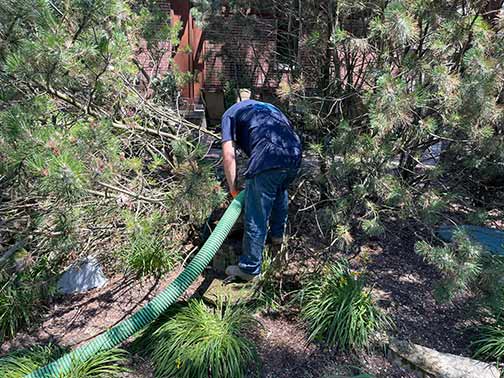
Septic tank pumping in Chicagoland is an important part of maintaining homes and businesses that rely on private septic systems rather than municipal sewer service. Most properties within the City of Chicago are connected to the public sewer system, but septic systems are still used in portions of the surrounding suburbs, rural communities, and unincorporated areas.
Chicago Plumbing Experts provides professional septic tank pumping for properties throughout the Chicagoland area that depend on private wastewater systems. Pumping removes accumulated sludge, solids, scum, and wastewater before the tank becomes overloaded and problems develop farther down the system.
Regular maintenance can help reduce the risk of sewage backups, unpleasant odors, drain field problems, and costly septic repairs. If your property relies on a private septic system, keeping the tank pumped at appropriate intervals is one of the most important things you can do to protect the system.
Where Septic Systems Are Found Around Chicagoland
It is important to distinguish Chicago proper from the broader Chicagoland service area.
Most homes and businesses within the City of Chicago rely on municipal sewer infrastructure. Private septic systems are more commonly found in certain suburban, rural, and unincorporated areas where public sewer connections are unavailable.
That makes septic maintenance a property-specific issue rather than a typical Chicago plumbing service.
Homes and businesses with private septic systems may be found throughout portions of suburban Cook County, DuPage County, Will County, and surrounding Chicagoland communities. If your property has a septic tank, pumping and maintenance remain necessary regardless of how close you are to Chicago.
Why Septic Tanks Need to Be Pumped
A septic tank is designed to hold wastewater long enough for solids and liquids to separate. Heavier solids settle toward the bottom as sludge, while lighter material forms a scum layer near the top.
The tank cannot store solids indefinitely.
As sludge and scum accumulate, they gradually reduce the amount of usable space inside the tank. Eventually, excessive buildup can interfere with normal separation and increase the chance that solids will move toward the drain field.
Pumping removes that accumulated material and restores available capacity inside the tank.
Without regular pumping, a septic system can eventually develop drainage problems, backups, odors, or more serious failures.
Signs Your Septic Tank May Be Due for Pumping
Septic tanks do not have a convenient gauge that tells a homeowner when the tank is full. Instead, property owners often discover that maintenance is overdue after drainage problems begin.
Watch for signs such as:
- Slow drains throughout the property
- Toilets that drain slowly or back up
- Sewage odors around the tank or drain field
- Standing water near the septic system
- Unusually wet areas in the yard
- Sewage surfacing over the drain field
- Gurgling plumbing fixtures
- Recurring drainage problems
- A septic tank that has not been pumped in several years
These symptoms do not always mean the tank simply needs pumping. A damaged drain field, blocked line, failing component, or other septic problem can produce similar warning signs.
That is why persistent problems should be evaluated rather than repeatedly treated as ordinary drain clogs.
What Gets Removed During Septic Tank Pumping?
A septic tank naturally separates several types of material, and professional pumping removes the accumulated contents that have reduced the tank’s usable capacity.
Depending on the system, pumping may remove:
- Settled sludge
- Floating scum
- Wastewater
- Accumulated solids
- Other material that has collected inside the tank
Professional vacuum equipment allows the tank to be emptied efficiently without relying on basic portable pumping equipment.
For larger tanks or properties with significant accumulated material, high-capacity vacuum truck pumping services can provide the extraction capacity needed for the job.
What Happens During Professional Septic Tank Pumping?
The exact process depends on the property and septic system, but professional pumping generally involves several important steps.
Locating and Accessing the Septic Tank
The first step is identifying the tank and locating the appropriate access points. Proper access allows the tank to be pumped thoroughly while minimizing unnecessary disturbance to the property.
Evaluating the Tank
Before and during pumping, the condition of the tank can be evaluated for visible concerns such as excessive buildup, damaged components, access problems, or other conditions that may require additional attention.
Removing Waste and Sludge
Professional pumping equipment is used to remove accumulated wastewater, sludge, solids, and scum from the tank.
Thorough removal restores usable capacity and reduces the amount of accumulated material that can interfere with normal septic operation.
Checking the System After Pumping
Once the tank has been pumped, the system can be evaluated for obvious concerns that may affect performance.
If there are continuing drainage problems after pumping, the cause may be somewhere beyond the tank itself.
Pumping the Tank Does Not Repair Every Septic Problem
This distinction is important.
Pumping removes accumulated material from the septic tank, but it does not automatically repair a damaged tank, blocked line, failing drain field, broken component, or other structural problem.
For example, if a property continues experiencing backups shortly after the tank has been pumped, there may be another problem affecting the system.
Possible causes can include:
- A blocked inlet or outlet line
- Damaged septic piping
- Drain field saturation
- Drain field deterioration
- A damaged tank
- Excessive water entering the system
- Another system component that is no longer functioning properly
If pumping does not resolve the problem, additional diagnosis is necessary rather than simply pumping the tank again.
How Often Should a Septic Tank Be Pumped?
There is no single schedule that applies to every septic system.
Pumping frequency depends on factors such as:
- Number of people using the property
- Tank size
- Amount of wastewater generated
- Water usage habits
- Amount of solids entering the system
- Age and condition of the septic system
- Previous pumping history
As a general maintenance guideline, many residential septic systems are pumped every few years, but the appropriate interval for a particular property can vary.
A larger household using a smaller tank may need service sooner than a smaller household with a larger tank. Properties with unusually high wastewater usage or a history of septic problems may also require closer monitoring.
The best schedule is based on actual system conditions and usage rather than assuming every property needs exactly the same interval.
Protecting the Drain Field Starts With Proper Tank Maintenance
The drain field is one of the most important components of a septic system because it receives wastewater after it leaves the septic tank.
When a tank becomes overloaded with solids, material can begin moving toward the drain field. That can interfere with the soil’s ability to absorb wastewater and may contribute to expensive system problems.
Regular pumping helps keep excessive solids inside the tank where they can be removed during maintenance.
However, pumping alone cannot guarantee that a drain field will never fail. Soil conditions, system age, hydraulic loading, installation, maintenance history, and other factors all affect drain field performance.
Good septic maintenance is about protecting the entire system rather than waiting until wastewater reaches the yard.
What Should Never Go Into a Septic System?
What goes down your drains can affect how quickly solids accumulate and how well the septic system functions.
Avoid flushing or pouring materials such as:
- Grease and cooking oils
- Paper towels
- Wipes that are not designed to break down in septic systems
- Feminine hygiene products
- Chemicals that can interfere with normal septic operation
- Paints and solvents
- Excessive household cleaners
- Other non-biodegradable materials
Toilets should generally be limited to human waste and toilet paper.
The fewer unnecessary solids and problematic materials entering the tank, the easier it is for the septic system to perform as designed.
Water Usage Matters Too
A septic system has to process everything that enters it.
Using unusually large amounts of water in a short period can place additional hydraulic demand on the system. Running multiple loads of laundry, taking long showers, or otherwise sending large volumes of water into the tank at once can affect how efficiently wastewater moves through the system.
Spreading water usage throughout the day can help reduce unnecessary stress on the septic system.
Water conservation is especially important for older systems or properties where drainage performance is already a concern.
Septic Tank Pumping for Chicagoland Homes
Residential septic systems vary significantly from one property to another.
Some suburban and rural homes have relatively small tanks serving a few occupants, while larger properties may have higher wastewater demands and larger systems.
Regardless of size, the basic maintenance principle remains the same: solids accumulate and eventually need to be removed.
Routine pumping can help homeowners avoid the unpleasant experience of discovering a full tank because a toilet backed up or wastewater surfaced in the yard.
Keeping records of previous pumping dates is also useful. It gives property owners a maintenance history and makes it easier to determine when the next service may be appropriate.
Septic Pumping for Commercial Properties
Businesses and other commercial properties that rely on private septic systems can generate considerably more wastewater than a typical household.
Restaurants, facilities with high occupancy, commercial buildings, and other properties may have larger tanks or more demanding septic systems.
Commercial septic maintenance should account for actual usage rather than simply following a residential pumping schedule.
High wastewater volumes, grease, solids, and other material can place additional demands on the system. Scheduled pumping helps prevent accumulated waste from reducing available capacity and contributing to drainage problems.
For larger systems and heavy waste removal, professional vacuum equipment can provide the capacity needed to complete the work efficiently.
Chicagoland Septic Systems and Local Conditions
Septic systems in the greater Chicago region operate under a variety of soil, drainage, and property conditions.
Some areas have heavier soils that can affect how quickly wastewater moves through the drain field. Property layout, groundwater conditions, system age, landscaping, and previous installation work can also affect performance.
That is why a septic system should be evaluated as an individual system rather than assuming that every property will behave the same way.
A pumping schedule that works well for one property may not be appropriate for another.
What Happens If You Wait Too Long to Pump?
Ignoring septic maintenance can allow sludge and scum to continue accumulating until the system begins showing obvious signs of trouble.
Potential consequences include:
- Sewage backups
- Slow household drains
- Foul odors
- Standing wastewater
- Drain field problems
- Contamination concerns
- Expensive repairs
- Premature septic system replacement
The cost and disruption associated with a major septic failure can be substantially greater than routine pumping.
For properties that depend on private septic systems, preventative maintenance is generally the better approach.
When Should You Schedule Septic Tank Pumping?
You should consider scheduling service if:
- You cannot remember the last time the tank was pumped
- The system has been used for several years without maintenance
- Drains throughout the property are slowing down
- Toilets are beginning to back up
- You notice septic odors
- Water is pooling near the tank or drain field
- The property has recently had a significant change in occupancy
- You have purchased a property and do not know its septic maintenance history
If there is an active sewage backup or wastewater surfacing on the property, do not assume that pumping alone will solve the problem. The system may require additional diagnosis.
Frequently Asked Questions About Septic Tank Pumping
Does Chicago Plumbing Experts pump septic tanks in the Chicago area?
The City of Chicago is primarily served by municipal sewer infrastructure, so septic tank pumping is generally a suburban and rural Chicagoland service. Chicago Plumbing Experts provides septic pumping for properties in surrounding communities where private septic systems are used.
How often should a residential septic tank be pumped?
Many residential systems require pumping every few years, but the appropriate schedule depends on household size, tank capacity, wastewater usage, and system condition. A property-specific maintenance history is more useful than relying on a universal interval.
What are the first signs of a full septic tank?
Slow drains, gurgling toilets, odors, backups, and unusually wet areas around the septic system can indicate that maintenance is overdue. These symptoms can also have other causes, so persistent problems should be evaluated.
Does pumping the tank clean the drain field?
No. Pumping removes accumulated material from the septic tank. It does not clean or repair the drain field.
Can a septic tank be pumped during the winter?
Septic service can be performed during colder months, although access to the tank and property conditions can affect the process. Winter weather should be considered when planning maintenance.
What should I do if my septic system backs up after pumping?
A backup after recent pumping may indicate a problem beyond accumulated tank solids, such as a blocked line, damaged component, or drain field issue. The system should be evaluated rather than simply assuming another pumping is needed.
Professional Septic Tank Pumping Throughout Chicagoland
For properties that rely on private septic systems, routine pumping is one of the most important parts of protecting the wastewater system.
Most City of Chicago properties are connected to municipal sewer service, but septic systems remain important throughout portions of suburban Cook County, DuPage County, Will County, and surrounding Chicagoland communities. Those systems require regular maintenance to remove accumulated solids and preserve available tank capacity.
Chicago Plumbing Experts provides professional septic tank pumping for residential and commercial properties throughout the Chicagoland area. Our vacuum pumping equipment allows us to remove accumulated sludge, wastewater, solids, and other material from septic systems efficiently.
If your property relies on a private septic system and the pumping history is unknown, maintenance is overdue, or the system is showing signs of trouble, professional evaluation is the right place to start.
Chicago Plumbing Experts
Call us at: 708-775-2566
Email us at: chicagoplumbingexpert@gmail.com
Hours: Monday – Friday 7AM – 6PM | Saturday 7AM – 4PM
After Hours Emergency Plumbing Services: 708-518-7765
We would love to hear from you! Please fill out the quick contact form and we will get in touch with you shortly.