Sewer Services in Chicago, IL
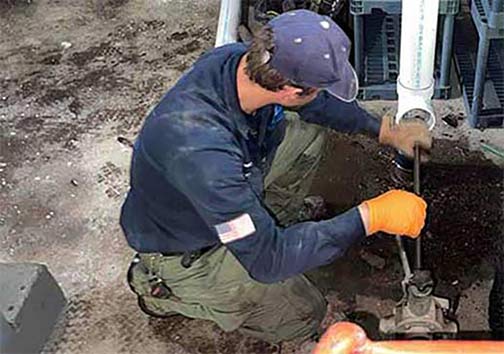
Sewer services in Chicago become especially important when slow drainage, recurring backups, sewer odors, or standing water point to a problem beyond an individual fixture. A sewer line can deteriorate gradually for years before a homeowner realizes there is a larger issue underground. Tree roots, grease and debris, aging clay or cast iron piping, cracks, shifting soil, and heavy rainfall can all contribute to sewer problems.
Chicago Plumbing Experts provides comprehensive sewer services for homes, businesses, multi-unit buildings, and other properties throughout Chicago. Our work includes sewer camera inspections, sewer line cleaning, rodding, hydro jetting, tree root removal, sewer line repair, emergency sewer backup service, and other drainage solutions.
The right sewer service depends on what is actually happening inside the line. Sometimes a stubborn blockage needs to be cleared. In other situations, recurring backups are a warning that the pipe itself needs to be inspected or repaired.
Chicago Sewer Problems Often Start With a Warning
Sewer failures rarely happen without any warning.
A drain that is becoming slower, a toilet that gurgles, or a sewer odor that keeps returning can be an early indication that wastewater is not moving through the system properly.
Pay attention to signs such as:
- Recurring sewer backups
- Multiple slow drains
- Gurgling toilets
- Sewer odors inside or outside the property
- Water backing up through floor drains
- Standing water near a sewer cleanout
- Drainage problems that return after cleaning
- Frequent blockages in the main line
- Tree roots repeatedly obstructing the line
- Sewage or wastewater appearing in the basement
A single clogged sink does not necessarily mean the main sewer line is failing. The concern increases when several fixtures are affected or the same problem keeps returning.
Why Chicago Sewer Lines Develop Problems
Chicago properties deal with several conditions that can place stress on underground sewer systems.
Aging Sewer Infrastructure
Many Chicago homes and older buildings have sewer piping that has been in service for decades. Depending on the property, the system may contain clay tile, cast iron, or other older materials that can eventually deteriorate.
Age alone does not mean a sewer line needs to be replaced. Its actual condition matters.
Tree Root Intrusion
Tree roots naturally seek water and can enter small cracks or gaps in aging sewer pipes. Once inside, roots can restrict wastewater flow and create increasingly difficult blockages.
Grease and Organic Buildup
Grease, sludge, paper products, and other materials can accumulate inside sewer lines. Over time, that buildup reduces the effective diameter of the pipe and makes backups more likely.
Heavy Rainfall
Chicago’s heavy storms can place substantial demand on drainage and sewer systems. When large volumes of water enter an already restricted or damaged system, problems that were developing slowly can suddenly become obvious.
Deteriorated or Damaged Pipes
Cracks, collapsed sections, separated joints, corrosion, and other structural problems can prevent wastewater from moving properly. These conditions require a different solution than a simple blockage.
Start With the Right Sewer Diagnosis
One of the most important decisions in sewer work is determining whether you are dealing with a blockage, buildup, root intrusion, or a damaged pipe.
That is why a recurring sewer problem should not automatically be treated with another round of drain cleaning.
A camera inspection that reveals what’s happening inside the sewer line can help identify the location and nature of a problem before more invasive work is considered.
This is particularly useful when:
- Backups keep returning
- A sewer line has been cleaned repeatedly
- A property is being purchased
- A major plumbing renovation is planned
- There are concerns about aging underground piping
- A blockage cannot be fully cleared
- Root intrusion is suspected
Knowing what is inside the pipe makes it easier to choose the appropriate next step.
Sewer Line Cleaning for Buildup and Recurring Drainage Problems
Sewer lines can accumulate grease, sludge, sediment, debris, and other material that gradually restricts wastewater flow.
Professional sewer line cleaning for removing accumulated buildup can restore flow and help reduce the likelihood of another blockage.
Cleaning is particularly useful when the pipe itself remains structurally sound but has become restricted by material inside the line.
However, cleaning cannot repair a cracked, collapsed, or severely deteriorated sewer pipe. If the same problem returns shortly after cleaning, further diagnosis may be warranted.
Sewer Rodding for Stubborn Blockages
Some sewer blockages are too severe for ordinary drain clearing.
Tree roots, compacted debris, heavy buildup, and other obstructions can restrict the main sewer line and cause wastewater to back up into the property.
Targeted sewer rodding to clear stubborn main-line obstructions can break through restrictions and restore wastewater flow.
Rodding is primarily about clearing the obstruction. If the blockage repeatedly returns, the next question becomes why it keeps forming.
That may require a camera inspection or another form of sewer diagnosis.
Hydro Jetting for Heavy Sewer Buildup
Hydro jetting uses high-pressure water to clean the interior walls of a sewer line.
It can be particularly useful when the pipe contains substantial grease, sludge, mineral buildup, or other material that ordinary mechanical clearing may not fully remove.
High-pressure hydro jetting for heavy sewer buildup and restricted flow can provide a more thorough cleaning when the condition of the pipe makes this method appropriate.
Hydro jetting is not automatically the answer to every sewer problem. The condition and construction of the pipe should be considered before aggressive cleaning is performed.
Tree Roots Can Turn a Small Sewer Problem Into a Recurring One
Tree root intrusion is a common reason sewer blockages return.
A root may enter through a small crack or deteriorated joint and gradually grow inside the line. As the root mass becomes larger, it catches additional debris and creates a larger obstruction.
Professional sewer root removal for recurring root-related blockages can clear the immediate obstruction and restore flow.
But if the pipe has structural damage that allowed the roots to enter, removing the roots alone may not eliminate the underlying problem. The condition of the affected pipe should be considered when determining what to do next.
When Sewer Line Repair Is the Better Solution
A sewer line that is structurally damaged requires a different approach from a sewer line that is simply clogged.
Repair may be appropriate when the line has:
- Cracked sections
- Broken or separated joints
- Collapsed areas
- Severe deterioration
- Structural damage
- Persistent problems caused by damaged piping
- Repeated failures despite professional cleaning
Repairing a damaged sewer line instead of repeatedly clearing the same failure addresses the physical condition of the pipe rather than just the obstruction inside it.
The extent of the repair depends on where the damage is located and how much of the sewer line has deteriorated.
Sewer Backups Need Immediate Attention
A sewer backup is more than an inconvenience.
Sewage entering a basement, bathroom, or other area of the property can create water damage and sanitation concerns. The longer wastewater remains inside the property, the greater the potential for damage and cleanup.
Emergency help for an active sewer backup may be necessary when wastewater is actively backing up or a major sewer blockage is preventing normal drainage.
Once the immediate problem is controlled, the underlying cause should still be identified. Otherwise, the same backup may happen again.
Sewer Services for Chicago Homes and Older Buildings
Chicago’s housing stock includes historic single-family homes, vintage two-flats, three-flats, condominiums, apartment buildings, and modern construction.
The sewer systems serving these properties can vary considerably.
An older home may have aging clay or cast iron drainage piping, while a newer property may have different materials and configurations. Multi-unit buildings may also have shared sewer infrastructure that serves multiple residences.
That is why sewer diagnosis should be based on the actual plumbing configuration rather than assuming every Chicago property has the same type of sewer problem.
Sewer Services for Commercial Properties
Businesses have their own sewer challenges.
Restaurants, apartment buildings, offices, retail properties, and other commercial facilities can generate substantially more wastewater than a typical residence. Grease, heavy usage, multiple fixtures, and larger drainage systems can all contribute to sewer problems.
Commercial properties may need:
- Main sewer cleaning
- Recurring maintenance
- Hydro jetting
- Sewer camera inspections
- Sewer line repair
- Root removal
- Emergency backup response
- Drainage troubleshooting
A recurring commercial sewer problem should be investigated rather than continually treated as an isolated blockage.
How We Determine the Right Sewer Service
Sewer work should be based on the condition of the system.
Identify the Symptoms
The location, frequency, and type of drainage problem provide important clues.
Locate the Problem
When necessary, diagnostic equipment can help determine where the obstruction or damage is located.
Determine the Cause
The issue may be roots, grease, debris, deterioration, a structural failure, or another obstruction.
Choose the Least Invasive Effective Solution
A sound sewer line with buildup may only need cleaning. A root-filled line may require root removal. A damaged pipe may require repair.
The goal is to match the service to the actual problem instead of performing unnecessary work.
Preventive Sewer Maintenance Can Catch Problems Earlier
Sewer maintenance is not about cleaning a line simply because a certain amount of time has passed.
It is about understanding the condition and history of the system and addressing developing problems before they become disruptive failures.
Properties with recurring root intrusion, heavy buildup, older sewer lines, or previous backups may benefit from a more proactive maintenance strategy.
Keeping records of recurring sewer problems can also help identify patterns. If a line needs to be cleared repeatedly, that history is important because it may indicate an underlying structural or environmental problem.
Sewer Problems During Home Purchases
A sewer issue discovered after purchasing a home can become an expensive surprise.
A property may appear to have perfectly functional plumbing while the underground sewer line contains roots, cracks, deterioration, or significant buildup.
A pre-purchase sewer inspection that looks inside the underground line can provide useful information about the condition of the system before closing.
This does not guarantee that every future sewer problem can be predicted, but it can reveal conditions that would otherwise remain hidden.
Protecting Chicago Properties From Sewer Backups
Some properties face elevated basement flooding and sewer-backup risks during major storms or periods of heavy demand on the municipal sewer system.
Depending on the property and plumbing configuration, protective systems may be appropriate.
Professional sewer backflow protection for Chicago properties can help reduce the risk of wastewater flowing backward through connected plumbing during certain sewer events.
Backflow protection is only one part of a broader basement and drainage strategy. The property’s existing plumbing, sewer connection, and drainage conditions should all be considered.
Sewer and Stormwater Drainage Are Not the Same Problem
Not every water problem around a Chicago property originates in the sanitary sewer.
Stormwater drainage, catch basins, and other exterior drainage components can also contribute to standing water and flooding.
If water is accumulating around a property or a catch basin is no longer draining properly, the problem may involve the stormwater drainage system rather than the sanitary sewer.
That distinction matters because the appropriate repair depends on which system is actually failing.
Frequently Asked Questions About Sewer Services
How do I know if I have a sewer line problem?
Recurring backups, multiple slow drains, sewer odors, gurgling fixtures, standing water near a cleanout, and problems that return shortly after cleaning can all indicate a sewer line issue.
Does a clogged drain mean my sewer line is damaged?
Not necessarily. A localized drain clog can affect one fixture. A sewer line problem is more likely when multiple fixtures are affected or the problem repeatedly returns.
How do I know whether my sewer line needs cleaning or repair?
Cleaning is appropriate for many types of buildup and blockages when the pipe remains structurally sound. Repair may be necessary when the pipe itself is cracked, collapsed, severely deteriorated, or otherwise damaged.
What causes sewer backups in Chicago?
Backups can result from blockages, tree roots, grease and debris, damaged piping, heavy rainfall, and other drainage or sewer-system conditions.
Are tree roots a common sewer problem?
Yes. Roots can enter aging or damaged sewer pipes through cracks and joints and gradually create significant restrictions.
Does hydro jetting repair a damaged sewer pipe?
No. Hydro jetting cleans the inside of a sewer line. It does not structurally repair a cracked, collapsed, or severely deteriorated pipe.
Why does my sewer keep backing up after it has been cleaned?
A recurring backup may indicate that the original cause was not fully addressed. Possible causes include recurring roots, heavy buildup, pipe damage, or another underlying restriction.
Should I get a sewer camera inspection before buying a Chicago home?
It can be a valuable precaution, particularly for older properties. A camera inspection can reveal conditions inside the sewer line that may not be apparent during a normal home inspection.
How often should a sewer line be cleaned?
There is no universal schedule that applies to every property. Maintenance needs depend on the age and condition of the line, its history of blockages, root intrusion, buildup, and other site-specific factors.
Can a sewer problem cause a bad smell in my house?
Yes. Sewer odors can be associated with drainage problems, sewer backups, damaged piping, or other plumbing conditions. The source should be identified rather than simply masking the odor.
Can heavy rain cause sewer problems?
Heavy rainfall can place additional demand on drainage and sewer systems. Properties with existing blockages, damaged lines, or inadequate drainage may be more vulnerable during major storms.
Can an old sewer line be repaired?
Yes, depending on its condition and the location and extent of the damage. A professional evaluation can help determine whether repair is appropriate or whether a larger replacement project should be considered.
Professional Sewer Services for Chicago Properties
Sewer problems are much easier to manage when the actual cause is identified instead of repeatedly treating the same symptom.
Chicago Plumbing Experts provides sewer inspections, cleaning, rodding, hydro jetting, root removal, sewer line repair, emergency sewer services, and related drainage solutions for residential and commercial properties throughout Chicago.
Whether you are dealing with a slow drain that keeps returning, a main sewer backup, tree roots, an aging sewer line, or a problem discovered during a home purchase, the right service depends on what is happening inside the system.
Professional diagnosis can help determine whether your sewer needs cleaning, blockage removal, maintenance, repair, or a more extensive solution.
Chicago Plumbing Experts
Call us at: 708-775-2566
Email us at: chicagoplumbingexpert@gmail.com
Hours: Monday – Friday 7AM – 6PM | Saturday 7AM – 4PM
After Hours Emergency Plumbing Services: 708-518-7765
We would love to hear from you! Please fill out the quick contact form and we will get in touch with you shortly.