Plumbing Stack Repair Services in Chicago, IL
Plumbing stack repair in Chicago becomes important when a damaged or deteriorating vertical drain pipe starts causing leaks, sewer odors, recurring backups, or drainage problems throughout a home or building. Because a plumbing stack connects multiple fixtures and carries wastewater through the property, one failing section can create problems far beyond the location where the damage first appears.
Chicago has thousands of older homes and multi-unit buildings with plumbing systems that have been in service for decades. Cast iron stacks can develop corrosion, cracks, weakened joints, and internal deterioration over time. When those problems begin affecting drainage or causing leaks, a professional inspection can determine whether the stack can be repaired or whether replacement is the better long-term solution.
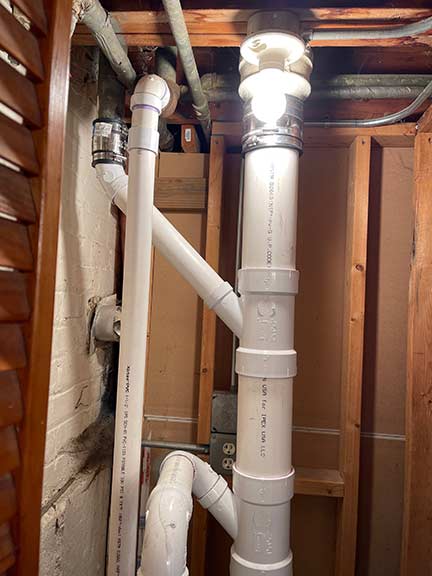
What a Plumbing Stack Does Inside Your Chicago Home
A plumbing stack is one of the most important vertical components in a building’s drainage system. It carries wastewater from connected fixtures down toward the building sewer while also working with the vent system to maintain proper air movement through the drainage pipes.
Depending on the building and plumbing layout, a stack may serve toilets, sinks, showers, tubs, laundry equipment, and other fixtures on multiple floors. That is why a stack problem can sometimes show up as several seemingly unrelated plumbing issues at the same time.
A properly functioning stack helps wastewater move efficiently and allows sewer gases to vent safely through the plumbing system. When the pipe becomes damaged, restricted, or severely corroded, drainage performance can deteriorate and leaks may develop inside walls, ceilings, floors, or other concealed areas.
Why Stack Problems Are Common in Older Chicago Buildings
Age is one of the biggest factors affecting plumbing stacks in Chicago. Many older properties were built with cast iron drainage piping that has remained in service for generations.
Cast iron can provide many years of service, but constant exposure to wastewater, moisture, mineral deposits, and normal internal corrosion can eventually weaken the pipe. Joints and connections can also become vulnerable as materials age.
Older Chicago buildings may also have complicated plumbing layouts that make stack problems more difficult to identify. A leak behind a finished wall, for example, may not be directly underneath the damaged section of pipe. Water can travel along building materials before becoming visible.
That makes accurate diagnosis especially important before opening walls or replacing plumbing.
Signs Your Plumbing Stack May Be Failing
Stack problems do not always begin with a dramatic pipe failure. Some develop gradually, giving you warning signs that something inside the drainage system is deteriorating.
Watch for:
- Recurring drain backups affecting more than one fixture
- Slow drainage on multiple floors
- Sewer odors inside the building
- Gurgling sounds from toilets or drains
- Water stains near walls, ceilings, or plumbing chases
- Visible corrosion on exposed cast iron piping
- Leaking stack joints or connections
- Cracks or deteriorated sections of pipe
- Repeated drain problems that return after cleaning
- Moisture or unexplained water damage around the stack
One clogged sink does not automatically mean the plumbing stack is failing. The concern becomes greater when several fixtures are experiencing drainage problems or when a leak or odor keeps returning.
A professional evaluation can help distinguish a localized drain problem from a larger stack or drainage-system issue.
Plumbing Stack Repair or Full Replacement?
Not every damaged stack needs to be replaced from top to bottom.
The appropriate solution depends on the condition of the pipe, the location and extent of the damage, the age of the system, the type of material involved, and whether other sections show signs of deterioration.
A targeted repair may make sense when the problem is limited to a specific damaged section, connection, or fitting and the surrounding piping remains in acceptable condition.
Replacement may be more appropriate when the stack has extensive corrosion, multiple failing sections, severe deterioration, or a history of recurring repairs. Replacing a failing section may also be considered when the existing pipe has reached the point where additional repairs are unlikely to provide a dependable long-term solution.
The goal is not to replace plumbing unnecessarily. It is to identify the actual condition of the stack and choose the repair approach that makes sense for the building.
Common Plumbing Stack Problems We Diagnose
Cracked or Deteriorated Stack Pipes
Aging pipe can eventually crack, split, or become structurally weakened. A damaged section may allow wastewater or moisture to escape into surrounding areas.
Corroded Cast Iron
Internal and external corrosion can gradually reduce the integrity of older cast iron stacks. Severe corrosion may leave sections of pipe brittle or vulnerable to leakage.
Leaking Joints and Connections
Stack sections are connected through joints, fittings, and other components. A deteriorated connection can become a source of water leakage or drainage problems.
Blocked or Damaged Venting
Because the stack and venting system work together, a venting problem can contribute to gurgling, slow drainage, sewer odors, and pressure-related drainage issues.
Problems Affecting Multiple Fixtures
When several fixtures begin draining poorly at approximately the same time, the issue may be farther downstream than an individual fixture drain. The stack or another shared drainage component may need to be evaluated.
How We Approach a Plumbing Stack Repair
A stack repair should begin with diagnosis, not demolition.
Inspect the Plumbing System
We first evaluate the symptoms and inspect accessible portions of the plumbing system to determine where the problem is originating. The goal is to identify whether the issue involves the stack itself, a connected drain, venting, or another part of the drainage system.
Determine the Condition of the Stack
The condition of the pipe matters just as much as the location of the problem. A small leak in otherwise sound piping is different from a stack showing widespread corrosion and deterioration.
Identify the Best Repair Strategy
Once the condition of the system is understood, we determine whether a localized repair, partial replacement, or larger stack replacement is appropriate.
Complete the Necessary Plumbing Work
The damaged section is repaired or replaced using materials and installation methods appropriate for the existing plumbing system and building.
Check Drainage and Connections
After the repair, the affected plumbing is evaluated to make sure connections are secure and the system is draining properly.
Plumbing Stack Repair in Multi-Story Chicago Buildings
Stack problems can be especially disruptive in multi-story buildings because one vertical pipe may serve plumbing fixtures on several floors.
A problem affecting the stack can therefore create symptoms in more than one unit or level of the building. Property owners and managers may notice recurring drainage complaints, odors, leaks, or water damage that seem unrelated until the shared stack is investigated.
Two-flats, three-flats, condominium buildings, apartment properties, and older multi-story structures can all have plumbing layouts where a stack plays a central role in the building’s drainage system.
Finding the actual source of the problem is important because repeatedly clearing individual fixtures may not solve an underlying stack issue.
What Happens When an Aging Stack Is Ignored?
A deteriorating stack generally does not become healthier with time.
A small leak can eventually damage surrounding building materials. Corrosion can continue weakening the pipe. Recurring drainage problems can become more disruptive, and a deteriorated section may eventually fail more severely.
Depending on where the stack is located, a plumbing failure can affect finished walls, ceilings, flooring, cabinets, or other areas of the property.
Prompt attention does not necessarily mean replacing the entire system. It gives you an opportunity to understand the problem while repair options may still be available.
Plumbing Stack Repair vs. Drain Cleaning
A stack problem and a clogged drain are not the same thing.
Drain cleaning services can remove buildup and obstructions from drain lines, but cleaning will not repair a cracked, leaking, or severely corroded stack.
If a drain repeatedly becomes clogged shortly after being cleaned, or if several fixtures are experiencing drainage problems, it may be time to look beyond the individual fixture.
Likewise, sewer odors, visible leaks, and water damage can indicate a plumbing problem that requires more than clearing a blockage.
When a Stack Replacement Makes More Sense
Replacement becomes a stronger consideration when the existing stack has extensive deterioration rather than one isolated defect.
Some situations that may point toward replacement include:
- Severe or widespread cast iron corrosion
- Multiple leaks in different sections
- Repeated repairs to the same stack
- Cracks or structural deterioration
- A stack that has become unreliable after decades of service
- Significant deterioration exposed during remodeling or other plumbing work
A replacement can address a larger section of aging plumbing instead of continuing to repair individual failures as they develop.
The right decision depends on the actual condition of the stack and the needs of the property.
Protecting Your Plumbing Stack After Repair
Once a stack has been repaired, good plumbing habits can help protect the connected drainage system.
Avoid putting grease, cooking oils, wipes, paper towels, and other inappropriate materials into drains. Pay attention to recurring slow drainage rather than repeatedly treating the symptom. If several fixtures begin acting differently at the same time, have the plumbing evaluated instead of assuming each fixture has a separate clog.
Older Chicago properties can also benefit from periodic inspection of exposed plumbing, especially when cast iron piping shows visible corrosion or deterioration.
Frequently Asked Questions About Plumbing Stack Repair
How long does a plumbing stack last?
The service life depends on the pipe material, installation, building conditions, water exposure, corrosion, and maintenance history. Older cast iron stacks can eventually develop significant deterioration after decades of use.
Can a plumbing stack be repaired instead of replaced?
Yes. If the damage is limited and the surrounding pipe remains structurally sound, a targeted repair may be possible. More extensive deterioration may make partial or complete replacement a better option.
What causes plumbing stacks to leak?
Corrosion, cracks, deteriorated joints, failing connections, and aging pipe materials can all contribute to stack leaks.
Can a bad plumbing stack cause sewer odors?
Yes. Damage to the drainage or venting system can contribute to sewer odors inside a building. The source should be professionally identified because odors can have several possible causes.
Why are multiple drains backing up at once?
When multiple fixtures share portions of the same drainage system, a problem in a shared pipe or stack can affect more than one fixture. The location of the blockage or damaged pipe needs to be identified before choosing a repair.
Is cast iron plumbing always a problem?
No. Cast iron can remain functional for many years. The important factor is its actual condition. Visible corrosion, cracking, leaks, repeated failures, and other signs of deterioration indicate that the piping should be evaluated.
Does plumbing stack repair require opening walls?
It depends on where the damaged section is located and how the building’s plumbing is configured. Some stack sections are accessible through plumbing chases or exposed areas, while concealed sections may require access through walls, ceilings, or other finished surfaces.
How do I know if I need stack repair or drain cleaning?
A single clogged fixture may simply need drain cleaning. Recurring problems, multiple affected fixtures, sewer odors, visible leaks, or deteriorated stack piping can indicate a larger plumbing issue that needs further inspection.
Can plumbing stack problems cause water damage?
Yes. A leaking or damaged stack can allow water or wastewater to enter surrounding building materials, potentially causing staining, moisture damage, and more extensive property damage if left unresolved.
Are plumbing stack problems common in Chicago’s older homes?
They can be. Many older Chicago homes and multi-unit buildings contain aging cast iron or other older drainage piping that may eventually develop corrosion, cracks, or failing connections.
Get Professional Help for a Damaged Plumbing Stack in Chicago
A plumbing stack is too important to ignore when it starts leaking, backing up, producing sewer odors, or showing signs of serious deterioration. The right repair begins with understanding what is actually failing and how much of the system is affected.
Chicago Plumbing Experts provides plumbing stack repair and replacement for Chicago properties experiencing aging, damaged, or leaking stack systems. Whether the problem calls for a targeted repair or a larger replacement project, the focus should be on correcting the underlying plumbing problem and restoring dependable drainage.
If your property has recurring drainage problems, visible stack corrosion, unexplained leaks, or other signs of stack deterioration, professional evaluation can help you determine the next step before a smaller plumbing problem becomes a much larger one.
Chicago Plumbing Experts
Call us at: 708-775-2566
Email us at: chicagoplumbingexpert@gmail.com
Hours: Monday – Friday 7AM – 6PM | Saturday 7AM – 4PM
After Hours Emergency Plumbing Services: 708-518-7765
We would love to hear from you! Please fill out the quick contact form and we will get in touch with you shortly.