Plumbing for Old Town Condos, Apartments and Chicago Buildings
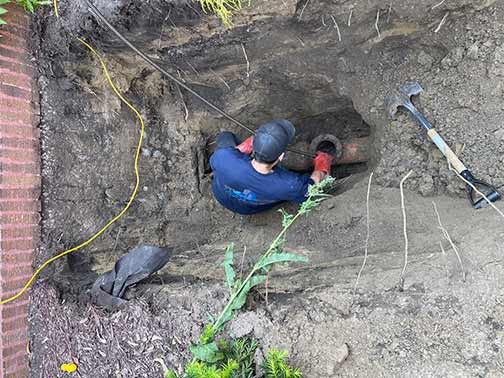
Plumbing in Old Town is often a building problem before it is a fixture problem.
A leaking ceiling may originate in a unit above. A clogged drain may connect to a shared vertical line. A water-pressure complaint may involve a building riser rather than a single faucet. A sewer backup in a lower-level area can affect plumbing throughout the property.
That is especially important in Old Town, where detached houses make up only a small portion of the housing stock and the overwhelming majority of homes are located in larger multifamily buildings. About 72% of housing units are in buildings with 50 or more units.
Chicago Plumbing Experts works on the plumbing systems behind Old Town condos, apartments, multi-unit properties and individual homes, with service for sewer and drain problems, plumbing stacks, water lines, leaks, water heaters, basement systems, remodeling and emergency repairs.
In an Old Town Building, Finding the Source Comes First
When water appears in a condo ceiling, the visible damage is rarely enough to tell you where the problem began.
The leak could be:
- A supply line in the unit above
- A bathroom drain
- A plumbing stack
- A water heater connection
- A shared building pipe
- A fixture connection
- A hidden leak inside a wall or ceiling
The same principle applies to drainage problems.
If a bathroom fixture is backing up, the obstruction may be close to the fixture. But if several fixtures on different floors are affected, the problem may involve a shared drainage system.
That is why we start by determining what portion of the plumbing is actually affected before recommending a repair.
Old Town Plumbing Has to Account for Vertical Systems
In a multi-story building, plumbing does not simply run from one fixture to the next.
Water supply lines move vertically through the building. Drainage travels through stacks. Individual units connect into larger systems.
When something goes wrong with one of those shared components, the symptoms can appear far away from the actual problem.
A leak on one floor can show up as a ceiling stain below it.
A drainage restriction can affect fixtures on multiple levels.
A damaged stack can produce recurring leaks or drainage problems that never seem to stay confined to one unit.
Our plumbing stack repair service addresses problems involving leaking, damaged or deteriorated stacks.
For condo owners, landlords and building managers, identifying whether a problem is unit-specific or part of a shared system can make a major difference in how the repair should be handled.
Condo Plumbing Requires a Different Kind of Diagnosis
Owning a condo means owning a portion of a much larger plumbing environment.
Your kitchen sink may be inside your unit.
The pipe carrying that wastewater away may not be.
Your water heater may serve only your unit.
The vertical supply or drainage system may serve many others.
This distinction matters when a repair is being planned.
If a leak appears behind a wall, if several units experience drainage problems or if water damage is appearing in a common area, the affected section of the plumbing needs to be identified before assuming the problem belongs to one unit.
For associations and multi-unit properties, HOA plumbing services can help address repairs involving shared plumbing systems.
A Slow Drain in One Condo Is Different From a Building-Wide Drain Problem
A kitchen sink that drains slowly may have a localized obstruction.
But what happens when the bathroom sink, tub and toilet begin behaving differently at the same time?
Or when another unit reports similar symptoms?
That changes the diagnosis.
Multiple affected fixtures can indicate a restriction farther down the drainage system. In a larger building, the affected section may be shared by multiple units.
For fixture-level problems, drain cleaning can clear stubborn clogs and buildup.
When the main sewer or larger drainage system is involved, sewer line cleaning can address buildup farther downstream.
The important part is figuring out which portion of the system is actually restricted.
Old Town Sewer Problems Can Travel Through the Building
A sewer problem does not always announce itself at the point where it begins.
A blockage farther down the line can cause wastewater to back up through a lower fixture. A partial restriction may produce gurgling or slow drainage long before a complete backup occurs.
Warning signs include:
- Several fixtures draining slowly
- Toilets that gurgle
- Sewer odors
- Recurring backups
- Water appearing in a lower-level drain
- Problems that return shortly after the line has been cleared
A sewer camera inspection can help determine what is happening inside the line.
If roots, grease, sludge or other material are restricting the sewer, sewer rodding can be used to clear the obstruction.
When heavy buildup is the problem, hydro jetting can provide a more aggressive cleaning of the pipe interior.
And if the pipe itself is damaged, sewer line repair may be necessary.
Old Town’s Historic Properties Bring Another Plumbing Layer
Old Town is not made up exclusively of modern towers.
The Old Town Triangle in particular contains a much older collection of buildings, with about a third of its housing units built before 1940.
That creates a very different plumbing environment from a newer condominium tower.
Historic and older buildings may contain plumbing that has been repaired, replaced and modified in stages. A bathroom renovation does not necessarily mean the drainage behind it is new. A kitchen upgrade may leave older supply piping in place. A basement may contain plumbing installed long before the current use of the space.
When working on an older property, the visible fixtures are only part of the story.
The condition and configuration of the underlying plumbing can matter just as much.
Water Leaks in a Multi-Unit Building Need Fast Attention
A small leak in a single-family house is already a problem.
In a multi-story building, the consequences can spread.
Water can move through ceilings, walls and floor assemblies before the source is obvious. By the time a stain appears, the actual leak may be somewhere else.
Common clues include:
- Ceiling discoloration
- Damp drywall
- Peeling paint
- Musty odors
- Water around light fixtures
- Repeated moisture in the same area
- Unexpected increases in water use
When the source cannot be identified visually, leak detection can help locate hidden plumbing leaks before unnecessary demolition begins.
For building managers and condo owners, locating the source quickly can also help determine whether the affected plumbing belongs to one unit or a shared building system.
Water Pressure Problems Can Point Beyond the Fixture
A weak shower does not necessarily mean the showerhead is the problem.
If pressure is poor at multiple fixtures, the issue may involve a valve, water line, leak or deteriorated piping.
In a multi-unit property, the diagnosis can be even broader.
A pressure problem affecting one unit may have a different cause from a problem affecting multiple units. The pattern matters.
If the issue involves the building’s water service or a damaged line entering the property, water line repair may be necessary.
If a main shut-off valve is stuck or failing, main water shut-off valve repair can restore an important control point in the plumbing system.
Basement and Lower-Level Plumbing Can Be a Different System
Old Town buildings can have lower-level plumbing that operates differently from fixtures on upper floors.
A basement bathroom may sit below the level where wastewater can drain by gravity. A lower-level floor drain may be connected to a larger building drainage system. A sewer backup can become especially damaging when it reaches below-grade areas.
For below-grade wastewater, ejector pump services can address systems designed to move wastewater where gravity drainage is not sufficient.
Where groundwater is the issue, sump pump services can address sump pump repair, replacement and installation.
These systems perform different jobs, so determining what type of water is entering the lower level is an important first step.
Water Heaters in Old Town Condos and Apartments
Water heater problems can be particularly disruptive when hot water serves an occupied unit or multiple areas of a building.
A homeowner may notice:
- No hot water
- Hot water running out quickly
- A leaking connection
- Unusual water-heater noises
- Water around the equipment
- Inconsistent hot-water delivery
Our water heater services cover repair, replacement and installation.
For properties where an on-demand system makes sense, tankless water heater installation can also be evaluated.
The correct solution depends on the unit, building configuration, available utilities and hot-water demand.
Remodeling a Historic Old Town Property?
Renovating an older Chicago property can uncover plumbing limitations that were invisible when the walls were closed.
Moving a kitchen.
Adding a bathroom.
Relocating laundry.
Finishing a lower level.
Changing fixture locations.
Each project can affect water supply, drainage and venting.
rough-in plumbing establishes those connections before walls and finishes are installed.
For older properties with widespread supply-pipe deterioration, home repiping may also be considered instead of continuing to repair individual sections.
The best time to discover a plumbing limitation is before the new walls go up.
When a Building Has a Recurring Sewer Backup
A sewer backup that happens once is serious.
A sewer backup that happens repeatedly is a pattern.
If the line keeps backing up after being cleared, there may be roots, buildup, damaged pipe or another underlying restriction.
Our sewer backup services can address active backup problems.
But long-term prevention may require more investigation.
A camera can show the condition of the pipe. Rodding can clear obstructions. Hydro jetting can remove heavier buildup. Repair may be necessary if the pipe itself is damaged.
The right solution depends on what the inspection reveals.
The Main Water Shut-Off Is Something You Want Working Before an Emergency
Nobody wants to discover that the building’s main water shut-off valve is stuck when a pipe is actively spraying water.
For a condo owner, knowing how to shut off water to the individual unit can also be important, depending on the building’s plumbing configuration.
If a valve is corroded, seized or no longer closes completely, it should not be ignored simply because there is no current leak.
A functioning shut-off gives you control when something goes wrong.
When Old Town Plumbing Becomes an Emergency
A slow drain can usually be scheduled.
A burst pipe cannot.
A major leak in a condo or apartment building can damage more than one unit. A sewer backup can affect lower-level areas. A failed plumbing component can continue releasing water until the source is controlled.
If water is actively escaping and you can safely shut off the affected water supply, do so while arranging professional help.
Chicago Plumbing Experts provides emergency plumbing service for Old Town properties when a serious plumbing problem cannot wait.
Call Chicago Plumbing Experts at 708-775-2566 for urgent plumbing help.
Frequently Asked Questions About Old Town Plumbing
Why are plumbing problems different in Old Town condos?
Many Old Town residents live in larger multi-unit buildings where plumbing systems can include shared stacks, risers, drains and other building-wide components. A problem that appears inside one unit may therefore originate outside that unit.
How can I tell if a leak is coming from my unit or another unit?
The location where water appears does not always identify the source. Water can travel through ceilings and walls. The affected plumbing needs to be traced to determine where the leak actually begins.
What is a plumbing stack?
A plumbing stack is a vertical pipe that carries wastewater and/or provides venting through multiple levels of a building. Problems with a shared stack can affect fixtures or areas on more than one floor.
Why are several drains in my condo backing up?
When multiple fixtures begin draining slowly or backing up together, the restriction may be farther downstream in the shared drainage system rather than at each individual fixture.
Should an Old Town building have a sewer camera inspection?
A camera inspection can be useful when a building has recurring backups, unexplained drainage problems or an older sewer line whose condition is unknown. It provides a direct look inside the pipe.
Can tree roots affect an Old Town sewer line?
Yes. Underground sewer lines can develop root intrusion through joints, cracks or damaged sections. Roots can then collect additional debris and restrict wastewater flow.
What is the difference between sewer rodding and hydro jetting?
Sewer rodding uses a mechanical tool to break through or remove obstructions. Hydro jetting uses high-pressure water to clean buildup from the inside of the pipe. The appropriate method depends on the condition of the line and the material causing the restriction.
Why is water pressure low in my condo?
The cause can range from a fixture problem to a valve, leak, water-line issue or deteriorated piping. If multiple fixtures are affected, the plumbing system should be evaluated beyond the individual fixture.
Can an older Old Town building be repiped?
Potentially. Repiping may be appropriate when supply piping has widespread deterioration, recurring leaks or other conditions that make repeated spot repairs impractical. The building’s layout and existing plumbing determine the best approach.
What should I do if water is leaking through my condo ceiling?
If you can safely identify and shut off the affected water supply, do so and contact a plumber promptly. Because the source may be in another unit or a shared building system, the visible ceiling stain should not automatically be assumed to be the source.
Do basement bathrooms require an ejector pump?
A basement bathroom may require an ejector pump when its wastewater cannot flow to the sewer by gravity. The plumbing layout determines whether an ejector system is necessary.
What should I do during a sewer backup?
Stop using fixtures that add water to the drainage system and contact a plumber. If wastewater is entering a lower-level area, avoid unnecessary contact with it and address the backup promptly.
Old Town Plumbing Requires More Than a Fixture-Level Fix
In a detached house, a plumbing problem can sometimes stay within four walls.
In an Old Town condo or apartment building, the plumbing can cross floors, units and common areas.
That is why the most important question is often not “What fixture is broken?”
It is “Which part of the building’s plumbing system is actually causing the problem?”
Chicago Plumbing Experts works on both sides of that equation, from everyday fixture and drain problems to sewer lines, plumbing stacks, water lines, basement systems, leaks, water heaters and larger building plumbing issues.
If you need an Old Town plumber for a condo, apartment, historic property or multi-unit building, call Chicago Plumbing Experts at 708-775-2566.
Chicago Plumbing Experts
Call us at: 708-775-2566
Email us at: chicagoplumbingexpert@gmail.com
Hours: Monday – Friday 7AM – 6PM | Saturday 7AM – 4PM
After Hours Emergency Plumbing Hotline #: 708-518-7765